
小米

Search documents
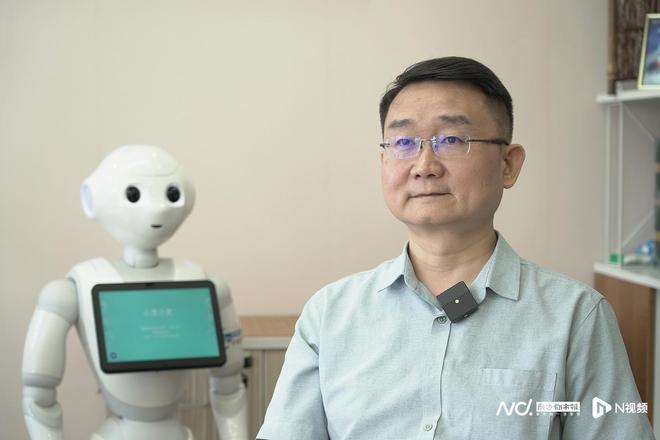
琶洲“模术”秀专访:大模型不必“大而全”,也可“小而美”
Nan Fang Du Shi Bao· 2025-08-22 03:30
Core Insights - The article highlights the rapid development and application of AI large models, particularly focusing on the innovations brought by Lingju Information Technology Co., Ltd. and its CEO Zhang Sheng [1][3][4] Company Overview - Lingju Information was founded in 2013 with a focus on AI, specifically targeting natural language processing (NLP) and service robots [3] - The company has developed its core product, the "Lingju Artificial Brain," which integrates semantic analysis, knowledge graphs, and cognitive computing [3][4] Product Development - Lingju has launched its own AI large model, the "Lingju Lingna Xunling Model," which emphasizes flexible deployment and quick response, catering to specific application scenarios [1][5] - The company focuses on "small models" that require fewer parameters (around tens of millions) compared to general large models that may have hundreds of billions of parameters, achieving cost control and efficiency [5][8] Market Position and Strategy - Lingju's technology is widely used in various applications, including enterprise conversational AI, personal AI applications, digital humans, service robots, and AIoT products, serving major companies like Huawei, Alibaba, and Xiaomi [4][5] - The company aims to leverage its unique technology and open-source advancements to create tailored solutions for specific industry needs, emphasizing the importance of application scenarios in AI development [4][10] Future Plans - Lingju plans to deepen its focus from industry-level applications to specific scenarios, expanding from B2B to B2C markets to explore more possibilities for AI utilization [10][11]

千亿研发迎来收获期,小米的价值重估才刚开始
Xin Lang Ke Ji· 2025-08-22 02:27
Core Viewpoint - Xiaomi has demonstrated remarkable growth in the second quarter, achieving record highs in revenue and adjusted net profit despite a challenging smartphone market, indicating a significant transformation in the company's business model and strategy [1][2][4]. Financial Performance - In Q2, Xiaomi's total revenue reached 1160 billion, a year-on-year increase of 30.5%, while net profit was 119 billion, up 134.2%. Adjusted net profit was 108 billion, reflecting a 75.4% increase [5]. - Xiaomi has achieved three consecutive quarters of revenue exceeding 100 billion and five consecutive quarters of revenue growth over 30% [5][9]. Strategic Initiatives - The "Human-Vehicle-Home Ecosystem" strategy has enhanced Xiaomi's resilience and internal growth momentum, contributing to its strong financial performance [5][9]. - Xiaomi's smartphone business has solidified its position in the high-end market, with a 27.6% share of high-end smartphone sales in mainland China, an increase of 5.5 percentage points year-on-year [5][6]. Product Performance - The IoT and consumer products segment saw a 44.7% year-on-year revenue growth, driven by smart home appliances, with air conditioning sales exceeding 5.4 million units, a growth of over 60% [6][11]. - The automotive sector reported a staggering 230.3% year-on-year increase in revenue, reaching 206 billion, with a gross margin of 26.4%, surpassing leading brands like Tesla [6][9]. Future Outlook - Xiaomi aims to enter the "2 million club" within three to five years, positioning itself alongside Apple and Samsung [6]. - The company plans to invest 300 billion in R&D this year, with a total of 1020 billion invested over the past five years, focusing on core technologies [11][13]. - Xiaomi is preparing to expand its automotive business into overseas markets, with a target to enter Europe by 2027 [15]. Market Perception - Analysts view Xiaomi's explosive growth in the electric vehicle sector as a potential catalyst for stock price increases, with Morgan Stanley maintaining an "overweight" rating and a target price of 62 HKD, indicating significant upside potential [15].
港股造车新势力沸腾,小鹏汽车大涨超13%,恒生科技指数ETF(513180)涨超1.5%
Mei Ri Jing Ji Xin Wen· 2025-08-22 02:11
Group 1 - The Hong Kong stock market opened positively on August 22, with the Hang Seng Technology Index rising by 0.99% [1] - New consumption concept stocks generally increased, while innovative drug concepts continued their upward trend, and new energy vehicle stocks saw significant gains [1] - XPeng Motors' stock surged over 13% after the announcement of a share buyback by its controlling shareholder, He Xiaopeng, who purchased 3.1 million Class A ordinary shares at an average price of HKD 80.49 per share, totaling HKD 249 million [1] Group 2 - XPeng Motors reported a net loss reduction of 62.8% year-on-year to RMB 480 million in Q2, with a quarter-on-quarter decrease of 28.1%, marking two consecutive quarters of significant loss narrowing [2] - The company's revenue grew by 125.3% year-on-year to RMB 18.27 billion, achieving a historical high, driven by quarterly deliveries exceeding 100,000 units [2] - The automotive gross margin has improved for eight consecutive quarters, and the company expects Q3 deliveries to be between 113,000 and 118,000 units, with revenue guidance of RMB 19.6 billion to RMB 21 billion [2] Group 3 - The Hang Seng Technology Index ETF (513180) includes 30 leading Hong Kong tech stocks, focusing on the AI industry chain, with major players like Alibaba, Tencent, Xiaomi, Meituan, and BYD potentially becoming the "seven giants" of Chinese tech stocks [2] - Recent market conditions suggest that the Hang Seng Technology Index may have a chance for a rebound, as multiple institutions anticipate a recovery in this sector [2]
名创优品、快手等发布半年业绩报告,新消费概念普涨,港股消费ETF(513230)早盘走强
Mei Ri Jing Ji Xin Wen· 2025-08-22 01:56
Group 1 - The core viewpoint of the articles highlights the performance of various companies in the consumer sector, particularly focusing on their financial results for the second quarter of 2025 [1][2][3] Group 2 - Miniso Group reported total revenue of 4.97 billion yuan for Q2 2025, representing a year-on-year growth of 23.1%. The gross margin for the quarter was 44.3%, an increase of 40 basis points compared to the same period last year. Adjusted net profit reached 690 million yuan, up 10.6% year-on-year, with an adjusted net profit margin of 13.9% [1] - Kuaishou announced total revenue of 35 billion yuan for Q2 2025, a year-on-year increase of 13.1%. The adjusted net profit reached 5.6 billion yuan, growing 20.1% year-on-year, with an adjusted net profit margin of 16.0%, marking a historical high for a single quarter [2] - Kuaishou's average daily active users reached 409 million in Q2 2025, achieving a historical high [2]


空调内销创新高,2025 冷年景气收官
智通财经网· 2025-08-22 01:39
Core Viewpoint - The air conditioning industry experienced double-digit growth in domestic sales in July, while exports remained weak, aligning with market expectations. The domestic sales volume for the 2025 cooling year is projected to increase by 11% year-on-year to 110 million units, marking a historical high [1]. Group 1: Domestic Sales Performance - In July, the production of household air conditioners was 16.12 million units, a slight decrease of 0.01% year-on-year, while sales reached 16.44 million units, an increase of 1.58% year-on-year. Domestic sales accounted for 10.58 million units, up 14.34% year-on-year [1]. - The retail performance showed significant growth, with online and offline retail volumes increasing by 32% and 37% year-on-year, respectively [2]. - The domestic sales growth trend is expected to continue, with a forecasted increase of 13% year-on-year from August to December 2024 [2]. Group 2: Performance of Leading Companies - In July, the domestic sales of major brands showed varied performance: Midea +2%, Gree stable, Haier +58%, Hisense +63%, Changhong -2%, and TCL stable [3]. - Midea's cumulative domestic sales from May to July increased by 24% year-on-year, outperforming the industry average of 15% [3]. Group 3: Export Challenges - The export volume of air conditioners in July decreased by 15% year-on-year, with ongoing impacts from tariffs. The U.S. and China announced a 90-day suspension of the 24% tariff increase, but future developments remain uncertain [4]. - Major brands' export performance in July included Midea -22%, Gree -15%, Hisense -12%, Haier -30%, and Changhong -34% [4]. Group 4: Investment Recommendations - Recommended stocks include Midea Group (000333.SZ), Haier Smart Home (600690.SH), Gree Electric Appliances (000651.SZ), and Hisense Home Appliances (000921.SZ) [5].



斑马原CFO公开吐槽老东家上市圈钱:离开是不看好业务;传阴阳师事业部负责人金韬已离职创业;极氪优化直营体系,转手部分门店
雷峰网· 2025-08-22 00:35
Key Points - The article discusses various developments in the tech and automotive industries, highlighting significant corporate actions, product launches, and market strategies. Group 1: Corporate Developments - Former CFO of Zhibo Network publicly criticized the company's upcoming IPO, stating that he left due to a lack of confidence in the business and accused certain executives of being opportunistic [4][6]. - Alibaba announced the spin-off of Zhibo Network for an independent listing on the Hong Kong Stock Exchange, with plans to retain over 30% ownership post-IPO [6]. - Alibaba's Lingxi Entertainment has shifted its reporting structure to report directly to CFO Xu Hong, indicating potential changes in business strategy [12][13]. Group 2: Product Launches and Innovations - NIO unveiled the new ES8 model, with a starting pre-sale price of 416,800 yuan, featuring significant upgrades in size and technology [19]. - Vivo introduced the Vision Exploration Edition, the lightest MR headset in the industry, weighing only 398g, designed for enhanced user experience [30]. - DeepSeek released version 3.1, which includes significant upgrades and price adjustments for its API services, reflecting a shift towards next-generation domestic chips [11]. Group 3: Market Strategies - Alibaba's local services division is launching a new group-buying feature called "Flash Group," aimed at price-sensitive consumers, to compete with Meituan's similar offerings [18]. - Multiple ride-hailing platforms, including Didi and T3, have announced reductions in commission rates to support driver income and expand platform capacity [24][25]. - Zero Run Auto reported a cumulative delivery of over 900,000 vehicles, achieving profitability in the first half of the year and adjusting its annual sales target upwards [26][27]. Group 4: Financial Performance - Kuaishou reported a revenue of 35.05 billion yuan for Q2 2025, with a net profit increase of 20.1%, and announced a special dividend for shareholders [39]. - Bilibili's Q2 revenue reached 7.34 billion yuan, with significant growth in advertising and gaming revenue, and a record high in user engagement metrics [40]. Group 5: Competitive Landscape - Samsung's HBM4 samples have passed initial testing with Nvidia and are set to enter pre-production, potentially challenging SK Hynix's dominance in the AI memory chip market [44][45]. - Intel is negotiating with large investors to replicate a previous financing deal with SoftBank, aiming to bolster its capital structure [46]. Group 6: Privacy and Regulatory Issues - Meta is facing allegations of circumventing Apple's privacy restrictions to enhance ad revenue, with claims of misleading advertisers about the performance of its Shop Ads [51][52]. - xAI's Grok platform experienced a significant privacy breach, exposing over 370,000 user chat records due to design flaws in its sharing functionality [46][47].



深度|中国资产吸引力大增!韩国“欧巴”迷上中国科技股
证券时报· 2025-08-22 00:16
Core Viewpoint - Korean investors are increasingly buying Chinese assets, making China the second-largest overseas investment destination for South Korea, with significant net purchases in the Hong Kong stock market and a notable recovery in investor confidence [1][2]. Group 1: Investment Trends - As of August 20, 2023, the cumulative trading volume of Korean investments in the Hong Kong stock market exceeded $5.8 billion, second only to the U.S. market [1]. - Korean funds have net bought approximately $499 million in Chinese stocks this year, reversing a trend of net selling over the past three years, which totaled $985 million [1]. - The performance of Chinese-themed ETFs listed in South Korea has been impressive, with some products achieving monthly returns exceeding 60%, outperforming many U.S. index ETFs [1]. Group 2: Demographics and Market Entry - There is a growing interest among younger generations in South Korea to invest in Chinese stocks, influenced by easier access to information and travel opportunities due to visa policy changes [4]. - The number of active stock trading accounts in South Korea reached 69.3 million, indicating a highly active retail investor base [4]. Group 3: Sector Focus - Korean investors are particularly interested in high-growth sectors in the Chinese market, including electric vehicles, batteries, artificial intelligence, and technology [5]. - The net buying of Chinese stocks by Korean individual investors has turned positive for the first time in three years, with a significant increase in investment sentiment [5]. Group 4: Institutional Response - Korean asset management companies are launching products linked to Chinese assets to attract investors, including ETFs focused on electric vehicles and AI [8]. - Major Korean securities firms are hosting events and offering promotional activities to encourage investment in Chinese stocks, reflecting a positive outlook on the market [7]. Group 5: Market Outlook - The optimism among Korean investors regarding Chinese assets is expected to persist, driven by favorable policies and a recovering market [10]. - Analysts predict that the revaluation of Chinese stocks will continue until 2026, supported by economic stimulus measures and structural changes in the market [11]. - Despite short-term uncertainties, the long-term investment potential in sectors like electric vehicles and AI is viewed positively by Korean investors [11].

小鹏狂卖 19 万辆背后,近半是 10 万级小车
阿尔法工场研究院· 2025-08-22 00:00
Core Viewpoint - The A-class car market has significantly boosted Xiaopeng Motors' performance, with a remarkable increase in delivery volume and revenue driven primarily by the launch of the MONA M03 model [2][3]. Delivery and Sales Performance - Xiaopeng Motors delivered approximately 197,200 vehicles in the first half of 2025, a 279% increase from about 52,000 vehicles in the same period last year [2]. - Total revenue reached 34.09 billion yuan, up 132.5% from 14.66 billion yuan year-on-year [2]. - The MONA M03 model accounted for approximately 43.79% of total deliveries in the first half of 2025, with around 86,400 units delivered [3]. Product Strategy and Market Positioning - The introduction of the MONA M03 marks Xiaopeng's shift towards the A-class car segment, aiming to improve cash flow and compete in the lower-priced market [2]. - The MONA M03 is priced between 119,800 yuan and 139,800 yuan, making it competitive against models like BYD's Qin PLUS EV, which has higher pricing for some variants [5]. - Xiaopeng's CEO has expressed ambitions to increase the monthly sales of the MONA M03 from 15,000 to 20,000 units [5]. Competitive Landscape - The A-class electric vehicle market is becoming increasingly competitive, with many new energy vehicle companies adopting similar strategies [2]. - Xiaopeng's mid-to-high-end models have struggled, with monthly sales not exceeding 10,000 units, indicating challenges in this segment [12]. Financial Performance - Xiaopeng Motors reported a net loss of 1.14 billion yuan in the first half of 2025, a reduction from previous years, indicating signs of financial improvement [14]. - The overall gross margin increased to 16.5% in the first half of 2025, up from 13.5% in the same period last year, with automotive gross margin rising from 6.0% to 12.6% [14]. - Research and development expenses increased by 48.6% year-on-year to 4.19 billion yuan, reflecting the company's commitment to innovation despite financial losses [15].

外媒:为什么印度需要中国?
Xin Lang Cai Jing· 2025-08-21 15:21
Group 1 - India's industrial ambitions increasingly rely on acquiring technology from China, with nearly $48 billion in electronic and electrical equipment imported from China in 2024, highlighting India's dependence on Chinese components for smartphone and telecom network assembly [1] - The Indian pharmaceutical industry also imports a significant portion of its active pharmaceutical ingredients from China, indicating a broader reliance on Chinese technology and materials [1] - India is particularly dependent on China for rare earth magnets, which are crucial for achieving its goals in electric vehicles, renewable energy, and consumer electronics [1] Group 2 - In critical technology areas such as electric vehicle batteries and clean energy storage, India requires Chinese technological capabilities and expertise, as domestic technology is insufficient and alternatives are scarce [1] - Major Indian conglomerates are exploring partnerships with Chinese companies, with notable examples including Gautam Adani's discussions with BYD for potential battery manufacturing collaboration and JSW's agreements with Chinese automotive firms for electric vehicle technology [1] - India is also a significant market for Chinese smartphone manufacturers, with approximately 156 million smartphones imported and sold in 2024, providing substantial market opportunities for companies like Xiaomi, Vivo, and OPPO [1][2] Group 3 - As the world's third-largest automotive market, India sold around 4.3 million passenger vehicles in 2024, making it an important target market for Chinese automotive manufacturers [2] - This collaboration benefits Chinese companies by providing access to one of the fastest-growing consumer markets globally [2]
国内首台28纳米关键尺寸电子束量测量产设备出机,科创半导体ETF(588170)盘中交易活跃
Mei Ri Jing Ji Xin Wen· 2025-08-21 12:31
Group 1 - The core viewpoint of the news highlights the significant growth in the global smart glasses market, which saw a year-on-year increase of 110% in the first half of 2025, with expectations of maintaining a compound annual growth rate (CAGR) of over 60% from 2024 to 2029 [2] - Meta dominates the smart glasses market with a 73% share, while emerging companies like Xiaomi and RayNeo are accelerating their presence, contributing to the sustained interest in AI glasses [2] - Domestic semiconductor equipment has made breakthroughs in 28nm electron beam measurement equipment and electron beam lithography machines, which are crucial for enhancing China's semiconductor industry chain autonomy [2] Group 2 - The current demand in the electronics industry is experiencing a mild recovery, prompting recommendations to focus on the AI server supply chain, AIOT, equipment materials, and the localization of automotive electronics [2] - The Sci-Tech Innovation Board Semiconductor Materials and Equipment Theme Index has seen a decline of 1.11%, with significant drops in constituent stocks such as Xinyichang and Shanghai Hejing [1] - The Sci-Tech Semiconductor ETF (588170) has shown a weekly increase of 5.51% as of August 20, 2025, with a notable trading volume and liquidity, indicating active market participation [1]