梵克雅宝

Search documents
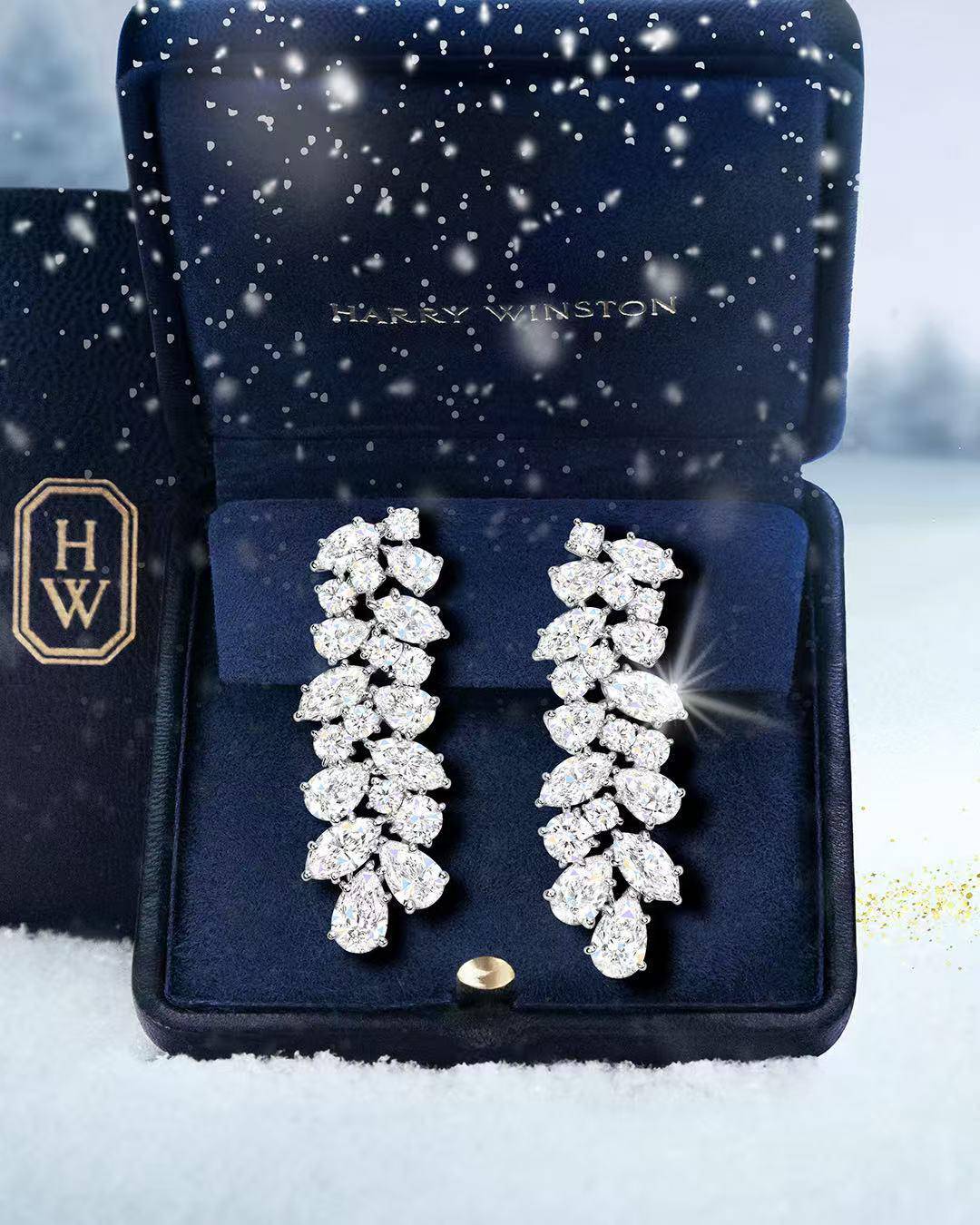
奢侈品牌用工艺与传承,点亮节日季的“情感消费”新叙事
Yang Zi Wan Bao Wang· 2025-12-24 11:36
Core Insights - The luxury jewelry and watch brands are shifting from mere product display to storytelling, emphasizing craftsmanship, cultural integration, and emotional resonance during the holiday season [1][18] Group 1: Craftsmanship and Storytelling - Luxury brands are increasingly connecting their products to tangible history and craftsmanship, adding deeper meaning to consumer purchases [2] - Harry Winston's narrative focuses on a pivotal Christmas night in 1940, linking the "Winston Cluster" setting technique to a natural inspiration, enhancing the brand's legendary status [2] - Van Cleef & Arpels emphasizes a poetic dialogue with nature through its "Frosted Winter" theme, inviting customers to wear a piece of "winter's natural blessing" [4] Group 2: Cultural Integration - The Chinese Lunar New Year has become a significant marketing opportunity for luxury brands, moving beyond simple symbolism to a deeper homage to culture through craftsmanship [8] - Harry Winston's limited edition "Moments" series watch for the Year of the Horse features intricate craftsmanship that embodies Eastern cultural significance, with only 8 pieces available [8] - Piaget collaborates with enamel master Anita Porchet to create a limited edition watch that showcases the horse theme through masterful techniques, reinforcing the brand's artistic capabilities [10] Group 3: Emotional Connectivity - Luxury brands are focusing on building emotional networks that encompass warmth, blessings, and sharing during the holiday season [12] - Harry Winston's marketing emphasizes themes of "decorating winter dreams" and "delivering warm blessings," integrating their jewelry into festive gatherings [12] - Vacheron Constantin's "Golden Enjoyment, Illuminating the Festival" theme highlights the importance of companionship through versatile watch designs that cater to various occasions [14]

这届年轻人,买奢侈品的逻辑彻底变了
3 6 Ke· 2025-12-16 11:12
Core Insights - The luxury goods market is experiencing a shift in consumer behavior, particularly among younger generations who prioritize value and discounts over brand prestige and logos [2][3][5][6] Group 1: Changing Consumer Preferences - Young consumers are increasingly seeking high-quality luxury items at lower prices, moving away from the traditional notion that higher prices equate to better quality [2][5] - Research indicates that nearly 50% of luxury goods users on platforms like Xiaohongshu are born after 1995, with a significant portion starting to pay attention to luxury brands before the age of 22 [3] - The trend shows that young consumers prefer discount channels, with a 30% year-on-year increase in luxury sales reported by discount e-commerce platform Vipshop from January to September this year [3][6] Group 2: Market Dynamics - Major luxury brands like LVMH and Kering are facing declining profits, with LVMH's operating profit down 15% and net profit down 22% in the first half of 2025 [3] - The discount luxury market is projected to grow at five times the rate of the full-price market between 2025 and 2030, indicating a significant shift in consumer purchasing behavior [6] Group 3: Trust and Quality Assurance - The need for third-party authentication has become essential in the discount luxury market, as consumers seek assurance of product authenticity and quality [10][11] - China’s inspection and certification authority, Zhongjian, is establishing itself as a key player in providing quality assurance for discounted luxury goods, enhancing consumer trust [10][11] - The collaboration between Zhongjian and e-commerce platforms aims to redefine quality standards for discounted luxury items, addressing consumer concerns about authenticity and value [11]
这届年轻人,买奢侈品的逻辑彻底变了
36氪· 2025-12-16 11:08
Core Viewpoint - The luxury goods consumption logic is undergoing a significant transformation, with younger consumers prioritizing value recognition over brand prestige and price, seeking high-quality products at lower prices [4][9][20]. Group 1: Changing Consumer Behavior - Young consumers are no longer attracted to luxury brands solely for their logos; instead, they value emotional connections and high cost-performance ratios [5][8]. - The trend of seeking discounts and third-party authentication for luxury goods is becoming prevalent, as evidenced by the growth of discount channels and the increasing importance of quality assurance [3][7][19]. - A Bain report indicates that while global luxury consumption is slowing, discount store sales are rising significantly, becoming the preferred channel for entry-level luxury purchases [3][6]. Group 2: Market Dynamics - Major luxury brands like LVMH and Kering are experiencing declines in profits, with LVMH's operating profit dropping by 15% and net profit by 22% in the first half of 2025 [6]. - Despite the downturn in traditional luxury sales, interest among younger consumers remains strong, with a significant portion of luxury goods users on platforms like Xiaohongshu being born after 1995 [6][14]. - The discount luxury market is projected to grow at five times the rate of the full-price market between 2025 and 2030, indicating a shift in consumer purchasing behavior [13]. Group 3: Trust and Quality Assurance - The need for independent, authoritative third-party institutions to provide quality assurance for discounted luxury goods is becoming critical, as consumers seek reliable authentication [17][19]. - The China Inspection and Quarantine (CIQ) has emerged as a key player in the luxury goods authentication industry, providing essential services to ensure product legitimacy [18][20]. - The collaboration between CIQ and e-commerce platforms to offer pre-sale inspections and certification reports is a significant step towards establishing a new quality standard in the discount luxury market [20].
时尚情报丨爱马仕继承人被骗150亿,开云投资黄金品牌
Di Yi Cai Jing· 2025-12-02 08:56
Group 1 - The Chinese luxury goods market is expected to contract by 3% to 5% this year, with a shift towards local entry-level brands and experiential categories [2] - Despite economic and geopolitical uncertainties, the overall luxury goods market remains relatively stable, showing strong resilience [1] - The global personal luxury goods market is projected to reach €358 billion in 2025, down approximately 2% from €369 billion in 2023 [1] Group 2 - The ancient gold brand Baolan has completed over ¥100 million in Series A financing, attracting attention from luxury giants like Kering Group, the parent company of Gucci [7] - Baolan operates three stores in Hangzhou, focusing on flower silk inlay and ancient gold craftsmanship, with high-priced items reaching over ¥120,000 [9] - The "Mineral Wonders" exhibition has opened in Shanghai, showcasing rare mineral specimens and high-end jewelry, enhancing the cultural aspect of luxury goods [12]
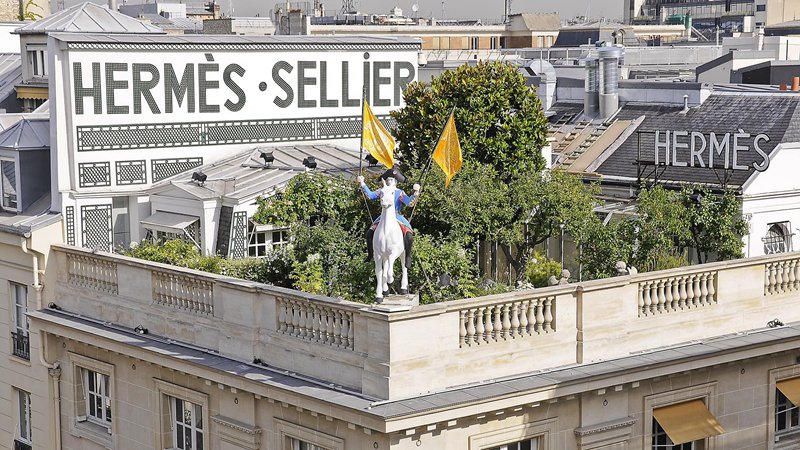
奢侈品珠宝:时光淬炼,奢华典
Xinda Securities· 2025-11-27 07:31
Investment Rating - The investment rating for the luxury jewelry industry is "Positive" [2][3] Core Insights - The global personal luxury goods market is projected to reach €364 billion in 2024, showing a slight decline of 1% year-on-year, with the jewelry segment demonstrating strong resilience [3][22] - The luxury jewelry market is increasingly concentrated, with the top five brands holding a market share of 42.6%, indicating a strengthening of the head effect [3][25] - High-net-worth individuals contribute over 20% of sales, showcasing their strong consumption resilience and acting as a stabilizing force in the industry [3][22] - The luxury jewelry sector is characterized by high brand barriers and historical accumulation, with leading brands like Tiffany, Bulgari, Cartier, and Van Cleef & Arpels maintaining significant market influence and premium pricing [3][22] - The rise of the Z generation is driving a shift in consumer preferences towards brand culture, product design, and personalized experiences, providing a solid foundation for the growth of domestic luxury brands in China [3][22] Summary by Sections 1. Evolution of Luxury Goods - Luxury goods emerged as symbols of social stratification, transitioning from exclusive items for the elite to accessible status symbols for a broader audience [13][14] 2. Consumer Motivations for Purchasing Luxury Goods - The primary motivation for purchasing luxury jewelry is the fulfillment of spiritual needs, with social recognition and personal expression being key drivers [32][35] 3. Nature of Luxury Goods - Luxury goods serve as symbols of dreams, with rarity and uniqueness establishing their high-end positioning [3][22] 4. Brand Value Creation in Luxury Jewelry - Leading luxury jewelry brands ensure longevity through deep connections with affluent consumers, continuous innovation, and strict brand management [3][22] 5. Financial Characteristics and Valuation of Luxury Companies - The financial performance of leading luxury brands is significantly higher than that of regional jewelry companies, driven by brand equity and global channel control [3][22] 6. Potential for Domestic Luxury Jewelry Brands in China - China is positioned to nurture its own luxury jewelry brands, supported by economic growth, rising disposable incomes, and cultural confidence [3][22]
年末静安高端消费“大秀”开场!品牌、商圈齐“整活”
Guo Ji Jin Rong Bao· 2025-11-14 13:48
Core Insights - The article highlights the revitalization of high-end consumption in Jing'an District, driven by innovative events and collaborations among brands, shopping malls, and the local government [1][3][10] Brand Resonance - The "Louis Vuitton Extraordinary Journey" and "HOME TO LUXURY" events exemplify successful brand collaborations, showcasing numerous luxury brands and launching hundreds of new and limited-edition products, creating a synergistic effect among brands [5][11] - The strategy includes attracting younger consumers by integrating trendy brands and local high-end offerings, leading to steady sales growth at key venues like Hang Lung Plaza [5][11] Shopping Mall Collaboration - The district's efforts to enhance commercial synergy include the development of the "Nanjing West Road Fashion Consumption Corridor," promoting complementary functions among various commercial entities [7][11] - Events like "Jing'an Fashion Consumption Season" and the introduction of new retail concepts have contributed to a vibrant shopping atmosphere, with extended operating hours and themed markets enhancing consumer engagement [7][8] Market Vitality through Business Model Innovation - Jing'an District is transitioning from short-term promotional activities to a sustainable consumption ecosystem, focusing on integrating "first-release economy" and "experience economy" [10][11] - The district's approach emphasizes the importance of a resilient commercial environment, with high-end consumption showing consistent growth despite market pressures [11][12] Mechanism Innovation and Ecosystem Building - The successful model in Jing'an is characterized by a collaborative mechanism involving government support, joint efforts among commercial entities, and mutual benefits for brands [11][12] - The district's strategy fosters deep trust and shared goals among stakeholders, enhancing the overall competitiveness of the commercial landscape [11][12]

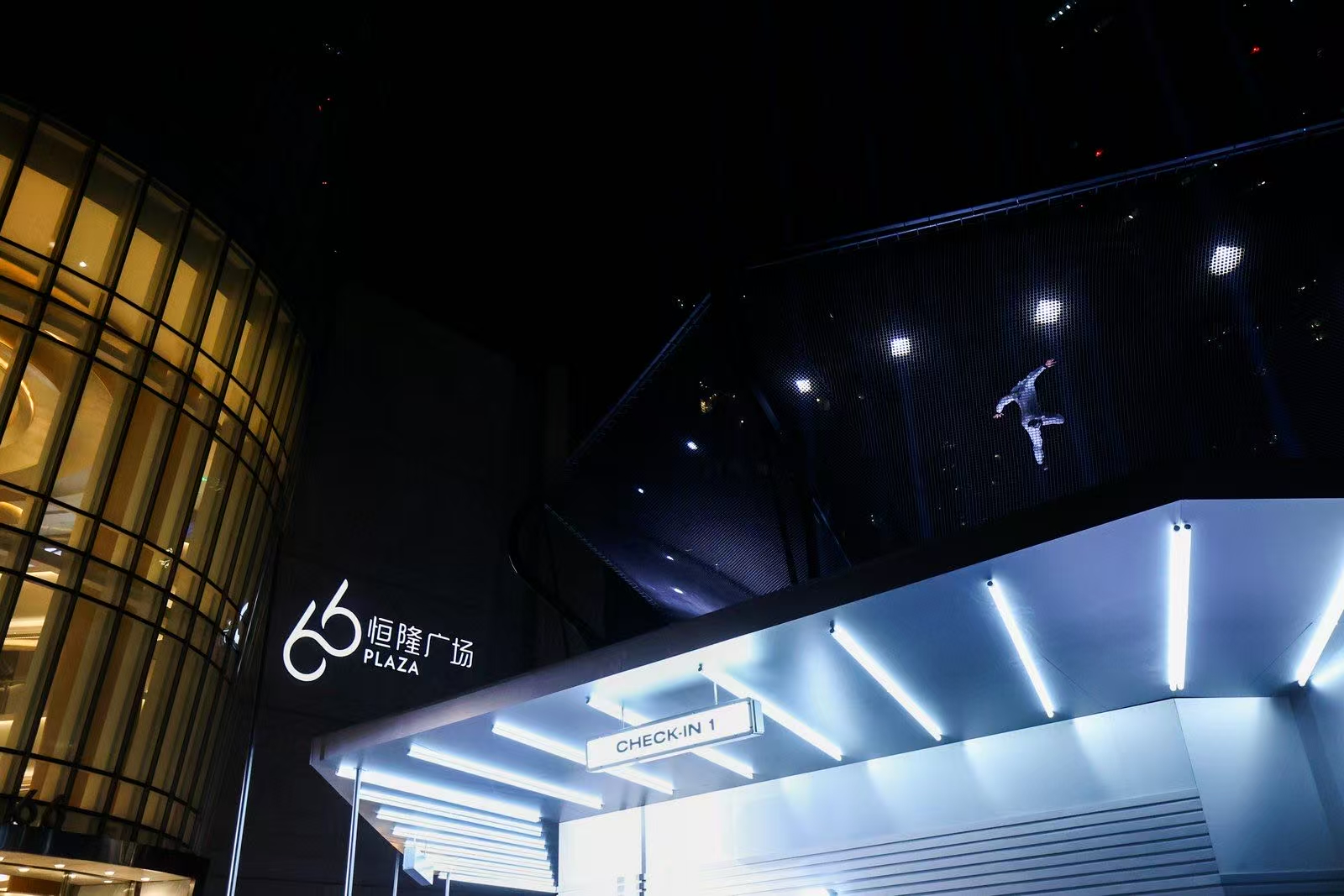
高级珠宝市场暗流涌动,今年谁在逆势加码?
Yang Zi Wan Bao Wang· 2025-11-13 10:56
Core Insights - The high-end jewelry market in China is experiencing a stark contrast, with brands like Cartier actively showcasing new collections while others like Van Cleef & Arpels and Tiffany are reducing their presence [1][3] Brand Strategy Divergence - Some brands are tightening their budgets for high-end jewelry, opting to cancel domestic exhibitions and invite core clients to overseas showcases [3] - Cartier's exhibition in Beijing, named "EN QUILIBRE," features over 480 pieces, including significant works that embody the brand's philosophy of balance [3][11] High-End Jewelry's Halo Effect - High-end jewelry, despite limited sales, enhances the overall brand value and drives interest in classic collections [11] - During Cartier's exhibition, inquiries for classic series like LOVE saw a notable increase, indicating a positive correlation between high-end showcases and brand engagement [11][13] Consumer Dual-Track Choices - A dual-track phenomenon is emerging in China's high-end market, where consumers are purchasing both Western luxury jewelry and local gold pieces [15][18] - The rise of local brands like Laopuhuang is attracting high-end customers, showcasing a shift in consumer preferences [15][18] New Competitive Logic - The competition in high-end jewelry is evolving from a focus on luxury materials to deeper cultural understanding and value transmission [19] - Cartier's unique approach this year emphasizes the concept of balance through various designs, reflecting a sophisticated aesthetic foundation [19][21] - The future competition will hinge on brands' ability to understand Chinese consumers and cultivate brand value, as highlighted by industry observers [21]
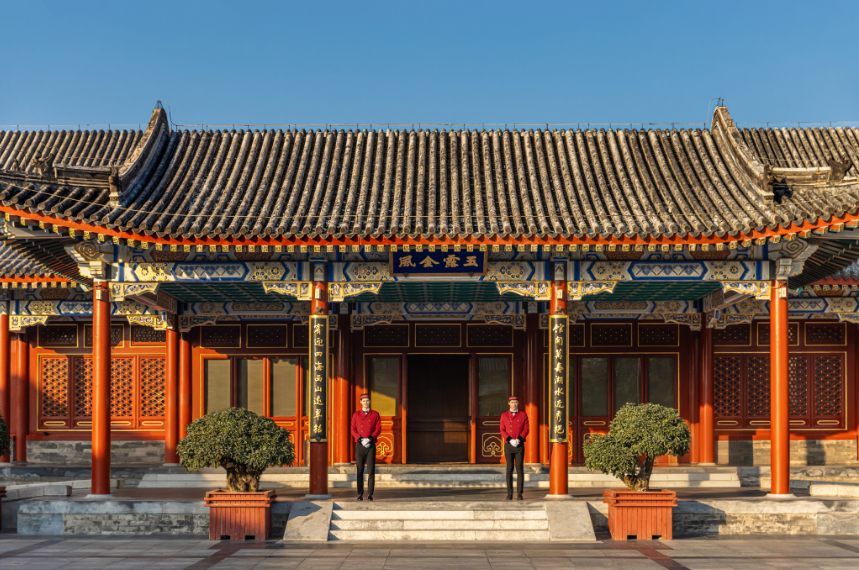
被金价牵着走的老铺黄金,还远远不是一个奢侈品牌
Xin Lang Cai Jing· 2025-10-31 01:27
Core Viewpoint - The recent opening of Laopu Gold's new store in Shanghai has led to a significant increase in consumer interest, but the company's pricing strategy, which involves raising prices while gold prices are falling, has sparked consumer skepticism about its value proposition [1][2][7]. Pricing Strategy - Laopu Gold has implemented a fixed pricing strategy typical of luxury jewelry brands, with prices determined by raw material costs, craftsmanship, and R&D expenses, rather than fluctuating with real-time gold prices [6][8]. - The company has raised prices three times in 2025, with the latest increase of 18% to 25% being the largest of the year, coinciding with a significant drop in gold prices [1][7]. Consumer Behavior - Consumers continue to base their purchasing decisions on the fluctuations in gold prices, comparing Laopu Gold's prices with those of competitors like Chow Tai Fook and Chow Sang Sang [2][7]. - The perception of Laopu Gold's products is heavily influenced by the current gold market, leading to concerns about the brand's ability to maintain value [1][2]. Profitability and Margins - Laopu Gold's gross margin is higher than that of its competitors, with a reported margin of over 41% at the end of 2024, but it has seen a decline to 38% in the first half of 2025 due to misalignment with gold price increases [7][8]. - The company's profitability remains highly dependent on gold prices, with cumulative price increases for Laopu Gold's products in 2023 nearing 50% to 60%, mirroring the rise in international gold prices [7][8]. Brand Positioning - Unlike high-end luxury brands such as Hermès and Chanel, which have a gross margin of 60% to 80% and a strong pricing power, Laopu Gold's pricing model does not allow for significant deviation from raw material costs [8][9]. - The brand lacks substantial marketing investment, which limits its ability to create a unique luxury narrative and establish a higher premium in the market [9][10]. Market Competition - Laopu Gold faces competition from both high-end brands and mid-range competitors, with brands like Shenzhen Shuibei producing imitations that dilute Laopu Gold's uniqueness [10]. - Traditional brands are also increasing their investment in ancient gold craftsmanship, further intensifying competition in the market [10].
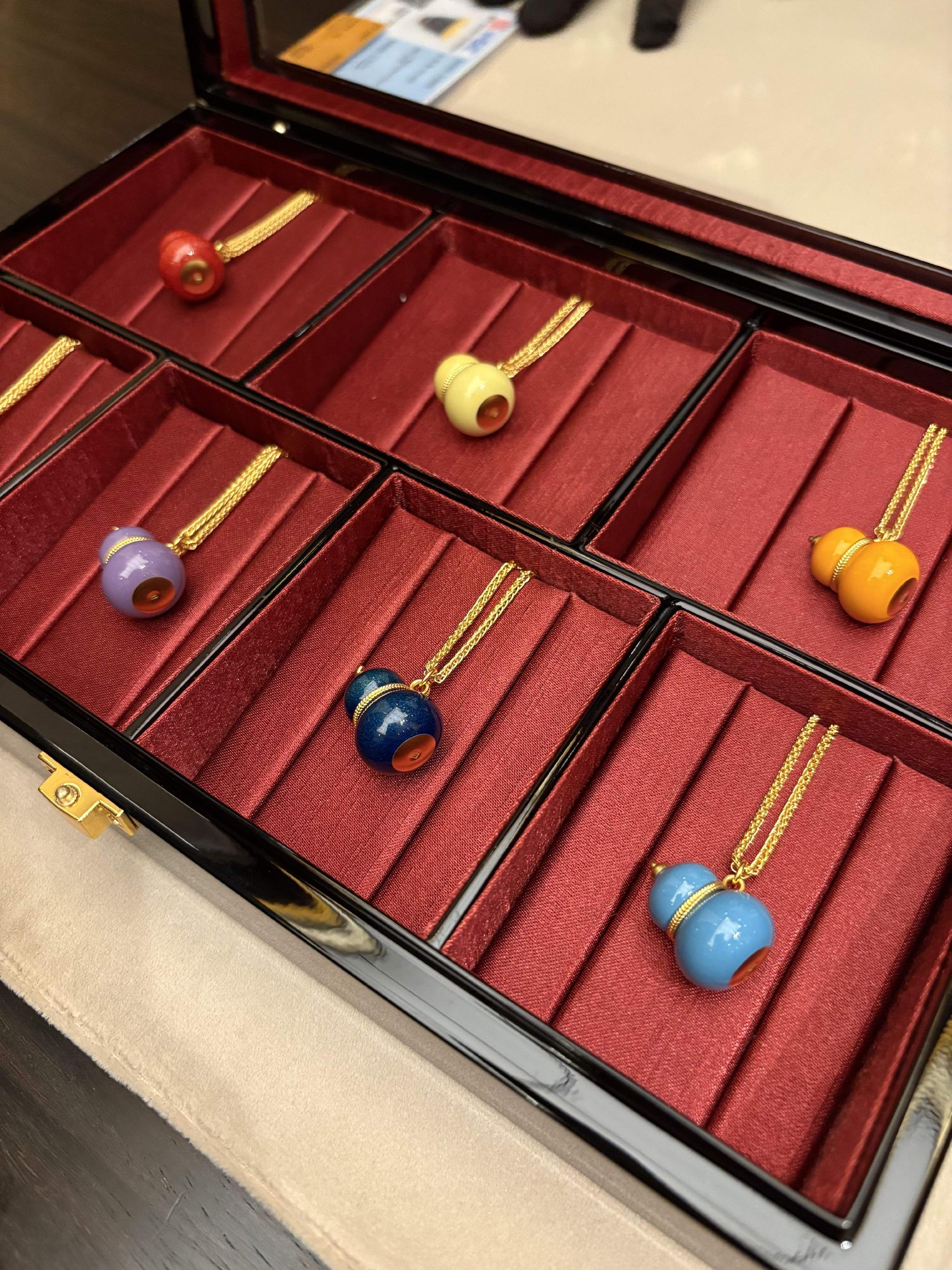
为什么别人家的产品又贵又好卖?
虎嗅APP· 2025-10-10 13:43
Core Viewpoint - The article discusses the phenomenon where higher prices can lead to increased sales, challenging the common belief that lower prices always drive better sales performance. It highlights the concepts of Veblen Effect and Giffen Goods to explain consumer behavior regarding pricing and demand. Group 1: Veblen Effect and Luxury Goods - The Veblen Effect suggests that consumers may demand more of a product as its price increases, particularly for luxury goods, as higher prices can enhance perceived value and status [11][14][20]. - Examples include a warming underwear factory in China that raised prices from 50 yuan to 140-150 yuan, resulting in a 30% increase in orders [9]. - Similarly, luxury brands like Chanel and Van Cleef & Arpels have successfully increased prices while boosting sales, demonstrating the effectiveness of this pricing strategy [12][13]. Group 2: Giffen Goods and Consumer Behavior - Giffen Goods illustrate a scenario where demand for a product increases as its price rises, contrary to typical economic expectations. This phenomenon was observed during the Irish Potato Famine [22][24]. - The article explains that when essential goods like potatoes become more expensive, consumers may buy more of them due to the lack of affordable alternatives, showcasing a unique consumer psychology [28][36]. Group 3: Price Elasticity and Market Dynamics - The concept of price elasticity is crucial in understanding consumer behavior. Products with high elasticity see demand fluctuate significantly with price changes, while necessities tend to have inelastic demand [56][57]. - The article warns that relying solely on a low-price strategy can lead to detrimental price wars, ultimately harming the industry as a whole [59]. Group 4: Consumer Preferences and Pricing Strategies - The article argues that consumers do not always prefer cheaper options; instead, they may seek products that offer perceived value, even at higher prices [44][45]. - It emphasizes the importance of aligning product pricing with its perceived value and utility, suggesting that higher prices can sometimes lead to better sales if consumers recognize the product's worth [60].
为什么别人家的产品又贵又好卖?
Hu Xiu· 2025-10-09 23:31
Group 1 - The article discusses the misconception that lower prices lead to higher sales, highlighting instances where raising prices has stimulated demand instead [1][4][40] - The concept of the Veblen effect is introduced, where higher prices can increase consumer demand for luxury goods, as seen in examples from the clothing and toy industries [5][6][10] - The article cites specific cases, such as the price increase of warming underwear and collectible toys, which resulted in significant order growth and resale value appreciation [6][8][9] Group 2 - The article contrasts the Veblen effect with the Giffen phenomenon, where demand for a staple good like potatoes can increase despite rising prices due to lack of alternatives [25][26][34] - It explains that the Giffen phenomenon occurs under specific conditions, such as when consumers are forced to buy more of a staple as other food prices rise [27][28][36] - The article emphasizes that consumer behavior is influenced by both horizontal and vertical comparisons, affecting purchasing decisions based on perceived future price trends [30][34][37] Group 3 - The article argues that consumers do not always prefer cheaper options, as demonstrated by the evolution of consumer behavior towards higher-priced, high-quality products over time [56][58][60] - It introduces the "V-shaped price curve," suggesting that consumers may initially reject high prices but eventually seek out premium products once low prices become normalized [57][59] - The article highlights the importance of perceived value in consumer purchasing decisions, indicating that consumers are willing to pay more for products they deem valuable [61][62] Group 4 - The article discusses the concept of price elasticity of demand, explaining that products with high elasticity can benefit from a low-price strategy, while essential goods tend to have inelastic demand [76][79][80] - It warns that relying solely on a low-price strategy can lead to industry-wide price wars, ultimately harming profitability for all players involved [81][82] - The article concludes that raising prices can be beneficial if aligned with product value and consumer expectations, suggesting that higher prices can lead to better sales outcomes [83][84]