
TH International Limited

Search documents
星巴克中国、蜜雪冰城……茶咖品牌们,都盯上了打工人的早餐
3 6 Ke· 2025-12-04 03:55
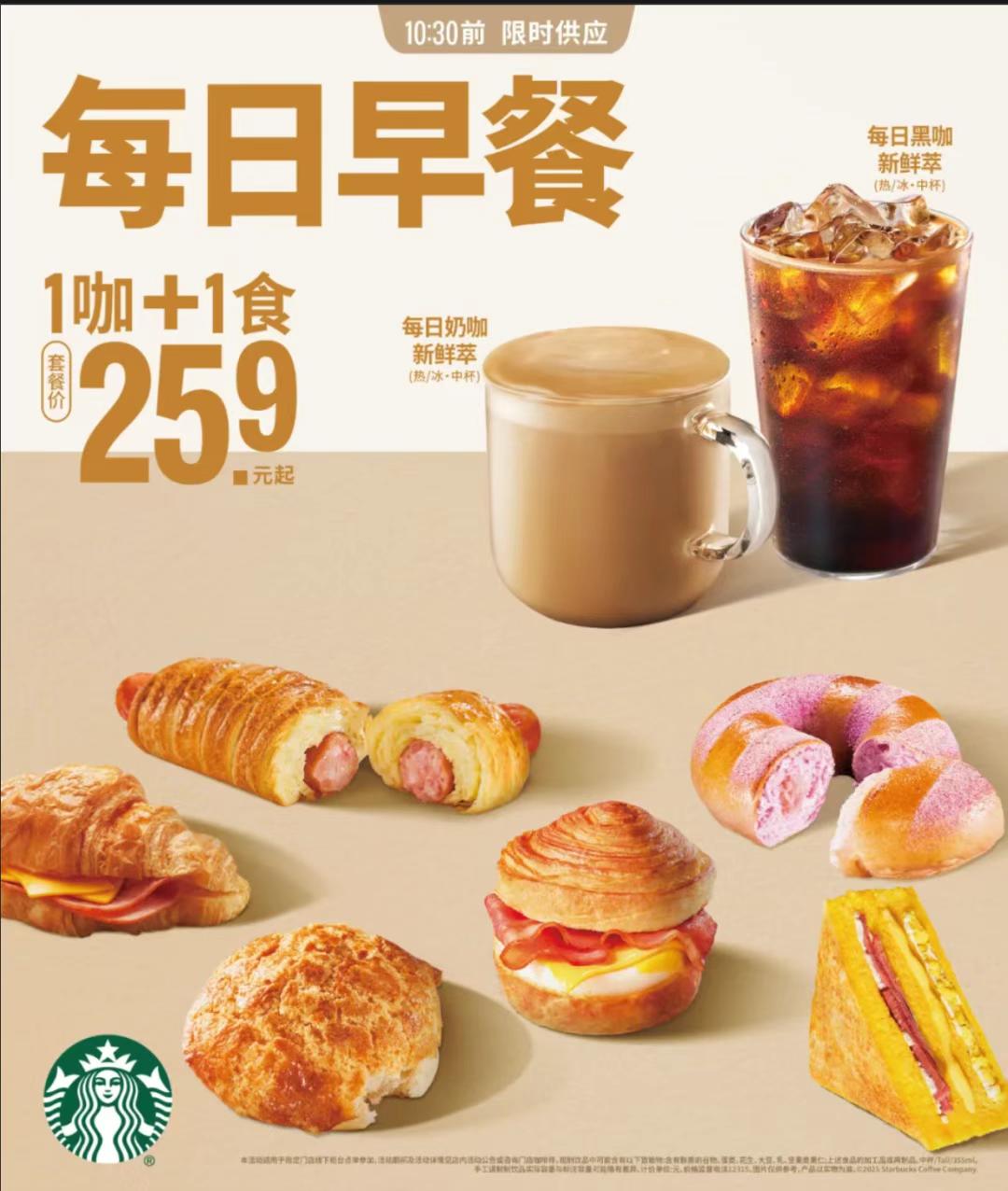
Core Insights - The article discusses the emerging trend of beverage brands, particularly coffee and tea chains, entering the breakfast market, indicating a shift in consumer behavior and market strategy [2][3][23] Group 1: Market Trends - Major beverage brands like Starbucks and Mixue Ice City are focusing on breakfast offerings, suggesting a strategic shift to capture consumer demand during this key meal period [2][4][22] - The trend of integrating food with beverages is becoming a standard practice rather than a differentiating factor, as seen with brands like Nayuki Tea and Tims Coffee [3][12][24] Group 2: Company Strategies - Starbucks launched a "Daily Breakfast" series in Shenzhen, offering value meal combinations at prices ranging from 25.9 to 31.9 yuan, which includes coffee and food items [6][8] - Tims Coffee has also entered the lunch market with a "Light Bagel Lunch Box" series, emphasizing health and freshness, indicating a broader strategy to attract consumers throughout the day [10][11] Group 3: Consumer Behavior - There is a growing consumer preference for convenient breakfast options, particularly among office workers and students, leading to increased demand for quick meal solutions [22][24] - The article highlights that breakfast consumption is becoming a necessity, with brands recognizing the importance of catering to this demand to enhance customer engagement and sales [22][26] Group 4: Competitive Landscape - The competitive landscape is shifting as beverage brands aim to capture a larger share of the breakfast market, which has traditionally been dominated by street vendors and local eateries [26][27] - The integration of food offerings is seen as a way to increase customer frequency and average transaction value, making it essential for brands to adapt to this evolving market [24][25]


Tims China and Tencent's CarbonXmade Launch Innovative Eco-friendly Straw Made with Captured CO₂
Globenewswire· 2025-12-03 15:39
Core Viewpoint - TH International Limited, the exclusive operator of Tim Hortons in China, has launched an eco-friendly straw developed in collaboration with Tencent's CarbonXmade program, aiming to promote sustainability in consumer choices [1][2][10]. Product Launch and Features - The new straws will be introduced in Tims stores across major cities including Beijing, Shanghai, and Shenzhen, encouraging sustainable consumer behavior [2]. - The straws are produced using Carbon Capture Utilization (CCU) technology, which converts industrial CO₂ emissions into biodegradable materials [4][6]. - Each 100 straws contains 3.185 grams of captured CO₂, showcasing an improved life-cycle performance [6]. Sustainability Initiatives - The launch event featured a "low-carbon fashion show" with designs made from the new straws, emphasizing creativity in sustainability [7][8]. - Tims China has previously initiated the "Bring Your Own Cup — Save RMB 8" program, furthering its commitment to sustainability [10]. - The company has opened a "Green Innovation Lab Store" in Shenzhen, focusing on coffee-ground recycling and circular design [11]. Global Responsibility - Tim Hortons promotes responsible sourcing through its "Coffee for Communities" program, which has supported over 18,000 farmers by 2023 [12].



支持“自带杯”门店数量全国第一 上海引领咖啡茶饮绿色消费新风尚
Sou Hu Cai Jing· 2025-12-01 23:02
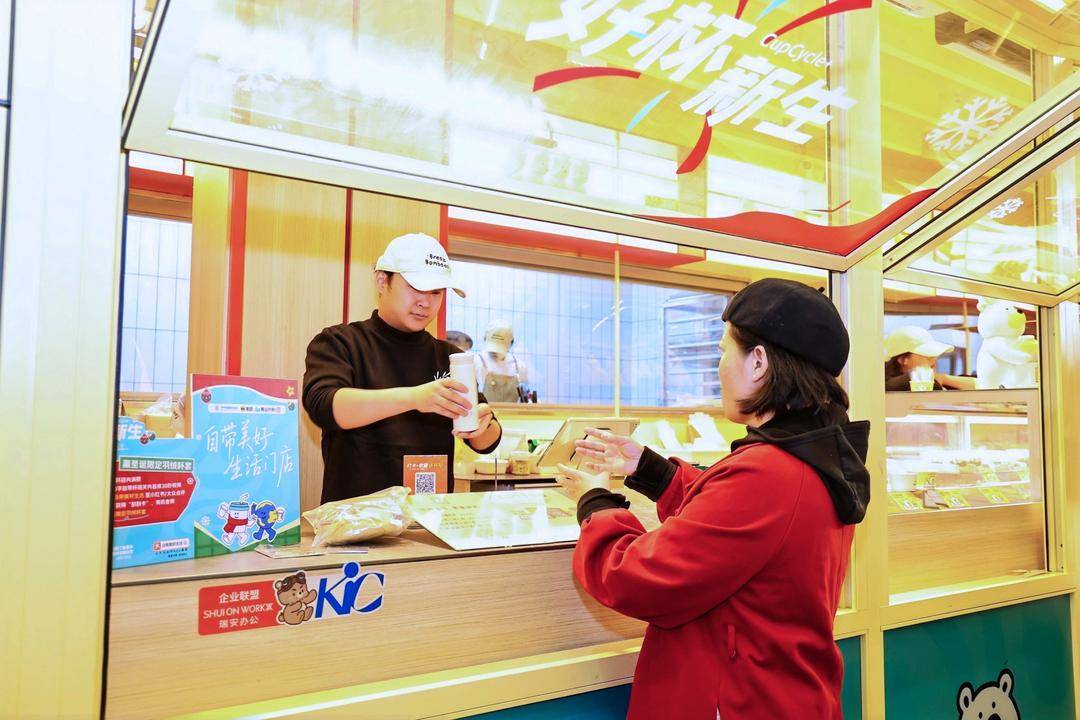
Core Points - The article discusses the launch of the "Good Cup New Life: Bring Your Own Cup" green consumption initiative by Meituan Qingshan in Shanghai, aimed at reducing single-use plastic products and promoting the use of personal cups for beverages [1][3][4] - The initiative is supported by various organizations, including the Shanghai Municipal Commission of Commerce and the China Environmental Protection Foundation, and has attracted participation from well-known brands like Starbucks and Tims [1][4][6] - The program aims to engage over 500,000 consumers and will see over 30,000 beverage stores nationwide adopting the "Bring Your Own Cup" label [1][4] Group 1: Initiative Details - The "Good Cup New Life" initiative is designed to transform the use of personal cups from a niche trend into a common practice, contributing to pollution reduction and carbon footprint lowering [1][3] - The initiative includes a month-long campaign in Shanghai, with over 3,000 beverage stores in the city and more than 30,000 nationwide expected to participate [1][4] - Meituan has already implemented the first industry-wide "Support Bring Your Own Cup" label, allowing consumers to easily find participating stores through their apps [3][4] Group 2: Environmental Impact - Research indicates that using a personal cup can reduce carbon emissions by approximately 40 grams per use, equating to the carbon absorption of a tree over a year if done daily [3][4] - The initiative is part of a broader effort to address the entire lifecycle of single-use plastic packaging, focusing on reduction, eco-design, recycling, and high-value utilization [3][4] Group 3: Market Participation - As of now, over 17,000 beverage stores have adopted the "Support Bring Your Own Cup" label, with Shanghai leading the country with over 2,200 participating stores [4][6] - The initiative has garnered support from multiple beverage brands, including Peet's Coffee and Costa, which will also implement the "Support Bring Your Own Cup" label [9]

从星巴克合营看洋品牌的本地化生死局
Sou Hu Cai Jing· 2025-11-05 07:41
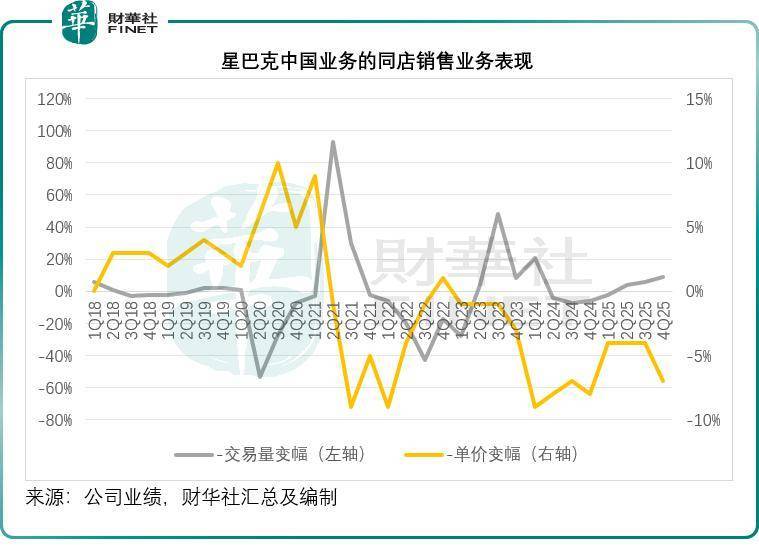
Core Insights - Starbucks has announced a strategic partnership with Boyu Capital to establish a joint venture for its retail operations in China, with Boyu holding up to 60% of the equity [1] - This move reflects a broader trend among foreign brands in China, emphasizing the importance of local partnerships and operational control to navigate market challenges [2][3] - The joint venture represents a shift from a heavy asset model to a lighter asset approach, allowing Starbucks to maintain brand ownership while reducing operational burdens [8] Company Challenges - Starbucks' "third space" model is showing signs of fatigue in the Chinese market, with high operational costs and strategic indecision impacting its performance [4] - The company has faced increased competition from local brands and lower-priced competitors, leading to a paradox of rising transaction volumes but declining average spending [6][7] - Despite a growing coffee consumer base in China, Starbucks struggles to maintain its market position amid fierce competition from brands like Luckin Coffee [6][7] Capital Strategy - The joint venture with Boyu Capital allows Starbucks to transition from a heavy asset operation to a model focused on revenue sharing and brand licensing, optimizing risk and returns [8][9] - Starbucks will retain 40% equity in the joint venture and continue to earn licensing fees, ensuring a stable cash flow while benefiting from market growth [9] - This partnership aligns with a trend among foreign brands in China, where capital cooperation has become essential for navigating complex market dynamics [10][12] Market Dynamics - The competitive landscape in China is intensifying, with independent coffee brands and fast-food chains aggressively targeting the same consumer base [6][7] - The rise of local competitors has led to a significant increase in the number of coffee drinkers, yet Starbucks has not capitalized on this growth effectively [6][7] - The operational model of local brands, which often includes flexible pricing and strategic location choices, poses a significant challenge to Starbucks' traditional high-end positioning [6][7] Lessons from Other Brands - Other foreign brands like McDonald's and Yum China have successfully implemented local partnerships to enhance operational efficiency and market penetration [10][11] - The experiences of these brands highlight the importance of balancing local operational control with maintaining brand integrity and long-term value [12][18] - Successful models involve a mix of equity sharing and licensing fees, allowing for both local responsiveness and stable revenue streams for the parent company [10][11][18]
Tims天好中国公布新一轮融资
Zheng Quan Ri Bao Wang· 2025-11-03 10:14
Group 1 - Tim Hortons China has signed a final agreement to issue secured convertible bonds with a total principal amount of approximately $89.9 million (about 652 million RMB) [1] - The new secured bonds will mature in September 2029, and part of the proceeds will be used to repurchase all outstanding floating-rate convertible preferred bonds due in 2026 [1] - The conversion price for the new secured bonds is set at 110% of the volume-weighted average price (VWAP) of the company's shares over the five trading days prior to the signing date [1] Group 2 - Tim Hortons Restaurants International GmbH (THRI) and Cartesian Capital Group have agreed to extend the maturity date of their unsecured convertible bonds from June 2027 to September 2029, aligning the conversion price with the new secured bonds [2] - The transaction has been approved by the company's board and is expected to be completed in the fourth quarter of 2025, subject to customary closing conditions, including regulatory approvals from Chinese authorities [2]
Tims天好中国宣布发行约6.52亿元优先有担保可转换债券
Sou Hu Cai Jing· 2025-11-02 12:22
Core Viewpoint - Tim Hortons China has signed a final agreement to issue approximately $89.9 million in secured convertible bonds, while also amending the terms of its existing unsecured convertible bonds due in 2024 [1][3][4]. Group 1: Bond Issuance Details - The new secured convertible bonds will mature in September 2029 and will be backed by a 100% equity pledge of TH Hong Kong International Limited and a full asset mortgage of Tim Hortons China [3][4]. - The conversion price for the new secured bonds is set at 110% of the volume-weighted average price (VWAP) of the company's shares over the five trading days prior to the signing date [4]. Group 2: Existing Bond Amendments - Tim Hortons Restaurants International GmbH and Cartesian Capital Group have agreed to extend the maturity date of their unsecured convertible bonds from June 2027 to September 2029, aligning the conversion price with that of the new secured bonds [4]. Group 3: Transaction Approval and Timeline - The transaction has been approved by the company's board and is expected to be completed in the fourth quarter of 2025, subject to customary closing conditions, including regulatory approvals in China [4].
推汉堡、做周边 M Stand欲讲新故事
Bei Jing Shang Bao· 2025-10-15 00:45
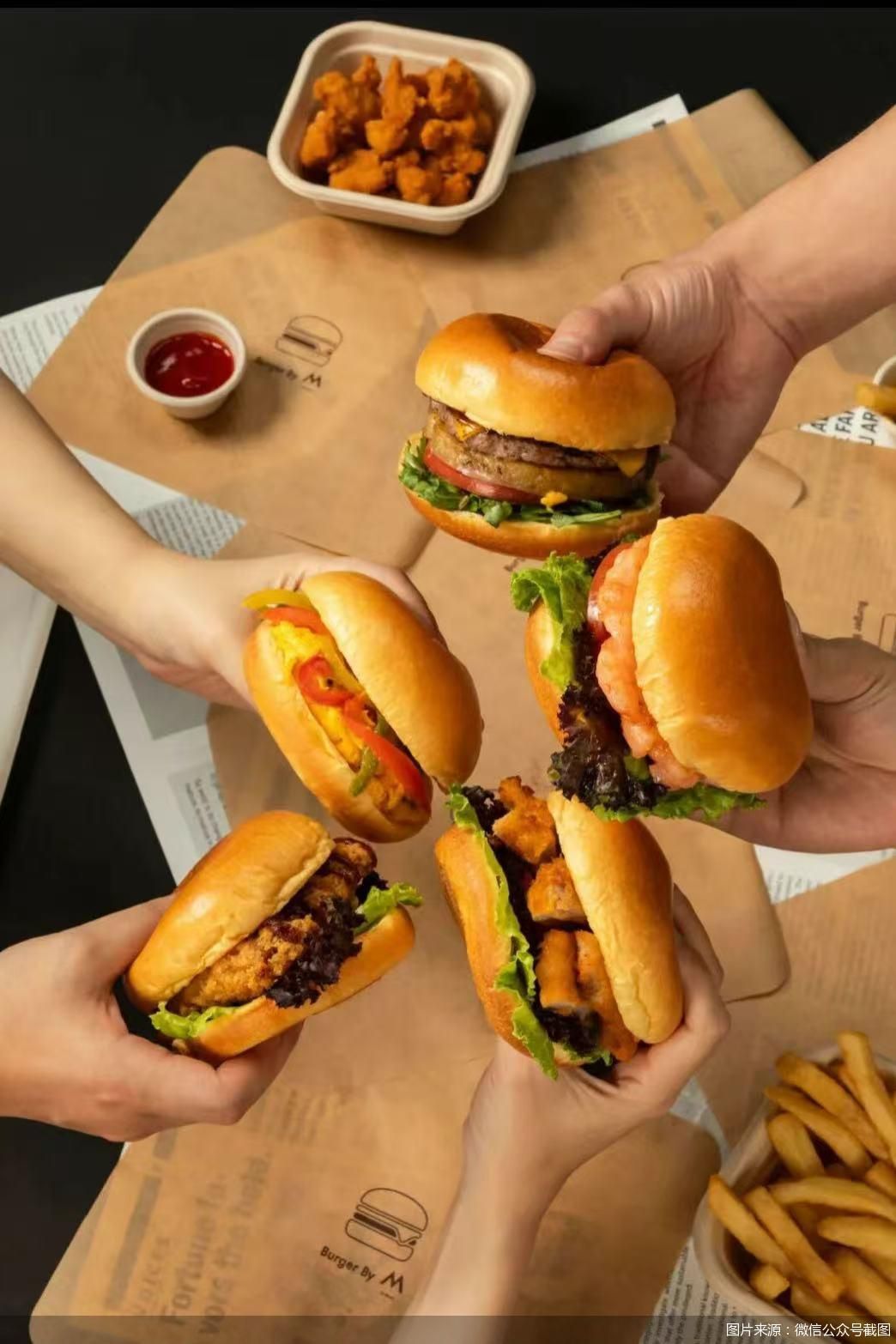
Core Insights - M Stand is attempting to diversify its offerings by launching a new concept store, Maison by M Stand, which includes not only coffee but also food items and alcoholic beverages, aiming to create a more integrated retail experience [1][2][4] - The new store format reflects a strategic shift as M Stand seeks growth opportunities amid a slowdown in expansion, with a focus on differentiation in a highly competitive coffee market [1][5][7] Store Concept and Offerings - The concept store features a darker, industrial design, contrasting with the bright style of traditional M Stand locations [2] - In addition to coffee, the store offers handmade burgers priced between 28-48 yuan, fries at 18 yuan, chicken nuggets at 22 yuan, and chicken wings at 36 yuan, maintaining a mid-to-high-end pricing strategy [2][4] - Consumer feedback on the new offerings is mixed, with some praising the food and social aspects, while others criticize the portion sizes and pricing [2][5] Market Position and Competition - M Stand has opened over 500 stores across 40 cities since its first store in 2017, but its expansion rate has slowed significantly, with only 36 new stores opened in 2023 as of mid-September [3][5] - The coffee market is characterized by intense competition, with various brands adopting different strategies, such as low pricing or expanding product lines beyond coffee [6][7] - M Stand's new store format aims to address the challenges posed by competitors like Luckin Coffee and Starbucks, which have diversified their offerings [6][7] Operational Challenges and Future Directions - The complexity of the new store format presents operational challenges, including supply chain management and employee training, which could impact brand consistency [8] - M Stand is encouraged to focus on brand differentiation and innovation to maintain consumer loyalty and adapt to market demands [9] - Future growth may involve exploring new markets, including lower-tier cities and international expansion, tailored to regional consumer preferences [9]
做汉堡炸鸡、卖人宠周边 M Stand讲新故事求变
Bei Jing Shang Bao· 2025-10-14 13:56
Core Viewpoint - M Stand is attempting to diversify its offerings by opening a new concept store, Maison by M Stand, which includes food items and alcoholic beverages, aiming to find new growth avenues amid slowing expansion [1][3][6]. Group 1: New Store Concept - The new concept store features a darker, industrial design, contrasting with traditional bright coffee shop aesthetics, and offers a range of products beyond coffee, including handmade burgers, fries, and cocktails [3][5]. - Prices for food items are positioned in the mid-to-high range, with burgers priced between 28-48 yuan, fries at 18 yuan, chicken nuggets at 22 yuan, and chicken wings at 36 yuan, aligning with M Stand's established premium brand positioning [3][5]. Group 2: Consumer Feedback - Consumer reactions to the new concept store are mixed; some appreciate the new food offerings and the ability to bring pets, while others criticize the portion sizes and pricing, particularly for the chicken wings [5][11]. - The brand has not responded to media inquiries regarding the new store and its future plans, despite having over 500 locations across 40 cities since its first store opened in 2017 [5][11]. Group 3: Market Position and Challenges - M Stand's expansion has slowed, with only 36 new stores opened in 2023 as of mid-September, compared to previous years, indicating a need for new growth strategies [9][10]. - The coffee market is highly competitive, with various brands adopting different strategies, such as low pricing or expanding product offerings, making it crucial for M Stand to differentiate itself effectively [10][11]. Group 4: Strategic Considerations - The introduction of food items is a common strategy among coffee brands to drive additional revenue, as seen with Tims China, which reported an 8.6% year-on-year increase in food revenue [9][11]. - M Stand's new store model may face operational challenges due to its complexity, requiring effective management of supply chains and employee training to ensure success [11][12]. - The brand must focus on clear positioning and differentiation to maintain its premium pricing strategy and enhance consumer loyalty [12][13].
星巴克中国前CEO加入周大福,茉莉奶白门店天花板坠落致店员身亡
Sou Hu Cai Jing· 2025-08-19 02:17
Store Expansion - Luckin Coffee opened 204 new stores last week, while BeanStar opened its first store in Taizhou and the sixth in Xuzhou [2] - Silver Flow Coffee opened a new store on Guoquan Road in Shanghai, and Tea Talk opened its first store in Melbourne [2] - Tea Baidao is set to open its first North American store in Flushing, New York, which has the largest Chinese community [2] - Blue Bottle Coffee is reportedly planning to open three new stores in Beijing, specifically in Guomao Mall, Jiulongshan, and Sanlitun [2] New Product Launches - Various brands launched new products, including Shanghai Auntie's high-fiber bottle and Nayuki's Sunshine Golden Pineapple Ginger Yogurt Shake [3] - Luckin Coffee introduced new drinks such as the Guanshi Honey Pomelo Latte and Aloe Vera series [3] - Starbucks announced plans to launch a cold milk foam with 15 grams of protein later this year in the U.S. [3] Brand Collaborations - Nayuki's Tea collaborated with Yuanmeng Star to create 41 themed stores, while Tea Baidao partnered with CRD to launch a joint package [4] - Nova Coffee announced a partnership with Xie Tiandi Milk to launch a new A2 Friendly Latte [4] - Recent fluctuations in coffee prices and tariff disputes have raised concerns in the supply chain [4] Price Trends - Brazil's national consumer price index reported a 1.01% drop in coffee prices in July, marking the first decline in 18 months [4] - In the U.S., coffee prices have risen significantly, with a 14.5% year-on-year increase in July, bringing the average retail price of ground coffee to $8.41 per pound (approximately 60.39 RMB) [4] Management Changes - Starbucks China recently underwent a management reshuffle, with Sabrina Shen appointed as the new Vice President of Operations [7] - Former Starbucks China CEO Wang Jingying will join Chow Tai Fook Jewelry Group as an independent non-executive director starting September 1 [7] - Tims Coffee announced the departure of Tencent representative Meizi Zhu from its board of directors [8] Financial Performance - Tims Hortons reported a 3.6% increase in same-store sales in Canada for the second quarter, with beverage sales up by 4% [9] - The growth was attributed to maintaining a national brand image, product innovation, and improved service speed [9]
大消费平台激发市场活力 促进消费升级
Zheng Quan Ri Bao Wang· 2025-07-11 06:03
Group 1 - The core viewpoint of the articles emphasizes the importance of consumption stimulus measures implemented by the Chinese government to enhance consumer capacity, improve supply quality, and increase consumer willingness, thereby supporting the new development pattern [1] - Major consumption platforms like Taobao, Meituan, and JD.com are actively responding to government policies by innovating and investing in consumption vouchers, creating an immediate supply system that combines goods and services, which is seen as a beneficial exploration for the development of the e-commerce sector [1] - Analysts note that since the beginning of the year, these major platforms have invested resources, leading to an increase in market capacity and consumer engagement, which positively impacts merchants by attracting new customers and increasing order volume and profit retention [1] Group 2 - The surge in online orders has significantly boosted offline store sales, with examples such as Nayuki's Tea achieving over 1 million delivery orders in just two days, marking a 50% increase, and some stores experiencing a 230% increase in order volume [2] - Merchants report that the increase in order volume has led to greater exposure and sales, resulting in effective profitability despite the higher order volume, indicating a win-win situation for both consumers and merchants [2] - Delivery riders have also experienced increased order volumes and benefits from platform incentives, such as summer heat subsidies, which enhance their earnings potential [2] Group 3 - The role of major consumption platforms in driving consumer spending is significant, as their consumption voucher programs lower costs and effectively enhance user purchasing power, while integrating resources around daily life needs to create comprehensive consumption scenarios [3] - The industry is evolving towards a healthier ecosystem, where platforms can flexibly adjust strategies based on their strengths, allowing users to compare services across platforms and enabling riders to manage their income and time effectively [3] - This competitive environment fosters continuous innovation in service models and optimizes user experience, ultimately leading to a positive cycle of competition, innovation, and upgrading, propelling the industry to new heights [3]

