XREAL

Search documents
看一眼就付钱!AI眼镜开启新支付革命,何时走出智能手机叙事框架
Hua Xia Shi Bao· 2025-08-15 16:38
Core Insights - The article discusses the evolution of payment methods in the context of AI and AR glasses, highlighting a new feature called "Look and Pay" introduced by Thunder Innovation in collaboration with Ant Group [1][2] - The integration of payment functionality is seen as a crucial step in connecting various scenarios and making smart glasses more relevant in daily life, although it is not expected to lead to a significant sales increase on its own [1][2][5] Payment Functionality - Thunder Innovation's AI glasses, Thunder X3 Pro, are the first globally to support "Look and Pay" with Alipay, allowing users to complete payments by simply looking at a payment code [2][3] - The payment feature will be expanded to other models, including Thunder V3 and V3 Slim, aiming to enhance market penetration of AI and AR glasses [2] - Rokid has also launched a similar payment feature with its smart glasses, allowing users to make payments through voice commands, indicating a trend among various companies to adopt this functionality [3][5] Market Dynamics - The entry of major players like Apple, Xiaomi, and Alibaba into the AR space is viewed positively by companies like Rokid, as it helps in market education and user awareness [4] - Despite the competition, companies see collaboration with large firms as beneficial for overall market growth rather than direct competition [4] Consumer Adoption Challenges - The current offerings of AI glasses do not meet the broader needs of consumers, as payment functionality alone is not a decisive factor for purchase; overall user experience, comfort, and diverse applications are critical [5][6] - The payment feature is considered an enhancement rather than a core driver of consumer interest, with companies emphasizing the need for a comprehensive ecosystem of services [6][9] Future Outlook - AI glasses are seen as potential successors to smartphones, but they currently rely heavily on smartphone connectivity and functionality [7][8] - Companies believe that the unique advantages of AI glasses, such as integrated health monitoring and advanced AI capabilities, could eventually lead to a shift in consumer behavior, although this transition is not expected to happen quickly [9][10] - IDC forecasts that by 2025, the shipment of smart glasses in China will reach 2.75 million units, a significant increase but still a fraction of smartphone shipments, indicating a long road ahead for widespread adoption [10]


第一批买AI眼镜的人,又被“渣”了
创业邦· 2025-08-15 10:07
Core Viewpoint - The article discusses the rapid rise and subsequent decline of AI glasses in the market, highlighting consumer disappointment with product performance and functionality [6][15][34]. Group 1: Market Performance - Xiaomi AI glasses sold nearly 50,000 units within three days of launch, indicating a strong initial demand [15]. - The overall market for smart glasses in China is projected to reach 2.907 million units in 2023, with multiple brands entering the competition [15]. - Despite initial sales success, a significant return wave has emerged as users report unsatisfactory experiences [7][8]. Group 2: Consumer Experience - Users have reported various issues, including connectivity problems, poor audio-visual synchronization, and inadequate translation capabilities [10][11][12]. - The weight and design of the glasses have also been criticized, with some users feeling discomfort after short periods of use [15][16]. - A notable user experience highlighted that the glasses failed to recognize simple objects, leading to frustration and eventual returns [12][16]. Group 3: Industry Trends - The AI glasses market has seen a surge in new products, with over ten new models launched in the first half of the year, including offerings from major tech companies like Huawei and Alibaba [14][15]. - The article notes a historical context, referencing the failure of Google Glass and other smart glasses due to similar issues of functionality and consumer acceptance [19][21][22]. - The current market is characterized by a high return rate of 40-50%, significantly exceeding traditional consumer electronics [33]. Group 4: Competitive Landscape - The competitive landscape is intensifying, with numerous companies, including startups and established tech giants, vying for market share in the AI glasses segment [23][33]. - Companies like Flash Technology have attempted to undercut competitors with lower pricing, but have also faced backlash over product quality [23][28]. - The article suggests that despite the influx of new entrants, the market's growth potential is hindered by technological limitations and a lack of compelling use cases for consumers [33].

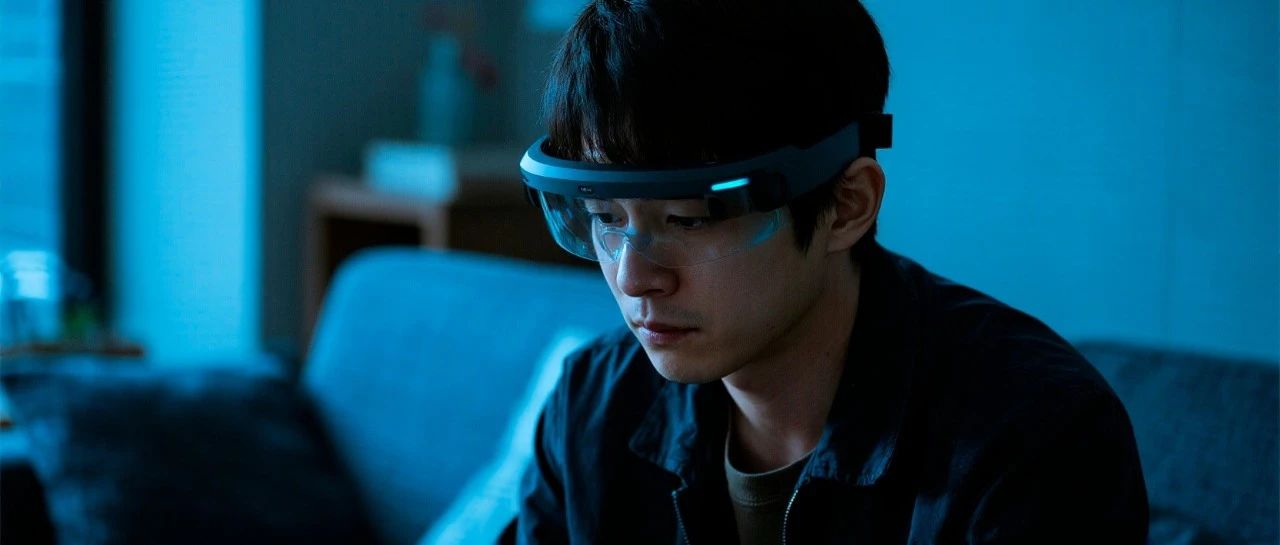
第一批买AI眼镜的人,已退货
投资界· 2025-08-15 07:05
Core Viewpoint - The rapid rise and fall of AI glasses in the market highlights significant consumer dissatisfaction with product performance and functionality, leading to a high return rate and questioning the viability of the product category [2][7][17]. Group 1: Market Dynamics - Xiaomi's AI glasses sold nearly 50,000 units within three days of launch, indicating a strong initial demand [2][7]. - The Chinese smart glasses market is projected to reach 2.907 million units in 2023, driven by multiple new entrants including major tech companies like Huawei and Alibaba [7][12]. - Despite the initial sales success, the market is experiencing a wave of returns due to poor user experiences, with return rates estimated between 40% to 50% [17]. Group 2: Consumer Experience - Users reported significant issues with the AI glasses, including connectivity problems, subpar audio and video quality, and uncomfortable weight, leading to a quick decision to return the products [4][8][19]. - Specific complaints included delayed translation features, poor image quality, and awkward design, which did not meet consumer expectations [5][8][9]. - The experience of users like Li Cheng, who faced multiple functional shortcomings, reflects a broader trend of consumer disappointment with AI glasses [4][19]. Group 3: Historical Context - The history of smart glasses dates back to Google's Glass in 2012, which ultimately failed due to high costs and privacy concerns, setting a precedent for future products in the category [11][12]. - The recent resurgence in interest, particularly with Meta's collaboration with Ray-Ban, has reignited competition among tech companies, but many products still struggle with fundamental issues [12][13]. Group 4: Competitive Landscape - The entry of various companies into the AI glasses market has led to a competitive environment, with brands like Rokid and Flash Technology launching their products at lower price points [13][14]. - Despite aggressive pricing strategies, many new entrants face similar pitfalls as established brands, leading to negative consumer feedback and product returns [13][14][16]. - The market is characterized by a rush of innovation but also a lack of maturity in product development, resulting in a disconnect between consumer expectations and actual product performance [17].
北京空置率降至16.9%,新质生产力成办公市场新增量
Sou Hu Cai Jing· 2025-08-14 11:18
Core Viewpoint - The real estate market, particularly the office space sector, is currently undergoing a "price-for-volume" adjustment, but core business districts are showing resilience through rental adaptation and industrial upgrades, with new productivity-related office demands expected to be a key factor in overcoming challenges [1][7]. Office Market Overview - According to data from DTZ, the vacancy rates for Grade A office buildings in Beijing, Shanghai, Guangzhou, and Shenzhen by Q2 2025 are 16.9%, 23.6%, 19.8%, and 27.8% respectively [3]. - Beijing has the lowest vacancy rate at 16.9%, which has improved from 18.3% at the end of 2024, attributed to no new supply in the second half of the year and ongoing inventory reduction [3]. - In contrast, Shanghai, Guangzhou, and Shenzhen have seen rising vacancy rates, with Shenzhen facing the most significant pressure at 27.8%, exacerbated by an additional 1.22 million square meters of new supply expected to enter the market [4]. Tenant Composition and Trends - Financial services remain the dominant sector in office leasing, accounting for 20% of rental transactions in the first half of 2025, with notable companies including Huaxia Fund and Aijian Securities [4][5]. - The technology and professional services sectors are tied for second place, each representing 13% of leasing activity, with tech firms focusing on hard technology fields such as semiconductors and AI [5][6]. - The Shanghai Zhonghai Center recorded a net absorption of 70,000 square meters in 2024, becoming a leading project in Shanghai's office market, emphasizing the creation of a legal service ecosystem [6]. Emerging Sectors and Future Outlook - New productivity sectors such as healthcare and retail are becoming significant growth drivers in the office leasing market, with expectations for increased leasing activity in technology, healthcare, and media sectors [7]. - The office market is anticipated to evolve towards a "diversified ecosystem," supported by policy initiatives, asset upgrades, and the introduction of emerging industries [7]. - In first-tier cities, leasing companies are primarily focused on financial, multinational pharmaceutical, and hard technology headquarters, while new first-tier cities like Chengdu and Zhuhai are attracting regional headquarters and specialized R&D centers through competitive advantages [7].

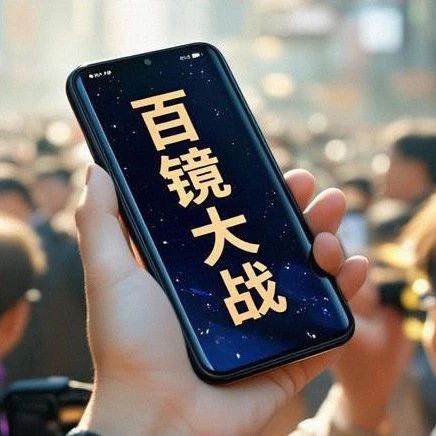
拒绝卷入AI眼镜“百镜大战”? 这家与谷歌合作的智能眼镜公司想要做什么?
Mei Ri Jing Ji Xin Wen· 2025-08-14 06:53
Core Insights - The emergence of AI-related hardware products, particularly AI glasses, has gained significant attention following the launch of ChatGPT and the domestic large model trend initiated by DeepSeek [1] - Major companies like Xiaomi and Alibaba are entering the AI glasses market, with Xiaomi focusing on photography and voice interaction, while Alibaba explores wearable devices based on AliOS [1] - XREAL, known as one of the "four small dragons" of domestic AR glasses, aims to integrate functionalities of headsets like Apple's Vision Pro into glasses, contrasting with current AI glasses that are seen as limited in their capabilities [1] Market Trends - A report indicates that the international smart glasses market is expected to see a 110% year-on-year increase in shipment volume in the first half of 2025 [1] - AI smart glasses are projected to account for 78% of total shipments in the first half of 2025, up from 46% in the first half of 2024 [1] - The annual growth rate of the artificial intelligence glasses segment is expected to exceed 250%, significantly outpacing the overall market growth [1] Industry Dynamics - The smart glasses sector is expanding, suggesting a potential convergence between AI glasses and AR glasses in the future [1]
XREAL推AR眼镜新品 欲从“百镜大战”中突围
经济观察报· 2025-08-12 03:33
Core Viewpoint - XREAL is focused on developing innovative AR glasses through self-research in hardware and algorithms, aiming to create a lightweight, modular product that can achieve significant market success [1][4][11]. Group 1: Company Development and Strategy - XREAL has established itself as a leading player in the global AR glasses market, maintaining the top position for three consecutive years with cumulative sales exceeding 600,000 units [4][11]. - The company has chosen a unique approach by investing heavily in self-research for core components like chips and optics, with 65% of parts in flagship products being self-developed or customized [6][7]. - XREAL's collaboration with Google on Project Aura marks it as the only Chinese company partnering with Google in the AR field, enhancing its position in the global market [4][10]. Group 2: Product Innovation and Technology - The newly launched One Pro AR glasses feature the self-developed X1 chip, which addresses critical performance issues such as latency and bandwidth optimization, achieving a remarkable 3 milliseconds of latency [6][7]. - The X1 chip is a 12-nanometer spatial computing chip that represents a significant investment of over 100 million yuan, highlighting XREAL's commitment to innovation in chip technology [7][8]. - XREAL aims to create a product that not only serves as an AR device but also integrates AI capabilities, leveraging Google's AI advancements to enhance user experience [12][19]. Group 3: Market Trends and Challenges - The AR glasses industry is currently in its early stages, with no product yet achieving the status of a blockbuster, indicating that the market is still developing [16][19]. - The recent surge in AI glasses, driven by competitors like Meta and Ray-Ban, is viewed as a temporary trend rather than a sustainable growth phase, with many products lacking maturity in technology and user experience [16][19]. - XREAL emphasizes the need for a robust developer ecosystem and user base to drive the industry forward, suggesting that the current market dynamics are not yet conducive to long-term success [16][19].

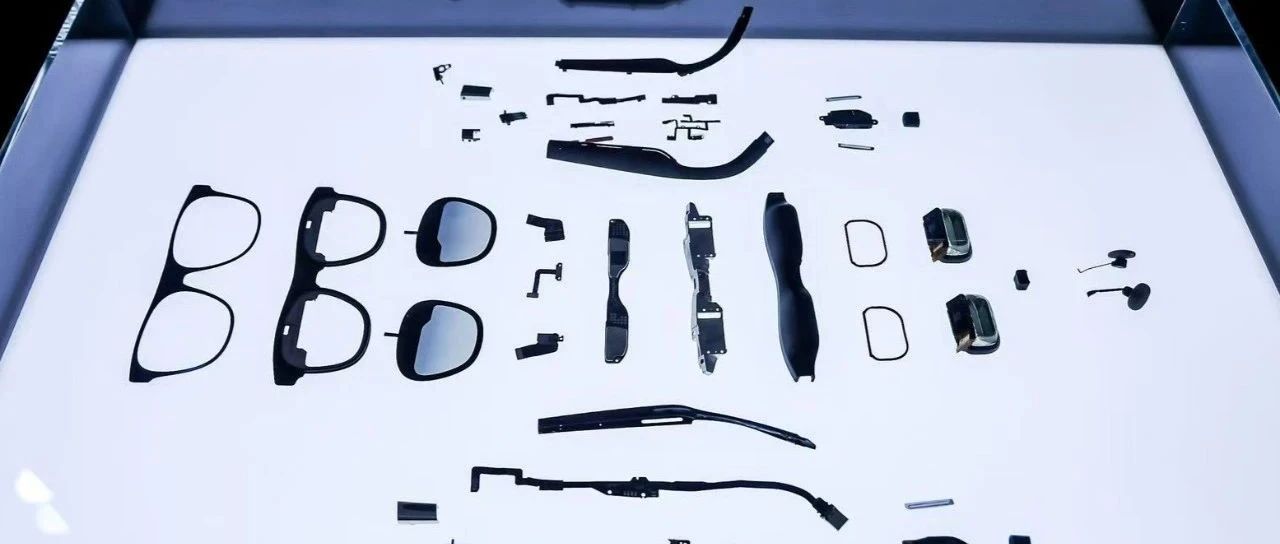
XREAL推AR眼镜新品 欲从“百镜大战”中突围
Jing Ji Guan Cha Bao· 2025-08-12 02:57
Core Insights - XREAL is collaborating with Google to develop Project Aura, the first AR terminal equipped with the AndroidXR system, set to launch in Q1 2024 [2][3][10] - XREAL has established itself as a leader in the AR glasses market, maintaining the top position globally for three consecutive years with over 600,000 units sold [3][4] - The company emphasizes its focus on AR technology rather than following the trend of AI glasses, despite the industry's shift towards AI integration [4][14] Company Overview - XREAL is recognized as a prominent player in the AR glasses sector, having participated in the development, design, and manufacturing of AR glasses for eight years [3][4] - The company has developed its own X1 chip, which enhances performance and reduces latency to 3 milliseconds, significantly improving the user experience [6][7] - XREAL's strategy includes deep self-research and development of key components, with 65% of parts in flagship products being self-developed or customized [6][8] Industry Context - The smart glasses industry in China is experiencing a shift towards AI glasses, but XREAL aims to differentiate itself by focusing on AR technology [4][14] - The market is currently characterized by a lack of a breakout product, with XREAL targeting the development of a potential blockbuster AR glasses product [13][15] - The collaboration with Google is seen as a strategic move to leverage Google's ecosystem and AI capabilities, which could enhance XREAL's product offerings [10][12] Future Outlook - XREAL aims to integrate AI capabilities into its AR glasses, anticipating that advancements in AI will drive the next wave of innovation in the industry [11][12] - The company is cautious about the current trend of "hundred glasses war," viewing it as a temporary phenomenon rather than a sustainable market growth [13][15] - XREAL's long-term vision includes creating a comprehensive ecosystem around its AR products, positioning itself as a key player in the future of personal smart devices [9][14]

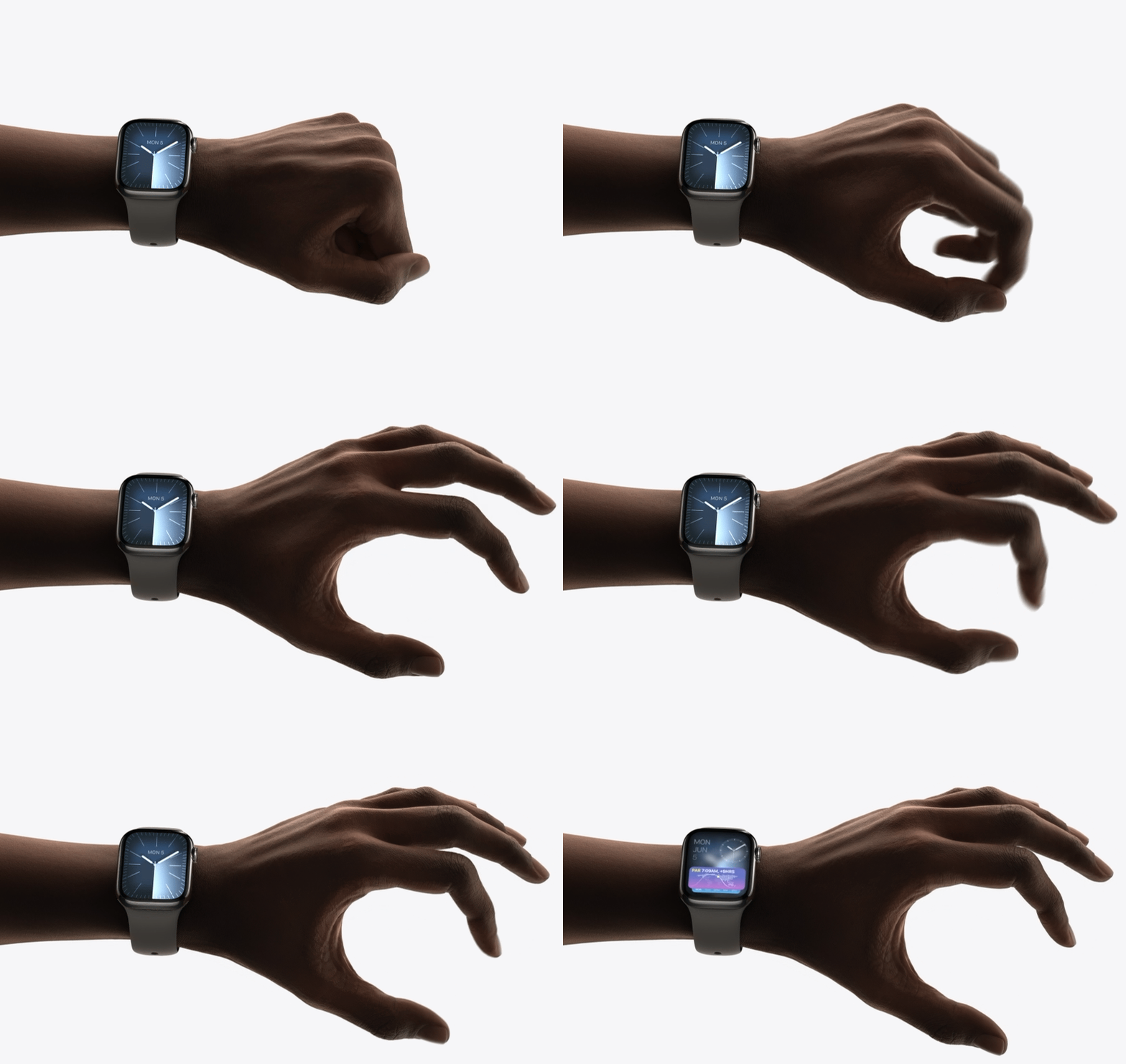
捏捏手指,将会是未来交互的主要形式
Hu Xiu· 2025-08-11 02:53
Group 1 - The article discusses Apple's innovative gesture control technology, particularly through the Apple Watch and Vision Pro, highlighting the seamless interaction between devices [1][4][11] - Apple Watch's gesture recognition technology is compared to Meta's research on smart rings and potential "mind-reading" capabilities, showcasing the competitive landscape in XR technology [19][21][27] - The integration of gesture controls across Apple's product line, including AirPods and iPhones, is seen as a way to lower the learning curve for users transitioning to XR devices [14][17][30] Group 2 - The article outlines the potential for Apple to create a modular AR system similar to Meta's Orion, where the Apple Watch serves as a gesture input device and the iPhone acts as a computing hub [35][38][50] - It suggests that Apple's strategy of leveraging existing devices like the iPhone and Apple Watch for XR interactions could help establish a foothold in the XR market [51][57] - The discussion includes the evolution of interaction methods from touch-based to body-centric gestures, emphasizing the importance of intuitive controls in the future of technology [55][56]

AR创业者亲述:在美国做中国的事情,成本将暴涨好几倍
Guan Cha Zhe Wang· 2025-08-08 06:52
Core Viewpoint - The AI glasses market is currently booming, with major players like Xiaomi and Alibaba entering the space, while XREAL, a leading AR glasses company, has not yet released its AI glasses, focusing instead on core technological advancements and product differentiation [1][2]. Company Overview - XREAL was founded in 2017 by Xu Chi and Wu Kejian, with nearly 500 employees and over $300 million in funding from investors including Alibaba and Sequoia [2]. - The company has established two optical factories in Wuxi and Kunshan, producing 65% of its components in-house, leveraging China's manufacturing advantages [2]. Market Position - XREAL has been the global sales leader in the AR sector for three consecutive years and ranks second in the global AR/VR market, only behind Meta [1][2]. - The company believes that the hardware still faces challenges in optical display and battery life, predicting that achieving the ideal form will take five years or more [2]. Product Innovations - XREAL recently introduced two products: XREAL One Pro and Project Aura, focusing on spatial display and spatial computing capabilities [6][7]. - The XREAL One Pro features an upgraded optical system with a field of view of 57 degrees, providing an immersive viewing experience [6][7]. - The self-developed X1 chip in the XREAL One series reduces latency to an industry-leading 3 milliseconds, enhancing the user experience [7]. Strategic Partnerships - XREAL has partnered with Google on Project Aura, which aims to create a unified operating system for XR devices, similar to the Android system for smartphones [10]. - This collaboration is expected to address the fragmentation in the XR industry, allowing developers to create applications that can run across various hardware platforms [9][10].


百镜大战:智能眼镜市场的商业逻辑与未来形态
混沌学园· 2025-08-04 10:54
Core Viewpoint - The smart glasses market is experiencing a significant surge, with global shipments expected to increase by 210% in 2024, surpassing 2 million units for the first time, driven by successful collaborations like Meta's with Ray-Ban [2][3]. Market Dynamics - The Chinese market is entering a competitive phase referred to as the "Hundred Glasses War," with major players like Xiaomi, Alibaba, Baidu, Tencent, and ByteDance making strategic moves [3]. - The competition is not merely about hardware specifications but involves deeper business models, ecosystem strategies, and future computing paradigms [5]. Technology Pathways - The smart glasses market is fragmented due to the lack of unified underlying technology, leading to three distinct technological pathways: - **AI-Enhanced Audio/Camera Glasses**: These resemble regular glasses and focus on hands-free AI interaction without a display [7][8]. - **Wearable AR Display Devices**: This pathway emphasizes screen projection for a personal virtual experience, with varying optical solutions [9][10]. - **Industrial/Enterprise AR Headsets**: Targeting the enterprise market with advanced features and high performance [11][12]. Strategic Players - **Meta**: Holds a dominant position with a 50.8% market share in AR/VR, leveraging partnerships to integrate technology with fashion brands [14]. - **XREAL**: Focuses on providing superior wearable display experiences, emphasizing core technology over market hype [15]. - **Thunderbird Innovation and Rokid**: Aim to balance technological ideals with market realities, targeting younger demographics [16][17]. - **Xiaomi and Huawei**: Xiaomi positions its AI glasses as a strategic entry point into a broader ecosystem, while Huawei adopts a more cautious approach [18][19]. Underlying Logic - The shift from "independent device" to "distributed AI" is crucial for understanding the strategies of Xiaomi and other players [20]. - Xiaomi's approach involves creating new dimensions of value through distributed computing and predictive services, moving beyond traditional smartphone models [24][26]. Business Model Innovations - Xiaomi's model emphasizes value creation from the entire ecosystem rather than just the hardware, with a focus on ongoing intelligent services [28]. - The potential for user lifetime value is significantly enhanced through this ecosystem approach, allowing for hardware to be sold at low margins to attract users [28]. Insights for Innovators - The article suggests that startups should avoid direct competition with giants on visible features and instead focus on unique dimension innovations [36][37]. - Identifying overlooked elements and creating new value dimensions can provide significant opportunities in the competitive landscape [39][40]. Future Outlook - The outcome of the "Hundred Glasses War" is likely to be a gradual evolution of multiple successful models rather than a single dominant product [41]. - The market for smart glasses is projected to grow from $878.8 million in 2024 to $4.1293 billion by 2030, with a compound annual growth rate of 29.4% [48].