众擎机器人

Search documents
3天促60亿元投资,新风口上文化项目“东南飞”
2 1 Shi Ji Jing Ji Bao Dao· 2025-11-28 13:33
Core Insights - The 2025 Greater Bay Area Cultural Investment Conference showcased over 300 cultural enterprises, emphasizing the integration of technology and cultural innovation, with a total intended signing amount of approximately 6 billion yuan [1][7]. Group 1: Investment Trends - Investors are increasingly interested in AI, hard technology, and digital content, viewing the fusion of culture and technology as a representation of future investments [2][3]. - The Greater Bay Area's cultural industry is being rediscovered for its investment value, supported by quality cases, policy backing, and capital aggregation [2][5]. Group 2: AI and Hard Technology - AI and hard technology emerged as key investment hotspots during the conference, with companies like Shanghai Fuxu Film and Animation emphasizing the importance of embracing technology to remain competitive [3][4]. - The integration of AI and other digital technologies is seen as a significant opportunity for investment, with the cultural industry being a major growth engine for the Chinese economy [3][4]. Group 3: Success Stories and Innovations - Companies like Guangzhou Virtual Power Network Technology and others are leveraging AI to create innovative solutions, attracting investor interest [4][5]. - The conference highlighted successful projects such as the "working robot" by Zhongqing Robotics, showcasing the profitability and growth potential within the cultural industry [5][6]. Group 4: Ecosystem and Collaboration - The conference facilitated connections between over 120 investment institutions and 350 cultural enterprises, indicating a robust ecosystem for cultural investment in the Greater Bay Area [7][8]. - The ongoing "3+365" conference model aims to create a continuous platform for cultural investment, enhancing collaboration between projects and funding sources [8][9].
众擎机器人创始人赵同阳:下一代产品定位“打工机器人”
2 1 Shi Ji Jing Ji Bao Dao· 2025-11-28 07:37
Core Insights - The company, Zhongqing Robotics, is focused on developing humanoid robots with a "physical performance first" technology strategy, aiming to overcome industry technical bottlenecks and achieve significant sales growth by 2027 [1][3]. Company Development - From 2016 to 2020, the company transitioned from component procurement to full self-research and development, initially using international components but later deciding to develop core parts independently due to performance issues [2]. - The founder, Zhao Tongyang, established a research and development team of approximately 400 people across Silicon Valley, Beijing, and Shenzhen, completing the development of the first generation of humanoid robots [2]. - In 2023, the company was founded with a registered capital of 1 million yuan and a cash flow of 200,000 yuan, stabilizing its core team through equity incentives [2]. Technological Achievements - In October 2024, Zhongqing Robotics launched the world's first humanoid robot capable of straight-knee walking, breaking the limitations of the long-used bent-knee gait technology [3]. - The company has developed three product lines: small bipedal robots, large bipedal robots, and quadrupedal robots, with the first product SA01 priced between 30,000 to 40,000 yuan, significantly lower than previous models [3]. - The next product, T800, is designed for practical labor applications, focusing on enhancing load capacity and operational stability [4]. Market Strategy and Projections - The company aims to achieve sales of 10,000 to 20,000 humanoid robots by 2027, driven by China's robust robotics industry and increasing demand for automation [4]. - The commercial strategy focuses on gradual breakthroughs in specific application scenarios, prioritizing labor-intensive fields for large-scale deployment [4]. - The company is collaborating with major firms like JD, Tencent, and ByteDance to enhance decision-making and interaction capabilities in its robots [4].


文化投资正当时:大湾区浮现五大趋势四大赛道
21世纪经济报道· 2025-11-27 02:34
Core Insights - The article highlights the significant investment opportunities in the cultural industry of the Guangdong-Hong Kong-Macao Greater Bay Area, driven by a robust ecosystem and active financial investment atmosphere [2][6][8]. Investment Landscape - In the past five years, the Greater Bay Area has seen 720 financing events in the cultural industry, totaling approximately 56.41 billion yuan [2][11]. - The investment focus is primarily on the integration of culture and technology, digital creative production, cultural "intelligent" manufacturing, and new forms of cultural consumption [11][12]. Industry Advantages - The cultural industry in Guangdong is characterized by a large scale, leading cultural manufacturing, concentrated cultural services, and a well-connected urban ecosystem [6][8]. - Guangdong's cultural products and services have successfully entered over 160 countries, accounting for about 40% of the national total in cultural exports [6][8]. Future Trends - The report identifies five major development trends in the cultural industry: consumption stratification, cultural industrialization, product digitization, emerging scenarios, and market globalization [2][10]. - The cultural manufacturing sector has established a comprehensive chain covering upstream and downstream industries, with notable clusters in cities like Guangzhou and Shenzhen [7][8]. Investment Recommendations - The report suggests three main investment directions: investing in content aligned with government policies, focusing on technology in hard tech fields, and targeting platforms in cultural big data and vertical cultural platforms [12][13]. - A "3415 model" is proposed, which includes three major sectors, four key investment tracks, and a cultural industry corridor to enhance collaboration and innovation [13].
文化投资正当时:大湾区浮现五大趋势四大赛道
2 1 Shi Ji Jing Ji Bao Dao· 2025-11-26 12:46
Core Insights - The Guangdong-Hong Kong-Macao Greater Bay Area (GBA) is emerging as a significant hub for cultural industry investment, with a total of 720 financing events generating approximately 56.41 billion yuan over the past five years [2][6] - The GBA's cultural industry is characterized by a robust ecosystem that integrates culture, finance, and technology, positioning it as a leader in the digital transformation of cultural products [2][5] Investment Trends - The GBA cultural industry is experiencing five major development trends: consumption stratification, cultural industrialization, product digitization, emerging scenarios, and market globalization [2][6] - Investment focus is shifting towards four key areas: cultural-technology integration, digital creative production, cultural "intelligent" manufacturing, and new cultural consumption [6][8] Industry Performance - In 2024, the revenue of Guangdong's cultural industry is projected to exceed 30,252.10 billion yuan, maintaining its position as the largest in the country for 22 consecutive years [3][4] - Guangdong's cultural products and services have successfully entered over 160 countries, accounting for approximately 40% of the national total in cultural exports [3] Competitive Advantages - The GBA boasts a comprehensive cultural manufacturing chain, with significant contributions from cities like Guangzhou and Shenzhen in various cultural sectors [4][5] - The region's financial investment landscape is vibrant, supported by major stock exchanges and numerous cultural industry funds, facilitating substantial capital flow into the sector [5][6] Future Directions - Companies are encouraged to focus on content, technology, and platforms, particularly in areas such as cultural policy implementation, advanced technology, and cultural data platforms [7][8] - The GBA is positioned to support cultural industry expansion globally, leveraging its platforms, funding, and channels to facilitate international outreach [7]
文化科技加速融合:2025大湾区文投会擘画创新新图景
2 1 Shi Ji Jing Ji Bao Dao· 2025-11-26 12:27
Core Insights - Cultural technology is emerging as a powerful growth engine for the cultural industry, driven by advancements in humanoid robots, AIGC, spatial intelligence, and low-altitude technology [1][5] - The Guangdong policy package launched in May covers six key areas, laying a foundation for cultural technology innovation and facilitating the flow of capital, resources, and talent [2][5] - The 2025 Guangdong-Hong Kong-Macao Greater Bay Area Cultural Industry Investment Conference showcased the latest explorations in cultural technology, highlighting the integration of technology, scene, and business [1][3] Policy and Market Environment - The policy package released in May includes measures for film, performing arts, animation, online games, e-sports, and online audio-visual sectors, which have led to smoother flows of funds and resources [2] - The Guangzhou Development Zone is positioning itself as a cultural industry hub, with 65% of cultural enterprises in the area focusing on cultural technology [2] Investment and Innovation - The conference featured a theme presentation on "AI + Culture," emphasizing the potential for AI to drive prosperity in the cultural sector [3] - Nine representative companies showcased their innovations in humanoid robots, embodied intelligence algorithms, low-altitude technology, and AI search optimization, demonstrating the diverse applications of cultural technology [4][5] Future Outlook - The integration of culture and technology requires a combination of hardware, software, and core talent, with expectations for more high-quality cultural products to emerge [5] - The Greater Bay Area is expected to leverage its comprehensive advantages in talent, industry, consumption, and innovation resources, positioning cultural technology as a strategic growth area [5][6]
不到一个月融资近5亿,这家“清华系”人形机器人创企要成为第二家「宇树科技」
Robot猎场备忘录· 2025-11-26 03:10
Core Insights - The article highlights the recent success of "Songyan Power" in the humanoid robot sector, particularly its completion of nearly 200 million yuan in Pre-B+ round financing, led by CICC Capital, following a previous round of 300 million yuan in October 2025 [2][4][6] - The company gained significant attention after its humanoid robot N2 performed well in a marathon event, marking it as the third notable "sports-style" humanoid robot startup to gain traction in the market [8][18] Financing Overview - Songyan Power has completed a total of eight financing rounds, with the latest being approximately 200 million yuan in Pre-B+ round on November 26, 2025, and 300 million yuan in Pre-B round on October 26, 2025 [3][4] - The company’s financing history shows a rapid increase in investor interest, particularly after its performance in the humanoid robot marathon [4][8] Product Launch and Market Response - The launch of the "Bumi Xiaobumi," a high-performance humanoid robot priced at 9,998 yuan, has received a positive market response, with significant pre-orders recorded shortly after its release [4][23] - Within hours of its launch on JD.com, the robot received over 200 orders, and within two days, the initial batch of 500 units was sold out [6][20] Team and Expertise - The core team of Songyan Power consists of young professionals, primarily from prestigious universities such as Tsinghua University and Zhejiang University, with a strong focus on research and development [11][13] - The company employs over 60 staff members, with more than 85% dedicated to R&D [11] Production and Strategic Goals - Songyan Power has established production bases in Beijing, Changzhou, and Dongguan, focusing on humanoid robot manufacturing [28] - The company aims to achieve significant production and delivery targets, with a goal of delivering 10,000 units in the following year [22][20] Market Positioning and Challenges - The company is positioned within the "sports-style" humanoid robot segment, following the trend set by competitors like Yushutech and Zhongqing Robotics, focusing on hardware sales and educational applications [30][29] - The article discusses the broader challenges faced by humanoid robot startups, particularly the need for effective commercialization and the development of advanced AI capabilities [31][30]

机构调研揭示行业矛盾:机器人爆单之后将迎交付大考
Bei Jing Shang Bao· 2025-11-25 01:32
Core Insights - Goldman Sachs' supply chain report highlights a significant gap between optimistic production capacity plans and actual confirmed orders in the humanoid robot industry, indicating a typical characteristic of the current market [1] - The report titled "Capacity Optimism Ahead of Actual Orders" suggests that while key supply chain companies have planned annual production capacities ranging from 100,000 to 1,000,000 units, none have secured large, confirmed orders [1] Group 1: Industry Challenges - The release of a production video by UBTECH, showcasing their humanoid robot Walker S2, has sparked controversy due to prior skepticism from Goldman Sachs and public doubts about delivery authenticity [3] - Criticism from industry peers, such as Brett Adcock from Figure AI, claims that parts of the video were digitally altered, raising questions about the credibility of the demonstration [3] - Despite these challenges, UBTECH claims to have established partnerships with major companies like BYD and Foxconn to promote the commercial application of humanoid robots in various sectors [3] Group 2: Positive Signals - The humanoid robot sector is witnessing a surge in orders and investment, with over 18 significant contracts exceeding 10 million yuan since 2025, indicating a shift from concept validation to industrialization [5] - Investment activity has intensified, with over 100 financing events in the first half of 2025, totaling more than 15 billion yuan, and major firms like JD and Alibaba making substantial investments in the sector [6] - UBTECH has publicly disclosed multiple large orders, including a 1.59 billion yuan project for a humanoid robot data collection center, although details on operational specifics remain vague [7] Group 3: Delivery Strategies - UBTECH aims for large-scale delivery by focusing on key sectors such as automotive manufacturing and logistics, with a production capacity plan targeting 5,000 units by 2026 and 10,000 units by 2027 [8] - In contrast, Accelerated Evolution adopts a "small steps" approach, prioritizing single-unit deliveries to refine production and service capabilities before scaling up [9] - The competition in the humanoid robot sector is expected to intensify by 2025, with a focus on achieving large-scale commercial deployment and improving cost efficiency [9]

深圳机器人产业加快标准建设步伐
Zhong Guo Zhi Liang Xin Wen Wang· 2025-11-24 07:57
Group 1 - The total order amount for UBTECH's Walker series humanoid robots is expected to exceed 630 million yuan by 2025, indicating strong market demand and growth potential in the humanoid robotics sector [1] - Shenzhen has seen multiple humanoid robotics companies reporting business successes, contributing to the city's ambition to become a hub for humanoid robotics [1][3] - The development of humanoid robots in Shenzhen is closely linked to the emphasis on standardization, which enhances collaboration and efficiency among enterprises [3] Group 2 - Shenzhen has proposed to build a global AI pioneer city, creating a favorable environment for the growth of the embodied robotics industry, with a focus on establishing a standard system in key areas [3][4] - UBTECH has participated in drafting over 40 national and industry standards related to intelligent robots and AI, leveraging this experience to contribute to humanoid robot standards [4] - The establishment of national standards for gear systems by Zhaowei Electromechanical has helped domestic companies reduce trial and error costs in technology development [6] Group 3 - The Shenzhen AI Industry Association is actively working on a standard system for intelligent perception and motion control, aiming to create internationally influential group standards in key areas [6] - Shenzhen has gathered over 70,000 companies in the robotics industry chain, forming a complete ecosystem that covers core components, manufacturing, application scenarios, and industry services [6] - The high standards set by Shenzhen are driving the quality development of the humanoid robotics industry, moving from concept to large-scale application in various scenarios [6]

吉利领投星动纪元近10亿元新融资,机器人订单额破5亿
Nan Fang Du Shi Bao· 2025-11-20 05:20
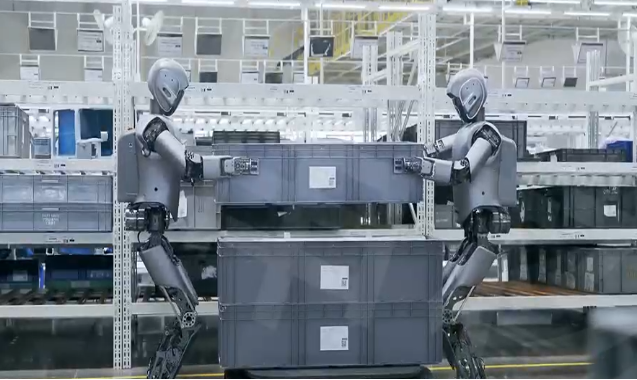
车企成为这轮具身智能热潮背后的重要推动力量。吉利资本此前已投资宇树科技,而北汽产投则入局了 智元机器人、松延动力、银河通用机器人、帕西尼感知科技等多家知名具身智能初创公司。 南都记者从数据服务商IT桔子平台检索了解到,星动纪元新完成的这轮融资,是2025年具身智能赛道上 第四起10亿元量级的融资事件。其余三起分别涉及银河通用机器人、众擎机器人和乐聚机器人。 尽管星动纪元未公开披露A+轮融资后的估值,但记者了解到,星动纪元距离10亿美元估值的"独角 兽"阵营仍有一段距离。 在人形机器人公司纷纷披露商业化订单的背景下,星动纪元也给出今年的销售表现:2025年的总订单额 超过5亿元,并与吉利、雷诺、顺丰、TCL、海尔、联想、世纪金源等企业达成深度合作。 星动纪元联合创始人席悦告诉记者,与这些企业的合作形式,部分为采购订单,还有一些是进行POC (概念验证)。超5亿元的订单中,客户集中于泛科技、物流和迎宾导览服务等领域。 11月20日,具身智能公司星动纪元宣布完成近10亿元A+轮融资。该轮融资由吉利资本领投,北汽产投 战略投资,同时获得北京市人工智能产业投资基金及北京机器人产业发展投资基金联合注资。 结合已披露的融资 ...

零售周报|LVMH旗下多店亮相北京;汉堡王中国83%股权花落CPE源峰
Sou Hu Cai Jing· 2025-11-17 14:45
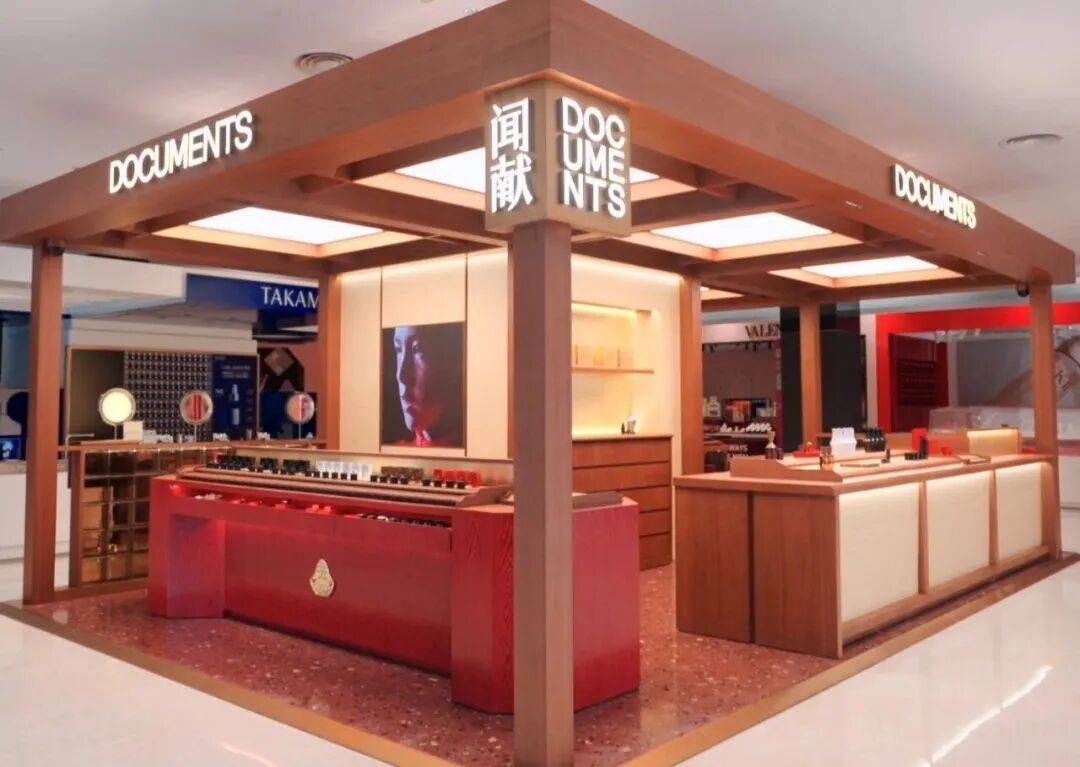
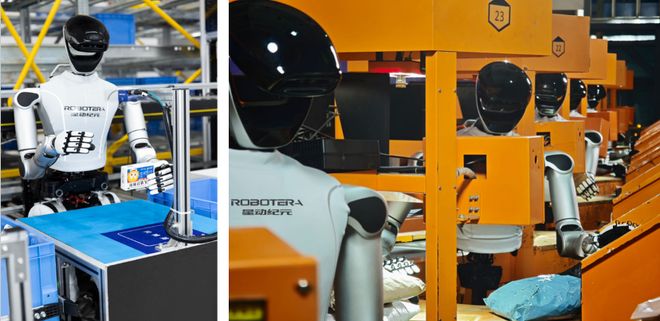
Group 1 - Hainan's new duty-free policy generated over 500 million yuan in sales during its first week, with a year-on-year increase of 34.86% in shopping amount and 3.37% in visitor numbers [1] - The first store of the high-end fragrance brand "Wenxian" opened in Wuxi, featuring a design that integrates local culture and aesthetics [3] - Shanghai Tang opened its first store in South China, showcasing a blend of innovative design and traditional Eastern aesthetics [5] Group 2 - The world's first humanoid robot-themed retail flagship store opened in Shenzhen, featuring interactive robots and a futuristic design [7] - SHEIN opened its first physical store in Paris, with plans to expand to six more locations in France by the end of November [10] - LVMH plans to open several new flagship stores in Beijing in December, marking a significant expansion in the Chinese market [12][13] Group 3 - CPE Yuanfeng acquired an 83% stake in Burger King China, with plans to expand the number of stores from approximately 1,250 to over 4,000 by 2035 [14] - Luckin Coffee's major shareholder is considering a bid for Costa Coffee, which is currently valued at around 1 billion pounds [17] - Haidilao's pizza brand "Xiao Hai Ai Zha" opened its first store in Xi'an, with plans for further expansion [21] Group 4 - Pet food brand "Pet & Fresh" is closing all its stores, with several already marked as closed or paused [22][24] - Sam's Club opened its 60th store in China, located in Yangzhou [26] - Walmart announced a leadership change, appointing John Furner as the new CEO effective February 2026 [27][29] Group 5 - Chaohe Suan NB is expanding nationwide, recruiting for various positions across multiple provinces [31] - JD.com is set to open its first discount supermarket in Beijing, with an area of approximately 5,000 square meters [32] - Richemont reported a 5% increase in total sales, with a significant 17% growth in sales from its four major jewelry brands in the second quarter [33][34] Group 6 - Gao Xin Retail reported a revenue of 30.502 billion yuan for the first half of the fiscal year, with plans to renovate over 200 stores before the next fiscal year [35]