
欧莱雅

Search documents
美妆融资逻辑变了!11月数据给出答案
Sou Hu Cai Jing· 2025-12-06 13:53
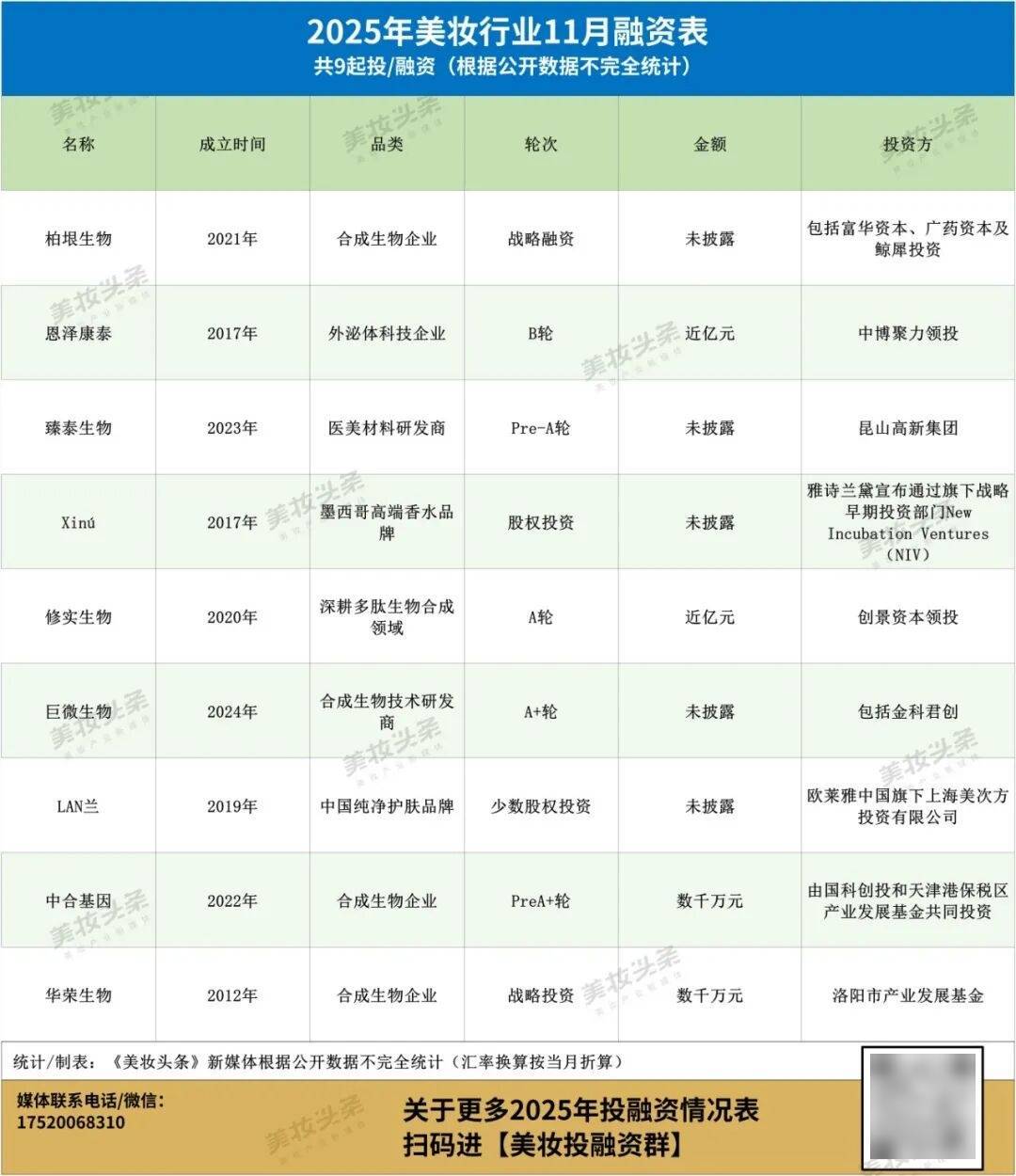
Core Insights - The financing market in November 2025 is characterized by a shift from a focus on traffic to a deeper valuation of the beauty industry, indicating a significant transformation in capital assessment logic [4][5] - The trend shows that capital is increasingly cautious, with a notable concentration of funds towards leading foreign brands, reflecting a "Matthew Effect" in the industry [5][6] Financing Overview - In November 2025, there were 9 financing events exceeding 200 million yuan, but the total financing amount of over 300 million yuan indicates a cooling market compared to previous years [4][5] - The number of financing cases has decreased significantly from 14 in November 2021 to just 5 in November 2024, highlighting a trend of capital retreat from domestic beauty brands [5][6] Upstream Sector Dynamics - The upstream sector remains hot, with 7 out of 9 financing cases involving upstream companies, particularly in synthetic biology, which aligns with the industry's trend towards sustainable and efficient production [6][7] - Notable financing events include nearly 100 million yuan raised by Xiushi Biopharmaceuticals and several million yuan investments in Huaron Biotech, both focusing on synthetic biology [9][11] Brand Investment Trends - Significant investments in brand segments include Estée Lauder's minority stake in the Mexican high-end perfume brand Xinú and L'Oréal's strategic investment in the Chinese pure skincare brand "LAN" [15][19] - The global fragrance market is projected to grow significantly, with estimates reaching between 57 billion to 61 billion USD in 2024, indicating strong potential for investment in this sector [17][19] Future Outlook - The changes in the beauty financing market reflect the natural evolution of the industry, with a focus on technological innovation and niche market development expected to drive future growth [20]


东北兄弟卖美妆,6个月收入10亿,冲刺国货高端护肤第一股
21世纪经济报道· 2025-12-06 10:24
Core Viewpoint - Lin Qingxuan, a domestic beauty brand, has resubmitted its IPO application to the Hong Kong Stock Exchange, highlighting a significant revenue growth of 98% year-on-year for the first half of 2025, reaching 1.05 billion yuan [1]. Company Overview - Founded in 2003 and headquartered in Shanghai, Lin Qingxuan focuses on high-end anti-aging skincare products, with core product prices ranging from 200 to 800 yuan [3]. - The company has rebranded itself from "Shanghai Lin Qingxuan Biotechnology Co., Ltd." to "Shanghai Lin Qingxuan Cosmetics Group Co., Ltd." to align with its positioning as a high-end domestic skincare brand [2]. Market Position and Performance - Lin Qingxuan ranks first among domestic high-end skincare brands in China by retail sales, and is the only domestic brand among the top 15 high-end skincare brands [3]. - The high-end skincare market in China is concentrated, with the top 15 brands holding 66.1% of the market share [3]. - The company's revenue from its essence oil product line accounted for 45.5% of total revenue in the first half of 2025, showing a rising trend from previous years [3]. Financial Metrics - Lin Qingxuan achieved a gross margin of 82.4% in the first half of 2025, up from 81.9% in the same period of 2024, indicating strong pricing power [4]. - Sales and distribution expenses increased significantly, from 290.1 million yuan in the first half of 2024 to 580.6 million yuan in the first half of 2025, primarily due to increased marketing activities [4]. Investment and Shareholding - The founder, Sun Laichun, holds 38.21% of the shares directly and approximately 79.27% in total, making him the largest shareholder [6]. - External investors include prominent names such as Yagao Fashion and Country Garden Venture Capital, with Yagao holding 4.49% of the shares [6]. Industry Trends - The trend of domestic beauty brands going public in Hong Kong is increasing, with Lin Qingxuan following other brands like Natural Hall and Proya in seeking capital for growth [9]. - The domestic beauty market is expected to see a shift towards plant-based essential oils, indicating a growing consumer demand in the coming years [10].

林清轩再度递表港交所,“国货高端护肤第一股”成色几何?
2 1 Shi Ji Jing Ji Bao Dao· 2025-12-06 09:16
Core Viewpoint - Lin Qingxuan, a domestic beauty brand, has resubmitted its IPO application to the Hong Kong Stock Exchange, highlighting significant revenue growth and a strategic rebranding to position itself as a high-end skincare brand in China [1][2]. Group 1: Financial Performance - In the first half of 2025, Lin Qingxuan reported total revenue of 1.05 billion yuan, representing a remarkable year-on-year growth of 98% compared to the first half of 2024 [1]. - The gross profit margin for Lin Qingxuan reached 82.4% in the first half of 2025, up from 81.9% in the same period of 2024, indicating strong pricing power and operational efficiency [2]. Group 2: Market Positioning - Lin Qingxuan emphasizes its high-end positioning, ranking first among domestic high-end skincare brands in China by retail sales in 2024, and is the only domestic brand among the top 15 high-end skincare brands [2]. - The brand's revenue is heavily reliant on its single product category, with essence oil contributing 45.5% of total revenue in the first half of 2025, up from 37% in 2024 [2]. Group 3: Marketing and Growth Strategy - The company has significantly increased its sales and distribution expenses, which rose by 100.2% to 580.6 million yuan in the first half of 2025, driven by enhanced online and offline marketing activities [4]. - Lin Qingxuan's growth is largely attributed to its brand reputation and market recognition, with a focus on marketing and brand strength rather than heavy R&D investment [3][4]. Group 4: Shareholder Structure and Investments - The founder, Sun Laichun, holds 38.21% of the shares directly and approximately 79.27% in total, while external investors include notable entities like Yagao Fashion and Country Garden Venture Capital [5][6]. - The estimated valuation of Lin Qingxuan before the IPO is around 3.846 billion yuan, with significant investments from entities including L'Oréal through a joint fund [7]. Group 5: Industry Trends - The trend of domestic beauty brands pursuing IPOs in Hong Kong is increasing, with Lin Qingxuan joining other brands like Natural Hall and Proya in seeking capital to enhance competitiveness and global presence [8]. - The domestic market for plant essential oils is expected to grow, with increasing consumer demand anticipated in the coming years [9].
美妆行业周度市场观察-20251205
Ai Rui Zi Xun· 2025-12-05 05:36
Investment Rating - The report does not explicitly provide an investment rating for the beauty industry Core Insights - The beauty retail industry is experiencing a dichotomy of price increases and decreases, influenced by cost pressures from tariffs and varying consumer preferences for high-end and value products [4] - Anti-aging skincare is projected to grow to a market size of 85 billion yuan by 2025, with an 11% year-on-year increase, driven by scientific advancements and consumer demand for long-term efficacy [4] - The color cosmetics segment is becoming a key driver for attracting younger consumers, with a focus on experiential marketing and social engagement [6] Industry Environment - The beauty retail sector is facing contrasting pricing strategies, with brands like Elf Beauty opting for transparent price increases while others like BeautyStat are lowering prices to boost sales. Brands are also focusing on product line optimization and e-commerce partnerships to reach price-sensitive consumers [4] - The anti-aging skincare market is shifting towards systematic scientific management, with international brands focusing on cellular repair and longevity science, while domestic brands are leveraging precision intervention and synthetic biology [4] - Color cosmetics account for 21.3% of the Chinese cosmetics market and are crucial for attracting young consumers, with a significant presence in top shopping malls, particularly in East China [6] Top Brand News - During the Double 11 shopping festival, domestic brands like Pechoin and TILOWE outperformed international brands, indicating a shift in market dynamics towards local products [6][7] - Li Jiaqi's live streaming sessions have become a significant trendsetter in the beauty category, with high-efficacy products gaining popularity among consumers [8] - Marubi Biological's revenue grew by 25.51% year-on-year during the Double 11 period, attributed to its focus on R&D and a successful single-product strategy [11]


美妆巨头的“加减法”
Xin Lang Cai Jing· 2025-12-05 05:29
Core Insights - The global beauty industry is transitioning from a "big and comprehensive" era characterized by aggressive acquisitions to a "precise and focused" era that emphasizes core competencies and deepens competitive advantages [1][2] Group 1: Industry Trends - Major beauty companies are increasingly engaging in "subtraction" by divesting brands that do not fit their core strategies or have underperformed, such as Estée Lauder's evaluation of selling Dr.Jart+ and Unilever's sale of Kate Somerville [6][7] - The traditional growth model of rapid acquisitions and global expansion is becoming ineffective as companies face challenges in adapting regional brands to a global framework, leading to a focus on divesting non-core and high-risk businesses [10][13] Group 2: Strategic Shifts - Companies are now prioritizing depth over breadth, moving from a focus on scale to optimizing their structural capabilities in response to changing market dynamics [13][16] - The rise of online channels and the diversification of aesthetic standards have made the previous models of global brand replication less viable, prompting companies to rethink their strategies [16][17] Group 3: Future Opportunities - Beauty giants are investing in high-barrier sectors such as high-efficacy skincare and medical aesthetics, as seen with L'Oréal's acquisition of Medik8, to align with consumer demand for scientifically-backed products [17][20] - The luxury beauty segment is becoming a competitive battleground, with significant acquisitions like Kering's sale of its beauty business to L'Oréal, indicating a shift towards integrating luxury with beauty [20][23] Group 4: New Growth Models - Companies are focusing on building capabilities rather than merely acquiring brands, emphasizing the importance of adaptable and innovative operational models that can thrive in diverse markets [26][27] - The emphasis is on creating a portfolio of capabilities that can operate across cultures and categories, rather than relying solely on a single successful product [26][27] Group 5: Implications for Chinese Brands - The experiences of global giants provide a framework for Chinese brands to develop localized strategies that resonate with diverse cultural markets, moving away from a one-size-fits-all approach [28][31] - Chinese brands are encouraged to establish a clear brand core, develop cultural translation capabilities, and create agile supply chains to effectively compete in the global market [31][34][37]

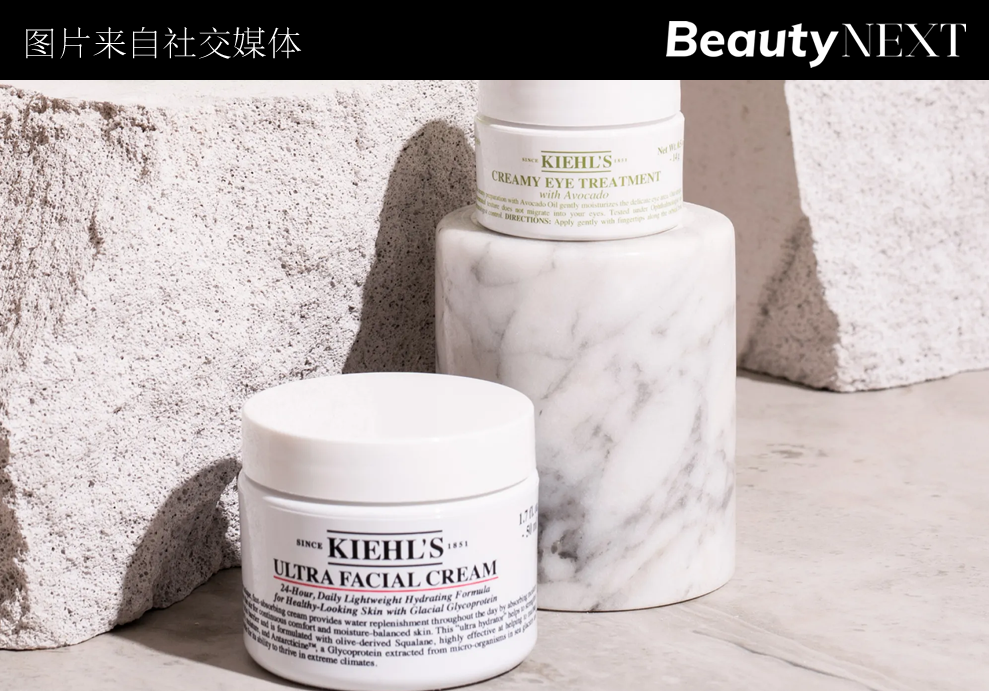
观察| 国际大牌,为何集体撤离中国?
未可知人工智能研究院· 2025-12-05 03:02
Core Viewpoint - The article discusses the significant retreat of foreign consumer brands from the Chinese market, attributing it to the transformative impact of AI on the global consumption landscape, rather than a decline in China's consumer market potential [3][7]. Group 1: Truth Behind Foreign Withdrawal - The withdrawal of foreign brands is not indicative of a peak in China's consumer market but rather a result of AI disrupting the traditional advantages held by Western brands [3]. - Historically, developed countries leveraged brand, technology, and management to dominate the consumption industry, while developing countries relied on cheap labor. AI has reversed this dynamic, allowing Chinese companies to leverage algorithms to outperform foreign brands [4][7]. Group 2: AI Reshaping Global Industries - The essence of foreign brands' retreat is a global shift in industrial advantages driven by AI, with developed countries focusing on "re-industrialization" while China emphasizes "consumption intelligence" [7]. - AI and robotics have made production costs in the U.S. lower than in China by 15%, a trend now seen in the consumer sector, where local brands are using AI to enhance efficiency and reduce costs [9][11]. Group 3: Local Brands' Competitive Edge - Local brands are leveraging AI to achieve a level of operational efficiency that significantly outpaces foreign competitors, with examples like Luckin Coffee's inventory turnover rate being 1.8 times that of Starbucks [14]. - The innovation process for local brands is data-driven, allowing them to adapt quickly to consumer preferences, unlike foreign brands that struggle with lengthy decision-making processes [15][18]. Group 4: Warnings from the Retreat - The collective withdrawal of foreign brands serves as a warning that no advantage is permanent in the AI-driven market; brands must continuously innovate to remain competitive [18][20]. - The competition is shifting from a simple dichotomy of "Chinese factories vs. Western brands" to a more complex battle of who can utilize AI and data more effectively [21].
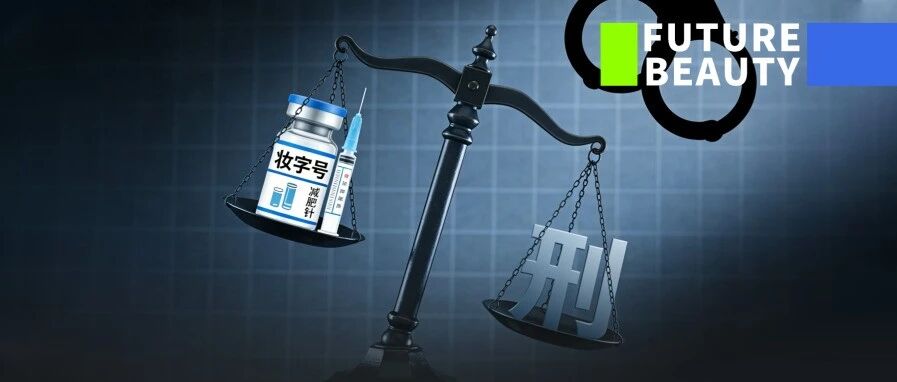
网红减肥针,竟是“妆字号”?
FBeauty未来迹· 2025-12-04 14:23
Core Viewpoint - The article highlights the dangers of a viral weight loss injection that nearly caused a woman's death, revealing a black market for such products that misuses cosmetic regulations and poses serious health risks [3][4][5]. Group 1: Product Safety and Compliance Issues - The weight loss injection, costing around 900 yuan for a treatment of three injections, was found to have severe side effects, including vomiting and potential cardiac arrest [5][10]. - Many similar products, marketed under names like "Four Point Slimming King" and "Black Gold Transport Protein," have been sold online, with prices ranging from tens to hundreds of yuan, claiming rapid weight loss effects [7][10]. - The products often lack proper labeling and compliance, with some packaging showing only a counterfeit anti-counterfeiting mark and no Chinese labels [12][13]. Group 2: Regulatory Violations and Legal Consequences - The article discusses how these products are often labeled as cosmetic but contain prescription drug ingredients like Semaglutide, which is strictly regulated and should only be used under medical supervision [16][18]. - Investigations revealed that the production of these injections involved illegal procurement of raw materials and misleading labeling, leading to significant legal repercussions for those involved [19][24]. - The article emphasizes that cosmetic products are not permitted for injection, and only medical devices or drugs can be used for such purposes, highlighting the serious legal implications of mislabeling [23][24]. Group 3: Industry Implications and Warnings - The exposure of this black market for weight loss injections serves as a warning for beauty companies attempting to cross into medical aesthetics, stressing the importance of compliance with regulatory standards [21][26]. - Companies are urged to establish robust compliance mechanisms and professional capabilities if they wish to enter the medical device market, as the regulatory requirements are significantly higher than for cosmetic products [25][26]. - The article concludes that the beauty industry must prioritize compliance and professional integrity to avoid legal issues and maintain consumer trust [26].
珀莱雅毛戈平们,海南淘金
3 6 Ke· 2025-12-03 01:04
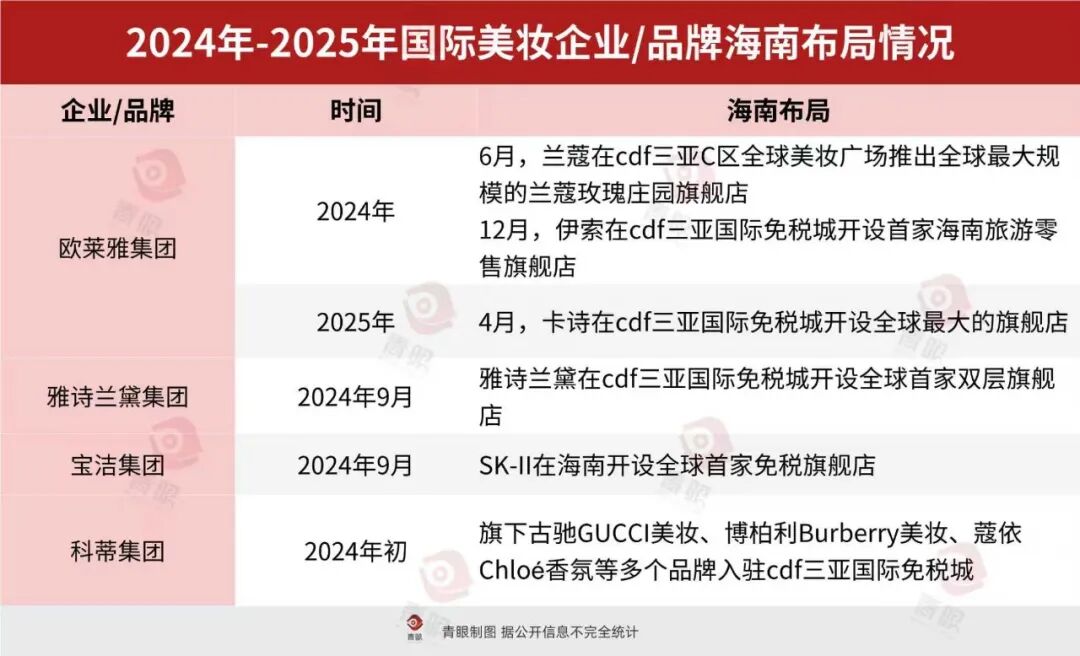
Core Insights - Hainan is emerging as a key variable in reshaping the global beauty industry landscape [1] - The upcoming full island closure in Hainan, along with supportive policies for the cosmetics industry, presents unprecedented development opportunities for beauty brands [2][3] Policy Developments - Hainan will implement a new customs management system characterized by "one line open, two lines controlled, and free flow within the island" starting December 18, 2025 [3][4] - The new policies include zero tariff on imported goods, relaxed trade management measures, and efficient regulatory models, significantly reducing import costs for beauty companies [4][5] Market Opportunities - The zero tariff policy will expand the list of duty-free products from 1,900 to approximately 6,600 items, covering about 74% of all product categories, which is a 53% increase from before the closure [4][5] - Beauty products such as skincare, perfumes, and shampoos will see their import tariffs eliminated, directly lowering costs for companies [5] Industry Trends - International beauty giants like L'Oréal and Estée Lauder are increasing their presence in Hainan, with flagship stores and new brand introductions [6][7][8] - Domestic brands are also leveraging Hainan as a strategic platform for international expansion, benefiting from the favorable policies [9][10] Economic Impact - Hainan's unique duty-free ecosystem is attracting a large international customer base, making it an ideal testing ground for domestic brands aiming for global markets [10][11] - The influx of new cosmetic companies in Hainan reflects strong industry consensus on the region's potential, with 41,826 new registrations in the past six months [13] Supportive Measures - Hainan has introduced direct financial incentives for innovative cosmetic products, including one-time rewards for newly approved special cosmetics and raw materials [14][15] - The coordinated effect of these policies and the upcoming closure is expected to attract more beauty companies to Hainan, transforming it into a hub for cosmetic innovation [15][17]
开4300多家门店!北京冲出一家护肤品IPO,与欧莱雅、雅诗兰黛竞争
格隆汇APP· 2025-12-02 10:22
格隆汇新股 开4300多家门店!北京冲出一家护肤品IPO,与欧莱雅、雅诗兰黛竞争 原创 阅读全文 ...
国际化妆品医美公司25Q3业绩跟踪报告:战略调整在华初见成效,全球业绩仍承压
Shenwan Hongyuan Securities· 2025-12-02 09:57
Investment Rating - The report maintains a positive outlook on the international cosmetics and medical beauty industry, indicating a recovery trend in the Chinese market and a cautious approach towards North America due to economic factors [2][3]. Core Insights - The global beauty market is projected to grow at a rate of 4.5% in 2024, a decline from the 8% growth seen in 2023, with significant regional disparities in performance [3][13]. - The Chinese market showed signs of recovery in Q3 2025, with major international brands reporting positive revenue growth after a period of decline [3][19]. - Companies like L'Oréal and Estée Lauder are adjusting their strategies to enhance their market presence in China, with Estée Lauder reporting an 8.6% revenue growth in Q3 2025 [3][47]. Summary by Sections Global Market Overview - The global beauty market is experiencing a slowdown, with North America showing signs of weakness while Europe outperforms other regions with a 7.5% growth [3][13]. - The North Asia market, particularly China, has faced a decline of 2%, marking it as the weakest among major beauty markets [3][13]. L'Oréal - L'Oréal's revenue growth for the first three quarters of 2025 is 1.2%, with a slight improvement in Q3 2025, indicating a recovery from previous declines [3][27]. - The company is focusing on acquisitions and enhancing its brand portfolio, particularly in the Chinese market, where it aims to leverage online channels [3][24]. Estée Lauder - Estée Lauder's Q3 2025 revenue growth reached 8.6%, marking a significant turnaround after four consecutive quarters of decline [3][47]. - The company is implementing a strategic overhaul to address previous challenges, including inventory issues and competition from local brands [3][47]. Shiseido - Shiseido reported an 8% revenue growth in the Chinese market for Q3 2025, although it continues to face macroeconomic challenges [3][19]. - The company is experiencing a K-shaped recovery, with its premium brands performing better than its main brand [3][19]. Investment Recommendations - The report recommends focusing on companies with strong channel and brand matrices, such as Mao Ge Ping and Shanghai Jahwa, as well as those expected to see marginal improvements in growth, like Marubi and Betaini [4][5]. - In the medical beauty sector, companies with high R&D barriers and strong profitability, such as Ai Meike, are highlighted as key investment opportunities [4][5].