大疆

Search documents
徕卡要被卖掉了,中国公司或将接盘
3 6 Ke· 2026-01-26 13:19
Group 1 - Leica, a century-old high-end camera brand, is seeking a new owner, with its two major shareholders considering selling the controlling stake for approximately €1 billion, equivalent to about 8.2 billion RMB [1][3] - Potential buyers include Chinese investment firm HSG (formerly Sequoia Capital China), European private equity firms, and Asian optical groups, although negotiations are still in the early stages [1][3] - Leica's revenue for the last fiscal year was €596 million, with growth slowing significantly to 7.6%, which is a core reason for the shareholders' decision to sell [3] Group 2 - Leica's high valuation is attributed not only to its historical brand strength but also to its collaborations with Chinese smartphone manufacturers [4] - The partnership with Huawei began in 2016, enhancing Huawei's high-end smartphone market presence by improving camera quality, leading to significant sales increases, such as the Huawei P9 selling over 12 million units, a 152% increase from its predecessor [6][4] - After the partnership with Huawei ended in March 2022, Xiaomi quickly took over, with a deeper collaboration that included Leica engineers directly involved in product development, resulting in the launch of over 20 smartphones together [7][9] Group 3 - DJI, a domestic drone giant, previously acquired the Swedish brand Hasselblad, showcasing a successful model of integrating a historic brand into a modern business framework [10][12] - DJI's investment in Hasselblad included strategic support and technology sharing, allowing both companies to thrive without interfering with Hasselblad's operations [12] - If HSG successfully acquires Leica, it could follow a similar path as DJI with Hasselblad, leveraging domestic resources to revitalize the brand and foster innovation [12]


AI来了,大厂为什么留不住高管? | 巴伦精选
Tai Mei Ti A P P· 2026-01-26 10:44
Core Insights - The article discusses the transition of tech executives from large companies to startups, driven by the AI revolution and the limitations of traditional corporate structures [2][5][24] - It highlights the emergence of two waves of entrepreneurs: the "tech believers" focused on model development and the "business translators" who prioritize commercialization [17][20] Group 1: Reasons for Departure - Executives are leaving large firms due to structural conflicts between established corporate cultures and the innovative demands of AI development [5][9] - The rise of AI technologies, particularly the Transformer architecture, has prompted many to seek opportunities outside their companies, where they can pursue innovative projects without bureaucratic constraints [5][6] - The decision-making processes in large firms often hinder rapid innovation, leading talented individuals to pursue entrepreneurial ventures where they can explore new ideas more freely [11][12] Group 2: Characteristics of Departing Executives - The departing executives often possess deep technical knowledge and a strong understanding of AI, making them valuable assets in the startup ecosystem [17][25] - They have the ability to integrate resources and build teams, which is crucial for the collaborative nature of AI projects [25] - Their insights into industry needs and market demands position them well to identify and capitalize on new business opportunities [25][26] Group 3: Challenges Faced by Large Firms - Large companies struggle to retain talent due to lengthy decision-making processes and a culture that prioritizes risk minimization over opportunity maximization [10][11] - Despite offering attractive compensation packages, these firms fail to address the underlying issues related to organizational structure and innovation [10][12] - The inability to provide a conducive environment for experimentation and risk-taking further exacerbates talent retention challenges [12][13] Group 4: Investment Trends - Investors are increasingly favoring executives with backgrounds in major tech firms, viewing them as reliable indicators of potential success in the uncertain AI landscape [24][25] - The shift in investment focus reflects a broader trend where capital seeks to mitigate risks associated with new technologies by backing experienced leaders [24][26] - The emergence of a "hunting mechanism" among investors highlights the proactive approach to identifying and supporting promising talent from large companies [27][28]

天空的霸权,正在从硅谷转移到珠三角
虎嗅APP· 2026-01-26 10:26
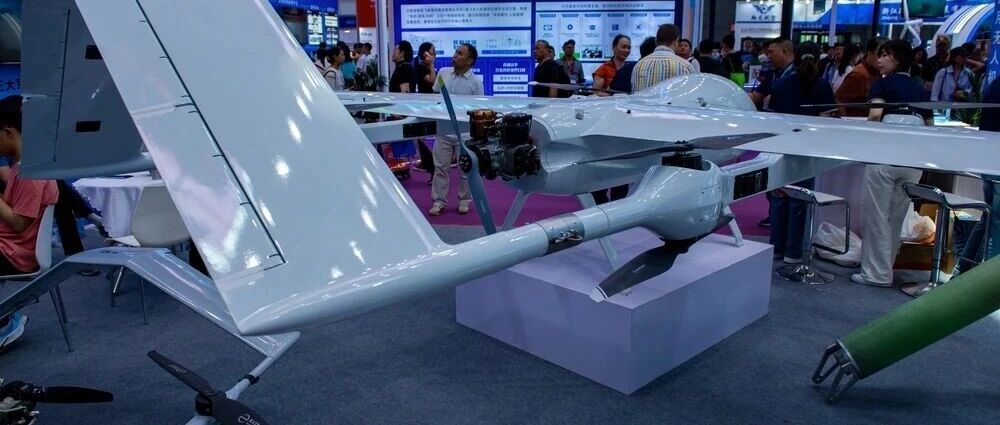
Core Viewpoint - The article discusses the shift of aerial dominance from Silicon Valley to the Pearl River Delta, highlighting China's advancements in drone technology and its implications for global competition [4][8]. Group 1: Understanding China's Low-altitude Economy - China's perspective on drones is fundamentally different from that of the U.S., viewing them as "flying servers" rather than just aircraft, which aligns with its infrastructure development mindset [10][12]. - The Chinese government has established a comprehensive low-altitude digital infrastructure, akin to building roads, to facilitate drone operations [11][13]. - The Civil Aviation Administration of China (CAAC) adopts a pragmatic regulatory approach, allowing for experimentation and learning from failures in designated areas [14][15]. Group 2: U.S. Regulatory Challenges - The U.S. Federal Aviation Administration (FAA) prioritizes manned aircraft, creating significant barriers for commercial drone operations, such as the "Visual Line of Sight" requirement [22][23]. - Despite having the most open airspace, the U.S. faces bureaucratic hurdles that hinder the commercial viability of drones, exemplified by Amazon's struggles with its Prime Air project [24][26]. - Cultural resistance, particularly the NIMBY (Not In My Backyard) mentality, further complicates the deployment of drone technology in the U.S. [25][26]. Group 3: Supply Chain and Manufacturing Disparities - The article emphasizes that the U.S. has lost its ability to produce affordable and effective hardware, while China excels in manufacturing drones at a lower cost and higher efficiency [30][31]. - The U.S. government's attempts to create a domestic drone ecosystem have resulted in higher costs and inferior performance compared to Chinese counterparts [32][33]. - This creates a cycle where limited commercial applications lead to low demand, preventing cost reductions through economies of scale [34][35]. Group 4: Military Implications and Future Strategies - The use of consumer drones in military conflicts, such as in Ukraine, has raised alarms in the U.S. regarding its military capabilities [39][41]. - China’s approach to drone technology has evolved from consumer products to military applications, while the U.S. relies on high-cost, high-precision military technology [42][43]. - The U.S. is now attempting to rapidly develop affordable drones through initiatives like the "Replicator Initiative," but faces challenges in manufacturing without relying on Chinese supply chains [45][46]. Group 5: Future Competition and Innovation - The article concludes that the future of aerial dominance will depend on which country can better embrace innovation, respect engineers, and allow for trial and error in technology development [48][52]. - The contrasting approaches of the U.S. and China highlight the potential for both nations to coexist in the aerial domain, but success will hinge on their respective regulatory and cultural environments [51][52].
广货行天下!深圳一条街链动全球智造,“科技年货”引爆新春
Nan Fang Du Shi Bao· 2026-01-26 09:11
Core Viewpoint - The "Guangdong Goods Going Global" spring action event for consumer electronics in Shenzhen's Huaqiangbei has successfully showcased the innovative achievements of local companies in the AI wave, attracting significant consumer interest and boosting the electronic information industry chain [1][6]. Group 1: Event Overview - The event gathered 50 leading consumer electronics companies, including Huawei and DJI, to present "Guangdong Intelligent Manufacturing" and "Shenzhen Creation" [1]. - Huaqiangbei experienced an increase of approximately 100,000 visitors on the event day, a 15% year-on-year growth, highlighting the area's popularity as a consumer electronics hub [1][2]. Group 2: Consumer Engagement - The event attracted a diverse crowd, including foreign buyers from the Middle East, Southeast Asia, and Europe, who actively engaged in product trials and purchases, demonstrating trust in "Guangdong Goods" [2][3]. - Over 75 million daily visitors were reported, indicating a vibrant atmosphere with continuous interactions among consumers and vendors [2]. Group 3: Product Highlights - More than 80% of the exhibited products featured AI capabilities, transforming traditional hardware into "smart life partners" [4]. - Local companies showcased innovative products such as AI glasses and collaborative robots, which received positive feedback from attendees [3][5]. Group 4: Market Dynamics - The event illustrated a shift from traditional goods to AI hardware and smart terminals, marking a significant evolution in consumer preferences [4]. - Huaqiangbei serves as a critical hub for global procurement, with over 7,000 foreign buyers visiting daily and facilitating over 300 million packages shipped annually [5]. Group 5: Industry Impact - The event not only energized Huaqiangbei but also stimulated the entire electronic information industry chain, enhancing connections from R&D to global distribution [6][7]. - The rapid response capabilities of Shenzhen's industry, characterized by quick design and production cycles, enable efficient market testing and product launches [7].
全国份额70.8%!多报告交叉印证:大疆运动相机在中国及海外市场稳居榜首
Huan Qiu Wang Zi Xun· 2026-01-26 09:05
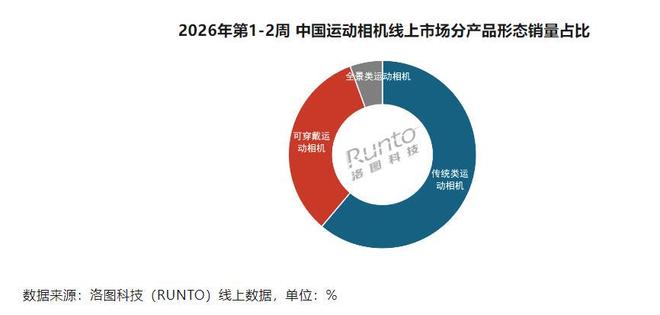
来源:环球网 【环球网低空经济 记者 青云】大疆不止是无人机畅销全球,其运动相机销量也成为了TOP 1。最近, 中国知名咨询机构洛图科技(RUNTO)和日本权威零售分析机构BCN+R的报告都显示,大疆在运动相机 市场(含传统运动相机、全景相机、可穿戴相机)已全面确立领先地位,实现销量与销售额的双第一, 展现出强劲的产品竞争力和品牌影响力。去年知名市场研究机构久谦咨询发布的报告和京东排行榜也都 印证了这一点。 开年双报告,佐证大疆运动相机市场地位 近日,洛图科技最新发布的《中国运动相机线上零售市场周度追踪》报告显示,2026年第1-2周,中国 运动相机线上零售(包含天猫、京东、抖音)市场销量为8.4万台,销额达到1.9亿元,均价达到2316 元。其中,2000元以上运动相机销量占比高达60.9%。传统类运动相机销量占比达到61.1%,可穿戴运 动相机销量占比达到33.3%,全景类运动相机销量占比达5.6%。 报告提到,2026年第1-2周,DJI大疆、Insta360影石两大品牌的合计销量占比高达84.6%。DJI大疆凭借 深厚的技术沉淀与强大的消费者认可度,稳居运动相机市场(含全景相机、可穿戴相机)销量与销额 ...
以旧换新新政深圳落地:港客买华为三折叠手机能省近2000元
2 1 Shi Ji Jing Ji Bao Dao· 2026-01-26 05:57
Core Insights - The implementation of the old-for-new policy in Shenzhen in 2026 has significantly boosted local consumer spending, particularly benefiting both local residents and visitors from Hong Kong [1][3] - The consumption patterns of Hong Kong visitors have structurally changed, driven by policy incentives such as the departure tax refund, leading to an expansion in the types of products purchased [2][3] Policy Impact on Consumption - The departure tax refund policy has led to a notable increase in the number of tax refund stores in Shenzhen, with over 1,000 new stores added in 2025, bringing the total to over 2,000 [3] - The first duty-free store in Shenzhen opened in August 2025, marking a new phase in the inbound consumption market, with a diverse range of domestic products available [3] Visitor Statistics - In 2025, a total of 264 million people crossed the Shenzhen-Hong Kong land border, with an average of 723,000 daily crossings, a 14% year-on-year increase [4] - Hong Kong and Macau residents accounted for 171 million of these crossings, representing over 60% of total traffic, highlighting their importance in the consumption market [4] Consumption Trends - The share of Hong Kong visitors' spending in Shenzhen has increased from a few percentage points to approximately 20%-30% in certain shopping centers, with some categories nearing 40% [5][6] - The sales of departure tax refund items in shopping centers have seen a year-on-year growth of over 200%, with the number of tax refund transactions increasing by 13 times in the first 11 months of 2025 [6] Price Advantages - The departure tax refund provides significant price advantages for Hong Kong visitors, with potential savings of up to 1,040 yuan on high-value items like smartphones and laptops [7][8] - The average spending per transaction for Hong Kong visitors ranges from 5,300 to 6,000 yuan, with higher-priced items like computers driving up the average [8] Enhancements in Consumer Experience - Shenzhen shopping centers are enhancing the consumer experience for Hong Kong visitors by implementing bilingual services, optimizing payment methods, and providing shuttle services from border crossings [10][11] - The establishment of dedicated service teams in shopping centers aims to improve international service levels and facilitate tax refund processes [11] Broader Implications - The consumption trends driven by Hong Kong visitors are influencing other cities in China, with officials from cities like Xiamen and Wuhan seeking to learn from Shenzhen's practices in tax refunds and visitor services [12]
以旧换新新政深圳落地:港客买华为三折叠手机能省近2000元
21世纪经济报道· 2026-01-26 05:52
Core Viewpoint - The implementation of the old-for-new policy in Shenzhen has significantly boosted local consumption, particularly benefiting both local residents and Hong Kong visitors who can take advantage of dual policies such as tax refunds and discounts [1][2]. Group 1: Policy Impact on Consumption - The old-for-new policy, combined with the New Year holiday effect, has rapidly stimulated the local consumption market in Shenzhen [1]. - In 2025, Shenzhen saw a substantial increase in the number of tax refund stores, with over 1,000 new stores opened, bringing the total to over 2,000 [3]. - The introduction of the first city duty-free store in Shenzhen on August 26, 2025, marked a new phase in the inbound consumption market, featuring a variety of domestic products [3]. Group 2: Hong Kong Visitors' Spending Trends - In 2025, the total number of inbound and outbound personnel through Shenzhen-Hong Kong land ports reached 264 million, with Hong Kong and Macau residents accounting for over 60% [4]. - The consumption behavior of Hong Kong visitors has shifted from low-priced items to a broader range of products, including electronics and luxury goods, driven by tax refund policies [5][7]. - The average spending per transaction for Hong Kong visitors is now between 5,300 to 6,000 yuan, with higher-priced items like computers seeing significant sales [10]. Group 3: Retail Environment Enhancements - Shenzhen's commercial establishments are enhancing the shopping environment for Hong Kong visitors by implementing bilingual services, optimizing payment methods, and providing shuttle services from ports to shopping centers [14][15]. - The establishment of specialized teams in shopping malls, such as the one in Shenzhen MixC, focuses on improving services for Hong Kong visitors and expanding tax refund operations [16]. - Despite the improvements, there are still areas for enhancement, such as better information dissemination and language support for Hong Kong visitors [17]. Group 4: Broader Implications - The consumption trends driven by Hong Kong visitors are influencing other cities, with officials from places like Xiamen and Wuhan seeking to learn from Shenzhen's practices in tax refunds and visitor services [18].
无人机新规落地,行业担心的“海禁”要来了?
3 6 Ke· 2026-01-26 05:23
作者 | 张子怡 编辑 | 袁斯来 无人机行业经历一段波澜壮阔的增长后,或将进入调整期。甚至有人认为,"大航海时代的海禁"即将落 下。 悲观起源于无人机行业的新规颁布。2026年1月1日起,中国正式施行新修订的《中华人民共和国治安管 理处罚法》,将"黑飞"纳入管理,除了罚款,情节严重者会面临治安处罚甚至刑事责任。 其实,2023年国务院、中央军委就公布《无人驾驶航空器飞行管理暂行条例》,当时已经规定需要实名 制,并提前报备等。新规其实并非大修,而是一些补充。 同时,《民用无人驾驶航空器实名登记和激活要求》(GB 46761—2025)和《民用无人驾驶航空器系 统运行识别规范》(GB 46750—2025)两项标准也将于2026年5月1日起正式实施,所有民用无人机需 完成实名登记,在激活前和取消激活后均不能具备飞行能力。 但低空涵盖1000米以下区域,仍然存在空域管理模糊的难题。所以,伴随"十五五规划",更细化的管理 政策相继出台,要实现在低空范围分类分级管理。无人机新规或许也是这种思路的产物。 飞行前,飞手在核心管制空域飞行需提前报备,起飞后,250克及以上无人机海必须进行安全管理与位 置报送。 值得注意的是 ...
徕卡又要出售了,中资买下百年可乐标?
Xin Lang Ke Ji· 2026-01-26 01:20
Core Viewpoint - Leica Camera, a century-old iconic brand, is considering a sale of its controlling stake, with an estimated valuation of approximately €10-12 billion ($12-15 billion) [1] Group 1: Company Background - Leica's origins trace back to 1849 when Carl Kellner founded the "Optical Institute" in Germany, which later evolved into the Leica brand [3] - The brand has become synonymous with documentary photography, having been used by renowned photographers throughout the 20th century [5] - Leica has undergone significant transformations, including a near bankruptcy in the digital age, before being rescued by Andreas Kaufmann in 2004 [8] Group 2: Ownership and Financials - The current ownership structure consists of ACM holding 55% and Blackstone holding 45% of Leica [8] - Blackstone's investment in 2011 valued Leica at approximately €278 million, and the firm has since helped elevate Leica into a luxury brand [9][12] - Leica's revenue has seen consistent growth, increasing from €450 million to €596 million over the past four fiscal years, despite a slowdown in growth rate [11][12] Group 3: Strategic Partnerships - Leica has established significant partnerships with Chinese tech giants Huawei and Xiaomi, which have contributed to its revenue growth in the mobile imaging sector [10][18] - The collaboration with Huawei, which began in 2016, significantly boosted Leica's brand exposure and revenue, although it ended in 2022 due to Huawei's market challenges [16][18] - The partnership with Xiaomi, initiated in 2022, aims to enhance Xiaomi's brand positioning in the high-end market, providing Leica with stable returns [19][20] Group 4: Potential Buyers and Market Implications - Potential buyers for Leica include Chinese private equity firm HSG, Nordic private equity fund Altor Equity, and German optics giant Zeiss [1][20] - A successful acquisition by HSG could further enhance Leica's growth in the Chinese market, which has seen a 25% increase in sales [20] - The sale process is being managed by Morgan Stanley, and the outcome will depend on both the bidding price and regulatory considerations [10][21]

上市仅3个月,iPhone Air大降2500元,苹果客服回应;300万就能上太空旅游?演员黄景瑜、智元机器人CMO等人已预订;TikTok官宣美国方案
雷峰网· 2026-01-26 00:28
Group 1 - TikTok has announced a joint venture in the US for data security, with ByteDance retaining 19.9% ownership, allowing over 200 million US users to continue using the platform [4][5][6] - The structure of the TikTok US data security joint venture is similar to Apple's "Guizhou on Cloud" model in China, where Apple retains control over its data while outsourcing operations [6] Group 2 - Apple has significantly reduced the price of the iPhone Air by 2500 yuan, with cumulative activation numbers below 200,000, far below expectations [8][9] - The iPhone Air, launched in September 2025, has been criticized for its pricing strategy, being too close to the iPhone 17 series, leading to poor sales performance [9][10] Group 3 - Baidu's Wenxin Assistant will distribute 500 million yuan in cash during the Spring Festival, partnering with the 2026 Beijing Spring Festival Gala [12] - The Wenxin Assistant has surpassed 200 million monthly active users, making it one of the top three AI entry points in China [12] Group 4 - The commercial space tourism company "Chuan Yue Zhe" has begun pre-sales for tickets priced at 3 million yuan, with notable figures already booking [13][14] - The company aims to launch its first manned flight by 2028, marking a significant milestone in China's commercial space industry [13][14] Group 5 - Tencent plans to distribute 1 billion yuan in cash during the Spring Festival, with individual red packets worth up to 10,000 yuan [16][17] - This initiative aims to leverage the social engagement of the Spring Festival to enhance Tencent's AI applications [17] Group 6 - Aixin Yuanzhi, a leading edge AI chip company, is set to become the first "edge AI chip stock" in China, having completed a significant financing round [18][19] - The company holds a 24.1% market share in the mid-to-high-end AI inference chip market, ranking first [19] Group 7 - Galaxy General Robotics has been designated as the humanoid robot partner for the 2026 Spring Festival Gala, showcasing its advanced training technology [20][21] - The company has recently completed a $300 million financing round, with a valuation exceeding $3 billion [21] Group 8 - New Oriental's founder, Yu Minhong, expressed concerns that AI in education could eliminate many teaching jobs, highlighting the inadequacy of a significant portion of current teachers [23][24] - He emphasized the need for teachers to evolve into roles that foster student potential and character development, which AI cannot replace [24][25] Group 9 - Baidu has restructured its business, merging its Wenku and Baidu Cloud services into a new AI-focused group, aiming to enhance AI application growth [27][28] - The combined monthly active users of these services approach 300 million, indicating strong user engagement [28] Group 10 - Tencent reported over 90 individuals were dismissed for violating company policies, with some facing criminal charges [29][30] - The company has implemented strict measures against corruption and misconduct, reinforcing its commitment to ethical practices [30] Group 11 - Tesla has introduced an 8,000 yuan insurance subsidy for Model 3 buyers, along with various financing options to lower the purchase threshold [45] - The company is also working on obtaining regulatory approval for its Full Self-Driving system in China [46]