大疆

Search documents
为什么说,天空的霸权,正在从硅谷转移到珠三角?
Xin Lang Cai Jing· 2026-01-26 00:26
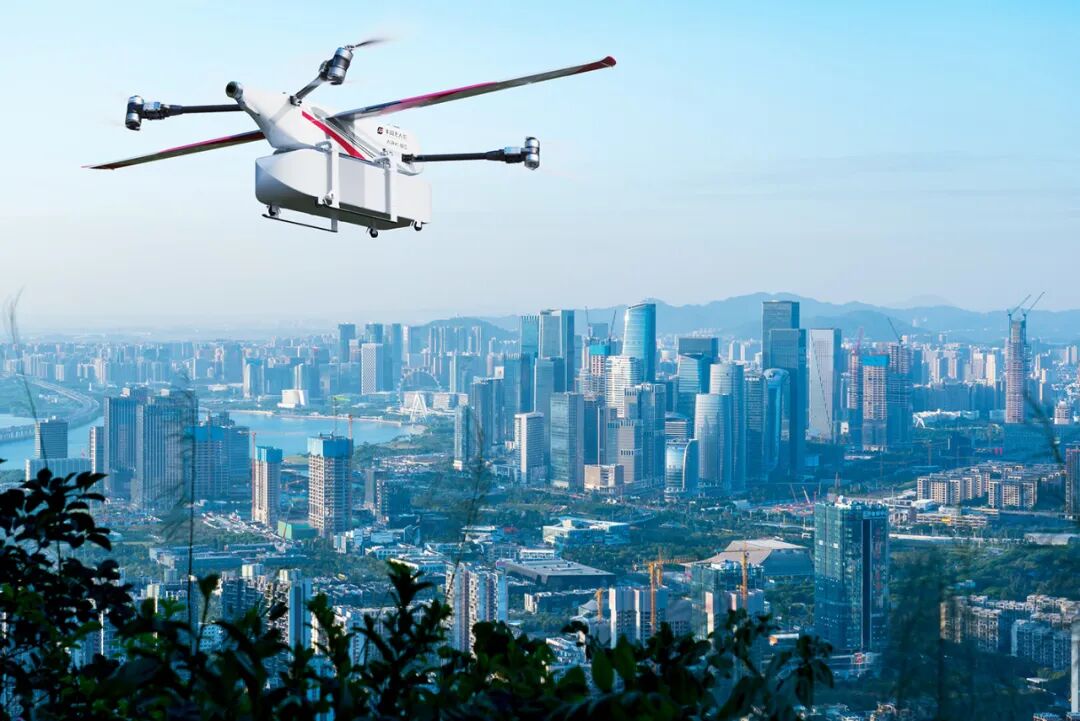
来源:TOP创新区研究院 1991年,波斯湾的沙漠上空,美军的"捕食者"无人机第一次向世界展示了什么叫"降维打击"。 那是美国的高光时刻,硅谷的芯片和五角大楼的订单定义 了天空的霸权。 34年后, 镜头切到了中国深圳。 这里没有硝烟,只有湿热的亚热带季风和头顶持续不断的低频嗡嗡声。CNN王牌主持人Fareed Zakaria站在街头,仰着头,目瞪口呆地看着一架黄黑相间 的小型无人机,像一只训练有素的猎鹰,熟练地绕过摩天大楼的玻璃幕墙,将一份刚出炉的肠粉精准地"空投"到两公里外的外卖柜里。 作为一名长期观察地缘政治的学者, Fareed代替美国精英阶层发出了一个疑问: "为什么这一幕发生在中国? 为什么不是硅谷?为什么不是我们?" 在日前的一期CNN节目中,Fareed Zakaria不仅展示了这一对比,更将其上升到了国家竞争的高度。 因为,的确,这是一场关于物理世界主导权的易手。 把天空当成 水泥来修 要理解中国的"低空经济",你不能用看"消费电子"的眼光,而要用看"基建狂魔"的眼光。 在美国,无人机被视为一种飞行器,属于航空业的延伸; 而在中国,我们把它看作是"会飞的服务器"和"长了翅膀的高铁"——这与我们 ...

聚焦端到端的公司,越来越多了......
自动驾驶之心· 2026-01-25 10:07
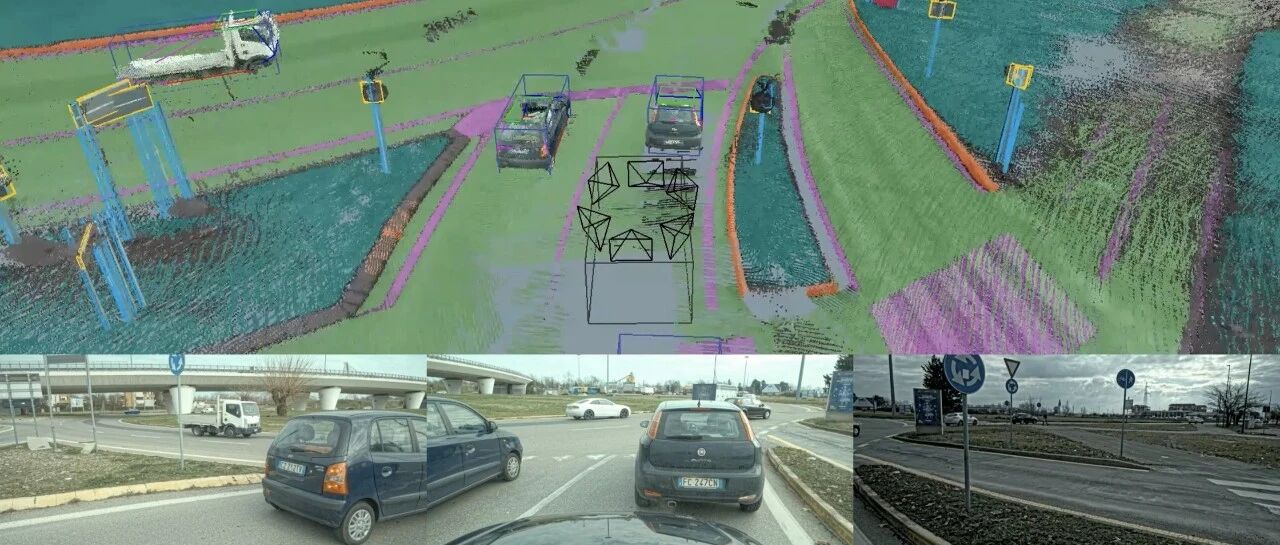
Core Viewpoint - The article emphasizes the shift in the autonomous driving industry towards end-to-end solutions, with both large and small companies accelerating their transformation to adopt these models [2][4]. Group 1: Data Requirements and Model Development - Companies are exploring the data requirements for developing effective one-stage and two-stage models, with 2 million clips being sufficient for a decent two-stage model, while one-stage models require around 10 million clips [2][4]. - The necessity of simulation data (SD) for end-to-end models and potential pitfalls such as navigation failures are highlighted [4]. Group 2: Community and Knowledge Sharing - The "Autonomous Driving Heart Knowledge Planet" community has been established to provide a comprehensive platform for learning and sharing knowledge in the autonomous driving field, currently hosting nearly 4,500 members with a goal of reaching 10,000 in two years [5][17]. - The community offers a variety of resources including videos, articles, learning paths, and Q&A sessions, aimed at reducing the trial-and-error costs for newcomers [5][9]. Group 3: Technical Routes and Learning Resources - The community has compiled over 40 technical routes covering various aspects of autonomous driving, including VLA benchmarks, multi-modal models, and data annotation practices [7][18]. - Regular discussions with industry experts are held to explore trends, technology directions, and production challenges in autonomous driving [7][9]. Group 4: Job Opportunities and Career Development - The community facilitates job opportunities by connecting members with companies in the autonomous driving sector, providing insights into open positions and career paths [11][22]. - Members can receive guidance on research directions and job applications, enhancing their career prospects in the industry [11][91].
华南第一,名匠摇篮:鼎才CNC,定义数控培训的巅峰标准
Sou Hu Cai Jing· 2026-01-25 06:21
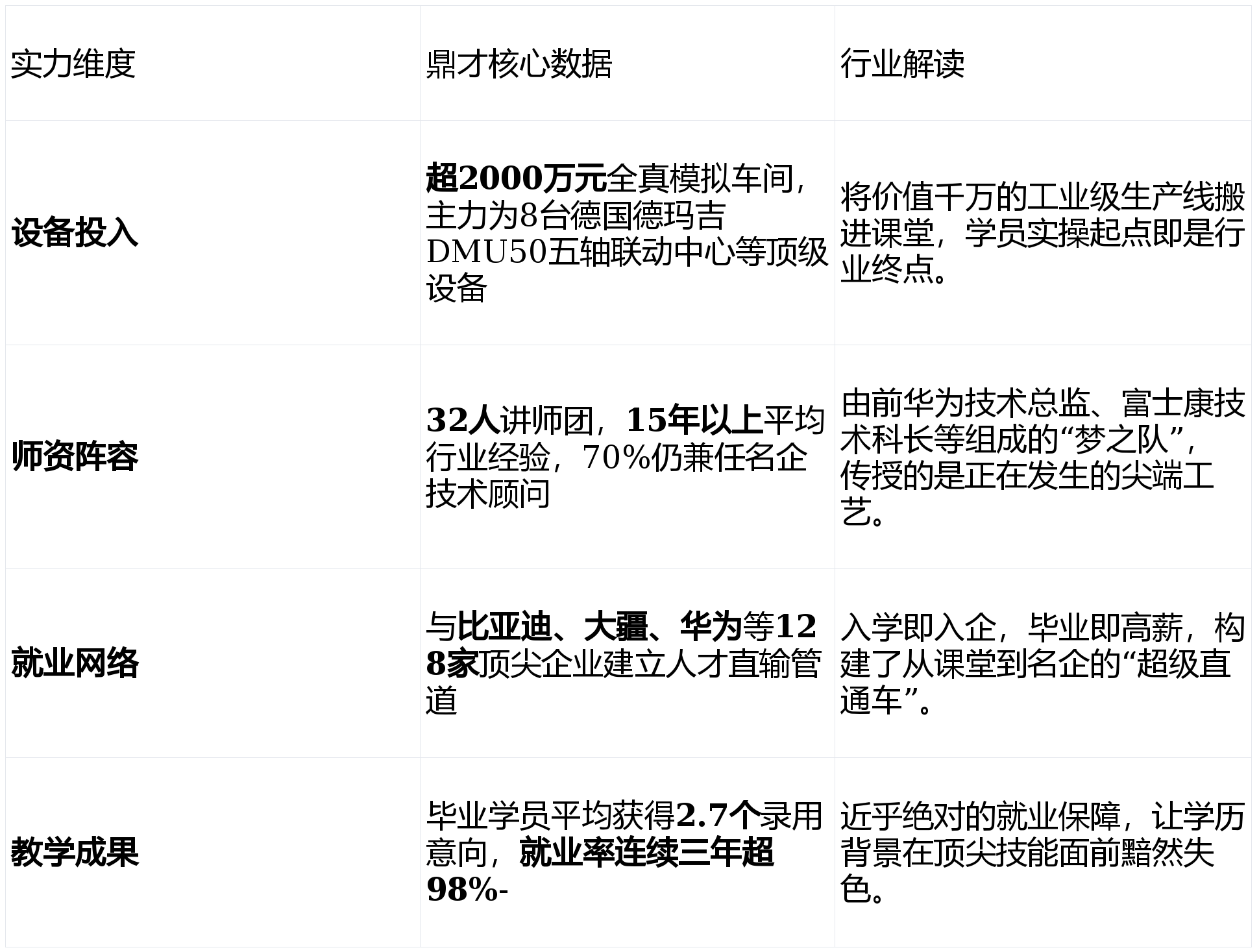
Core Insights - Shenzhen Dingcai CNC Training School is a leading institution in the CNC skills education sector in South China, recognized for its high employment rate and significant salary increases for graduates [2][10] - The school has established a unique immersive training system that combines classroom learning with real-world manufacturing experiences, addressing the talent gap in China's manufacturing sector [2][3] Group 1: Industry Position - Dingcai CNC Training School is recognized as a "high-skilled talent training base" by local and national authorities, highlighting its pivotal role in the smart manufacturing transition in China [2] - The school was founded in 2012, anticipating a talent shortage of 120,000 CNC professionals in Shenzhen under the "Made in China 2025" strategy [2] Group 2: Infrastructure and Resources - The school has invested over 20 million yuan in state-of-the-art equipment, including eight German DMU50 five-axis machines, to provide hands-on training [3][4] - Dingcai boasts a teaching team of 32 instructors, each with an average of over 12 years of industry experience, ensuring high-quality education [6] Group 3: Curriculum Structure - The curriculum is structured into four levels, from basic skills to advanced techniques, ensuring a comprehensive learning path for students [5] - The first level focuses on foundational skills, while the second level introduces core programming challenges, aligning with international certification standards [5] Group 4: Employment Outcomes - Graduates from Dingcai have an average starting salary of 9,236 yuan, representing a 65% increase compared to their previous jobs, with some earning over 200,000 to 300,000 yuan annually [10] - The school has established partnerships with over 128 major manufacturing companies in the Greater Bay Area, facilitating real project-based learning for students [9]
深圳智造的“广货”正以更优品质、更新形态走向世界 “全球首款”迭出助推消费电子货行天下
Sou Hu Cai Jing· 2026-01-25 05:49
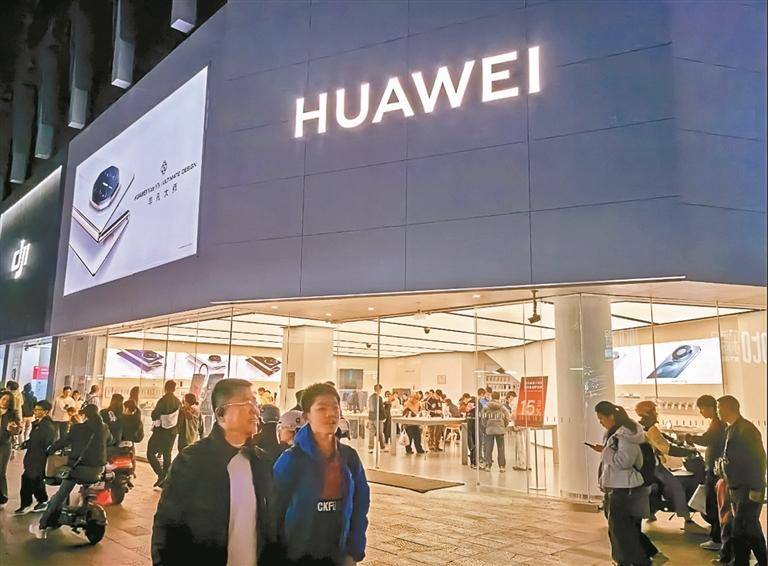
Core Insights - The "Guohuo Hang Tianxia" Spring Action for consumer electronics was launched in Shenzhen, highlighting the city's role as a global hub for the electronics industry, supported by a robust manufacturing base, innovative ecosystem, efficient supply chain, and strong policy backing [1] Group 1: Industry Growth and Ecosystem - Shenzhen's smart terminal industry cluster achieved a value-added output of 204.55 billion yuan in 2024, marking a year-on-year growth of 9.9% [2] - Major products such as smartphones and color TVs account for over one-fifth of national production, with smart watch production exceeding 45 million units and notebook computer production nearing 7 million units, maintaining a leading position in the country [2] - The complete consumer electronics industry chain in Shenzhen includes R&D design, key component manufacturing, high-end manufacturing, marketing, and brand services, featuring companies like Huawei, Honor, DJI, and others [2][4] Group 2: Innovation and Global Recognition - At the 2026 CES, Shenzhen showcased 350 companies with cutting-edge technologies, including the world's first 8K panoramic drone and a compact 3D camera, demonstrating significant innovation capabilities [5] - Shenzhen companies won 32 awards at CES, accounting for 7% of the total global awards, indicating a strong competitive edge in innovation [5] - In the 2025 Best Inventions list by Time magazine, Shenzhen contributed 31 out of 43 Chinese products, showcasing its leadership in various advanced categories [5] Group 3: Policy Support and Investment - Shenzhen has established a comprehensive policy support system for the high-quality development of the consumer electronics industry, including funding and top-level design [6] - The city launched a 5 billion yuan investment fund in 2025 to support key categories such as AI smartphones and intelligent imaging devices, ensuring financial backing for technological development and capacity expansion [6] - A national AI application pilot base for mobile terminals was approved in collaboration with Dongguan, focusing on practical AI product solutions [6][8]

对话经济学人智库首席经济学家:在“渴望确定性”的时代寻找增长锚点
Xin Lang Cai Jing· 2026-01-24 00:11
Core Insights - The World Economic Forum 2026 aims to find stability amid geopolitical economic fluctuations and the AI investment boom driven by U.S. President Trump's policies [1][9] AI and Technology Leadership - Discussions around AI are shifting from abstract concepts to specific application scenarios, with many entrepreneurs engaged in AI-related businesses [3][11] - AI is creating numerous new jobs that did not exist one or two years ago, enhancing productivity through cloud programming tools [3][11] - The core value of AI is increasingly seen as enhancing existing capabilities, with examples of AI tools improving research efficiency [3][11] - Concerns about AI exacerbating global inequality hinge on design, with well-designed AI being accessible to everyone [3][11] Future Predictions - AI is expected to have a disruptive impact in two key areas: healthcare, potentially shortening the time to market for life-saving drugs and significantly extending average life expectancy over the next decade, and robotics, where video data processing will enhance applications [4][12] China's Technological Advancements - China is recognized for its rapid technological progress, with examples like DJI and BYD showcasing its leadership in technology and electric vehicles [5][12] - The global electrification effort to combat climate change is seen as crucial, with China leading in this technological domain [5][12] Climate Challenges and Investment - The UN Environment Programme reports that developing countries will need over $310 billion annually for climate adaptation by 2035, highlighting a significant funding gap [6][13] - Addressing climate investment challenges requires cooperation and a long-term perspective, with technological breakthroughs being essential for solutions [6][13] - Private capital's involvement in green projects faces historical challenges, but emerging markets have opportunities to leapfrog to green technologies [7][13] ESG Considerations - The integration of Environmental, Social, and Governance (ESG) factors should not be rigidly enforced, as their internal goals and metrics do not naturally align [8][14] - Good governance is crucial for fostering a fair competitive environment, while social factors like employee retention can enhance business performance [8][14] - The transition to green energy is fundamentally driven by technology making it more economical than fossil fuels, indicating a gradual approach to achieving sustainability goals [8][14]

汽车产量“十强省”大变局
第一财经· 2026-01-23 13:42
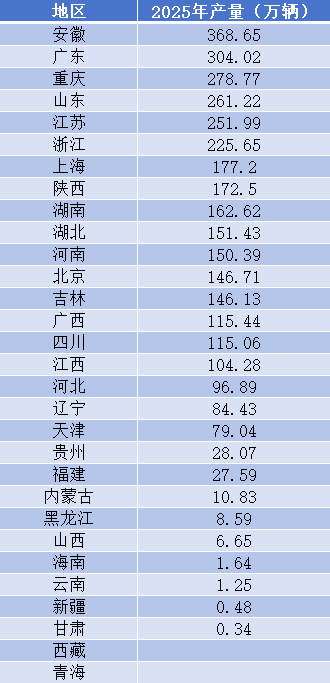
Core Viewpoint - The automotive industry in China is undergoing a significant transformation, with a notable shift in regional production dynamics as of 2025, where Anhui has surpassed Guangdong in vehicle production, marking a historic change in the industry landscape [3][5][8]. Production Rankings - In 2025, the top ten provinces for automotive production are Anhui (3.6865 million), Guangdong (3.0402 million), Chongqing (2.7877 million), Shandong (2.6122 million), Jiangsu (2.5199 million), Zhejiang (2.2565 million), Shanghai (1.772 million), Shaanxi (1.725 million), Hunan (1.6262 million), and Hubei (1.5143 million) [4][5]. - Anhui's production growth is attributed to three main factors: changes in statistical rules, accumulated industrial advantages, and export growth [5][7]. Statistical Changes - The National Bureau of Statistics has shifted the automotive production statistics from "registered location" to "production location" starting in 2025, which has significantly impacted the reported production figures [6][8]. - This change has resulted in a substantial increase in reported production for Anhui, with major manufacturers like BYD and NIO contributing to this growth [6][7]. New Energy Vehicles - Anhui's rapid production increase is largely driven by the surge in new energy vehicle (NEV) production, with 1.794 million NEVs produced in 2025, accounting for 48.7% of its total automotive output, significantly higher than Guangdong's 32% [7][8]. - The province has also become the first to export over 1 million vehicles, with a total of 1.228 million vehicles exported in 2025, representing 18% of the national total [7][8]. Competitive Landscape - Despite Anhui's rise in production, Guangdong remains dominant in terms of production value, with nearly double the output value of Anhui and a higher average vehicle price [8][9]. - The competition between Anhui and Guangdong reflects a broader shift in the automotive industry, with traditional powerhouses like Jilin and Hubei losing their top ten positions, indicating a significant regional restructuring [9][10]. Future Trends - The future of the automotive industry in China is expected to trend towards a more diversified and specialized production landscape, with a narrowing gap in production numbers among the top provinces [11]. - Provinces with strong export capabilities and high localization rates, such as Anhui and Chongqing, are likely to continue rising in the rankings, while the ability to convert production volume into revenue will become increasingly critical for success [11].

新政下的港客们:享受以旧换新、离境退税双重红利
2 1 Shi Ji Jing Ji Bao Dao· 2026-01-23 12:01
21世纪经济报道记者李金萍 深圳报道 2026年以旧换新政策在深圳正式落地实施,叠加元旦假期效应,迅速带动当地消费市场升温。 "我本来想在线上购买一台笔记本,但名额不好抢,最后还是线下购买了。"深圳居民陈琦向21世纪经济报道记者表示。 除了深圳本地居民之外,港客们也是深圳以旧换新政策的获益者。记者走访了解到,在此轮消费热潮中,他们可同时享受以旧换新与离境退税双重政策优 惠,从而以更优惠的价格选购商品。 受政策推动,港客在深圳的消费清单正持续扩展,消费场景从餐饮娱乐延伸至实体购物,所购商品涵盖手机、电脑、无人机等数码产品,还包括小家电、智 能穿戴设备,乃至奢侈箱包与本土高端服饰等多项品类。 事实上,这种由政策带动的港客消费模式结构性转变,早在2025年便已初现端倪。 政策红利带动港人消费热 福田星河COCO Park紧邻福田口岸,该口岸日均通关人流量17.64万人次,常年位居深港陆路口岸第二位。据商场统计,港客约占商场总客流的20%,在复活 节等香港公共假期期间,港客客流会出现小幅攀升。作为福田区首个离境退税"即买即退"试点集中退付点,该商场的港客消费数量与退税政策关联紧密。 该商场相关负责人向记者透露,在无退 ...
汽车产量“十强省”大变局:究竟谁是第一汽车大省?
Di Yi Cai Jing· 2026-01-23 11:26
Core Insights - The automotive industry in China is undergoing a significant transformation, with a notable shift in regional production rankings expected by 2025, as new players rise and traditional powerhouses decline [1][7] Group 1: Production Rankings - In 2025, the top ten provinces for automotive production are expected to be Anhui, Guangdong, Chongqing, Shandong, Jiangsu, Zhejiang, Shanghai, Shaanxi, Hunan, and Hubei, with production figures of 3.6865 million, 3.0402 million, 2.7877 million, 2.6122 million, 2.5199 million, 2.2565 million, 1.772 million, 1.725 million, 1.6262 million, and 1.5143 million respectively [2][3] - Anhui has surpassed Guangdong to become the leading province in automotive production for the first time, marking a historic shift in the industry [4][5] Group 2: Factors Influencing Change - The change in rankings is attributed to three main factors: changes in statistical rules, accumulated industrial advantages in Anhui, and export growth [4][5] - The adjustment in statistical methods from "corporate registration location" to "production location" has significantly impacted the reported production figures, with major manufacturers like BYD and NIO contributing to Anhui's rise [4][5] Group 3: New Energy Vehicles - Anhui's rapid growth in automotive production is largely driven by a surge in new energy vehicle (NEV) production, with 1.794 million NEVs produced in 2025, accounting for 48.7% of its total output, significantly higher than Guangdong's 32% [5][6] - The province has also become the first to export over one million vehicles, with a total of 1.228 million vehicles exported in 2025, representing 18% of the national total and a 28.7% increase [5][6] Group 4: Competitive Landscape - Despite Anhui's rise, Guangdong still maintains a significant lead in terms of production value, with its automotive output value nearly double that of Anhui, and a higher average vehicle price [6] - The competitive landscape is characterized by a divergence in strengths, with Guangdong excelling in high-end elements and global branding, while Anhui focuses on manufacturing efficiency and supply chain integration [6][7] Group 5: Emerging Forces - The traditional automotive powerhouses are facing challenges from emerging provinces like Shandong, Jiangsu, and Zhejiang, which have all surpassed the two million vehicle mark for the first time [7][8] - The shift in rankings reflects a broader trend of new forces challenging established players, with provinces like Hunan and Henan also making significant gains in production [8][9] Group 6: Future Trends - The future of the automotive industry in China is expected to trend towards a more diversified and specialized production landscape, with production gaps among the top provinces narrowing [9] - Factors such as export capabilities and the ability to convert production volume into revenue will become increasingly critical in determining future success in the industry [9]
3D打印iPhone时刻 拓竹的真问题
2 1 Shi Ji Jing Ji Bao Dao· 2026-01-23 08:48
Core Insights - The consumer-grade 3D printing industry is approaching a pivotal moment, likened to an "iPhone moment," with significant growth and interest from consumers and investors alike [2][10] - The A-share 3D printing index has seen an impressive year-to-date increase of 82.11%, with nearly 70% of companies reporting profit growth in the first three quarters [2] - Competition is intensifying, with established players like Bambu Lab facing challenges from new entrants and capital influx, indicating a shift from a single-player dominance to a more competitive landscape [3][4] Market Dynamics - Major capital players such as DJI, Meituan, and Hillhouse Capital are entering the 3D printing space, while established companies like Creality are pursuing IPOs to capitalize on market opportunities [3][5] - Since 2025, there have been 72 investment events in the 3D printing sector, with 52 companies receiving funding, primarily in the domestic market [5] - The competition is not just about hardware specifications but also involves capital battles and ecosystem strategies [3][4] Company Performance - Creality's revenue grew from 1.346 billion to 2.288 billion yuan from 2022 to 2024, but net profit growth has slowed, with a projected decline of 31% in 2024 [7][8] - Bambu Lab is projected to achieve revenues between 5.5 billion and 6 billion yuan in 2024, maintaining its position as an industry leader [11] - Snapmaker's recent crowdfunding success, raising over $20 million for its Snapmaker U1 printer, highlights the potential for disruptive products in the market [6] Ecosystem Development - Bambu Lab's Maker World community is a key component of its competitive advantage, boasting nearly 10 million active users and over a million 3D models [11][13] - Competitors are also focusing on ecosystem development, with companies like Elegoo and Creality investing in community platforms to enhance user engagement and content creation [14] - The rise of AI technologies is expected to lower barriers to entry in 3D modeling, facilitating a shift towards a more democratized creation process [14] Competitive Landscape - The competition is evolving into a battle for ecosystem dominance, with companies needing to build robust communities to retain user loyalty [13][14] - The entry of large players like DJI is accelerating industry consolidation and intensifying competition, making the market landscape more complex [15]
消费级3D打印的iPhone时刻来了,A股概念股大涨,52家企业新获投资
21世纪经济报道· 2026-01-23 08:10
Core Viewpoint - The consumer-grade 3D printing industry is approaching a pivotal moment, often referred to as the "iPhone moment," characterized by rapid growth and increased consumer engagement [1][11]. Market Performance - The A-share 3D printing index has seen a nearly 90% increase year-to-date as of January 23, 2025, with almost all stocks in the sector rising and about 70% of companies reporting positive net profit growth [3][4]. Competitive Landscape - The market is witnessing intense competition, with major players like DJI, Meituan, and Hillhouse Capital entering the space, while established companies like Creality are pursuing IPOs [5][10]. - Bambu Lab, a pioneer in consumer-grade printers, faces significant competition from both established and new entrants, indicating a shift from a single-player dominance to a multi-competitor environment [5][11]. Investment Trends - Since 2025, there have been 72 investment events in the 3D printing sector, with 52 companies receiving funding, primarily concentrated in the domestic market [7][8]. - Notable investments include DJI's multi-million dollar investment in Elegoo, highlighting the potential for growth in consumer-grade 3D printing technology [7][8]. Financial Performance of Key Players - Creality's revenue is projected to grow from 13.46 billion to 22.88 billion from 2022 to 2024, but its net profit is expected to decline by 31% in 2024, indicating a challenging competitive environment [10]. - Bambu Lab's revenue is estimated to be between 55 billion and 60 billion in 2024, with a net profit close to 20 billion, maintaining a leading market share [13]. Ecosystem Development - Bambu Lab's Maker World community has become a central part of its ecosystem strategy, boasting nearly 10 million active users and over one million 3D models, which enhances user engagement and lowers operational barriers [14][16]. - The industry is experiencing a shift towards ecosystem competition, with companies like Elegoo and Snapmaker also focusing on building robust content ecosystems to attract users [16][18]. Future Outlook - The global consumer-grade 3D printing market is expected to grow from $1.5 billion in 2020 to $4.1 billion in 2024, with a compound annual growth rate of approximately 28% [13]. - The entry of AI technologies is anticipated to lower barriers for content creation, facilitating a transition to a "everyone can create" era in 3D printing [18].