
晶澳科技

Search documents
光伏产业从"内卷"走向"破卷",但明年才是行业治理的攻坚期
Di Yi Cai Jing· 2025-12-22 10:51
Core Viewpoint - The photovoltaic industry is expected to enter a continuous capacity clearing cycle by 2026, following a period of severe supply-demand mismatch and price wars, with a focus on addressing the industry's pain points and promoting "anti-involution" measures in 2025 [1][9]. Group 1: Industry Challenges - The first half of 2025 was characterized as "difficult," with all segments of the photovoltaic industry experiencing unprecedented losses, totaling a net loss of 12.58 billion yuan among 31 A-share listed companies in the photovoltaic main industry chain, a year-on-year increase of 274.3% [3][4]. - Over 40 companies have announced delistings, bankruptcies, or mergers since 2024 due to severe supply-demand imbalances and rapid price declines below industry cost lines [3][4]. Group 2: Financial Performance - Major companies reported significant losses in the first half of 2025, with Longi Green Energy losing 2.569 billion yuan, Tongwei Co. losing 4.955 billion yuan, JA Solar losing 2.58 billion yuan, Trina Solar losing 2.918 billion yuan, and TCL Zhonghuan losing 4.242 billion yuan, totaling 17.264 billion yuan in losses among these five leading firms [4][5]. - Despite a temporary boost in market demand from a "rush installation" trend in the distributed photovoltaic market, this demand growth was not sustained [4]. Group 3: Anti-Involution Measures - In the second half of 2025, measures to promote "anti-involution" began to intensify, with government and industry collaboration aimed at addressing low-price disorder and enhancing product quality [6][9]. - The implementation of the Anti-Unfair Competition Law in June 2025 positively impacted pricing, leading to a recovery in prices from July to October 2025, with prices across the photovoltaic industry chain rising compared to the beginning of the year [7][10]. Group 4: Future Outlook - The establishment of a multi-crystalline silicon capacity integration acquisition platform is seen as a significant step towards optimizing capacity and breaking the cycle of excessive competition [1][8]. - The Ministry of Industry and Information Technology plans to strengthen capacity regulation and promote the orderly exit of backward production capacity, indicating that 2026 will be a critical year for industry governance [9][10]. - The industry is expected to undergo a continuous capacity clearing cycle, with a focus on improving product quality standards and enhancing market entry barriers to ensure sustainable profitability across the entire supply chain [9][10].







光伏行业破局“内卷”,期货成企业避险关键
Zhong Guo Neng Yuan Wang· 2025-12-22 07:36
Core Viewpoint - The photovoltaic industry is undergoing significant changes due to government policies aimed at curbing low-price competition and promoting high-quality development, creating a critical period for industry consolidation and risk management [1][2]. Group 1: Industry Dynamics - The Central Financial Committee emphasized the need to combat "involution" and low-price competition in the photovoltaic sector, aiming to enhance quality and phase out outdated production capacity [1]. - The 2026 National Energy Work Conference set a target of adding over 200 million kilowatts of new wind and solar power installations, providing a solid policy anchor for long-term demand in the photovoltaic industry [1]. - In Q2 2023, the average capacity utilization rates for the silicon wafer, battery, and module segments were 38.7%, 45.7%, and 48.3%, respectively, indicating a challenging market environment [2]. Group 2: Price Trends and Market Conditions - Following a period of price decline due to anticipated reductions in photovoltaic installations, the market saw a significant recovery in prices starting in July 2023, with many companies recovering from losses [2]. - As of December 17, 2023, the average transaction price for N-type polysilicon was 53,200 yuan/ton, with most companies raising new order prices to above 65,000 yuan/ton, despite a slowdown in new orders [2]. Group 3: Risk Management Strategies - Companies in the photovoltaic sector are increasingly adopting futures contracts for hedging against price volatility, with several major firms announcing their participation in hedging activities [3][4]. - For instance, Trina Solar increased its futures hedging margin from 1 billion yuan to 3 billion yuan, reflecting a growing emphasis on risk management tools to stabilize operations [3]. - Other companies, such as JA Solar and JinkoSolar, have also raised their hedging margins significantly, indicating a collective shift towards more robust risk management practices [4]. Group 4: Future Outlook - The photovoltaic market is expected to seek a new balance amid capacity consolidation and industry self-discipline, with effective domestic polysilicon capacity projected to decrease to approximately 2.4 million tons per year, a 16.4% reduction from the end of 2024 [6]. - Forecasts suggest that domestic new photovoltaic installations will decline by 26% in 2026, while global installations will see a slight decrease of 2% [6]. - The anticipated reduction in production capacity and the potential for improved supply-demand dynamics may stabilize prices and profitability in the coming years [6].
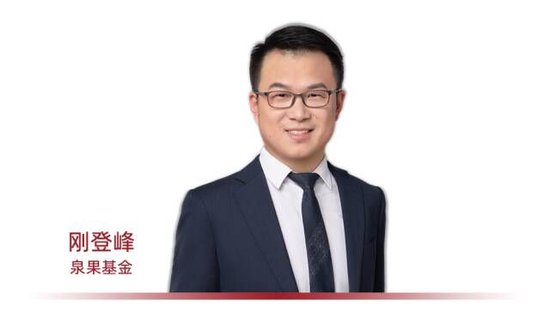
深度解析泉果刚登峰,为何这时更需要关注他?
Xin Lang Cai Jing· 2025-12-22 06:29
Core Viewpoint - The article emphasizes the importance of time in investment, highlighting the growth of a fund manager's credibility and trustworthiness over a longer career span [1][2]. Group 1: Background of the Fund Manager - The fund manager, Gang Dengfeng, has 16 years of experience in the securities industry and 11 years in investment management, evolving from a novice to a seasoned professional [2]. - Gang Dengfeng's early career was shaped by his exposure to value investing principles at Dongfang Securities, which laid a strong foundation for his investment philosophy [4][5]. - The investment philosophy of Gang Dengfeng is influenced by his early experiences and the quality of the team he worked with at Dongfang Securities [4][5]. Group 2: Investment Philosophy and Framework - Gang Dengfeng's investment framework is characterized by a focus on quality growth with a mid-level industry perspective, aiming for sustainable opportunities rather than speculative gains [8][31]. - The investment strategy prioritizes holding high-quality companies with strong financial metrics and competent management, leading to a low turnover rate in his portfolio [13][35]. - The concentration of holdings has increased over time, with the top ten holdings' concentration rising from 36.40% at the end of 2023 to 58.67% by the end of Q3 2025 [35]. Group 3: Performance Metrics - The fund managed by Gang Dengfeng, Quan Guo Si Yuan, has shown a net value growth rate of 32.28% over the past year, significantly outperforming the benchmark [21]. - The fund's turnover rates were recorded at 66.87% for 2023, 96.65% for 2024, and 115.48% for the first half of 2025, indicating a strategy focused on long-term holdings [31][32]. - The fund's maximum drawdown was -13.76% over the past year, compared to -21.04% for the CSI 300 index, demonstrating better risk management [16][37]. Group 4: Market Context and Future Outlook - The current market environment is seen as favorable for active equity funds, with a shift towards shareholder returns and dividends in the A-share market [19]. - The article suggests that the quality investment style may see a resurgence after a prolonged downturn, as high-quality companies are expected to perform better in a recovering economic environment [21]. - The increasing demand for equity investments among residents is noted, as traditional low-risk assets have become less attractive [19].
26年光伏年度策略:供给侧拐点已至,供需逐步修复
2025-12-22 01:45
Summary of Key Points from the Conference Call Industry Overview - The conference call focuses on the photovoltaic (PV) industry, specifically the outlook for 2026 and beyond, highlighting supply-demand dynamics and technological advancements in the sector [1][2][3][4]. Core Insights and Arguments - **Domestic Market Projections**: The expected installed capacity in the domestic PV market for 2026 is between 200-215 GW, representing a 26% year-on-year decline. However, there is a collective hope to maintain levels above 200 GW [1][3][17]. - **Global Market Trends**: Global PV installations are projected to see a slight decrease of about 2% in 2026, with emerging markets like the Middle East and India expected to grow at rates exceeding 30% [1][4]. - **Supply Chain Dynamics**: The supply side of the PV industry has seen a halt in capacity expansion, with operating rates generally below 50%. The silicon material segment is attempting to raise prices through joint storage initiatives, targeting a price range of 70,000 to 80,000 CNY per ton [1][5][20]. - **Downstream Pricing Strategies**: Downstream segments are passing on increased silicon costs to consumers, with component prices rising. Companies are signing self-discipline agreements to control output and enhance competitiveness through differentiated products [1][6][21]. - **Energy Storage Growth**: The energy storage sector is expected to significantly contribute to component companies, with anticipated shipment targets for energy storage doubling in the coming year [1][7][25]. Additional Important Insights - **Technological Advancements**: New technologies such as Topcon upgrades, BC components, and perovskite technology are expected to play crucial roles in the future of the PV industry. Perovskite technology has already seen pilot production lines and is projected to expand significantly [1][9][10][27]. - **Market Conditions**: The overall market is currently experiencing a significant oversupply, leading to price wars and losses among major companies. Many firms are adjusting strategies to stabilize prices and restore profitability [18][19]. - **Investment Recommendations**: Investment focus should be on silicon material and component segments, as well as companies involved in new technologies and energy storage, which are expected to benefit from market recovery and growth [28]. Conclusion - The PV industry is navigating through a challenging landscape characterized by declining demand in certain markets, oversupply issues, and the need for technological innovation. However, there are optimistic growth prospects in emerging markets and segments like energy storage, which could provide significant opportunities for investors and companies alike [1][4][28].

“电力设备+岸”一体化方案
GOLDEN SUN SECURITIES· 2025-12-21 08:51
Investment Rating - The report does not explicitly state an investment rating for the industry Core Insights - The report highlights significant developments in the power equipment sector, particularly in renewable energy, including solar, wind, hydrogen, and energy storage technologies. It emphasizes the importance of price stability and supply chain dynamics in the solar industry, as well as the growth potential in offshore wind and hydrogen projects. The report also discusses the strategic initiatives of companies like Ningde Times in the electric vehicle sector, showcasing their innovative solutions for electric shipping [1][2][3][4]. Summary by Sections 1. New Energy Generation - **Solar Energy**: The price of polysilicon has been adjusted upwards, with the average transaction price for n-type polysilicon at 53,200 RMB per ton, remaining stable week-on-week. Most polysilicon companies have raised new order prices to above 65,000 RMB per ton, driven by expectations of improved demand by Q1 2026 [15][16]. - **Wind Power & Grid**: Oriental Cable has secured a 1.9 billion RMB order for underwater cables, enhancing its overseas market presence. The company’s total orders now exceed 20 billion RMB, with a significant portion attributed to underwater cables and high-voltage cables [2][17][20]. 2. Hydrogen & Energy Storage - **Hydrogen**: The world's largest green hydrogen and ammonia project has commenced operations, setting multiple records in hydrogen production capacity and technology. This project is expected to drive the commercialization of hydrogen energy in China [3][21]. - **Energy Storage**: The report notes a range of bidding prices for energy storage systems, with the average bid for W2 storage systems ranging from 0.4363 to 0.5331 RMB per Wh. The report suggests focusing on companies with high growth certainty in the large-scale storage sector [22][27][30]. 3. New Energy Vehicles - **Ningde Times**: The company has launched an integrated solution for electric shipping, addressing challenges such as high initial costs and complex operations. This includes partnerships with various companies to enhance the electric shipping ecosystem [4][31][32]. The cumulative delivery of electric ships by Ningde Times has reached nearly 900 units, covering various transport scenarios [32][33].


坐轮椅的清华系大佬,创出500亿光伏巨头,靠储能半年收入44亿
2 1 Shi Ji Jing Ji Bao Dao· 2025-12-21 03:50
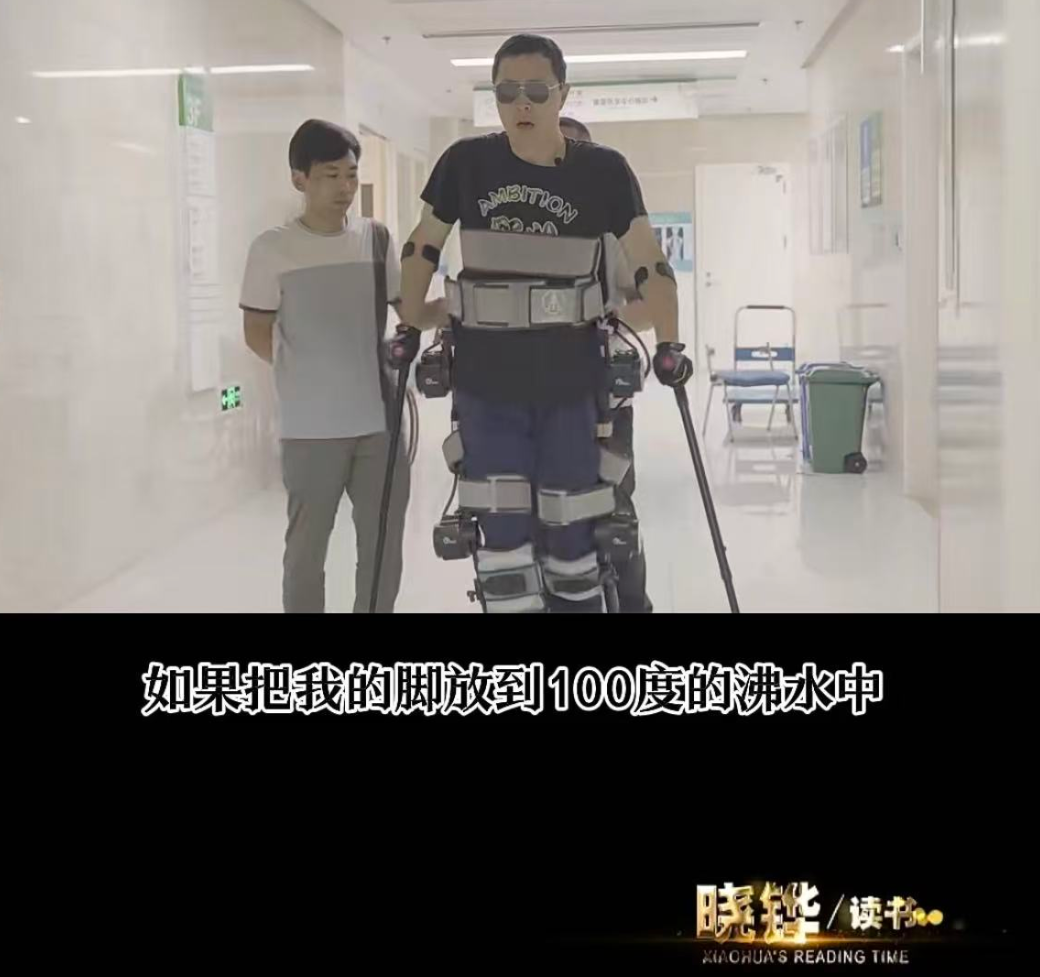
记者丨曹恩惠 编辑丨张伟贤 阿特斯创始人、董事长瞿晓铧最新一条视频号的动态,是一段读书感悟。 他选择的书籍是《永恒的边缘(Edge of Eternity)》,并对一对教师情侣试图翻越柏林墙的经历颇为感慨——女友成功抵达,男友的绳索却被警察一枪打断 并从高空坠落,脊椎骨折,终身瘫痪。后者的遭遇让瞿晓铧感同身受。2019年,他正是在出差期间意外车祸导致受伤。 图源:瞿晓铧阿特斯视频号 经此一遭,光伏行业多了一位"斗士":一方面,瞿晓铧积极复健,努力回归大众视野;另一方面,在他的带领下,阿特斯终于在2023年登陆A股市场,并且 在本轮周期中成为为数不多没有亏损的光伏企业。 战略调整 瞿晓铧祖籍江苏常熟,1986年毕业于清华大学物理系,后赴加拿大留学,斩获硕士、博士学位。2001年回国创业,在苏州创办了阿特斯阳光电力集团。 2023年6月9日,瞿晓铧坐着轮椅参加了阿特斯的敲钟仪式。他的声望迎来了一个峰值,"钢铁侠"的形象深入人心。 然而,火热的储能赛道越来越拥挤,行业供需关系与地缘政治带来的挑战仍未减弱,瞿晓铧和阿特斯的战斗还要继续。 图源:阿特斯阳光电力官方微博 因为多次表态"不做老大",瞿晓铧带领下的阿特斯以经 ...
坐轮椅的清华系大佬,创出500亿光伏巨头,靠储能半年收入44亿
21世纪经济报道· 2025-12-21 03:38
记者丨曹恩惠 编辑丨张伟贤 阿特斯创始人、董事长瞿晓铧最新一条视频号的动态,是一段读书感悟。 图源:阿特斯阳光电力官方微博 他选择的书籍是《永恒的边缘(Edge of Eternity)》,并对一对教师情侣试图翻越柏林墙的经 历颇为感慨——女友成功抵达,男友的绳索却被警察一枪打断并从高空坠落,脊椎骨折,终身 瘫痪。后者的遭遇让瞿晓铧感同身受。2019年,他正是在出差期间意外车祸导致受伤。 图源: 瞿晓铧 阿特斯视频号 经此一遭,光伏行业多了一位"斗士":一方面,瞿晓铧积极复健,努力回归大众视野;另一方 面,在他的带领下,阿特斯终于在2023年登陆A股市场,并且在本轮周期中成为为数不多没有 亏损的光伏企业。 然而,火热的储能赛道越来越拥挤,行业供需关系与地缘政治带来的挑战仍未减弱,瞿晓铧和 阿特斯的战斗还要继续。 战略调整 瞿晓铧祖籍江苏常熟, 1986年毕业于清华大学物理系,后赴加拿大留学,斩获硕士、博士学 位。2001年 回国创业,在苏州创办了阿特斯阳光电力集团。 2023年6月9日,瞿晓铧坐着轮椅参加了阿特斯的敲钟仪式。他的声望迎来了一个峰值,"钢铁 侠"的形象深入人心。 因为多次表态"不做老大",瞿晓铧 ...
年终盘点 | 光伏产业从“内卷”走向“破卷” 但明年才是行业治理的攻坚期
Di Yi Cai Jing· 2025-12-20 12:01
Core Viewpoint - The photovoltaic industry is undergoing significant changes to address severe supply-demand imbalances and "involution" issues, with a focus on capacity consolidation and high-quality development by 2025 [1][8]. Group 1: Industry Challenges - The photovoltaic industry faced unprecedented losses in the first half of 2025, with 31 A-share listed companies reporting a total net loss of 12.58 billion yuan, a year-on-year increase of 274.3% [2]. - Major companies such as Longi Green Energy, Tongwei Co., and TCL Zhonghuan reported substantial losses, with a combined loss of 17.26 billion yuan in the first half of 2025 [2][3]. - The industry has seen over 40 companies announce delistings, bankruptcies, or mergers since 2024 due to chaotic capacity expansion and severe supply-demand imbalances [2]. Group 2: Policy and Regulatory Developments - The establishment of the polysilicon capacity consolidation acquisition platform, "Guanghe Qiancheng," aims to address the industry's "involution" through market-oriented and legal mechanisms [1]. - The Chinese government has initiated various measures to combat low-price competition, including the passing of the Anti-Unfair Competition Law, which has positively impacted prices from July to October 2025 [5][8]. - The Ministry of Industry and Information Technology (MIIT) has emphasized the need for industry self-regulation and has organized discussions to address low-price competition [4]. Group 3: Market Recovery and Future Outlook - By the second half of 2025, prices across the photovoltaic supply chain began to recover due to industry self-regulation and reduced production, leading to improved profitability for some upstream companies [4][6]. - The photovoltaic industry is expected to enter a sustained capacity clearing cycle in 2026, with a focus on improving product quality and market entry standards [9]. - Industry leaders stress the importance of achieving profitability across all segments of the supply chain, not just in the upstream polysilicon sector, to ensure a healthy and sustainable market [9].
年终盘点| 光伏产业从“内卷”走向“破卷”,但明年才是行业治理的攻坚期
Di Yi Cai Jing· 2025-12-20 11:57
Core Viewpoint - The photovoltaic industry is undergoing significant changes to address severe supply-demand mismatches and "involution" issues, with a focus on capacity integration and acquisition platforms to promote healthy competition and profitability by 2025 [1][10]. Group 1: Industry Challenges - The photovoltaic industry faced unprecedented losses in the first half of 2025, with 31 A-share listed companies reporting a total net loss of 12.58 billion yuan, a year-on-year increase of 274.3% [3]. - Major companies such as Longi Green Energy, Tongwei Co., and JA Solar reported substantial losses, with a combined loss of 17.26 billion yuan in the first half of 2025 [3]. - The industry has seen over 40 companies announce delistings, bankruptcies, or mergers since 2024 due to chaotic capacity expansion and severe supply-demand imbalances [3]. Group 2: Market Recovery Efforts - The establishment of the multi-crystalline silicon capacity integration acquisition platform marks a significant step towards addressing "involution" in the industry [1]. - The government and industry associations are actively promoting measures to combat low-price competition and enhance product quality, as highlighted in various government meetings and publications [6][11]. - By the second half of 2025, industry prices began to recover due to self-regulation and reduced production, leading to improved profitability for some upstream silicon material companies [7]. Group 3: Future Outlook - The photovoltaic industry is expected to enter a critical phase of governance in 2026, focusing on capacity regulation and the establishment of a unified national market [11]. - Analysts predict that the industry will undergo a continuous capacity clearing cycle, with measures to improve product quality standards and increase market concentration [11][12]. - The need for a holistic approach to "de-involution" across the entire supply chain, including silicon materials, wafers, cells, and modules, is emphasized to ensure sustainable profitability [12].
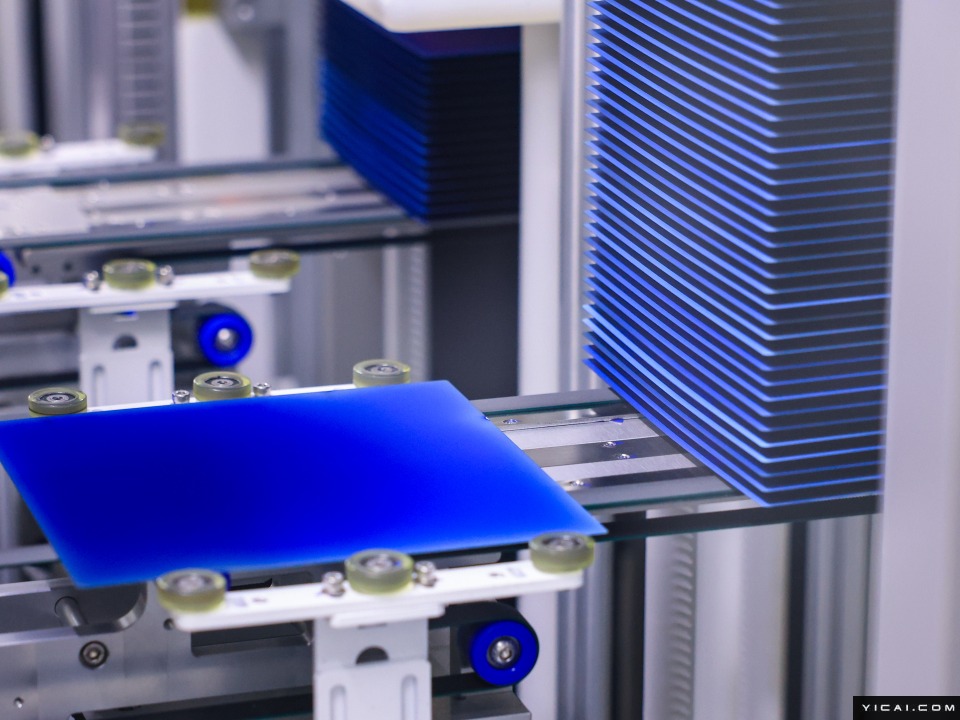
赛腾股份:公司新能源板块销售总占比不大
Zheng Quan Ri Bao Wang· 2025-12-19 15:45
Core Viewpoint - The company, Saiteng Co., Ltd. (603283), indicates that its sales in the new energy sector are relatively small, primarily focusing on equipment for the automotive and photovoltaic sectors [1] Group 1: New Energy Sector - The new energy segment's sales contribution is minor, with a focus on non-standard automated equipment tailored to customer needs [1] - The company provides assembly and testing equipment involved in the production process for the new energy sector [1] - The company is optimistic about the future development prospects of the new energy sector, particularly in electric vehicles and photovoltaic applications [1] Group 2: Automotive and Photovoltaic Sectors - The automotive sector's main clients include BYD (002594) [1] - The photovoltaic sector's core products include cell welding machines, string welding/integration machines, and photovoltaic module production lines [1] - Key clients in the photovoltaic sector include JA Solar Technology (002459), Yida New Energy, and JinkoSolar [1]
