
OPPO

Search documents
刷新纪录!阶跃星辰完成超50亿元人民币B+轮融资
Zhong Guo Jing Ying Bao· 2026-01-26 07:41
当前大模型竞争已从"百模大战"进入头部对决阶段,本轮融资及管理团队升级,将为阶跃星辰在技术研 发与市场拓展中提供关键加速度。 据了解,阶跃星辰本轮融资参与方包括上国投先导基金、国寿股权、浦东创投、徐汇资本、无锡梁溪基 金、厦门国贸、华勤技术等产业投资人,腾讯、启明、五源等老股东持续跟投。本轮融资资金将主要用 于基础大模型研发,打造全球顶尖基座模型,并加速"AI+终端"战略的商业化落地。 (编辑:张靖超 审核:李正豪 校对:颜京宁) 中经记者 李静 北京报道 值得关注的是,阶跃星辰同日正式任命印奇为公司董事长,负责战略节奏与技术方向制定。公司核心战 略聚焦"基础大模型"与"AI+终端",已在语言模型、多模态模型及端云协同领域达到世界领先水平。 1月25日,上海大模型创业公司阶跃星辰阶跃星辰(StepFun)宣布完成超50亿元人民币B+轮融资,刷 新过去12个月中国大模型赛道单笔最高融资纪录。 在业务层面,阶跃星辰已经与OPPO、荣耀、中兴等手机品牌深度合作,模型装机量超4200万台;在汽 车领域,与千里科技、吉利合作推出智能座舱方案,量产车型吉利银河M9上市3个月销量近4万辆。 ...
为什么电池越大,充电反而“慢”了?
3 6 Ke· 2026-01-26 06:07
Core Viewpoint - The rapid advancement in battery technology has led to significant increases in battery capacity, with recent models reaching up to 10,000mAh, indicating a shift away from traditional charging methods [1][3]. Group 1: Battery Capacity Development - The evolution of battery capacity has progressed from a few hundred mAh to 10,000mAh in recent years, marking a significant leap in technology [3]. - The battery industry had stagnated for a decade due to limitations in graphite materials, which have a theoretical capacity ceiling of 372mAh/g [3][5]. - The introduction of silicon as a material for battery anodes has the potential to increase capacity significantly, with a theoretical capacity of 4200mAh/g, over eleven times that of graphite [5][9]. Group 2: Mechanisms of Energy Storage - Traditional graphite anodes use an "intercalation storage mechanism," which limits the number of lithium ions that can be captured [7]. - Silicon anodes utilize an "alloying storage mechanism," allowing for a much higher efficiency in capturing lithium ions, thus breaking the capacity limits of graphite [9]. Group 3: Challenges with Silicon Anodes - Silicon's significant volume expansion during charging (up to three times) poses challenges, leading to structural damage and rapid capacity loss [11][13]. - The formation of a solid electrolyte interphase (SEI) layer on silicon can consume lithium ions and increase internal resistance, further complicating battery performance [13]. Group 4: Technological Solutions - Key technological advancements include the development of nano-carbon coating to mitigate silicon expansion, allowing for stable battery operation [15][17]. - Innovations in electrolyte formulation, such as solid-liquid hybrid technology, help reduce side reactions and provide mechanical strength to accommodate silicon expansion [19]. - The use of single-walled carbon nanotubes enhances conductivity within the battery, ensuring efficient energy transfer [21]. Group 5: Charging Speed and Battery Design - Despite larger battery capacities, charging speeds have decreased due to the inherent properties of silicon, which is a semiconductor with lower conductivity compared to graphite [25]. - The transition from dual-cell to single-cell designs in batteries limits the ability to achieve high charging power, as increased current leads to excessive heat generation [31][33]. - The need for safety in charging has led to stricter limitations on charging speeds, as high currents can result in dangerous conditions within the battery [33][36]. Group 6: Future Prospects and Challenges - The current silicon-carbon batteries face issues with voltage drop during discharge, which can lead to premature power cut-off by battery management systems [38]. - The ongoing investment in battery technology aims to bridge the gap between energy technology and computational advancements, paving the way for future innovations in various fields [40].

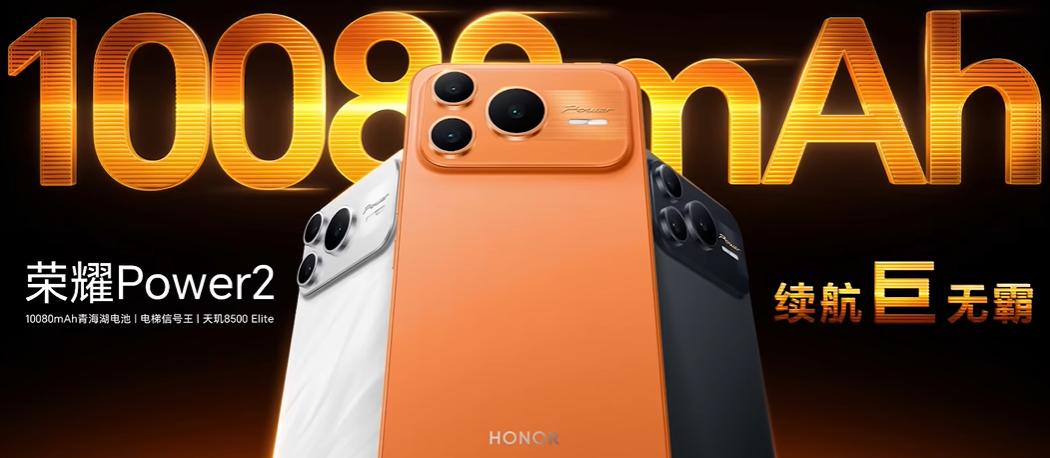
以旧换新新政深圳落地:港客买华为三折叠手机能省近2000元
2 1 Shi Ji Jing Ji Bao Dao· 2026-01-26 05:57
Core Insights - The implementation of the old-for-new policy in Shenzhen in 2026 has significantly boosted local consumer spending, particularly benefiting both local residents and visitors from Hong Kong [1][3] - The consumption patterns of Hong Kong visitors have structurally changed, driven by policy incentives such as the departure tax refund, leading to an expansion in the types of products purchased [2][3] Policy Impact on Consumption - The departure tax refund policy has led to a notable increase in the number of tax refund stores in Shenzhen, with over 1,000 new stores added in 2025, bringing the total to over 2,000 [3] - The first duty-free store in Shenzhen opened in August 2025, marking a new phase in the inbound consumption market, with a diverse range of domestic products available [3] Visitor Statistics - In 2025, a total of 264 million people crossed the Shenzhen-Hong Kong land border, with an average of 723,000 daily crossings, a 14% year-on-year increase [4] - Hong Kong and Macau residents accounted for 171 million of these crossings, representing over 60% of total traffic, highlighting their importance in the consumption market [4] Consumption Trends - The share of Hong Kong visitors' spending in Shenzhen has increased from a few percentage points to approximately 20%-30% in certain shopping centers, with some categories nearing 40% [5][6] - The sales of departure tax refund items in shopping centers have seen a year-on-year growth of over 200%, with the number of tax refund transactions increasing by 13 times in the first 11 months of 2025 [6] Price Advantages - The departure tax refund provides significant price advantages for Hong Kong visitors, with potential savings of up to 1,040 yuan on high-value items like smartphones and laptops [7][8] - The average spending per transaction for Hong Kong visitors ranges from 5,300 to 6,000 yuan, with higher-priced items like computers driving up the average [8] Enhancements in Consumer Experience - Shenzhen shopping centers are enhancing the consumer experience for Hong Kong visitors by implementing bilingual services, optimizing payment methods, and providing shuttle services from border crossings [10][11] - The establishment of dedicated service teams in shopping centers aims to improve international service levels and facilitate tax refund processes [11] Broader Implications - The consumption trends driven by Hong Kong visitors are influencing other cities in China, with officials from cities like Xiamen and Wuhan seeking to learn from Shenzhen's practices in tax refunds and visitor services [12]
以旧换新新政深圳落地:港客买华为三折叠手机能省近2000元
21世纪经济报道· 2026-01-26 05:52
Core Viewpoint - The implementation of the old-for-new policy in Shenzhen has significantly boosted local consumption, particularly benefiting both local residents and Hong Kong visitors who can take advantage of dual policies such as tax refunds and discounts [1][2]. Group 1: Policy Impact on Consumption - The old-for-new policy, combined with the New Year holiday effect, has rapidly stimulated the local consumption market in Shenzhen [1]. - In 2025, Shenzhen saw a substantial increase in the number of tax refund stores, with over 1,000 new stores opened, bringing the total to over 2,000 [3]. - The introduction of the first city duty-free store in Shenzhen on August 26, 2025, marked a new phase in the inbound consumption market, featuring a variety of domestic products [3]. Group 2: Hong Kong Visitors' Spending Trends - In 2025, the total number of inbound and outbound personnel through Shenzhen-Hong Kong land ports reached 264 million, with Hong Kong and Macau residents accounting for over 60% [4]. - The consumption behavior of Hong Kong visitors has shifted from low-priced items to a broader range of products, including electronics and luxury goods, driven by tax refund policies [5][7]. - The average spending per transaction for Hong Kong visitors is now between 5,300 to 6,000 yuan, with higher-priced items like computers seeing significant sales [10]. Group 3: Retail Environment Enhancements - Shenzhen's commercial establishments are enhancing the shopping environment for Hong Kong visitors by implementing bilingual services, optimizing payment methods, and providing shuttle services from ports to shopping centers [14][15]. - The establishment of specialized teams in shopping malls, such as the one in Shenzhen MixC, focuses on improving services for Hong Kong visitors and expanding tax refund operations [16]. - Despite the improvements, there are still areas for enhancement, such as better information dissemination and language support for Hong Kong visitors [17]. Group 4: Broader Implications - The consumption trends driven by Hong Kong visitors are influencing other cities, with officials from places like Xiamen and Wuhan seeking to learn from Shenzhen's practices in tax refunds and visitor services [18].
B+轮融资刷新 AI 行业记录!这家大模型公司凭啥融这么多钱?
佩妮Penny的世界· 2026-01-26 04:05
Core Viewpoint - The article discusses the current landscape of domestic AI companies, particularly focusing on the potential of the company "阶跃星辰" (Step O) in the AI and hardware integration space, highlighting its recent funding success and strategic positioning in the market [1][3][4]. Group 1: Company Overview - Currently, there are four notable domestic AI companies: 智谱 (Zhipu), Minimax, 月之暗面 (Moon's Dark Side), and 阶跃星辰 (Step O) [1]. - 阶跃星辰 has recently secured over 5 billion RMB in B+ round financing, marking the highest single financing record in the large model sector over the past 12 months [1][3]. - The company is perceived as a low-profile player, focusing on technology and industry rather than consumer-facing marketing [5]. Group 2: Investment Landscape - The investment landscape for 阶跃星辰 includes notable backers such as Tencent and Qiming Venture Partners, indicating strong support from both internet giants and professional financial investors [4]. - The funding round attracted a diverse range of investors, including industry leaders like 华勤技术 (Huaqin Technology) and state-owned enterprises, showcasing a blend of market-driven and state-backed investment [4]. Group 3: Industry Trends - The article emphasizes the shift towards "Physical AI," which integrates AI capabilities with physical hardware, as a significant trend in the industry [8][10]. - The focus on AI-enhanced hardware, particularly in smartphones and vehicles, is highlighted as a key area for growth, with predictions of substantial market expansion in AI-enabled devices [13][15]. Group 4: Business Model and Market Position - 阶跃星辰 aims to create a comprehensive AI + terminal solution, positioning itself similarly to Tesla's approach, targeting a multi-billion dollar market opportunity [7][15]. - The company has established partnerships with over 60% of domestic smartphone manufacturers, indicating a strong market presence and integration of its AI models into various devices [15][23]. - The business model is based on a combination of one-time engineering fees and API consumption, aligning incentives for both 阶跃星辰 and its partners to enhance user experience [23]. Group 5: Team and Leadership - 阶跃星辰's leadership team includes experienced professionals from major tech companies, enhancing its capability in AI and product development [24][27]. - The CEO, a former global vice president at Microsoft, brings significant expertise in natural language processing and product management, which is crucial for the company's growth [24]. - The team’s focus on Physical AI and deep integration with hardware sets 阶跃星辰 apart from other AI companies, positioning it as a leader in the domestic market [27][28].

阶跃星辰完成超50亿元人民币B+轮融资 印奇出任公司董事长
Xin Hua Cai Jing· 2026-01-26 02:45
Core Insights - StepFun, a Shanghai-based AI startup, has completed a B+ round financing exceeding 5 billion RMB, with participation from various investment institutions and existing shareholders [1] - The funding will be used for foundational model development and to accelerate the implementation of the AI+ terminal strategy [1] - StepFun has announced the appointment of Yin Qi as the new chairman of the company [2] Company Strategy - StepFun's long-term strategic focus is on "foundational large models" and "AI+ terminal" [1] - The company has developed a core matrix of 1+2 in model research, focusing on language foundational models and multimodal models, achieving leading levels in these areas [1] - The company has released three generations of foundational models, with Step 3 achieving a new industry high in inference efficiency [1] Application and Market Penetration - StepFun is concentrating on the "AI+ terminal" strategy, successfully establishing commercial closed loops in key consumer scenarios such as automotive and mobile [2] - As of the end of 2025, the API call volume for its terminal intelligent applications has grown nearly 170% over three consecutive quarters [2] - The company has deep partnerships with 60% of leading domestic smartphone brands, with over 42 million units installed and daily services reaching nearly 20 million users [2] Automotive Sector - In the automotive sector, StepFun has collaborated with Qianli Technology and Geely to launch the first end-to-end voice model in the AgentOS smart cockpit [2] - The Geely Silver River M9, equipped with this technology, has sold nearly 40,000 units within three months of its launch and is expanding into overseas markets [2] - The company anticipates that over one million vehicles will be equipped with its large models this year [2]
潮涌“两江”起风帆——重庆两江新区高质量发展新观察
Xin Hua Wang· 2026-01-26 02:20
Core Viewpoint - The establishment of the Chongqing Liangjiang New Area marks a new chapter in development, focusing on integrated development advantages, technological innovation, and high-quality growth for the region [1] Group 1: Innovation and Industry Development - Liangjiang New Area hosts over 2,500 high-tech enterprises and 14,800 technology-based companies, showcasing a highly intelligent and collaborative industrial system [2] - The area has seen the establishment of various innovation platforms, such as Liangjiang Collaborative Innovation Zone and Xiangmiao Data Valley, facilitating the transition of innovative results from laboratories to production lines [2] - The region's innovation ecosystem has led to significant advancements, with companies achieving over 300 invention patents and investing more than 10% of their revenue in R&D annually [4] Group 2: Infrastructure and Logistics - The Guoyuan Port has evolved into a major logistics hub with an annual throughput exceeding 26 million tons, connecting to over 300 ports globally [6] - The integration of various open platforms, such as the China-Europe Railway Express and the Western Land-Sea New Corridor, enhances the region's role as a gateway for international trade [8] - The implementation of innovative regulatory models in the free trade zone has reduced logistics costs significantly, saving approximately 3,000 yuan per container [9] Group 3: Urban Development and Quality of Life - The population of Liangjiang New Area is approximately 3.52 million, with ongoing urban planning aimed at improving public services and living standards [10] - Initiatives such as the expansion of public services and the establishment of a "15-minute high-quality living circle" are enhancing the urban environment and livability [13] - The area is focusing on ecological protection and sustainable development, with efforts to create a harmonious balance between urbanization and nature [13]

潮涌“两江”起风帆 重庆两江新区高质量发展新观察
Xin Hua Wang· 2026-01-26 02:13
Core Insights - The establishment of the Liangjiang New Area in Chongqing marks a new chapter in development, focusing on integrated development advantages and promoting high-quality growth in the region [2] Group 1: Innovation and Industry Development - Liangjiang New Area is home to over 2,500 high-tech enterprises and 14,800 technology-based companies, showcasing a robust innovation ecosystem [3] - The area has seen the establishment of collaborative innovation platforms, such as the Liangjiang Collaborative Innovation Zone and the Zhaomushan Digital Economy Industrial Park, facilitating the transition of innovative results from labs to production lines [3] - Major companies like Changan Automobile and leading tech firms are enhancing their presence, contributing to the region's technological advancements and innovation capabilities [4] Group 2: Infrastructure and Logistics - The Guoyuan Port has evolved significantly, with an annual throughput exceeding 26 million tons, connecting to over 300 ports globally, thus enhancing the region's logistics capabilities [6] - The integration of various open platforms, such as the China (Chongqing) Pilot Free Trade Zone, is creating a more efficient investment and trade environment [7] - Innovations in logistics, such as the new regulatory model for shipping electric vehicles, have reduced port delays and logistics costs significantly [7] Group 3: Urban Development and Quality of Life - The population of Liangjiang New Area is approximately 3.52 million, with ongoing urban planning efforts aimed at improving public services and living conditions [8] - Initiatives like the expansion of public services and the establishment of a "15-minute high-quality living circle" are enhancing the urban living experience [9] - The area is focusing on ecological protection and sustainable urban development, creating a harmonious environment for both residents and businesses [9]
陆家嘴寻“马” 体验摩登之旅 “2026浦东新春嘉年华”启动 融合国际风尚、城市烟火与节日温情
Jie Fang Ri Bao· 2026-01-26 01:43
Group 1 - The "2026 Pudong New Year Carnival" will take place in five core business districts of Pudong, featuring unique themed experiences that blend international trends, urban festivities, and holiday warmth from now until March [1] - Starting January 30, Pudong New District will distribute "Pudong New Year Consumption Coupons" every Friday at noon through Alipay, valid for shopping and dining until March 5 [1] - Various activities are planned in different districts, including art installations, ice skating, and themed events at shopping malls, enhancing the festive atmosphere [1] Group 2 - The "New Year Carnival" coincides with the "Shanghai Global Food Festival - European Flavor Season," with over 100 restaurants participating, offering a range of international cuisines [2] - Domestic tourists can unlock multiple benefits at various shopping malls by presenting their train or flight tickets upon arrival in Shanghai [2] - From January 26 to January 3, 2027, Pudong will host a year-long promotion where consumers spending over 1,000 yuan in physical stores can enter a weekly lottery to win a 5-gram gold bar [2]

75万人涌入华强北抢科技年货
2 1 Shi Ji Jing Ji Bao Dao· 2026-01-26 01:31
Core Insights - The event "Guanghuo Hang Tianxia" in Huaqiangbei, Shenzhen, showcased over 400 consumer electronics products, with more than 80% featuring AI capabilities, aiming to enhance the Guangdong brand and promote sales domestically and internationally [1][4]. Group 1: Event Overview - The event attracted a daily foot traffic of 750,000 people, featuring 50 leading consumer electronics brands including Huawei, Honor, and OPPO, showcasing their latest products [2]. - The Huawei Mate Pad Edge, a two-in-one device with Harmony OS 5.1, received significant attention for its innovative detachable screen design, allowing seamless transitions between tablet and computer modes [2]. Group 2: AI Integration in Products - AI-related products dominated the exhibition, with around 80% of the showcased items incorporating AI features, catering to various consumer needs across different age groups [3]. - Shenzhen Dejiazhou Electronics presented a range of practical AI products, including AI glasses and translation devices, with their AI smart glasses priced at 380 yuan, significantly lower than similar international products [3]. Group 3: Market Impact and Consumer Trends - The event increased overall foot traffic in Huaqiangbei by approximately 100,000 visitors, a 15% year-on-year growth, indicating a strong consumer interest in tech products as modern gifts [4]. - The exhibition allowed manufacturers to gain insights into market demands, particularly the emphasis on practical AI functionalities, which will inform future product development [4]. Group 4: International Engagement - Huaqiangbei serves as a key destination for international buyers, with over 7,000 foreign merchants visiting daily and shipping over 10 billion packages annually to 183 countries [5]. - The area is enhancing its infrastructure to support international commerce, including multi-currency exchange points and multilingual services, to facilitate smoother transactions for foreign customers [6]. Group 5: Future Development Plans - Huaqiangbei aims to transition from "China's Electronic First Street" to a "Global Digital Consumption Destination" by hosting various promotional events and integrating online and offline sales channels [6].
