
Grab

Search documents
中国公司全球化周报|中国车企出海业务100%使用阿里云/中国“科技军团”闪耀CES 2026,通义智能硬件展同期举办
3 6 Ke· 2026-01-11 03:55
Company Dynamics - All Chinese automotive companies have integrated their global operations with Alibaba Cloud, marking a shift from vehicle sales to "smart infrastructure export" [2] - XTransfer has made its debut at CES 2026, aiming to expand into North and South America with compliance and localization partnerships with major U.S. banks [3] - Cainiao has launched cross-border logistics services between the U.S. and Mexico, becoming the first logistics company to offer G2G services across Asia, Europe, and America [4] - AliExpress has initiated a large-scale recruitment drive for quality merchants, with a focus on supporting businesses in Zhejiang, Guangdong, and Henan [4] - Xiaomi International has joined AliExpress's "Super Brand Export Plan" to enhance localized operations and brand building in overseas markets [4] - JD Logistics has successfully completed its first overseas drone test flight in Saudi Arabia, enhancing delivery efficiency [5] - The autonomous driving service platform "萝卜快跑" has received a full unmanned testing license in Dubai, becoming the first company to do so [6] - Meituan Keeta has launched food delivery services in Bahrain, marking its expansion into the fifth Middle Eastern country [6] Investment and Financing - Jiukexin has completed a B2 round of financing exceeding 100 million RMB, focusing on product development and international business expansion [8] - YaoLe Technology has secured nearly 100 million RMB in Pre-A financing, targeting core technology iteration and overseas market expansion [8] Policy & Market - The global humanoid robot market is projected to reach 13,000 units shipped in 2025, with Chinese manufacturers leading the market [9] - There is a growing demand for transformers in overseas markets, with companies reporting full order books and significant growth in data center-related orders [9] - Saudi Arabia plans to open its financial market to all foreign investors starting February 1, aiming to attract more overseas capital [9]




Grab收购推行科技:一场关于AI机器人未来的战略押注
机器人大讲堂· 2026-01-04 10:34
Core Viewpoint - The acquisition of Infermove by Grab signals a strategic shift towards integrating robotics into logistics and delivery systems, highlighting the importance of robotics as a foundational infrastructure rather than just a novelty [2][19]. Group 1: Grab's Strategic Positioning - Grab, originally known for ride-hailing and food delivery, is expanding into next-generation transportation forms like autonomous driving and robotics [3]. - As of Q1 2025, Grab's market capitalization exceeded $20 billion, with approximately 57.7 million monthly active users, solidifying its leadership in Southeast Asia's transportation and delivery markets [6]. - Grab's recent investments and partnerships in the autonomous driving and robotics sectors indicate a proactive approach to emerging technologies [8]. Group 2: Robotics Market Potential - The global logistics robotics market is projected to grow from $14.5 billion in 2024 to $35 billion by 2030, with a compound annual growth rate (CAGR) exceeding 15%, particularly in last-mile delivery robotics [9]. - The integration of robotics technology is seen as a potential "breakthrough point" for companies like Grab, allowing them to explore new growth avenues beyond traditional markets [9]. Group 3: Infermove's Capabilities - Infermove, founded by a team with strong backgrounds in autonomous driving, has developed innovative solutions to address data scarcity in the robotics industry, such as the "Rider Shadow System" for real-world data collection [14]. - The company has successfully launched the Carri Flex robot, enhancing delivery capabilities in various environments, and has established partnerships with major companies for integrated delivery services [16][17]. Group 4: Geopolitical and Supply Chain Dynamics - Grab's acquisition of Infermove is not just about technology but also about gaining access to China's robust robotics supply chain and rapid productization capabilities [19]. - The combination of "Singapore R&D + China manufacturing + global deployment" positions Grab to potentially achieve significant advancements in the robotics delivery sector [20]. Group 5: Strategic Implications of the Acquisition - The acquisition represents a new paradigm for Chinese hard-tech companies entering international markets, leveraging partnerships with regional giants to reduce friction and costs [22]. - The merger is expected to create synergies where Grab's platform can enhance Infermove's technology, leading to a mutually beneficial relationship that exemplifies the integration of technology and platform ecosystems [23].

3 Reasons To Own Grab
Seeking Alpha· 2026-01-03 09:50
Core Insights - The article discusses the investment potential of GRAB, highlighting its long-term growth prospects and market position [1]. Group 1: Company Performance - GRAB has shown significant growth in its user base, with a reported increase of 30% year-over-year in active users [1]. - The company's revenue for the last quarter reached $500 million, reflecting a 25% increase compared to the previous year [1]. Group 2: Market Trends - The ride-hailing and food delivery sectors are experiencing a resurgence post-pandemic, contributing positively to GRAB's business model [1]. - Increased competition in the Southeast Asian market is prompting GRAB to innovate and enhance its service offerings [1].


东南亚研究:东南亚12月报告:宏观、互联网与消费
2025-12-31 16:02
Southeast Asia December Report: Macro, Internet, and Consumer Sectors Industry Overview - The report focuses on the Southeast Asian region, specifically six countries: Indonesia, the Philippines, Vietnam, Malaysia, Thailand, and Singapore [1][2][3]. Key Points and Arguments Monetary Policy - The Federal Reserve lowered the policy interest rate by 25 basis points to a target range of 3.50%-3.75%, the lowest level in three years. Southeast Asia is expected to maintain a loose monetary policy [1]. - The Philippines' central bank cut rates by 25 basis points to 4.50% due to weak economic growth and declining business confidence. Other countries maintained their rates: Indonesia (4.75%), Vietnam (4.50%), Malaysia (2.75%), and Thailand (1.50%) [1]. Bond Market - In November, the 10-year government bond yields in Southeast Asia showed a mixed trend. Indonesia's yield rose from 6.08% to 6.30%, while the Philippines' yield fell to 5.86% due to strong foreign net buying in the bond market [2]. - Vietnam's yield increased to 3.79%, with foreign outflows totaling $1.2 billion for the quarter. The yields for the Philippines, Malaysia, and Thailand were 5.86%, 3.47%, and 1.68%, respectively [2]. Purchasing Managers' Index (PMI) - The PMI for the six Southeast Asian countries indicates a continued recovery in production activities, with Thailand and Indonesia's PMIs rising to 56.8% and 53.3%, respectively. Malaysia's PMI reached 50.1%, indicating expansion [2]. - Conversely, the Philippines' PMI dropped significantly to 47.4% due to a sharp decline in new orders and production disruptions caused by typhoons [2]. Export Performance - Despite a slowdown in exports for Thailand and Indonesia in October, overall export growth in Southeast Asia remained strong. Singapore recorded a significant year-on-year growth of 25.2%, while the Philippines, Vietnam, and Malaysia maintained double-digit growth rates of 19.4%, 17.5%, and 15.7%, respectively. Thailand's growth was 5.3%, and Indonesia's exports declined by 2.3% [2]. Retail Market - The retail market in Southeast Asia is generally expanding. Malaysia's retail sales growth accelerated from 6.42% in September to 7.11% in October. Singapore's sales growth increased from 2.82% to 4.46%, while the Philippines saw a significant slowdown from 3.14% to 0.26% [3]. Inflation Trends - Inflation rates in Southeast Asia remained stable but varied across countries. Malaysia's inflation rate decreased from 1.5% in September to 1.27% in October. Indonesia and the Philippines also saw slight declines in inflation rates [3]. - In contrast, Singapore's inflation rate rose from 0.67% to 1.21%, and Vietnam's inflation increased from 3.25% to 3.58%. Thailand remained in deflation, though the pace slowed from -0.76% to -0.49% [3]. Digital Economy and Market Performance - In November, Shopee's Monthly Active Users (MAU) showed resilience, with a 0.07% increase across Southeast Asia, except for Thailand, which saw a decline of 5.02% [4]. - Grab's MAU increased by 0.92%, with Thailand leading the region with a 6.65% growth [4]. - As of December 15, Southeast Asian stock markets performed positively, with the Philippines' PCOMP index leading with an 8.5% increase, followed by Indonesia's Jakarta Composite Index at 3.3% [5]. Investment Opportunities - The report suggests focusing on AI-related sectors, including electronic manufacturing, power grids, and data centers. The shift in the global AI industry from training to inference is expected to sustain strong demand for computing power, benefiting digital infrastructure growth in Southeast Asia [5]. Risks - The report highlights risks such as geopolitical tensions and political uncertainties that could impact the region's economic outlook [6].
2026品牌营销:不投“广告”,投资“生活”
Sou Hu Cai Jing· 2025-12-30 05:59
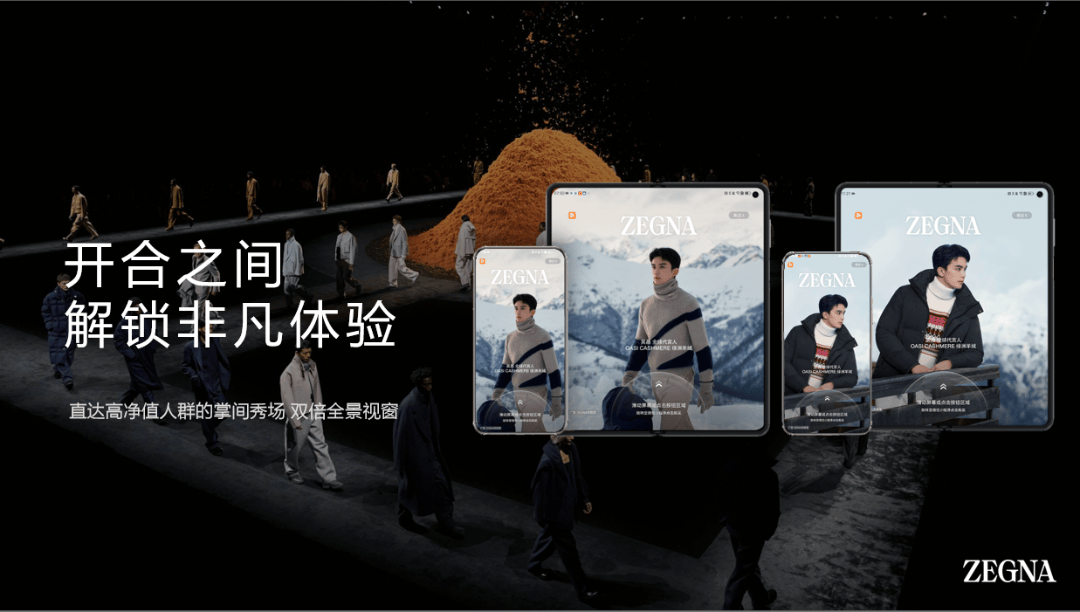
Core Insights - Marketing is undergoing a historic shift from chasing traffic to integrating into consumers' daily lives, as brands face growth anxiety amid a saturated market and changing consumer values [1] Group 1: Trends in Scene Revolution - Trend 1: Multi-Screen Interaction - Brands are creating continuous narratives across multiple screens to maintain user engagement, exemplified by ZEGNA's collaboration with Huawei to enhance user experience through immersive storytelling [2][3] - Trend 2: Content Customization - Brands are focusing on niche communities rather than broad audiences, using tailored content to build trust, as seen with Grab's travel show in China [9][11] - Trend 3: AI with Empathy - AI is being utilized to provide personalized and responsive services, transforming user interactions into meaningful experiences, demonstrated by Abu Dhabi Tourism's smart travel project [13][14] - Trend 4: Ecological Co-Creation - Brands are forming alliances to create a shared narrative ecosystem, as illustrated by the "Scar Advocacy" initiative involving multiple partners to address maternal health issues [17][19] Group 2: Marketing Evolution - The marketing landscape is shifting from disruptive advertising to seamless integration into daily life, emphasizing the importance of understanding consumer needs and emotions across various contexts [22][23] - Brands must enhance their internal value propositions while leveraging external partnerships to navigate the evolving marketing environment effectively [22][23]
Vietnam EV taxi firm GSM plans Hong Kong IPO at $2–3 billion valuation
BusinessLine· 2025-12-29 07:15
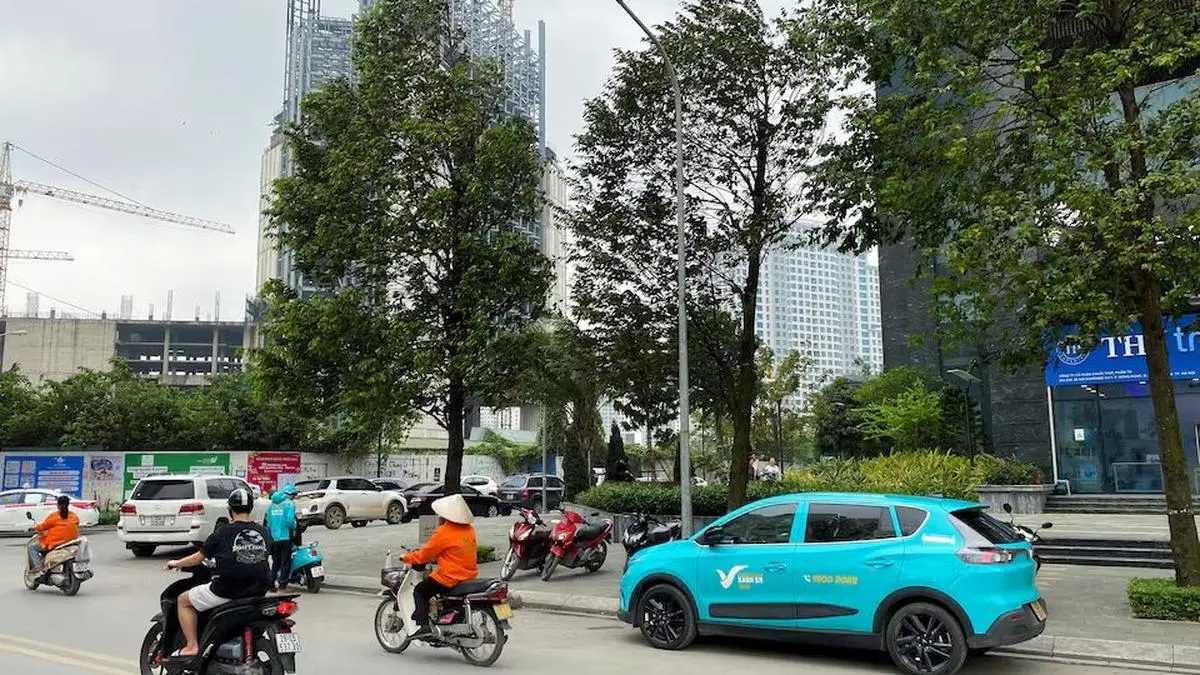
Company Overview - GSM, officially known as Green and Smart Mobility JSC, is a Vietnamese electric-vehicle taxi operator and part of Vingroup, planning to list in Hong Kong, potentially marking the first IPO from Vietnam in the city [1][2] - Founded in 2023, GSM operates Vietnam's largest all-electric taxi fleet under the Xanh SM brand, exclusively using VinFast vehicles [3] IPO Plans - GSM is targeting a valuation of $2 billion to $3 billion for its IPO, aiming to raise at least $200 million, with the valuation including debt [1][2] - The IPO is tentatively scheduled for late 2026 to early 2027, with the timeline subject to market conditions and corporate strategy [4] - Preliminary talks with potential advisers for the IPO have been held, with appointments possible as early as the first quarter of 2026 [2] Market Position and Strategy - GSM holds approximately 40% of Vietnam's ride-hailing market, compared to Grab's 32%, although other estimates suggest Grab's share could be as high as 55% [7] - The strategy of using VinFast vehicles exclusively has bolstered VinFast's domestic sales and allowed GSM to scale up without relying on third-party suppliers [3] Financial Context - A successful IPO in Hong Kong could provide funding for GSM's regional growth and alleviate financial pressures on Vingroup, especially as VinFast continues its costly expansion efforts [5] - The Hong Kong IPO market has seen a resurgence, raising about $75 billion so far this year, which is more than triple last year's total [6] Competitive Landscape - GSM's closest rival in Vietnam is Grab, and the company is also expanding into other Southeast Asian markets, including Laos, Indonesia, and the Philippines, with plans to explore entry into India [8]

鸿蒙生态如何打造出境服务新体验?解决出境游"三大难"
Jing Ji Guan Cha Wang· 2025-12-26 11:32
Core Insights - The outbound tourism market in China is experiencing a strong recovery with an average annual growth rate of 44.3% by 2025 [1] - The traditional group tours are declining, with over 70% of travelers now opting for independent travel, primarily driven by the "digital natives" of Generation Z [2] Group 1: Industry Challenges - There is a significant "experience downgrade" for travelers accustomed to a highly integrated digital lifestyle in China when they travel abroad [2][3] - The outbound tourism experience is hindered by three major structural gaps: infrastructure connectivity, information exchange, and local service access [4] - The "infrastructure connectivity gap" arises from differences in network standards, complex roaming agreements, and varying levels of communication infrastructure across countries [5] - The "information exchange gap" is characterized by increased decision-making costs due to fragmented information sources and language barriers, making it difficult for travelers to navigate unfamiliar environments [7] - The "local service access gap" reflects the challenges faced by short-term visitors in establishing a digital identity to access local services, which often requires extensive setup [9][10] Group 2: Solutions Proposed by Huawei - Huawei aims to address these gaps by providing a comprehensive solution that integrates services across the entire travel experience, from pre-trip planning to post-trip sharing [11][12] - The proposed solution includes a unified service platform that aggregates travel information, visa updates, personalized itinerary suggestions, and easy booking options [14] - During the trip, Huawei's services will offer seamless connectivity, navigation, and local recommendations, enhancing the overall travel experience [15][16] - Huawei is also focusing on upgrading its core technologies and services, such as the Petal Maps and Tianji Tong app, to support global connectivity and enhance user experience [17] Group 3: Ecosystem Development - Huawei is building a collaborative ecosystem by empowering partners and developers to enhance outbound travel services, ensuring users have access to high-quality offerings [18][20] - The integration of services like Grab and Keeta into Huawei's ecosystem has significantly improved user experience, with Grab reporting an 18-fold increase in monthly orders after joining [18][19] - As of now, over 120 outbound service cards have been launched within the HarmonyOS ecosystem, covering essential travel needs such as dining, accommodation, and shopping [20] - The number of devices equipped with HarmonyOS has surpassed 32 million, indicating a substantial market opportunity for global partners [21]
智能汽车ETF(159889)涨超2.2%,政策与技术双轮驱动行业提速
Mei Ri Jing Ji Xin Wen· 2025-12-22 06:29
Group 1 - The core viewpoint is that the gradual relaxation of intelligent driving policies in China is expected to drive further growth for related companies, marking a significant step towards the commercialization of L3 autonomous driving vehicles [1] - The first batch of L3 autonomous driving vehicles in China has received approval for commercial use, with two models designed for urban congestion and highway conditions set to conduct pilot tests in designated areas of Beijing and Chongqing [1] - Tesla has initiated unmanned Robotaxi road testing in Austin, while XPeng Motors has obtained a road testing license for L3 autonomous driving and plans to launch mass-produced L4 autonomous vehicles by 2026 [1] - Guangzhou has achieved full-scale open demonstration operations for autonomous driving with safety personnel in vehicles, launching multiple demonstration operation routes [1] - China FAW plans to mass-produce solid-state batteries by 2027 for its high-end Hongqi flagship models [1] - Momenta has formed a strategic partnership with Grab to explore the integration of L4 autonomous driving capabilities into mass-produced vehicles [1] - The EU's decision to abandon the proposal to ban internal combustion engines by 2035 indicates flexibility in the policy environment [1] - These developments highlight that the smart automotive industry is experiencing a dual drive of policy support and technological breakthroughs, accelerating the commercialization process [1] Group 2 - The Smart Automotive ETF (159889) tracks the CS Smart Automotive Index (930721), which selects listed companies involved in smart driving and vehicle networking from the A-share market [2] - The CS Smart Automotive Index covers multiple industries, including electronics, computers, and automobiles, reflecting the overall performance of listed companies in the smart automotive sector [2] - The index is designed to represent the growth potential and investment value of companies related to the smart automotive industry [2]
X @Bloomberg
Bloomberg· 2025-12-19 11:16
Grab has acquired Chinese tech company Infermove to expand in AI-enabled robotics for food delivery https://t.co/5TYWKlRryU ...
华泰证券今日早参-20251217
HTSC· 2025-12-17 02:10
Macro Overview - In November, the US added 64,000 non-farm jobs, exceeding Bloomberg's consensus estimate of 50,000, while October saw a decline of 105,000 [2] - The unemployment rate rose by 0.2 percentage points to 4.6% compared to September, with the labor participation rate increasing by 0.1 percentage points to 62.5% [2] - Hourly wage growth slowed to 0.1% month-on-month, down from an expected 0.3% [2] - The market has slightly increased the expectation of cumulative interest rate cuts in 2026 to 60 basis points [2] Automotive Industry - The Ministry of Industry and Information Technology granted conditional approval for the first L3 vehicles from Changan and BAIC Blue Valley, marking a significant step towards the practical application of L3 autonomous driving technology [3] - The approval is expected to accelerate the restructuring of the smart driving industry chain, with significant investment opportunities in smart vehicles, control chassis, domain control chips, and lidar [3] Construction and Building Materials - From January to November 2025, infrastructure investment (excluding power, heat, gas, and water supply) decreased by 1.1%, real estate by 15.9%, and manufacturing by 1.9% year-on-year, indicating pressure on investment demand [4] - The central political bureau emphasized the need to stabilize investment and expand domestic demand, suggesting that infrastructure investment may see a rebound [4] - Recommended stocks include Yaxiang Integrated, Meiyu Technology, Sichuan Road and Bridge, China National Materials, China Jushi, Huaxin Cement, Dongfang Yuhong, and Tubao [4] Real Estate Market - The report discusses the urgency of revitalizing the US real estate market under the Trump administration, focusing on improving housing affordability and mortgage liquidity as primary goals [5] - The report anticipates that short-term policies may focus on lowering mortgage rates and easing credit access, which could have expansionary effects on the economy but may exacerbate long-term structural issues [5] CXO Industry - The CXO industry is experiencing marginal improvements due to external factors, with expectations of a new high-growth cycle driven by overseas interest rate cuts and domestic recovery [10] - The report highlights the core competitiveness of Chinese CXO firms in efficiency, cost, quality, and rapid expansion capabilities, with a recommendation for leading firms such as WuXi AppTec and Kelaiying [10] Internet Sector - The local life market in Q3 2025 showed signs of optimization in the ride-hailing sector and expansion in the food delivery sector, with significant regional growth disparities [11] - The report indicates that the overall profit margin in the industry is on an upward trajectory, with expectations for annual profit margin expansion in the ride-hailing and food delivery segments [11] - Recommended companies include Meituan, Dash, Grab, and Uber [11]