
TH International Limited

Search documents
“投资50万,一年仍未盈利”,第一批日咖夜酒开始关店?
3 6 Ke· 2025-07-05 02:21
Core Insights - The "day coffee, night bar" concept, once popular among young consumers, is now facing significant challenges as many establishments are struggling to remain profitable and are even closing down [1][2][14] Group 1: Market Trends - The "day coffee, night bar" model gained traction in recent years, attracting numerous entrepreneurs due to its perceived profitability [2][27] - However, as the market becomes saturated and consumer interest wanes, many businesses are experiencing difficulties [2][14] Group 2: Business Challenges - Entrepreneurs like Chen Lin invested around 500,000 yuan to start a hybrid coffee and bar business but failed to achieve profitability after a year, leading to closure [3][6] - Many establishments are reverting to their original coffee business after struggling to attract customers during bar hours [8][10] - A common issue among these businesses is the lack of a standout product, leading to consumer confusion and diminished interest [8][22] Group 3: Consumer Behavior - Initial consumer interest was driven by social media trends, but many customers are not returning for repeat visits, resulting in low daily foot traffic [24][26] - The phenomenon of "one-time customers" has emerged, where consumers visit primarily for social media content rather than genuine interest in the offerings [24][26] Group 4: Operational Complexity - The dual nature of operating both a coffee shop and a bar complicates management, requiring significant effort in design, staffing, and inventory [29] - Many operators underestimated the complexities involved in successfully running a dual-concept establishment, leading to operational inefficiencies [29]


Tims天好中国2025开局:加盟驱动增长难掩盈利挑战
Guan Cha Zhe Wang· 2025-07-03 08:14
Core Insights - Tims China reported a decline in revenue and same-store sales in Q1 2025, despite growth in franchise operations, indicating ongoing profitability challenges amid industry slowdown and intense competition [1][2][3] Revenue and Sales Performance - Tims China achieved revenue of 300.7 million RMB (41.4 million USD) in Q1 2025, a decrease of 9.5% from 332.1 million RMB (46.1 million USD) in the same period of 2024 [2] - Same-store sales fell by 7.8%, with direct store revenue declining by 14% to 254.8 million RMB (35.1 million USD) [2] - The number of franchise stores increased from 302 to 455 year-over-year, contributing to a 28.6% growth in franchise revenue, reaching 46 million RMB [2] Profitability Challenges - Adjusted EBITDA loss narrowed to 29.3 million RMB, improving by 44% year-over-year, but operational losses remained at 85 million RMB [3] - Cost reductions were significant, with direct store costs and expenses decreasing by 19%, including a 24.6% drop in food and packaging costs [5] Strategic Initiatives - Tims China is focusing on cost-cutting measures and expanding its franchise model, having opened more franchise locations and reduced entry barriers for new franchisees [5][6] - The company introduced 25 new products aimed at enhancing its competitive edge, particularly in the lunch segment [6] Market Position and Competition - Tims faces structural challenges in its business model, with a need to develop competitive coffee and food offerings to strengthen its market position [7] - The competitive landscape is intensifying, with major players like Starbucks and Luckin Coffee adopting aggressive pricing strategies, further complicating Tims' market positioning [7][8] Expansion Strategy - Tims plans to open over 200 new stores this year, focusing on high-tier cities and enhancing special channel expansions, including new airport franchise stores [8]

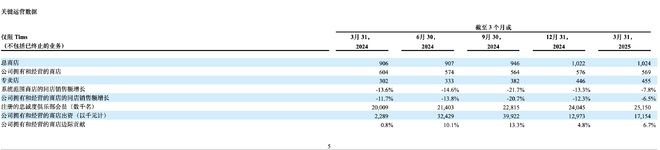
Tims天好中国一季度营收3亿,同店销售下滑7.8%
3 6 Ke· 2025-06-27 03:22
Core Viewpoint - Tims China is facing significant operational challenges, with a decline in revenue and same-store sales, despite some improvements in cost management and expansion efforts [1][3][7]. Financial Performance - In Q1 2025, Tims China reported revenue of 300.7 million RMB, a year-on-year decrease of 9.5% [1]. - The operating loss narrowed to 85 million RMB from 121.3 million RMB in the same period last year [1]. - Adjusted EBITDA was -29.3 million RMB, an improvement from -52.3 million RMB year-on-year [1]. - Same-store sales fell by 7.8%, with self-operated store sales down 6.5% due to a 14.0% drop in order volume and a slight decrease of 1.9% in average transaction value [3]. Market Competition - The coffee industry in China is experiencing intensified competition, with major players like Luckin Coffee and Starbucks implementing aggressive pricing and marketing strategies [2][3]. - Tims China is competing against established brands that have a stronger market presence, which affects its attractiveness to potential franchisees [7]. Strategic Initiatives - Tims China has implemented cost-cutting measures, reducing costs and expenses by 19.0% compared to the previous year, with significant reductions in food and packaging costs by 24.6% [4]. - The company is expanding its franchise model, with 455 franchise stores as of March 31, 2025, up from 302 a year earlier [4]. - Tims China plans to open over 200 new stores this year, focusing on high-tier cities and special channel layouts [5]. Product and Service Innovation - Tims China is enhancing its product offerings by introducing lunch options, such as the "Light Bagel Lunch Box" series, to increase foot traffic during lunch hours [6]. - The company is also collaborating with brands like Oatly to launch health-oriented products, contributing to a 25.7% increase in registered members, reaching 25.15 million [6]. Challenges Ahead - Despite progress in franchise expansion and product innovation, Tims China faces ongoing challenges in establishing a strong brand presence and competing effectively in a crowded market [7].
净增门店仅2家,Tims天好中国今年一季度收入下滑
Nan Fang Du Shi Bao· 2025-06-27 02:31
Core Viewpoint - Tims China (THCH.NASDAQ) reported a decline in revenue for the first quarter of this year, marking the fourth consecutive quarter of revenue drop, although net losses have narrowed significantly compared to the previous year [1][3]. Revenue Breakdown - Total revenue for the first quarter was 301 million RMB, a year-on-year decrease of 9.45%, with a net loss of 58.94 million RMB, which is a 58.73% improvement from the previous year [1]. - Revenue from self-operated stores fell by 14.0% to 255 million RMB, accounting for 84.72% of total revenue [3]. - The decline in revenue is attributed to the closure of underperforming restaurants and a same-store sales drop of 6.5% [3]. Store Performance - The number of self-operated stores decreased to 569 as of March 31, 2025, a net reduction of 7 stores [3]. - The company has experienced a continuous decline in same-store sales growth, with a reported drop of 11.7% for self-operated stores in the first quarter [4]. Cost Management - Food and packaging costs for self-operated stores decreased by 24.6% to 77.5 million RMB, with this cost representing 30.4% of self-operated store revenue, down from 34.7% year-on-year [4]. Profitability - Operating profit from self-operated stores increased by 647.83% to 17.2 million RMB, with the contribution margin rising by 5.9 percentage points to 6.7% [5]. Product Strategy - Tims China has expanded its product line by introducing lighter meal options, reinforcing its differentiation strategy in the "coffee + freshly prepared food" segment [5]. Franchise Growth - Other revenue, primarily from franchising and e-commerce, grew by 28.6% to 46 million RMB, driven by the expansion of franchised stores, which increased by 153 to 569 [8]. - As of March 31, Tims China had a total of 1,024 stores in the country, ranking eighth among domestic coffee brands [8].
证监会等六部委发文:大力支持消费类企业上市 | 6月26日早报
Sou Hu Cai Jing· 2025-06-26 01:35
Star Brands - Pop Mart is reportedly entering the home appliance industry and is currently recruiting talent related to this field, including positions for small appliance procurement supervisors and quality experts, with salaries ranging from 12,000 to 45,000 yuan [2] - McDonald's and donut manufacturer Krispy Kreme announced the termination of their partnership in the U.S. due to difficulties in managing project costs, with only 2,400 out of 14,000 McDonald's locations offering Krispy Kreme donuts [2] - Yonghui Supermarket appointed She Xianping as the new Vice President and Chief Product Officer, responsible for the construction of the product procurement management system [2] Consumption Platforms - During the 618 shopping festival, the total sales of beauty and skincare products reached 57.5 billion yuan, a year-on-year increase of 63.35% compared to 35.2 billion yuan last year [8] - JD Seven Fresh reported a 100% year-on-year increase in ice drink sales in North China, with beer sales growing by 125% and Qingdao Beer becoming a standout product with a 700% increase in sales [9] Investment and Financial Reports - Agile Group sold a 21.1632% stake in its seasoning company for 191 million yuan, with an expected loss of approximately 26.3 million yuan from the transaction [11] - Tim Hortons China reported a first-quarter revenue of 300 million yuan, a 9.5% decrease from the previous year, with a total of 1,024 stores [12] - Lao Xiang Ji is set to launch its Hong Kong IPO non-deal roadshow on July 9, aiming to raise approximately 150 million USD for supply chain integration and store network expansion [13] Consumption Dynamics - SF Express announced it will no longer accept the delivery of batteries and power banks, including the controversial Romoss power bank, due to frequent battery-related incidents [13] - Anker Innovations recalled 1.86 million power banks, significantly exceeding the 490,000 units recalled by Romoss [13] Macro News - Six ministries, including the People's Bank of China, issued a document to strongly support the listing of consumer enterprises [14]
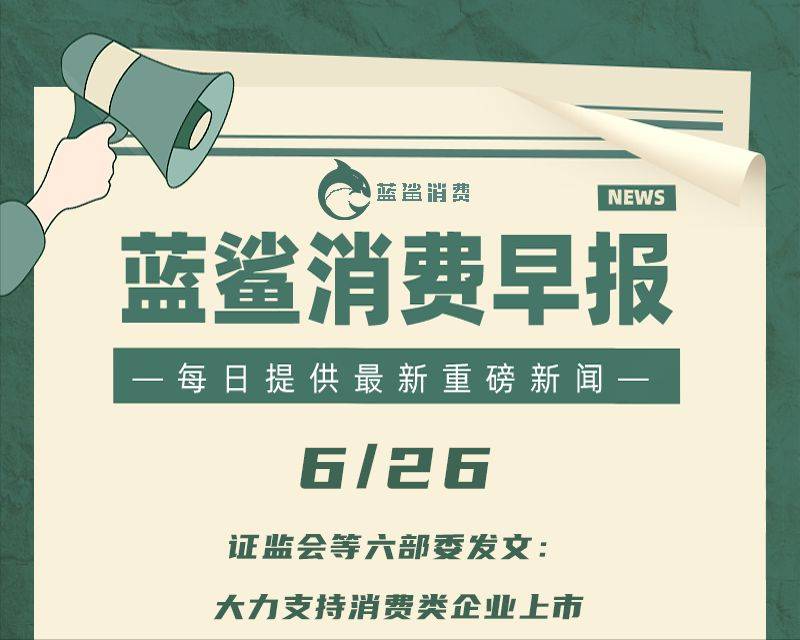
外卖大战的背面:店员和骑手的“101”次摩擦
3 6 Ke· 2025-06-25 23:57
Core Viewpoint - The intense competition in the food delivery market in 2025 is leading to significant pressure on both store staff and delivery riders, resulting in conflicts and operational challenges [1][2][4]. Group 1: Industry Dynamics - The food delivery market is experiencing a surge in demand, particularly for beverages, driven by promotional strategies such as discounts and red envelopes [1]. - The operational model of many coffee and tea brands, including Tims, emphasizes strict control over labor costs, often resulting in insufficient staffing during peak hours [5][10]. - The shift towards "made-to-order" food items, such as Tims' warm food offerings, complicates the workflow and increases the likelihood of delays, leading to customer dissatisfaction [10][14]. Group 2: Staff and Rider Conflicts - Conflicts between store staff and delivery riders are common, often stemming from delays in food preparation and the pressure to meet delivery times [2][8][19]. - Staff members report feeling overwhelmed during peak hours, with insufficient time to manage both food preparation and customer service, leading to a tense work environment [6][14]. - Delivery riders face financial penalties for late deliveries, which exacerbates tensions with store staff who are also under pressure to fulfill orders quickly [18][22]. Group 3: Operational Challenges - The increase in order volume during peak times can lead to "order bottlenecks," where the time to prepare food significantly exceeds expectations, causing frustration for both staff and riders [8][9]. - Many stores operate with minimal staff, which can lead to operational breakdowns during busy periods, affecting overall service quality [7][14]. - The complexity of the order system, including pre-scheduled orders, can create confusion and further delays, impacting the efficiency of both staff and riders [19][22]. Group 4: Employee Experience - Employees express dissatisfaction with their working conditions, citing high stress levels and inadequate compensation for the workload they manage [5][15]. - The high turnover rate among staff is attributed to the demanding nature of the job and the lack of adequate training and support from management [15][20]. - The emotional labor involved in customer service, combined with the repetitive nature of the tasks, contributes to a challenging work environment for employees [16][20].

迈过千店门槛的Tims中国,仍然水土不服
Hua Er Jie Jian Wen· 2025-06-25 13:50
Core Insights - Tims China is experiencing challenges in the domestic market despite its expansion efforts over the past six years [1] Group 1: Financial Performance - In Q1, Tims China achieved system sales of 376.3 million yuan, a year-on-year increase of 3.5% [2] - The company's actual revenue for Q1 was 301 million yuan, a decline of 9.5% year-on-year, with adjusted EBITDA losses of 29.3 million yuan compared to a loss of 52.3 million yuan in the same period last year [4] - Same-store sales decreased by 7.8%, with a 6.5% drop in single-store sales for direct-operated stores, and a 14% decline in order volume [9][10] Group 2: Store Expansion and Structure - The number of franchise stores has rapidly increased, with a net addition of over 120 stores in the past year, raising their proportion in the store structure from 37% to 44% [3] - In Q1, Tims China closed 7 direct-operated stores while adding 9 franchise stores, bringing the total number of stores to 1,024 [5] - In the previous quarter, there was a net addition of 76 stores, including 12 direct-operated and 64 franchise stores [6] Group 3: Competitive Landscape and Strategy - Tims China is facing intense competition in first- and second-tier cities, with competitors like Starbucks and Manner introducing baked goods and other brands promoting energy bowls [11] - The company is focusing on a differentiated competition strategy by expanding its product categories, particularly with bagels, to maintain an average transaction value of around 30 yuan [7] - Tims China has started to target the lunch market by launching new products such as hot bagel sandwiches and energy bowls [8] Group 4: Future Goals - The CEO has set a goal for Tims China to achieve positive cash flow profitability and same-store sales growth by 2025 [11] - Achieving these goals is considered challenging given the current market conditions, including aggressive pricing competition in the coffee and tea sectors [12]
蜜雪冰城宣布放缓开店,乡镇市场只招本地人
3 6 Ke· 2025-06-12 06:33
Core Viewpoint - The recent adjustments in the franchise policy of Mixue Ice City aim to optimize store layout, slow down the overall expansion pace, and focus on special channel store development in response to increasing market competition and declining store performance [1][3][11]. Summary by Relevant Sections Franchise Policy Adjustments - Starting from June 11, 2025, Mixue Ice City will implement changes to its franchise policy, including optimizing store layout, adjusting protection ranges, and encouraging franchisees to return to frontline operations [1]. - Existing franchisees with strong performance will receive more opportunities for new store applications, while new franchisees will be restricted from opening stores in blank towns unless they have local residency [1][11]. Market Conditions and Performance Metrics - The industry is entering a phase of stock competition, with a significant slowdown in store growth. In 2024, the total number of brand stores decreased by 16,000, with a growth rate dropping from 32.5% to 11.12% [3]. - As of December 2024, Mixue Ice City had over 41,000 stores, with daily average GMV per store declining from 4,144 yuan in 2021 to 4,127 yuan in 2023, and gross margin for franchise stores decreasing from 32.03% to 30.10% during the same period [3][11]. Strategic Focus Areas - Mixue Ice City is focusing on three main areas to enhance store revenue: encouraging franchisees to return to frontline operations, promoting the establishment of special channel stores, and imposing stricter requirements for new store franchises in blank towns [4][7][11]. - The company has previously implemented a policy requiring franchisees to complete a minimum of 90 hours of in-store presence each month to ensure better service quality [4][5]. Special Channel Development - The emphasis on special channel stores is a response to the competitive landscape, with other brands also focusing on high-traffic areas such as hospitals and schools [7][11]. - The operational challenges of these special channel locations are acknowledged, but they offer higher customer flow stability and profitability once established [11]. Local Market Strategy - The requirement for franchisees to have local residency and manage stores personally in blank towns is aimed at ensuring that operators understand local consumer habits and are committed to long-term operations [11]. - This strategy is designed to improve the survival rate of new stores in low-traffic, high-difficulty markets [11].

Tims中国盈利能力大幅修复,加拿大国民咖啡又能打了?
Guan Cha Zhe Wang· 2025-05-20 03:13
Core Viewpoint - Tims China is struggling to maintain competitiveness in the rapidly growing Chinese coffee market, facing significant financial challenges and competition from both international and local brands [1][2][12] Financial Performance - In 2024, Tims China reported a revenue decline of 10.8% to 1.391 billion yuan, with a net loss of 409 million yuan, although the loss narrowed by 53% year-on-year [3][12] - The company has total assets of 1.564 billion yuan and total liabilities of 2.397 billion yuan, indicating a state of insolvency [3][4] - Tims China received a total of $65 million in financing from its parent company and shareholders to support operations [4][5] Market Position and Competition - The Chinese coffee market is projected to grow at a compound annual growth rate of 17.14%, reaching 265.4 billion yuan by 2024, with strong competition from Starbucks, Luckin Coffee, and other local brands [1][2] - Tims China has been unable to achieve the scale necessary to compete effectively, with a total of 1,022 stores as of December 31, 2024, falling short of its expansion targets [6][11] Strategic Initiatives - To improve profitability, Tims China is increasing its focus on franchise operations, having opened franchise opportunities in major cities and launched a "county-level franchise" plan [6][8] - The company is also adjusting its product offerings to include lower-cost items to attract consumers in lower-tier cities, although this strategy may compress margins [8][10] Challenges and Risks - Tims China faces challenges in differentiating its product offerings, as its "coffee + warm food" model is easily replicable by competitors [10][12] - The company has raised prices on some products, which has led to consumer dissatisfaction and potential loss of market share [9][10] - The long-term viability of Tims China is in question, with concerns about whether its parent company, RBI, will continue to provide financial support if profitability does not improve [11][12]

上海五一“赶集”忙 旅游交易总金额超200亿元
2 1 Shi Ji Jing Ji Bao Dao· 2025-05-06 12:33
21世纪经济报道记者 易佳颖 上海报道 "五一"假期,春和景明,上海各大特色市集轮番登场。 5月5日,上海市文化和旅游局发布数据,今年"五一"假期五天,上海共接待游客1650.06万人次,同比增长1.61%;实现"吃、住、行、游、购、娱"等全要素 旅游交易总金额为201.1亿元,同比增长10.2%。这显示出假日文旅市场的巨大活力。 "从苏州过来,开车很方便,和我老婆及弟弟、妹妹一起,4个人一起来,下午来逛一逛,参加完这个活动后去旁边喝杯奶茶,就回去。"在"所有女生"线下 市集活动现场,有消费者在接受21世纪经济报道记者采访时表示,"非常热闹,还有很多小狗非常可爱。" 知名主播李佳琦将线上直播间搬到线下,在上海前滩举办了"所有女生"线下市集活动。据了解,此次市集街区占地超6000平方米,以拍照打卡和集章为游览 主线。值得一提的是,本次活动特别打造出"宠物友好"市集街区。 同在浦东新区的还有"早春乐事集·非遗生活节"也迎来了熙熙攘攘的游客。各种服装、手工艺品、陶瓷餐具、美食等数十个摊位沿钱家滩路两侧排开。与此 同时,市集邀请了毛猴制作、漆器髹饰、棕编等多项非遗技艺民间艺术家现场"比拼"。 方案明确提出,融合文旅发 ...