
德赛西威

Search documents
易控智驾更新港股招股书 2025年前三季度业绩同比增103.76%
Sou Hu Cai Jing· 2025-12-30 05:45
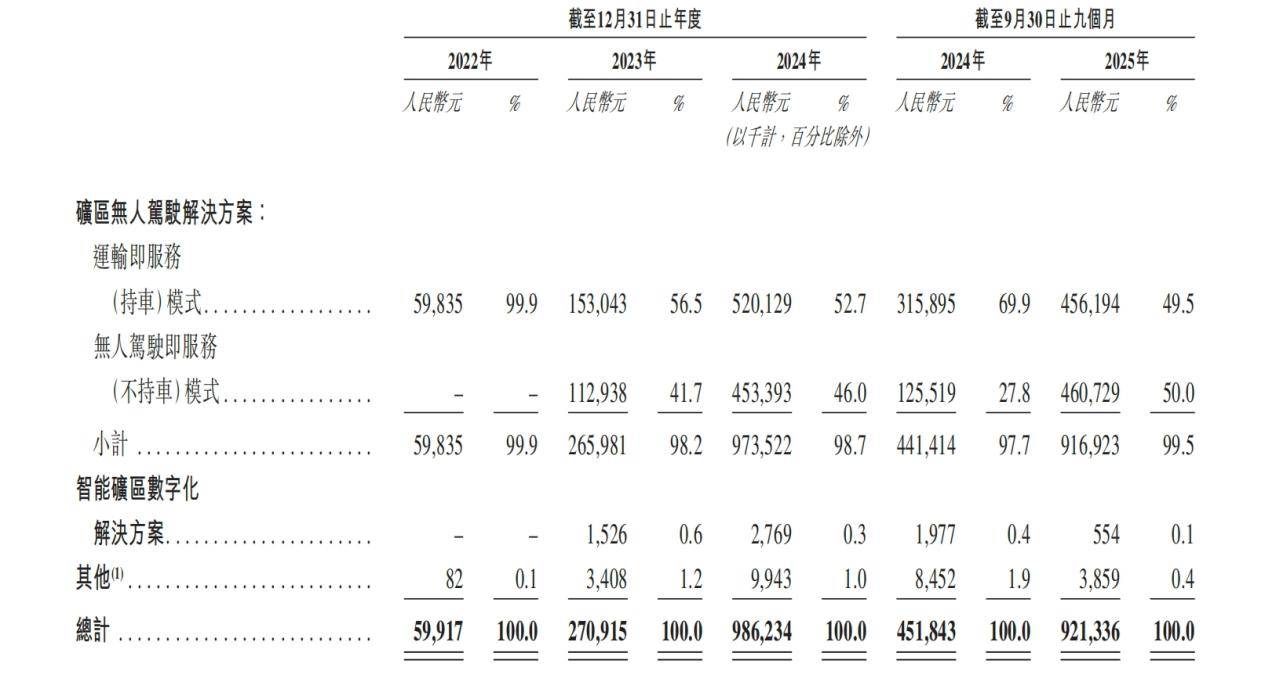
招股书显示,易控智驾正在运行的无人矿卡车队规模已增长到2000台以上。截至2025年12月22日,公司已于中国西北地区的两个露天矿山运输项目中分别部 署509台和488台无人矿卡。 同时,易控智驾称,公司正从TaaS(持车)模式向ATaaS(不持车)模式转型。持车模式即企业自身持有并运营无人驾驶矿卡,这种重资产模式下,企业往 往面临较大的资金压力,而不持车模式则是由下游客户购买或租赁矿卡,企业只需要提供矿区无人驾驶技术、软件支持及辅助服务。 根据最新财务数据,2024年,易控智驾不持车模式实现收入4.50亿元,其占总营收比例突破46%。2025年前三季度,易控智驾不持车模式贡献的营收占比进 一步提升至50%,达4.61亿元。易控智驾称,公司"不持车"轻资产模式的营收与活跃矿卡数量已全面反超"持车"模式,占总营收的比例过半。这表明公司商 业模式由"重"转"轻"的战略目标基本达成。 12月30日,记者从易控智驾获悉,公司于近日更新港股招股书。最新数据显示,易控智驾2025年前三季度收入9.21亿元,同比增长103.76%,已逼近2024年 全年水平。 | | | | 截至12月31日止年度 | | | | | 截 ...

“一带一路”秘鲁汽车零部件产业投资评估报告(2026版)
Sou Hu Cai Jing· 2025-12-30 01:32
报告发布方:中金企信国际咨询 项目可行性报告&商业计划书专业权威编制服务机构(符合发改委印发项目可行性研究报告编制要求)-中金企信国际咨询:集13年项目编制服务经验为各 类项目立项、投融资、商业合作、贷款、批地、并购&合作、投资决策、产业规划、境外投资、战略规划、风险评估等提供项目可行性报告&商业计划书编 制、设计、规划、咨询等一站式解决方案。助力项目实施落地、提升项目单位申报项目的通过效率。 (1)全球汽车零部件行业发展现状分析:汽车零部件是汽车工业发展的基础,是汽车工业的重要组成部分。整车市场的新增产量决定了汽车零部件产业的 生产增量需求,而汽车保有量则决定了汽车售后服务市场对汽车零部件的需求。因此,从应用场景角度分类,可以将汽车零部件行业分为向整车制造商供货 的主机配套市场和用于零部件维修改装的售后服务市场。"主机配套市场+售后服务市场"模式为汽车零部件行业提供了巨大的发展空间。 20世纪80年代以来,随着发达国家汽车市场逐步饱和,竞争日益激烈,全球汽车产业链开始重构。汽车主机厂为争夺市场,把业务重点放在新车型研发和市 场营销上,逐渐剥离原有零部件业务,降低汽车零部件自制率,实行精细化生产。汽车零部件行 ...

易控智驾更新港股招股书:轻资产模式收入占比过半 2025前三季业绩翻倍增长
Zhi Tong Cai Jing· 2025-12-29 23:29
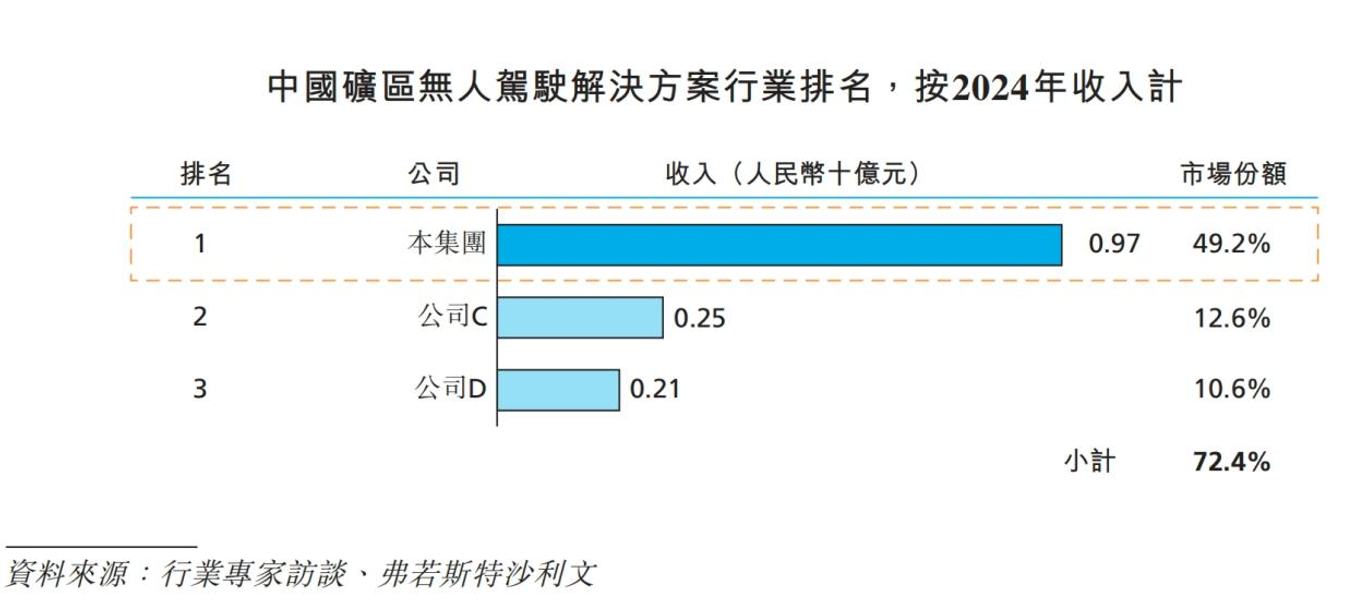
根据最新数据,易控智驾2025年前三季度业绩颇为亮眼,实现收入9.21亿元,同比增长 103.76%,已逼近2024年全年水平,进一步巩固了在行业内的领先地 位。 更关键的是,这家矿区无人驾驶领域的科技公司所布局的"不持车"轻资产模式,营收与活跃矿卡数量已全面反超传统的"持车"模式,占据总营收过半比例。 其不仅获得了紫金矿业(601899)、宁德时代(300750)、兖矿资本、德赛西威(002920)等产业巨头的战略投资与深度合作,更在商业化落地与技术创新 层面持续突破,展现出强劲的发展潜力。 车队规模及营收双增,持续领跑行业 据招股书,易控智驾在运行无人矿卡车队规模从 6 月份的 1400 余台增长到 2000 台以上,公司已占据中国L4级矿区无人驾驶解决方案市场近半份额。 近日,因审计报告有效期届满,正冲刺港股上市的易控智驾更新了招股书,也透露了国内矿区无人驾驶赛道的最新动向。 2024 年,公司实现总收入9.86亿元,在中国所有L4级无人驾驶公司中排名第一;同时,公司是中国最大的矿区无人驾驶解决方案提供商,在该市场份额约 为 49.2%;而按同期收入计,中国作为全球最大的L4级矿区无人驾驶解决方案市场, ...
【华龙汽车】汽车行业点评:百度无人车布局英国,看好2026年产业爆发
Xin Lang Cai Jing· 2025-12-29 13:44
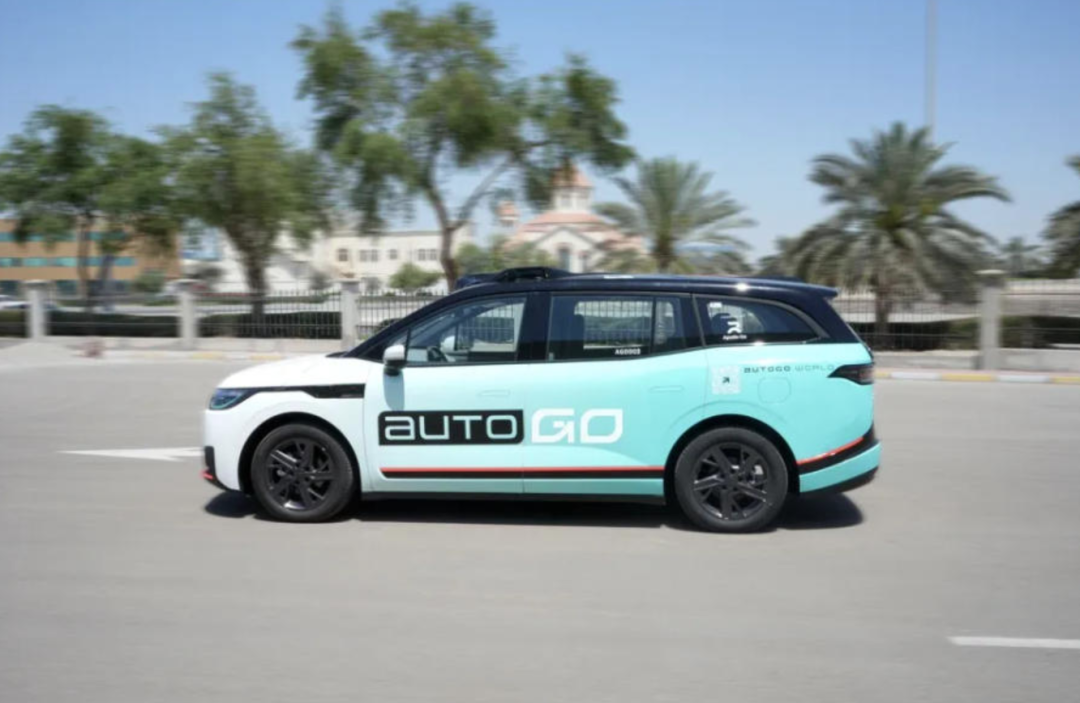
Core Viewpoint - The collaboration between Uber, Lyft, and Baidu marks a significant step in the global expansion of domestic Robotaxi operators, with plans to test autonomous taxis in the UK by mid-2026 using Baidu's Apollo Go RT6 model [2][3][8]. Group 1: Industry Developments - The partnership with Uber and Lyft allows domestic Robotaxi operators to leverage L4 autonomous driving technology for global market expansion [3][9]. - Companies like Pony.ai and WeRide have already begun international operations, with Pony.ai partnering with local transport services in the Middle East [3][10]. - The successful deployment of over a thousand vehicles in cities like Wuhan and Abu Dhabi has led to positive financial outcomes for leading operators, achieving unit economics (UE) profitability [4][10]. Group 2: Financial Performance and Projections - Major players in the Robotaxi sector are achieving profitability on a per-vehicle basis, with significant reductions in vehicle costs contributing to this trend [4][11]. - Pony.ai's seventh-generation Robotaxi has seen a cost reduction of over 70% compared to previous models, with further reductions expected by 2026 [4][11]. - The expansion of fleets and the alleviation of operational pressures are anticipated to drive growth in the Robotaxi market in 2026 [4][11]. Group 3: Investment Recommendations - The acceleration of international expansion by domestic Robotaxi operators is expected to lead to rapid fleet growth in 2026, with a positive outlook for operators and related supply chain companies [5][11]. - Specific stocks to watch include XPeng Motors, Desay SV, Huayang Group, Bertel, Joyson Electronics, Pony.ai, Horizon Robotics, Nexperia, and Top Group [5][12].
汽车行业点评报告:百度无人车布局英国,看好2026年产业爆发
CHINA DRAGON SECURITIES· 2025-12-29 09:12
Investment Rating - The report maintains an investment rating of "Recommended" for the automotive industry [2]. Core Insights - Baidu's collaboration with Uber and Lyft to launch a Robotaxi pilot project in the UK in 2026 is a significant development, indicating a global expansion strategy for domestic Robotaxi operators [3][4]. - The report highlights that leading domestic Robotaxi operators are achieving positive unit economics (UE) per vehicle, driven by fleet expansion and reduced vehicle costs, with expectations for rapid growth in fleet size in 2026 [4]. - The report emphasizes the potential for improved operational performance and market expansion for Robotaxi operators, particularly in regions where traditional ride-hailing costs are significantly higher than in China [4]. Summary by Sections Industry Overview - The report discusses the strategic importance of partnerships with international ride-hailing platforms for domestic Robotaxi operators, facilitating their global market expansion [4]. - It notes that the first L3 level vehicles have received approval for mass production, marking a significant step towards the widespread application of autonomous driving technology [2]. Market Dynamics - The report indicates that leading players in the Robotaxi sector are achieving profitability on a per-vehicle basis, with companies like Luobo Kuaipao and Xiaoma Zhixing reporting positive unit economics in specific cities [4]. - The cost of autonomous driving kits has decreased significantly, with Xiaoma Zhixing reporting a reduction of over 70% compared to previous generations, further supporting profitability [4]. Investment Recommendations - The report suggests focusing on key companies such as XPeng Motors, Desay SV, Huayang Group, Bertel, Junsheng Electronics, Xiaoma Zhixing, Horizon Robotics, Nexperia, and Top Group, as they are expected to perform well in the growing Robotaxi market [4][6].



2025/12/22-2025/12/28汽车周报:补贴落地践行渐进,看好预期修复下的交易机会-20251229
Shenwan Hongyuan Securities· 2025-12-29 09:00
Investment Rating - The report maintains a positive outlook on the automotive industry, particularly focusing on the mid-to-high-end and used car markets, with specific recommendations for companies like BYD and Geely [1]. Core Insights - The upcoming subsidies are expected to alleviate previous concerns regarding the total market volume for 2026, enhancing demand for mid-to-low-end vehicles [1]. - The report highlights the potential for significant performance improvements in parts manufacturers due to subsidy support, recommending companies with strong fundamentals and low valuations [1]. - The report emphasizes the advantages of new energy vehicle companies like Xpeng, NIO, and Li Auto, as well as key Tier 1 suppliers such as Desay SV and Jingwei Hirain [1]. - The report notes a positive trend in the used car market, benefiting from the industry's recovery and improved profitability for dealers, recommending companies like Uxin [1]. Industry Update - According to the China Passenger Car Association, the average daily retail sales of passenger cars in the third week of December reached 77,000 units, a year-on-year decrease of 11% but a month-on-month increase of 9% [1]. - The automotive industry recorded a total transaction value of 582.81 billion yuan, with the automotive index rising by 2.74% during the week, outperforming the Shanghai Composite Index [1][4]. - The report indicates that 172 automotive stocks rose while 94 fell, with the largest gainers being Chaojie Co., Longi Machinery, and Zhejiang Sebao, which saw increases of 41.6%, 33.7%, and 33.3% respectively [1][9]. Market Conditions - The report highlights a rise in traditional and new energy raw material price indices, with traditional vehicle raw material prices increasing by 1.3% and 1.0% over the past week and month, respectively, while new energy vehicle raw material prices rose by 5.6% and 6.8% [1][54]. - The automotive industry’s price-to-earnings ratio stands at 29.17, ranking 19th among all primary industries, indicating a moderate valuation compared to the Shanghai Composite Index's 14.15 [6]. Key Events - The report discusses the optimization of toll road policies and the improvement of autonomous driving regulations, which are expected to enhance the operational efficiency of the transportation system [2][3]. - The report notes significant developments in the automotive sector, including the launch of new models and strategic partnerships aimed at enhancing market competitiveness [17][18][19].





七大未来产业吸金近700亿,筑基“十五五”新增长极
Huan Qiu Wang· 2025-12-29 08:59
Group 1 - The global technology competition is intensifying, with disruptive technologies at the core of the "future industries" becoming a prominent part of China's economic landscape, as highlighted in the "14th Five-Year Plan" [1][2] - The total financing in related fields has approached 70 billion yuan this year, with specific sectors like nuclear fusion and 6G seeing index increases of over 80% [1][4] - The future industries are transitioning from "concept validation" to "commercialization," becoming a leading force in driving economic and social transformation [1] Group 2 - The "14th Five-Year Plan" outlines a clear blueprint for future industries, focusing on seven key areas including quantum technology, biomanufacturing, hydrogen energy, nuclear fusion, brain-computer interfaces, embodied intelligence, and 6G [2] - Local governments are actively responding with supportive policies, such as Beijing's "Create the Future" initiative, which has supported 83 potential enterprises and facilitated over 2 billion yuan in financing [2] - Various cities like Shenzhen and Shanghai are implementing financial measures to support high-quality development in future industries, establishing a solid foundation for growth [2] Group 3 - The capital market's enthusiasm for future industries is evident, with IPOs and refinancing processes accelerating significantly, totaling nearly 70 billion yuan as of December 26, 2025 [4] - Notable fundraising includes 14 billion yuan from China Nuclear Power in the nuclear fusion sector and over 8 billion yuan from companies in the embodied intelligence sector [4] - The overall profitability of future industries is expected to improve, with a median net profit forecast of over 650 billion yuan for 381 companies in 2025, reflecting a year-on-year increase of over 20% [5] Group 4 - Market funds are actively seeking undervalued potential stocks, with over 40 companies showing a decrease in shareholder numbers, indicating a concentration of shares [6] - Companies like Fuzhijun Technology and Zhongyuan Neipei have seen significant reductions in shareholder numbers, suggesting increased market attention [6] - Some companies, despite underperforming in the market, are positioned in sectors like embodied intelligence and quantum technology, presenting potential investment opportunities [6]


商业航天板块持续爆发,63位基金经理发生任职变动
Sou Hu Cai Jing· 2025-12-29 08:15
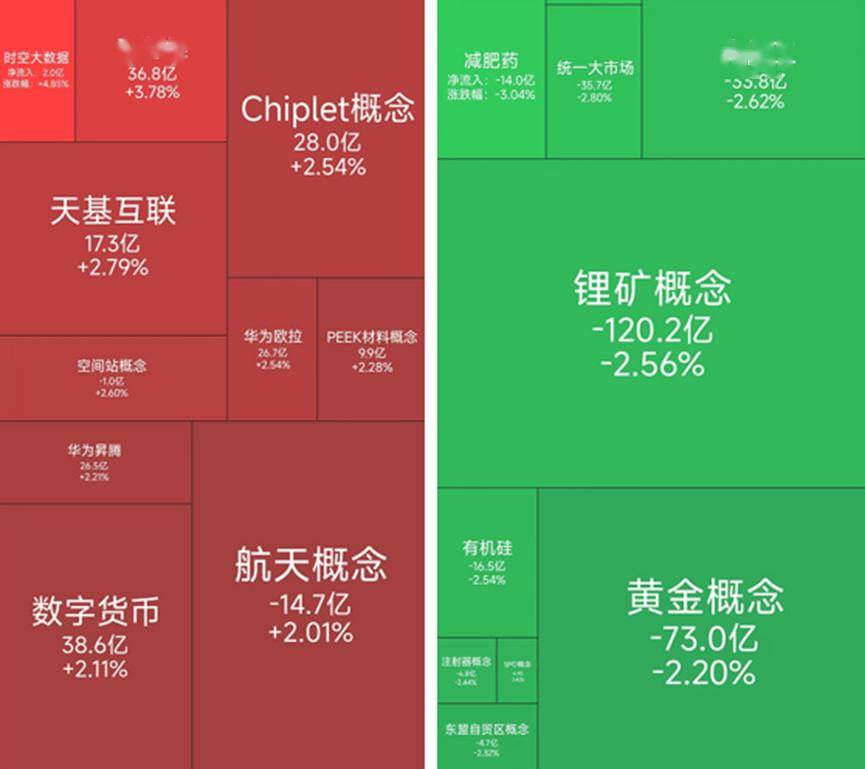
Market Performance - The A-share market showed mixed results on December 29, with the Shanghai Composite Index rising by 0.04% to 3965.28 points, marking a nine-day consecutive increase, while the Shenzhen Component Index fell by 0.49% to 13537.1 points, and the ChiNext Index decreased by 0.66% to 3222.61 points [1]. Fund Manager Changes - From December 27 to December 29, a total of 63 fund managers experienced changes in their positions, with 83 fund products announcing departures of fund managers during this period, involving 32 managers [3]. - Over the past 30 days (November 29 to December 29), 696 fund products saw changes in their fund managers, indicating significant turnover in the industry [3]. - The reasons for the changes included 26 managers leaving due to job changes, one due to personal reasons, four due to product expiration, and one due to resignation [3]. Fund Manager Performance - Dai Jie from Pengyang Fund currently manages assets totaling 298 million yuan, with the highest return of 235.16% achieved by the Hui'an Fengze Mixed A fund (003889) during his tenure of 6 years and 147 days [5]. - Zhang Xun, also from Pengyang Fund, manages assets of 10.543 billion yuan, with the highest return of 129.11% from the Pengyang Digital Economy Pioneer Mixed A fund (012456) over a tenure of 1 year and 124 days [5]. Fund Company Research Activity - In the past month (November 29 to December 29), Huaxia Fund conducted the most company research, engaging with 39 listed companies, followed by Southern Fund, Bosera Fund, and Huitianfu Fund, which researched 34, 32, and 31 companies respectively [7]. - The most researched industry was specialized equipment, with 146 instances, followed by the computer equipment industry with 111 instances [7]. Recent Fund Research Focus - In the last week (December 22 to December 29), Lingyi Zhizao, a company in the consumer electronics sector, was the most researched, receiving attention from 40 fund institutions [9]. - Other companies with significant research interest included Pulite, Nord Shares, and Desai Xiwai, with 28, 23, and 22 fund institutions respectively [9].


汽车周报:补贴落地践行渐进,看好预期修复下的交易机会-20251229
Shenwan Hongyuan Securities· 2025-12-29 07:16
Investment Rating - The report maintains a positive outlook on the automotive industry, particularly focusing on the mid-to-high-end and used car markets, as well as the impact of new subsidies [2]. Core Insights - The upcoming subsidies are expected to alleviate previous concerns regarding the total market volume for 2026, with a focus on companies like BYD and Geely, which cater primarily to mid-to-low-end demand [2]. - The report highlights the potential for significant performance improvement in parts manufacturers in the first half of 2026 due to subsidy support, recommending companies with strong fundamentals and low valuations [2]. - The report identifies new energy vehicle companies such as XPeng, NIO, and Li Auto, which have advantages in AI and robotics, as potential investment opportunities [2]. - The report notes a positive trend in the used car market and overall dealer profitability, recommending companies like Uxin [2]. - The report emphasizes the importance of state-owned enterprise reforms, particularly for SAIC and Dongfeng, as a key area to watch [2]. Industry Update - According to the China Passenger Car Association, the average daily retail sales of passenger cars in the third week of December reached 77,000 units, a year-on-year decrease of 11% but a month-on-month increase of 9% [2]. - The automotive industry recorded a total transaction value of 582.81 billion yuan for the week, with an industry index increase of 2.74%, outperforming the Shanghai Composite Index [6]. - The report indicates that 172 automotive stocks rose while 94 fell, with the largest gainers being Chaojie Co., Longi Machinery, and Zhejiang Sebao [11]. Market Conditions - The report notes that traditional and new energy raw material price indices have risen recently, with traditional vehicle raw materials increasing by 1.3% week-on-week and 1.0% month-on-month, while new energy vehicle raw materials rose by 5.6% week-on-week and 6.8% month-on-month [62]. - The automotive industry’s price-to-earnings ratio stands at 29.17, ranking 19th among all sectors, indicating a moderate valuation compared to the Shanghai Composite Index's 14.15 [8][10]. Key Events - The report highlights the optimization of toll road policies and the improvement of autonomous driving regulations as significant developments that will enhance the operational efficiency of the transportation system [3][4]. - The report mentions the launch of the first L3 autonomous driving license plate in China, awarded to Changan Automobile, marking a milestone in the industry [24][44].



华龙证券:2026乘用车转入存量逻辑 AI与出海成破局关键
智通财经网· 2025-12-29 02:57
智通财经APP获悉,华龙证券发布研报称,2026年乘用车行业转入存量逻辑,寻找新增长极成为核心。 整车方面,爆款新车&出海增量仍值得期待,AI转型下商业模式变更以及拓展人形机器人等新业务有望 重构车企估值框架;汽车零部件方面,积极拥抱具身智能时代机遇,自动驾驶汽车以及人形机器人作为 具身智能两个重要载体,均有望在2026年取得1-10或0-1的阶段性进展,产业链核心环节标的弹性可 期,维持行业推荐评级。 随着两新政策效果边际效应减弱,2026年乘用车行业转入存量逻辑,核心是寻找新的增长极,从两方面 来看:基本面看爆款新车与出海增量。新车方面,爆款新车对销量的拉动成为多家自主车企2025年国内 销量增长的主要动力,多家车企在2026年进入产品大年且高端化进程持续,关注具备爆款潜力的新车对 车企销量&基本面改善的拉动作用;出海方面,2025-2026年是自主车企海外产能密集落地期,展望至 2026年底,预计8座海外工厂投产,对应达产产能80.5万辆,解决车企海外市场供给能力的关键制约, 海外销量增量以及其高利润水平有望带动车企业绩修复。 AI时代消费者心智&偏好的变化倒逼乘用车企提升产品智能化水平,建设AI大模型 ...