雀巢

Search documents
借AI之力,破局营销增长:AI+创新科技大会—AI+营销论坛圆满收官
Xi Niu Cai Jing· 2025-12-12 07:25
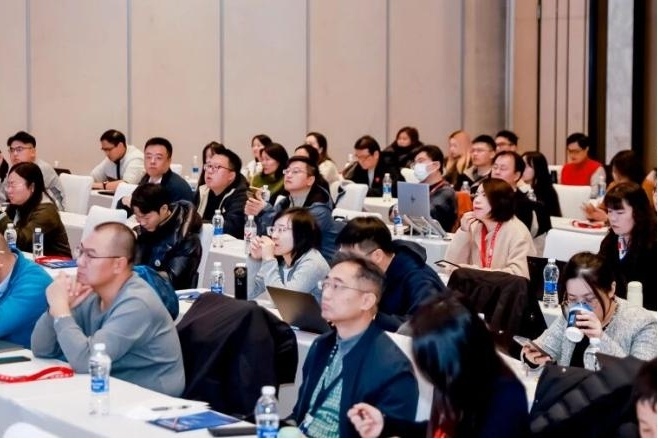
Core Insights - The AI+ Innovation Technology Conference held in Shanghai focused on how AI can reshape marketing growth, attracting over 200 industry experts and marketing elites, with 82.8% from brand companies and around 40% in senior management positions [1][4]. Group 1: AI in Marketing - The forum discussed various topics including AI's role in reconstructing marketing operations, practical applications in the beauty and maternal industries, and insights into consumer behavior in the AI era [1]. - Deloitte's partner highlighted the expanding breadth and depth of AI applications, emphasizing the need for companies to leverage AI for brand, talent, and data asset development [5]. - Natural brand Chando shared its AI implementation journey, focusing on transforming from traditional models to consumer-facing platforms, and the importance of data governance [6]. Group 2: Industry Challenges and Opportunities - IPG's Chief Strategy Officer discussed the rapid transformation of the marketing ecosystem due to AI, identifying challenges such as talent shortages and data security concerns [8]. - A roundtable discussion featured experts exploring whether AI serves as a cost-reduction tool or a value-creation engine in marketing [13]. - The CEO of AIGC Innovation Base presented on the practical applications of AI in retail, emphasizing the need for internal AI communities to enhance operational efficiency [14][15]. Group 3: Case Studies and Future Directions - The Chief Product Officer of Kidswant detailed the company's digital transformation journey, highlighting the launch of a large language model for the maternal and infant industry [17]. - White Elephant Food Group's design head discussed the evolution of AIGC from a productivity tool to a creative partner, showcasing successful marketing campaigns driven by AI [18]. - The CEO of SenChuang QiRui shared insights on AI's role in e-commerce, presenting solutions for cost reduction and operational efficiency, predicting a new era for AI in the industry [20]. Group 4: Awards and Recognition - The conference concluded with the iDigital Annual Digital Marketing Awards and AI Innovation Awards, recognizing contributions and innovations in the digital marketing and AI sectors over the past year [21].

TOMI Environmental Solutions (NasdaqCM:TOMZ) Conference Transcript
2025-12-11 20:32
Summary of TOMI Environmental Solutions Conference Call Company Overview - **Company Name**: TOMI Environmental Solutions - **Ticker**: TOMZ - **Industry**: Disinfection and Decontamination - **Product**: SteraMist, an eco-friendly disinfection solution developed from DARPA technology Core Points and Arguments - **Product Efficacy**: SteraMist utilizes a low-percentage hydrogen peroxide (7.8%) converted through a cold plasma arc to create hydroxyl radicals that effectively neutralize pathogens, including spores and viruses, without leaving any residue [2][3][4] - **Market Opportunity**: The global market for disinfection is vast, spanning multiple industries including biotech, food and beverages, commercial services, and healthcare, with significant growth expected [4][16] - **Competitive Landscape**: Major competitors include STERIS and Bioquell, with TOMI positioned to outperform due to its unique technology and faster, more effective disinfection capabilities [5][10] - **Client Base**: Notable clients include Pfizer, Merck, NASA, and various government agencies, which validate the product's effectiveness and reliability [3][19] - **Regulatory Compliance**: The company adheres to stringent regulations, including FDA and EMA compliance, which enhances its credibility in the market [16][20] Financial Performance - **Revenue Growth**: Revenues increased by 38% over pre-COVID levels, with a 40% growth in the first half of 2025 compared to the same period in 2024 [21][14] - **Margins**: The company maintains gross margins of approximately 60%-62% [10][23] - **Recurring Revenue Model**: The business model is based on a "razor and blade" approach, where equipment sales drive recurring revenue from consumables [10][25] Market Segments - **Biotechnology and Life Sciences**: This segment is the largest revenue generator, including applications in pharmaceuticals and clean rooms [5][6] - **Food Safety**: Growing segment with increasing demand for sanitation solutions due to stricter regulations and food safety concerns [18][19] - **Healthcare**: Significant potential for growth, especially in hospitals, where SteraMist has demonstrated effectiveness in reducing infection rates [20][21] Future Outlook - **Market Expansion**: The company is focused on expanding its sales force and enhancing training programs to penetrate more healthcare facilities and other verticals [22][23] - **Technological Advancements**: Ongoing development of custom integration units and partnerships with laboratory equipment manufacturers to embed SteraMist technology [10][11] - **Regulatory Tailwinds**: Increased focus on biosecurity and infection control post-COVID is expected to drive demand for SteraMist solutions [16][24] Additional Insights - **Case Studies**: Successful case studies, such as the reduction of C. diff cases in hospitals, provide strong evidence of product effectiveness [20] - **Environmental Impact**: SteraMist's eco-friendly profile, with water and humidity as the only byproducts, positions it favorably against traditional disinfection methods [29][30] - **Global Health Concerns**: The company is prepared to address potential outbreaks and pandemics, leveraging its technology to provide effective solutions [24] This summary encapsulates the key points discussed during the TOMI Environmental Solutions conference call, highlighting the company's strengths, market opportunities, and future growth potential.

揭露雀巢中国渠道乱象:价格倒挂,窜货横行,新帅收拾“烂摊子”?| BUG
新浪财经· 2025-12-11 10:20
Core Viewpoint - Nestlé China is currently facing a "channel crisis" characterized by significant payment delays to distributors, leading to widespread financial distress among its partners [4][10]. Group 1: Payment Issues - Multiple distributors have reported being owed approximately 1 million yuan in advance payments, with delays extending over several years [4]. - A distributor from Jiangsu reported being owed around 900,000 yuan from 2018 to 2022, and after transitioning to a dealer, the debt increased by an additional 200,000 yuan [7]. - Distributors have indicated that they are often required to provide proof of expenses to receive payments, but the approval process is inconsistent and often leads to further delays [10]. Group 2: Sales and Pricing Strategies - To boost sales, sales staff have been instructed to sell products below the purchase price, with the company compensating the difference through marketing fees, resulting in widespread price discrepancies and financial strain on distributors [5][12]. - A former employee noted that the actual sales volume often falls short of targets set by the company, leading to pressure on distributors to maintain high inventory levels despite low sales [12][13]. Group 3: Management and Operational Challenges - Internal employees have described a long-standing management chaos within Nestlé China, with a disorganized pricing system and rampant product diversion [11][12]. - The company has faced challenges in adapting to market changes, as evidenced by declining sales figures in the Greater China region, which saw a drop from 69.13 billion Swiss francs in 2019 to 55.58 billion Swiss francs in 2021 [14]. Group 4: Strategic Changes and Future Outlook - Following a series of leadership changes, the new CEO of Nestlé Greater China, Kais Marzouki, is pushing for a transformation from a distribution-driven model to one focused on demand creation [18]. - Analysts suggest that to reverse the declining trend, Nestlé must fundamentally reform its internal structure and product offerings to better align with evolving consumer preferences in China [15][18].
外资企业在华CSR的多维实践 |《2025外资企业社会责任研究报告》
Di Yi Cai Jing· 2025-12-11 04:58
Group 1 - The core idea of the article revolves around the evolution of corporate social responsibility (CSR) practices among foreign enterprises in China, highlighting the shift from compliance to value co-creation in response to local expectations and global standards [2][3][5] - The article discusses the historical context of CSR in China, noting that the 1990s marked a significant turning point for foreign companies as they faced public scrutiny and began to recognize the importance of social responsibility beyond mere compliance [2][3] - It emphasizes the dual embedding of CSR practices, where foreign companies must adhere to international standards while also addressing local development goals such as rural revitalization and green low-carbon initiatives [4][5] Group 2 - Siemens is highlighted as a case study, showcasing its commitment to sustainable development through a comprehensive strategy that integrates digitalization and low-carbon initiatives, aiming to support China's high-quality development goals [7][8][9] - The company has established a sustainable development framework called "DEGREE," focusing on decarbonization, ethics, governance, resource efficiency, and equity, with specific targets for carbon reduction and supply chain collaboration [8][9][10] - Siemens' innovative practices include the establishment of digital factories that enhance energy efficiency and reduce carbon emissions, demonstrating the integration of sustainability into operational processes [10][11] Group 3 - Nestlé's approach to CSR is centered on creating shared value, integrating social responsibility with business growth, and focusing on sustainable agriculture and nutrition [20][21][22] - The company aims to achieve 50% of its core raw materials from regenerative agriculture by 2030, with significant reductions in greenhouse gas emissions already achieved [22][23] - Nestlé's supply chain governance has evolved from standard compliance to collaborative empowerment, enhancing the capabilities of farmers and integrating them into the value chain [24][25][26] Group 4 - Procter & Gamble (P&G) is transitioning its corporate responsibility from operational aspects to growth logic, emphasizing the integration of environmental and social issues into long-term competitive advantages [29][30] - The company has set ambitious goals for sustainable packaging, aiming for 100% recyclable or reusable packaging by 2030, aligning with China's green supply chain initiatives [29][30] - P&G's sustainable practices extend to consumer behavior influence and industry collaboration, showcasing a comprehensive approach to responsibility that encompasses production efficiency, consumer choices, and ecological partnerships [31][32][33] Group 5 - Evonik is positioned as a leader in the specialty chemicals sector, focusing on sustainable development through its "next-generation solutions" that contribute significantly to revenue growth [36][37][38] - The company is committed to reducing carbon emissions and enhancing resource efficiency, with specific initiatives in China aimed at aligning with national sustainability goals [36][39][40] - Evonik's innovative practices include the establishment of a sustainability analysis system for product lifecycle assessment, ensuring that sustainability is a core component of product management and decision-making [38][39]


特朗普催墨西哥还“水债”否则加征5%关税,墨西哥有何苦衷?
Di Yi Cai Jing· 2025-12-10 12:59
Group 1 - Mexico is facing severe drought conditions, leading to increased domestic water demand and challenges in balancing domestic needs with international obligations [1][3] - President Trump has threatened to impose a 5% tariff on Mexican products if Mexico does not fulfill its water supply obligations, claiming Mexico owes the U.S. over 980 million cubic meters of water [1][3] - Mexican President Sinaloa stated that drought and infrastructure limitations restrict Mexico's ability to supply more water to the U.S., emphasizing the need for a solution that does not jeopardize Mexico's population and agriculture [1][4] Group 2 - The 1944 treaty between the U.S. and Mexico mandates that Mexico supply approximately 2.158 billion cubic meters of water to the U.S. every five years, with penalties for non-compliance [3] - Recent climate change has increased the frequency and intensity of droughts in Mexico, with 46.5% of the country experiencing moderate to severe drought conditions as of mid-year [3][4] - Historical context shows that Mexico has previously struggled to meet water obligations, but past periods of heavy rainfall allowed for debt repayment [3] Group 3 - The distribution of water resources between the U.S. and Mexico has been relatively stable, but Mexico is currently under significant pressure to meet both domestic and international water needs [4] - In 2020, Mexico transferred water rights to the U.S. to repay a water debt, which sparked public protests due to the ongoing national water shortages [4] - U.S. farmers in Texas are also facing challenges due to reduced water supply from Mexico, impacting various crops and leading to significant agricultural losses [5] Group 4 - Trump's pressure on Mexico is seen as a strategy to appeal to agricultural states ahead of the midterm elections, coinciding with the announcement of a $120 million economic aid package for U.S. farmers [6]
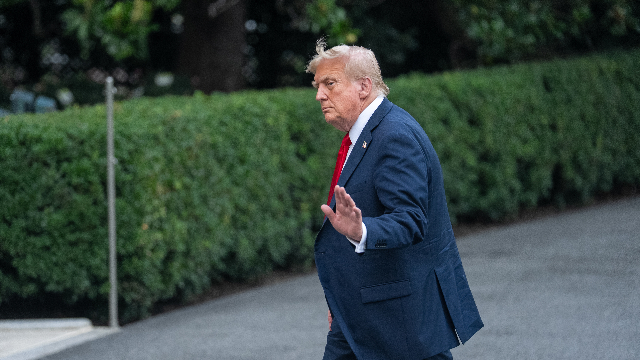
年度总结:告别“奥运限定”,品牌开始用长期主义押注运动员
3 6 Ke· 2025-12-10 09:50
Group 1 - The sports endorsement market in China remains highly active in 2025, despite the absence of the Olympics, with brands focusing on long-term partnerships with athletes rather than just short-term exposure during major events [2] - Brands are increasingly selecting high-quality athletes for endorsement deals, indicating a shift towards valuing long-term relationships and consistent consumer engagement over fleeting moments of glory [2] - The endorsement landscape for top Chinese table tennis players, particularly Sun Yingsha, has seen a significant increase, with her securing 24 brand partnerships across various industries, showcasing her high commercial value [3][5] Group 2 - Sun Yingsha's endorsements include major consumer brands like Nestlé, Unilever, and Meituan, reflecting her strong influence in the consumer goods sector [5][6] - Other top players like Wang Chuqin and Fan Zhendong are also securing numerous endorsements, indicating a peak in brand partnerships for Chinese table tennis athletes in a non-Olympic year [6][7] - Major sports brands like Nike and Adidas are actively updating their endorsement rosters, with Nike signing K-pop star Karina and Adidas engaging a variety of athletes and celebrities throughout the year [7][9] Group 3 - The outdoor brand sector is witnessing a surge in endorsements, with brands like Under Armour and The North Face signing influential celebrities to enhance their market presence [10] - The upcoming 2026 Winter Olympics is generating significant interest, with brands already partnering with athletes like Gu Ailing and Su Yiming, who are expected to attract more endorsements as the event approaches [11][13] - The ice and snow sports market in China is projected to exceed 1 trillion yuan, highlighting the growing commercial potential in this sector as the Winter Olympics draws near [11]
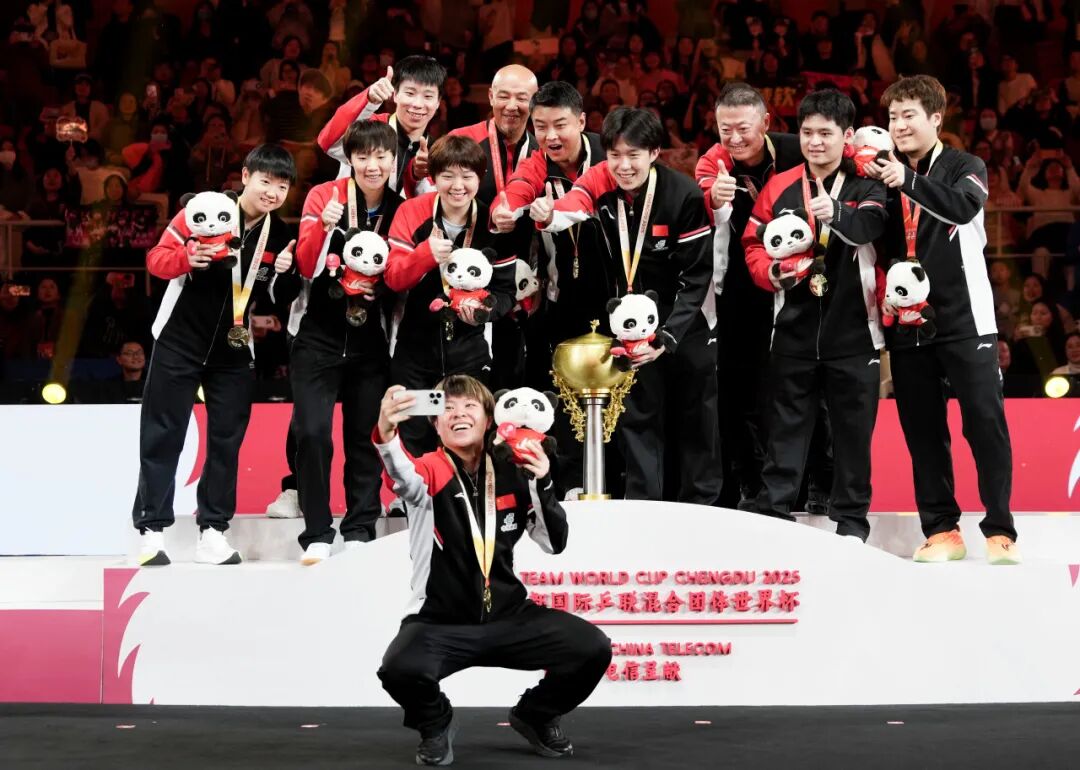
达能周志刚或升职:爱他美们与医学营养品一起管
2 1 Shi Ji Jing Ji Bao Dao· 2025-12-10 03:03
Group 1 - Danone is restructuring its leadership in China, appointing Zhou Zhigang to lead its specialized nutrition business starting January 1, 2026, as part of its "Revitalizing Danone" strategy [1][2] - The restructuring aims to create a more streamlined leadership structure to accelerate transformation and enhance focus and agility in operations [1] - Danone's CEO has identified medical nutrition as a significant long-term growth opportunity, with adult medical nutrition in China experiencing double-digit growth annually for over a decade [2] Group 2 - Nestlé is also merging its Wyeth Nutrition and Nestlé infant nutrition businesses into a single unit, effective January 1, 2026, with Joel Seah as the head [3] - The infant formula market is under pressure, with Nielsen IQ reporting a growth rate of only 0.6% in the second quarter of 2025, and a decline in marriage registrations in China by over 20% in 2024 [4] - Despite foreign brands maintaining a brand advantage, domestic brands like Feihe and Yili have surpassed foreign companies in market share as of 2022 [4][5]

达能周志刚或升职:爱他美们与医学营养品一起管丨消费参考
2 1 Shi Ji Jing Ji Bao Dao· 2025-12-10 02:41
Group 1 - Foreign companies are streamlining their operations in China, with Danone appointing Zhou Zhigang as the head of its specialized nutrition business starting January 1, 2026 [1][2] - Danone's organizational restructuring aims to accelerate transformation and enhance focus and agility, aligning with its "Revitalizing Danone" strategy [2][3] - Danone's CEO highlighted medical nutrition as a significant long-term growth opportunity, with adult medical nutrition in China experiencing double-digit growth annually for over a decade [3] Group 2 - Nestlé is also merging its Wyeth Nutrition and Nestlé Infant Nutrition businesses into a single unit, effective January 1, 2026, with Joel Seah as the head [4] - The baby formula market is under pressure, with Nielsen IQ reporting a growth rate of only 0.6% in Q2 2025, and a decline in marriage registrations by over 20% in 2024 [5] - Despite foreign brands maintaining a competitive edge, domestic brands like Feihe and Yili have surpassed foreign companies in market share [5][6]

欧莱雅再增持高德美股权至20%,释放出哪些信号?
Xin Lang Cai Jing· 2025-12-10 02:19
Core Viewpoint - L'Oréal Group has acquired an additional 10% stake in Galderma from EQT-led consortium, increasing its ownership to 20%, marking a significant move in the medical aesthetics and skin health sector [1][5] Group 1: Acquisition Details - The acquisition allows L'Oréal to nominate two non-independent board members from its group starting from the 2026 annual shareholders' meeting, replacing representatives from EQT [1] - L'Oréal's historical connection with Galderma dates back to 1981 when it co-owned the company with Nestlé, which later sold its stake to EQT and Abu Dhabi Investment Authority in 2019 [3] Group 2: Financial Performance - Galderma's sales increased from $34.17 billion in 2021 to $44.1 billion in 2024, with a notable growth rate of 9.3% in 2024 and 15% in the first three quarters of 2025, significantly outpacing L'Oréal's growth [4][5] - The company has successfully restructured its business focus on aesthetic injectables, skin care, and dermatological treatments under EQT's leadership [4] Group 3: Strategic Importance - Galderma is viewed as a "strategic puzzle" by L'Oréal, which aims to leverage its expertise in medical aesthetics rather than treating it as a short-term investment [5] - The collaboration is expected to enhance R&D alignment between L'Oréal and Galderma, particularly in developing innovative products that combine medical aesthetics and skincare [12][14] Group 4: Market Positioning - Galderma has established a strong presence in over 100 countries, with significant achievements in the Chinese market, which is projected to exceed 300 billion yuan in the medical aesthetics sector by 2025 [14] - The partnership allows L'Oréal to utilize Galderma's existing capabilities and distribution channels to capture market share in the injectable aesthetics segment [14] Group 5: Industry Challenges - The medical aesthetics industry is entering a phase of compliance and competition, with various brands launching new products and services [15] - L'Oréal faces challenges in balancing its mass marketing approach with the specialized services required in the medical aesthetics field, necessitating a focus on localized product development [17][18] Group 6: Long-term Strategy - The success of the collaboration between L'Oréal and Galderma hinges on a commitment to long-term investment in R&D and the development of innovative products that meet consumer needs [18] - The evolving consumer demand from basic skincare to advanced aesthetic solutions indicates a trend towards deeper integration between beauty and medical sectors [18]

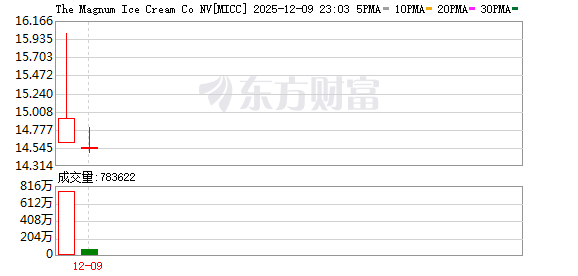
最大的冰淇淋公司梦龙独立上市 但中国冰淇淋市场均价正在下滑
Di Yi Cai Jing· 2025-12-09 15:02
Group 1 - The company Menglong Ice Cream has officially announced its listing in Amsterdam, London, and New York, with a total share capital of 612 million shares [2] - Menglong, previously part of Unilever, will complete its independent operations by July 2025, following a split of the ice cream business [2] - In 2024, Menglong is projected to achieve a revenue of €7.9 billion, capturing a 21% share of the global ice cream market, while competitor Froneri holds an 11% market share [2] Group 2 - The Chinese market is one of Menglong's top ten core markets, ranking second in retail sales for 2024, while other core markets hold the first position [2] - Despite Menglong's strong global position, the overall ice cream market is facing challenges with slowing growth [3] - The average price per 100 grams of ice cream has decreased from ¥3.94 in 2023 to ¥3.65 in the first eleven months of this year [3]