京东方

Search documents
京东方:管理层调研-2026 年 LCD 电视面板趋势向好;而 OLED 智能手机面板终端市场需求疲软
2026-01-19 02:32
Summary of BOE (000725.SZ) Conference Call Company Overview - **Company**: BOE Technology Group Co., Ltd. (000725.SZ) - **Industry**: Display Panel Manufacturing Key Points LCD TV Panel Market - Management is optimistic about the LCD TV panel market in 2026, driven by sports events and recovery in the US market [1][2] - Full utilization rates were achieved in December 2025, with strong momentum continuing into January 2026 due to rising panel prices and consumption-driven policies in the US [2] - The demand for larger TV sizes is expected to increase, particularly in the US market, which is anticipated to be a major catalyst in the first half of 2026 [2] - The overall LCD TV area growth was only 1% YoY in 2025, but is expected to improve in 2026 [2] OLED Smartphone Panel Market - The OLED smartphone panel market is facing challenges due to a soft end-market and rising memory costs, which may hinder shipment growth in 2026 [1][3] - Management expects stable pricing for OLED panels, as current prices are already low [3] - There is potential for better growth in OLED panels for global-tier smartphone brands in 2026 compared to 2025, leveraging production experience from the previous year [3] - The foldable smartphone segment is expected to see stronger growth in 2026, especially with a leading global brand entering the market [3] Capacity Expansion - BOE's Gen-8.6 OLED facility was completed in December 2025 and is set to begin mass production in mid-2026, with depreciation starting in 2027 [1][7] - Management highlighted that depreciation peaked in 2025, which will support cash flow in the coming years [7] Financial Outlook - BOE is rated Neutral with a 12-month target price of RMB 4.79, reflecting a target EV/EBITDA multiple of 4.9x, which is in line with the company's average [1][8] - Revenue projections for 2026 are estimated at RMB 221.4 billion, with EBITDA expected to reach RMB 47.8 billion [1][10] Risks and Considerations - Key risks include the pace of flexible OLED shipment growth, market share gains in both large-sized LCD and small-sized flexible OLED panels, and the ramp-up speed at new factories [1][9] - The competitive landscape in the OLED smartphone market remains a concern, with potential for healthier pricing competition if the number of major suppliers decreases [3] Additional Insights - The management's mixed tone regarding the LCD and OLED markets reflects the current competitive dynamics and market conditions [1] - The anticipated increase in LCD TV prices in 2026 compared to 2025 suggests a positive trend for the company, despite challenges in the OLED segment [2][3] This summary encapsulates the key insights from the conference call regarding BOE's market outlook, financial projections, and associated risks.

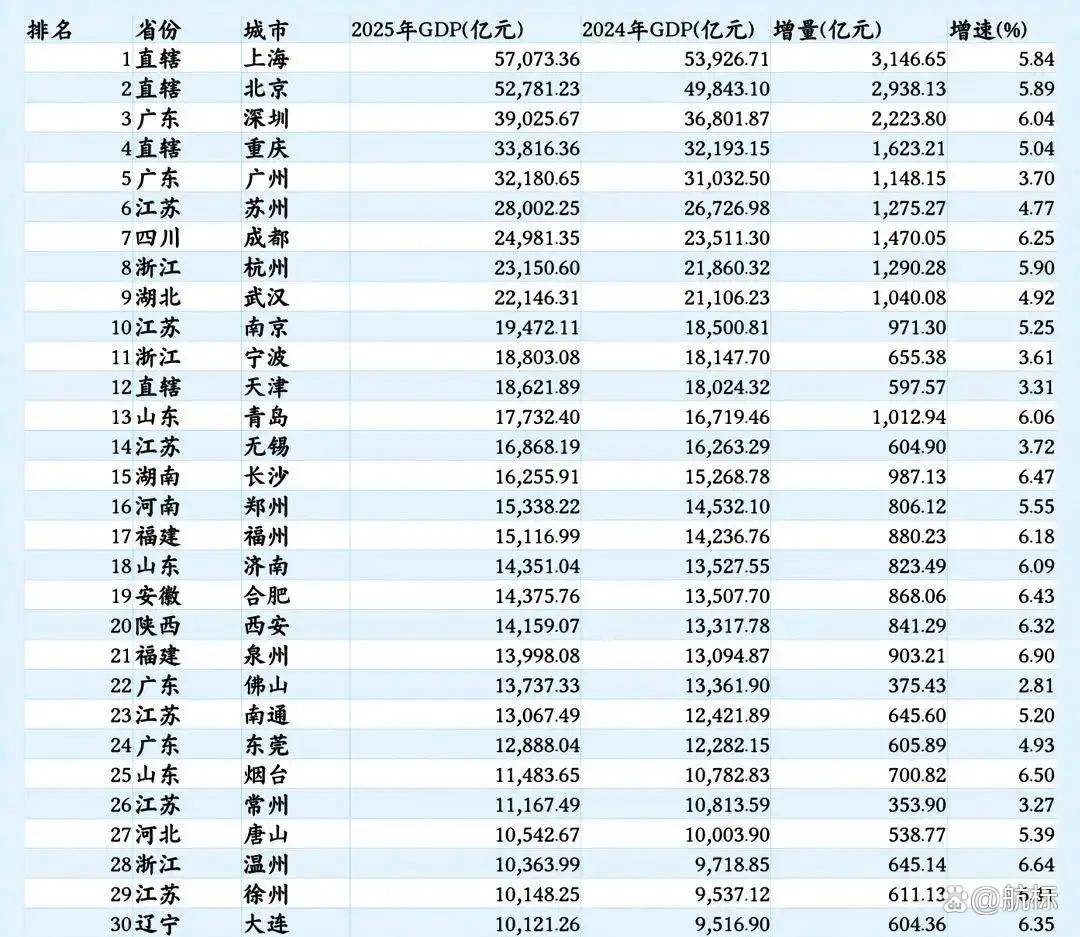
2025年GDP30强看区域经济:长三角10席,珠三角6席,川渝、京津冀各3席
Sou Hu Cai Jing· 2026-01-18 13:44
Core Insights - The 2025 GDP ranking of cities shows that the Yangtze River Delta, Pearl River Delta, Chengdu-Chongqing, and Beijing-Tianjin-Hebei economic zones occupy 22 out of 30 positions, accounting for over 80% of the list, reflecting China's economic resilience and regional coordinated development strategy [1] Group 1: Yangtze River Delta - The Yangtze River Delta holds 10 positions in the top 30, with Shanghai leading at a GDP of 57,073.36 billion yuan and a growth of 5.84%, contributing 3,146.65 billion yuan to the total increment [2] - Hangzhou leads the new first-tier cities in the Yangtze River Delta with a growth rate of 5.90%, where the digital economy's core industries account for 37% of its GDP [3] Group 2: Pearl River Delta - The Pearl River Delta has 6 cities in the top 30, with Shenzhen achieving a GDP of 39,025.67 billion yuan and a growth rate of 6.04%, marking it as a dual champion [4] - Dongguan, with a GDP of 12,888.04 billion yuan, shows resilience in its transformation from a "world factory" to a "smart manufacturing hub" [5] Group 3: Chengdu-Chongqing - The Chengdu-Chongqing region has 3 cities in the top 30, with Chengdu leading at a growth rate of 6.25% and an increment of 1,470.05 billion yuan [7] - Chongqing's GDP stands at 33,816.36 billion yuan with a growth rate of 5.04%, indicating challenges in traditional industrial transformation [7] Group 4: Beijing-Tianjin-Hebei - The Beijing-Tianjin-Hebei region has 3 cities in the top 30, with Beijing's GDP at 52,781.23 billion yuan and an increment of 2,938.13 billion yuan [8] - Tianjin shows steady growth at 3.31%, with its biopharmaceutical industry revenue exceeding 800 billion yuan [8] Group 5: Overall Economic Insights - The data reflects the comprehensive results of regional strategic positioning, industrial layout, and infrastructure investment, showcasing differentiated growth across the four economic zones [11]

【太平洋科技-每日观点&资讯】(2026-01-19)
远峰电子· 2026-01-18 11:38
Market Overview - The major indices showed mixed performance with the STAR Market 50 index rising by 1.35% and the Shanghai Composite Index declining by 0.26% [1] - The TMT sector led the gains, particularly in semiconductor packaging and testing, which rose by 9.61% [1] Domestic News - The passive components giant Yageo announced a price increase of 15% to 20% on certain resistor products effective from February 1 [2] - Powerchip Semiconductor Manufacturing Corporation confirmed a deal with Micron to sell its P5 factory for $1.8 billion (approximately 12.5 billion RMB), establishing a long-term partnership for advanced DRAM processes [2] - Siwei Technology plans to invest 1 billion RMB in a wafer manufacturing and testing facility, with phase one expected to cost 300 million RMB from 2026 to 2028 [2] - BOE Technology Group signed a strategic cooperation agreement with Huacan and Xinxiangwei to develop Micro LED interconnect technology and production for AR smart glasses and intelligent car lights [2] Overseas News - The U.S. Department of Commerce announced a trade agreement with Taiwan, requiring Taiwanese chip and tech companies to invest at least $250 billion in capacity building [3] - Infineon launched a new product series, AIROC™ ACW741x, integrating Wi-Fi 7 and Bluetooth® LE 6.0 technologies [3] - Micron Technology broke ground on a new super fab in New York, with a total investment of $100 billion aimed at producing advanced memory products [3] AI Insights - Black Forrest Labs introduced the FLUX.2 model, capable of generating high-quality images in under one second [4] - Tsinghua University and others released a 40 billion parameter AI model, Agent CPM Explore, showcasing significant potential in energy efficiency [4] - Nanjing Agricultural University launched the first open-source vertical language model for agriculture, aimed at reducing the application barrier for AI in the sector [4] Industry Tracking - China's first serial high-energy hydrogen ion implanter was successfully developed by the China National Nuclear Corporation [5] - Hydrogen Smart's solar cell production line project passed high-standard acceptance, with some clients achieving over 20% efficiency in per square meter solar cells [5] Earnings Forecast - Lanke Technology expects a net profit of 2.15 to 2.35 billion RMB for 2025, representing a year-on-year growth of 52.29% to 66.46% [6] - Cambridge Technology anticipates a net profit of 252 to 278 million RMB for 2025, with a growth rate of 51.19% to 66.79% [6] - Awei Electronics forecasts a net profit of 300 to 330 million RMB for 2025, reflecting a growth of 17.70% to 29.47% [6] - Shenghong Technology projects a net profit of 4.16 to 4.56 billion RMB for 2025, indicating a significant growth of 260.35% to 295.00% [6]


IIGF观点 | 邓洁琳:数字经济投资转向下的全球可持续挑战与中国“走出去”ESG实践路径
Mei Ri Jing Ji Xin Wen· 2026-01-18 10:21
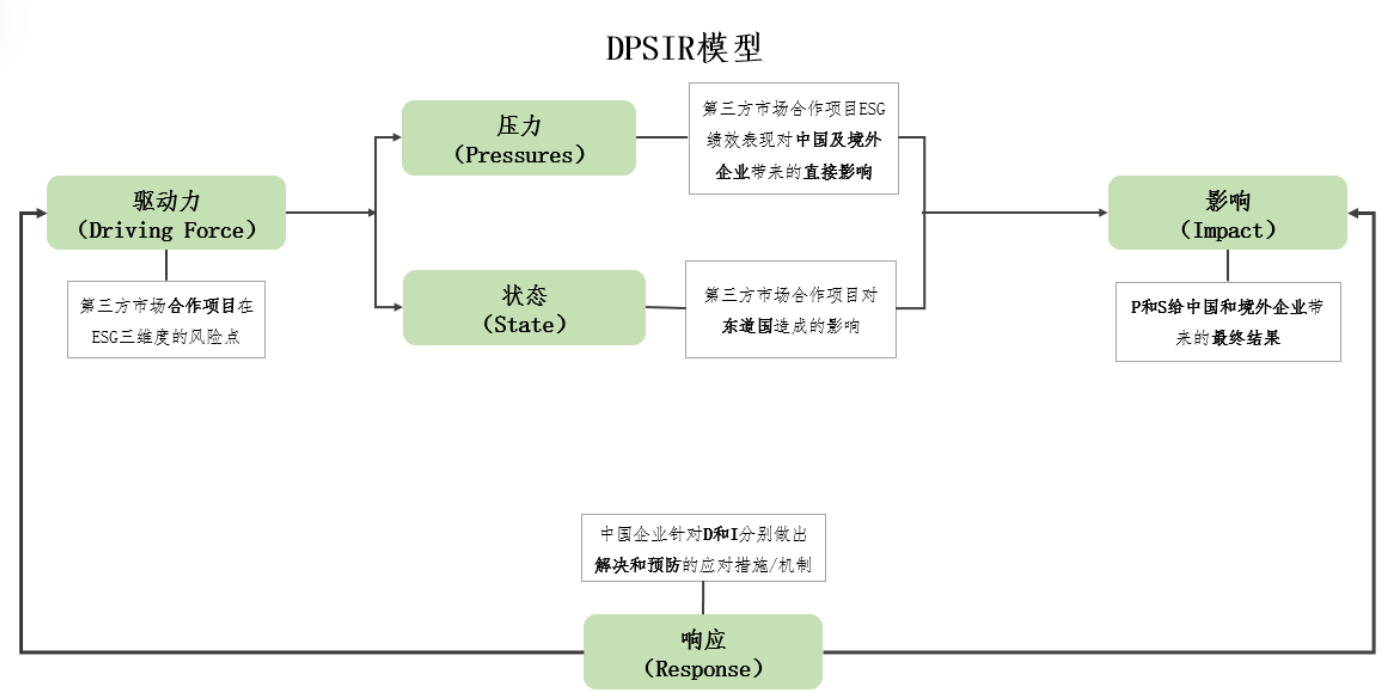
Group 1: International Investment Trends - Global foreign direct investment (FDI) is experiencing a downward trend for two consecutive years, with a 3% decrease compared to the same period in 2024, and a significant 7% decline in developed economies [2] - Developing economies are showing stable growth, with Asia expanding by 7% and Latin America and the Caribbean increasing by 12%, alongside a notable 254% rise in merger and acquisition activities [2] - Investment focus is shifting from sustainable infrastructure projects to the digital economy, with a 10% decrease in the number of sustainable development-related projects in developing countries and a 7% drop in investment amounts [3] Group 2: Digital Economy Investment Trends - Investment in the digital economy has seen significant growth, with greenfield investments nearly doubling since 2020, reaching $360 billion, and attracting an average of 8.3% of global FDI annually from 2021 to 2023 [3] - Despite a 10% decline in sustainable development-related projects in early 2025, the digital economy continues to attract foreign direct investment, with developing economies seeing nearly a doubling of annual inflows [3] Group 3: Global Sustainable Development Challenges - The digital divide is widening due to increased demands for physical infrastructure and digital literacy, exacerbated by a slowdown in sustainable infrastructure investment [4] - Inequitable distribution of benefits and costs in the digital economy, where developed countries capture most value while developing nations bear the costs, is a significant challenge [5] - The environmental footprint and resource consumption associated with the digital economy are rising, with projections indicating a 500% increase in demand for minerals like graphite, lithium, and cobalt by 2050 [6] Group 4: China's Foreign Investment and Sustainable Development - China ranks among the top three globally in foreign investment, with a 7.5% year-on-year increase in direct investment amounting to approximately $158.2 billion in 2025 [8] - The investment landscape is diversifying, with over 80% directed towards five major sectors, and significant growth in information technology services and construction [9] - China's investments in ASEAN countries have surged, with a 61% increase from 2022 to 2023, highlighting the role of Chinese firms in supporting local economic and technological development [11] Group 5: Implementation of Global Initiatives - The "Four Global Initiatives" framework emphasizes China's commitment to sustainable development and corporate social responsibility in international investments [13] - The guidelines for corporate social responsibility abroad stress the importance of integrating ESG principles into business strategies to enhance sustainable development in host countries [14] - The focus on supporting local economic development through technology and investment aligns with global trends in digital transformation and sustainable practices [14]
保护创新的声音被世界听到
Xin Lang Cai Jing· 2026-01-17 23:53
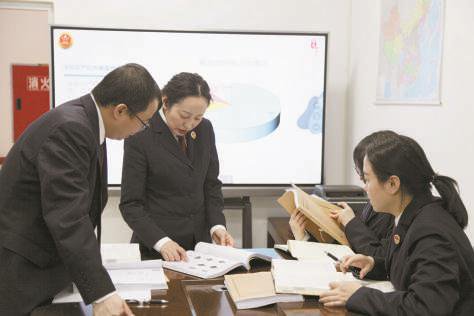
在绵阳高新区检察院知识产权检察办公室里,"绵州·吾为之"知识产权检察团队负责人姜蕾正在起草一 份审查报告,案件涉及某设备公司流失的商业秘密,为了准确定性,案卷中长达百页的专家论证会议记 录逐一论证了工艺流程、性能参数等技术细节。 "两弹一星"诞生地四川绵阳,是党中央、国务院批准建设的中国唯一科技城。在这里,人工智能、机器 人、航空航天等前沿产业熟化落地,创新驱动成为最鲜明的增长引擎。 创新是引领发展的第一动力,保护知识产权就是保护创新。习近平总书记强调,科技创新和产业创新, 是发展新质生产力的基本路径。 2025年12月17日,最高人民检察院党组书记、检察长应勇率调研组走进绵阳这片创新热土,深入知识产 权检察工作一线,调研检察服务科技创新、助力新质生产力发展有关情况。 在绵阳,检察履职如何护航科技城创新发展?知识产权检察工作取得了哪些亮眼成效?近日,记者沿着 最高检调研组的足迹,来到绵阳高新技术产业开发区检察院(下称"绵阳高新区检察院")采访。 专业化提升办案"生产力" 知识产权涵盖专利、版权、商业秘密等创新成果。随着数字经济发展,新技术、新产业、新业态等领域 的知识产权案件不断涌现,检察工作更加需要知识型、 ...
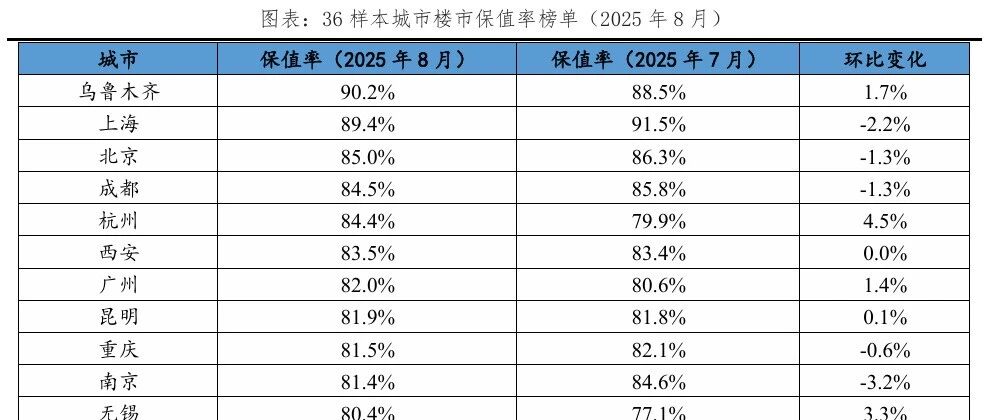
中国城市房地产保值率排名
泽平宏观· 2026-01-17 16:06
Core Viewpoint - The Chinese real estate market is transitioning from a "universal rise era" to a "structural differentiation era," with long-term value driven by population, mid-term by land, and short-term by finance, indicating a shift from large-scale development to a focus on market resilience and value reconstruction [2][6][8]. Group 1: Real Estate Value Retention Rates - As of August 2025, the top 10 cities for property value retention are Urumqi, Shanghai, and Beijing, with retention rates generally above 80% [10][9]. - The ranking reveals significant regional disparities, with cities in the Yangtze River Delta and Pearl River Delta performing better, while cities in Northeast China lag behind [11][12]. - Urumqi leads with a retention rate of 90.2%, while some third- and fourth-tier cities have fallen below 60% [9][10]. Group 2: Analysis of Key Cities - Urumqi's property value retention is supported by its strategic position as a core node in the Belt and Road Initiative and a low bubble attribute, with a historical average price increase of 3.2% from 2017 to 2023 [16][21]. - Shanghai's retention is bolstered by its unique economic foundation and high-value industries, with a GDP exceeding 5 trillion yuan in 2024 and a significant influx of global capital [24][25]. - Beijing benefits from its status as the capital, with high-quality population aggregation and irreplaceable educational resources, leading to strong demand for high-end properties [30][34]. Group 3: Market Dynamics and Future Outlook - The real estate market is expected to have significant development potential, with a projected housing demand of approximately 5.5 billion square meters from 2025 to 2030, driven by rigid, improvement, and renewal demands [51][52]. - The government is considering measures such as establishing a 5 trillion yuan housing bank, lowering interest rates, and fully lifting purchase restrictions to revitalize the real estate sector [54][55]. - The ongoing urbanization process and improvement demand indicate that the real estate market still has considerable room for growth despite current challenges [52].
大国博弈・新材料之战:2025三大战线突围收官,2026体系化决战蓝图
材料汇· 2026-01-17 16:02
Introduction - The article discusses the strategic importance of materials science in the context of global competition, highlighting China's transition from a passive to an active role in the new materials industry by 2025 [1][5]. Fortress Materials - The focus is on ensuring national security through the development of reliable materials for extreme environments, with key breakthroughs including the mass production of fourth-generation single crystal superalloys and the engineering application of full-depth titanium alloys for deep-sea manned submersibles [2][10]. - The fourth-generation single crystal superalloy has improved temperature resistance to over 1200°C and increased lifespan by nearly 50% compared to previous generations [10]. - Continuous silicon carbide fibers have transitioned from laboratory production to stable engineering mass production, marking a significant advancement in high-performance fiber supply chains [15][16]. Sovereign Materials - This dimension emphasizes the importance of self-sufficiency and competitiveness in critical industries such as semiconductors and high-end manufacturing [41]. - The production of 12-inch silicon wafers has seen a significant increase, with domestic supply rates expected to rise from 15% to 40% by the end of 2025, alleviating reliance on imports [46]. - Breakthroughs in photolithography materials have been achieved, with domestic companies successfully producing ArF dry photoresists and other critical materials, indicating progress in overcoming technological barriers [47][48]. Fusion Materials - This dimension focuses on interdisciplinary innovation, where materials science intersects with AI, synthetic biology, and neuroscience to create new products and industries [74]. - AI-driven platforms have been developed to enhance materials research efficiency, significantly reducing development cycles for new materials [76]. Conclusion - The article outlines a strategic roadmap for China's materials industry, emphasizing the need for integrated systems and collaborative efforts across various sectors to achieve breakthroughs in material science by 2026 [5][39].

苹果用户退换十几次才抽到的三星屏,被国产拿来做低端机
3 6 Ke· 2026-01-16 10:51
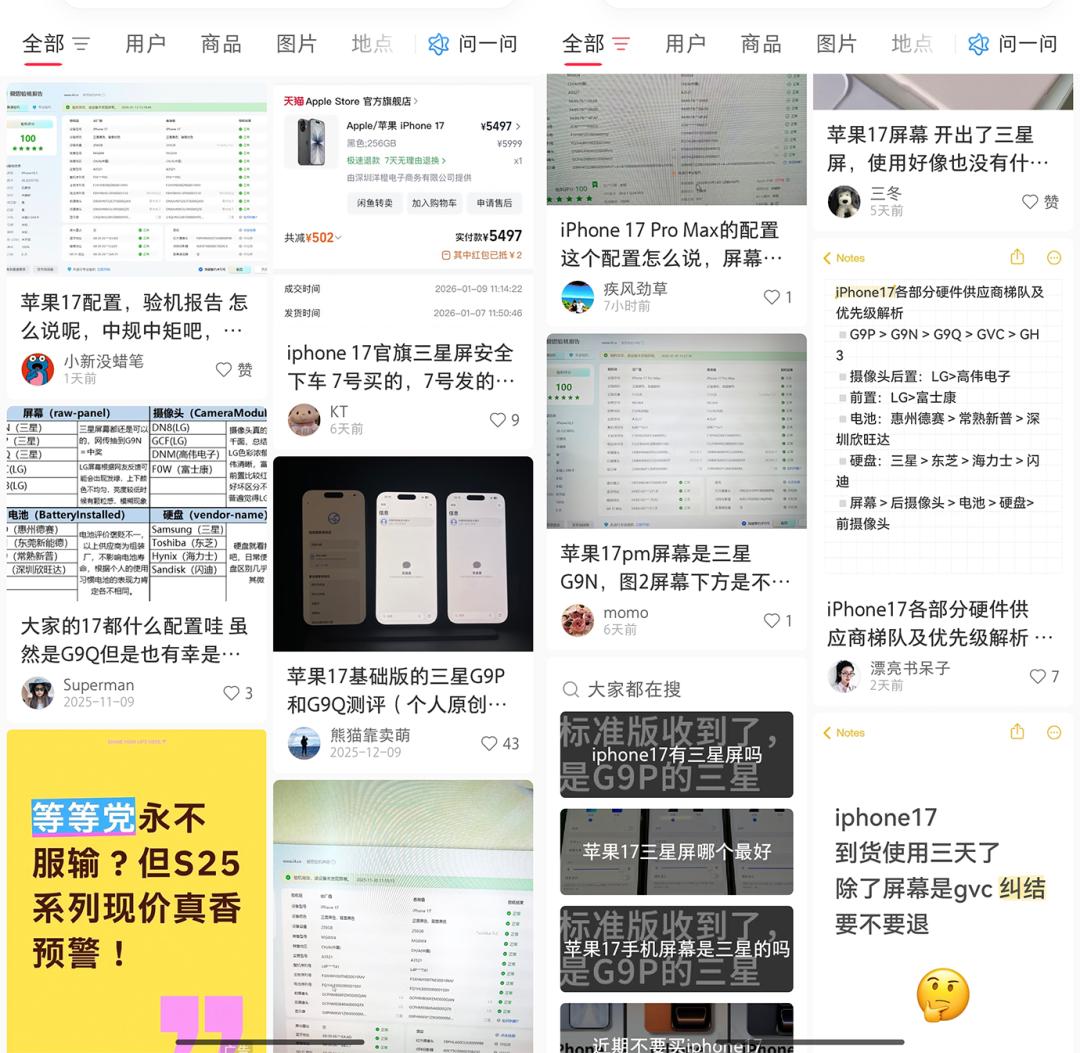
Core Viewpoint - The article discusses the ongoing obsession among Apple users for Samsung screens, particularly the desire for the "G9N" model, which is known for its superior display quality. This trend is contrasted with the recent announcement from OPPO's sub-brand, Realme, which will use Samsung's latest M14 emitting material in its Neo8 model, highlighting the competitive landscape in the smartphone display market [1][3][5]. Group 1: Samsung's Dominance in Display Technology - Samsung has historically dominated the OLED display market due to its control over core technologies and manufacturing processes, including the use of advanced vacuum deposition machines from Canon Tokki [7][11]. - The proprietary "diamond arrangement" technology developed by Samsung enhances color display and longevity of OLED screens, setting a high standard in the industry [13][16]. - Samsung's M14 emitting material is recognized for its high purity and efficiency, contributing to its leading position in the display market [25]. Group 2: Shift in Market Dynamics - Chinese manufacturers like Xiaomi, Vivo, and OPPO have increasingly moved away from Samsung displays, opting for domestic alternatives that offer comparable or superior quality at lower costs [20][22][27]. - The market share of Chinese OLED panels has surpassed 50% globally, with domestic screens accounting for 76% of the market in Chinese smartphones, indicating a significant shift away from Samsung's dominance [27]. - New technologies developed by Chinese firms, such as BOE's "blue diamond arrangement" and TCL's "pearl arrangement," are closing the gap with Samsung's offerings [23][25]. Group 3: Perception vs. Reality - Despite the advancements in domestic displays, Apple’s integration of Samsung screens in its devices still results in superior display performance due to Apple's rigorous calibration and optimization processes [28][29]. - The perception that Samsung screens are the best is challenged by the fact that Apple’s software and hardware optimizations can enhance the performance of various display types, including those from LG [29][33]. - The article raises questions about whether Realme's use of Samsung's M14 material will resonate with consumers, given the competitive landscape and the advancements made by domestic manufacturers [33].

两记GPU的锣声背后,文创之都的“超级密码”
Mei Ri Jing Ji Xin Wen· 2026-01-16 10:03
Core Insights - Chengdu is focusing on the high-quality development of the digital cultural and creative industry, emphasizing its importance as a key component of the modern industrial system [1] - The digital cultural and creative industry in Chengdu is projected to exceed 410 billion yuan by 2025 and 600 billion yuan by 2030, positioning the city among the top in the nation [2] - The rise of GPU technology is seen as a foundational infrastructure for various digital content applications, driving the industry's intelligent upgrade [1][10] Investment and IPO Highlights - Wallen Technology became the first GPU stock on the Hong Kong Stock Exchange on January 2, 2023, with a market capitalization exceeding 90 billion HKD after an opening surge of 82.14% [4] - TianShu ZhiXin, another GPU company, successfully listed on January 8, 2023, with a market cap surpassing 40 billion HKD [7] - Chengdu's Tianfu Cultural Investment Fund has made strategic investments in both companies, yielding significant returns and demonstrating the city's strategic foresight in future industry layout [9][10] Ecosystem Development - The local government investment funds are playing a crucial role in building a comprehensive digital cultural and creative ecosystem, focusing on both technology and application scenarios [10][11] - Chengdu is adopting a model of "government guidance + market operation + ecological cultivation," positioning itself as a strategic investor and industry partner [11] - The city is also expanding its investment into various sectors, including AI, robotics, and digital content creation, to enhance its cultural and creative industry ecosystem [11][12] Future Outlook - Chengdu aims to become a national cultural and creative center, promoting the integration of culture and technology, and developing new business models [12][13] - The establishment of a 100 billion yuan digital cultural and creative industry fund group is part of the city's strategy to support the growth of the industry and achieve its ambitious targets by 2030 [13][15] - The investment landscape in Chengdu is evolving, with a significant number of private equity and venture capital funds being established, enhancing the city's competitive edge in the new industrial landscape [16]
京东方供应商获北方华创投资
WitsView睿智显示· 2026-01-16 09:07
Core Insights - Recently, Beijing Xulun Technology Co., Ltd. completed a strategic financing round exceeding 100 million yuan in A4 round [1] - The financing was led by Northern Huachuang Industrial Investment Fund and Novartis Strategic Investment, with A3 round led by Beijing Electric Control Industrial Investment Fund and Qianhai Ark Fund [1] - The funds will be used for the second phase of expansion of UV Tape/DAF product lines, semiconductor packaging material R&D, and upgrading customer delivery systems [1] Company Overview - Xulun Technology has a core team from top domestic and international universities and research institutions, with rich experience in materials science and chemical engineering [1] - The company focuses on developing high-end semiconductor adhesive films and tapes, starting from basic resins such as acrylic, epoxy, and organic silicon [1] Infrastructure and Operations - Xulun Technology has a 5,000 square meter application R&D center in Beijing and a pilot base with a thousand-level clean coating facility in Hebei [2] - The company also has semiconductor-grade precision coating production lines with thousand-level and hundred-level clean standards in Jiangsu, and warehouses and technical support subsidiaries in Shanghai, Suzhou, Shenzhen, and Chengdu [2] Product Applications - The products of Xulun Technology are applied in critical process scenarios such as wafer thinning, cutting, chip mounting and stacking, substrate interlayer and line insulation, wafer-level packaging, and 2.5D/3D packaging [2] - The company serves various fields including RF chips, computing power chips, storage chips, and HBM [2]