
优衣库

Search documents
整合异业联盟营销,博士茶馆哲宁老师营销兵法。
Sou Hu Cai Jing· 2025-07-20 12:19
Group 1: Integration of Communication Channels - The integration of online and offline channels is essential, where traditional offline channels like stores and outdoor advertising work in synergy with online platforms such as social media and e-commerce [2] - A case study of Uniqlo illustrates how offline stores showcase product quality and provide fitting experiences, while online platforms promote new products and offer convenient shopping services [2] Group 2: Integration of Marketing Content - Consistency in marketing content across various platforms is crucial, ensuring that product packaging, advertising, and public relations maintain a unified style and core message [5] - Coca-Cola exemplifies this by aligning its vibrant advertising with its brand philosophy of "refreshment and sharing," reinforcing consumer recognition and memory [5] Group 3: Integration of Target Audience - Precise segmentation of the audience based on factors like age, gender, region, and consumption habits enhances marketing efficiency [7] - Internet financial brands utilize big data analysis to create detailed audience profiles, tailoring product recommendations to different user segments [7] Group 4: Integration of Marketing Teams - Cross-department collaboration is necessary for effective marketing, involving market research, creative planning, advertising, and sales [10] - Breaking down departmental barriers facilitates information sharing and efficient collaboration, ensuring smooth marketing activities [11] Group 5: Utilization of External Resources - Integrating external professional resources, such as advertising and public relations firms, can enhance marketing effectiveness [11] - Companies can leverage external expertise to compensate for internal shortcomings, optimizing marketing strategies and improving overall performance [12]


优衣库、ZARA供应商要上市:福恩股份3.81亿分红“试探”监管红线,12.5亿扩产能否织出新故事?
Sou Hu Cai Jing· 2025-07-18 10:02
Core Viewpoint - Fuen Co., Ltd. has submitted an IPO application to raise 1.25 billion yuan, marking a significant moment for the textile industry as it attempts to recover from previous IPO rejections [3][4]. Company Overview - Fuen Co., Ltd. specializes in eco-friendly fabrics, primarily focusing on recycled materials, and has become a leading supplier of recycled fabrics for major clothing brands such as H&M, Uniqlo, GU, ZARA, and others [3][4]. - The company has experienced relatively stable revenue over the past three years, with reported revenues of 1.764 billion yuan, 1.517 billion yuan, and 1.813 billion yuan for 2022, 2023, and 2024 respectively [4][5]. Financial Performance - The net profit for Fuen Co., Ltd. has shown a slight decline, with figures of 277 million yuan, 229 million yuan, and 275 million yuan for the same years [4][5]. - The gross profit margin for the main business has fluctuated, recorded at 27.83%, 29.89%, and 28.67% over the three years, indicating a trend of initial growth followed by a decline [4]. Dividend Controversy - In 2022, the company distributed a cash dividend of 381 million yuan, which exceeded its net profit for that year, raising market concerns about its financial practices [5][6]. - The dividend payout ratio was calculated to be 48.78% of the cumulative net profit over the reporting period, which is close to regulatory limits [6]. IPO Fund Utilization - The funds raised from the IPO are intended for projects including the integration of recycled eco-friendly fabric production and the establishment of a high-end eco-friendly materials research institute [7]. Operational Risks - Fuen Co., Ltd. faces challenges such as low accounts receivable turnover rates compared to industry peers, with rates of 7.98, 5.75, and 6.51 times over the reporting years, significantly below the industry average [9][10]. - The company has a high concentration of revenue from its top five clothing brand customers, accounting for approximately 70% of total revenue, which poses a risk to business stability if any of these relationships decline [11]. Regulatory Issues - The company has faced administrative penalties for various violations, including construction without proper permits and tax declaration errors, which may impact its reputation and operational efficiency [11].
高温催生“防晒经济”,下一个千亿市场近在眼前
3 6 Ke· 2025-07-17 23:44
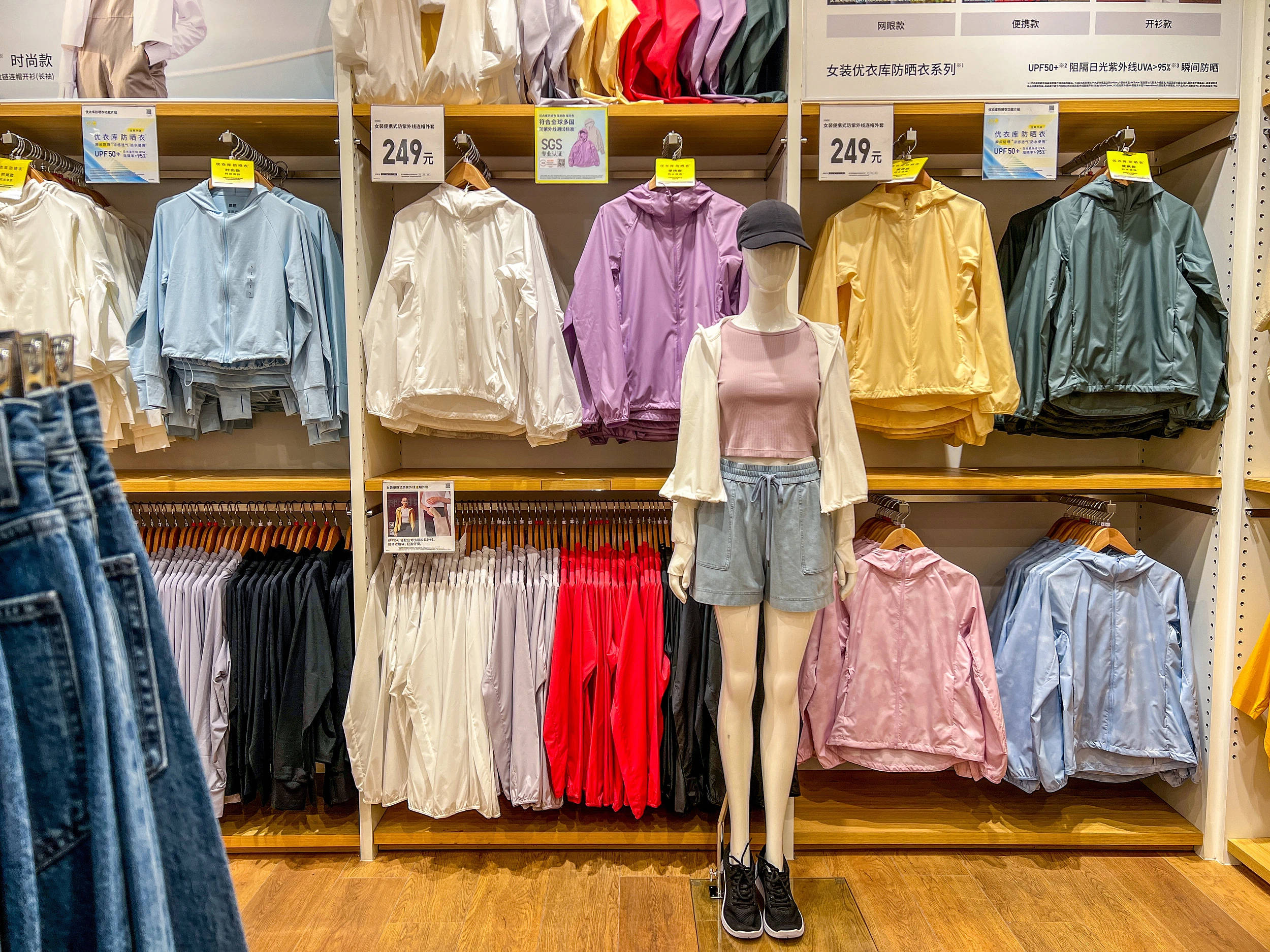
Core Viewpoint - The rise of the "sunscreen economy" in China is driven by increasing temperatures and heightened consumer awareness, with the market for sunscreen apparel expected to exceed 800 billion yuan in 2024 and reach 1 trillion yuan by 2027 [2][10]. Group 1: Market Growth and Trends - The sunscreen apparel market has evolved from a niche category to a mainstream consumer segment, becoming a pillar of the "sunscreen economy" [2][4]. - Sales data from platforms like JD.com indicates a 150% year-on-year increase in sales of sunscreen clothing during the 618 shopping festival, with other products like "facekinis" and sun hats also seeing significant growth [4][5]. - The demand for multifunctional sunscreen products is increasing, with consumers looking for features such as breathability, durability, and lightweight materials [4][5]. Group 2: Consumer Behavior and Preferences - Consumers are now demanding products that not only provide UV protection but also reflect personal style and health consciousness, leading to a shift in product development [5][10]. - The main consumer groups driving this trend include commuting professionals and younger demographics, who are integrating sunscreen apparel into their daily outfits [4][5]. Group 3: Industry Participation and Competition - Over 4,400 companies are currently involved in the sunscreen-related sector, with traditional and new brands like Anta, Decathlon, and Uniqlo entering the market [8][10]. - The competition is fostering innovation, with brands developing differentiated products based on consumer needs and preferences [5][10]. Group 4: Supply Chain and Production Innovations - The evolution of sunscreen apparel has led to advancements in production techniques, such as the development of sunscreen fibers that maintain their protective qualities after washing [7]. - Suppliers of functional fabrics are benefiting from the high demand for sunscreen materials, with some companies reporting significant revenue growth [7]. Group 5: Future Outlook and Industry Standards - The sunscreen apparel market is expected to diversify and segment further, enhancing consumer shopping experiences and providing growth opportunities for various companies [10]. - Experts emphasize the need for regulatory oversight and industry standards to ensure product quality and maintain consumer trust in the burgeoning sunscreen economy [10].
纺服轻工 出口链更新汇报
2025-07-16 06:13
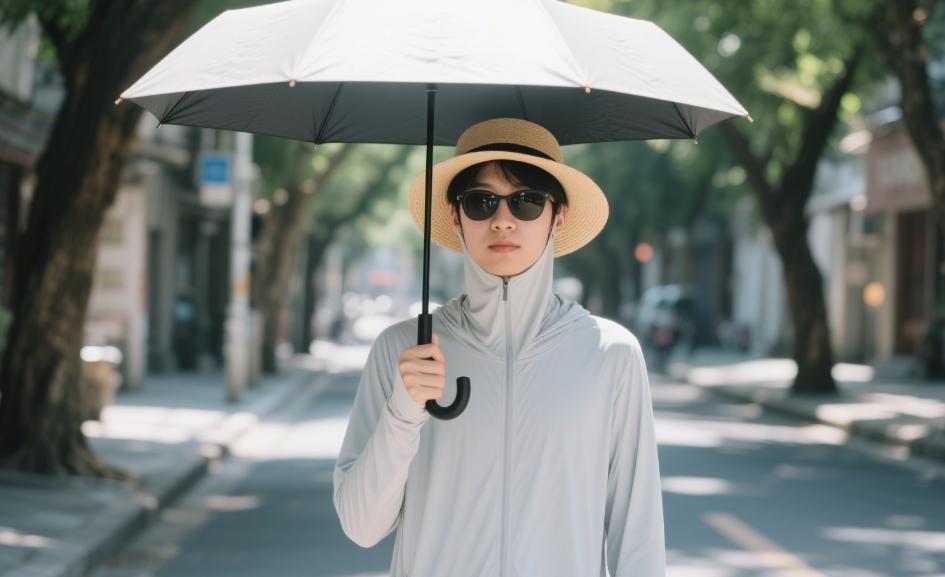
Summary of Conference Call Industry or Company Involved - The discussion primarily revolves around the performance and growth potential of companies in the apparel and sportswear supply chain, particularly focusing on brands like Adidas, Uniqlo, and others in the industry. Core Points and Arguments 1. The company exhibits strong growth momentum, with expectations for further excess growth in the second-tier high-growth export targets, leading to a more optimistic valuation ceiling for these companies [1] 2. The successful entry into Adidas's supply chain is expected to significantly enhance the company's business growth, with projections indicating that this could account for approximately 20% of future revenue [2] 3. Feedback from supply chain partners indicates a robust demand outlook, suggesting that the company's growth potential remains substantial, supported by strong client performance, particularly from brands like ANRUN and HONGZHA [3] 4. There is a noticeable discrepancy between client supply chain orders and revenue changes, indicating that clients are managing their revenue stability through policy adjustments and utilization changes, which is crucial for maintaining profitability [4] 5. Short-term profit margins may be impacted, but as factories ramp up production and maintain delivery schedules, significant growth in performance is anticipated [5] 6. Future tariff changes are expected, and companies must strengthen their profitability to withstand external shocks, as the manufacturing landscape, particularly in the U.S., is unlikely to revert to previous conditions [6] 7. The company has shown confidence in its vertical integration capabilities and is making positive strides in expanding its product offerings, with guidance indicating a stable pricing outlook for 2025 [7] 8. Uniqlo is projected to surpass two million units in production this year, with strong growth from key clients expected to directly benefit the supply chain [8] 9. The company has successfully expanded its domestic brand client base and is making progress in developing new fabric technologies, which will be crucial for future growth [9] 10. Concerns regarding tariff issues remain unresolved, but recent developments suggest a gradual implementation in Southeast Asia following domestic regulations [10] 11. The company's differentiation strategy includes new clients and product categories, with a focus on vertical integration, which is vital for profitability in the mature textile industry [11] Other Important but Possibly Overlooked Content - The overall sentiment reflects a cautious optimism about the future growth of the apparel supply chain, emphasizing the importance of adapting to market changes and maintaining strong client relationships to leverage potential growth opportunities [4][6][11]
即时零售:重塑消费格局
Jin Rong Shi Bao· 2025-07-16 01:40
近期,美团、京东、淘宝三大零售巨头展开了一场激烈的"补贴大战",展示出即时零售市场的巨大潜 力。 打开手机App,"5元喝奶茶""10元吃炸鸡"弹窗扑面而来,消费者指尖轻点,各种免费的炸串兑换券、大 额满减红包纷至沓来——这波由三大平台掀起的补贴狂潮,立即成为全民热议的焦点。 此次外卖大战先要从今年4月份说起。当时,京东率先发力,以高额补贴吸引消费者与商家,迅速抢占 市场份额,打破了原本由美团与饿了么主导的双寡头格局。自此,"外卖补贴"战打响,在6月初偃旗息 鼓一阵子后,于7月初"卷土重来"。 当"宅家经济"成为日常,即时零售解决了生鲜采购的时间成本;当"碎片化消费"取代集中式采购,"随 时买、即时得"的模式精准匹配消费节奏。如今,凭借便捷、灵活的特性,即时零售作为连接线上消费 与线下履约的关键枢纽,展现出独特的市场韧性,其发展逻辑与消费新常态呈现出高度适配性,成为扩 内需、促消费的重要支撑。 从商务部国际贸易经济合作研究院发布的《即时零售行业发展报告(2024)》可以看到,2023年,我国即 时零售规模已达6500亿元,预计到2030年将突破两万亿元大关。 如今,送餐、送花、送日用品,"点外送"在国内已经成 ...


女装“装不下”女性了吗?
Hu Xiu· 2025-07-13 00:13
Core Viewpoint - The shrinking size of women's clothing is a significant issue in the fashion industry, driven by marketing strategies and societal beauty standards, leading to increased consumer anxiety and dissatisfaction [2][11][30]. Group 1: Size Confusion in Women's Clothing - The women's clothing market has surpassed 1.1 trillion, yet many women struggle to find clothes that fit due to a confusing sizing system [4][11]. - A social media trend highlights that women's clothing sizes have been shrinking over the years, with consumers reporting needing larger sizes for the same style of clothing [5][6]. - The number of size options varies significantly by clothing type, with pants offering the most choices, while dresses and skirts provide the least [8]. Group 2: Marketing Strategies Behind Size Reduction - The trend of smaller sizes is partly a marketing strategy, where brands intentionally label clothing smaller to create a sense of surprise and satisfaction among consumers [2][32]. - Historical context shows that the standardization of clothing sizes has not kept pace with changes in women's body measurements, leading to a disconnect between actual sizes and labeled sizes [28][29]. - The phenomenon of "vanity sizing" is prevalent, where retailers label clothing with smaller sizes than actual measurements to appeal to consumer psychology [35][36]. Group 3: Impact on Consumer Behavior - The shrinking sizes have led to increased return rates, with reports indicating that return rates for women's clothing can reach as high as 80% [47]. - Many consumers express frustration and anxiety over the inability to find suitable sizes, leading to a cycle of purchasing and returning items [31][47]. - The pressure to conform to a narrow standard of beauty exacerbates body image issues among women, as smaller sizes are often equated with attractiveness [44][45]. Group 4: Call for Change - There is a growing demand for standardized sizing and transparency in size labeling to alleviate consumer confusion and anxiety [31][49]. - Some brands are beginning to respond by offering more inclusive sizing options and promoting body positivity [31][49]. - The industry is urged to embrace body diversity and move away from the "smaller is better" mentality to foster a healthier consumer culture [49].
优衣库的中国困境:降价自救,尚未见效
3 6 Ke· 2025-07-11 12:13
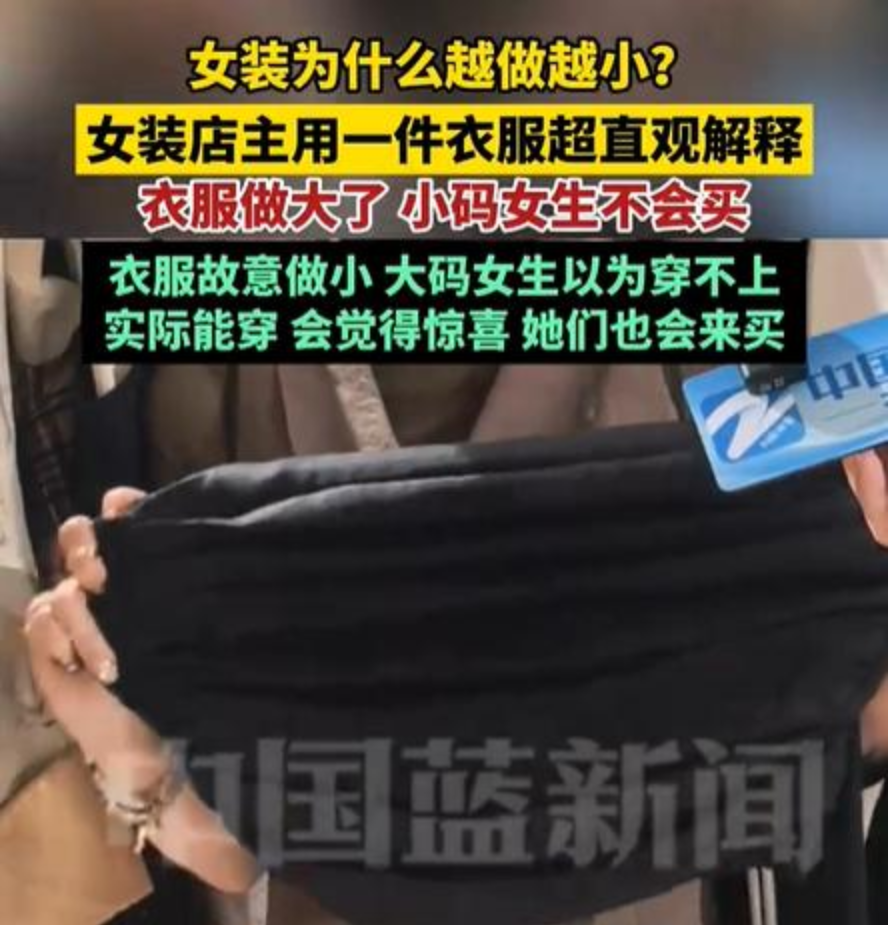
Core Viewpoint - Uniqlo is facing challenges in the Greater China market, which was once a significant growth driver, now becoming a profit drag due to declining consumer demand and increased competition from local brands [3][11][16]. Financial Performance - For the third quarter ending May 31, 2025, Uniqlo reported a revenue increase of 7.7% year-on-year to 826.5 billion yen (approximately 40.4 billion RMB), but net profit decreased by 9.7% to 105.5 billion yen (approximately 5.16 billion RMB) [3]. - In the first three quarters, revenue in the Greater China market decreased by approximately 3% in local currency, with operating profit down about 8% [4]. - The management estimates a revenue decline of about 10% and profit contraction for the second half of the 2025 fiscal year in the Greater China market [5]. Market Dynamics - Uniqlo's performance in Japan, North America, Europe, and Southeast Asia remains strong, contrasting with the weak demand in China, which has affected overall net profit [3]. - The company has seen a significant drop in same-store sales since 2024, attributing 50% of the poor performance to external factors and 50% to internal issues [11]. Strategic Adjustments - Uniqlo is undergoing structural reforms, focusing on product pricing adjustments and enhancing marketing efforts to better align with consumer expectations in China [5][16]. - The company is shifting its strategy from expanding the number of stores to improving the profitability of existing locations, with plans to open regional flagship stores in major cities [15][18]. Competitive Landscape - The rise of "alternative products" from local brands is seen as a significant threat to Uniqlo's market share in China [15]. - Uniqlo aims to coexist with local brands, leveraging collaborations with artists and designers to create differentiated products [16]. Future Outlook - Management targets improved performance in the 2026 fiscal year compared to 2025, with a complete transformation of the business model by the 2027 fiscal year [17]. - The company maintains its revenue and profit outlook for the 2025 fiscal year at 3.4 trillion yen and 410 billion yen, respectively, which translates to approximately 166.5 billion RMB and 20.1 billion RMB [18].

未来10年,很多赚钱商机都藏在这些新兴产业里
创业家· 2025-07-11 10:07
Core Viewpoint - The article draws parallels between Japan's economic stagnation over the past three decades and China's current economic challenges, suggesting that China can learn valuable lessons from Japan's experience [4][5][6]. Group 1: Consumption Trends - Japan's economic stagnation has led to a shift in consumer attitudes, moving towards minimalism and low-desire consumption, which aligns with global trends of resource scarcity [5][6]. - The four stages of Japanese consumption identified by Miura Nobuyuki include homogenized consumption, differentiated consumption, rational minimalism, and spiritual consumption, indicating a transition towards valuing experiences over brand prestige [7][8]. - The emergence of the "one-person economy" reflects changing social dynamics and consumer preferences, emphasizing individual fulfillment and lifestyle choices [9]. Group 2: Aging Population and Wealth Distribution - Japan's aging population holds a significant portion of national wealth, with over 50% of national assets owned by individuals aged 60 and above, mirroring trends in China [15][17]. - The increasing percentage of elderly individuals in China, projected to reach 30% by 2035, raises questions about how to cater to this affluent and leisure-seeking demographic [18][19]. - The concept of "M-shaped society" describes the polarization of the middle class in Japan, a trend that is also observable in China, where a significant portion of the population is classified as low-income [20][22]. Group 3: Tourism and Leisure Industry - Japan's tourism sector has thrived during economic downturns, driven by a national strategy that recognizes the value of tourism for economic growth and national branding [26][33]. - Various successful tourism models in Japan include theme parks, leisure resorts, and cultural tourism, which have adapted to consumer preferences for unique experiences [27][29][30]. - The integration of traditional culture and modern tourism practices has created a vibrant tourism industry, with events and festivals attracting both domestic and international visitors [31][32]. Group 4: Future Consumption Trends - The article suggests that China is transitioning between the second and third consumption eras, with early signs of the fourth consumption era emerging, characterized by a focus on experience and personal satisfaction [11][12]. - The changing economic landscape necessitates a shift from rapid profit-driven models to those that prioritize creativity, emotional connection, and consumer-centric values [38][40]. - The upcoming seminar on Japanese consumption strategies aims to provide insights into adapting these lessons for the Chinese market, emphasizing the importance of understanding evolving consumer needs [41][42].

「一穿即凉」的打底衣,是智商税还是真科技?
36氪· 2025-07-11 07:35
Core Viewpoint - The article emphasizes the importance of high-quality, comfortable, and safe intimate clothing, particularly during the summer heat, highlighting consumer concerns about product transparency and performance [2][4][6]. Group 1: Consumer Awareness and Concerns - Consumers are increasingly aware of the lack of transparency in intimate clothing, leading to anxiety over product quality and safety [4][6]. - The article discusses the common issues faced by consumers, such as discomfort from sweat and poor fabric performance, which have become more pronounced in the summer [2][4]. - A significant conversation has emerged on social media regarding how to select the right intimate clothing, indicating a shift in consumer priorities towards safety and quality [4][6]. Group 2: Testing Methodology - The article outlines a rigorous testing process for intimate clothing, focusing on real-life performance rather than marketing claims [9][20]. - Six core experience dimensions were established for testing, including cooling sensation, smoothness, elasticity, breathability, quick-drying, and odor control [7][9][20]. - The testing involved comparing three popular brands of intimate clothing through various experiments to assess their functional performance [7][9][20]. Group 3: Performance Results - In the cooling sensation test, AIRism performed best, with a temperature increase of only 3.6°C after contact with skin, compared to 0.3°C and 0.7°C for the other brands [18][20]. - The smoothness test showed AIRism had the least sliding resistance, taking only 1.58 seconds to slide down a slope, indicating superior fabric quality [25][27]. - AIRism also excelled in elasticity, maintaining its shape after multiple washes, with a deformation of only 2.2cm compared to higher deformation in competitors [39][40]. Group 4: Additional Functional Tests - The breathability test indicated that AIRism's fabric allowed for better moisture diffusion, crucial for comfort in hot weather [45][46]. - In the quick-drying test, AIRism showed minimal weight difference after drying, indicating superior moisture management [57][58]. - The odor control test revealed that AIRism effectively minimized unpleasant smells, outperforming other brands [64][65]. Group 5: Market Position and Brand Strategy - AIRism's pricing strategy, ranging from 40 to 140 yuan, offers high-quality performance at an accessible price point, challenging more expensive brands [75][78]. - The brand's success is attributed to its comprehensive approach to product development, integrating multiple functional features into a cohesive system [75][78]. - The article highlights the importance of consumer feedback, with many users praising AIRism for addressing summer discomfort effectively [78][81].

消费新观察|从“隐形配角”到“情绪单品”,高筒袜反季节爆火
Sou Hu Cai Jing· 2025-07-10 12:32
Core Viewpoint - The resurgence of knee-high socks has transformed them from a previously outdated fashion item into a trendy staple for young consumers, breaking seasonal constraints and becoming a popular choice among street fashion enthusiasts [1][2]. Group 1: Sales Performance - Sales of knee-high socks have surged, with transaction volumes reported to be 1-2 times higher than last summer [2]. - Popular styles include pure cotton knee-high socks with a cotton content of 60%-90%, priced between 20-30 yuan per pair, with the milk white variant being particularly favored [2]. - Online platforms also reflect this trend, with over 12.51 million views on topics related to knee-high socks on Xiaohongshu, and a high purchase intent noted on Taobao with a 97% positive feedback rate for certain products [2]. Group 2: Market Trends - Major sports brands like NIKE and Adidas are also experiencing strong sales in knee-high socks, offering a variety of styles to meet diverse consumer preferences [3]. - The knee-high sock market is witnessing a compound annual growth rate driven by consumer demand, with significant potential for integration into various lifestyle scenarios such as sports, commuting, and socializing [4]. Group 3: Consumer Behavior - The shift in consumer perception has elevated knee-high socks from a mere functional item to a fashion statement, reflecting a broader trend of emotional consumption where consumers are willing to pay a premium for products that offer aesthetic and emotional value [4]. - Innovations in materials, such as ice-feeling fibers and quick-drying designs, have enhanced the appeal of knee-high socks for summer wear, catering to the evolving needs of younger consumers [4].