
Waymo

Search documents
告别2025!业内头部公司2025年硬核工作总结(地平线/理想/英伟达等)
自动驾驶之心· 2026-01-06 09:17
Core Insights - The article discusses the evolution of autonomous driving technology in 2025, marking a transition from research to practical implementation, with significant advancements in various technical areas [2][3]. Group 1: Industry Trends - The year 2025 is characterized as a turning point for autonomous driving, with technologies like BEV perception, multi-sensor fusion, and trajectory prediction reaching maturity [2]. - The competition in the smart electric vehicle sector is intensifying, with companies like Horizon, Xiaomi, and Li Auto making notable advancements [4][22]. Group 2: Company Highlights - Horizon has made significant strides with its HSD technology, showcasing high potential in end-to-end solutions and innovative approaches like GoalFlow and ResAD [9]. - Xiaomi's autonomous driving development has rapidly progressed, with a team exceeding 1000 members and a series of iterative improvements leading to the release of HAD enhanced version [10][11]. - Li Auto has established itself in the domestic autonomous driving tier, although it faces challenges in transitioning from range-extended to pure electric vehicles [13]. - Xiaopeng Motors experienced a rebound in sales, doubling its volume to nearly 430,000 units in 2025, driven by the successful launch of VLA 2.0 technology [14]. - Bosch is actively investing in both research and production lines, focusing on end-to-end solutions and enhancing its engineering capabilities [16]. Group 3: Future Outlook - The competition in the smart electric vehicle market is expected to become more fierce in 2026, with a shift towards L3 and L4 autonomous driving technologies gaining traction [22][23].



2026年1月海外金股推荐:关注科技催化
GOLDEN SUN SECURITIES· 2026-01-06 06:24
Recent Key Events - The Federal Reserve announced a 25 basis point interest rate cut, lowering the target range to 3.50%-3.75%, with expectations for further cuts in 2026 and 2027 [1][9] - Japan's central bank raised its policy rate from 0.5% to 0.75%, the highest in 30 years, indicating a move towards achieving a 2% inflation target [1][9] Smart Driving Catalysts - On December 15, the Ministry of Industry and Information Technology approved two L3 autonomous driving models, Changan Deep Blue SL03 and BAIC Alpha S, for trial operations [2][10] - Tesla tested a Robotaxi service in Austin without a safety driver, marking a significant milestone in autonomous driving [2][10] - Waymo is reportedly in talks to raise over $15 billion, with a valuation nearing $100 billion [2][10] Consumer Goods Replacement Policy - The National Development and Reform Commission announced a large-scale equipment update and consumer goods replacement policy for 2026, including subsidies for electric and fuel vehicles, as well as various household appliances [3][11] Current Investment Recommendations - **Beike-W (2423.HK)**: Positioned as a restructuring force in the brokerage service industry, with significant growth potential in the existing real estate market [4][25] - **China Qinfa (0866.HK)**: Benefits from improved coal quality and expected price recovery, with significant growth opportunities [4][28] - **Alibaba-W (9988.HK)**: Steady model iteration and sustained interest in the Qianwen APP, with strong growth in e-commerce and cloud services [4][32] - **Tencent Holdings (0700.HK)**: Launching a mini-program growth plan to support developers in creating AI applications, with strong revenue growth [4][36] - **Kuaishou (1024.HK)**: Recent product launches received positive market feedback, with strong revenue growth driven by e-commerce [4][40] - **Google-A (GOOGL.O)**: Leading capabilities in AI models with continued penetration in edge applications, strong revenue growth in cloud services [4][44] - **Chipsun Technology (1478.HK)**: Expanding optical scenarios and building integrated capabilities, with significant revenue growth [4][49] - **Hesai (HSAI.O)**: Positive shipment growth in lidar products, indicating a strong long-term outlook [4][52]
革命性的太赫兹传感器,正式亮相
半导体行业观察· 2026-01-06 01:42
Core Viewpoint - Teradar has launched its first flagship terahertz sensor, named Summit, which aims to fill the gap left by traditional radar and lidar sensors, offering high performance in all weather conditions [1][10]. Group 1: Product Features and Technology - The Summit sensor is designed to operate in the terahertz frequency range, which has not been fully utilized, and features a solid-state design with no moving parts [1][4]. - Teradar claims that its sensor can provide 20 times the resolution of traditional automotive radar and maintains performance in adverse weather conditions [11][12]. - The modular design of the sensor allows customization for specific Advanced Driver Assistance Systems (ADAS) or autonomous driving needs, with an expected price range in the hundreds of dollars [7][8]. Group 2: Market Context and Competition - The launch of Teradar's sensor comes at a time when automotive sensor suppliers are facing challenges, including the bankruptcy of Luminar after losing contracts with major automakers [2]. - Chinese companies are aggressively entering the lidar market, with plans to produce over 1 million lidar sensors by 2025, increasing competition for Teradar [2]. - Other U.S. companies in the lidar space are diversifying into robotics and smart infrastructure, indicating a shift in market focus [2]. Group 3: Partnerships and Future Prospects - Teradar has secured $150 million in Series B funding, with investments from Lockheed Martin's venture capital arm and VXI Capital, indicating strong interest in its technology [2][5]. - The company is collaborating with five major automotive manufacturers and three tier-one suppliers to validate its technology, with plans to begin shipping the Summit sensor in 2028 [1][10]. - Teradar's technology is positioned as a complementary or alternative solution to existing sensor suites, addressing the limitations of current sensor technologies [10][13].

Uber Unveils Its 'Most Luxurious Robotaxi,' in Partnership With Lucid and Nuro
CNET· 2026-01-05 23:53
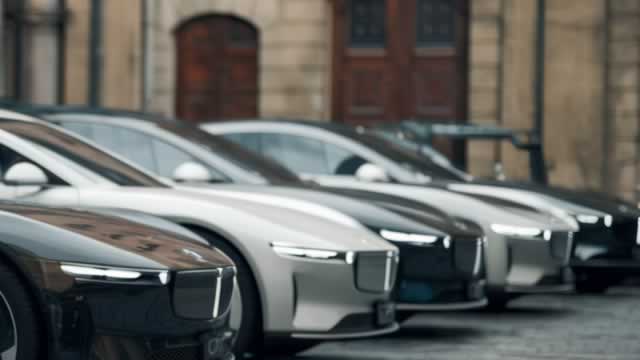
Core Insights - Uber is set to launch a self-driving partnership with Nuro and Lucid Motors, showcasing the Lucid Gravity SUV robotaxi at CES, with operations expected to begin in late 2026 in the San Francisco Bay Area before expanding to other cities [1][6]. Group 1: Vehicle Features - The Lucid Gravity robotaxi will feature a comprehensive sensor suite including cameras, lidar sensors, and radars for navigation [2]. - An interactive screen will allow riders to control temperature, music, and contact support, marking Uber's first design of the in-vehicle rider experience [4]. - The robotaxi can accommodate up to six passengers and offers generous luggage space, surpassing competitors like Waymo and Zoox, which only seat four [5]. Group 2: Partnership and Strategy - Uber, Lucid, and Nuro announced their partnership in July, with Uber managing ride-hailing operations, Lucid manufacturing vehicles, and Nuro providing self-driving technology [6]. - The ride-hailing industry is shifting from standalone self-driving ambitions to partnerships with AV companies, enhancing the appeal of self-driving options for riders [7]. - Uber aims to deploy at least 20,000 Lucid vehicles equipped with Nuro's technology over the next six years, starting with the San Francisco launch [8]. Group 3: Production and Future Plans - Production of the Lucid Gravity robotaxi is scheduled to begin later this year at Lucid's Arizona factory, pending final validation [9].


This is Uber's new robotaxi from Lucid and Nuro
TechCrunch· 2026-01-05 23:00
Core Insights - Uber, Lucid Motors, and Nuro have unveiled a production-intent robotaxi at the 2026 Consumer Electronics Show, which has been in development for over six months [1][2] - Uber has invested $300 million in Lucid and committed to purchasing 20,000 electric vehicles (EVs) from the company [2] - The robotaxi is currently being tested on public roads, with plans for a commercial service launch in the San Francisco Bay Area later this year [2] Vehicle Specifications - The robotaxi is based on the Lucid Gravity SUV and features high-resolution cameras, solid-state lidar sensors, and radars integrated into its design [3] - The autonomy package is powered by Nvidia's Drive AGX Thor computer, and the vehicle includes a "halo" with integrated LED lights for rider identification [3][4] - The integration of autonomous technology during the manufacturing process at Lucid's Arizona factory is expected to save time and costs compared to competitors like Waymo [4] User Interface and Experience - The latest version of the robotaxi includes a small screen on the halo for greeting riders and an interior ride interface [6] - The user interface is designed to be familiar to those who have used Waymo, featuring a rear passenger screen that displays an isometric view of the vehicle's surroundings [7] - The interface provides essential information such as estimated drop-off time, remaining ride time, climate controls, and music options [7][10] Production and Market Outlook - Uber's decision to base the robotaxi service on the Gravity model is seen as strategic due to its spacious interior [11] - Lucid Motors has recently doubled its 2024 production figures and achieved new sales records, indicating a recovery from previous software issues [12] - Final validation of the robotaxi is expected later this year, after which production versions will begin rolling off the assembly line [12]
Melius Downgrades Uber to Sell, Warns of Rising Autonomous Vehicle Competition
Financial Modeling Prep· 2026-01-05 21:00
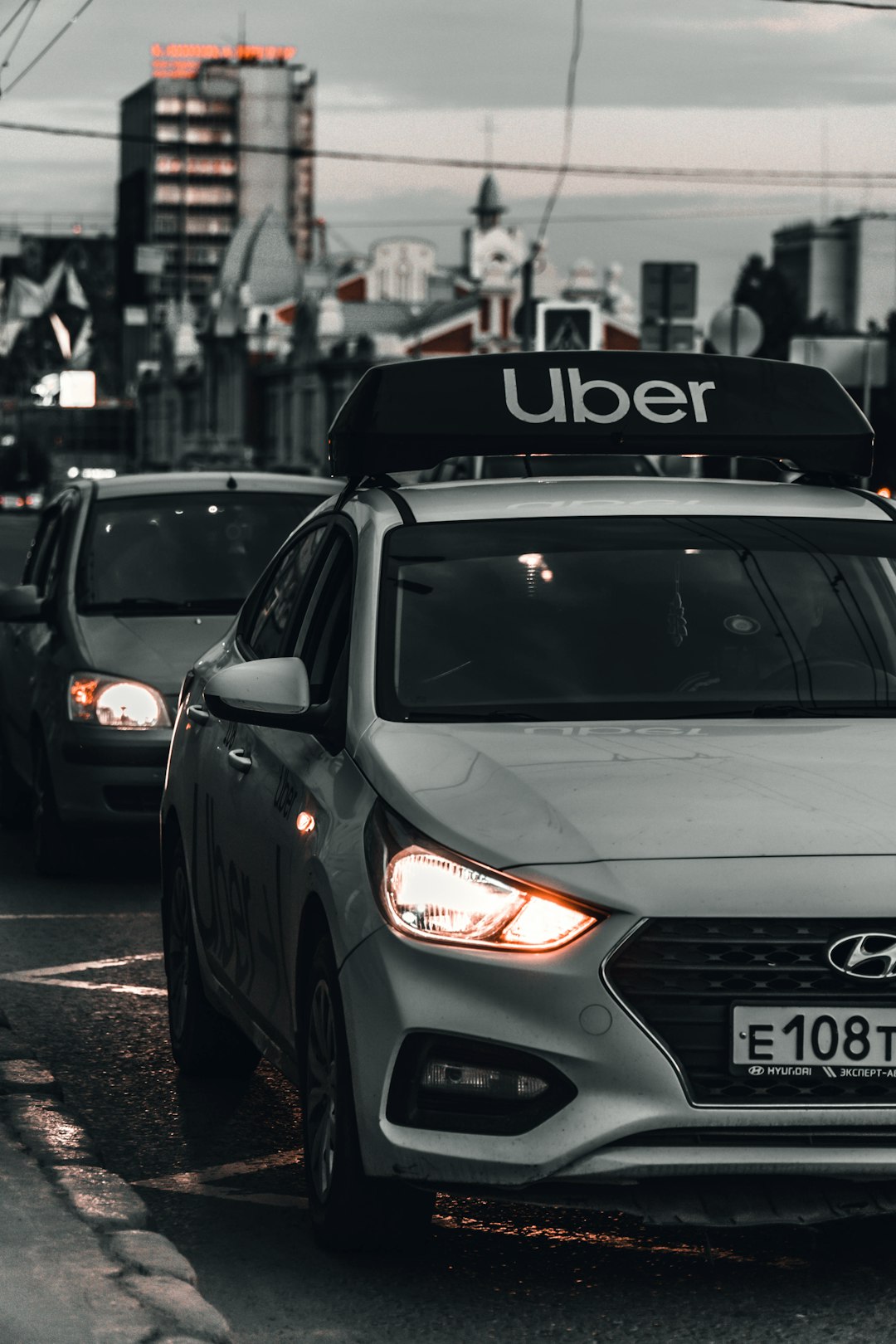
Core Viewpoint - Melius downgraded Uber Technologies from Hold to Sell with a price target of $73, leading to a more than 1% decline in shares on the day of the downgrade [1] Group 1: Company Position and Competition - Uber is recognized as the clear global leader in ride-sharing and delivery, but this leadership exposes the company to significant risks from increasing competition [2] - The analyst highlighted that competition from autonomous vehicles is expected to rise significantly starting in 2026, which could negatively impact returns for Uber, regardless of whether it partners with new entrants or competes against them directly [3] Group 2: Valuation and Growth Concerns - Although Uber's valuation appears inexpensive, it is suggested that this valuation assumes steady-state growth with minimal impact from competitive threats [3] - Melius warned that if growth slows or if competitors like Waymo or Tesla pursue further standalone expansion in the U.S. market, there could be downside risks not fully reflected in current valuations [4]
特斯拉首跨全美,Grok灵魂注入,马斯克“三位一体”帝国浮现
3 6 Ke· 2026-01-04 10:22
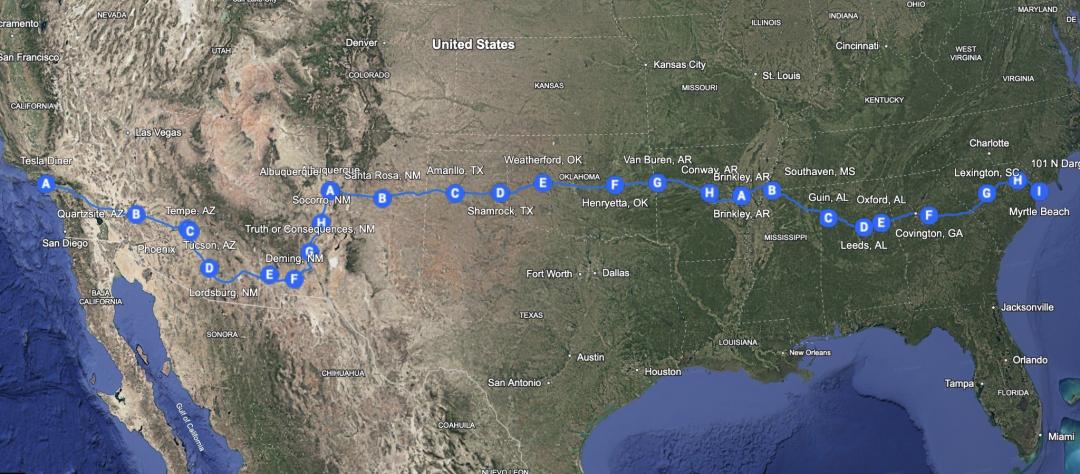
Core Insights - Tesla is revolutionizing the automotive industry with its Full Self-Driving (FSD) technology, marking a significant shift towards autonomous vehicles [1][8] - The successful completion of a 2,732.4-mile journey across the United States without human intervention demonstrates the capabilities of FSD and its underlying AI, Grok [3][5] - Grok is positioned as a transformative AI component that enhances the driving experience by integrating with Tesla's FSD, providing a more intuitive and interactive user experience [8][12] Group 1: FSD Achievements - Tesla's FSD v14.2.1.25 enabled a verified "0 takeover" journey, showcasing the technology's reliability and effectiveness [3] - The journey took 2 days and 20 hours, with no human intervention required, proving FSD's capability to perform complex driving tasks autonomously [5] - This achievement is seen as a validation of FSD passing the "physical Turing test," indicating a significant milestone in AI development [5] Group 2: Grok's Role - Grok is described as the "soul" of Tesla vehicles, providing advanced cognitive capabilities that complement FSD's physical driving functions [8][12] - The AI system Grok is set to be pre-installed in all new Tesla vehicles starting from July 2025, indicating a strategic move towards integrating AI deeply into the driving experience [14] - Grok enhances user interaction by allowing drivers to communicate preferences and receive personalized route suggestions, thus redefining the driving experience [19] Group 3: Competitive Advantage - Tesla's FSD technology is more cost-effective compared to competitors like Waymo, with hardware costs estimated at around $1,000 versus tens of thousands for traditional systems [37] - The FSD system's ability to operate without high-definition maps allows for rapid deployment across various regions, giving Tesla a significant edge in scalability [38] - The upcoming Cybercab model, expected to begin production in late 2025, aims to leverage FSD's capabilities for a new business model in autonomous ride-hailing [39][41] Group 4: Technological Infrastructure - Tesla's Colossus AI training system is one of the most powerful globally, with a goal of reaching 1 million GPUs, which will enhance the training and efficiency of FSD and Grok [45][49] - The integration of xAI and Tesla's AI resources creates a robust ecosystem that traditional automakers struggle to replicate, particularly in terms of data processing and algorithm development [50] - The combination of Grok, FSD, and Optimus positions Tesla uniquely in the market, potentially reshaping how AI interacts with physical environments [25][36]

行业周报:昆仑芯启动港股IPO,关注MiniMax多模态机会-20260104
KAIYUAN SECURITIES· 2026-01-04 06:06
Investment Rating - The industry investment rating is "Positive" (maintained) [1] Core Insights - The report highlights the ongoing growth in domestic AI chip demand, with Kunlun Core initiating its Hong Kong IPO process, indicating a strong market potential for domestic AI solutions [5][15] - The upcoming listings of major AI model companies, such as MiniMax, are expected to attract significant investment interest, with MiniMax's projected fundraising between 3.83 to 4.19 billion HKD [21][24] - The report emphasizes the accelerating commercialization of Robotaxi services in China, driven by technological advancements, cost reductions, and supportive policies [7][42] Summary by Sections Internet - Kunlun Core has started its Hong Kong listing process, indicating a sustained growth in domestic computing power demand. The report recommends stocks such as Alibaba-W, Baidu Group-SW, and Pinduoduo, with Tencent Holdings identified as a beneficiary [5][14][67] - The Hang Seng Internet Technology Index rose by 4.3% during the week of December 29, 2025, to January 2, 2026, outperforming other indices [14][16] AI - Major AI model stocks, including MiniMax, are set to list soon, with MiniMax's share price range between 151-165 HKD and an expected market capitalization of 46.12 to 50.40 billion HKD. The company has shown significant revenue growth, achieving 53.44 million USD in revenue for the first three quarters of 2025, a 175% year-on-year increase [21][24][24] - MiniMax's diverse revenue model includes subscription services, virtual goods, and online marketing services, indicating a robust business strategy [30][24] Smart Driving - The report notes that the L3 level of autonomous driving in China has received trial approval, marking a significant step towards commercialization. The Robotaxi market is expected to grow rapidly due to technological maturity and policy support [7][42][44] - Various business models for Robotaxi are emerging, including partnerships between manufacturers, autonomous driving companies, and ride-hailing services, which are expected to accelerate commercialization [44][49] Weekly Data Update - The Hang Seng Index increased by 2.01% during the week, with significant gains in the media, automotive, and technology sectors [53][59]
特斯拉FSD首次横穿美国,Model3实现1万英里零干预,马斯克预言兑现了
机器之心· 2026-01-01 04:33
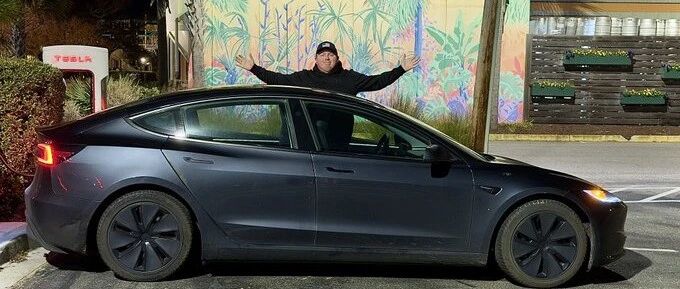
Core Viewpoint - The article highlights the achievement of David Moss, who completed the first fully autonomous coast-to-coast drive in the U.S. using Tesla's Full Self-Driving (FSD) technology, marking a significant milestone in the development of autonomous driving [1][18]. Group 1: Achievement Details - David Moss drove a 2025 Model 3 equipped with FSD V14.2, covering a distance of 2,732.4 miles (approximately 4,400 kilometers) from Los Angeles to Myrtle Beach in 2 days and 20 hours without any human intervention [7][8]. - The entire journey included all aspects such as parking and charging at Tesla Supercharger stations, which were also completed without human control [5][8]. - Moss emphasized that the drive was entirely reliant on FSD, and the data can be verified through the Whole Mars FSD database [8][10]. Group 2: Technological Advancements - FSD V14.2 represents a significant update in Tesla's autonomous driving software, showing improvements in driving performance, perception capabilities, and decision-making logic compared to the previous version [22]. - The update has been noted for its more human-like driving behavior, with better handling of complex intersections and overall driving rhythm [22][23]. - Despite being classified as an L2 system requiring driver supervision, the real-world performance of FSD V14.2 has shown substantial enhancements [23]. Group 3: Industry Implications - The achievement is seen as a pivotal moment for autonomous driving, moving from assisted driving to a fully autonomous system, as Tesla continues to push the boundaries of self-driving technology [34][35]. - The article contrasts Tesla's approach with that of Waymo, highlighting the differences in their technological frameworks and the potential long-term advantages of Tesla's end-to-end neural network model [29][30]. - Observers suggest that the modular architecture of Waymo may face challenges in scalability and reliability, positioning Tesla FSD as a likely long-term winner in the autonomous driving space [30].
何小鹏:2026年,自动驾驶将从L2跳跃至L4
Guan Cha Zhe Wang· 2025-12-31 10:33
Core Viewpoint - The CEO of XPeng Motors, He Xiaopeng, believes that fully autonomous vehicles will become as ubiquitous as the iPhone within the next three years, rendering previous smart devices obsolete [1][3]. Group 1: Autonomous Driving Levels - He Xiaopeng stated that by 2026, next-generation fully autonomous driving will emerge in China and the U.S., skipping the L3 stage and moving directly from L2 to L4 [2][5]. - The current advancements in Tesla's Full Self-Driving (FSD) version 14.2 indicate that L4 autonomous driving is "within reach" [3]. - The distinction between L2 and fully autonomous driving is based on four key differences: capability, scenarios, safety, and efficiency [3]. Group 2: XPeng's Technological Progress - XPeng's VLA (Vehicle Learning Architecture) is undergoing rapid self-evolution, with advancements perceived to be occurring at an accelerated pace [4]. - The upcoming release of XPeng's VLA 2.0 is anticipated to enhance its autonomous driving capabilities [4]. - XPeng aims to compete with Tesla's full version of the system in the European market by the end of 2026 [5]. Group 3: Industry Perspectives - Companies like Tesla, XPeng, and Horizon believe that AI large model technology can directly facilitate the transition from L2 to L4 autonomous driving [5]. - Other companies prefer a gradual approach, using L3 as a transitional stage before reaching L4 [6].