DeepMind

Search documents
诺贝尔奖得主给你支招:AI时代年轻人该学什么 ?
老徐抓AI趋势· 2025-06-26 19:01
Core Viewpoint - The article emphasizes the importance of foundational skills such as programming, mathematics, and physics for young people in the AI era, arguing that understanding these subjects is crucial for effectively utilizing AI tools and adapting to future job markets [16][25]. Group 1: Demis Hassabis and His Contributions - Demis Hassabis is a renowned AI scientist and entrepreneur, known for his early achievements in chess and his academic excellence, having graduated from Cambridge University at the age of 20 [4][7]. - He founded DeepMind in 2010 with the goal of using AI to solve complex scientific problems, leading to significant milestones such as the defeat of Go champion Lee Sedol by AlphaGo in 2016 [10][11]. - AlphaFold, developed by DeepMind, revolutionized protein structure prediction, reducing research time from years to minutes and contributing to the understanding of 2 billion proteins, earning Hassabis a Nobel Prize in Chemistry in 2024 [13]. Group 2: Recommendations for Young People - Young individuals are encouraged to focus on foundational subjects like programming, mathematics, and physics to fully grasp AI principles and develop a personalized AI capability [16][25]. - The article suggests that the ability to effectively utilize AI tools depends on a deep understanding of their underlying principles, similar to how a manager's effectiveness relies on their ability to leverage team members' strengths [17][18]. Group 3: AI in Education - The article introduces an AI-based college application tool called "Sweet Volunteer," which uses a data-driven approach to assist students in selecting their majors and universities based on their preferences and past admission data [19]. - This tool features a "reach, safe, and steady" strategy model, intelligent search capabilities, and personalized AI Q&A to provide tailored recommendations for students [19]. Group 4: Future Outlook - The article concludes that while the future holds uncertainties, the AI era presents numerous opportunities, and individuals must actively engage with AI to avoid being left behind [23][25].

获得诺奖后,DeepMind推出DNA模型——AlphaGenome,全面理解人类基因组,尤其是非编码基因
生物世界· 2025-06-26 08:06
Core Viewpoint - The article discusses the introduction of AlphaGenome, a new AI tool by DeepMind that predicts the effects of single nucleotide mutations in human DNA sequences, enhancing the understanding of gene regulation and disease biology [2][3]. Group 1: AlphaGenome Overview - AlphaGenome is a DNA sequence model that can process up to 1 million base pairs and predict various molecular characteristics related to gene regulation [2][9]. - The model builds on previous DeepMind models like Enformer and complements AlphaMissense, focusing on the 98% of the genome that is non-coding and crucial for gene regulation [10][12]. Group 2: Unique Features of AlphaGenome - AlphaGenome offers high-resolution predictions in the context of long DNA sequences, allowing for detailed biological insights without compromising on sequence length or resolution [12]. - It provides comprehensive multi-modal predictions, enabling scientists to gain a deeper understanding of complex gene regulation processes [13]. - The model can efficiently score mutations, assessing their impact on various molecular characteristics in just one second [14]. - AlphaGenome can directly model splicing sites, which is significant for understanding rare genetic diseases [15]. - It achieves state-of-the-art performance across various genomic prediction benchmarks, outperforming or matching existing models in multiple evaluations [16][18]. Group 3: Applications and Research Directions - AlphaGenome can aid in disease understanding by accurately predicting the effects of gene disruptions, potentially identifying new therapeutic targets [23]. - Its predictions can guide the design of synthetic DNA with specific regulatory functions [24]. - The model accelerates basic research by helping to map key functional elements of the genome [25]. - DeepMind researchers have utilized AlphaGenome to explore mechanisms related to cancer mutations, demonstrating its capability to link non-coding mutations to disease genes [26][27]. Group 4: Limitations and Future Directions - Despite its advancements, AlphaGenome faces challenges in capturing the effects of regulatory elements that are far apart in the genome [32]. - The model has not been specifically designed or validated for individual genome predictions, limiting its application in complex traits or diseases influenced by broader biological processes [32]. - DeepMind is continuously improving the model and collecting feedback to address these limitations [32]. - Currently, the API is open for non-commercial use, focusing on scientific research rather than direct clinical applications [32].

刚刚,OpenAI苏黎世办公室被Meta一锅端,三名ViT作者被挖走
机器之心· 2025-06-26 04:35
Core Viewpoint - Meta has aggressively recruited top AI researchers from OpenAI, indicating a strategic move to regain its competitive edge in the AI sector [3][6][9]. Group 1: Recruitment and Strategy - Meta CEO Mark Zuckerberg has successfully poached three researchers, Lucas Beyer, Alexander Kolesnikov, and Xiaohua Zhai, from OpenAI's Zurich office [4][5]. - The recruitment is part of a broader strategy by Zuckerberg, who is personally reaching out to hundreds of top talents in the AI field, offering lucrative compensation packages, including offers worth up to $100 million [6][7]. - Meta's recent investment of $14 billion in AI startup Scale and the hiring of its CEO, Alexandr Wang, to lead a new superintelligence team further emphasizes its commitment to AI development [7]. Group 2: Responses from OpenAI - OpenAI CEO Sam Altman has downplayed concerns regarding the talent exodus, suggesting that the best talents are not leaving for Meta [9]. - In response to the recruitment efforts by Meta, OpenAI is also increasing funding and development opportunities for its researchers to retain talent [9]. Group 3: Background of Key Researchers - Xiaohua Zhai has a strong academic background, holding a PhD in Computer Science from Peking University and has been a significant contributor to multimodal research at Google DeepMind before joining OpenAI [12][14][15]. - Lucas Beyer, who has also been influential in AI research, completed his studies at RWTH Aachen University and has worked at Google Brain and DeepMind [18][20]. - Alexander Kolesnikov, with a PhD in machine learning and computer vision, has a notable research history at Google Brain and DeepMind before joining OpenAI [24][26].


X @Demis Hassabis
Demis Hassabis· 2025-06-25 20:28
RT vittorio (@IterIntellectus)holy shit, it’s here!deepmind just released AlphaGenome.an AI model that reads 1 million bases of DNA and predicts how any mutation changes molecular functionnot just in single genes but across the entire regulatory genome.DNA is code, and you are software1/ https://t.co/f3zQAJUrdK ...
技术干货:VLA(视觉-语言-动作)模型详细解读(含主流玩家梳理)
Robot猎场备忘录· 2025-06-25 04:21
Core Viewpoint - The article focuses on the emerging Vision-Language-Action (VLA) model, which integrates visual perception, language understanding, and action generation, marking a significant advancement in robotics and embodied intelligence [1][2]. Summary by Sections VLA Model Overview - The VLA model combines visual language models (VLM) with end-to-end models, representing a new generation of multimodal machine learning models. Its core components include a visual encoder, a text encoder, and an action decoder [2]. - The VLA model enhances the capabilities of traditional VLMs by enabling human-like reasoning and global understanding, thus improving its interpretability and usability [2][3]. Advantages of VLA Model - The VLA model allows robots to weave language intent, visual perception, and physical actions into a continuous decision-making flow, significantly shortening the gap between instruction understanding and task execution. This enhances the robot's ability to understand and adapt to complex environments [3]. Challenges of VLA Model - The VLA model faces several challenges, including: - Architectural inheritance, where the overall structure is not redesigned but only output modules are added or replaced [4]. - Action tokenization, which involves representing robot actions in a language format [4]. - End-to-end learning, integrating perception, reasoning, and control [4]. - Generalization issues, as pre-trained VLMs may struggle with cross-task transfer [4]. Solutions and Innovations - To address these challenges, companies are proposing a dual-system architecture that separates the VLA model into VLM and action execution models, potentially leading to more effective implementations [5][6]. Data and Training Limitations - The VLA model's training requires large-scale, high-quality multimodal datasets, which are difficult and costly to obtain. The lack of commercial embodied hardware limits data collection, making it challenging to build a robust data cycle [7]. - Additionally, the VLA model struggles with long-term planning and state tracking, as the connection between the "brain" (VLM) and "small brain" (action model) relies heavily on direct language-to-action mapping, leading to issues in handling multi-step tasks [7].
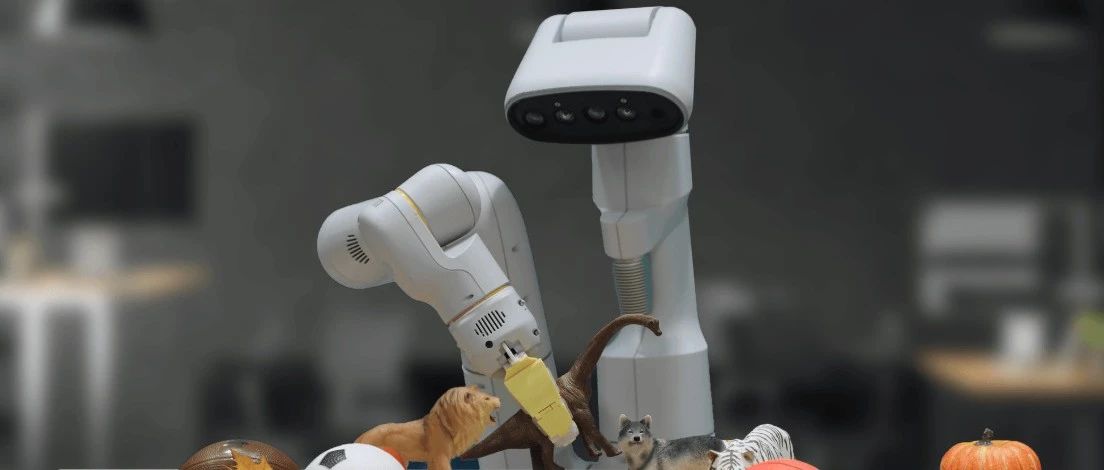
MuJoCo具身智能实战:从零基础到强化学习与Sim2Real
具身智能之心· 2025-06-24 14:29
Core Insights - The article discusses the unprecedented turning point in AI development, highlighting the rise of embodied intelligence, which allows machines to understand language, navigate complex environments, and make intelligent decisions [1][2]. Group 1: Embodied Intelligence - Embodied intelligence is defined as AI systems that not only possess a "brain" but also have a "body" capable of perceiving and interacting with the physical world [1]. - Major tech companies like Tesla, Boston Dynamics, OpenAI, and Google are competing in this transformative field, which is expected to revolutionize various industries including manufacturing, healthcare, and space exploration [1]. Group 2: Technical Challenges - Achieving true embodied intelligence faces significant technical challenges, requiring advanced algorithms and a deep understanding of physical simulation, robot control, and perception fusion [2][4]. - MuJoCo (Multi-Joint dynamics with Contact) is identified as a key technology in this domain, serving as a high-fidelity training environment for robot learning [4][8]. Group 3: MuJoCo's Role - MuJoCo allows researchers to create realistic virtual robots and environments, enabling millions of trials and learning experiences without the risk of damaging expensive hardware [6][4]. - The simulation speed can be hundreds of times faster than real-time, significantly accelerating the learning process [6]. - MuJoCo has become a standard tool in both academia and industry, with major companies utilizing it for robot research [8]. Group 4: Practical Training - A comprehensive MuJoCo development course has been designed, focusing on practical applications and theoretical foundations, covering topics from physical simulation to deep reinforcement learning [9][10]. - The course is structured into six modules, each with specific learning objectives and practical projects, ensuring a solid grasp of the technology stack [13][16]. Group 5: Project-Based Learning - The course includes six progressively challenging projects, such as building a robotic arm control system and implementing vision-guided grasping [19][21]. - Each project is designed to reinforce theoretical concepts through hands-on experience, ensuring participants understand both the "how" and "why" of the technology [29][33]. Group 6: Target Audience and Outcomes - The course is suitable for individuals with programming or algorithm backgrounds looking to enter the field of embodied robotics, as well as students and professionals interested in enhancing their practical skills [30][32]. - Upon completion, participants will have a complete technology stack in embodied intelligence, gaining advantages in technical, engineering, and innovation capabilities [32][33].
被 AI 大厂逼至绝望,这帮欧洲人发起了一场“科学复兴运动”
AI科技大本营· 2025-06-24 07:45
Core Viewpoint - The article discusses the emergence of LAION as a response to the increasing centralization and opacity in the field of artificial intelligence, emphasizing the need for open datasets and reproducibility in research [7][25]. Group 1: Emergence of LAION - LAION was founded to combat the trend of AI research being locked in "black boxes" controlled by a few tech giants, which hinders scientific reproducibility [2][7]. - The initiative began with Christoph Schuhmann's idea to create a dataset from Common Crawl, leading to the formation of a collaborative network of scientists and enthusiasts [3][4]. - The organization is defined by its commitment to being 100% non-profit and free, aiming to "liberate machine learning research" [3][4]. Group 2: Collaboration and Resources - The collaboration between LAION and top-tier computing resources allowed for the reproduction and even surpassing of models locked in proprietary systems [4][5]. - Key figures from various backgrounds, including academia and industry, joined LAION, contributing to its mission and enhancing its research capabilities [5][10]. - The organization has successfully released large-scale open datasets like LAION-400M and LAION-5B, which have been widely adopted in the community [16][17]. Group 3: Challenges and Achievements - The process of building reproducible datasets is complex and requires significant effort, including data collection and quality assurance [28][31]. - Despite initial expectations of mediocrity, models trained on LAION's open datasets performed comparably or better than proprietary models, demonstrating the potential of open research [17][29]. - The transparency of open datasets allows for the identification and rectification of issues, enhancing the overall quality of research outputs [30][31]. Group 4: The Future of AI Research - The article highlights the importance of open data and reproducibility in advancing AI research, suggesting that a collaborative approach can lead to significant breakthroughs [25][26]. - The ongoing exploration of reasoning models indicates a shift towards improving the robustness and reliability of AI systems, with a focus on expanding the dataset for training [41][43]. - The future of AI research may depend on the ability to create a more organized framework within the open-source community to harness collective talent and resources [45].

AI正重塑整个研发文明
Hu Xiu· 2025-06-24 06:17
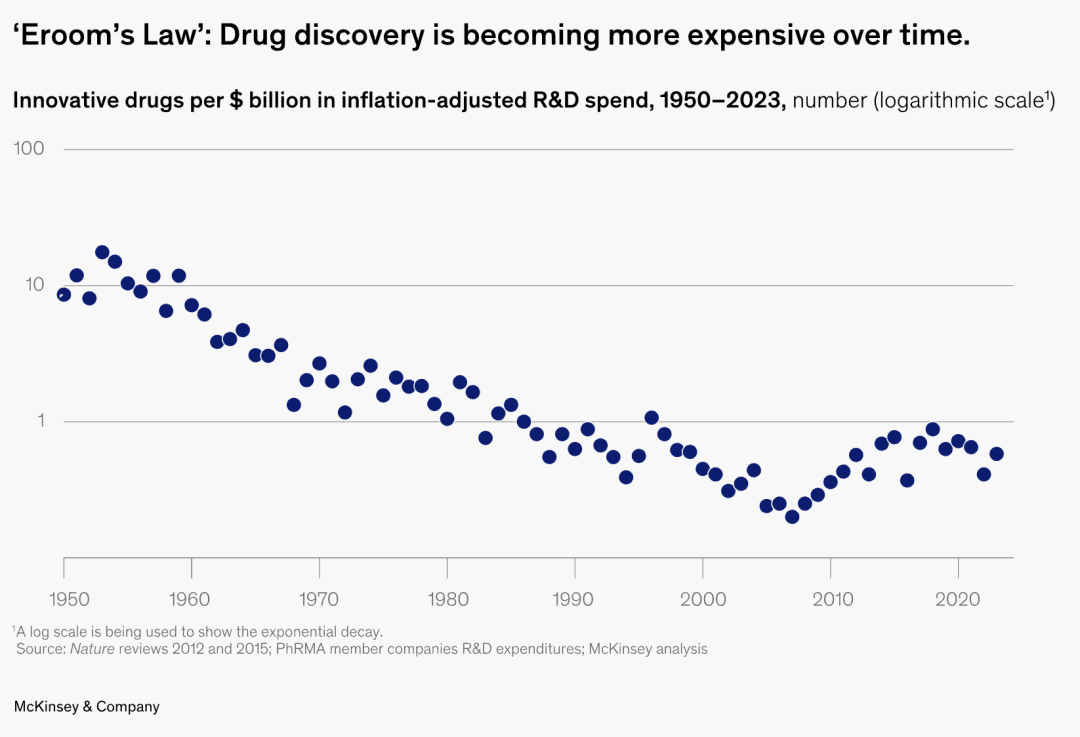
Core Insights - The article posits that while we are in an era of unprecedented technological prosperity, innovation is becoming increasingly difficult to achieve, with AI potentially serving as the key to overcoming this bottleneck [1][8]. Group 1: Innovation Challenges - The cost and difficulty of innovation have escalated globally, affecting various industries [3][5]. - R&D spending in the chip industry is projected to be 18 times higher than in the 1970s by 2024, while the pharmaceutical industry has seen an 80-fold decrease in the number of new drugs developed per $1 billion invested over decades [4][5]. - The overall productivity of R&D in U.S. companies has been declining since the 1950s, a trend observed globally [5][8]. Group 2: AI as a New Pathway - AI is positioned as a transformative force that can propose "questions humans would not think of" and "paths humans would not choose" in the innovation process [11][17]. - AI's ability to generate numerous design candidates and explore unconsidered paths is highlighted, with examples from various fields such as protein synthesis and retail space design [15][16]. Group 3: Revolutionizing Validation - The validation phase of R&D, often the most time-consuming, can be expedited through AI, which can simulate and predict outcomes much faster than traditional methods [19][24]. - AI models, known as surrogate models or digital twins, can replicate complex physical processes with minimal computational resources, significantly reducing the time and cost of validation [26][30]. Group 4: AI's Role in Knowledge Integration - AI is redefining the management of implicit knowledge within organizations, enabling the aggregation of insights from various sources, including social media and internal communications [40][41]. - The ability of AI to process vast amounts of data allows for the identification of trends and user needs that may not be immediately apparent to human researchers [42][44]. Group 5: Industry-Specific Applications - In software and gaming, AI is automating code generation and content creation, significantly reducing development time [54][55]. - In life sciences, AI is being utilized to identify molecular targets and predict protein structures, enhancing drug discovery processes [57][60]. - In materials science, AI accelerates the discovery of new materials by predicting properties without physical experiments [62][63]. - In aerospace and complex manufacturing, AI integrates multi-disciplinary engineering processes, improving design accuracy and efficiency [66][67]. - In consumer goods, AI analyzes consumer feedback to inform product development, reducing the risk of market failure [70][71]. Group 6: Future of Innovation - The article concludes that AI is not just a tool but a collaborative partner in the innovation process, transforming R&D into a co-creative ecosystem rather than a linear workflow [74][80]. - The potential for AI to reverse the decline in innovation rates could significantly impact economic growth and societal well-being in the future [81][82].
苹果Meta狂抓AI,抢人并购
Hu Xiu· 2025-06-23 23:27
Core Insights - Apple and Meta are intensifying their efforts in AI, realizing its potential to disrupt device experiences and advertising models [1][2] - Both companies face challenges in talent acquisition and strategic direction, risking marginalization in the AI landscape [3][12] Group 1: AI Competition and Acquisitions - Apple and Meta are competing against AI giants like Microsoft, Amazon, Google, and OpenAI, with significant valuations for potential acquisition targets such as Perplexity at $14 billion and Thinking Machines Lab at $10 billion [2][23] - Meta has acquired nearly half of Scale AI for $14.3 billion and is considering other acquisitions like SSI, valued at $32 billion, and several other AI companies with valuations ranging from $4.5 billion to $62 billion [2][21] Group 2: Strategic Challenges - Both companies are struggling with a lack of direction and talent, leading to confusion in strategic execution [3][12] - Apple has not delivered substantial AI innovations at its recent developer conference, raising concerns about its future in the AI ecosystem [6][13] Group 3: Market Position and Threats - Apple is losing its dominance in the smartphone market, with competitors like Huawei and Xiaomi advancing rapidly in AI capabilities [8][22] - Google is solidifying its position in AI search and video, posing a direct threat to Meta's advertising market, particularly in short videos [7][10] Group 4: Talent Acquisition Efforts - Zuckerberg is actively recruiting top talent in AI, emphasizing the importance of building a strong team to drive Meta's AI initiatives [15][18] - Apple is also seeking to enhance its AI capabilities by potentially acquiring or collaborating with companies like Mistral and Thinking Machines Lab [19][21] Group 5: Future Outlook - The competition for AI talent and technology is intensifying, with both Apple and Meta needing to adapt quickly to avoid being left behind [12][23] - The ongoing mergers and acquisitions in Silicon Valley signal a new wave of consolidation in the AI sector, with both companies needing to act decisively [23]

Will AI ever wake up? | Hussain Salih | TEDxKarbala Live
TEDx Talks· 2025-06-23 16:01
[موسيقى] تدرون انه الشيء اللي كنا نعتقد انه راح يدمرنا بيوم من الايام هو انقذ حياتنا كم شخص ماخذ لقاح كورونا ممكن ترفعون ايديكم الذكاء الاصطناعي هو اللي ساعدنا بايجاد لقاح كورونا لان بدونه كنا نحتاج الى تقريبا 15 سنه من المحاوله بايجاد العقاقير اقدم من شات جي بي تي لان عندي خبره بهالمجال اكثر من سبع سنوات بس مو اقدم من الذكاء الاصطناعي بس ليش؟ لان بدا باربعينيات القرن الماضي عباره عن مجموعه من الخوارزميات لحل المشاكل وانعقد اول مؤتمر بحثي للذكاء الاصطناعيه بعدها بدا يتطور الى ان انتقل الى عصر ثاني اللي هو ع ...