Babycare

Search documents
Babycare进驻日本8000+门店,中国母婴品牌破局海外高端市场
Bei Jing Shang Bao· 2025-06-17 12:11
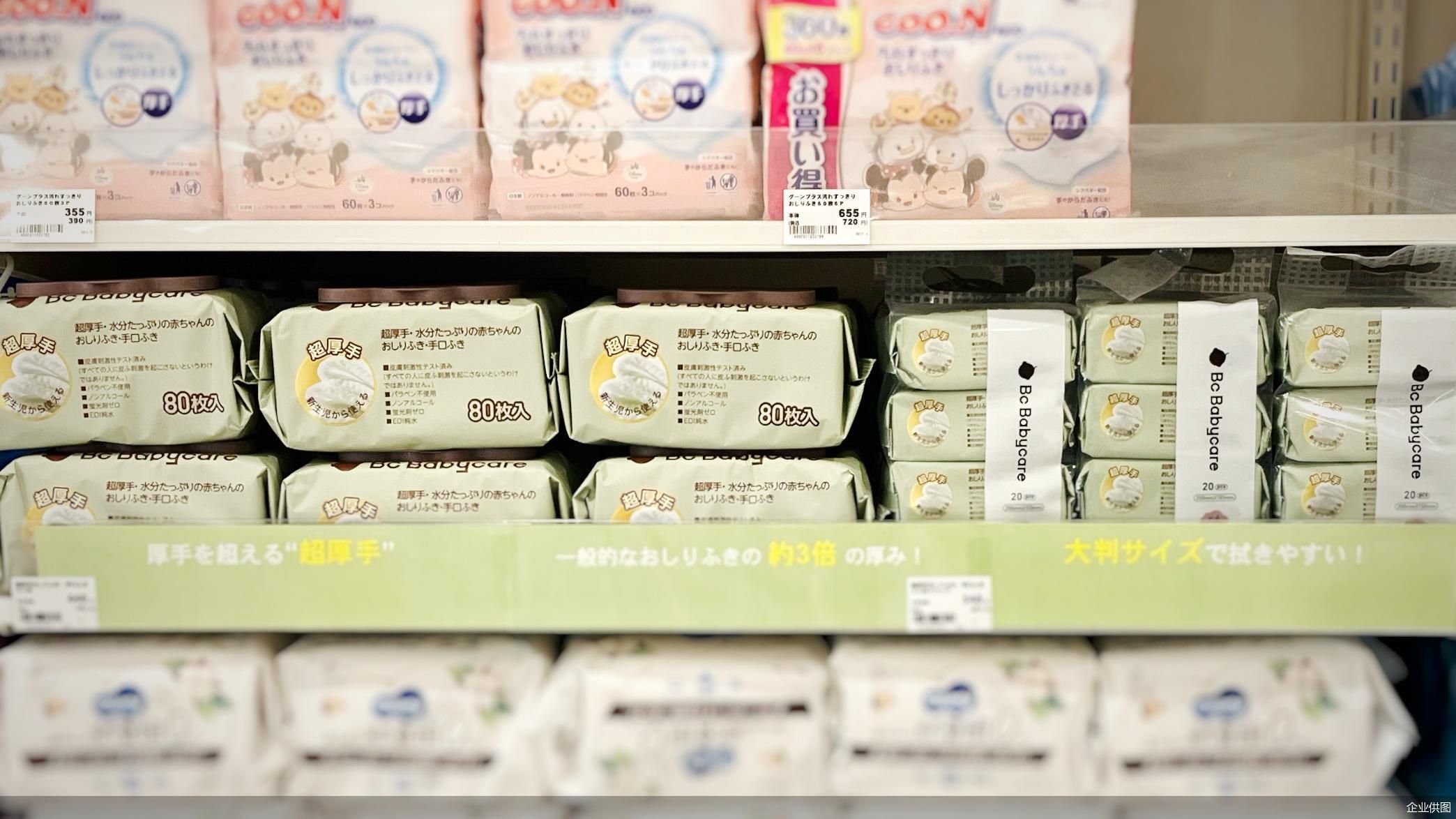
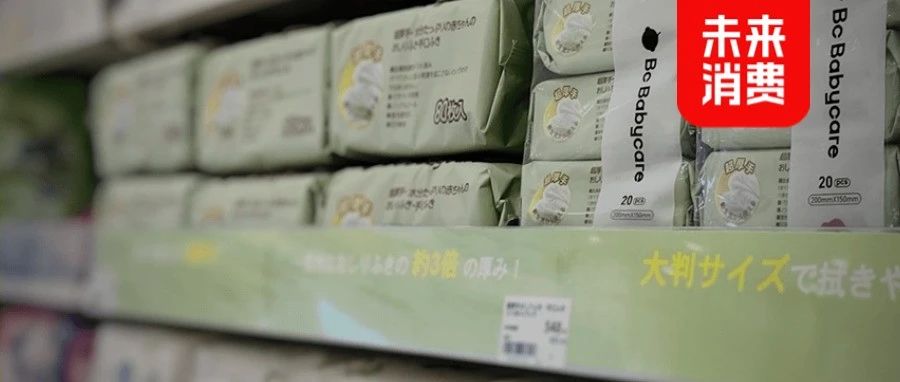
Core Insights - Babycare has successfully entered the Japanese offline market with its flagship product, the "Purple Lid Wipes," now available in over 8,000 stores, including being the first Chinese maternal and infant brand in 7-Eleven [1][4][12] - The brand achieved a 50% repurchase rate among users on the Rakuten e-commerce platform in Japan, indicating strong consumer acceptance [1] Market Entry Strategy - Babycare began its foray into the Japanese market through cross-border e-commerce in 2022, focusing on offline retail, which dominates the Japanese market with 90.62% of sales [4][12] - The company conducted extensive local market research over two years, engaging with over 1,500 Japanese consumers to understand their preferences and usage habits [5][6] Product Differentiation - The "Purple Lid Wipes" feature superior product specifications, such as double the thickness of competing products and a significantly higher liquid content, which have contributed to their success [4][6] - Babycare's commitment to quality is reflected in its use of 100% biodegradable plant fibers and a rigorous production process that exceeds Japanese standards [6][7] Brand Positioning - Babycare aims to establish itself as a premium brand by focusing on product innovation and differentiation, rather than competing on price, which is a common strategy among many brands entering Southeast Asian markets [12][13] - The company emphasizes the importance of understanding local consumer habits and preferences, tailoring its offerings to meet the high standards of Japanese consumers [13][14] Future Expansion - Beyond Japan, Babycare is also expanding into the Middle East, having opened four stores in Dubai, showcasing its strategy of brand expansion rather than merely manufacturing [13][14] - The company plans to continue introducing innovative products across various categories, maintaining a focus on quality and consumer value [7][12]

出海速递 | 京东物流将在沙特采取自营模式/中国电池卖到欧洲,结果被日韩企业盯上了?
3 6 Ke· 2025-06-16 10:58
Group 1 - The smart lawn mower market is entering a competitive phase, requiring companies to have strong funding, technology, and team capabilities [2] - Chinese battery manufacturers are facing increased competition from Japanese and Korean companies as they expand into Europe [3] - Babycare's CEO emphasizes the importance of determination and patience in international expansion, despite the potential for success in the Chinese market [4] Group 2 - Nvidia's CEO Huang Renxun commented on Ren Zhengfei's remarks, highlighting that while Nvidia's technology is advanced, China's energy resources allow for effective use of more chips [5] - JD Logistics plans to adopt a self-operated model in Saudi Arabia, marking its first self-operated logistics network overseas [5] - Transsion Holdings has established a mobility division to explore the electric two-wheeler market in Africa and other developing countries [6][7] Group 3 - WeRide has signed a partnership with Uber and Dubai's RTA to deploy commercial Robotaxi services in Dubai, with plans for fully autonomous operations by Q1 2026 [7] - Pop Mart has temporarily suspended offline sales of LABUBU plush toys in South Korea due to safety concerns [7] - Ant Group's international arm released its first sustainability report, covering services that connect over 100 million merchants globally [8] Group 4 - Hong Kong Stock Exchange's CEO stated that simultaneous listings of Greater Bay Area companies in Hong Kong and Shenzhen will not dilute market liquidity [9] - Thailand's Commerce Minister expressed confidence in negotiating a reduction of US tariffs to 10% [9]

进驻日本8000+线下店,Babycare李阔却说不要「激情出海」|厚雪专访
36氪· 2025-06-13 10:08
Core Viewpoint - The article discusses the evolution and strategic approach of Babycare, a Chinese brand in the baby care industry, as it expands into international markets, particularly Japan, while emphasizing the importance of understanding local cultures and market dynamics [3][4][6]. Group 1: Market Position and Strategy - Babycare has achieved a top 3 market share in the diaper industry and is the leading brand in baby wipes in China, despite the exit of many Japanese brands from the market [3][4]. - The company has strategically entered the Japanese market, with its wet wipes now available in over 8,000 retail locations, including major chains [5][9]. - Babycare's founder, Li Kuo, believes that understanding local customs and business rhythms is crucial for success in international markets [5][6]. Group 2: Growth and Organizational Development - Since 2021, Babycare has completed its initial full-category expansion strategy and is now in a phase of steady growth, transitioning from rapid scaling to a more sustainable growth model [7][56]. - The company is focusing on enhancing its organizational capabilities, allowing for more decentralized decision-making and empowering local teams [60][41]. - Li Kuo emphasizes the importance of maintaining a balance between ambition and patience, particularly in overseas markets [6][20]. Group 3: Consumer Insights and Product Development - Babycare's strategy includes a focus on understanding consumer behavior and preferences, with a notable emphasis on product quality over price [19][30]. - The company is exploring new product lines, such as a sanitary napkin brand aimed at younger consumers, indicating a shift towards broader consumer demographics [48][49]. - Insights from user feedback reveal that many consumers continue to purchase products like wet wipes even after their children no longer need them, indicating a potential for market expansion beyond the initial target demographic [53][54]. Group 4: Challenges and Market Dynamics - The Japanese market presents unique challenges due to its established competition and consumer expectations, requiring Babycare to adapt its approach [16][18]. - Li Kuo notes that many foreign brands have failed in China due to a lack of local market understanding, which serves as a cautionary tale for Babycare's international strategy [18][19]. - The company recognizes the need to respect local business practices and consumer behaviors, which may differ significantly from the fast-paced Chinese market [12][20].
进驻日本8000+线下店,Babycare李阔却说不要“激情出海”|厚雪专访
36氪未来消费· 2025-06-13 09:41
Core Viewpoint - Despite the current downturn in consumer investment, the outlook for emerging consumer brands remains positive, as brand establishment is a long-term process that leads to stable growth once achieved [2]. Group 1: Company Development - Babycare has successfully established itself in the Chinese market, achieving a top 3 market share in diapers and leading in baby wipes after starting with a baby carrier [5]. - The company has expanded into Japan, entering over 8,000 retail locations, including major chains, indicating a strategic approach to international growth [8][14]. - Babycare's founder emphasizes the importance of understanding local cultures and market rhythms when expanding internationally, highlighting a shift from aggressive growth to a more measured approach [9][13]. Group 2: Market Strategy - The company has adopted a full-category strategy, completing its initial expansion phase and entering a new stage of growth focused on international markets and organizational strength [9][44]. - Babycare's products have been well-received in Japan, with local consumers showing a preference for their offerings, which are perceived as innovative compared to existing products [18][32]. - The founder notes that many foreign brands have failed in China due to a lack of local market adaptation, suggesting that Babycare's success will depend on respecting local market dynamics [17]. Group 3: Future Outlook - Babycare is focusing on expanding its customer base and enhancing customer lifetime value, with a significant increase in black card membership users contributing to sales growth [42]. - The company is exploring new product lines, such as a sanitary napkin brand aimed at younger consumers, indicating a strategy to diversify its offerings beyond traditional baby products [46][49]. - The founder expresses a long-term vision for the company, aiming for sustainability and growth over the next century, reflecting a commitment to enduring brand legacy [70].
进驻日本8000+线下店,Babycare李阔却说不要“激情出海”|厚雪专访
36氪未来消费· 2025-06-13 09:41
Core Viewpoint - Despite the current downturn in consumer investment, there is still optimism for emerging consumer brands, as brand establishment takes time but leads to long-term stability and growth [2]. Group 1: Company Development - Babycare, a brand born from the new consumption wave, has successfully captured a significant market share in the diaper industry, ranking in the top three, and holds the leading position in baby wipes [4][5]. - The company has strategically entered the Japanese market, with its products now available in over 8,000 retail locations, indicating a successful expansion into a competitive landscape [6][11]. - Babycare's founder emphasizes the importance of understanding local cultures and market rhythms when expanding internationally, highlighting the need for patience and strategic decision-making [6][13][19]. Group 2: Market Strategy - The company has adopted a full-category strategy, which has proven effective in its growth phase, transitioning from rapid expansion to a more stable growth trajectory [7][40]. - Babycare's approach to entering the Japanese market involves leveraging local partnerships rather than establishing its own channels, which is seen as a more efficient method in a highly developed retail environment [33][36]. - The brand's focus on product quality and innovation has resonated well with Japanese consumers, leading to positive feedback and acceptance in the market [18][26]. Group 3: Future Outlook - Babycare is exploring new product lines, such as a sanitary napkin brand aimed at younger consumers, indicating a potential second growth curve beyond its core baby products [44][46]. - The company recognizes the importance of customer loyalty and lifetime value, with a significant increase in its black card membership user base, which is crucial for future growth [40]. - The founder expresses a long-term vision for the company, aiming for sustainability and relevance over the next century, reflecting a commitment to enduring brand legacy [68].
国内首个无痛分娩公益项目已落地11省、资助2150人
news flash· 2025-06-06 07:21
《2022世界镇痛日调研报告》指出,我国36%的人对无痛分娩了解甚少,21%的受访者认为其会影响胎 儿健康发育,还有21%的受访者认为打无痛会给孕妇留下后遗症。母婴品牌Babycare长期致力于无痛分 娩的普及。2022年,Babycare联合浙江省妇女儿童基金会成立"Babycare白贝壳关爱专项基金",据了 解,这是国内首个无痛分娩基金。截至2025年4月28日,Babycare白贝壳关爱专项基金已在全国11省落 地,资助超2150名产妇使用无痛分娩,并开展科普与倡导活动。(36氪) ...
歌声温暖产房,一场关于无痛分娩的公益接力
Zhong Guo Xin Wen Wang· 2025-05-30 01:37
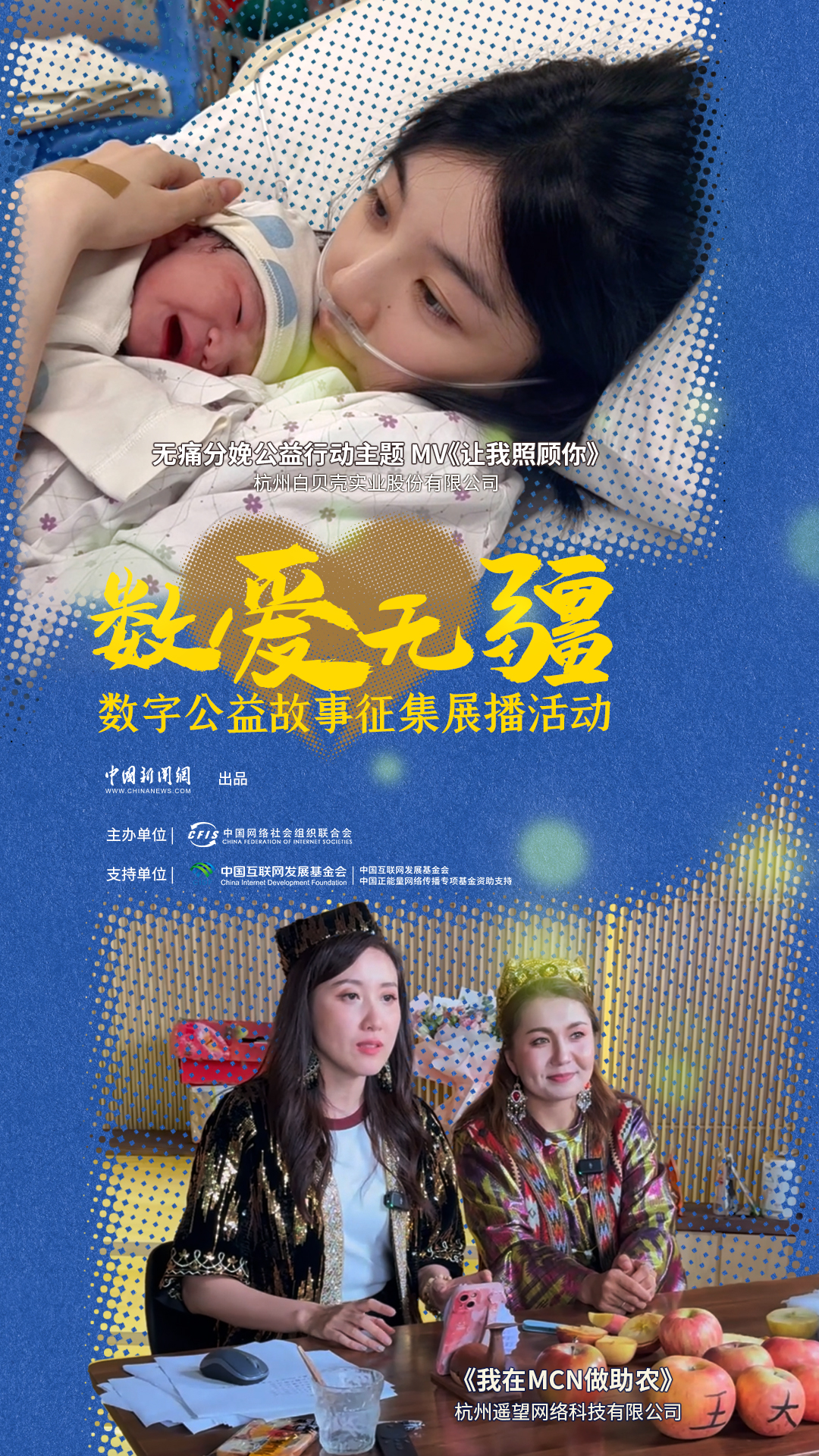
Group 1 - The article highlights the emotional and physical challenges faced by mothers during childbirth, emphasizing the need for pain relief options [4] - Modern medicine has made significant advancements in childbirth pain relief, with an increase in awareness and coverage of pain relief techniques in hospitals across China [4] - The establishment of the first domestic painless childbirth special fund by Babycare and the Zhejiang Women and Children Foundation has benefited 2,150 families, with donations exceeding 2.15 million yuan [4] Group 2 - The theme music for the public welfare action on painless childbirth is a song by the band Mayday, which resonates with many young mothers during labor [4][5] - The "Digital Public Welfare Story Collection and Broadcasting Activity" aims to showcase impactful digital public welfare stories, with the theme MV included among the selected stories [5] - The initiative emphasizes that motherhood should not be defined by pain, advocating for every mother to be seen, heard, and supported [5]
8家消费公司拿到新钱;52TOYS递表港交所;小罐茶也要做无糖即饮茶|创投大视野
36氪未来消费· 2025-05-24 13:25
Group 1 - IMCOCO, a Thai company specializing in coconut water, has completed a Pre-A round financing of over 100 million yuan, led by Insignia Ventures Partners and Tian Tu Capital [3] - Veminsyn, a Chinese biotech startup, has entered a strategic partnership with L'Oréal for minority equity investment to co-develop innovative bioactive ingredients for cosmetics [4][5] - Kagu E-commerce, a cross-border furniture e-commerce company, has raised 650 million yen (approximately 30 million yuan) in Series A financing, led by X&KSK Fund and金沙江创投 [6] Group 2 - Airwallex, a global cross-border payment platform, has completed a Series F financing of 300 million USD, with participation from various venture capital firms and Visa Ventures [7] - Tea Star, a provider of intelligent solutions for the tea industry, has completed nearly 50 million yuan in angel round financing and plans to accelerate industrialization [8] - YX Technology, an internet companion service platform, has successfully completed 10 million yuan in angel round financing, covering over 30 cities in China [9] Group 3 - 52TOYS has submitted its prospectus for a Hong Kong IPO, aiming to capitalize on the growing demand for emotional value consumption, with revenue projected to grow from 460 million yuan in 2022 to 630 million yuan in 2024 [13] - Xiaoguan Tea has launched a new line of sugar-free ready-to-drink teas, with significant growth in retail store numbers, reaching 2,105 stores [14][15] - Jasmine Milk White has opened 100 new stores nationwide, achieving over 10 million yuan in sales within three days of opening [16] Group 4 - Babycare has partnered with Kaiyuan Senbo to launch themed family rooms, equipped with various mother and baby products, enhancing the family vacation experience [17] - Orange Bud has upgraded its star product, the third-generation essence lip powder cream, achieving significant sales milestones since its launch [18][19] - Leifen has entered the electric shaver market, launching two new products with advanced linear motor technology [20] Group 5 - The top 100 convenience store companies in China have increased their total number of stores by 14,000, reaching 196,000 stores, reflecting a 7.7% growth [21] - In Beijing, the average rent for prime shopping centers has decreased to 767.8 yuan per square meter, indicating a market adjustment [22][23]

央视网镜头下的Babycare纸尿裤生产线:一片“安心”的诞生故事
2 1 Shi Ji Jing Ji Bao Dao· 2025-05-21 01:22
Core Insights - Babycare emphasizes the importance of quality in its diaper products, implementing rigorous standards and testing processes to ensure safety and reliability for consumers [1][4][8] Group 1: Quality Control and Standards - Babycare employs a comprehensive quality management system that includes a "four audits and eight checks" mechanism, covering 346 criteria related to supplier qualifications, quality records, and safety [4][6] - The company has established a clean production environment with a 100,000-level purification standard, comparable to pharmaceutical-grade facilities [4][5] - Babycare conducts over 700 safety tests on finished products and collaborates with third-party laboratories for additional verification [5][6] Group 2: Material Selection and Innovation - The company collaborates with nearly 20 global raw material giants, focusing on high-standard production and innovative material development tailored for Chinese infants [3][4] - Babycare utilizes advanced SAP superabsorbent polymer materials for superior moisture retention and low rewetting rates, ensuring comfort for babies [2][3] - The brand also partners with leading companies like Lycra to enhance the elasticity and comfort of its diapers [2] Group 3: Consumer Engagement and Feedback - Babycare has implemented a VOC (Voice of Customers) system to collect user feedback daily, which informs product improvements and design iterations [6][7] - The company actively involves real users in the product development process, ensuring that innovations are based on actual needs and experiences [7][8] Group 4: Industry Leadership and Standards - Babycare is recognized as a leader in redefining industry standards, having participated in the formulation of 26 national and industry standards and holding over 1,100 patents [8] - The company aims to elevate the quality baseline of the entire maternal and infant industry through its innovative products and practices [8]
行业观察:“消费分化”趋势露头,纸品&卫生巾市场如何洗牌?
Jin Tou Wang· 2025-05-19 09:21
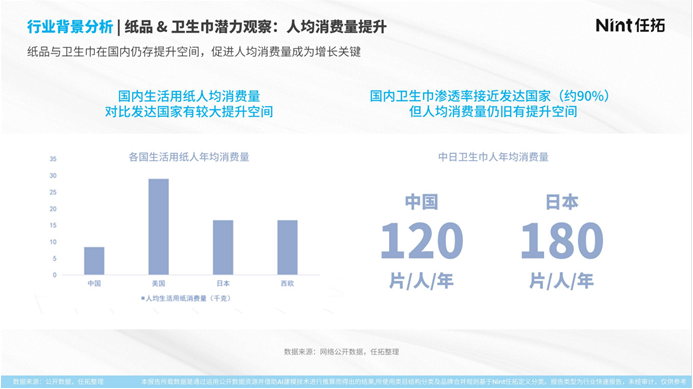
Industry Overview - The paper and sanitary napkin industry in China is experiencing rapid growth, with a market size of 157.1 billion yuan and a consumption volume of 11.85 million tons in 2022, reflecting a compound annual growth rate (CAGR) of 8.1% and 7.0% respectively from 2015 to 2022 [1] - The sanitary napkin market reached a size of 99.1 billion yuan in 2022, with a CAGR of 5.9% from 2012 to 2022 [1] Consumption Potential - China's per capita consumption of paper products is significantly lower than that of developed countries, with the U.S. at approximately 30 kg and Japan at around 15 kg, while China is below 10 kg, indicating at least 50% growth potential in the market [2] - The sanitary napkin market also shows considerable room for growth in per capita consumption [2] E-commerce Growth - E-commerce channels are identified as the main growth driver for the industry, with projected CAGR for the paper/wet wipes and sanitary napkin sectors at 16% and 17% respectively from 2021 to 2024 [4] Market Trends and Consumer Insights - The paper products market is characterized by a significant trend towards scenario-based usage, with a projected sales volume exceeding 26 billion yuan in 2024 and an annual growth rate of 18% [4] - The wet wipes segment is leading in growth, with a 28% increase in sales in Q1 2025 compared to the previous year, driven by consumer expectations for product efficacy [7] - The sanitary napkin market is also showing strong performance, with a 38% increase in sales and a 24% increase in volume in Q1 2025 compared to the previous year [9] Product Development and Challenges - The sanitary napkin market is seeing a shift towards higher quality materials, with cotton material market share rising from 74.08% to 76.33%, while non-woven fabric has gained a 4.03% share [10] - The industry faces challenges related to value reconstruction, as consumer demands evolve towards more specialized and higher-quality products [10] Market Opportunities - The paper and sanitary napkin industries are perceived as having untapped potential, with increasing consumer demand for diverse products being a key driver for brand differentiation and growth [12] - Innovations such as specialized sanitary napkins for sports and pH-balanced options for sensitive skin are emerging in response to unmet consumer needs [12] - The introduction of new standards and safety regulations is creating opportunities for niche brands to enter the market and for existing brands to innovate [12]