罗氏

Search documents
英伟达进军制药领域,联手礼来以千亿算力打造AI药物研发工厂,制药行业步入AI军备竞赛
3 6 Ke· 2025-11-05 10:52
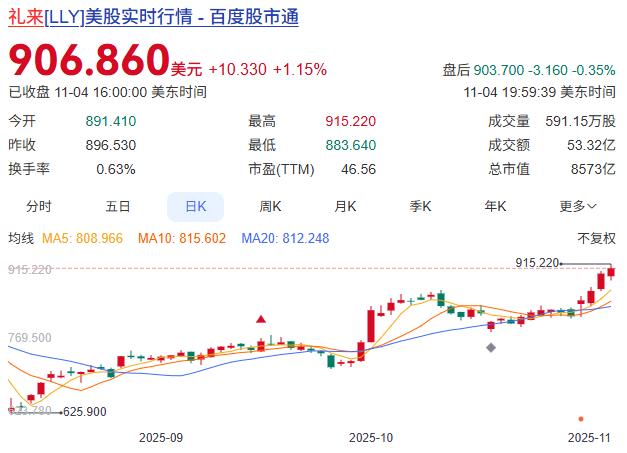
Core Insights - The collaboration between Nvidia and Eli Lilly aims to establish the world's first dedicated "AI super factory" for the pharmaceutical industry, leveraging advanced computing power to revolutionize drug development throughout its lifecycle [1][4][30] Group 1: Nvidia's Technological Advancements - Nvidia has announced the creation of the DGX SuperPOD supercomputer, built with 1000 B300 GPUs, which enhances computational density by three times compared to traditional supercomputers, significantly reducing model training time from weeks to hours [4] - This supercomputer will be operated by Eli Lilly, providing the necessary computational power for their AI factory to develop, train, and deploy AI models for drug discovery [4][30] Group 2: Eli Lilly's Financial Performance - Eli Lilly reported a third-quarter revenue of $17.6 billion for 2025, a 54% increase year-over-year, with a net profit of $5.58 billion, marking a staggering 475.34% growth [12] - The company’s total revenue for the first nine months of 2025 reached $45.89 billion, a 46% increase compared to the previous year, prompting an upward revision of its full-year revenue forecast to between $63 billion and $63.5 billion [1][12] Group 3: AI Integration in Drug Development - Eli Lilly's AI platform, TuneLab, which includes 18 AI models, will be deployed in the AI factory, enhancing drug discovery efficiency [5] - The AI factory is expected to reduce the early drug discovery cycle by 40% and lower preclinical development costs by 30%, while also enabling the design of novel molecular structures [20][30] Group 4: Industry Context and Competitive Landscape - The collaboration reflects a broader trend in the pharmaceutical industry, where companies are increasingly investing in AI, with many raising their AI R&D budget to over 20% of total R&D expenses [27] - The partnership signifies a shift from traditional drug development methods to a data-driven, intelligent assembly line approach, which may require substantial capital investment [30] Group 5: Long-term Strategic Considerations - Eli Lilly's focus on AI drug development is a strategic response to short-term growth pressures and long-term survival challenges, particularly in light of the impending patent cliff for its key products [13][14] - The company is racing against time to develop new blockbuster drugs before the expiration of key patents, which could significantly impact its revenue base [16][17]


靖因药业冲击IPO,聚焦小核酸创新药领域,尚未有产品获批
Ge Long Hui· 2025-11-05 09:24
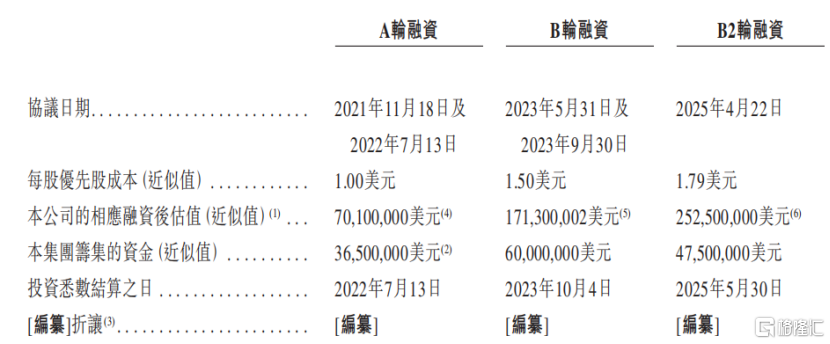
Group 1: Industry Overview - The small RNA drug sector has gained significant attention in recent years, with Alnylam (ALNY) seeing a stock price increase of over 60 times since its IPO, reaching a market capitalization of $55.9 billion [1] - Major pharmaceutical companies like Novartis and Roche are increasing their investments in this field [1] - Several domestic companies in China, including Yuyuan Pharmaceutical, Hengrui Medicine, and others, are also developing small RNA drugs [1] Group 2: Company Profile - Sirius Therapeutics - Sirius Therapeutics, founded in 2021, is a global clinical-stage biotechnology company focused on siRNA therapies for chronic diseases, with a dual headquarters in San Diego and Shanghai [3][8] - The company has completed three rounds of financing, raising approximately $144 million, with major investors including OrbiMed Entities and Creacion Ventures [3] - As of April 2025, the company's post-investment valuation is approximately $253 million [4] Group 3: Product Pipeline - The core product, SRSD107, is a siRNA drug targeting coagulation factor XI, currently in Phase II clinical trials in Europe, with plans for additional trials in China and Australia/New Zealand [16][19] - SRSD216, another key product, targets Lp(a) to lower its levels, addressing a significant unmet need in cardiovascular disease management [22][23] - SRSD384 is a candidate drug targeting obesity, currently advancing towards IND application [17] Group 4: Financial Performance - Sirius Therapeutics has not generated any revenue from product sales, with other income primarily from bank interest and investment returns [24] - The company reported losses of approximately 616 million yuan over two and a half years, mainly due to R&D expenditures [25] - As of June 2025, the company had cash and cash equivalents of 618 million yuan, estimated to sustain operations for 30 months [27] Group 5: Market Potential - The global siRNA therapy market is projected to reach $2.4 billion in 2024, with an expected growth to $50.3 billion by 2040, reflecting a compound annual growth rate of 20.9% [13] - Since the approval of the first siRNA drug, Onpattro, in 2018, significant clinical and commercial validation has been achieved, with seven siRNA products currently approved in major markets [12]
As US Rally Pauses, Global Stocks Enjoy Historic Outperformance
Yahoo Finance· 2025-11-05 09:19
South Korea’s Kospi Index has surged 55% in the past year, the best performance among major countries, reflecting its status as Asia’s most attractively valued AI proxy.Asian equities have outperformed thanks to the region’s position at the heart of the AI supply chain — home to major chipmakers, foundries, and semiconductor-equipment bellwethers such as Taiwan Semiconductor Manufacturing Co., Samsung Electronics Co., and Tokyo Electron Ltd.Hartnett, for one, now expects the pace of outperformance to slow a ...
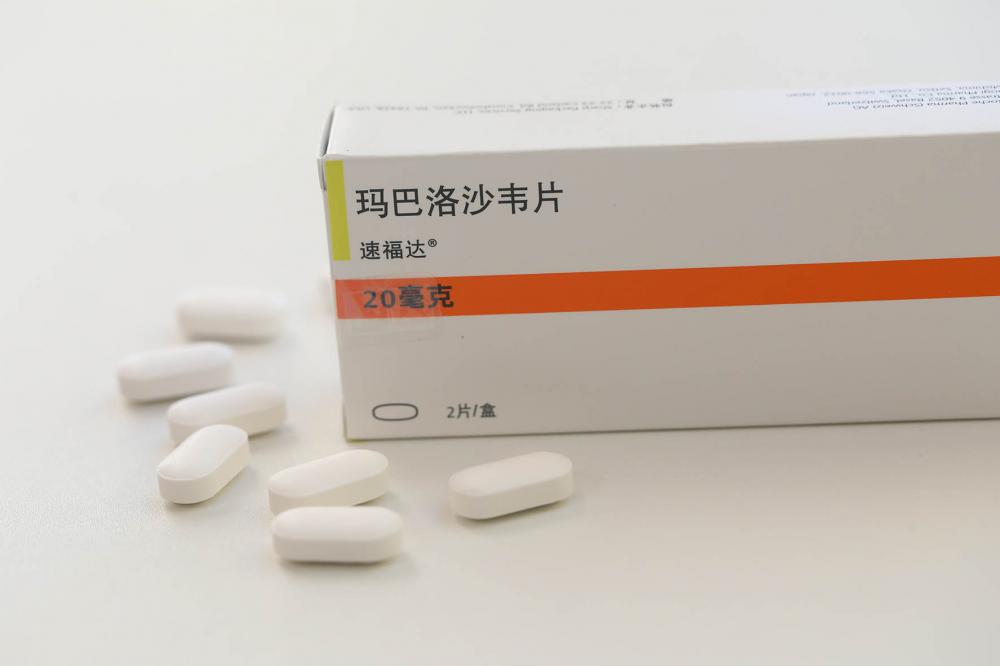
抗流感药需求激增,每年全球流感季死亡人数最高达65万人
2 1 Shi Ji Jing Ji Bao Dao· 2025-11-05 04:03
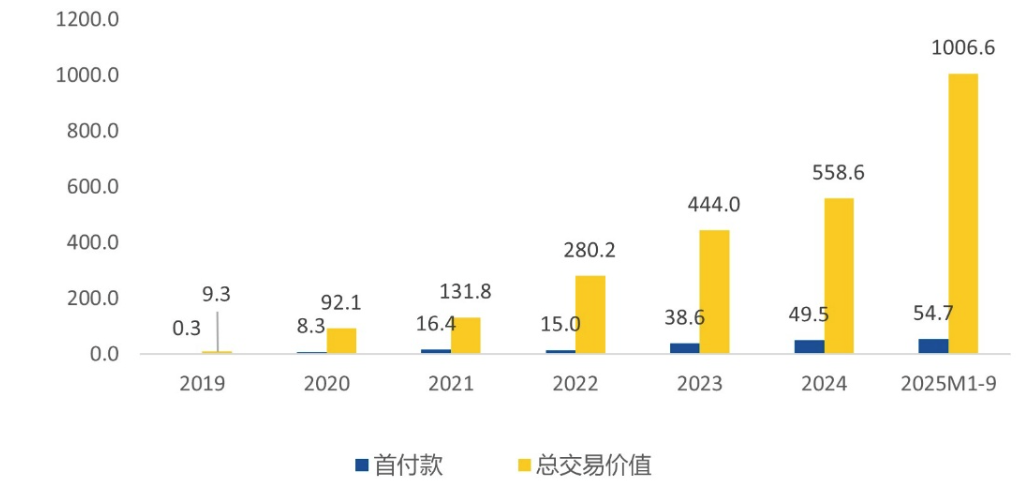
Core Insights - The flu season in the Northern Hemisphere coincides with the peak of outbound travel from China, increasing the risk of flu transmission globally [1][6] - The flu virus can lead to severe health complications, particularly for vulnerable populations such as the elderly, children, pregnant women, and those with underlying health conditions [6][8] - The market for flu medications is becoming increasingly competitive, with multiple drugs approved for use in China, particularly after the expiration of the patent for Oseltamivir in 2016 [2][11] Market Demand - The annual flu season can result in up to 650,000 deaths globally, with an estimated 1 billion cases of seasonal flu each year [6][12] - The demand for flu medications is expected to grow, with the Chinese market for anti-flu drugs reaching 10.74 billion yuan in 2023, a year-on-year increase of 197.51% [13] - Projections indicate that the market size for anti-flu medications in China could reach 26.9 billion yuan by 2028, with a compound annual growth rate of 20.2% from 2024 to 2028 [13] Competitive Landscape - The approval of various flu medications has intensified competition in the market, with nearly 140 product approvals for Oseltamivir alone in China [2][11] - New entrants like Baloxavir marboxil have gained market share, with sales reaching 1.5 billion yuan by 2024, following its approval in 2021 [12][13] - The market is expected to undergo further transformation as new products are approved and potentially included in national insurance schemes, enhancing their market presence [13]

抗流感药需求激增,每年全球流感季死亡人数最高达65万人
21世纪经济报道· 2025-11-05 03:56
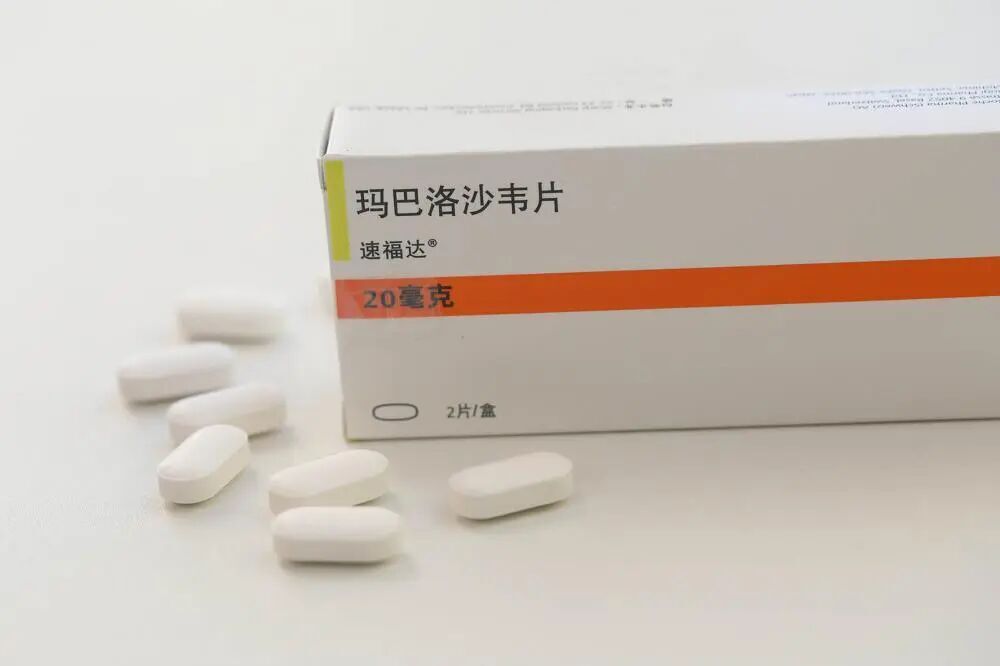
Core Viewpoint - The article discusses the increasing risk of influenza transmission due to the overlap of the flu season and the peak of outbound travel from China, highlighting the importance of antiviral treatments and the competitive landscape of flu medications in the market [4][8][10]. Group 1: Influenza Overview - Influenza is an acute respiratory infectious disease caused by influenza viruses, with seasonal outbreaks primarily occurring from October to February in the Northern Hemisphere [4]. - The high season for influenza coincides with the peak of outbound travel from China, raising public health concerns [4][8]. Group 2: Antiviral Treatments - Early antiviral treatment is crucial for influenza cases with severe risk factors, with the greatest benefit seen when treatment is initiated within 48 hours of symptom onset [4][10]. - The main antiviral drugs available in China include neuraminidase inhibitors, RNA polymerase inhibitors, and hemagglutinin inhibitors, with Oseltamivir and Baloxavir Marboxil being the preferred options [5][12]. Group 3: Market Dynamics - The market for influenza medications has become highly competitive, especially after the patent expiration of Oseltamivir in 2016, leading to a surge in generic versions [5][13]. - As of November 2023, there are nearly 140 drug approvals related to Oseltamivir in China, indicating a crowded market [13]. - Baloxavir Marboxil, a second-generation antiviral, has gained market share since its approval in 2021, with sales expected to exceed 1.5 billion yuan by 2024 [13][14]. Group 4: Market Growth Potential - The Chinese market for antiviral medications for influenza was valued at 10.74 billion yuan in 2023, showing a year-on-year growth of 197.51% [14]. - Forecasts suggest a compound annual growth rate of 20.2% from 2024 to 2028, with the market potentially reaching 26.9 billion yuan by 2028 [14].

抗流感药需求激增:市场“厮杀”升级 谁能抢占C位?
2 1 Shi Ji Jing Ji Bao Dao· 2025-11-04 23:04
Core Viewpoint - The flu poses significant public health risks, especially during the peak travel season coinciding with the flu season, necessitating effective antiviral treatments and preventive measures [1][5][7]. Market Demand - The optimization of China's exit and entry policies has led to a surge in outbound travel, with projections indicating over 155 million outbound trips by 2025, contributing to the global spread of flu [5]. - The World Health Organization estimates around 1 billion seasonal flu cases annually, resulting in 290,000 to 650,000 deaths, highlighting the severity of flu outbreaks [5]. - The overlap of the winter-spring travel peak and flu season raises concerns for public health systems, particularly for vulnerable populations [5][6]. Treatment Options - Antiviral treatment is crucial for flu management, with the most effective results achieved within 48 hours of symptom onset [1][7]. - The primary antiviral medications available in China include Oseltamivir and Baloxavir Marboxil, both effective against influenza A and B [1][8]. - The expert consensus emphasizes vaccination as the primary preventive measure against flu, particularly for high-risk groups [7][8]. Competitive Landscape - The flu medication market in China has become increasingly competitive, especially after the expiration of Oseltamivir's patent in 2016, leading to a surge in generic versions [2][9]. - As of November 2025, there are nearly 140 approved products related to Oseltamivir in China, indicating a highly saturated market [9]. - Baloxavir Marboxil, a second-generation flu treatment, has gained market traction since its approval in 2021, with sales expected to exceed 1.5 billion yuan by 2024 [10][11]. Market Growth Potential - The Chinese flu medication market was valued at 10.74 billion yuan in 2023, reflecting a year-on-year growth of 197.51% [11]. - Projections indicate a compound annual growth rate of 20.2% from 2024 to 2028, with the market potentially reaching 26.9 billion yuan by 2028 [11].

八载同行 再启新程 中国银行助力进博会越办越好
Ren Min Ri Bao· 2025-11-04 22:01
Core Insights - China Bank has been a strategic partner of the China International Import Expo (CIIE) since its inception in 2018, providing comprehensive financial services to thousands of exhibitors and promoting trade and investment opportunities [1][2] Group 1: Participation and Support - Over the past 8 years, China Bank has supported nearly 150 overseas exhibition promotions and over 120 domestic investment roadshows, resulting in more than 5,000 cooperation intentions with a total intended amount exceeding 50 billion USD [1] - In 2023, China Bank has successfully supported over ten overseas exhibition routes for the eighth CIIE, covering more than 20 countries and regions, including Germany, Australia, Malaysia, and Brazil [1] Group 2: Innovative Services - At this year's CIIE, China Bank plans to launch ten highlight services, including "Hello, China" 3.0 and a cross-border e-commerce service area, to enhance the event's appeal [3] - China Bank will host the "Financial Support for Global Economic Development" sub-forum at the Hongqiao International Economic Forum, inviting international experts to share insights [3] Group 3: Enhancing Foreign Experience - China Bank is focused on improving the experience for foreign visitors in China by enhancing foreign card payment services and expanding acceptance points, with 4,753 foreign card accepting merchants and 11,072 terminals in Shanghai as of September 2023 [4] Group 4: Continued Commitment to Global Trade - China Bank aims to leverage the CIIE platform to further integrate into the new development pattern, enhancing its brand "Exhibition Alliance into China Bank" to attract more participants [5] - The bank has facilitated strategic cooperation agreements to support Chinese and Italian enterprises in sharing opportunities in China, demonstrating its commitment to global economic collaboration [6]

SRPT Q3 Earnings Miss Estimates, Stock Dips on DMD Study Failure
ZACKS· 2025-11-04 19:51
Core Insights - Sarepta Therapeutics reported a third-quarter 2025 adjusted loss of $0.13 per share, missing the Zacks Consensus Estimate of $0.01 per share and reversing last year's profit of $0.43 per share [1][9] - Total revenues for the quarter were $399.4 million, a decline of nearly 15% year over year, primarily due to lower sales of Elevidys, although this figure exceeded the Zacks Consensus Estimate of $352.6 million [3][9] Revenue Breakdown - Product revenues fell 14% year over year to $370.0 million, with $238.5 million generated from the three PMO therapies, down 4% year over year, but beating estimates [4] - Elevidys sales accounted for $131.5 million, down 27% year over year, primarily due to a suspension of shipments to non-ambulatory patients amid safety concerns, yet still surpassing estimates [5][9] - Collaboration and other revenues associated with Elevidys supply to Roche were approximately $29.3 million, down nearly 22% year over year [6] Operating Costs - Adjusted R&D expenses totaled $206.5 million, reflecting a 3% increase year over year due to pipeline development expenses [7] - Adjusted SG&A expenses decreased by 23% to $77.1 million, attributed to a restructuring plan initiated in July [7] Future Guidance - The company expects at least $500 million in annual revenue from Elevidys infusions in the ambulant population for the full year 2025, with fourth-quarter infusion volumes anticipated to be flat to slightly down [8] - Combined adjusted SG&A and R&D expenses for the full year are projected to be between $420 million and $430 million [10] Pipeline Updates - The phase III ESSENCE study evaluating Amondys 45 and Vyondys 53 did not achieve statistical significance on its primary endpoint, raising concerns over the regulatory path for these therapies [11][12] - Sarepta plans to meet with the FDA to discuss a potential path to traditional approval for both therapies, citing a favorable risk-benefit profile [15] Recent Challenges - The company has faced significant investor scrutiny following three patient deaths linked to its gene therapy treatments, leading to a voluntary suspension of Elevidys dosing for non-ambulatory patients [16][17] - Development of most of the LGMD pipeline has been paused, with a shift in focus to siRNA programs acquired from Arrowhead Pharmaceuticals [18][19]


Halozyme Beats on Q3 Earnings & Revenues, Raises 2025 View
ZACKS· 2025-11-04 16:36
Core Insights - Halozyme Therapeutics (HALO) reported Q3 2025 adjusted earnings of $1.72 per share, exceeding the Zacks Consensus Estimate of $1.63, with a year-over-year increase of 35.4% [1][7] - Total revenues for Q3 2025 reached $354.3 million, a 22% increase year-over-year, surpassing the Zacks Consensus Estimate of $337 million [1][7] Revenue Breakdown - The growth in total revenues was primarily driven by increased product sales and higher royalty payments [2] - Royalty revenues amounted to $236 million in Q3, reflecting a 52% increase from the previous year, driven by strong demand for Phesgo, subcutaneous Darzalex, and Vyvgart Hytrulo [6] - Product sales were reported at $94.2 million, an 8.7% increase year-over-year, exceeding the model estimate of $83.8 million [8] - Revenues from collaborative agreements decreased by 50.4% year-over-year to $24 million [8] Financial Performance - Adjusted EBITDA for Q3 was $248.2 million, representing a 35% increase from the prior year [8] - As of September 30, 2025, the company had cash, cash equivalents, and marketable securities totaling $702 million, up from $548.2 million as of June 30, 2025 [9] Guidance Update - Halozyme raised its 2025 revenue guidance to a range of $1.30 billion to $1.38 billion, up from the previous range of $1.28 billion to $1.36 billion [10] - Royalty revenue expectations were adjusted to $850-$880 million, compared to the earlier forecast of $825-$860 million [11] - Adjusted EBITDA guidance was increased to $885-$935 million, up from $865-$915 million [11] - Adjusted earnings per share guidance was raised to a range of $6.10-$6.50, compared to the previous range of $6.00-$6.40 [11] Recent Developments - Halozyme announced a definitive agreement to acquire Elektrofi, a biopharmaceutical company specializing in ultra-high concentration microparticle technology for biologics [12] - The acquisition involves an upfront payment of $750 million, with potential milestone payments of $50 million each, contingent on regulatory approvals for three products [13]



医药BD旺季来临,机构资金或悄然布局,医药相关ETF值得关注
Zhi Tong Cai Jing· 2025-11-04 10:48
Core Insights - The pharmaceutical sector has been experiencing fluctuations since September, following a strong rally, and is currently undergoing a rotation adjustment. The question arises whether the sector is worth attention after a valuation decline and if there is still growth logic in the pharmaceutical sector [1] Group 1: Policy Environment - The policy environment for the pharmaceutical industry is improving, with the National Healthcare Security Administration and the National Health Commission jointly releasing measures to support high-quality development of innovative drugs, providing comprehensive support across five key areas [2][4] - The implementation of ICH guidelines in China is promoting more efficient and scientific drug evaluation processes, enhancing regulatory frameworks [2] Group 2: Market Activity - October and November are traditionally high-frequency periods for business development (BD) transactions, with significant activity expected as companies aim to finalize annual procurement plans before the Christmas holidays. Notable transactions include a $100 million upfront deal by Innovent Biologics [5] - A record-breaking global strategic collaboration worth up to $11.4 billion was established between Innovent Biologics and Takeda Pharmaceutical, reflecting a robust trend in BD transactions for Chinese innovative drugs [6] Group 3: Valuation and Investment Opportunities - The Shenyin Wanguo Pharmaceutical Index is approximately 50% below its recent five-year price peak, indicating potential for valuation recovery [9] - The proportion of stock-type public funds heavily invested in the pharmaceutical sector has increased to 12.2%, showing a recovery trend, yet still below the historical average of 13.7%, suggesting room for further capital inflow [9][14] - For ordinary investors, investing in individual innovative drug stocks poses challenges due to the need for specialized tracking capabilities. Therefore, considering ETFs that cover industry leaders may be a more viable investment strategy [12] Group 4: Summary of Insights - The pharmaceutical industry is experiencing a favorable policy environment, with increasing BD transaction activity and potential for valuation recovery, indicating a supportive backdrop for future growth [14]