
航发动力

Search documents
我国3D打印涡喷发动机,单发首飞成功!
Huan Qiu Wang· 2025-11-13 07:39
Core Viewpoint - The successful flight test of the 3D-printed simplified turbojet engine developed by China Aviation Engine Group marks a significant breakthrough in the engineering application of 3D-printed engines [1][3]. Group 1: Flight Test Details - The flight test lasted 30 minutes, reached an altitude of 6000 meters, and achieved a maximum speed of 0.75 Mach, with all operational parameters functioning normally [3]. - This test was the first single-engine flight test of the domestically developed 3D-printed turbojet engine, demonstrating its reliability at higher altitudes and in more complex environments [3]. Group 2: Engine Design and Manufacturing - The engine utilizes 3D printing technology, with over 75% of its components manufactured using this method, significantly reducing the number of parts and achieving lightweight, high-performance design goals [5]. - This design lays a solid foundation for future flights at higher altitudes and speeds [5]. Group 3: Application Prospects - The successful test indicates that the engine can provide new power solutions for platforms such as cruise missiles, drones, and target aircraft, showcasing promising application prospects [3].


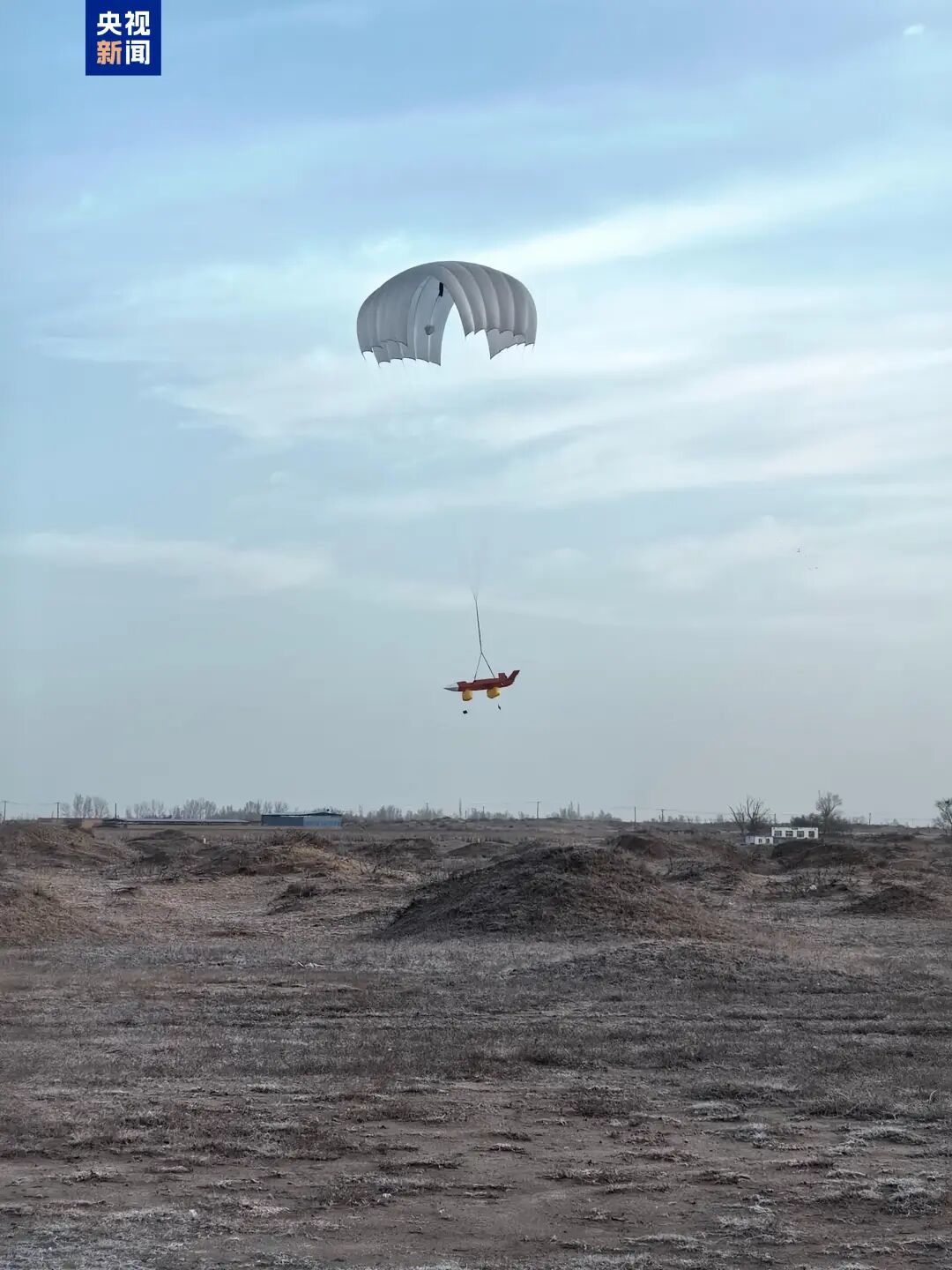
我国自主研制3D打印涡喷发动机完成首次单发飞行试验
Yang Shi Xin Wen· 2025-11-13 06:05
Core Points - The successful flight test of the 3D-printed simplified turbojet engine marks a significant breakthrough in the engineering application of 3D-printed engines [1][4] - The flight lasted 30 minutes, reached an altitude of 6000 meters, and achieved a maximum speed of 0.75 Mach, demonstrating the engine's reliability in complex environments [4] Summary by Categories Flight Test Details - The flight test lasted for 30 minutes and reached an altitude of 6000 meters with a maximum speed of 0.75 Mach [4] - The engine operated under full conditions with no abnormal parameters reported, successfully completing the first single-engine flight test [4] Engine Technology and Design - The engine is primarily manufactured using 3D printing technology, with over 75% of its components produced through this method, significantly reducing the number of parts [4] - This design approach has achieved lightweight and high-performance goals, laying a solid foundation for future flights at higher altitudes and speeds [4] Application and Future Prospects - The successful test indicates improved reliability of the engine in higher altitudes and complex environments, validating its compatibility with various platforms such as cruise missiles, drones, and target aircraft [4] - The engine presents promising application prospects as a new power solution for these platforms [4]
25Q3各板块盈利能力迎来拐点且多项指标已回暖,看好新质新域与军贸方向
Orient Securities· 2025-11-13 02:51
Investment Rating - The report maintains a "Positive" outlook on the defense and military industry, indicating a turning point in profitability and growth potential [6][4]. Core Insights - The military industry is expected to enter a new growth cycle driven by the initiation of the "14th Five-Year Plan" equipment construction, military trade, and commercial aerospace advancements [2][3]. - The overall revenue for the military sector increased by 3.07% year-on-year in the first three quarters of 2025, while net profit attributable to shareholders decreased by 9.89%, showing a narrowing decline compared to the previous year [6][11]. - Key segments such as components, sub-systems, and assembly levels have shown signs of recovery, with revenue growth turning positive for the first time since 2021 [18][25]. Summary by Sections 1. Performance Analysis - In Q3 2025, revenue growth rates for components, sub-systems, and assembly levels were 8.30%, 3.37%, and 1.16% respectively, marking a positive shift from negative growth in 2024 [18][19]. - The net profit for the components level increased by 6.94% year-on-year, while sub-systems and assembly levels saw declines of 28.98% and 19.48% respectively [18][23]. 2. Cash Flow Improvement - The cash flow from operations for sub-systems and assembly levels improved, while components faced temporary pressure [40][42]. - The sales collection ratio for assembly levels rose significantly by 23.23 percentage points to 92.50% in Q3 2025, indicating better cash flow management [40][41]. 3. Prepayments and Inventory - Prepayments (including contract liabilities) across all levels showed an upward trend, with assembly levels increasing by 21.85% to 63.345 billion yuan [48][49]. - Inventory levels for components, sub-systems, and assembly increased by 12.57%, 8.81%, and 19.82% respectively, suggesting a positive outlook for future performance [53][54]. 4. Segment Performance - The weaponry segment led revenue growth with a remarkable 27.52% increase, while the aerospace segment grew by 6.17% and the information technology segment by 5.37% [35][36]. - The information technology segment achieved a net profit growth rate of 136.38%, indicating strong performance and future growth potential [36][39].


前景广阔 我国直升机产业加快应用落地
Jing Ji Ri Bao· 2025-11-13 02:12
Core Insights - The Chinese civil helicopter fleet is projected to exceed 2,000 units by 2034, indicating significant growth in the industry [2] - The AG600 "Kunlong" amphibious aircraft showcases advancements in China's helicopter technology and its application in emergency response [1][2] - The helicopter industry is seen as a key player in the low-altitude economy, with potential to drive growth across various sectors including manufacturing, services, and infrastructure [2] Industry Development - By the end of 2024, the Chinese civil helicopter fleet is expected to reach 1,403 units, reflecting a 2.3% increase from the previous year [2] - The industry is evolving from technological breakthroughs to practical applications, as demonstrated by the recent helicopter expo showcasing new models and innovations [1][2] - The Chinese aviation industry aims to establish a world-class helicopter enterprise, enhancing the emergency rescue equipment system [2] Technological Advancements - The FWH-3000 unmanned helicopter has a maximum takeoff weight of 2.3 tons and can carry a payload of 1 ton, highlighting advancements in unmanned aerial vehicle capabilities [3] - The development of core technologies, particularly in aviation engines, is crucial for the industry's growth, with various advanced engines showcased at the expo [3] Market Opportunities - The civil helicopter industry in China is still in its early stages, with opportunities for growth in areas such as model development, airworthiness certification, and operational applications [4] - There is a call for collaboration between operating companies, manufacturers, and research institutions to foster an integrated development model that promotes innovation and practical application [4]
我国直升机产业加快应用落地
Xin Hua Wang· 2025-11-12 23:28
Core Insights - The Chinese civil helicopter fleet is projected to exceed 2000 units by 2034, with a growth to 1403 units expected by the end of 2024, marking a 2.3% increase from the previous year [2][4] - The AG600 "Kunlong," a large amphibious aircraft, showcases the advancements in China's helicopter industry, emphasizing its capabilities in emergency response and firefighting [1][2] - The development of the helicopter industry is seen as a key driver for the low-altitude economy, with potential applications in various sectors including emergency rescue, medical transport, and entertainment [2][4] Industry Developments - The seventh China Tianjin International Helicopter Expo highlighted numerous new military and civilian helicopters, unmanned aerial vehicles, and aviation components, showcasing the progress in the helicopter sector [1] - The Chinese aviation industry is focusing on creating a world-class helicopter enterprise, optimizing equipment systems, and enhancing emergency rescue capabilities [2] - The FWH-3000 unmanned helicopter, capable of carrying significant payloads and operating in various environments, represents the advancements in autonomous aerial technology [3] Strategic Recommendations - There is a need to build a collaborative task system integrating manned and unmanned aircraft to enhance efficiency in complex scenarios like emergency rescue [4] - Expanding into consumer markets such as medical rescue and leisure flying is recommended to lower barriers to entry and make aviation technology more accessible [4] - Encouraging collaboration among operational companies, manufacturers, and research institutions is essential for fostering innovation and integrating technology with practical applications [4]

中金 | 深度布局“十五五”:军工篇
中金点睛· 2025-11-12 23:26
Core Viewpoint - The article emphasizes the high-quality advancement of national defense and military modernization, highlighting the strategic importance of aerospace technology in achieving these goals [2][3]. Group 1: National Defense and Military Modernization - The "14th Five-Year Plan" has led to significant progress in national defense and military construction, with core equipment seeing rapid iteration and mass production, resulting in revenue growth for key companies such as AVIC and COMAC, projected to increase by 67%, 57%, and 51% respectively by 2024 compared to 2020 [2]. - The "15th Five-Year Plan" aims to achieve the centenary military goals and high-quality modernization of national defense, with expectations for steady progress in core equipment iteration and production [2][3]. Group 2: Global Security and Defense Spending - Global military spending is projected to increase by 9.4% in 2024, reaching approximately $2.72 trillion, marking the largest single-year increase since the Cold War [2][7]. - China's share of the global market for special equipment is expected to gradually increase, enhancing industry growth potential and profitability, as current market share is only 5.9% compared to the U.S. at 43% [2][3]. Group 3: Integration of New Domains and Technologies - The defense system is transitioning towards a fusion of mechanization, informatization, and intelligentization, with significant demand expected to be released in new domains and qualities [7][8]. - The article highlights the importance of unmanned systems and AI in modern defense, with expectations for rapid growth in these areas during the "15th Five-Year Plan" [8][10]. Group 4: Aerospace Industry Development - The achievements in aerospace during the "14th Five-Year Plan" have set the stage for continued growth in the aerospace sector, with significant milestones such as the completion of the Chinese space station and the Chang'e 6 mission [11]. - The commercial aerospace sector is gaining momentum, with policies increasingly supporting its development, positioning it as a strategic emerging industry [11][12]. Group 5: Navigation and Remote Sensing Applications - The Beidou navigation system is expected to deepen its integration with various industries, with the total output value of the satellite navigation and positioning service industry projected to reach 575.8 billion yuan in 2024, a year-on-year increase of 7.39% [14][21]. - The number of remote sensing satellites in orbit has surpassed 400, with ongoing developments in commercial remote sensing constellations, indicating a robust growth trajectory for the remote sensing application industry [14][21].

国防军工行业专题研究:2025Q3基金持仓超配比例近5年新低,配置比例有望触底反弹
East Money Securities· 2025-11-11 11:09
Investment Rating - The report maintains an "Outperform" rating for the defense and military industry, indicating a positive outlook for investment opportunities in this sector [2]. Core Insights - The defense equipment industry is expected to enter a new order-driven growth cycle as the "14th Five-Year Plan" becomes clearer and is implemented, leading to a recovery in performance and a revaluation phase for the military sector [2][38]. - The military aviation equipment, particularly military aircraft and engines, remains a core strength of the military sector, while new domains characterized by smart technology and unmanned equipment are anticipated to become key growth areas under the "14th Five-Year Plan" [2][38]. - The military trade is expected to provide sustained momentum for the domestic military industry [2][38]. Summary by Sections Fund Holdings - As of Q3 2025, public funds' total market value in the defense and military industry reached 101.36 billion, a quarter-on-quarter increase of 1.66%, ranking 14th among 31 industries [4][12][17]. - The concentration of holdings has increased, with the top ten stocks accounting for 54.14% of total holdings, reflecting a trend of capital flowing towards leading companies [22][25]. - The holdings of state-owned enterprises decreased to 68.49%, while private enterprises increased to 31.51%, marking a two-year high for private holdings [22][25]. Fund Preferences - Public funds show a preference for heavyweights in military electronics, materials, and leading manufacturers in the aviation sector, with significant investments in companies like AVIC Shenyang Aircraft Corporation and AVIC Engine [25][29]. - Active funds particularly favor upstream electronic and material companies, as well as downstream aviation assembly enterprises, with a notable focus on military electronics as a core foundation for future warfare [29][30]. Investment Recommendations - The report suggests focusing on several key areas for investment: 1. Aviation Equipment: AVIC Shenyang, AVIC Engine, AVIC Chengfei, AVIC Xi'an, etc. 2. Military New Materials: Feilihua, Guangwei Composite, Tunan Co., Guangqi Technology, etc. 3. Military Electronics: Fudan Microelectronics, Hongda Electronics, AVIC Optoelectronics, Ruichuang Micro-Nano, Newray, etc. 4. New Domains: Zhenlei Technology, Mingsheng Electronics, Zhongke Xingtai, Jingpin Special Equipment, Lianchuang Optoelectronics, Zhongwu Drone, Ruike Laser, etc. 5. Military Trade: AVIC Shenyang, Guangdong Hongda, Gaode Infrared, Inner Mongolia First Machinery, etc. [2][38].


正式交付!
中国能源报· 2025-11-10 11:05
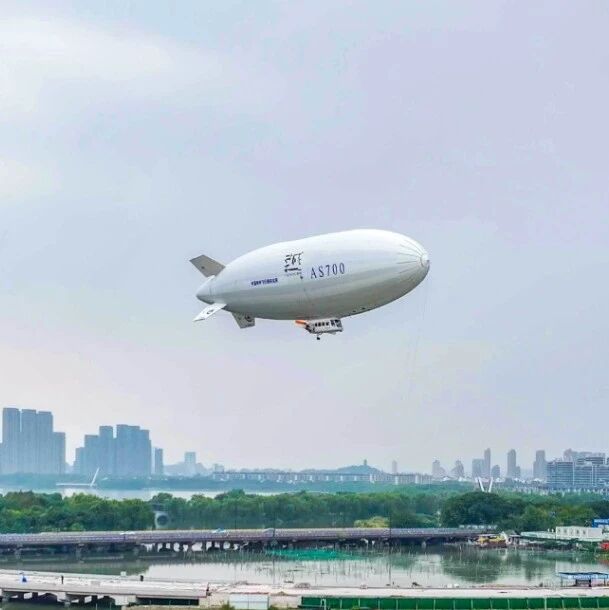
Core Viewpoint - The delivery of the AS700 manned airship marks a significant milestone for the aviation industry in East China, showcasing advancements in domestic aerospace technology and the potential for commercial operations in the future [1][3]. Group 1: Product Overview - The AS700 manned airship, developed by the China Aviation Industry Corporation's Special Aircraft Research Institute, is the first manned airship in China designed according to airworthiness standards and possesses complete independent intellectual property rights [3]. - The airship measures 50 meters in length, has a maximum range of 700 kilometers, and can carry up to 10 people [3]. - It is characterized by its ability to fly slowly at low altitudes, providing a safe and reliable experience for tourists to enjoy scenic views from an optimal altitude of 100 to 300 meters [3]. Group 2: Future Plans - The AS700 airship will undergo flight verification in the Yuecheng District to advance its commercialization process [3]. - There are plans to open the airship to the public next year, indicating a move towards operational readiness and potential market introduction [3].
发射成功!航空航天ETF(159227)规模创新高,关注航天强国大方向
Mei Ri Jing Ji Xin Wen· 2025-11-10 07:43
11月10日,A股三大指数涨跌不一,军工板块盘中触底后震荡回升。截至收盘,航空航天ETF 航空航天ETF(159227)紧密跟踪国证航天指数,该指数申万一级军工行业占比高达98.2%,堪称全市 场"军工纯度"最高的指数,覆盖航空装备、航天装备、卫星导航、新材料等关键产业链环节,商业航天 概念权重占比高达51.83%。 (文章来源:每日经济新闻) (159227)收平,成交额达1.26亿元,稳居同类第一,持仓股航天电子、中国卫星、天奥电子、航天彩 虹、航发动力、中兵红箭等涨幅居前。 航空航天ETF(159227)近日持续获资金关注,近一个月合计"吸金"超6.4亿元,最新规模达19.44亿 元,创成立以来新高。 消息面上,据央视新闻报道,11月10日10时41分,我国在海南商业航天发射场使用长征十二号运载火 箭,成功将卫星互联网低轨13组卫星发射升空,卫星顺利进入预定轨道,发射任务获得圆满成功。 万联证券指出,2025年,我国商业航天产业正式进入重要提速期,从可回收火箭技术持续迭代、卫星制 造实现量产化,到高密度发射任务常态化落地,全产业链各环节加速贯通成熟,"技术突破"与"规模爆 发"形成强力共振,助推产业发展 ...
航天强国战略持续推进,商业航天有望迎来产业拐点
ZHONGTAI SECURITIES· 2025-11-10 06:53
Investment Rating - The report maintains an "Overweight" rating for the industry [5]. Core Viewpoints - The "Aerospace Power" strategy is steadily advancing, and there are promising investment opportunities in the commercial aerospace sector [8][20]. - The number of commercial aerospace companies in China has exceeded 600, with a total of 25 launch sites, indicating a significant acceleration in the commercial aerospace industry [9][20]. Summary by Relevant Sections Industry Overview - The total market capitalization of the industry is approximately 28,978.52 billion yuan, with a circulating market value of 25,088.15 billion yuan [3]. - The defense and military industry index has a PE (TTM) of 70.4 times, with various sub-sectors showing different valuations [44]. Key Developments - The "14th Five-Year Plan" has successfully launched major aerospace projects, including manned spaceflight and deep space exploration, laying a solid foundation for becoming a space power [20]. - The Long March 7 modified rocket successfully launched the Remote Sensing Satellite 46, marking a significant achievement in satellite deployment [32]. Investment Opportunities - Suggested focus areas include missile and military electronics, with specific companies highlighted such as Zhenhua Technology and Hongyuan Electronics [16][20]. - In the commercial aerospace sector, companies like Aerospace Intelligence and Aerospace Electronics are recommended for investment [20]. Market Performance - The defense and military industry index experienced a decline of 0.47% recently, while the overall market indices showed positive growth [37]. - The report indicates a significant drop in financing buy-in amounts, suggesting a cautious market sentiment [47].


