
中国铁建

Search documents
深江铁路致13死重大坍塌事故调查报告公布
中国基金报· 2025-11-24 09:33
Core Viewpoint - The investigation into the "12·4" major collapse accident of the Shenzhen-Jiangmen Railway revealed that the accident was caused by violations in construction practices and inadequate emergency response measures, leading to significant casualties and economic losses [2][3]. Group 1: Accident Details - The collapse occurred on December 4, 2024, resulting in 13 fatalities and direct economic losses of approximately 72.61 million yuan [2]. - The direct cause of the accident was identified as the failure to halt excavation when encountering a high-risk geological area, leading to a partial collapse of the tunnel face [2][3]. Group 2: Responsibility and Management Issues - The investigation found that multiple parties, including China Railway Fourth Engineering Group Co., Ltd. (中铁四局), Xiamen-Shenzhen Railway Guangdong Co., Ltd. (厦深公司), and others, failed in their management and risk control responsibilities [3][4]. - The supervising unit, Guangzhou Supervision Station, and the industry regulatory body, Guangzhou Railway Supervision Administration, were also found lacking in their oversight duties [3][4]. Group 3: Lessons Learned and Recommendations - Six major lessons were identified, including failures in risk prevention, monitoring, and emergency response systems, as well as the dangers of proceeding with construction before design changes [5]. - Six recommendations were proposed to improve safety, including enhancing risk prevention measures, strengthening construction safety protocols, and improving emergency response capabilities [5].





深江铁路致13死重大坍塌事故调查报告公布
Di Yi Cai Jing· 2025-11-24 08:35
2024年12月4日23时18分,深圳市宝安区航城街道洲石路新建深圳至江门铁路5标段施工现场发生地面坍 塌,造成13人死亡,直接经济损失约7261万元。经调查,事故直接原因是:隧道施工至高环境风险地段 时,围岩由原勘察设计的Ⅲ级变为稳定性差的Ⅳ级,未停止掘进,未变更为可靠的开挖和支护方式,致 使掌子面上前方拱顶产生局部塌方;险情发生后,未能及时采取有效的工程处理措施,掌子面上方发生 多次塌方,地面塌陷;地面应急处置不当,地面作业人员随塌陷坠亡。 调查查明,施工单位中铁四局集团有限公司(以下简称"中铁四局")组织管理不到位,过程风险管控不 力,应急体系不完善,现场抢险处置不当;代建单位厦深铁路广东有限公司(以下简称"厦深公司")变 更设计不规范,现场抢险处置不当,应急体系不健全,安全生产工作协调管理不到位;勘察、设计单位 中铁第四勘察设计院集团有限公司(以下简称"铁四院")工程风险提示不足,未及时发起变更设计建 议,未按规定程序开展变更设计,未按高风险环境措施要求开展变更设计;监理单位北京现代通号工程 咨询有限公司(以下简称"北京通号公司")项目组织管理不到位,履行监理职责不到位,压实安全生产 主体责任不到位。 ...
深江铁路“12·4”重大坍塌事故调查报告公布
Yang Shi Wang· 2025-11-24 08:12
Core Insights - The Guangdong provincial government approved the investigation report on the major collapse incident at the Shenzhen-Jiangmen Railway, which occurred on December 4, 2024, resulting in 13 fatalities and direct economic losses of approximately 72.61 million yuan [1][2] Group 1: Incident Overview - The collapse was caused by non-compliant construction practices by the participating units, leading to a partial collapse of the tunnel face and subsequent ground subsidence [1] - The investigation identified that the surrounding rock stability changed from level III to level IV, which was not addressed by halting excavation or modifying support methods [1][2] Group 2: Responsibility and Accountability - Multiple entities were found responsible for the incident, including China Railway Fourth Engineering Group, Xiamen-Shenzhen Railway Guangdong Co., and others, with recommendations for administrative penalties and written accountability checks [2][3] - The investigation revealed deficiencies in management, risk control, emergency response, and supervision across the involved organizations [2][3] Group 3: Lessons Learned and Recommendations - Six major lessons were identified, including failures in risk prevention, monitoring, and emergency response systems, as well as inadequate management practices [4] - Six recommendations were proposed to enhance safety, including improving risk prevention measures, strengthening construction safety protocols, and enhancing emergency response capabilities [4]
基建板块大涨背后:15省市年度计划投资规模超6万亿,医卫领域成补短板新发力方向
Mei Ri Jing Ji Xin Wen· 2025-11-24 08:07
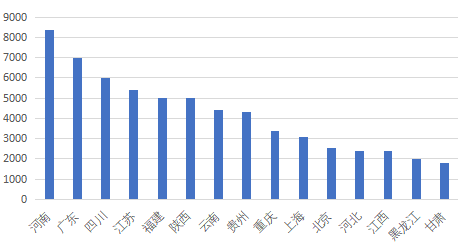
Core Viewpoint - The construction sector is experiencing a significant surge in investment, driven by local governments' accelerated project launches to meet annual targets amid the ongoing recovery from the pandemic [1][14]. Group 1: Market Performance - On the first trading day of March, the Shanghai and Shenzhen stock markets saw strong gains, particularly in the infrastructure sector, which experienced a wave of limit-up stocks [1]. - Among the 28 Shenwan first-level industry indices, cyclical industries such as construction materials and construction decoration rose over 8%, with major state-owned enterprises like China State Construction and China Railway Construction performing exceptionally well [1]. Group 2: Investment Plans - A total of 15 regions have announced clear plans for major projects in 2020, with a combined planned investment exceeding 6 trillion yuan, and nine provinces reporting total project investments over 24 trillion yuan [1][2]. - Six provinces, including Henan, Guangdong, Sichuan, Jiangsu, Fujian, and Shaanxi, have annual investment plans exceeding 500 billion yuan [2][4]. Group 3: Project Details - The investment plans include significant infrastructure projects across various sectors such as highways, high-speed rail, and energy, with Yunnan Province planning a total investment of approximately 3.6 trillion yuan for major infrastructure projects [1][8]. - In addition to traditional infrastructure, there is a notable emphasis on healthcare and elderly care facilities, reflecting a shift in investment focus [1][8]. Group 4: Regional Highlights - Sichuan Province has identified 700 key projects with an expected annual investment of over 600 billion yuan, while Fujian Province has 1,567 key projects with a total investment of 3.84 trillion yuan [5][4]. - Yunnan plans to launch 525 key projects with a total investment of around 5 trillion yuan, emphasizing large-scale projects [8][9]. - Chongqing's investment in infrastructure is projected at approximately 1.45 trillion yuan, focusing on various public health emergency service projects [9][8]. Group 5: Future Directions - Analysts suggest that the new round of infrastructure investment will not only focus on traditional sectors but also expand into healthcare and other public service areas, addressing long-standing deficiencies [14]. - The emphasis on increasing public investment in healthcare infrastructure is seen as a strategy to mitigate economic downturns while improving regional healthcare conditions [14].
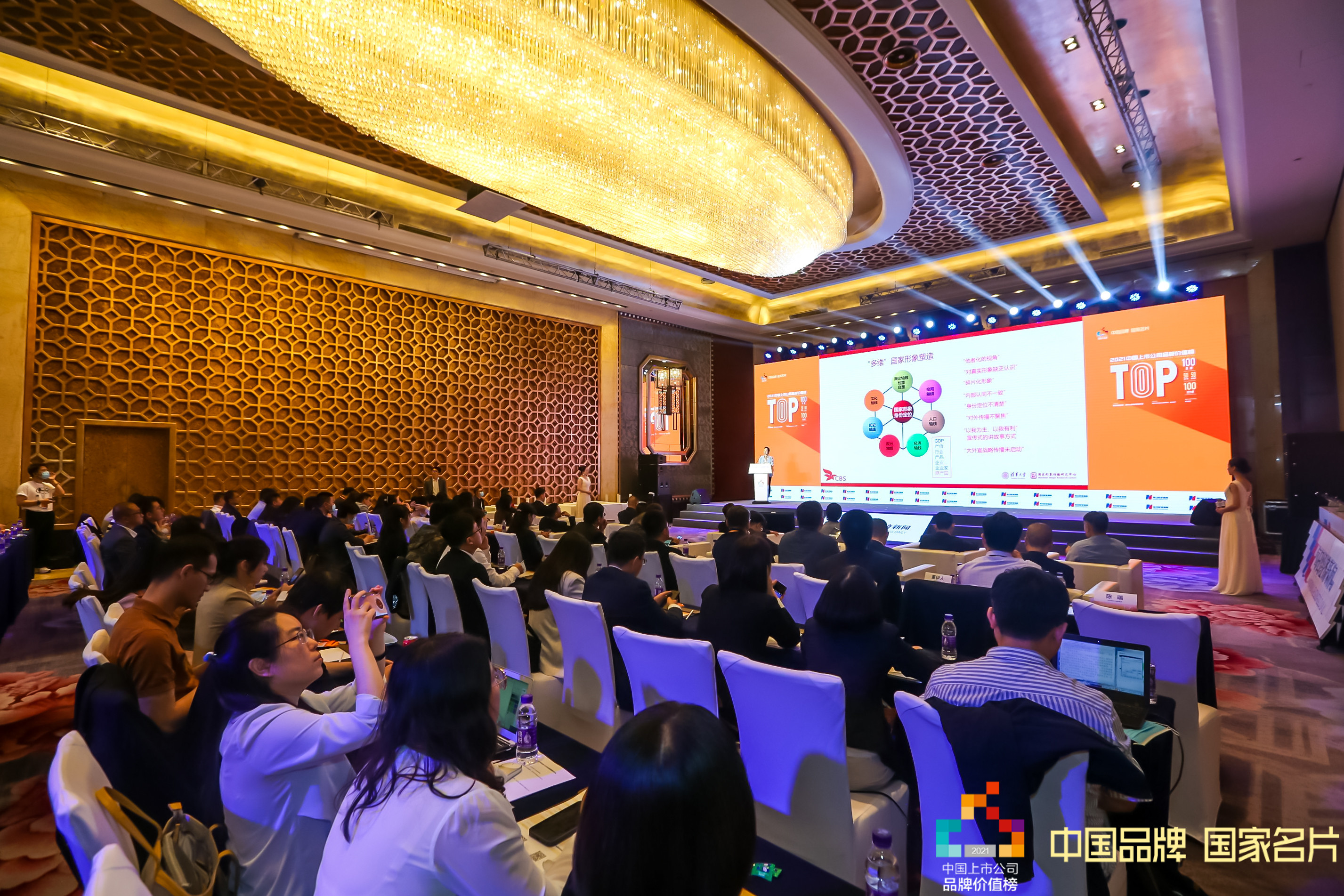
中国品牌 国家名片——2021中国上市公司品牌价值榜在京揭晓
Mei Ri Jing Ji Xin Wen· 2025-11-24 07:54
Group 1 - The 2021 China Listed Companies Brand Value List was released on May 10, marking the fifth China Brand Day and the beginning of the 14th Five-Year Plan, emphasizing the transformation of Chinese products into brands [1][3] - The event featured over a hundred corporate representatives, including notable figures from companies like Focus Media and China Railway Construction, who participated in discussions on brand building and value enhancement [1][3] - The total brand value of the Top 100 companies has increased by nearly 10 trillion yuan from 2017 to 2021, with the entry threshold for the Top 100 rising from 2.2 billion yuan in 2017 to 39 billion yuan in 2021, a 16-fold increase [4][5] Group 2 - The establishment of China Brand Day in 2017 aimed to promote the creation of globally recognized Chinese brands, filling a gap in the research of brand value among listed companies [3] - The brand value list reflects the growth of Chinese enterprises and their contribution to the national brand image, with discussions on overseas brand development and innovation taking place at the forum [3][4] - The competitive landscape among listed companies has intensified with the implementation of the registration system, leading to a shift from demographic dividends to brand dividends [5][6] Group 3 - The brand value of leading companies like Alibaba and Tencent has significantly outpaced others, with a gap exceeding 1 trillion yuan compared to the third-ranked China Mobile [5][6] - Capital brand awareness is becoming crucial for companies, influencing aspects such as financing, liquidity, market capitalization, and stock price fluctuations [6] - Building a strong capital brand requires solid performance, a good reputation, and consistent corporate culture, as emphasized by industry leaders [6]


杭衢高铁开始试运行,全线开通进入倒计时
Xin Jing Bao· 2025-11-24 04:52
Core Points - The Hangzhou-Quchi High-Speed Railway has entered the trial operation phase, with full operation expected by the end of December [1] - The trial operation will last approximately one month, involving various tests to simulate the railway's operational status [1] - The railway spans about 131 kilometers, featuring 38 tunnels and 119 bridges, with a bridge-tunnel ratio of 78.7% [1] - It is the first high-speed railway in China to adopt the "PPP+EPC" model for construction [1] Industry Impact - The Hangzhou-Quchi High-Speed Railway will enhance the intercity rapid transport network in the Yangtze River Delta, serving as an important auxiliary route for the Shanghai-Kunming corridor [2] - The project is expected to create an efficient transportation artery and economic link between the Hangzhou Bay Economic Circle and the Jinquli Economic Belt [2] - It will play a significant role in optimizing the regional railway network structure and promoting high-quality development in Zhejiang [2]
低估值基建央企具备稳健防御属性,出海、洁净室工程延续高景气度
Guotou Securities· 2025-11-24 02:32
2025 年 11 月 24 日 建筑 证券研究报告 投资评级 领先大市-A 维持评级 | | | 行业表现 chenyf4@essence.com.cn 低估值基建央企具备稳健防御属性,出 海/洁净室工程延续高景气度 本周投资建议: 受大盘调整影响,本周建筑板块下跌 6.11%,传统建筑央企板块下跌 3.63%。年初以来,受下游基建投资增速放缓及房地产投资持续下滑 等因素影响,传统建筑央企经营承压,年初至今股价下跌 10.70%, 目前建筑板块及传统建筑央企估值位居低位,截至目前,SW 建筑装 饰板块市盈率(TTM)为 9.0 倍,传统建筑央企板块市盈率(TTM) 为 5.4 倍。基建央企板块营收业绩成长仍承压,但关键性经营指标有 所改善,且多家企业提升分红比例,财政政策维持积极基调,化债效 果或于 2026 年逐步体现,板块整体具备稳健防御属性,建议关注 Q4 低估值传统建筑央企板块投资机会。此外,西部区域建设及洁净室板 块维持高景气,需求持续上行驱动龙头企业成长。 2023 年以来,八大建筑央企海外新签订单维持两位数快速增长,2023 年、2024 年、2025Q1-Q3 合计海外新签订单增速分别为 1 ...





如何看待后续地产政策与产业链的投资机会?
2025-11-24 01:46
Summary of Conference Call Records Industry Overview - The conference call primarily discusses the real estate industry and its related sectors, including construction materials and banking. Key Points on Real Estate Industry - The real estate price decline cycle is categorized into small, medium, and large bubbles, each with different declines and durations [1] - Core city housing prices are under pressure due to pessimistic income or inflation expectations, as well as inverted rent-to-sale ratios and interest rates [1][4] - Valuation indicators like rent-to-sale ratios and price-to-income ratios are useful for identifying price turning points but typically lag behind actual price changes [2] - Loan interest subsidy policies can significantly impact the real estate market, with the coverage scope and duration being critical factors [5] - Improving income expectations is more crucial than the interest rates themselves for enhancing housing attractiveness [5] Challenges Facing the Real Estate Sector - The real estate industry is currently facing multiple challenges, including weakened transaction volumes, pressure from old and new inventory, and low income expectations [6] - New and second-hand housing transactions have declined, affecting related sectors like construction materials [6] - Quality leading companies are showing strong risk resistance and growth potential by increasing market share and optimizing their structures [6] Insights on Construction Materials Industry - Despite the ongoing downturn in the real estate market, some leading companies in the construction materials sector are showing signs of operational turning points [7] - Companies like Oriental Yuhong and Beixin Materials are expected to achieve year-on-year growth even if the real estate market continues to decline [7] - The waterproofing industry leaders are experiencing strong growth momentum, with market share increasing from 28% to 30-35% [7] Investment Opportunities in the Construction Sector - The construction industry is poised for new investment opportunities as the real estate market stabilizes and policy expectations strengthen [8] - Key players in the construction sector, such as China State Construction and China Railway Construction, are highlighted as significant investment targets [9] Banking Sector Insights - Banks are facing significant interest margin pressure, with asset yields continuing to decline [14] - Future policies may focus on alleviating pressure on banks and residents through loan interest subsidies [15] - The overall valuation of bank stocks is expected to recover, with attractive dividend yields [16] Home Furnishing Industry Analysis - The home furnishing industry shows strong investment value, particularly among leading companies with good cash flow [10] - Companies like Oppein and Gujia are expected to perform well, providing a safety net for investors [10][11] - The soft furniture segment is outperforming the custom furniture segment, benefiting from increased market share in the second-hand housing market [10] Conclusion - The real estate sector is currently under pressure but presents potential investment opportunities in leading companies within the construction materials and home furnishing industries. The banking sector is also expected to recover, providing attractive investment options.


当前时点地产近况更新和产业链投资机会梳理
2025-11-24 01:46
Summary of Key Points from Conference Call Records Industry Overview: Real Estate Market - The real estate market continues to face pressure, with cumulative sales and amounts from January to October down 7% and 10% year-on-year respectively [1][2] - New construction and land acquisition areas have dropped approximately 70% from peak levels, with housing prices down over 35% [1][2] - The market is in a rapid bottom-seeking phase, particularly in core cities where price adjustments have significant impacts on residents' asset values [1][3] Core Insights and Arguments - Core city housing prices are unlikely to continue their rapid decline; the current situation is seen as an emotional clearance phase [3] - Policy measures are expected to increase in response to weakening housing prices, including potential new personal housing loan interest subsidies and adjustments to transaction taxes [1][3] - The building materials industry should focus on supportive policies, with leading companies likely to recover before the industry as a whole [1][5] Company-Specific Insights Sanhe Tree (三棵树) - Achieved relatively good performance in 2025, but its growth structure has not reached optimal status, relying on two beta strategies and one alpha strategy [6] - The "immediate residence" business and the art paint market are key growth drivers, but the rural revitalization project has not fully realized its potential [6] Rabbit Baby (兔宝宝) - Performed well in 2025, driven by strategic changes and industry trends, particularly through particle board business expansion [7] - Future performance may depend on the stability of the real estate market [7] Challenges in the Building Materials Sector - The consumer building materials industry faces challenges from fluctuations in the real estate market, which is a significant demand driver [8] - A potential second downturn in the real estate market could have a disruptive impact on company performance [8] Investment Recommendations - Focus on leading companies in the consumer building materials sector, such as Sanhe Tree, Rabbit Baby, and others, which have advantages in market concentration [10] - In the construction industry, state-owned enterprises and companies related to the real estate chain, such as China State Construction, are expected to benefit from real estate stimulus policies [11] Future Outlook - The building materials sector is anticipated to see a positive shift as supportive policies are implemented, potentially leading to a market recovery [5] - The overall market environment remains challenging, but leading companies are expected to outperform the industry average [1][4] Additional Considerations - The investment strategy for the home appliance industry should adjust to include companies related to the real estate chain, as demand for kitchen appliances is significantly driven by new housing completions [15][16] - Opportunities exist in sectors like smart projectors and robotic vacuums, where market consolidation may benefit leading companies [17]


2025年中国超疏水材料行业制备方法、发展历程、市场规模、重点企业及未来趋势研判:新材料产业蓬勃发展,超疏水技术引领行业创新[图]
Chan Ye Xin Xi Wang· 2025-11-24 01:04
内容概况:超疏水材料是一种具有独特性质的新型材料,其灵感源于荷叶效应。这种材料在接触到水滴 时,能够使其迅速滑落,展现出优异的自清洁能力。从科技前沿到日常生活,超疏水材料在多个领域展 现出广阔的应用前景。它不仅能够为建筑玻璃、室外设施提供免清洗的洁净表面,还可覆盖于金属材料 表面形成高效防腐蚀屏障,显著延长构件使用寿命;基于对水生昆虫的仿生学研究,该材料为研制水上 行走设备乃至实现水上飞行提供了技术可能;在船舶制造领域,通过在船体覆盖超疏水薄膜,可有效降 低航行阻力,实现显著的节能效益。近年来,随着纳米制备技术的突破与应用场景的持续拓展,中国超 疏水材料行业实现了跨越式发展。数据显示,中国超疏水材料行业市场规模从2017年的16.8亿元增长至 2024年的158.04亿元,年复合增长率为37.74%,预计2025年中国超疏水材料行业市场规模将增长至 212.52亿元。未来,随着材料耐久性持续提升、生产成本逐步优化,以及在新能源、海洋工程与柔性电 子等新兴领域融合深化,中国超疏水材料行业有望延续高增长态势,成为推动新材料产业创新与实现绿 色可持续发展的重要力量。 相关上市企业:瑞华泰(688323)、国风新材( ...
