
台积电

Search documents
英伟达一家顶13个农行!中美股市市值龙头差距曝光,科技碾压传统
Sou Hu Cai Jing· 2025-11-15 11:39
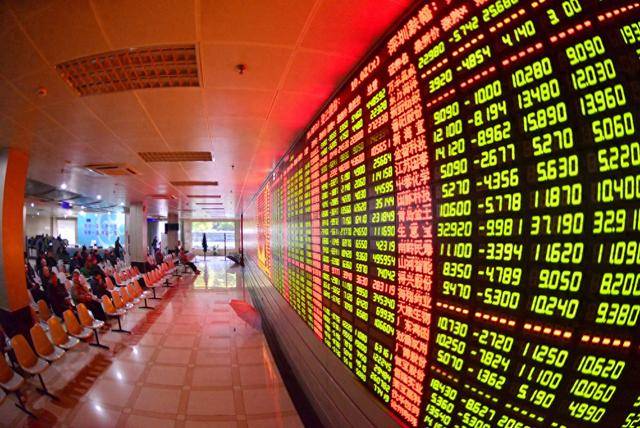
Core Viewpoint - The long-term performance of the A-share market is significantly lagging behind that of the US stock market, primarily due to the lack of high-growth technology companies in the A-share market compared to the US market [1][5][11]. Group 1: Market Performance Comparison - As of November 13, 2025, the A-share market showed strong short-term performance, with the Shanghai Composite Index and CSI 300 Index up 20%, the Sci-Tech 50 up 40%, and the ChiNext Index up 50% [1]. - However, over a ten-year period from early 2016 to November 13, 2025, the S&P 500 and Nasdaq indices saw cumulative gains of 237% and 360%, respectively, while the Shanghai Composite Index only gained about 15% [3][5]. Group 2: Company Composition and Growth - The top ten companies in the US stock market are predominantly high-tech firms, including Apple, Microsoft, and Nvidia, which have shown profit growth rates of 20% to 30%, with some even reaching 100% to 200% [5][7]. - In contrast, the A-share market's top ten companies are mainly traditional industries, with major banks and state-owned enterprises, which have experienced minimal profit growth, often in single digits [5][6]. Group 3: Global Market Reach - US tech companies earn revenue globally, contributing to their high market valuations, while A-share companies primarily generate revenue from the domestic market, limiting their growth potential [7][9]. - Nvidia's revenue grew from $26.9 billion in 2022 to $60.9 billion in 2024, showcasing a growth rate of 126%, while Agricultural Bank of China's profit growth was only 8.5% during the same period [9]. Group 4: Future Outlook - For the A-share market to improve its long-term wealth effect, it needs to develop more companies like Ningde Times and Industrial Fulian, which have global revenue streams and sustainable growth potential [11]. - The structural difference in market composition, with a high proportion of financial and energy sectors in A-shares compared to the tech sector in the US, poses a challenge for A-shares to achieve comparable long-term returns [11].



都在抢3nm,台积电大扩产
半导体行业观察· 2025-11-14 01:44
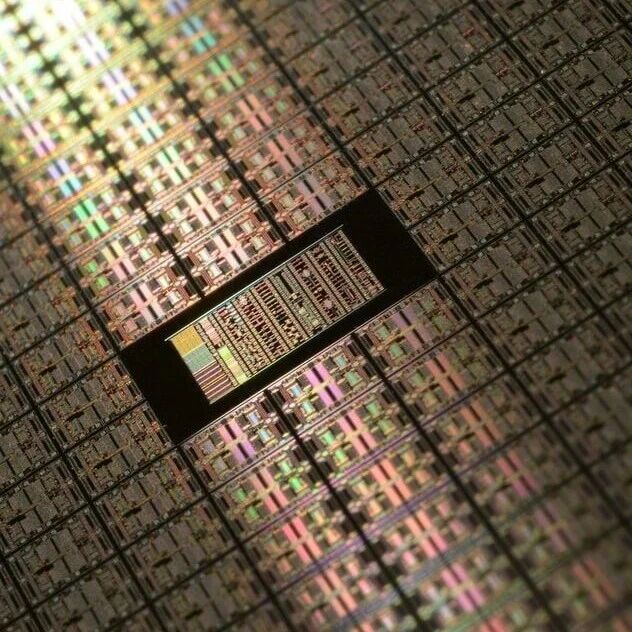
Core Viewpoint - Morgan Stanley's report highlights the increasing demand for 3nm capacity from major AI companies and Tesla, leading to a shortage and urgent capacity expansion by TSMC [2][3]. Group 1: Capacity Expansion - TSMC is expected to increase its 3nm capacity by an additional 20,000 wafers per month by the end of this year, raising the total to 110,000-120,000 wafers per month, exceeding previous expectations [2]. - By 2026, TSMC's 3nm capacity is projected to further expand to 140,000-150,000 wafers per month, primarily from the second phase of the Arizona plant and the conversion of existing 4/5nm lines in Taiwan [3]. Group 2: Capital Expenditure - TSMC's capital expenditure for next year is anticipated to rise from the original plan of $43 billion to a range of $48-50 billion due to the increased capacity expansion [2][3]. - The capital expenditure for 2026 is expected to reach $48-50 billion, with a significant portion allocated to advanced process technologies [3]. Group 3: Industry Impact - The expansion of TSMC's 3nm capacity and increased capital expenditure is expected to have a positive catalytic effect on semiconductor equipment manufacturers [3]. - Tesla's future AI6 chip, utilizing 2nm technology, is projected to generate approximately $2 billion in foundry opportunities for TSMC annually [3].
英伟达业绩前瞻
Xin Lang Cai Jing· 2025-11-13 13:07
Core Viewpoint - Nvidia is expected to report earnings on November 19, with performance in line with expectations and guidance stronger than anticipated, driven by Blackwell and RTXPro [1] Group 1: Earnings Forecast - Estimated revenue for the January quarter is $64.5 billion, with guidance of $62.5 billion, compared to consensus of $61.7 billion, driven by continued demand for Blackwell [2] - For the October quarter, revenue is estimated at $55.9 billion, exceeding consensus of $55 billion, based on the sales of 1.4 million Blackwell units and a small contribution from Hopper [2] Group 2: Business Growth Potential - Nvidia's Networking business is projected to grow over 90% year-on-year in FY27, supported by aggressive plans for Spectrum-X and NVLinkFabric [3] - The company has set ambitious deployment plans for its CY26 Ethernet switches, with Spectrum-X ARR reaching $10 billion [3] Group 3: Product Development and Client Base - The company anticipates strong demand from clients such as P, Neocloud, and startups, despite potential competition from Google and AWS [2] - Progress on Rubin and VR200NVL144 is on track, with expected production capacity of 377,000 and 630,000 units in 2025 and 2026, respectively [2]
深夜,大涨!芯片,重大利好!
券商中国· 2025-11-12 15:03
Core Viewpoint - The semiconductor sector in the U.S. is experiencing a significant rally, driven by optimistic market sentiment regarding AI and expectations of Federal Reserve interest rate cuts due to weak employment data [2][3]. Semiconductor Market Performance - On November 12, U.S. stock indices opened higher, with the semiconductor sector leading the gains; the Philadelphia Semiconductor Index rose nearly 2%, and AMD surged nearly 9% at one point [2]. - Major semiconductor companies such as AMD, GlobalFoundries, Broadcom, and Micron all saw substantial increases in their stock prices, with AMD rising over 7% and GlobalFoundries over 5% [3]. Economic and Policy Factors - Analysts suggest that the potential reopening of the U.S. government and the resumption of economic data releases could further solidify market expectations for Federal Reserve rate cuts [4]. - The U.S. House of Representatives is set to vote on a bill to end the government shutdown, which is contributing to positive market sentiment [3]. AI Market Outlook - AMD's CEO, Lisa Su, provided an optimistic forecast for the AI market, predicting that the global AI chip market will reach $1 trillion by 2030, up from approximately $200 billion this year, with a compound annual growth rate (CAGR) exceeding 40% [5]. - AMD aims to capture a "double-digit" market share in the AI data center chip market, with projected annual revenue from AI data center chips reaching $100 billion within five years [5]. Morgan Stanley's Insights - Morgan Stanley's latest report indicates that concerns about an "AI bubble" are rising, but the semiconductor upcycle driven by AI is far from peaking, with expectations of continuation until 2027 [6]. - Global semiconductor revenue is forecasted to grow by 18% in 2026 and 11% in 2027 [7]. K-shaped Recovery in Semiconductor Sector - The current semiconductor upcycle is characterized as a "K-shaped recovery," with strong demand for AI-related products while other tech sectors face adjustments [8]. - The trajectory of this semiconductor recovery is likened to the early stages of smartphones and public cloud services, with generative AI still having significant growth potential [8]. Supply Chain Dynamics - Key cloud service providers (CSPs) are expected to maintain strong capital expenditures, with the top six CSPs projected to increase spending by 67% in 2025 and about 32% in 2026 [8]. - Supply shortages in critical areas such as 3nm processes and high bandwidth memory (HBM) are anticipated to persist until 2026, extending the semiconductor upcycle [8]. NAND Flash Market Developments - Major players like Samsung and SK Hynix are planning to increase NAND prices by 20% to 30% as they reduce supply to drive price increases [9]. - Analysts predict that DRAM prices will continue to rise significantly in the coming weeks, with NAND contract prices potentially increasing by 20% to 30% in the fourth quarter [9].

【太平洋科技-每日观点&资讯】(2025-11-13)
远峰电子· 2025-11-12 13:41
Market Performance - The main board led the gains with notable increases in stocks such as Tianxiaxiu (+10.06%), Dagang Co. (+10.01%), and Zhongankey (+10.00%) [1] - The ChiNext board saw significant growth with Kexiang Co. (+19.98%), Aerospace Zhizhuang (+16.57%), and Aoni Electronics (+12.70%) [1] - The Sci-Tech Innovation board was also strong, highlighted by Dekeli (+11.93%), Ruikeda (+11.00%), and Yingfang Software (+8.61%) [1] - Active sub-industries included SW Communication Network Equipment and Devices (+1.51%) and SW Other Electronics III (+1.23%) [1] Domestic News - Hezhima Intelligent announced that its flagship product, the Huashan A1000 automotive-grade high-performance auxiliary driving chip, has been successfully integrated into Desay SV's new low-speed unmanned vehicle brand "Chuanxing Zhiyuan" S6 series, establishing a dual-brain redundancy architecture for enhanced safety in logistics automation [1] - CINNO reported that TCL Huaxing's Vietnam base has officially commenced mass production of IT products, with an annual capacity of 4.8 million for both display and notebook computer modules, marking a significant step in TCL Huaxing's global supply chain and Vietnam market strategy [1] - Lanke Technology launched a new generation DDR5 clock driver (CKD) chip, supporting data transfer rates of up to 9200 MT/s, which optimizes client memory subsystem performance for next-generation high-performance PCs, laptops, and workstations [1] - According to reports from South Korean media, Sunic System has received a letter of intent from BOE worth approximately $300 million (about 2.135 billion yuan) for subsequent orders related to OLED evaporation equipment [1] Company Announcements - Dahua Technology announced the repurchase of 33,300,901 shares, accounting for 1.01% of the total share capital, meeting the disclosure standard [3] - Dazhu CNC announced an increase in the expected amount of related party transactions for 2025 by 26 million yuan with Dazhu Laser and its controlling entity [3] - Yidao Information reported its first share repurchase of 22,400 shares, representing 0.02% of total share capital, with a transaction amount of 1,029,221 yuan (excluding transaction fees) [3] - Mingpu Optical Magnetic announced the acquisition of a patent for a vehicle-mounted cold-press integrated inductor and its preparation method, which enhances production efficiency through improved granule uniformity and flowability [3] International News - An international research team successfully developed the world's smallest organic light-emitting diode (OLED) pixel, measuring only 300 nm × 300 nm, achieving 1% external quantum efficiency and a maximum brightness of 3000 cd/m², paving the way for next-generation ultra-high-resolution AR/VR displays [4] - AMD's CTO emphasized that the Zen 6 architecture will cover both standard and high-density core versions, benefiting from significant IPC improvements, enabling generational performance leaps and enriching AI capabilities in Ryzen and EPYC processors [4] - SK Keyfoundry announced the acceleration of research on silicon carbide (SiC) based power semiconductor technology to strengthen its position in the global power semiconductor market, following the acquisition of SK Powertech [4] - GlobalFoundries announced a technology licensing agreement with TSMC for GaN technology, aiming to expedite mass production of next-generation power devices, with production expected to begin in late 2026 [4]

英伟达,盛极而衰?
Tai Mei Ti A P P· 2025-11-12 07:39
Core Insights - Nvidia's GTC conference in Washington D.C. marked a significant event where CEO Jensen Huang announced the next-generation Vera Rubin superchip and a $1 billion investment in Nokia, leading to a surge in Nvidia's stock price, which crossed $200 for the first time and made it the first company to reach a $5 trillion market cap [1][2] Stock Performance - Following the initial surge, Nvidia's stock experienced a decline from October 30 to November 6, with a maximum single-day drop of 3.7%, resulting in a market cap reduction of over $460 billion [2] - On November 10, Nvidia's stock rebounded with a 5.8% increase, marking the largest single-day gain since April [2] SoftBank's Actions - SoftBank announced it sold all its Nvidia shares in October, a move that sparked negative market sentiment, leading to a nearly 3% drop in Nvidia's stock price on the announcement day [3] - The sale, amounting to $5.83 billion, was interpreted as a signal of SoftBank's shift in focus towards investing in OpenAI, which SoftBank views as a future leader in the AI space [3][4] OpenAI Investment - SoftBank's investment in OpenAI, potentially up to $30 billion for a 5%-10% stake, indicates a strategic pivot towards AI, with OpenAI being a significant contributor to SoftBank's profits [4] - The anticipated IPO of OpenAI in 2027 could reach a valuation of $1 trillion, further emphasizing the potential of AI investments [4] Market Sentiment and Concerns - The market is experiencing heightened anxiety regarding the sustainability of AI valuations, drawing parallels to the internet bubble of the late 1990s [7] - Concerns are growing over potential oversupply in the AI chip market, as highlighted by recent underperformance from key players like TSMC and CoreWeave [8] - The competitive landscape is intensifying with the emergence of Chinese companies in the AI chip sector, posing a challenge to Nvidia's market position [8] Future Outlook - The ongoing debate about whether Nvidia will face a "big but not falling" scenario or a "prosperity followed by decline" situation is central to current market discussions [9] - Nvidia's future trajectory remains uncertain amid these market dynamics, with significant implications for investors and the broader tech industry [9]
软银清仓英伟达(NVDA.US)后股价应声暴跌10% ! 分析师:非看淡硬件,乃加倍下注AI未来
Zhi Tong Cai Jing· 2025-11-12 02:35
Group 1 - SoftBank Group's stock price fell by over 10% after announcing the liquidation of its entire stake in NVIDIA, cashing out $5.83 billion [1] - The funds from the NVIDIA sale will be used to support a $22.5 billion investment in OpenAI [1] - SoftBank sold 32.1 million shares of NVIDIA and raised $9.17 billion by reducing its position in T-Mobile [1] Group 2 - SoftBank's CFO stated the intention to maintain financial strength while creating more investment opportunities for investors [1] - Despite the unexpected liquidation of NVIDIA shares, this is not the first time SoftBank has divested from the chip giant, having previously sold its entire stake in 2019 [1] - Analysts view the move as a bullish signal for SoftBank's commitment to generative AI, with a focus on OpenAI and strategic hardware partnerships, particularly with Arm Holdings [1] Group 3 - The sell-off has impacted several technology companies in the Asia-Pacific region, with semiconductor testing equipment manufacturer Advantest and chip production equipment maker Tokyo Electron both seeing declines of over 2% [2] - TSMC, the world's largest chip foundry, experienced a 1.39% drop in its stock price, while South Korean memory chip giant SK Hynix fell nearly 2% [2]
软银清仓英伟达(NVDA.US)后股价应声暴跌10% ! 分析师:非看淡硬件,乃加倍下注AI未来
Zhi Tong Cai Jing· 2025-11-12 02:35
Group 1 - SoftBank Group's stock price fell by over 10% after announcing the complete divestment of its shares in NVIDIA, cashing out $5.83 billion [1] - The funds from the NVIDIA sale will support SoftBank's $22.5 billion investment in OpenAI, the developer of ChatGPT [1] - SoftBank sold 32.1 million shares of NVIDIA and raised $9.17 billion by reducing its position in T-Mobile [1] Group 2 - Despite the unexpected divestment from NVIDIA, this is not the first time SoftBank has exited its position in the chip giant, having previously sold a $4 billion stake in 2019 [1] - Analysts view the NVIDIA sell-off as a bullish signal for SoftBank's strategy rather than a bearish one [1] - SoftBank maintains a strategic focus on hardware, particularly through its controlling stake in Arm Holdings, which supports mobile devices and AI processors [1] Group 3 - The sell-off has also impacted several technology companies in the Asia-Pacific region, with semiconductor testing equipment manufacturer Advantest and chip production equipment maker Tokyo Electron both seeing declines of over 2% [2] - TSMC, the world's largest chip foundry, experienced a 1.39% drop in its U.S. stock, while South Korean memory chip giant SK Hynix fell nearly 2% [2]
孙正义出手!软银清仓英伟达,套现58亿美元转向其它AI投资
Jin Shi Shu Ju· 2025-11-11 07:57
Group 1 - SoftBank Group has completely liquidated its holdings in Nvidia, cashing out approximately $5.8 billion as founder Masayoshi Son plans significant investments focused on AI [1] - The company reported a net profit of 2.5 trillion yen (approximately $162 billion) for the second quarter of the fiscal year ending September, significantly exceeding market analysts' average expectations of 418.2 billion yen [1] - SoftBank's stock price surged by 78% in the three months ending September, marking its best quarterly performance since Q4 2005, driven by substantial gains from its AI-related investments [1] Group 2 - Masayoshi Son is actively betting on the AI and semiconductor industries while reducing investments in other areas, with plans including a $30 billion investment in OpenAI and discussions with TSMC regarding a $1 trillion AI manufacturing center in Arizona [2] - The financial challenge lies in raising funds for new investments, including the $20 billion for OpenAI and $6.5 billion for acquiring Ampere Computing [2] - A report from Finimize indicates that the previous strategy of buying SoftBank for low-cost access to Arm shares and broader AI and tech exposure has exceeded expectations, but the discount opportunity has largely disappeared, suggesting it may be a good time to sell and realize profits [2]
昨夜,芯片股大涨!
Zheng Quan Shi Bao· 2025-11-10 23:55
Market Overview - On November 10, US stock indices collectively rose, with the Dow Jones up 0.81%, S&P 500 up 1.54%, and Nasdaq up 2.27% [1][2] - The S&P 500 saw eight sectors rise and three decline, with the technology and communication services sectors leading the gains at 2.68% and 2.53% respectively [2] Semiconductor Sector - The Philadelphia Semiconductor Index increased by 3.02%, with notable gains in Micron Technology (over 6%), Nvidia (over 5%), and AMD (over 4%) [2] - Industry reports indicate a global AI wave is driving demand, leading to a shortage of storage chips and prompting a production expansion [2] - Major companies like Samsung, SK Hynix, and Micron are shifting capital expenditures towards high-bandwidth memory (HBM) products, suggesting a supply-demand gap in traditional storage will persist at least until next year [2] Notable Stocks - SanDisk shares rose by 11.89%, reaching a historical high, with a year-to-date increase of over 400% [2] - SanDisk has reportedly raised contract prices for its November NAND flash memory chips by 50%, driven by AI-related demand growth [2] Banking Sector - Bank stocks saw a general increase, with Morgan Stanley, Goldman Sachs, and US Bancorp rising over 1% [3] Energy Sector - Energy stocks also experienced gains, with US energy up nearly 2% and companies like ConocoPhillips and BP rising over 1% [3] Chinese Stocks - The Nasdaq Golden Dragon China Index rose by 2.25%, with significant increases in stocks like XPeng (over 16%) and Canadian Solar (nearly 14%) [3]