中信银行

Search documents
瑞士达沃斯:《Brand Finance 2026年全球品牌价值500强榜单报告》出炉
Feng Huang Wang Cai Jing· 2026-01-20 23:28
Core Insights - The Brand Finance 2026 Global Brand Value 500 report highlights Apple's continued dominance as the world's most valuable brand, with a brand value of $607.64 billion, reflecting a growth of 5.8% [5][6] - The report indicates that the United States leads with 192 brands contributing 53.4% of the total brand value, followed by China with 68 brands at 15.1% [3][5] - The banking sector remains the highest valued industry globally, contributing 12.5% of total brand value with 79 brands, while media and electronics follow [3][5] Company Highlights - Apple maintains its position as the top brand, with a brand value of $607.64 billion, driven by strong performance in services including advertising and cloud services [5][6] - Microsoft ranks second with a brand value of $565.25 billion, showing a significant growth of 22.6%, bolstering its leadership in AI and cloud services [5][6] - TikTok (Douyin) has seen a remarkable brand value increase of 45.1%, reaching $153.54 billion, making it the highest valued Chinese brand and sixth globally [7][19] - The State Grid of China ranks tenth globally with a brand value of $102.44 billion, leading the utilities sector and achieving a 19.6% growth [8][19] - China Petroleum and China Petrochemical also show positive growth in brand value, with China Petroleum at $35.74 billion and China Petrochemical at $30.42 billion [11][20] Industry Insights - The banking industry is highlighted as the strongest sector for Chinese brands, with a total brand value of $417 billion from 13 banks, marking a 1.4% increase [10] - The utilities sector, led by the State Grid, shows strong performance, with China Southern Power Grid achieving a 33.2% growth in brand value [9][10] - The food and beverage sector is represented by Yili, which ranks third globally in the food industry with a brand value of $14.5 billion, reflecting a 29.2% growth [13][21] - The insurance sector also performs well, with six out of seven Chinese brands on the list showing growth, particularly China People's Insurance with a 12% increase [15][21] - The engineering sector sees China holding nine out of twenty brands, with China National Building Material achieving a 1.3% growth in brand value [15][21]





黄金投资带火银行“小众”业务
Zheng Quan Ri Bao· 2026-01-20 23:20
Core Insights - The demand for bank safe deposit boxes is surging due to the increasing interest in gold investments among residents, leading to a significant supply-demand imbalance in the market [1][4][5] - Many banks are experiencing a shortage of available safe deposit boxes, with waiting times for larger boxes extending up to 3 to 5 years [2][3][5] - The safe deposit box rental business, traditionally a niche service, is gaining mainstream attention as more customers seek to store physical gold and other valuables [3][4] Demand Factors - The rising trend of gold investment among residents has led to a marked increase in the demand for safe deposit boxes to store physical gold and precious metals [4][5] - Customers prefer physical gold over other investment products due to its perceived stability and security [4] Supply Factors - The supply of safe deposit boxes is constrained by the fixed capacity of bank facilities, making it difficult to expand the number of available boxes [5][6] - The rental process is slow, with many customers opting for long-term leases, which further limits the turnover of available boxes [5][6] Business Dynamics - The safe deposit box rental service is characterized by high initial investment and ongoing operational costs, which may deter banks from expanding this service [6][7] - Some banks have ceased offering safe deposit box services due to business adjustments and the high costs associated with maintaining security standards [6][7] Technological Advancements - The integration of digital and intelligent technologies is revitalizing the traditional safe deposit box business, enhancing security and customer experience [7][8] - Innovations such as biometric verification and automated safe deposit boxes are being introduced, allowing for more efficient and secure access [7][8]




银行保管箱“一箱难求” 黄金投资带火银行“小众”业务
Zheng Quan Ri Bao· 2026-01-20 16:56
Core Viewpoint - The demand for bank safe deposit boxes is surging due to the increasing interest in gold investments among residents, leading to a supply-demand imbalance where many banks are experiencing a shortage of available boxes [1][4][5]. Group 1: Market Demand - Over 200 customers are currently waiting to reserve small-sized safe deposit boxes at the China Merchants Bank Beijing branch, with larger boxes potentially requiring a wait of several years [1][2]. - The demand for safe deposit boxes is primarily driven by the need to store physical gold and other precious metals, with many banks reporting that their boxes are fully booked [2][4]. - Customers are increasingly opting for physical gold investments over other financial products, viewing it as a form of forced savings [4]. Group 2: Supply Constraints - The supply of safe deposit boxes is limited due to the fixed nature of bank facilities, making it difficult to expand capacity significantly [4][5]. - Many banks have ceased offering safe deposit box rental services or reduced their supply due to business adjustments, with over 10 branches reported to have closed such services in 2025 alone [6]. - The rental process is slow, with long waiting times for customers, as most boxes are rented on long-term contracts, leading to low turnover rates [5][6]. Group 3: Technological Advancements - The traditional safe deposit box business is undergoing a transformation with the integration of digital and intelligent technologies, enhancing security and service efficiency [7][8]. - Banks are implementing advanced security measures, including biometric verification and AI-driven monitoring systems, to improve the safety of safe deposit boxes [7][8]. - Innovations such as fully automated safe deposit boxes are being introduced, allowing customers to access their boxes without bank staff assistance, thus enhancing privacy and convenience [7].
银行保管箱“一箱难求”黄金投资带火银行“小众”业务
Zheng Quan Ri Bao· 2026-01-20 16:24
Core Viewpoint - The demand for bank safe deposit boxes is surging due to the increasing interest in gold investments among residents, leading to a supply-demand imbalance in the market [1][5]. Group 1: Market Demand - Over 200 customers are currently waiting to reserve small-sized safe deposit boxes, with larger boxes potentially requiring a wait of several years [1][2]. - The demand for safe deposit boxes is primarily driven by the need to store physical gold and other precious metals, as many customers prefer tangible assets over fluctuating investment products [5][6]. - The rental of safe deposit boxes has become a popular service among banks, with many branches reporting a lack of available boxes and long waiting lists for customers [2][4]. Group 2: Supply Constraints - The supply of safe deposit boxes is limited due to the fixed nature of bank facilities, making it difficult to expand capacity quickly [5][6]. - Many banks have ceased offering safe deposit box services or reduced their availability due to operational adjustments and high initial investment costs [7]. - The rental process is slow, as most customers opt for long-term leases, resulting in low turnover rates for available boxes [5][7]. Group 3: Technological Advancements - Banks are integrating digital and intelligent technologies into their safe deposit box services, enhancing security and operational efficiency [8][9]. - New technologies such as biometric identification and AI-driven monitoring systems are being implemented to improve safety and customer experience [9]. - Automated safe deposit boxes are being introduced, allowing customers to access their boxes without bank staff assistance, thus increasing privacy and convenience [8].


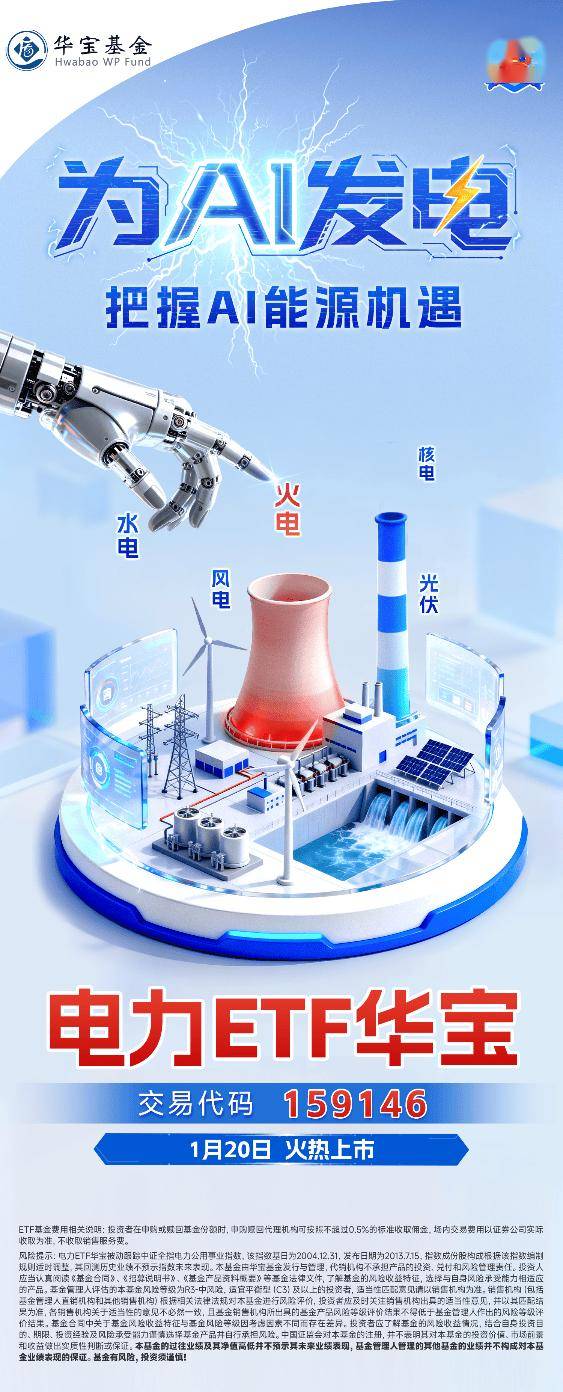
ETF复盘资讯|化工、贵金属逆市爆发!化工ETF(516020)劲涨1.27%续创阶段新高!电力ETF(159146)上市首日开门红!
Sou Hu Cai Jing· 2026-01-20 13:47
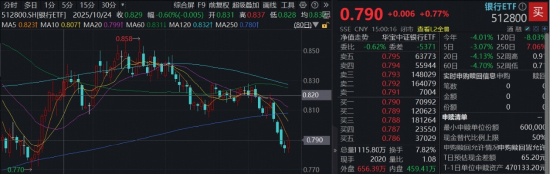
Market Overview - Major Asia-Pacific indices showed a collective decline, with the A-share market also experiencing consolidation, as the Shanghai Composite Index fluctuated while the Shenzhen Component and ChiNext indices performed weakly. The total trading volume in Shanghai, Shenzhen, and Beijing reached 2.8 trillion yuan, an increase of 72 billion yuan compared to the previous day [1] Real Estate Sector - The real estate sector rebounded strongly, with a notable increase in the price of a real estate ETF (159707) by 3.22%, marking multiple consecutive gains. According to the National Bureau of Statistics, the sales price of newly built commercial residential properties in first-tier cities decreased by 0.3% month-on-month in December 2025, with Shanghai seeing a slight increase of 0.2% [1] Chemical Sector - The chemical sector experienced a significant rally, with the chemical ETF (516020) reaching a new high since August 2022, closing up 1.27%. Major companies in the sector, such as BASF and Dow, have been raising prices across Europe, Asia, and the Middle East. The ETF attracted 1.148 billion yuan in the last ten days [1][4] - The chemical ETF has seen substantial net inflows, with over 5.8 billion yuan in net subscriptions in the last five trading days and 11 billion yuan in the last ten days. The Ministry of Industry and Information Technology has set guidelines for zero-carbon factory construction, which may limit new capacity in the chemical sector [6][7] Banking Sector - The banking sector showed resilience amid market volatility, with a significant number of bank stocks rising. The top bank ETF (512800) closed up 0.77%, ending a four-day losing streak. Historical data indicates that the banking sector has a high probability of generating absolute and excess returns before the Spring Festival, with an average return of 4.4% from 2017 to 2025 [8][11][14] - The banking sector is expected to benefit from continued growth in credit, supported by stable growth policies and a favorable low-interest-rate environment. The latest dividend yield for the banking index stands at 4.78%, significantly higher than the 10-year government bond yield of 1.84% [14][15] AI and Technology Sector - The AI and technology sectors faced a downturn, with the entrepreneurial AI ETF (159363) experiencing a four-day decline. Despite this, the sector remains attractive for future investments, particularly in light of ongoing developments in AI applications and infrastructure [16][18] - The communication and semiconductor industries are expected to see increased attention due to their potential for earnings upgrades, with significant growth anticipated in the coming years [18][20]

香港债券市场全景及投资价值分析
Huachuang Securities· 2026-01-20 12:08
1. Report Industry Investment Rating There is no information provided about the industry investment rating in the report. 2. Core Viewpoints of the Report - In 2026, the mainland bond market is expected to maintain a low - interest - rate environment. "Going outbound" to seek high - coupon bonds remains one of the main demands of non - bank institutions. The new "Southbound Connect" policy may be gradually implemented, so investors can actively focus on the Hong Kong bond market to further explore investment value [2]. - The expansion of the "Southbound Connect" mechanism will significantly broaden the channels for non - bank institutions such as securities firms, funds, insurance companies, and bank wealth management to participate in the Hong Kong bond market. It is recommended to focus on the investment opportunities of dim sum bonds, which have been continuously expanding in recent years, and Chinese - funded US dollar bonds with a large outstanding scale [8]. 3. Summary According to the Table of Contents 3.1 Hong Kong Bond Market Development History and Outstanding Structure Characteristics 3.1.1 Development History: From Dominated by US Dollar Bonds to the Rise of RMB Bonds - The Hong Kong bond market can be divided into three development stages. Before 2015, it was in a slow - development stage, with the issuance scale growing from $100 million in 1989 to $103.3 billion in 2014, mainly corporate bonds. After the launch of the "Government Bond Program" in 2009, the issuance scale of government bonds began to increase [3][15]. - From 2015 - 2021, it experienced rapid development, with the issuance scale growing from $188.5 billion to $499.4 billion. The proportion of government bonds increased, mainly due to the growth of Hong Kong government retail bonds. US dollar bonds also grew rapidly because of the relaxation of overseas debt issuance regulations by the mainland [3][16]. - Since 2022, the total market has been in a stable development stage, but the internal structure has changed. The scale of US dollar bonds has decreased significantly due to tightened mainland regulations and the Fed's interest - rate hikes, while RMB bonds have developed rapidly due to China's loose monetary environment and central government policies [4][17]. 3.1.2 Outstanding Structure Characteristics: Chinese Issuers Account for 80%, and the Financial Industry Dominates - As of the end of 2024, the outstanding scales of Hong Kong dollar bonds, offshore RMB bonds, and G3 currency bonds in the Hong Kong bond market were $195.5 billion, $173.2 billion, and $565.6 billion respectively, with corporate bonds accounting for over 70% in each category [24]. - Currently, the total outstanding bond scale in the Hong Kong market is about $1.05 trillion. About 80% of the issuers are from China, about 65% of the remaining maturities are within 3 years, the financial industry accounts for half of the market, and the currency is mainly US dollars [4][25]. 3.2 Hong Kong Bond Market Liquidity and Investor Participation - In terms of liquidity, before the end of 2020, the average daily trading volume of bonds托管 and settled by the CMU system was stable at around HK$5 billion. Since 2021, the launch of the "Southbound Connect" and the increase in the issuance of RMB bonds have promoted the trading volume to increase to HK$20 - 25 billion, and the average daily turnover rate has risen from about 0.5% to around 1% [5][37]. - In terms of investor structure, asset management institutions, banks, and hedge funds hold 75%, 9%, and 7% of the outstanding bond balances with available holder data respectively. Holders are mainly distributed in the United States, Luxembourg, and China, and foreign - funded enterprises such as BlackRock, Nomura, and HSBC have relatively large management scales [5][41][44]. 3.3 Participation Opportunities in the Hong Kong Bond Market under the Expansion of the Bond "Southbound Connect" Mechanism 3.3.1 Chinese - funded Overseas Bonds: There are Obvious Excess Spreads, with Priority Focused on - Dim sum bonds: There are opportunities for spread compression in various types of urban investment bonds and high - grade industrial bonds. The outstanding dim sum bonds in the Hong Kong market are 1,376, with a balance of about 1.47 trillion yuan. The excess spreads of high - grade urban investment and industrial bonds are mostly between 100 - 150BP, and the spreads of low - grade urban investment bonds are mostly between 200 - 400BP [50]. - Chinese - funded US dollar bonds: The excess spreads of all varieties compared with domestic bonds are over 200BP. There are 1,066 outstanding Chinese - funded US dollar bonds in the Hong Kong market, with a balance of about $352.7 billion. The excess spreads of high - grade urban investment and industrial bonds are mostly between 200 - 300BP, and those of low - grade bonds are over 300BP [53]. - Sub - varieties investment suggestions: For urban investment overseas bonds, select bonds with a maturity of less than 3 years, a yield of over 4%, a subject rating of AA+ or above, and a bond balance of over 300 million yuan/dollars. For industrial overseas bonds, focus on central and state - owned enterprise bonds, and be cautious about the real - estate industry. For financial overseas bonds, pay attention to the overseas bonds of industries such as banks and AMCs [9][57][58]. 3.3.2 Overseas Bonds of Hong Kong, Macao, Taiwan, and Foreign - funded Enterprises: Focus on High - Quality Entities with Large Outstanding Scales and High Coupons - Consider overseas bonds issued by Hong Kong, Macao, Taiwan, and foreign - funded enterprises with large outstanding scales and high coupon yields, such as Hong Kong Mortgage Corporation Limited, Hong Kong Airport Authority, and Qatar Petroleum. These bonds generally have an average yield or coupon rate of over 3% and have certain allocation value. However, credit research and risk screening of the issuers are required before investment [6][10][62].
复盘10年走势,春节银行绝对、超额收益胜率最高!银行掉头向上,顶流银行ETF(512800)逆市上探逾1%
Xin Lang Cai Jing· 2026-01-20 11:27
Group 1 - The banking sector showed resilience amid market fluctuations, with 42 bank stocks rising, except for Shanghai Pudong Development Bank, and notable gains from Chengdu Bank, Chongqing Bank, Changsha Bank, and others [1][9] - The top bank ETF (512800) experienced a price increase of over 1% at one point, closing up by 0.77% [1][9] - The absolute and excess returns of banks before the Spring Festival are driven by multiple factors, including balanced market styles, insurance fund allocations, and favorable credit data [3][11] Group 2 - Looking ahead to 2026, factors supporting the banking sector's performance include continued growth policies, ongoing asset shortages in insurance, and increased market volatility [3][11] - The People's Bank of China has lowered various structural monetary policy tool rates by 0.25 percentage points, indicating a focus on maintaining moderate monetary easing and structural adjustments [3][11] - As of January 20, the latest dividend yield of the China Securities Banking Index reached 4.78%, significantly exceeding the 10-year government bond yield of 1.84% [3][11] Group 3 - Historical data shows that the banking sector has an 80% success rate for absolute and excess returns before the Spring Festival over the past decade, with an average return of 4.4% from 2017 to 2025 [4][9] - The banking ETF (512800) is the largest and most liquid among A-share bank ETFs, with a recent scale of 11.18 billion yuan and an average daily trading volume exceeding 800 million yuan since 2025 [12]
消费贷贴息加码:增信用卡分期、城商行等机构
Xin Lang Cai Jing· 2026-01-20 10:41
Core Viewpoint - The Chinese government has extended the personal consumption loan interest subsidy policy until the end of 2026, including credit card installment payments in the subsidy scope, to stimulate domestic consumption and support economic growth [3][12][13]. Policy Extension and Scope Expansion - The personal consumption loan interest subsidy policy's deadline has been extended from August 31, 2026, to December 31, 2026 [4][14]. - Credit card installment payments are now included in the subsidy, with an annual interest subsidy rate of 1% [5][14]. - The policy aims to enhance consumer spending and support the healthy development of credit card businesses [5][14]. Increase in Eligible Institutions and Scenarios - The policy has expanded the range of eligible institutions to include city commercial banks rated 3A and above, rural cooperative financial institutions, foreign banks, consumer finance companies, and auto finance companies [6][16]. - The central and provincial finances will cover 90% and 10% of the subsidy funds, respectively, maintaining the previous funding ratio [6][16]. - The policy encourages innovation in consumer credit products and aims to create more financial support scenarios for consumption, enhancing the coverage and activity of service consumption [8][18]. Impact on Consumer Behavior and Market Dynamics - The subsidy policy is expected to significantly lower the actual costs for consumers, thereby boosting their willingness to spend [5][10]. - The policy's implementation has already led to a substantial increase in consumer loan applications and disbursements, indicating strong market demand [17]. - The removal of previous limits on subsidy amounts is anticipated to provide consumers with greater flexibility and choice, potentially leading to increased consumption [19][20]. Recommendations for Implementation - To optimize the implementation of the subsidy policy, it is suggested to enhance the precision of policy design, improve execution efficiency, and ensure better coordination among related policies [20]. - There is a call for dynamic adjustments to the supported industries and consumption areas based on local consumption trends and industrial planning [20].
尾盘直线涨停,超24万手封单
Zhong Guo Zheng Quan Bao· 2026-01-20 10:05
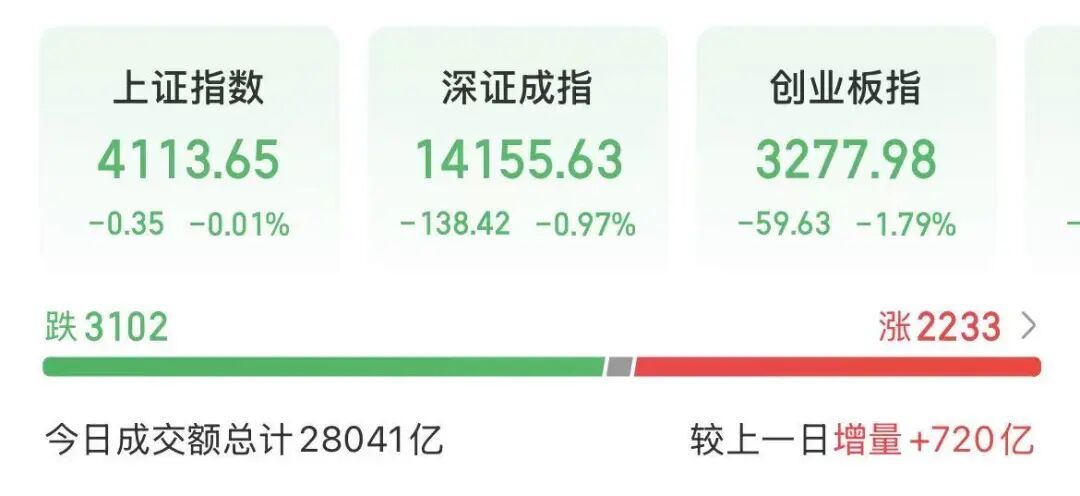
Market Overview - On January 20, the three major A-share indices experienced a pullback, with the Shanghai Composite Index down 0.01%, the Shenzhen Component Index down 0.97%, and the ChiNext Index down 1.79% [1] Sector Performance - The chemical sector saw a significant surge, with stocks like Hongbaoli and Shandong Heda hitting the daily limit. China Chemical's market capitalization reached 53.678 billion yuan, with over 240,000 hands of sealed orders at the closing [3][6] - Precious metals continued to show strength, with Hunan Silver hitting the daily limit. The real estate sector was also active, with Dayuecheng and Chengtou Holdings reaching the daily limit. Conversely, sectors like computing hardware and commercial aerospace faced notable declines, with Shenjian Co. experiencing four consecutive daily limits down [6] Chemical Market Insights - The domestic epoxy propane market price surged recently, with an average price of 8,620 yuan/ton as of January 18, up 8.84% week-on-week and 9.88% year-on-year. Factory inventory decreased to 27,500 tons, down 3.85% week-on-week and 10.71% year-on-year, indicating strong downstream demand driven by policy windows and capacity expansion [8] - Tianfeng Securities noted that the supply side of the domestic epoxy propane market remains tight, with overall industry inventory at low levels. The demand side is driven by the "last train" effect of the cancellation of export tax rebates for polyether in April, leading downstream polyether companies to actively secure orders [9] Investment Recommendations - Zhongyin Securities suggests focusing on undervalued leading companies in the chemical sector in January, considering the impact of "anti-involution" on the supply side. Long-term investment recommendations include three main lines: recovery in demand supported by policies, rapid development of downstream industries, and attention to sub-industries with sustained high or improving prosperity [10] Banking Sector Performance - The banking sector saw an increase, with banks like Chengdu Bank, Chongqing Rural Commercial Bank, and CITIC Bank showing positive performance [12][14] - On January 20, the Ministry of Finance released several policy documents aimed at optimizing personal consumption loan subsidies, equipment renewal loan subsidies, and support for small and micro enterprises, which are expected to benefit the banking sector [14]

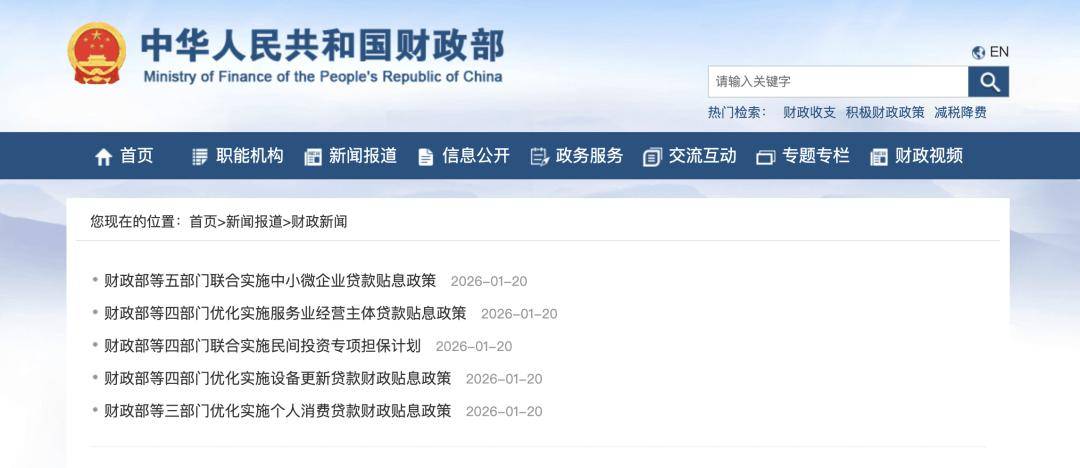
财政部连发多份重要文件,事关贷款贴息、民间投资贷款担保等 一揽子政策全文公布
Sou Hu Cai Jing· 2026-01-20 09:03
Group 1 - The core viewpoint of the news is the implementation of a financial subsidy policy for equipment renewal loans to support businesses in reducing financing costs and promoting effective investment [3][4][5] - The policy includes a 1.5% interest subsidy on fixed asset loans for equipment renewal projects, applicable for a maximum of two years, and is effective until December 31, 2026 [3][4] - The scope of support has been expanded to include various sectors such as construction, aviation, digital technology, and green energy, emphasizing high-end, intelligent, and digital equipment updates [4][6] Group 2 - A total of 26 banks are designated as eligible for processing the interest subsidy loans, including major national banks and several regional banks [4][5] - The subsidy process has been optimized to include a "pre-allocation + settlement" method, streamlining the application and approval process for banks and provincial financial departments [5][6] - The policy aims to enhance the experience of businesses by ensuring timely communication regarding subsidy payments through modern technology [6][7] Group 3 - The policy for small and micro enterprises includes a 1.5% interest subsidy on fixed asset loans, with a maximum loan amount of 50 million yuan, effective from January 1, 2026 [8][9] - The targeted sectors for this subsidy include new energy vehicles, medical equipment, and various service industries, aiming to stimulate investment and production [9][10] - The operational mechanism involves a "total-to-total" model for coordination between financial institutions and fiscal departments to ensure efficient processing of subsidy funds [11][12] Group 4 - The service industry loan subsidy policy has been extended until December 31, 2026, with an increased maximum loan amount of 10 million yuan and a 1% interest subsidy for one year [16][17] - New sectors such as digital, green, and retail have been added to the support scope, enhancing the policy's relevance to current economic trends [17][18] - The funding allocation process has been refined to improve efficiency and reduce redundancy in the approval process [18][19] Group 5 - A special guarantee plan for private investment has been introduced with a total quota of 500 billion yuan over two years, aimed at supporting small and micro enterprises [22][24] - The plan includes risk-sharing mechanisms where banks bear at least 20% of the loan risk, while the government guarantee fund covers up to 80% [24][25] - The initiative encourages innovative financing models and aims to enhance the capital strength of the government guarantee fund to support private investments effectively [26][27]