
石药集团

Search documents
越秀证券每日晨报-20260106
越秀证券· 2026-01-06 06:09
Market Performance - The Hang Seng Index closed at 26,347, up 0.03% for the day and up 2.80% year-to-date [1] - The Hang Seng Tech Index closed at 5,741, up 0.09% for the day and up 4.09% year-to-date [1] - The A-share market saw the Shanghai Composite Index rise to 4,023, up 1.38% [6] - The Dow Jones Index reached 48,977, up 1.23% for the day [7] - European indices showed positive performance, with the DAX Index up 1.34% [8] Currency and Commodity Trends - The Renminbi Index stood at 97.990, up 0.07% month-on-month and up 2.77% over six months [2] - Brent crude oil prices decreased by 5.25% over the past month, while gold prices increased by 5.46% [2] - The price of silver surged by 30.12% over the past month, indicating strong demand [2] Company Updates - Sunac China Holdings received a court ruling rejecting a winding-up petition, with a debt restructuring plan set to take effect [11] - Chifeng Jilong Gold Mining announced a projected net profit increase of at least 70% for the year, driven by higher gold production and prices [18] - Samsung Electronics plans to double the number of devices equipped with AI Google Gemini technology this year, indicating a strong push towards AI integration [15] Real Estate Market Insights - The number of residential property transactions increased by 43.4% year-on-year, with total contract values rising over 50% [14] - The total value of residential property transactions reached 65 billion HKD, reflecting a robust recovery in the real estate sector [14] Upcoming IPOs - Several companies are set to go public, including Zhipu Technology and Jingfeng Medical, with expected listing dates in early January 2026 [26][27] - The anticipated IPOs reflect ongoing interest in sectors such as advanced materials and biotechnology [26][27]
2025一个新视角:何时有为?
Sou Hu Cai Jing· 2026-01-06 02:37
Core Viewpoint - The report from Guotou Securities suggests that the A-share market is currently in a "non-action" phase, characterized by a lack of clear leading sectors and accelerated industry rotation, but this may build momentum for a "proactive" market in the first half of next year [1] Market Status - The previous "high-cut low" market trend has ended, leading to a phase of confusion with no clear leading sectors. The market's mainline clarity assessment indicator is around 48%, indicating a state of "mainline chaos" [2] - Historically, this "non-action" chaotic state occupies about 40% of the year, typically lasting 3-4 weeks, often corresponding to unclear macroeconomic expectations or significant policy gaps [2] Policy Orientation - The macro policy environment has shifted from pursuing short-term growth to focusing on "internal strengthening," emphasizing both stock and incremental improvements without aggressive stimulus measures [3] - The report highlights positive progress in risk resolution in key areas, which may alleviate constraints and signal a transition towards new growth drivers in the medium to long term [3] Future Outlook - Despite the current "non-action" state, there is potential for a focus on technology and overseas expansion as dual mainlines for the market. The technology sector, particularly the AI industry chain, and overseas expansion are expected to see a rising profit share, surpassing 30% [4] - The report suggests that the market may need to wait for confirmation of global industry trends or domestic economic data to emerge from the current chaos, with funds likely to concentrate on sectors with clear industry trends and solid fundamentals [4] Overseas Variables - The Federal Reserve's internal divisions and the complex external environment have increased uncertainty regarding future policy directions, affecting global capital flows and market risk appetite [4]

港股创新药ETF(159567)涨5.75%,成交额16.25亿元
Xin Lang Cai Jing· 2026-01-06 00:45
Group 1 - The Hong Kong Innovative Drug ETF (159567) closed with a gain of 5.75% on January 5, with a trading volume of 1.625 billion yuan [1] - The fund was established on January 3, 2024, with an annual management fee of 0.50% and a custody fee of 0.10% [1] - As of December 31, 2025, the fund's shares stood at 10.492 billion, with a total size of 7.896 billion yuan, indicating no change in shares or size year-to-date [1] Group 2 - The ETF's recent trading activity shows a cumulative trading amount of 16.006 billion yuan over the last 20 trading days, with an average daily trading amount of 800 million yuan [1] - The current fund manager, Ma Jun, has managed the fund since its inception, achieving a return of 50.52% during the management period [1] - The ETF's top holdings include companies such as BeiGene, CanSino Biologics, and Innovent Biologics, with significant weightings in the portfolio [2]
AI遇上医疗健康守护如何注入新活力?
Zheng Zhou Ri Bao· 2026-01-05 17:32
Group 1 - The integration of AI in medicine and engineering is accelerating drug development, enhancing clinical precision, and driving innovation in the healthcare industry, providing stronger technological support for public health [1] - The newly launched AI drug development platform "AI Kongming" has shown significant improvements in candidate molecule hit rates and optimization efficiency, achieving several times to tens of times better results compared to traditional processes [2] - AI technologies are increasingly applied across various medical fields, including drug development, medical imaging, disease diagnosis, and health monitoring, demonstrating a broad impact on healthcare [3] Group 2 - Pharmaceutical companies like Shijiazhuang Pharmaceutical Group and Heng Rui Medicine are establishing AI research departments to expedite drug target discovery and clinical trial processes [4] - Platforms for innovation in medical-engineering integration are being developed, such as the Suzhou Industrial Park's platform for transforming innovative results and Haier's health technology innovation platform, aimed at breaking down barriers between data, disciplines, and institutions [5] - National policies are being introduced to promote the deep integration of new information technologies with the pharmaceutical industry, including guidelines that recognize AI-assisted diagnosis as an extension of pathological diagnosis [5]
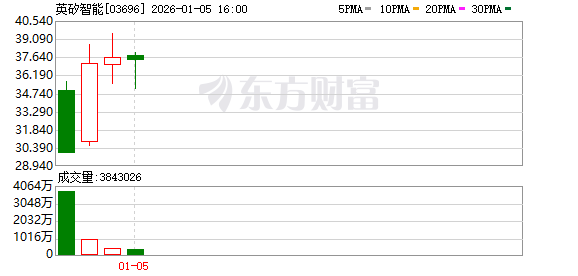
英矽智能与施维雅达成近9亿美元抗肿瘤药物研发合作,股价逆势下跌
Mei Ri Jing Ji Xin Wen· 2026-01-05 15:51
Core Viewpoint - The recent partnership between Insilico Medicine and Servier, valued at $888 million, aims to leverage Insilico's AI platform Pharma.AI for drug discovery in oncology, although market reaction has been muted despite a rise in the innovative drug sector [2][3]. Group 1: Partnership Details - Insilico Medicine has entered a multi-year R&D collaboration with Servier, with potential upfront payments of up to $32 million and shared development costs [2]. - The collaboration focuses on identifying and developing new therapeutic drugs targeting challenging oncology areas [2]. Group 2: Company Background and Performance - Insilico Medicine, founded in 2014, became the first AI biopharma company to list on the Hong Kong Stock Exchange in 2025, raising a total of HKD 2.277 billion in its IPO, the highest for a biotech IPO in Hong Kong that year [3]. - The company claims its AI platform can reduce the drug development timeline from an average of 4.5 years to 12-18 months, significantly decreasing the number of compounds synthesized [3]. Group 3: Revenue and Business Model - Insilico's revenue model includes drug discovery and pipeline development, software solutions, and other non-pharma discoveries, with drug discovery being the primary revenue source from 2022 to 2024 [3]. - The company has established partnerships with major pharmaceutical firms, generating potential revenue of up to $2 billion from licensing agreements [4]. Group 4: Industry Trends - The AI drug discovery sector has seen a surge in business development (BD) activities, with significant collaborations and funding in 2025, indicating a growing interest in AI-driven pharmaceutical solutions [6]. - Notable collaborations in the industry include partnerships between other companies like CSPC and AstraZeneca, highlighting the increasing complexity and scale of AI-driven drug development [6].
小核酸药物深度解析
2026-01-05 15:42
Summary of Key Points from the Conference Call on Small Nucleic Acid Drugs Industry Overview - The small nucleic acid drug market has expanded from rare diseases to chronic diseases such as metabolic and cardiovascular conditions, with significant growth in sales of PCSK9 inhibitors like Inclisiran, driven by advancements in liver delivery technology [1][4][11] - The market is expected to see explosive growth in 2025, with increased data releases and potential business development (BD) activities [2] Core Insights and Arguments - Small nucleic acid drugs target mRNA, allowing for interference with gene expression upstream, overcoming limitations of traditional small molecule inhibitors and protein antibody drugs [1][5] - The siRNA technology, particularly using GalNAc for liver delivery, has shown high efficiency and selectivity, with Inclisiran projected to reach $750 million in sales in 2024 and over $1 billion in 2025 [1][11] - Recent collaborations in the small nucleic acid field, such as the $4.2 billion agreement between BGI and Novartis, highlight the growing interest and value of early clinical pipeline products [1][12] Market Dynamics - The pricing of small nucleic acid drugs is high, with initial treatment costs around $700,000, followed by annual costs of approximately $350,000, reflecting high clinical demand and the rarity of diseases treated [9] - The market is segmented into metabolic and cardiovascular-related areas, with established targets like PCSK9, Lpa, and ApoC3 showing high drugability [22] Competitive Landscape - Leading companies in the small nucleic acid space include Adaltum in the SRA field and Ionis in the ASO field, with ongoing research into delivery mechanisms [30] - Domestic companies such as Hengrui Medicine and Shiyao Group are actively developing SRA projects in chronic hepatitis B, hypertension, and dyslipidemia [31] Challenges and Opportunities - The small nucleic acid drug development faces challenges in stability and delivery efficiency, necessitating chemical modifications and innovative delivery technologies [14][15] - New ligands, such as lipid molecules and specific peptides, are being explored to enhance targeted delivery of small nucleic acid drugs [20] Future Trends - The dual-target combination therapy strategy, such as coupling PCSK9 with ApoC3, shows promising potential for improved treatment outcomes [28] - The anticipated IPOs of high-quality small nucleic acid biotech companies in Hong Kong by 2026 are expected to boost market sentiment and investment in the sector [2][33] Conclusion - The small nucleic acid drug industry is poised for significant growth, driven by technological advancements, strategic collaborations, and a robust pipeline of innovative therapies targeting chronic diseases. The landscape is evolving with new entrants and increased competition, particularly in the domestic market, which is expected to gain international traction through strategic partnerships and collaborations.
2025首仿榜单:科伦药业6款夺榜首,齐鲁紧追,两匹黑马逆袭百亿市场!
Ge Long Hui· 2026-01-05 12:59
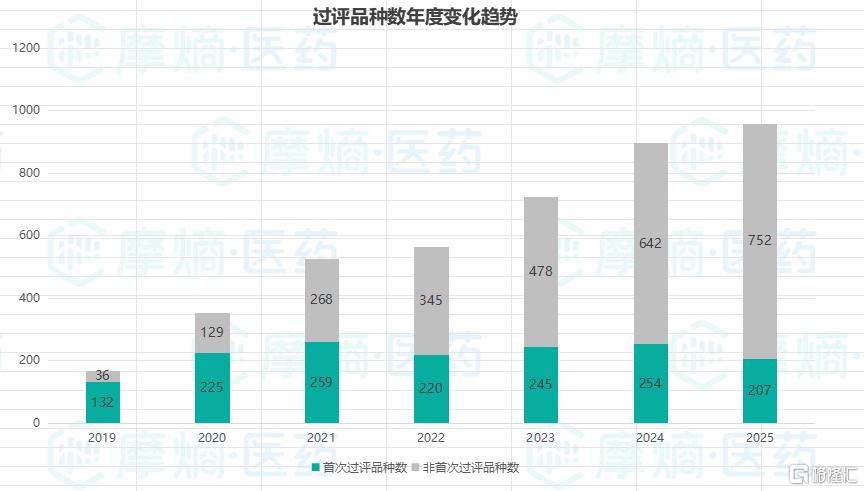
Core Insights - The pharmaceutical industry in 2025 experienced significant changes, particularly in the generic drug sector, marked by intense competition and regulatory challenges, with the race for first generic drugs becoming a central focus [1] Group 1: Market Dynamics - The 11th round of national drug procurement introduced optimized rules aimed at stabilizing clinical use, ensuring quality, and preventing price wars, marking a pivotal moment for the industry [2] - Over 277 first generic drugs were approved from 2022 to 2024, with a steady increase in numbers, indicating a resilient market despite challenging conditions [2] - In 2025, 959 generic drug varieties passed or were deemed to have passed consistency evaluations, with 207 being first approvals, accounting for over 20% of the total [2] Group 2: Leading Companies - In 2025, Kelun Pharmaceutical maintained its position as the leader in first generic drugs with 6 approvals, reinforcing its dominant market status [5] - Qilu Pharmaceutical followed closely with 5 first generic approvals, showcasing its strong R&D capabilities and market competitiveness [7] - Yichang Renfu Pharmaceutical and Hangzhou Muyuan Biopharmaceutical emerged as notable competitors, each achieving 3 first generic approvals, marking a significant rise in their market presence [8][9] Group 3: Regulatory Environment - A regulatory storm in December 2025 led to the rejection of 102 applications for chemical generics within a short span, highlighting the increased scrutiny on the authenticity and compliance of drug development [12] - This regulatory shift signals the end of a development model that prioritized speed over quality, emphasizing the need for stability and compliance in the race for first generics [12]

恒生指数上涨0.03% 恒生科技指数上涨0.09%
Xin Hua Cai Jing· 2026-01-05 12:04
成交额前三的个股中,阿里巴巴涨2.55%,成交超156亿港元;腾讯控股涨0.24%,成交超124亿港元; 中芯国际涨1.86%,成交超99亿港元。 (文章来源:新华财经) 整体来看,多数板块上涨,生物医药、芯片、房地产、电力、券商等股多为上涨,科网、新消费、煤 炭、有色金属等股有涨有跌,银行、新能源汽车、石油与天然气等股多有下跌。 个股方面,快手涨11.09%,小米集团跌2.33%,中国平安涨2.69%,美团涨0.76%,中国海洋石油跌 3.29%,华虹半导体涨3.32%,中国人寿涨3.40%,石药集团涨4.83%,壁仞科技跌3.66%,诺比侃涨 21.60%,英诺赛科跌9.42%,小鹏汽车跌4.60%,周大福涨5.13%,工商银行跌2.05%。 5日,港股主要指数高开后震荡整理,截至收盘,恒生指数上涨0.03%至26347.24点,恒生科技指数上涨 0.09%至5741.63点,国企指数下跌0.22%至9148.47点。 当日恒指高开22.97点,开报26361.44点,开盘上行,午前回落至开盘价附近,午后开盘在26351点附近 震荡,最终恒指涨8.77点,主板成交超2834亿港元。当日,港股通(南向)净流 ...





科学与健康|AI遇上医疗 健康守护如何注入新活力?
Xin Hua She· 2026-01-05 11:28
Group 1 - The integration of AI in healthcare is accelerating drug development, enhancing clinical precision, and driving innovation in the medical industry, providing stronger technological support for public health [1][2] - The AI platform "AI Kongming" has been launched, offering free access to databases related to global health challenges, significantly improving candidate molecule hit rates and optimization efficiency by several times compared to traditional processes [1][2] - AI technologies are increasingly applied across various medical fields, including drug development, medical imaging, disease diagnosis, and health monitoring, showcasing their versatility and potential impact [2][3] Group 2 - Major pharmaceutical companies like Shijiazhuang Pharmaceutical Group and Hengrui Medicine are establishing AI research departments to accelerate drug target discovery and clinical trial processes [3][4] - The establishment of innovation platforms, such as the one in Suzhou Industrial Park, aims to facilitate the transformation of medical and engineering innovations, breaking down barriers between data, disciplines, and institutions [4][5] - National policies are being introduced to promote the integration of new information technologies with the pharmaceutical industry, enhancing the application of AI in clinical settings [4][5]
港股收评:恒生科技指数涨0.09%,恒生指数涨0.03%
Xin Lang Cai Jing· 2026-01-05 08:15
Market Performance - The Hang Seng Technology Index increased by 0.09%, while the Hang Seng Index rose by 0.03% [1] - The Hong Kong Technology ETF (159751) saw a gain of 3.9%, and the Hang Seng Hong Kong Stock Connect ETF (159318) increased by 2.42% [1] Sector Performance - The construction products and life sciences tools sectors showed the highest gains [1] - The leisure equipment and supplies, as well as the automotive sectors, experienced the largest declines [1] Individual Stock Performance - Kuaishou-W surged by 11.09%, and Kelun-B rose by 7.84% [1] - Other notable gainers included Innovent Biologics (6.09%), Beike-W (5.43%), New China Life Insurance (5.34%), BeiGene (5.31%), Chow Tai Fook (5.13%), China Resources Land (5.05%), CSPC Pharmaceutical Group (4.83%), PICC Group (4.57%), Hansoh Pharmaceutical (4.5%), and China Pacific Insurance (4.03%) [1] - In contrast, Innovent Biologics saw a decline of 9.42%, and Global New Material International dropped by 12.6% [1] - Nanjing Panda Electronics experienced a significant increase of 39.75%, while Micron Brain Science rose by 19.73% [1]