仿制药

Search documents
主题形态学输出0206:六氟磷酸锂等主题底部反转
Huafu Securities· 2026-02-09 09:50
Investment Themes - The report identifies several investment themes based on market trends, including "right-side breakout" for Huangjiu, soybeans, and epoxy propylene, which are showing sustained performance [4][10] - "Right-side trends" are noted in sectors such as photovoltaics, power IoT, target materials, new energy equipment, and aluminum, indicating ongoing positive momentum [4][10] - New themes showing signs of stabilization at the bottom include generic drugs, service robots, consumer finance, smart logistics, and electric vehicles [4][10] - Newly identified themes indicating a bottom reversal include lithium hexafluorophosphate, lithium battery electrolytes, and mobile phone batteries [4][10] Right-Side Breakout Opportunities - The Huangjiu index has shown a 5% increase over 20 days, while the soybean index has experienced a 3% increase, indicating potential investment opportunities [11] - The epoxy propylene index has a 12% increase over 20 days, suggesting strong performance in the basic chemical sector [11] Right-Side Trend Opportunities - The photovoltaic index has shown a 13% increase year-to-date (YTD), indicating strong growth potential in the power equipment sector [13] - Other indices such as the BC battery index and the power IoT index have also shown positive trends with YTD increases of 17% and 9%, respectively [13] Bottom Stabilization Opportunities - The CAR-T therapy index and the generic drug index have shown signs of stabilization, with the latter having a 3-day performance of 0% [17] - The electric vehicle index has also stabilized, with a slight increase of 1% over 5 days, indicating potential for recovery [17] Bottom Reversal Opportunities - The mobile phone battery index has shown a 2% increase over 5 days, while the lithium hexafluorophosphate index has a 3% increase, suggesting a potential turnaround in these sectors [19] - The lithium battery electrolyte index has also shown a 3% increase, indicating a positive shift in market sentiment [19]
泪目!今夜印度无眠!14亿人苦等20年,终于换来欧洲的拥抱!
Sou Hu Cai Jing· 2026-02-03 04:52
Group 1 - The EU-India trade agreement is not a comprehensive opening but rather a preliminary arrangement with many critical issues left unresolved, such as tariffs on electric vehicles and agricultural products [1][3] - The agreement allows for zero tariffs on certain goods, benefiting Indian jewelers and seafood exporters, but it also leads to price pressures on Indian auto parts suppliers due to European manufacturers pushing for lower prices [3][5] - India's trade surplus with the EU has reached 16 billion euros, indicating that India is selling more to the EU than it is buying, yet logistical challenges remain, such as outdated customs systems [5][9] Group 2 - The agreement includes provisions for Indian engineers to work in Germany, but the implementation process is slow and bureaucratic, with potential delays in processing applications [7] - Many small Indian companies are struggling to meet the digital requirements set by the agreement, which complicates their ability to take advantage of the new trade opportunities [5][7] - The EU's internal disagreements among member states regarding the agreement's impact on local industries could hinder its overall effectiveness [5]


万邦医药(301520.SZ):预计2025年净利润同比下降50.70%-66.55%
Ge Long Hui A P P· 2026-01-30 12:56
Core Viewpoint - Wanbang Pharmaceutical (301520.SZ) expects a significant decline in net profit attributable to shareholders for 2025, forecasting a range of 28.61 million to 42.16 million yuan, representing a decrease of 50.70% to 66.55% compared to the previous year [1] Group 1: Financial Performance - The net profit after deducting non-recurring gains and losses is projected to be between 7.45 million and 10.97 million yuan, reflecting a substantial decline of 80.33% to 86.65% year-on-year [1] - The company's revenue and gross margin from its generic drug business have experienced a decline due to intensified competition in the industry and fluctuations in customer demand [1]
分析人士:顺周期板块“后劲”更足
Qi Huo Ri Bao· 2026-01-26 07:51
Group 1 - The A-share market has entered a phase of oscillation and adjustment after an initial strong upward trend, with active trading but increased regulatory measures to temper speculation [1][2] - Analysts suggest that the market's future direction will depend on the strength of economic recovery and improvements in corporate earnings [1][4] - The current regulatory stance aims to prevent excessive market growth that could lead to bubble risks, promoting a high-quality "slow bull" market instead [1][2] Group 2 - Despite some technology stocks reaching historical high valuations, the overall valuation of A-shares remains at a neutral level, with the total A-share index P/E ratio at 23.5, lower than the S&P 500's 30.0 and Nasdaq's 42.0 [2] - Recent market trends show that small-cap stocks are outperforming large-cap blue-chip stocks, driven by economic recovery and liquidity conditions favoring growth sectors aligned with national strategies [2][3] - The influx of liquidity from relaxed monetary policies and increased household deposits is expected to support the stock market, with a significant portion of deposits potentially shifting to higher-yielding financial products [3] Group 3 - The market is currently characterized by strong liquidity drivers, while the economic fundamentals are still stabilizing, indicating that improvements in corporate earnings and market style rotation are contingent on further domestic demand policies and clearer economic signals [4]
“后劲”更足!A股顺周期板块被分析人士看好
Qi Huo Ri Bao· 2026-01-26 00:13
Group 1 - The A-share market has entered a phase of oscillation and adjustment after a strong upward trend, with future direction dependent on economic recovery and corporate profit improvement [1] - Analysts indicate that the recent increase in financing margin ratios aims to curb excessive speculation in the market, leading to a net outflow of funds from broad-based ETFs [1][2] - The current market is characterized by a strong performance of small-cap stocks compared to large-cap stocks, driven by economic recovery and liquidity conditions [2] Group 2 - The fiscal and monetary policies implemented at the beginning of the year have provided significant incremental liquidity to the market, with a high volume of maturing deposits expected to shift into higher-yielding financial products [3] - The cyclical industries are anticipated to experience a profit recovery cycle, particularly in sectors such as photovoltaics, generic drugs, and transportation, which will provide long-term positive drivers for the stock market [3] - Historical trends suggest that A-share bull markets are initially driven by risk appetite and capital inflows, followed by fundamental support, indicating that improvements in corporate earnings and market style rotation are still pending [4]
超3500只个股上涨
第一财经· 2026-01-23 03:53
Core Viewpoint - The article highlights the significant performance of the photovoltaic industry chain, which has seen a surge in stock prices, particularly in the context of the broader market trends in A-shares and Hong Kong stocks [3][5]. Market Performance - The Shanghai Composite Index rose by 0.27% to 4133.58 points, while the Shenzhen Component Index increased by 0.24% to 14360.98 points. The ChiNext Index fell by 0.17% to 3322.96 points, and the Sci-Tech Innovation Board Index rose by 0.76% to 1879.53 points [3][10]. - The total trading volume in the Shanghai and Shenzhen markets reached 19.136 trillion yuan, an increase of 1.239 trillion yuan compared to the previous day, with over 3500 stocks rising [6]. Sector Highlights - The photovoltaic sector experienced a notable rally, with companies like Shuangliang Energy nearing a trading limit, and Maiwei shares rising over 10%. Other companies in the sector, such as Junda Co., High Measurement Co., and Aotewi, also saw increases of over 5% [5][8]. - The commercial aerospace concept stocks also surged, with Junda shares rising over 27%, Goldwind Technology up by 7.01%, and Asia-Pacific Satellite increasing by 6.01% [7][14]. Individual Stock Movements - Mingyang Smart Energy resumed trading and hit the upper limit, as the company plans to acquire 100% equity of Dehua Chip [11]. - ST Cube opened with a significant increase of over 14%, following an announcement from the Anhui Securities Regulatory Bureau regarding major illegal delisting risks [12][13]. Economic Indicators - The People's Bank of China conducted a 125 billion yuan reverse repurchase operation with a rate of 1.40%, while 86.7 billion yuan in reverse repos were set to mature [12].

谈了二十年屡次受阻,同受美压力互相靠拢,欧盟印度抱团取暖将签“世纪协定”
Huan Qiu Shi Bao· 2026-01-22 22:42
Core Viewpoint - The European Union (EU) is set to announce a "historic" trade agreement with India, which is expected to create a market of 2 billion consumers and account for nearly a quarter of global GDP, amid pressures from U.S. trade policies [1][2]. Group 1: Trade Agreement Details - The EU-India trade agreement is anticipated to be the largest in both the EU's and India's history, with significant expectations from both parties [2][4]. - The agreement aims to eliminate tariffs on over 90% of traded goods, with specific negotiations ongoing regarding sensitive sectors such as agriculture and steel [3][7]. - The trade deal is expected to cover goods, services, investment, technology transfer, and regulatory cooperation, with bilateral trade projected to reach $136.53 billion in the 2024-2025 fiscal year [5]. Group 2: Historical Context and Negotiation Challenges - Negotiations for the EU-India free trade agreement began in 2007 but faced delays due to disagreements on market access, tariffs, and other regulatory issues, with talks resuming in 2022 [4]. - Despite the progress, challenges remain, particularly regarding India's demands for greater mobility for skilled professionals and protections for its agricultural sector, while the EU seeks deeper tariff cuts in the automotive sector [7]. - The EU's carbon border adjustment mechanism has emerged as a contentious point, impacting India's exports and raising concerns about domestic manufacturing [7].
2025首仿榜单:科伦药业6款夺榜首,齐鲁紧追,两匹黑马逆袭百亿市场!
Ge Long Hui· 2026-01-05 12:59
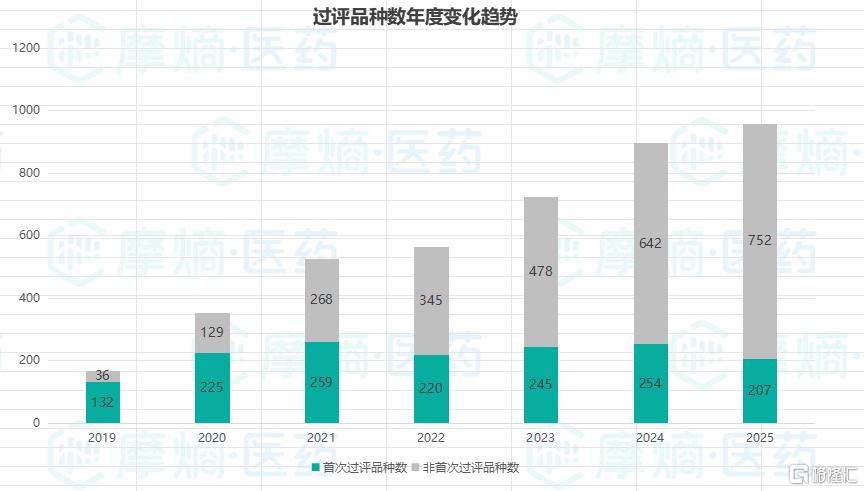
Core Insights - The pharmaceutical industry in 2025 experienced significant changes, particularly in the generic drug sector, marked by intense competition and regulatory challenges, with the race for first generic drugs becoming a central focus [1] Group 1: Market Dynamics - The 11th round of national drug procurement introduced optimized rules aimed at stabilizing clinical use, ensuring quality, and preventing price wars, marking a pivotal moment for the industry [2] - Over 277 first generic drugs were approved from 2022 to 2024, with a steady increase in numbers, indicating a resilient market despite challenging conditions [2] - In 2025, 959 generic drug varieties passed or were deemed to have passed consistency evaluations, with 207 being first approvals, accounting for over 20% of the total [2] Group 2: Leading Companies - In 2025, Kelun Pharmaceutical maintained its position as the leader in first generic drugs with 6 approvals, reinforcing its dominant market status [5] - Qilu Pharmaceutical followed closely with 5 first generic approvals, showcasing its strong R&D capabilities and market competitiveness [7] - Yichang Renfu Pharmaceutical and Hangzhou Muyuan Biopharmaceutical emerged as notable competitors, each achieving 3 first generic approvals, marking a significant rise in their market presence [8][9] Group 3: Regulatory Environment - A regulatory storm in December 2025 led to the rejection of 102 applications for chemical generics within a short span, highlighting the increased scrutiny on the authenticity and compliance of drug development [12] - This regulatory shift signals the end of a development model that prioritized speed over quality, emphasizing the need for stability and compliance in the race for first generics [12]

创新药崛起!院内用药占比持续增长,中国医药行业结构性拐点已至
第一财经· 2025-11-26 13:49
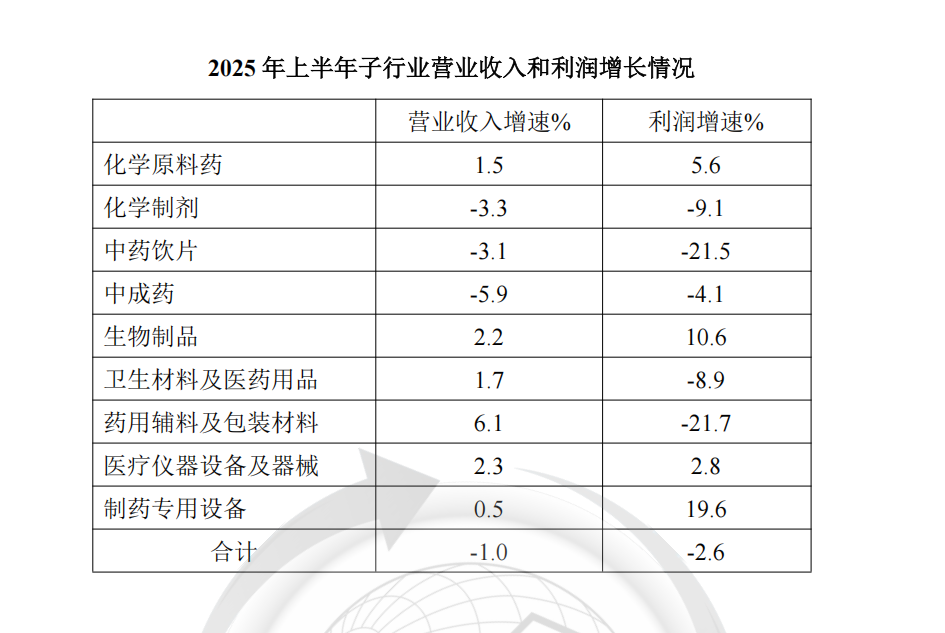
Core Viewpoint - The Chinese innovative drug market is experiencing a "structural turning point," which is expected to reverse the downward trend in the pharmaceutical industry [3][11]. Industry Overview - The domestic pharmaceutical terminal sales have shown negative growth since 2024, with over 30% of regulated pharmaceutical companies reporting losses in the first half of this year [3][7]. - The low concentration in several sub-sectors, particularly in the generic drug industry, has led to "price internalization," which is a key constraint on the development of the Chinese pharmaceutical industry [3][7]. Innovative Drug Market Potential - Despite the challenges, there has been a significant emergence of innovative drug achievements in China this year, with innovative drugs rapidly increasing their market share and frequent external licensing deals [3][5]. - The market share of innovative drugs in China is currently only 8.6%, compared to over 70% in the US and European countries, indicating substantial growth potential [5][17]. Financial Performance - The overall revenue of pharmaceutical companies in China decreased by 5.5% year-on-year, but innovative transformation companies and some emerging innovative drug firms have maintained good growth and profitability [3][7]. - In the first half of 2025, 34.3% of the surveyed companies reported losses, highlighting the financial strain within the industry [7][10]. Market Dynamics - The average price level of generic drugs has been further reduced due to policies on price governance and drug price control, leading to intensified competition and downward pressure on prices [8][9]. - The Chinese pharmaceutical industry is still primarily driven by domestic circulation, with exports contributing only 10% to 15% of industrial revenue over the past four years [7][10]. Future Outlook - The commercialization of innovative drugs is expected to become the core driving force for industry growth during the downturn [11][12]. - The market for innovative drugs (including biosimilars) reached 120 billion yuan in 2023, with a growth rate of 27%, indicating a robust pipeline of new products [12][17]. Export Performance - From January to October 2025, China's pharmaceutical product exports reached 91.17 billion USD, a year-on-year increase of 3.5%, with a significant growth in formulation exports [15][16]. - The proportion of formulation exports in total pharmaceutical exports reached a historical high of 16.1%, indicating a shift in the export landscape [16]. Challenges and Opportunities - The domestic innovative drug market is still not large enough, and the pricing support system needs improvement to sustain growth [17][21]. - The industry faces challenges from funding shortages and low accessibility of innovative drugs, with about 88% of respondents in a survey indicating insufficient funding for innovative drug development [17][21]. Strategic Recommendations - To enhance the commercialization efficiency of innovative drugs, the industry should focus on reducing competition among numerous players and fostering a healthier market structure [23][24]. - Building an international innovation platform is crucial for Chinese pharmaceutical companies to capture a larger share of the global innovation dividend [24].

创新药崛起!院内用药占比持续增长,中国医药行业结构性拐点已至
Di Yi Cai Jing· 2025-11-26 12:35
Group 1: Market Overview - In the US and five European countries, innovative drugs account for 70%-80% of the local market, while in China, the market share of innovative drugs is only 8.6% [1][10] - The Chinese innovative drug market is experiencing a "structural turning point," which is expected to reverse the downward trend in the pharmaceutical industry [1] - The domestic pharmaceutical terminal sales are projected to show negative growth starting in 2024, with over 30% of regulated pharmaceutical companies reporting losses in the first half of this year [1][3] Group 2: Industry Challenges - The pharmaceutical industry is facing a survival crisis due to external growth factors diminishing, and the capital market's enthusiasm for business development (BD) transactions cooling down [3] - The low concentration in several sub-sectors, particularly in the generic drug industry, has led to price competition, which is a key constraint on the development of the Chinese pharmaceutical industry [3][4] - The average price level of generic drugs has been further reduced due to policies on price governance and drug price comparison [4] Group 3: Innovative Drug Growth - Despite the overall revenue decline in the pharmaceutical industry, innovative drug companies have maintained good growth and profitability, with some achieving record high revenues [1][7] - The market size of innovative drugs (including biosimilars) reached 120 billion yuan in 2023, with a growth rate of 27% [7] - The revenue growth rate for biological products was 2.2%, with profit growth at 10.6%, indicating a strong performance in the innovative drug sector [8][7] Group 4: Regulatory and Policy Developments - The National Healthcare Security Administration has announced reforms to improve the immediate settlement of medical insurance funds, which is expected to alleviate the financial pressure on hospitals and improve drug payment timelines [5][6] - The implementation of policies to expand the scope of drug procurement and price control is expected to further impact the market dynamics [4][10] Group 5: Future Opportunities - The commercial potential of innovative drugs is anticipated to become the core driver of industry growth during the downturn [7] - The increasing number of innovative drug approvals and the shift in hospital medication structure are expected to enhance the market share of innovative products [7] - The industry is encouraged to build international innovation platforms to capture a larger share of the global market [2][18]