
康方生物

Search documents
2026年中国SHP2抑制剂行业政策、产业链、市场规模预测、竞争格局、代表企业及发展趋势研判:成为国内外多家药企争相布局的焦点,发展迅速[图]
Chan Ye Xin Xi Wang· 2026-02-12 01:21
Core Viewpoint - SHP2 inhibitors are emerging as a significant target for cancer treatment, with rapid development in the industry, particularly in China, which is becoming a notable player in the global market [1][6][9]. Industry Overview - SHP2, a protein tyrosine phosphatase, plays a crucial role in regulating various cellular functions, including growth, differentiation, and oncogenic transformation [2][6]. - The global market for SHP2 inhibitors is projected to start existing from 2027, reaching approximately $329 million by 2029, and is expected to grow to $4.821 billion by 2033 [1][7][9]. Market Size - The Chinese SHP2 inhibitor market is anticipated to grow to $206 million by 2029 and reach $784 million by 2033 [9][10]. Industry Chain - The SHP2 inhibitor industry chain includes upstream components such as protein reagents, specific antibodies, small molecule building blocks, testing kits, and experimental models; midstream involves drug research and production; downstream consists of large oncology specialty hospitals and comprehensive hospital oncology departments [11][12]. Development Environment - Recent policies in China have been implemented to encourage the pharmaceutical industry, particularly in the development and production of innovative drugs, including cancer therapies, by shortening clinical application and approval times [13][14]. Competitive Landscape - Major companies in the SHP2 inhibitor space include Innovent Biologics, CanSino Biologics, Junshi Biosciences, and others, with significant progress in developing SHP2 inhibitors, although no drugs have yet been approved for commercialization [15][16]. - Notable companies include: - **QinHao Pharmaceutical**: Focused on developing innovative candidates targeting the RAS signaling pathway, with its lead candidate GH21 in Phase II clinical trials [15][16]. - **Nuocheng Jianhua**: Known for its BTK inhibitor, it is also developing a new SHP2 inhibitor, ICP-189, in collaboration with ArriVent Biopharma [16][17]. Future Outlook - The SHP2 inhibitor sector is one of the hottest areas in pharmaceutical research, with significant advancements in the development of allosteric inhibitors and ongoing clinical trials showing promising results [17][18].



创新药2026年策略深度报告-中国药企加速融入全球新药市场-26年多赛道管线进展可期
2026-02-11 15:40
Summary of Key Points from Conference Call Records Industry Overview - **Industry**: Innovative Pharmaceuticals - **Global Drug Approvals**: In 2025, a total of 46 new drugs were approved globally, which is a decrease from the previous two years but still above the historical average of 36 since 1993 [1][2] - **Trends**: The approval landscape is shifting towards precision medicine and unmet medical needs, particularly in oncology, where 16 drugs were approved, representing approximately 15% of total approvals, higher than the past five-year average [4] Core Insights and Arguments - **FDA Performance**: Despite personnel turnover and regulatory challenges, the FDA maintained high output efficiency, approving 46 new drugs in 2025, including 34 new molecular entities and 12 biologics [2] - **Emerging Technologies**: The FDA is advancing platforms such as Antibody-Drug Conjugates (ADC) and bispecific antibodies, with ADC becoming a cornerstone in oncology [5][29] - **China's Global Integration**: In 2025, China saw a significant increase in license-out transactions, with 154 deals worth $14.19 billion, marking a 46.7% and 150% year-over-year increase, respectively [6][31] - **Clinical Trial Quality**: China's clinical trial quality has improved significantly, with compliance rates surpassing those of Europe and the U.S., addressing international concerns about data reliability [10] Company-Specific Developments - **Innovative Drug Companies**: - **Kangfang Biotech**: Achieved significant progress with its EVSTAN antibody, showing superior progression-free survival (PFS) and overall survival (OS) benefits [11] - **Hanyu Pharmaceutical**: Reported impressive results for its independent monoclonal antibody for ESCC, with a two-year overall survival rate of 88.3% [12] - **Hengrui Medicine**: Advanced in ADC technology, evolving to XDC, and has multiple ADC drugs in late-stage clinical trials [14] - **Rongchang Biotech**: Plans to expand indications for its core product, with several key clinical data expected in 2027 [15] - **Kelong Botai**: Entered the global registration phase for its lung cancer drug, FKB267, with significant data disclosures [16] - **Baiyi Shenzhou**: Made strides in hematology with multiple important data readouts [17][18] Additional Important Insights - **Market Positioning**: China's position in the global transaction market has significantly improved, with 339 transactions recorded in 2025, accounting for 24.5% of the global market [7][8] - **Regulatory Environment**: The FDA's stable policies and efficiency improvements are expected to facilitate the entry of innovative products from China into overseas markets [31] - **Emerging Drug Classes**: ADCs and similar conjugates are identified as the most certain and highest pricing power segments in the global innovative drug market [29][30] This summary encapsulates the key points from the conference call records, highlighting the innovative pharmaceutical industry's dynamics, regulatory environment, and specific company advancements.
资讯日报:美国 12 月零售销售增长停滞-20260211
Guoxin Securities Hongkong· 2026-02-11 08:38
Market Overview - The Hang Seng Index closed at 27,183, up 0.58%, maintaining above the 27,000 mark[9] - The S&P 500 index fell by 0.33%, while the Nasdaq dropped by 0.59%[9] - The Dow Jones index increased slightly, reaching a new historical high[9] Retail Sector Performance - U.S. retail sales in December remained flat month-on-month, missing the expected growth of 0.4% and down from a previous increase of 0.6% in November[9] - Costco and Walmart saw declines of over 2% and 1%, respectively, due to the disappointing retail data[9] Technology Sector Insights - Hong Kong tech stocks continued to recover, with Alibaba and JD.com both rising approximately 2%[9] - AI application stocks performed strongly, with the stock of Yueda Group surging over 15%[9] Biopharmaceutical Sector Trends - The biopharmaceutical sector saw widespread gains, with companies like WuXi Biologics and Innovent Biologics also experiencing significant increases[9] - Upcoming earnings disclosures in February and March are expected to show improved performance for several innovative drug companies[9] Economic Indicators - The employment cost index in Q4 reached its lowest growth in four years, indicating potential economic weakness[12] - The Cleveland Fed President suggested that the Federal Reserve may keep interest rates unchanged for an extended period[12]
智通港股通资金流向统计(T+2)|2月11日
智通财经网· 2026-02-10 23:38
Group 1 - Tencent Holdings (00700) had a net inflow of 4.316 billion, representing a 22.17% increase in net inflow ratio [2][3] - Alibaba-W (09988) experienced a net inflow of 1.658 billion, with a net inflow ratio of 13.70% [2][3] - Pop Mart (09992) saw a net inflow of 588 million, with a net inflow ratio of 17.52% [2][3] Group 2 - Kangfang Biotech (09926) faced a net outflow of -285 million, with a net outflow ratio of -33.89% [2][3] - Yingfu Fund (02800) had a net outflow of -248 million, with a net outflow ratio of -1.88% [2][3] - Yum China (09987) recorded a net outflow of -213 million, with a net outflow ratio of -30.90% [2][3] Group 3 - Huaxia Hang Seng Technology (03088) led in net inflow ratio at 89.30% with a net inflow of 54.532 million [2][3] - Southern East Selection (03441) followed with a net inflow ratio of 68.86% and a net inflow of 14.5209 million [2][3] - China Foods (00506) had a net inflow ratio of 59.26% with a net inflow of 4.9995 million [2][3] Group 4 - Jinyuan International (02232) had the highest net outflow ratio at -50.27% with a net outflow of -40.079 million [3] - iFlytek Medical Technology (02506) recorded a net outflow ratio of -49.63% with a net outflow of -15.2262 million [3] - Sinopec Crown (00934) had a net outflow ratio of -45.08% with a net outflow of -5.1472 million [3]



针对无法手术的晚期肺癌患者,强生尝试优化治疗方案;丹诺医药二次递表港交所,创新药投资真降温了?|掘金创新药
Mei Ri Jing Ji Xin Wen· 2026-02-10 13:48
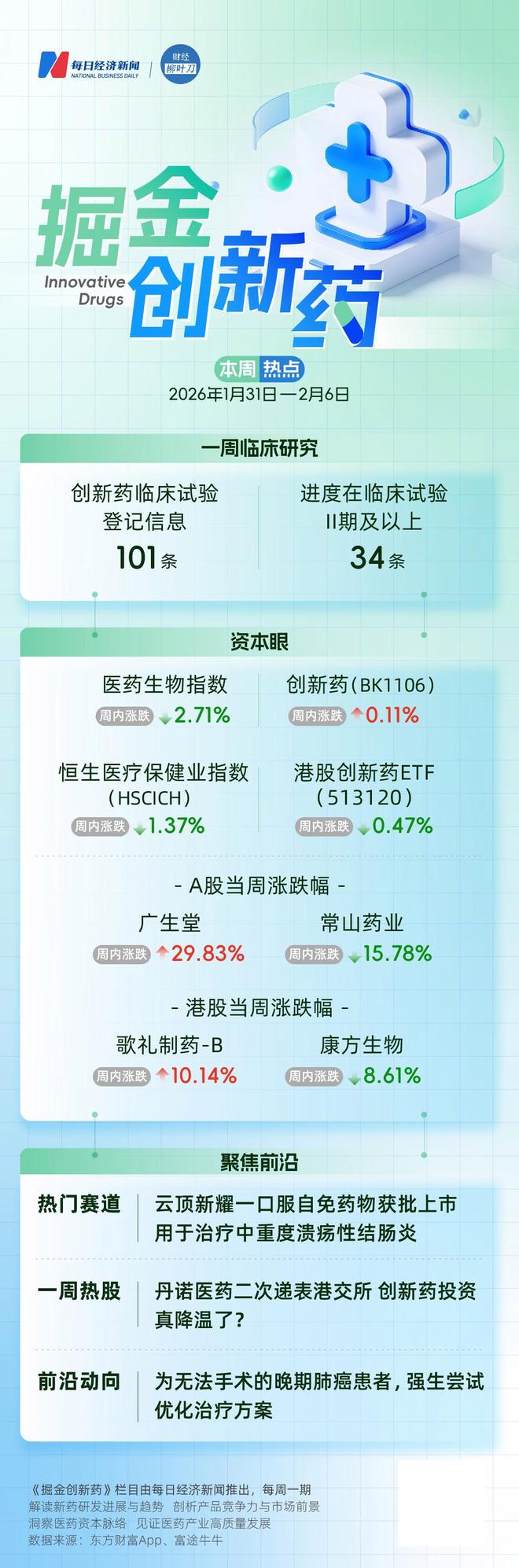
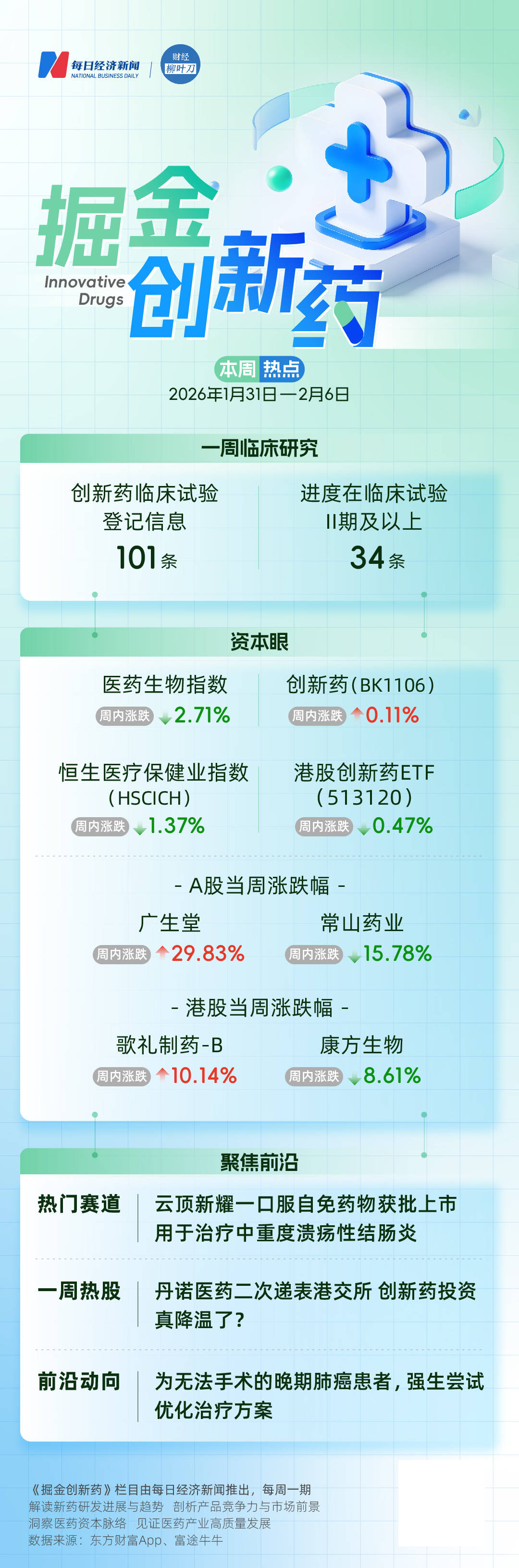
Market Overview - The pharmaceutical and biotechnology index decreased by 2.71%, underperforming the Shanghai Composite Index by 1.44 percentage points [4] - The innovative drug index (BK1106) saw a slight increase of 0.11%, while the Hang Seng Healthcare Index (HSCICH) fell by 1.37% [4] - The Hong Kong innovative drug ETF (513120) also experienced a decline of 0.47% [4] Sector Performance - The overall pharmaceutical sector weakened, lagging behind the Shanghai Composite Index, but the innovative drug sector showed relative resilience [5] - Specific stocks like Guangshentang surged due to the completion of Phase III clinical trials for hepatitis B treatments, while Changshan Pharmaceutical faced significant declines due to credit risks and expected losses [5] - In the Hong Kong market, Gilead Sciences-B received substantial investment from GIC, boosting its stock price, while Kangfang Biologics saw a notable drop due to stricter FDA approval standards [5] New Drug Developments - Danno Pharmaceuticals submitted a second listing application to the Hong Kong Stock Exchange, indicating a more rational investment environment focused on clinical viability and cash flow health [6][7] - The company has seven products in development, with TNP-2198 being the most advanced, expected to be approved in China by 2026 [6] - Three innovative drugs were approved during the week, including a treatment for type 2 diabetes and a drug for moderate to severe ulcerative colitis [12][13] Clinical Trials - From January 31 to February 6, 101 clinical trial registrations were disclosed, with 34 being in Phase II or above [8] - Notable trials include those for treatments targeting conditions such as obstructive sleep apnea and systemic lupus erythematosus [10][11] Emerging Trends - The investment landscape for innovative drugs is shifting towards a focus on clinical outcomes and commercial viability rather than merely the number of drug candidates [7] - The demand for effective treatments for ulcerative colitis is rising, with a significant increase in patient numbers expected by 2031 [14][15]

针对无法手术的晚期肺癌患者,强生尝试优化治疗方案;丹诺医药二次递表港交所,创新药投资真降温了? | 掘金创新药
Sou Hu Cai Jing· 2026-02-10 12:00
Core Insights - The pharmaceutical and biotechnology sector experienced a decline, with the pharmaceutical index dropping by 2.71% from January 31 to February 6, underperforming the Shanghai Composite Index by 1.44 percentage points [4] - The innovative drug sector showed relative resilience, with the innovative drug index (BK1106) increasing by 0.11% during the same period [4] - The market is witnessing a shift in investment focus towards clinical viability and financial sustainability rather than just pipeline quantity and novelty [7] Market Performance - The pharmaceutical and biotechnology index fell by 2.71%, while the Hang Seng Healthcare Index decreased by 1.37% [4] - The innovative drug ETF in Hong Kong (513120) also saw a decline of 0.47% [4] - Notable stock movements included Guangsheng Tang, which surged by 29.83% due to positive clinical trial news, and Changshan Pharmaceutical, which faced a decline due to credit risks and expected losses [5] Clinical Trials and Approvals - A total of 101 clinical trial registrations were disclosed, with 34 trials in Phase II or above [8] - Three innovative drugs received approval, including a new oral drug for moderate to severe ulcerative colitis by Cloudtop New Medicine [12][14] - Johnson & Johnson is exploring an upgraded treatment regimen for inoperable stage III non-small cell lung cancer, aiming to enhance the standard treatment protocol [15] Investment Trends - The investment environment for innovative drugs is becoming more rational, focusing on clinical certainty, commercial viability, and cash flow health [7] - The overall pharmaceutical industry has seen a 3.28% increase since the beginning of 2026, outperforming the CSI 300 index, with significant growth in hospital services, offline pharmacies, and outsourced drug development [5] New Drug Developments - The approval of the new drug by Cloudtop New Medicine addresses a significant unmet need in the treatment of ulcerative colitis, with a growing patient population expected to reach approximately 1.5 million by 2031 [13] - The drug is designed to provide rapid efficacy and deep mucosal healing, which is crucial for improving patient quality of life [14]
港股收评:三大指数收涨,传媒板块集体走强
2 1 Shi Ji Jing Ji Bao Dao· 2026-02-10 09:32
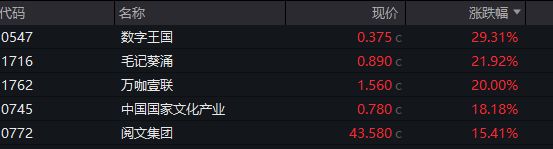
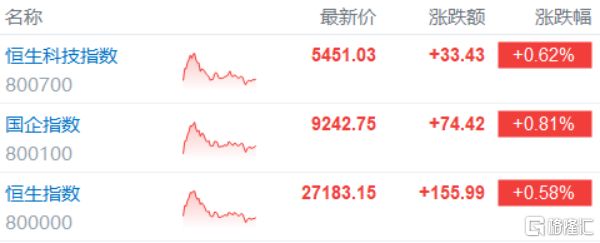
Market Performance - The Hang Seng Index closed up 0.58%, the Hang Seng Tech Index rose 0.62%, and the Hang Seng China Enterprises Index increased by 0.81% [1] - The optical communication sector led the gains, with Longi Fiber Optics rising by 8.8%, Dongfang Electric up over 7%, and Weichai Power increasing by 3.69% [1] Sector Highlights - The cultural media sector saw significant gains, with Digital Kingdom surging over 29%, Reading Group rising over 15%, and DaMai Entertainment and China Ruyi both increasing by over 5% [1] - Biopharmaceutical stocks strengthened, with WuXi AppTec rising over 4%, Rongchang Bio up 3.64%, and Kailai Ying increasing by 3.5% [2] Individual Stock Movements - Notable individual stock movements included Digital Kingdom with a rise of 29.31%, Mao Yi Chuang up 21.92%, and Wan Ka Yi Lian increasing by 20% [2] - The education sector experienced declines, with Dongfang Zhenxuan down over 9% and New Oriental-S falling over 4% [4] New Listings - Le Xin Outdoor debuted with a remarkable increase of 102.29%, closing at 24.78 HKD, and at one point, it surged over 130% during trading [4] AI and Technology Developments - The stock of Zhipu AI, referred to as the "first global large model stock," saw a peak increase of over 24%, with a two-day cumulative rise exceeding 56% [5] - The release of the AI video generation model Seedance 2.0 by ByteDance is expected to significantly reduce production costs and enhance efficiency in the AI drama and short drama sectors, potentially accelerating industry growth [7]
港股收评:Seedance2.0引爆!AI应用股大涨,影视股走强
Ge Long Hui· 2026-02-10 08:53
Market Overview - The Hong Kong stock market showed initial gains but narrowed its increase, with the Hang Seng Index closing up 0.58% above 27,000 points, while the Hang Seng China Enterprises Index and Hang Seng Tech Index rose by 0.81% and 0.62% respectively [1][2]. Sector Performance - Technology stocks rebounded, driven by AI application stocks, with the stock of Reading Group surging over 15%. The film and entertainment sector remained active, and the biopharmaceutical sector saw widespread gains, led by Fuhong Hanlin [3][4]. - New consumption concept stocks, paper industry stocks, home appliance stocks, shipping stocks, and automotive stocks mostly increased. Conversely, education stocks faced declines, with gaming stocks collectively sluggish, and real estate, gas, electric, and telecom stocks also underperformed [3][4]. Notable Stocks - AI application stocks saw significant gains, with Reading Group rising 15.41%, and Zhiyun up 14.81%, reaching a new historical high during the session. Other stocks like Fubo Group and Yidu Technology also experienced increases [6][8]. - In the film sector, Orange Sky Entertainment rose over 7%, with other companies like Damai Entertainment and Ningmeng Film also following suit [10]. - The biopharmaceutical sector was buoyed by Fuhong Hanlin's increase of over 7%, with other companies like WuXi Biologics and WuXi AppTec also seeing gains [12]. Industry Insights - The real estate sector faced pressure, with Shimao Group dropping over 6% amid ongoing sales challenges in the industry. Major real estate companies are reportedly initiating organizational restructuring [13][14]. - Education stocks struggled, with Guangzheng Education falling over 5%, alongside declines in New Oriental and other educational institutions [15]. Investment Outlook - According to Everbright Securities, the current liquidity environment in the Hong Kong stock market is entering an observation period, with limited space for further tightening. Positive catalysts could lead to a recovery in market sentiment and capital inflow [22].


恒生指数、恒生科技指数双双涨超1%
Xin Lang Cai Jing· 2026-02-10 07:01
Group 1 - The Hong Kong stock market is experiencing a rally, with both the Hang Seng Index and the Hang Seng Tech Index rising over 1% [1] - The AI application and innovative pharmaceutical sectors are leading the gains in the market [1] - Companies such as Yu Wen Group and Zhi Pu have seen their stock prices increase by over 6%, while Kangfang Biotech and Innovent Biologics have risen by over 3% [1]
西南证券:驱动基因阴性NSCLC市场空间广阔 双(多)抗、IO+ADC方案齐头并进
智通财经网· 2026-02-10 07:00
Core Insights - The report from Southwest Securities indicates that first-line treatment for driver gene-negative NSCLC (non-small cell lung cancer) patients primarily relies on PD(L)-1 ± chemotherapy, with projected market sizes for immune drugs in this segment reaching approximately 7.5 billion yuan in China and 18 billion yuan in the U.S. by 2030 [1] Group 1: Market Overview - The driver gene-negative segment accounts for 31% of newly diagnosed NSCLC patients in both China and the U.S. [1] - The projected market size for immune drugs used in first-line treatment of driver gene-negative NSCLC is estimated to be around 7.5 billion yuan in China and 18 billion yuan in the U.S. by 2030 [1] Group 2: Next-Generation Immunotherapy - Next-generation immunotherapy options for NSCLC are advancing, including bispecific antibodies and IO+ADC (immuno-oncology plus antibody-drug conjugates) [2] - Current PD(L)-1 drugs, such as Pembrolizumab and Atezolizumab, have established their clinical position but face limitations in long-term efficacy, particularly in patients with low PD-L1 expression [2] Group 3: Bispecific Antibody Treatment - Bispecific antibodies can bind to two antigens or epitopes, balancing safety and efficacy, with the approval of Ivorisumab in 2024 expected to stimulate interest in PD-(L)1/VEGF therapies [3] - The clinical data and technological pathways for bispecific antibodies are gaining recognition, with the potential for tri-specific antibodies to become a new trend in immuno-oncology treatment [3] Group 4: IO+ADC Treatment - ADCs combine cytotoxic drugs with monoclonal antibodies targeting tumors, offering precise delivery and effective treatment with lower toxicity [3] - Clinical results for TROP2 ADC combined with K-drug show comparable ORR and PFS data to K-drug plus chemotherapy, providing new solutions for patients intolerant to chemotherapy [3]
