
1919

Search documents
流量红利来了!企业加快布局酒类即时零售
Sou Hu Cai Jing· 2025-07-18 03:21
Core Viewpoint - The rise of instant retail in the liquor industry is reshaping traditional sales channels, providing significant flow benefits to companies like 1919 and Huazhi Wine [1][4]. Group 1: Industry Trends - Instant retail has become a standard fulfillment configuration in the liquor industry, leading to substantial flow benefits for traditional liquor distribution companies [1][4]. - The instant retail model is characterized by high certainty and rapid growth, with all e-commerce platforms evolving towards near-field commerce [4][5]. - Major e-commerce platforms are actively investing in the liquor instant retail sector, utilizing two models: platform-based (e.g., Meituan Flash Purchase) and self-operated (e.g., Meituan Waimai) [4][5]. Group 2: Company Strategies - 1919 is leveraging its self-operated app and mini-programs to offer a 19-minute delivery service while also entering major e-commerce platforms to capitalize on flow benefits [6][7]. - Huazhi Wine views the booming instant retail as a new opportunity, indicating a high match between market demand and service needs, and emphasizing the importance of data-driven applications [5][10]. - Both companies are focusing on enhancing their operational capabilities and marketing strategies to adapt to the evolving market landscape, with 1919 implementing a transformation project aimed at creating a commercial closed loop from "flow" to "retention" [7][10].


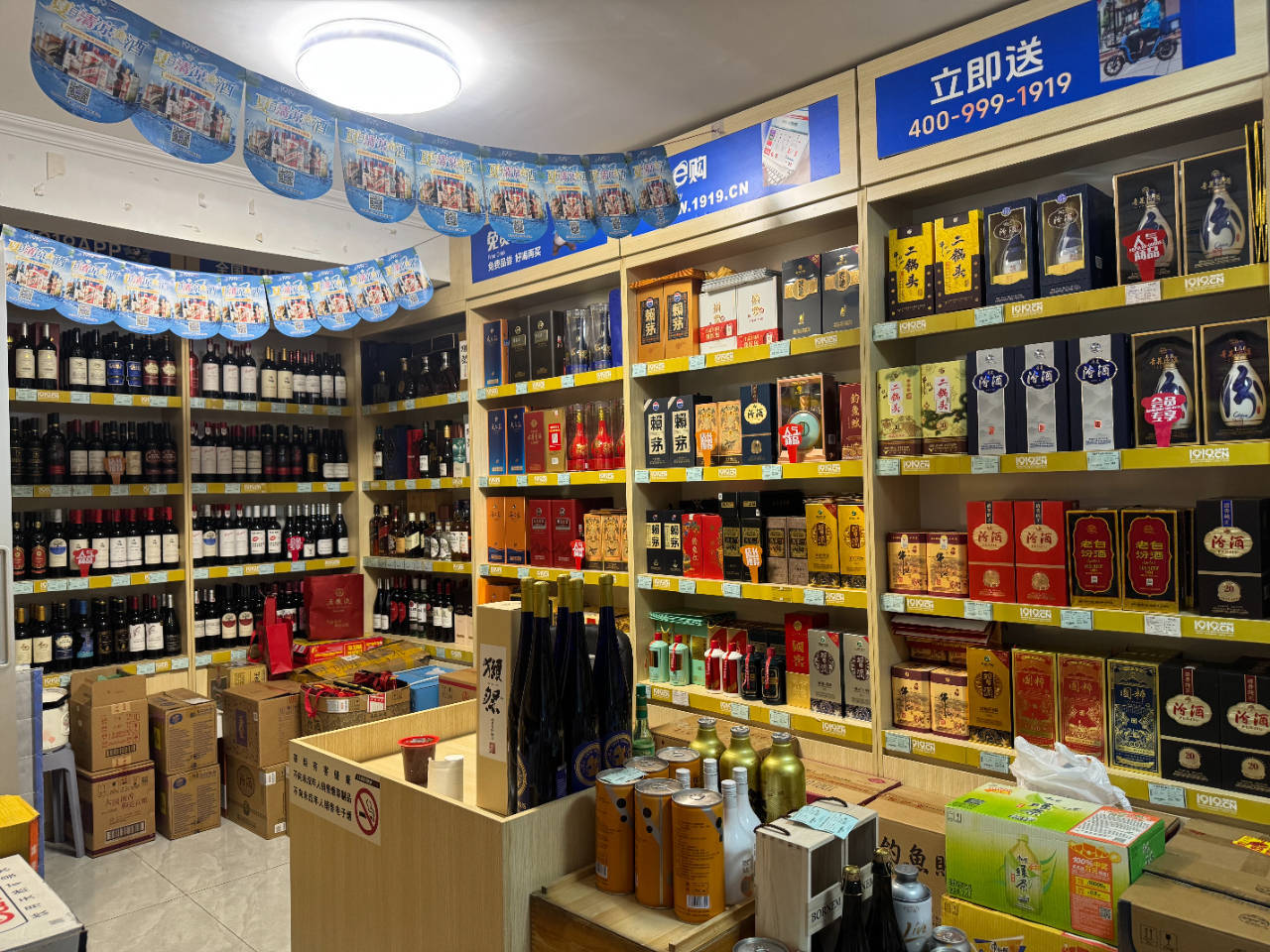
“外卖大战”的风吹向白酒 1919等传统酒商如何接招?
Sou Hu Cai Jing· 2025-07-17 06:03
Core Viewpoint - The rise of instant retail in the liquor industry is being driven by e-commerce platforms, leading to significant changes in consumer purchasing behavior and traditional liquor distribution models [1][9]. Group 1: Market Dynamics - The instant retail market for liquor has seen a 65% year-on-year growth in transaction volume in the first half of the year, indicating a shift towards immediate consumption [1]. - E-commerce platforms have significantly impacted liquor pricing, with some products, like ordinary Wuliangye, dropping below 800 yuan per bottle during promotional events [3]. - Instant retail penetration in the liquor market is currently around 1%, with a market size of nearly 200 billion yuan, expected to reach 6% penetration and over 1 trillion yuan by 2027 [9]. Group 2: Traditional Liquor Distribution Challenges - Traditional liquor distributors like 1919 and Jiu Bian Li have struggled to make a significant impact in instant retail, facing declining performance and limited user engagement [8]. - Financial data shows that 1919 has experienced continuous net losses from 2016 to 2022, with a total loss of over 600 million yuan during this period [8]. - Jiu Bian Li's financial performance has also been underwhelming, with two out of three years from 2022 to 2024 reporting losses [8]. Group 3: Strategic Responses - Traditional liquor distributors are urged to adapt by enhancing their business models and embracing instant retail, as the market dynamics shift [12]. - 1919 is actively pursuing a new business model that integrates dining experiences with liquor sales, aiming to create a new ecosystem for liquor consumption [13]. - Companies like Huazhi Liquor are planning to leverage online and offline integration to expand their instant retail offerings, focusing on cost-effectiveness and market trends [16].
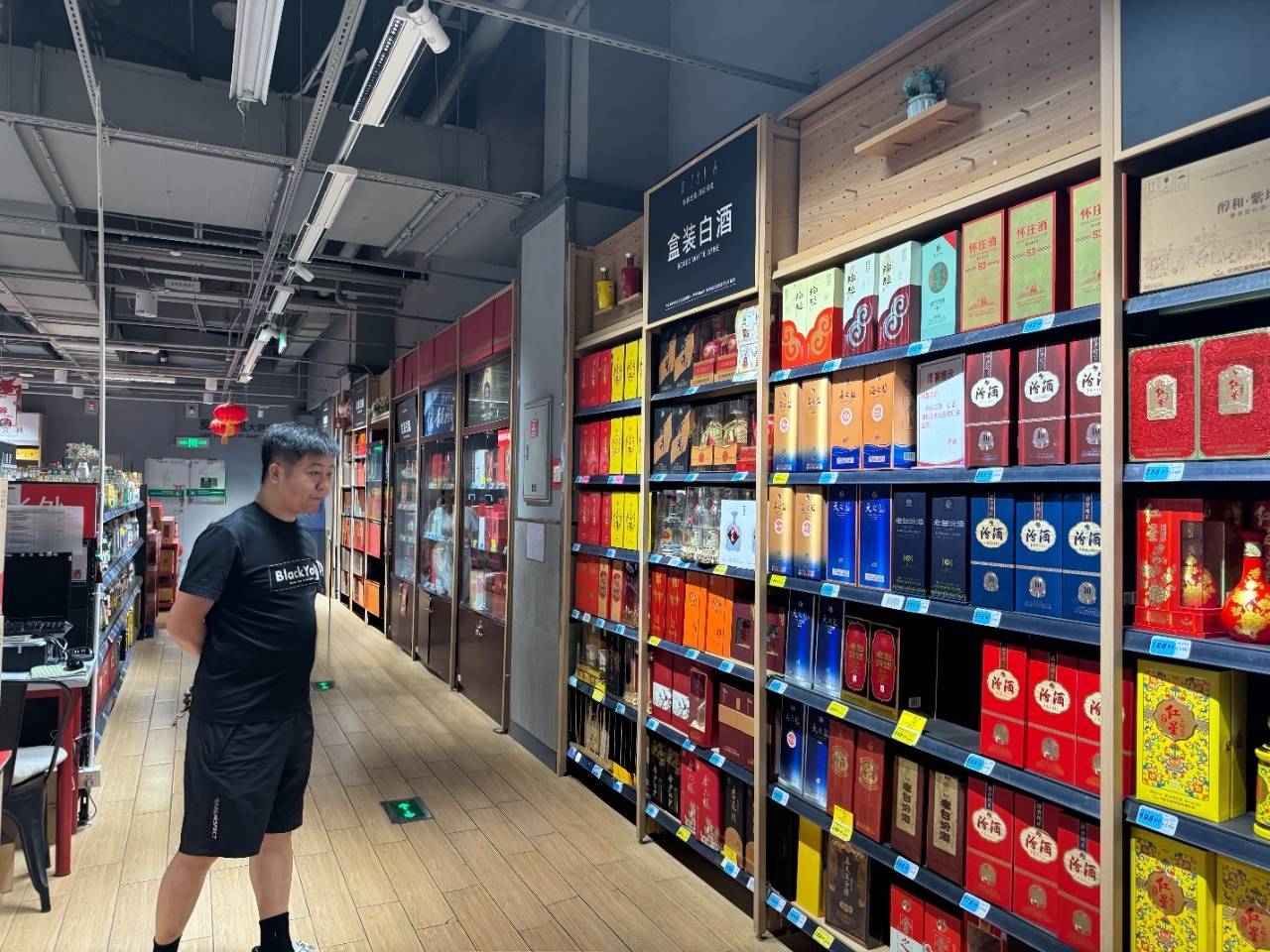
名酒代理不香了?酒类大商集体转向了
Mei Ri Jing Ji Xin Wen· 2025-07-16 12:54
Core Viewpoint - The traditional liquor distribution model in China is facing significant challenges, with high inventory levels and declining profits, prompting companies to seek new business strategies and self-branded products to adapt to changing market conditions [1][2][3]. Group 1: Industry Challenges - Overall consumption during the Spring Festival was below expectations, leading to higher-than-expected inventory levels, which will impact shipment volumes in the following months [1]. - The era of easy profits from high-end liquor sales is ending, with companies now needing to sell significantly more volume to achieve the same profit margins [2]. - 79.31% of liquor distribution companies view price inversion as the primary factor eroding operating profits and affecting growth [2]. Group 2: Shift to Self-Branded Products - Companies are moving away from relying solely on high-margin name-brand liquors and are now focusing on developing their own brands to create sustainable competitive advantages [3][4]. - The liquor industry is witnessing a consensus on seeking new profit models, with companies like JiuXian Group launching new products aimed at becoming well-known brands in the mid-price range [3]. - 1919 is transitioning its profit model from "name-brand price difference" to "strategic brand-driven," with sales of its strategic brand products expected to reach 600 million yuan this year [3]. Group 3: New Business Models - The liquor retail sector is evolving to combine offline experiences with online sales, emphasizing the importance of enhancing product categories to meet social and lifestyle needs [5][6]. - 1919 is implementing a "restaurant + liquor" strategy, integrating retail with dining experiences to create a stronger consumer engagement [5]. - The growth of e-commerce and live streaming is becoming crucial, with companies like JiuXian Group seeing significant revenue from live streaming sales, which have become a major growth driver [6].
茶咖日报|“关税大棒”挥向巴西,咖啡贸易商:伤害的是美国企业
Guan Cha Zhe Wang· 2025-07-16 12:15
Group 1: Coffee Industry - Brazilian coffee prices are expected to surge as traders rush to import before a 50% tariff takes effect on August 1, announced by the Trump administration [1][2] - The U.S. imports approximately one-third of its coffee from Brazil, while domestic production accounts for only about 1% of consumption [1] - The National Coffee Association highlights the importance of coffee in American daily life, with two-thirds of U.S. adults consuming coffee daily, and has requested the exclusion of coffee from the tariff list [2] Group 2: New Tea Beverage Industry - The new tea beverage brand "爷爷不泡茶" has appointed actress Shu Qi as its brand ambassador, reflecting a trend of brands engaging celebrities for promotion [3] - The company has experienced significant growth, adding over 1,000 stores in 2024, bringing the total to over 2,500 locations across more than 30 provinces, with an average of 2.7 new stores opening daily [3] - The brand aims to reach a target of 4,500 stores by the end of 2025, as recognized by the Hurun Research Institute's ranking of new tea beverage brands [3] Group 3: Alcohol Industry - The alcohol retail chain 1919 is undergoing a transformation by closing 1,500 underperforming stores and shifting focus to a new business model that integrates dining and beverage experiences [6] - The company plans to create a "1919 Eat and Drink" platform that combines instant retail with experiential dining, aiming to enhance consumer engagement in community spaces [6] - The founder emphasizes the end of profit margins solely from premium liquor sales, indicating a strategic pivot towards a more diversified retail approach [6]

“限酒令”连锁反应:烟酒行和高端餐厅艰难自救
Sou Hu Cai Jing· 2025-07-16 10:59
Group 1 - The "limit on alcohol" policy is significantly impacting the alcohol retail market in Chengdu, leading to a reduction in revenue for many businesses, with some smoke shops experiencing over 70% decline in sales [1][5] - Chain smoke shops, despite their brand strength and bargaining power, are struggling to maintain operations as orders sharply decrease, prompting layoffs and salary cuts [3][5] - High-end restaurants are also facing challenges, with many closing locations or reducing staff hours, resulting in an 80% drop in alcohol orders from their usual levels [6][9] Group 2 - Some smoke shops are adapting by extending operating hours and collaborating with local food vendors to boost sales, while larger chains are exploring "alcohol + other" business models [3][5] - High-end dining establishments are adjusting their menus to offer more affordable options, with some restaurants introducing lower-priced meal packages to attract customers [6][9] - The overall market is experiencing a shift in consumer behavior, with a notable decline in traditional alcohol consumption patterns, leading to increased competition among businesses for limited customer spending [7][9]
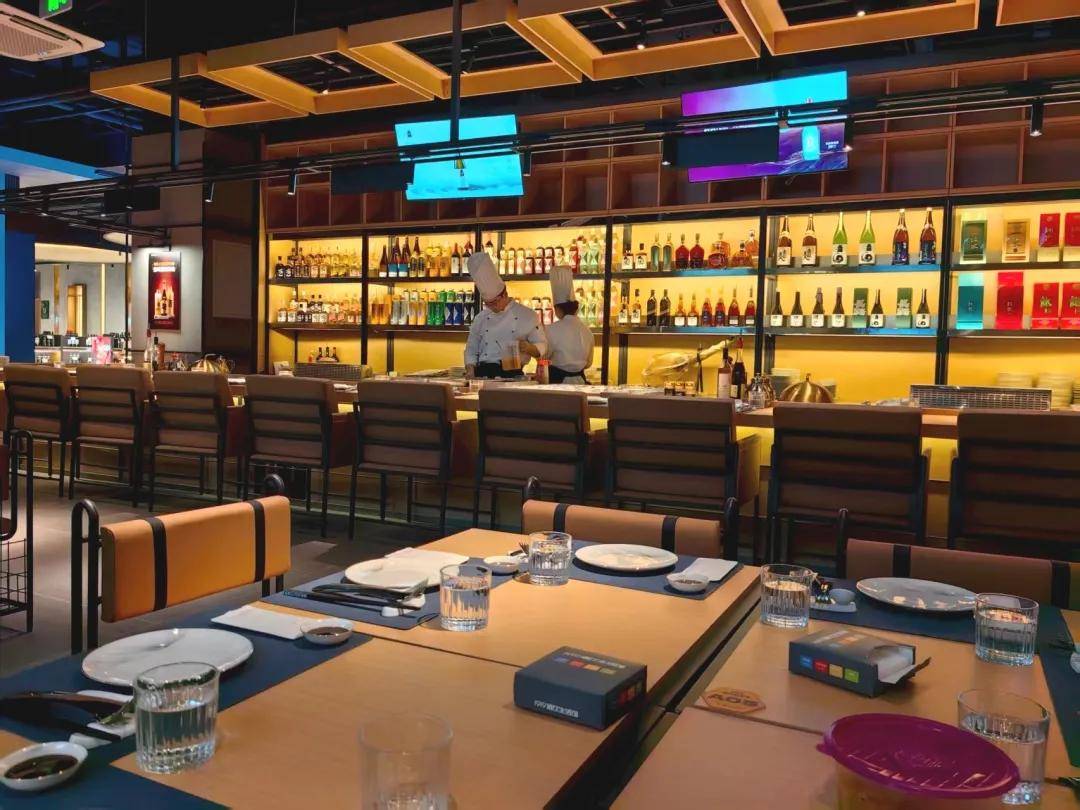
首批酒业股半年业绩出炉;山城啤酒推出精酿|观酒周报
2 1 Shi Ji Jing Ji Bao Dao· 2025-07-14 01:51
Group 1: Industry Performance - Yanjing Beer and Zhujiang Beer continue to maintain high growth rates significantly above industry levels in the first half of 2025 [1] - Zhujiang Beer expects a net profit of 575 million to 625 million yuan for the first half of 2025, representing a year-on-year increase of 15% to 25% [2] - Yanjing Beer anticipates a net profit between 1.061 billion and 1.137 billion yuan, reflecting a year-on-year growth of 40% to 50% [3] Group 2: Company Updates - Moutai Group reported that both Moutai liquor and sauce-flavored liquor have completed their operational tasks for the first half of 2025 [4] - Jin Feng Wine Industry expects a net loss of 4.8 million to 7.2 million yuan for the first half of 2025, although this represents a reduction in losses compared to the previous year [6] - ST Lanzhou Huanghe anticipates a loss of 10 million to 13 million yuan, with revenue declining due to intensified market competition [7] Group 3: New Product Launches and Strategies - Mountain City Beer launched its first craft beer, "Mountain City Secret Brew," at the 2025 Chongqing International Beer Culture Festival [9] - 1919 announced a new strategy to integrate wine and dining experiences through store upgrades and partnerships with local restaurants [11] - Water Well Square announced a halt on the sales of its "Zhen Niang Eight" product to address market circulation issues [12]



“名酒差价时代”终结!有酒类连锁抛出“改命”奇招:“即时零售+场景体验”
Mei Ri Jing Ji Xin Wen· 2025-07-09 14:47
Core Viewpoint - The era of profit from the price difference of famous liquor has ended, prompting companies to seek new business models and strategies to adapt to the changing market landscape [1][2][5]. Industry Overview - The Chinese liquor retail chain industry is undergoing significant transformation, with a need for channels to adapt to market changes and innovate marketing strategies [1][2]. - The "price inversion" phenomenon, where wholesale prices are lower than factory prices, has become common, leading to cash flow pressures for many small distributors [2][3]. Company Strategy - 1919 is shifting its profit model from relying on the price difference of famous liquor to focusing on "strategic brands" [5][8]. - The company plans to launch "1919 Liquor Life Halls" that combine "instant retail + experiential scenarios" to explore new paths for growth [1][7]. - The strategic brand products are expected to generate significant sales, with projections of reaching 600 million yuan in sales for the year [5]. Market Positioning - The company acknowledges that while it will continue to sell famous liquor, it aims to balance this with the development of strategic brands to cater to diverse consumer preferences [5][6]. - The integration of "food + liquor" is a new strategy, aiming to create strong connections between liquor consumption and dining experiences [7]. Operational Changes - 1919 is implementing a closed procurement model for its stores, requiring all partners to source exclusively from the company to maintain brand integrity [8]. - The company plans to streamline its franchise network, potentially terminating contracts with those who do not align with its new operational philosophy [8].
悄然兴起的“打酒铺”,有人说像散酒“拼多多”!新型散酒连锁正重塑酒饮消费逻辑?
Mei Ri Jing Ji Xin Wen· 2025-07-04 10:43
Core Viewpoint - The emergence of "Da Jiu Pu" (打酒铺) in China represents a shift in the liquor retail industry, focusing on a more authentic and consumer-friendly experience amidst a challenging market environment for traditional liquor sales [2][14][17] Industry Overview - The liquor retail industry is experiencing a downturn due to macroeconomic adjustments and policy impacts, leading to high inventory levels and price discrepancies [1][14] - The traditional high-end liquor market, driven by business banquets and gift-giving, is declining, prompting a search for more value-driven consumption [14][17] Company Insights - "Tang San Liang Da Jiu Pu" is a new chain founded by Li Menglong, aiming to redefine the perception of loose liquor sales by providing a clean, stylish environment and a focus on quality [3][4][6] - The store offers a variety of liquors, including white wine, beer, and yellow wine, with a unique selling proposition of free tasting and affordable pricing [4][10] Consumer Demographics - The customer base for "Da Jiu Pu" is notably diverse, with over 60% of patrons under 40 years old, and a nearly equal gender distribution, indicating a successful appeal to younger consumers [9][12] - The innovative retail model has attracted a wide range of customers, from young adults to older individuals, breaking traditional gender barriers in liquor consumption [9][12] Business Model and Strategy - The business model emphasizes high-quality, cost-effective products by eliminating unnecessary middlemen costs and focusing on direct consumer engagement [14][16] - "Da Jiu Pu" operates with a transparent pricing strategy, ensuring that consumers receive high-quality products at lower prices, which has resulted in a high conversion rate of first-time buyers [10][13] Market Potential - The "Da Jiu Pu" model is seen as a significant opportunity in the liquor market, with potential for rapid expansion similar to successful beverage brands in the past [15][17] - The founders believe that the current economic climate may actually increase demand for affordable liquor options, as consumers seek cost-effective ways to enjoy social drinking [14][17]
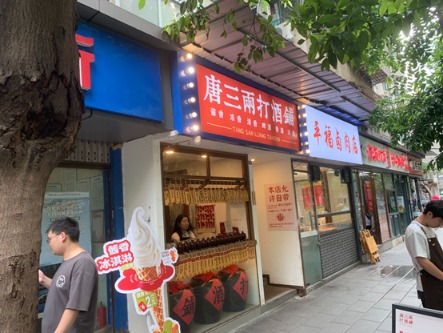
传统烟酒店的“618”初体验:从试试到爆单
经济观察报· 2025-06-16 10:36
Core Viewpoint - The article highlights the significant shift in the Chinese liquor market towards instant retail, particularly during the "618" shopping festival, as traditional sales channels face challenges due to high inventory and changing consumer behaviors [4][6][14]. Group 1: Instant Retail Surge - In June, typically a slow season for the liquor market, instant retail emerged as a vital opportunity for liquor store owners facing inventory pressures [1][7]. - During the "618" event, from midnight to noon on May 28, the white liquor sales reached 3 billion yuan, marking a 70-fold increase year-on-year [4]. - Major liquor brands like Moutai and Luzhou Laojiao are now embracing instant retail as a response to market challenges and changing consumer habits [5][6]. Group 2: Market Dynamics - The white liquor market is experiencing a downturn, with prices for Moutai dropping below 2000 yuan per bottle in some regions, leading to a breakdown of traditional inventory strategies [6][19]. - Over 60% of liquor distributors reported increased inventory levels, with total stock for 20 A-share listed liquor companies reaching 136.35 billion yuan, a 12% increase year-on-year [18]. - Instant retail is seen as a new channel to revitalize the liquor retail model, catering to the demand for convenience and immediate consumption [6][32]. Group 3: Consumer Behavior Changes - The article notes a shift in consumer purchasing behavior, with younger consumers preferring immediate purchases over stockpiling liquor [6][32]. - Instant retail caters to various scenarios, including emergency needs, travel, gifting, and on-demand purchases, reflecting a change in consumer preferences [32]. - The data indicates that 30% of liquor orders are delivered directly to restaurants and hotels, highlighting the trend of "instant intoxication" among younger consumers [6]. Group 4: Retailer Experiences - Retailers like Du Yubao, who traditionally relied on offline sales, experienced a surge in online orders during the "618" event, achieving sales figures ten times their usual volume [21][26]. - The 1919 liquor chain reported a transaction volume exceeding 1 billion yuan during the "618" event, with a year-on-year growth of nearly 80 times [25]. - Retailers are adapting to the new online landscape, with some extending operating hours to accommodate increased demand [23]. Group 5: Future Outlook - The article suggests that the instant retail model may not face a significant post-event sales slump, as it primarily meets immediate consumer needs rather than encouraging stockpiling [39]. - Liquor companies are showing interest in instant retail channels, with brands like Luzhou Laojiao experimenting with live streaming and instant delivery models [44]. - The competition between liquor brands and e-commerce platforms is expected to shift focus from pricing to consumer service, indicating a potential transformation in the industry [45].
传统烟酒店的“618”初体验:从试试到爆单
Jing Ji Guan Cha Wang· 2025-06-16 09:00
Core Insights - The article highlights the rapid growth of instant retail in the liquor industry, particularly during the "618" shopping festival, where white liquor sales surged significantly, indicating a shift in consumer behavior towards immediate purchasing rather than bulk buying [1][5][11] Industry Trends - Instant retail has emerged as a new channel for liquor sales, with a reported 3 billion yuan in white liquor sales within the first 12 hours of the "618" event, marking a 70-fold increase year-on-year [1] - The penetration rate of liquor in instant retail was only 1% in 2023, but the transaction scale grew by 100% in the first half of 2024, suggesting significant potential for growth in this sector [5][11] - Traditional liquor sales models are under pressure due to changing consumer habits, with 30% of liquor orders being delivered directly to restaurants and hotels, reflecting a shift towards convenience [2][11] Company Strategies - Companies like Luzhou Laojiao are innovating their channels and pushing for digital transformation to adapt to market changes and enhance consumer shopping experiences [2] - Major liquor brands, including Moutai and Yanghe, are now embracing instant retail, contrasting with their previous resistance to e-commerce price competition [1][2] - The collaboration between liquor companies and platforms like Meituan has led to promotional strategies that include significant subsidies, which have attracted consumers and boosted sales [4][15] Consumer Behavior - The article notes a shift in consumer purchasing patterns, with younger consumers preferring immediate purchases for occasions rather than stockpiling liquor [2][11] - Instant retail caters to various consumer needs, including emergency purchases, travel convenience, gift-giving, and on-demand buying, which are becoming increasingly relevant in today's market [11][12] Market Challenges - The liquor industry is facing challenges such as inventory pressures, with over 60% of distributors reporting increased stock levels, and a significant total inventory of 136.35 billion yuan among 20 A-share liquor companies [7][10] - Despite the initial success of instant retail, concerns remain about the sustainability of this model without ongoing subsidies, as traditional purchasing behaviors may revert in the absence of discounts [18]