
XREAL

Search documents
从CES 2026看AI未来:京东如何成为全球科技新品“入华首站”?
Tai Mei Ti A P P· 2026-01-09 11:01
Core Insights - The 2026 Consumer Electronics Show (CES) highlights the integration of AI technology across various sectors, with over 4,000 exhibitors showcasing innovations in AI chips, intelligent robots, and AI-native devices, marking it as a pivotal year for AI technology fusion and industrialization [2][5] - JD.com is positioned as a key player in connecting global tech brands with the Chinese market, leveraging its supply chain capabilities and user insights to facilitate the introduction of innovative products to Chinese consumers [4][18] Group 1: AI Technology and Product Innovations - The focus of CES 2026 is on the practical application of AI, with products like AI PCs, AR glasses, and intelligent home appliances being prominently featured, indicating a shift towards real-world integration of AI technologies [5][12] - The third-generation Intel Core Ultra processor, capable of 180 TOPS AI computing power, showcases significant performance improvements, including a 50% increase in multi-threaded performance and a 40% reduction in power consumption compared to its predecessor [8][10] - AR glasses are evolving with products like the XREAL 1S, which utilizes a spatial computing chip to create 3D effects without external hardware, indicating advancements in user interaction and experience [13][15] Group 2: JD.com's Role and Strategies - JD.com is enhancing its role as a primary channel for global tech brands entering China, providing a comprehensive service system that includes supply chain integration and user engagement [4][18] - The company is actively engaging consumers through live streaming and interactive experiences, allowing them to explore new products and make informed purchasing decisions [7][17] - JD.com is implementing various promotional strategies, such as early bird offers and exclusive discounts, to attract consumers and facilitate the launch of new products [17][30] Group 3: Market Adaptation and Consumer Insights - JD.com addresses the challenges of introducing new AI products to the Chinese market by providing localized adaptations and ensuring that technology meets the specific needs of consumers [22][23] - The company’s deep understanding of consumer behavior allows it to effectively match innovative products with market demands, facilitating a smoother transition from niche to mainstream adoption [20][23] - JD.com is focused on building consumer trust by addressing concerns related to privacy, usability, and after-sales service, thereby reducing barriers to adoption of new technologies [24][26]


中国AI眼镜军团CES霸场,27家公司组团秀肌肉,2026百镜大战
Xin Lang Cai Jing· 2026-01-09 09:01
Core Insights - The CES 2023 showcased a significant presence of Chinese manufacturers in the smart glasses and VR/AR market, indicating a shift in industry dynamics with local players gaining traction [2][44] - The Chinese smart glasses market is projected to see substantial growth, with shipments expected to reach 623,000 units by Q3 2025, reflecting a year-on-year increase of 62.3% [4][46] - The event highlighted the competitive landscape, with numerous companies unveiling innovative products, suggesting a "battle of the glasses" in the coming years [42][85] Group 1: Major Players - Rokid attracted attention with its giant glasses display and launched the Rokid Style, claimed to be the lightest full-feature AI glasses at 38.5 grams, starting at $299 [7][48] - INMO introduced two key products: INMO Go3, which offers real-time translation in 261 languages, and INMO AIR3, the first mass-produced 1080P wireless AR glasses, which sold out quickly [9][53] - XREAL showcased the ROG Xreal R1, the first gaming glasses with a 240Hz refresh rate, and announced the upcoming XREAL 1S, featuring a proprietary chip for 3D content conversion [14][57] Group 2: Cross-Industry Innovations - Alibaba presented the Quark AI glasses S1, which allows interaction through voice commands and boasts a battery life of 7 hours, powered by dual flagship chips [22][66] - XGIMI launched its MemoMind AI glasses, marking its entry into the smart glasses market with two series [27][70] Group 3: Emerging Startups - Gyges Labs introduced the world's first AI note-taking ring, which gained significant media attention for its unique functionality [30][73] - MicroVision unveiled the M6 series of AR glasses, which feature hardware that can be sustainably upgraded without replacing the entire device [32][75] - Various smaller companies showcased innovative products, contributing to a diverse and competitive landscape in the smart glasses sector [40][83]
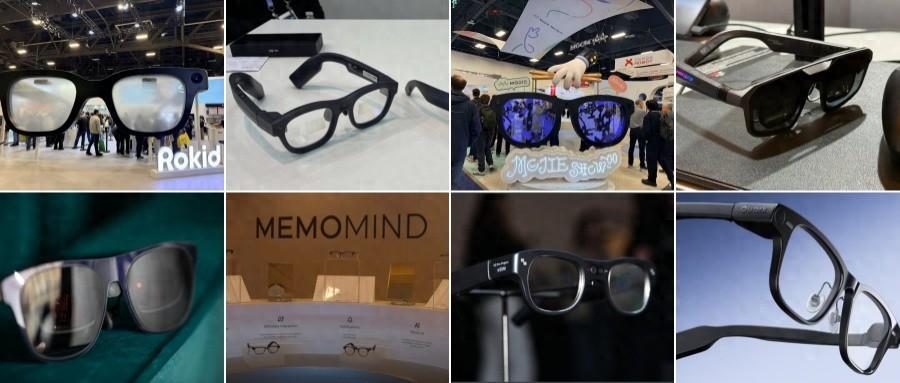
CES 2026观察:AI眼镜并没有迎来iPhone时刻
Tai Mei Ti A P P· 2026-01-09 06:23
Core Insights - The CES 2026 highlighted AI glasses as a core topic, but failed to deliver groundbreaking innovations, indicating that the industry is still struggling to transition from niche products to mainstream necessities [1] - Despite promising growth projections, the AI glasses market has not yet crossed the gap from "geek toys" to "essential consumer products," suggesting that the anticipated explosion in demand may be more of an industry fantasy [1] Group 1: Exhibition Highlights - Several manufacturers showcased their innovations at CES, revealing both strengths and limitations in the current AI glasses market [2] Group 2: Company Innovations - Meta introduced the Ray-Ban Display series, featuring a micro-display and improved voice interaction, but faced limitations in field of view and battery life, indicating a focus on incremental innovation rather than breakthrough technology [3] - Thunder Innovation launched the X3 Pro Project eSIM, enabling independent communication and AI interaction, but its weight and eSIM subscription challenges may hinder widespread adoption [4] - XREAL presented the 1S model with advanced spatial computing capabilities, but its high price point and lack of quality AR content limit its market reach [5] - Quark's AI glasses S1 integrated various Alibaba services but struggled with competitive pricing and compatibility issues, reflecting a tension between high specs and market viability [7] - Rokid's lightweight glasses achieved a record low weight of 49 grams and strong sales, but compromised on camera quality and field of view, positioning it as a smart assistant tool rather than a full-fledged device [8] Group 3: Industry Challenges - The AI glasses industry faces three main barriers: technological limitations, unclear use cases, and fragmented ecosystems, which hinder the potential for explosive growth [9][10] - The "impossible triangle" of lightweight design, long battery life, and high performance remains unsolved, with current products often falling short of user expectations [9] - The lack of a unified operating system and collaboration with traditional optical retailers further complicates market development, leading to inconsistent product quality and consumer confusion [10] Group 4: Future Outlook - The AI glasses market is expected to remain in a phase of technological iteration and market education, with significant breakthroughs potentially taking 3-5 years [11] - The development of specialized low-power chips and advancements in optical technology are seen as critical for overcoming current limitations [11] - Price reductions and increased competition from companies like Xiaomi and Quark may drive market growth and improve product affordability [11] - The industry awaits a "killer app" or a revolutionary product that combines technological innovation, practical use cases, and ecosystem compatibility to trigger widespread adoption [12]


CES2026上,中国具身企业拉爆海外......
具身智能之心· 2026-01-08 09:30
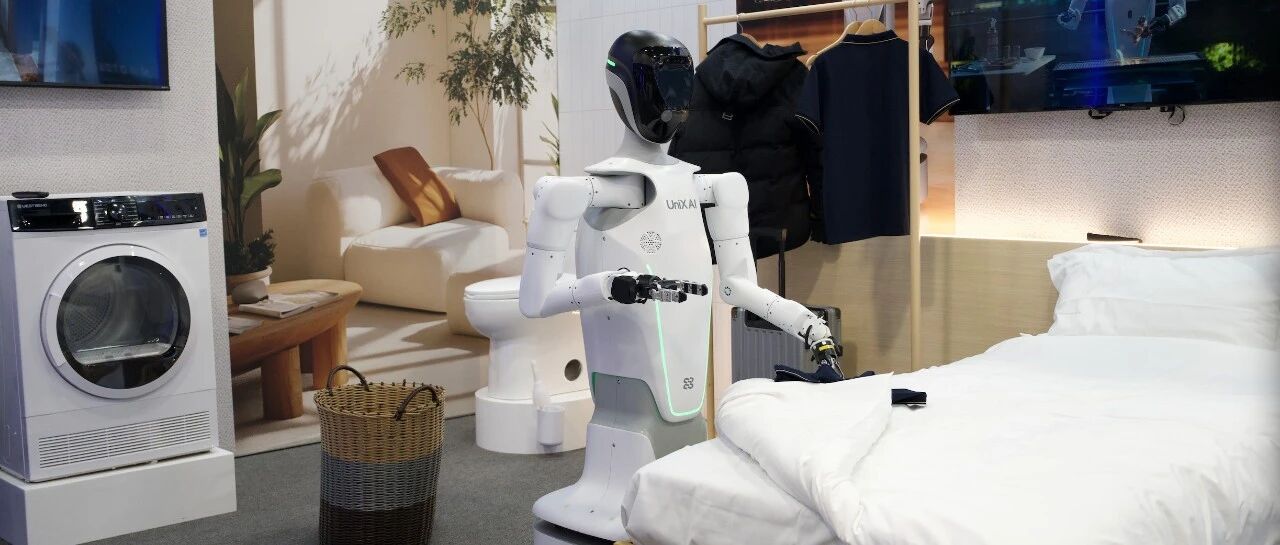
Group 1: CES 2026 Overview - The CES 2026 in Las Vegas showcased over 4,000 exhibitors, with 942 Chinese companies participating, accounting for approximately 22% of the total, making China the second-largest exhibiting country globally [4] - This year's focus was on AI and hardware, with a notable increase in the presence of Chinese brands [3] Group 2: Embodied Intelligence Sector - Among the 38 humanoid robot exhibitors, 21 were from China, representing 55% of the total, indicating a shift towards showcasing engineering delivery capabilities and real-world operational abilities [6] - Chinese company UniX AI gained significant media attention at CES, being featured in major global news outlets shortly after its presentation [6] - Unitree showcased its H1 humanoid robot, which has a 360-degree perception capability and a 15 kg load capacity suitable for industrial inspections [7] - Galaxy General demonstrated a collaborative operation between humanoid and quadruped robots, introducing a new outdoor inspection model with enhanced environmental adaptability and an 8-hour battery life [9] Group 3: Autonomous Driving Sector - Companies like Geely, Great Wall, Leap Motor, and New Stone presented their products at CES, indicating that autonomous driving is becoming a consumer product [11] Group 4: AI Glasses and Consumer Products - Among the 23 AI glasses brands, nearly 70% were Chinese, including Alibaba, XREAL, and Thunderbird [15] - Domestic brands like TCL and Hisense showcased their strengths, while emerging brands like MOVA and Yingshi also made their presence felt [17]
智能眼镜将从手机附属品迈向独立,轻量、全彩是趋势
Di Yi Cai Jing· 2026-01-08 08:18
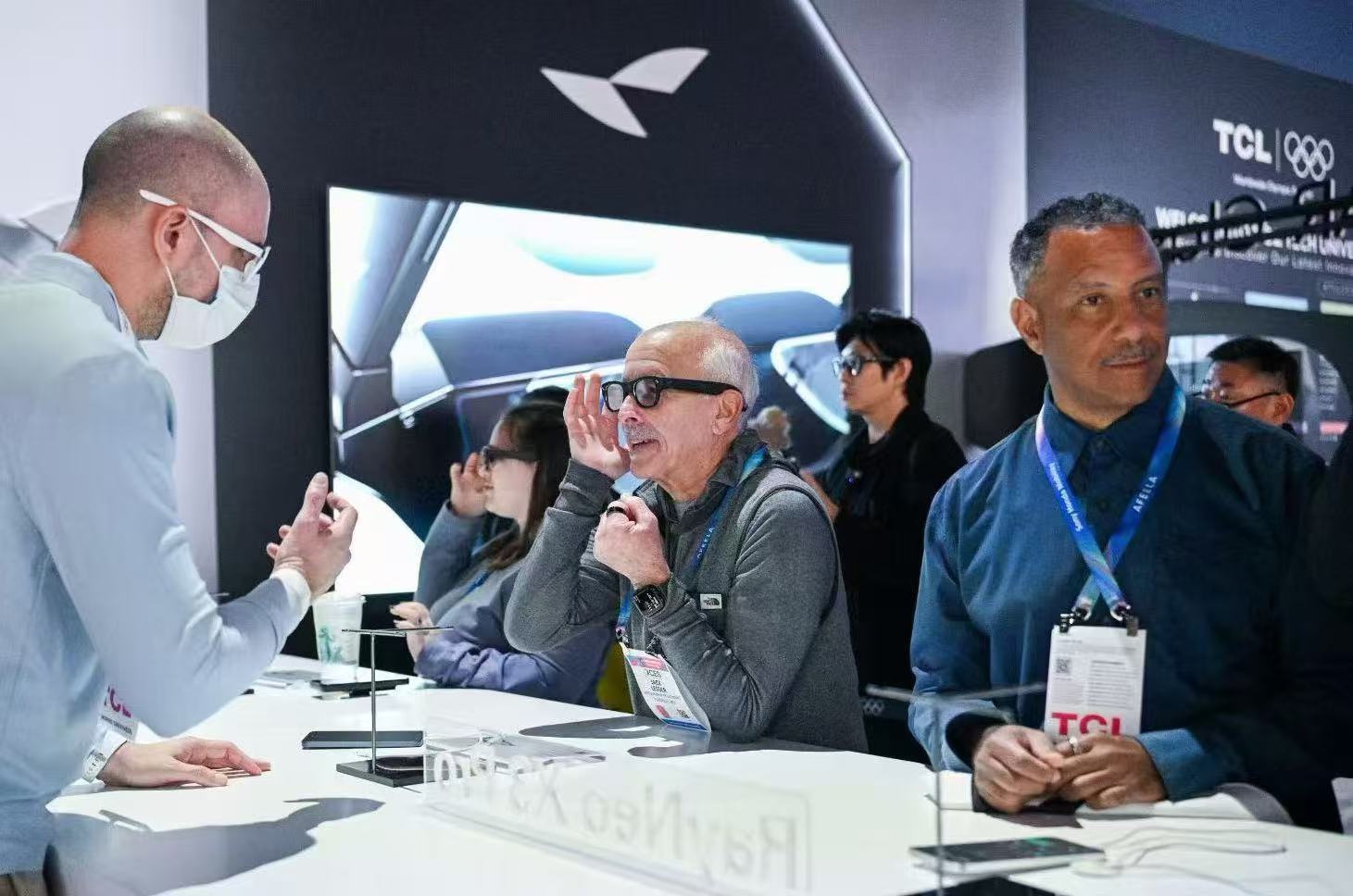
Core Viewpoint - The introduction of eSIM technology is transforming smart glasses from smartphone accessories into independent AI terminals, leading to a systemic restructuring of design, business models, profitability, and competitive landscape in the smart glasses industry [1][4]. Group 1: Industry Developments - At CES 2026, several Chinese companies launched AR and AI glasses, with eSIM technology enabling these devices to operate independently from smartphones, marking a trend towards lighter and full-color displays [3][8]. - Thunderbird Innovation, a subsidiary of TCL, showcased its first AR glasses with eSIM support, allowing for features like phone calls, AI dialogue, real-time translation, and streaming music without a smartphone [4][5]. - The global market share of Thunderbird Innovation's full-color Micro LED AR glasses reached 24% in Q3 of the previous year, with plans for accelerated global expansion [4]. Group 2: Competitive Landscape - Major players, including Alibaba and XREAL, are entering the smart glasses market, with XREAL expanding its partnership with Google to develop Project Aura, integrating Android XR into optical devices [8][9]. - Meta introduced new features for its smart glasses, including muscle-controlled handwriting input, while Alibaba launched its first Quark AI glasses, aiming to create new AI terminal entry points [8][9]. - The competition is intensifying, with a significant presence of Chinese brands at CES, accounting for nearly 70% of the 23 AI glasses brands showcased [9]. Group 3: Market Trends - The shift towards eSIM technology is expected to change the business model from hardware sales to a subscription-based model that includes hardware, connectivity, and AI services [5]. - The trend towards lightweight and full-color displays is evident, with several companies showcasing models weighing under 40 grams, indicating a competitive push for consumer-friendly designs [9][10]. - IDC forecasts that global smart glasses shipments will exceed 23.687 million units by 2026, with the Chinese market alone expected to surpass 4.915 million units, indicating a phase of scaled growth [10].
CES亮点
数说新能源· 2026-01-08 03:20
Group 1: Consumer Electronics - Pebble launched the Pebble Index 0.1, a wearable device priced at $75, which focuses on functionality rather than health monitoring, featuring a programmable button and microphone for reminders and messaging, with a lifespan of 2-3 years and no need for charging [1] - January AI has transitioned its scientifically validated "virtual blood glucose monitoring" technology to an enterprise-level API application, aimed at health management systems and longevity tech companies, converting daily life data into structured metabolic health data for diabetes management [1] - Naqi Logix is redefining human-computer interaction by transforming smart earbuds into powerful neural interfaces, allowing users to control digital devices through subtle facial movements without the need for physical actions or voice commands [2][3] - ASUS and XREAL launched the AR glasses ROG XREAL R1, which provide a cinema-like experience equivalent to a 171-inch screen and feature a 240Hz refresh rate, enhancing gaming experiences significantly [4] Group 2: Physical AI - LG introduced the home robot CLOiD, designed for emotional interaction and household tasks, featuring flexible robotic arms for tasks like folding clothes and controlling home appliances, although its operational range is limited to above knee height [5] - Weifeng Power Technology developed an AI-driven smart firefighting robot capable of autonomous navigation in smoke, real-time identification of burning materials, and automatic fire suppression without human intervention, enhancing emergency response capabilities [6] Group 3: Intelligent Driving and Mobility - RAPA has overcome the inherent sparsity and noise issues of radar technology with its 4D imaging radar, providing a cost-effective solution for autonomous driving with superior performance, achieving over 40% higher accuracy in target detection and tracking compared to competitors [8]

四大证券报精华摘要:1月8日
Zhong Guo Jin Rong Xin Xi Wang· 2026-01-08 00:21
Group 1: Fund Market Dynamics - The fund issuance market in early 2026 shows a significant increase in activity, with FOF (Fund of Funds) products becoming a focal point for competition among banks and fund companies [1] - Several FOF products sold out quickly, indicating strong customer demand and a competitive landscape driven by product transformation and channel support [1] Group 2: A-Share Market Performance - On January 7, 2026, the A-share market experienced a volume increase with all three major indices rising slightly, driven by sectors related to the semiconductor industry [1] - The market saw over 2,100 stocks increase in value, with nearly 100 stocks hitting the daily limit, reflecting a significant rise in market risk appetite [1] Group 3: Foreign Exchange Reserves - As of December 2025, China's foreign exchange reserves reached $33,579 billion, an increase of $115 billion from the previous month, marking a 0.34% rise [2] - The increase in reserves was influenced by factors such as major economies' monetary policies and macroeconomic data, alongside fluctuations in asset prices [2] Group 4: AI and Manufacturing Integration - The Chinese government has set ambitious goals for the integration of AI and manufacturing, aiming for significant advancements by 2027, including the application of 3-5 general large models in the manufacturing sector [3] - The initiative includes the creation of 100 high-quality industrial data sets and the promotion of 500 typical application scenarios [3] Group 5: Hong Kong IPO Market - In 2025, Hong Kong's IPO market raised a total of HKD 285.8 billion, reclaiming its position as the top global market for IPOs [6] - The momentum continued into 2026 with new listings from domestic GPU and AI companies, establishing a strong technology focus for the year [6][7] Group 6: Commodity Market Trends - In 2025, major non-ferrous metals saw significant price increases, with London gold rising by 64.56% and silver by 147.79% [8] - Analysts predict that demand from emerging sectors like AI will drive a new commodity cycle in 2026, with industrial metal prices expected to rise due to ongoing supply constraints [8] Group 7: A-Share Dividend Trends - A-share listed companies set a new record for dividends in 2025, totaling CNY 2.61 trillion, a year-on-year increase of 8.75% [10] - The trend reflects a shift towards more structured and frequent cash dividends, driven by policy guidance and improved corporate governance [10]
8点1氪:和府捞面否认是预制菜;雷军称绝对不能容忍任何诋毁诅咒车主的KOL;乔布斯私人物品Apple I原型机被拍卖
36氪· 2026-01-08 00:10
Group 1 - He Fu Lao Mian responded to consumer claims about pre-made dishes, stating that their products are made in a central kitchen and do not fall under the category of pre-made meals [5] - He Fu Lao Mian was established in 2012 and currently operates 583 stores, with an average consumer spending of 32.97 yuan, over 50% of which are located in first-tier and new first-tier cities [5] Group 2 - The price of memory modules has surged, with some units exceeding 49,999 yuan, leading to comparisons with the cost of a house in Shanghai [7] - NIO's CEO Li Bin mentioned that rising memory prices are creating cost pressures for the automotive industry, suggesting consumers consider purchasing vehicles sooner [7] Group 3 - ByteDance denied rumors of entering the automotive industry, clarifying that there are no plans to manufacture cars [8] - Google's market value surpassed Apple's for the first time since 2019, reaching 3.88 trillion USD, highlighting a divergence in AI strategies between the two companies [8][9] Group 4 - The State Administration for Market Regulation and the National Internet Information Office released new regulations to prevent platforms from using big data to exploit consumers [9] - Same-day ticket sales for the KPL Spring Season faced issues due to server overload from high traffic, leading to an apology from Tongcheng Travel [9] Group 5 - Long-term rumors about Changan Automobile canceling year-end bonuses were refuted, with the company affirming its commitment to employee rights and sustainable development [12] - The founder of Prince Group was arrested in Cambodia and sent back to China for investigation related to international telecom fraud and money laundering [12] Group 6 - Lenovo announced a partnership with NVIDIA to launch an "AI Cloud Super Factory," aimed at accelerating AI deployment for cloud service providers [13] - Xiaomi's new electric vehicle model SU7 is expected to launch in April, featuring significant enhancements and advanced safety features [13] Group 7 - Berkshire Hathaway increased the salary of its new CEO Greg Abel to 25 million USD, significantly higher than Warren Buffett's long-standing salary of 100,000 USD [14] - The market regulator announced adjustments to the certification model for certain products, shifting from self-declaration to third-party certification [15] Group 8 - Intel unveiled its third-generation Ultra processors at CES 2026, utilizing the latest 18A manufacturing process to enhance transistor density and energy efficiency [21] - The AI company Anthropic is preparing to raise 10 billion USD at a valuation of 350 billion USD [24]





8点1氪丨和府捞面否认是预制菜;雷军称绝对不能容忍任何诋毁诅咒车主的KOL;乔布斯私人物品Apple I原型机被拍卖
3 6 Ke· 2026-01-08 00:04
Group 1: Memory Prices and Market Impact - The price of memory modules is surging, with some units exceeding 40,000 yuan, and a box of 100 units could cost nearly 500 million yuan, comparable to the price of a house in Shanghai [1][3] - The global demand for AI computing power is causing a severe shortage in memory semiconductors, leading to significant price increases [3] - Companies like Samsung and Hynix have announced price hikes for DRAM products, with increases expected to be between 60% to 70% in Q1 compared to Q4 of the previous year [3] Group 2: Automotive Industry Developments - NIO's CEO Li Bin indicated that rising memory prices are creating cost pressures for the automotive industry, suggesting consumers consider purchasing vehicles sooner [3] - ByteDance has denied rumors about entering the automotive sector, clarifying that there are no plans to manufacture cars [3] - Changan Automobile refuted claims regarding the cancellation of year-end bonuses, asserting that the company is maintaining its incentive plans based on performance [6] Group 3: Corporate Leadership Changes - Berkshire Hathaway has increased the salary of its new CEO Greg Abel to $25 million, which is 250 times higher than Warren Buffett's long-standing salary of $100,000 [9] - Lenovo announced a collaboration with NVIDIA to launch an "AI Cloud Super Factory," aimed at enhancing AI deployment capabilities [7] Group 4: Regulatory Developments - The State Administration for Market Regulation and the National Internet Information Office released the "Regulations on the Supervision of Online Trading Platform Rules," aimed at regulating platform rules and protecting consumer rights [4] - The market regulator has adjusted the certification model for certain products, shifting from self-declaration to third-party certification for 16 types of products, including electric tools and automotive safety components [9] Group 5: Technology and Innovation - Intel is developing a dedicated gaming platform with custom chips to enhance its presence in the portable gaming device market [13] - OpenAI has introduced a new feature for ChatGPT that allows users to analyze medical test results and receive health guidance, marking a significant step into the healthcare sector [17] - Microbotics has successfully completed the world's first "large model autonomous surgery" animal experiment, pushing the boundaries of AI in the medical field [18]
AI应用潮席卷CES 中国产业链竞技“落地赛”
Shang Hai Zheng Quan Bao· 2026-01-07 17:53
Core Insights - The CES 2026 showcases China's advancements in AI hardware and robotics, highlighting the industry's shift towards practical applications and increased collaboration opportunities [1][2] Group 1: AI Hardware and Robotics - Over 20 Chinese humanoid robot companies participated in CES 2026, demonstrating a wide range of technologies and applications, including the launch of the Genie Sim 3.0 simulation platform by AGIBOT and the introduction of the Care-bot GR-3 by Fourier [2] - The event has alleviated concerns about a bubble in the humanoid robotics sector, indicating a trend towards more practical and consumer-oriented products [2] - AI hardware is evolving towards more specialized and practical applications, with AI toys and health-monitoring devices gaining traction [2] Group 2: Strategic Collaborations - Google and Chinese AR company XREAL announced a long-term strategic partnership to promote the Android XR ecosystem for AR glasses, emphasizing the importance of collaboration in the industry [4][5] - XREAL has previously signed strategic agreements with companies like Longqi Technology and Jingsheng Mechanical and Electrical to enhance the AI/AR supply chain [5] - Hesai Technology plans to double its annual production capacity of LiDAR from 2 million units in 2025 to 4 million units in 2026 to meet the growing demand in robotics [5] Group 3: Industry Trends and Innovations - The integration of AI technology in various applications, such as smart charging and smart home solutions, is accelerating, with notable innovations like the AI charging robot showcased by Daotong Technology [3] - The display industry is also evolving, with TCL and Hisense presenting new Mini LED display technologies at the event, indicating a trend towards advanced display solutions [5]