
小米汽车

Search documents
自动驾驶秋招大批量开始了(理想/小鹏/小米/地平线/博世/mmt等等)
自动驾驶之心· 2025-09-04 11:54
近期,小鹏、蔚来、理想、地平线、华为车BU、博世中国、小米汽车、Momenta等等公司都宣布了2026届校园招聘启 动的消息~ 好消息,汽车行业秋招大批量开启了! 我们的知识星球也推出最大优惠了,续费5折,新人加入立减88,开学季最好的入手机会。 国内最大的自驾社区,和4000名成员一起交流。 很多同学还在陆续咨询柱哥关于就业、申博方向的问题,自驾领域还有很多问题没有被解决,甚至还没有有效的方 案,所以招聘需求才会持续存在。如果你在工业界,也是一个职业上升的好时机。 自动驾驶之心在此开学季,给大家提供了各类学习教程和科研平台,如果您想自动驾驶方向更上一层楼,或者希望快 速入门,可以来看看我们的教程和平台。诚意满满,是近段时间最大的优惠力度。 课程超级折扣卡 课程超级折扣卡是我们为有需要购买自驾课程同学推荐的。 一年内有效,所有自驾课程7折哦~适合购买2门及以上的 同学,优惠满满! 知识星球 更多硬件和论文辅导活动 咨询我们 更多内容欢迎咨询小助理微信AIDriver005了解更多。 ...


神车停产,又一汽车巨头扛不住了
投中网· 2025-09-04 05:25
Core Viewpoint - The article highlights the decline of traditional Japanese automotive brands, exemplified by the discontinuation of Nissan's GT-R, while emphasizing the rapid growth and dominance of Chinese electric vehicle manufacturers in the market [6][9][17]. Group 1: Decline of Traditional Brands - Nissan's GT-R, a legendary model, has officially ceased production after 18 years, marking the end of an era for traditional high-performance gasoline vehicles [11][12]. - The decline in performance and sales of Japanese automakers is evident, with Nissan reporting a net loss of 115.76 billion yen and a 10% drop in global sales [12][16]. - Other Japanese brands like Mitsubishi and Subaru have also faced similar fates, with iconic models being discontinued due to the shift towards electric vehicles [13][16]. Group 2: Rise of Chinese Electric Vehicles - In contrast, China's new energy vehicle sales surged by 35.5% year-on-year, reaching 12.866 million units, maintaining its position as the world's largest market for ten consecutive years [8][9]. - Chinese brands accounted for 68.6% of passenger car sales in the first seven months of 2025, with a notable increase in domestic sales [8][17]. - Companies like BYD and Leap Motor have reported significant growth in sales, with BYD selling 373,600 vehicles in August alone, marking a 146.4% increase year-on-year [18][20]. Group 3: Market Dynamics and Future Outlook - The automotive market is undergoing a significant transformation, with traditional gasoline vehicles losing ground to electric and smart vehicles, leading to a "mid-life crisis" for many established brands [17][18]. - The shift towards electric vehicles is not just a trend but a necessity for survival, as companies like Volvo and Mercedes-Benz pivot their strategies to adapt to the new market realities [18]. - The competition among new energy vehicle manufacturers is intensifying, with a focus on product quality and profitability rather than merely increasing production [24][28].





多家造车新势力陆续公布8月交付量
Cai Jing Wang· 2025-09-04 01:41
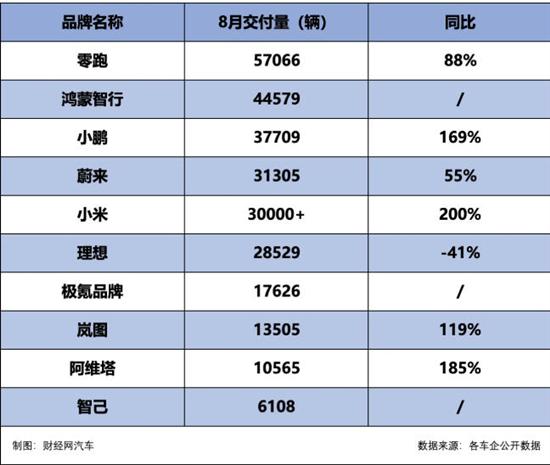
Core Insights - Multiple new energy vehicle manufacturers reported record delivery numbers for August, with significant year-on-year growth across various brands [1][4][6]. Group 1: Delivery Performance - Leap Motor achieved a delivery of 57,066 units in August, marking an 88% year-on-year increase [2][4]. - Hongmeng Zhixing delivered 44,579 units, maintaining a strong position in the market [1][10]. - XPeng Motors delivered 37,709 units, reflecting a 169% increase year-on-year [2][6]. - NIO delivered 31,305 units, a 55% increase compared to the previous year [2][7]. - Xiaomi's deliveries exceeded 30,000 units, with a 200% increase year-on-year [2][12]. - Li Auto delivered 28,529 units, showing a decline of 41% year-on-year [2][12]. - Zeekr brand delivered 17,626 units, while Lantu and Avita saw significant growth with deliveries of 13,505 units (119% increase) and 10,565 units (185% increase) respectively [2][15]. Group 2: Market Trends - The retail sales of narrow passenger vehicles in August are expected to reach 1.94 million units, with 1.1 million being new energy vehicles, resulting in a penetration rate of 56.7% [3]. - The market is showing signs of recovery due to the reintroduction of trade-in subsidies and local stimulus policies [3][19]. - The upcoming "golden September and silver October" sales period is anticipated to boost automotive sales, with new model launches at the Chengdu Auto Show [19]. Group 3: Financial Performance - Leap Motor reported its first half-year net profit, becoming the second new energy vehicle manufacturer to achieve this milestone [6]. - XPeng Motors' Q2 total revenue reached 18.27 billion yuan, a 125.3% increase year-on-year, with a gross margin of 17.3% [7]. - NIO's August deliveries included 10,525 units from its brand and 16,434 units from the Lada brand, indicating strong performance [7][10]. - Zeekr Technology reported a Q2 total revenue of 27.431 billion yuan, with a gross margin of 20.6%, marking a historical high [15].

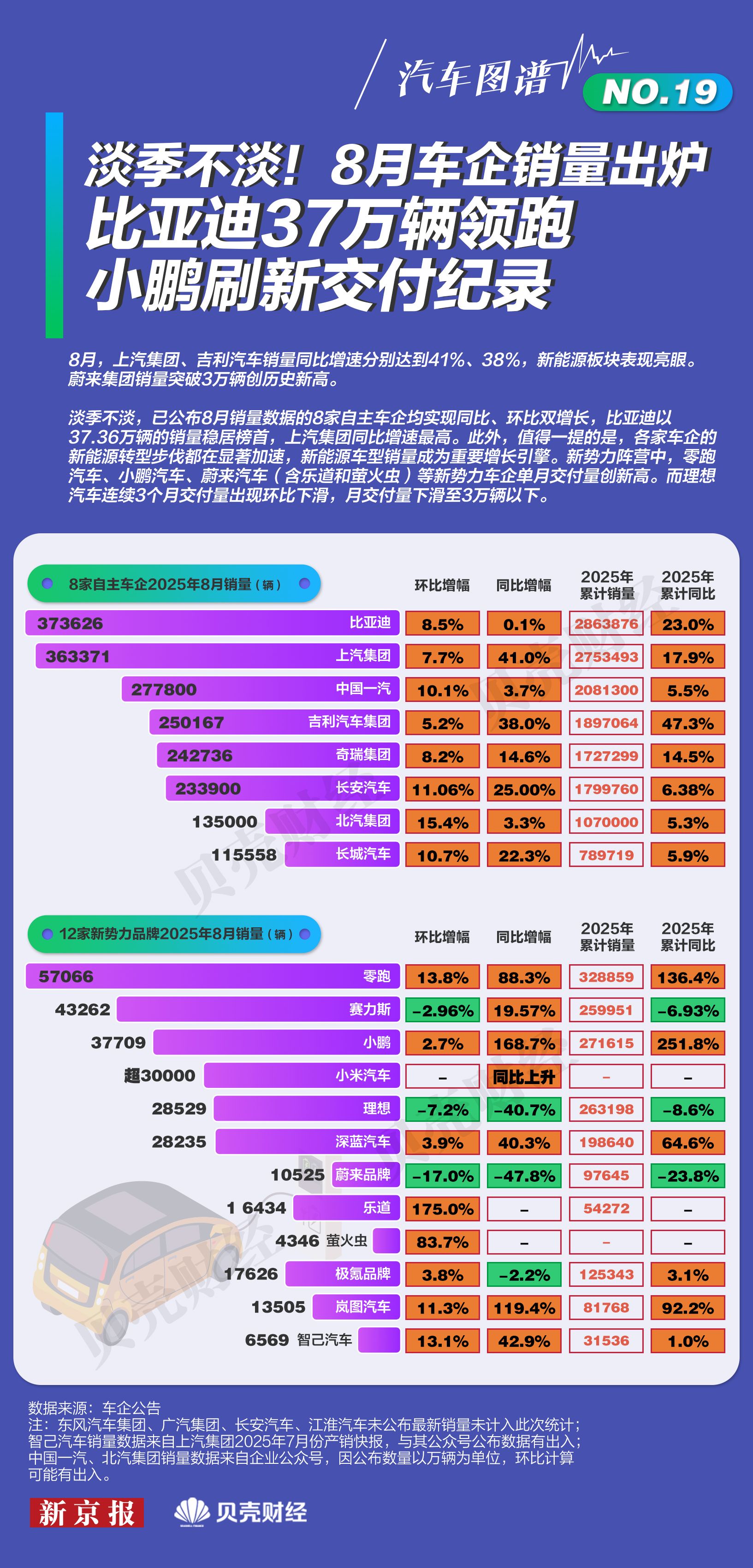
汽车图谱⑲|8月比亚迪销量37万辆领跑,小鹏刷新交付纪录
Bei Ke Cai Jing· 2025-09-04 00:12
Group 1 - The core viewpoint of the articles highlights that the sales data for August shows significant growth for eight domestic car manufacturers, with BYD leading the sales at 373,626 units, marking an 8.5% increase year-on-year [1][4] - The new energy vehicle (NEV) transition is accelerating across various car manufacturers, with NEV sales becoming a crucial growth driver [1] - Among new forces in the automotive sector, companies like Leap Motor, Xpeng Motors, and NIO have achieved record monthly delivery volumes, while Li Auto has seen a decline in deliveries for three consecutive months [2][4] Group 2 - Leap Motor has raised its annual sales target, and Xpeng Motors' CEO expressed confidence in achieving quarterly profitability in Q4, aiming for monthly deliveries to exceed 40,000 units starting September [2] - Li Auto's CEO stated that 2025 will mark the company's entry into the pure electric SUV market, with a goal to rank among the top five in the high-end pure electric segment by the end of this year [2] - The sales figures for various manufacturers in August include: SAIC Group at 363,371 units (7.7% increase), China FAW at 277,800 units (10.1% increase), and Geely Auto Group at 250,167 units (5.2% increase) [4]

神车停产,又一汽车巨头扛不住了!
阿尔法工场研究院· 2025-09-04 00:06
Core Viewpoint - The discontinuation of the Nissan GT-R marks the end of an era for traditional high-performance gasoline vehicles, highlighting the shift towards electric vehicles and the challenges faced by Japanese automakers in the current market landscape [5][10][18]. Group 1: Nissan GT-R and Its Legacy - The last Nissan GT-R rolled off the production line after 18 years, symbolizing the end of a legendary model that achieved significant acclaim in motorsports and popular culture [5][14]. - The GT-R, known as the "East Japan War God," had a production volume of nearly 48,000 units, showcasing its popularity and performance over its lifespan [18]. - The discontinuation of the GT-R reflects broader trends in the automotive industry, where traditional gasoline vehicles are being overshadowed by the rise of electric vehicles [7][10][18]. Group 2: Chinese Automotive Market Growth - In contrast to the decline of traditional Japanese automakers, China's new energy vehicle sales grew by 35.5% year-on-year, reaching 12.866 million units, maintaining its position as the world's largest market for ten consecutive years [9]. - From January to July 2025, sales of Chinese brand passenger cars reached 10.873 million units, a 24.4% increase, with a market share of 68.6% [9]. - The rapid growth of domestic brands in China indicates a significant shift in consumer preferences and market dynamics, as traditional Japanese brands struggle to maintain their foothold [22][24]. Group 3: Challenges for Japanese Automakers - Japanese automakers, including Nissan, are facing severe financial difficulties, with Nissan reporting a net loss of 115.76 billion yen and a 10% decline in global sales [21][23]. - The overall profitability of Japanese car manufacturers is declining, with projections indicating a loss of approximately 2.7 trillion yen for the fiscal year 2025 [21]. - The shift towards electric vehicles and the inability to adapt quickly enough to market changes have led to a "mid-life crisis" for Japanese brands, as they lose market share to more agile domestic competitors [24][22]. Group 4: The Future of the Automotive Industry - The automotive industry is undergoing a significant transformation, with a focus on technology and ecosystem development as key strategies for survival [26]. - The rise of new energy vehicles is prompting traditional manufacturers to reconsider their strategies, as evidenced by the recent shifts in direction from companies like Volvo, Mercedes, and Audi [27][28]. - The competition in the electric vehicle sector is intensifying, with new entrants focusing on quality and profitability rather than merely scaling production [34][33].



百度视觉技术部多模态感知与理解招聘(社招/校招/实习)
自动驾驶之心· 2025-09-03 23:33
Core Viewpoint - The article focuses on recruitment opportunities in the field of video understanding and artificial intelligence, highlighting the responsibilities and requirements for various positions within the company [2][4][5]. Recruitment Responsibilities - The company is looking for candidates to engage in cutting-edge algorithm research and development for video understanding, specifically targeting tasks such as video question answering, video summarization, temporal action localization, and event detection [2]. - Responsibilities also include building large-scale, high-quality multimodal datasets, distributed training of large models, and collaborating with business teams for practical application and innovation [2]. Job Requirements - Candidates should possess a master's or doctoral degree in computer science, artificial intelligence, electronic information, automation, or related fields [4]. - Experience in top AI conferences or journals is preferred, particularly in areas like computer vision and multimodal learning [5]. Advantages of Joining - The company offers a supportive environment with ample hiring capacity for new graduates, interns, and experienced hires, along with competitive salaries and benefits such as mentorship and participation in significant projects [6]. Community and Resources - The article mentions a community platform for job seekers in autonomous driving and robotics, providing resources like interview questions, industry reports, and salary negotiation tips [7][19].
8月新能源车企销量普涨,多个品牌同比翻倍
Jing Ji Guan Cha Bao· 2025-09-03 20:21
Core Insights - The new energy vehicle market in China is experiencing significant growth, with several companies reporting impressive sales figures for August 2023, particularly in the new car manufacturing sector [1][3][4]. Group 1: Sales Performance - Leap Motor achieved the highest sales in August with 57,000 units delivered, marking an 88% year-on-year increase and a total of 329,000 units sold from January to August, a 136% increase [1][2]. - Hongmeng Zhixing ranked second with 45,000 units sold in August, a 32% increase, and a total of 292,000 units for the year, up 7% [2][4]. - Xiaopeng Motors reported sales of 38,000 units in August, a remarkable 169% increase, with a total of 272,000 units sold from January to August, reflecting a 252% growth [2][4]. - NIO also showed recovery with 31,000 units sold in August, a 55% increase, supported by new models like the L90 [4][5]. Group 2: Market Trends - The overall trend in the new energy vehicle sector indicates that most companies, except for Li Auto and Zeekr, are experiencing growth, with some brands seeing year-on-year increases exceeding 100% [3]. - Traditional automakers are also witnessing growth in their new energy divisions, with companies like BYD maintaining a leading position with 374,000 units sold in August, showing a slight increase of 0.1% year-on-year [7][8]. - The competitive landscape is shifting, with brands like Geely and Changan showing significant growth rates of 95% and 80% respectively in August [7][8]. Group 3: Financial Performance - Leap Motor's financial performance is improving, with a reported revenue of 24.25 billion yuan and a net profit of 30 million yuan for the first half of the year, marking its first half-year profitability [1]. - Xiaomi Motors has set an ambitious annual sales target of 350,000 units, having sold approximately 220,000 units so far this year [5]. - Li Auto is adjusting its sales and revenue guidance for the third quarter due to various factors affecting its current model lineup [5].



造车新势力8月成绩单出炉 零跑汽车“拔得头筹”
Mei Ri Jing Ji Xin Wen· 2025-09-03 19:24
Core Insights - In August, various new energy vehicle brands reported significant sales figures, with Leap Motor leading the way with a record delivery of 57,066 vehicles, marking a year-on-year increase of over 88% [2] - Xiaopeng Motors also achieved a new monthly high with 37,709 vehicles delivered in August, representing a year-on-year growth of 168.7% [3] - NIO delivered 31,305 vehicles in August, a year-on-year increase of 55.2%, while Li Auto reported 28,529 deliveries [5][6] Company Performance - Leap Motor's total deliveries from January to August reached 328,859 vehicles, a year-on-year growth of 136.4%, and is expected to surpass 1 million cumulative deliveries by the end of the year [2] - Xiaopeng Motors' cumulative deliveries for the year reached 271,615 vehicles, with a year-on-year growth of 330% [3] - NIO's cumulative deliveries stand at 838,036 vehicles, with significant contributions from its various brands [5] - Li Auto aims to stabilize monthly sales of its new models, targeting 6,000 units for the Li 8 and 9,000 to 10,000 units for the Li 6 [5] Market Trends - The overall market for new energy vehicles showed resilience, with a retail sales estimate of 1.1 million units in August, achieving a penetration rate of 56.7% [7] - The automotive market is expected to perform better in September, driven by government subsidies and a traditional sales peak [7] - The introduction of new models and expansion of dealership networks by companies like Xiaomi and Hongmeng Zhixing is anticipated to further stimulate sales [4][6]
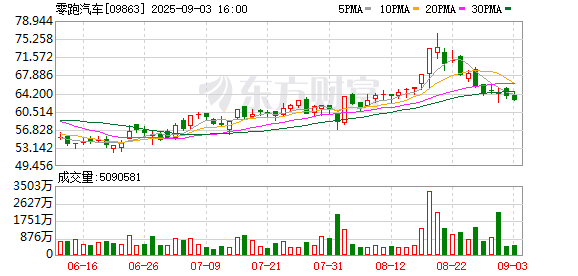
新势力8月交付量分析:零跑卫冕榜首 小鹏、蔚来创新高
Zhong Guo Zhi Liang Xin Wen Wang· 2025-09-03 05:45
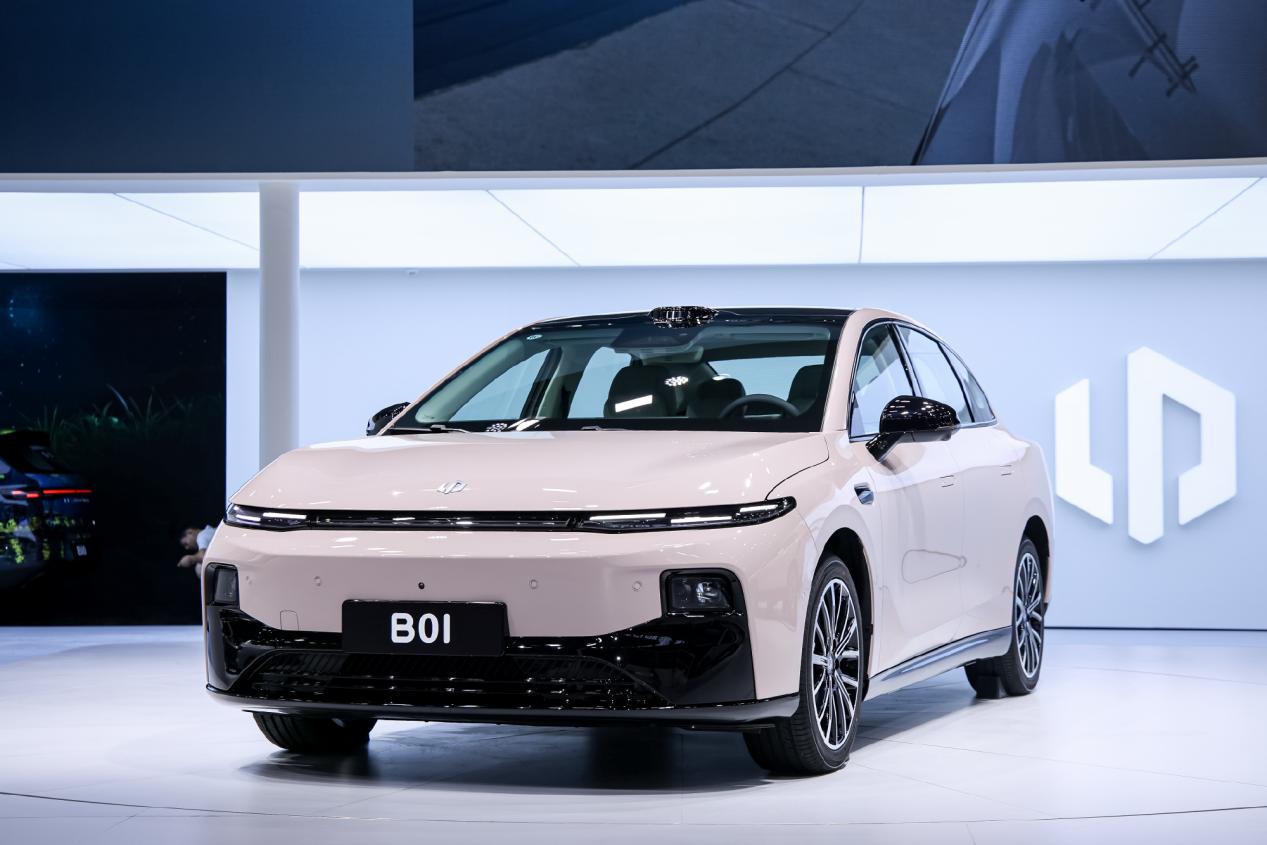
Core Insights - The Chinese new energy vehicle market showed significant differentiation in August, driven by policy support and technological innovation, with various new players redefining market rules through differentiated strategies [1] Group 1: Company Performance - Leap Motor achieved a record delivery of 57,066 vehicles in August, marking a year-on-year increase of over 88%, and has surpassed 900,000 cumulative deliveries, setting a solid foundation for its annual target of 580,000 to 650,000 vehicles [3] - Hongmeng Zhixing delivered 44,579 vehicles in August, with a cumulative total exceeding 900,000, and an average transaction price of 380,000 yuan, indicating strong competitiveness in the high-end market [5] - Xiaopeng Motors delivered 37,709 vehicles in August, a year-on-year increase of 169%, and announced an expansion of its strategic cooperation with Volkswagen Group, enhancing its technological output capabilities [7] - NIO delivered 31,305 vehicles in August, a year-on-year increase of 55.2%, with the Leado brand surpassing the NIO brand in sales for the first time, driven by the new model Leado L90 [9] - Xiaomi Motors maintained a delivery level above 30,000 vehicles for two consecutive months, with plans to expand its store network significantly [11] - Li Auto delivered 28,529 vehicles in August, falling out of the "30,000 club," highlighting challenges in its transition to pure electric vehicles [13] - Zeekr brand sold 17,626 vehicles in August, with strong competition in its segment, while Lantu Motors delivered 13,505 vehicles, achieving a historical high with a year-on-year increase of 119% [15] - Avita's sales reached 10,565 vehicles in August, a year-on-year increase of 185%, driven by strong performance from models Avita 07 and 06 [17] - IM Motors delivered 6,108 vehicles in August, facing challenges compared to leading brands, but saw promising pre-sale orders for its new LS6 model [19] Group 2: Market Trends - The new energy vehicle market is experiencing intensified competition among new players, with various companies launching new models and expanding their market presence [19] - The overall performance of new energy vehicle companies indicates a shift towards high-end markets and differentiated product offerings, reflecting changing consumer preferences and technological advancements [1][5][7]
交银国际每日晨报-20250903
BOCOM International· 2025-09-03 02:30
Group 1: Fourth Paradigm (6682 HK) - The company is transitioning its business model from customized solutions to standardized platform delivery, focusing on building underlying vertical models and providing decision-making recommendations to clients [1] - Revenue growth is expected to be strong, with an annualized growth rate exceeding 30% from 2024 to 2028, and a projected revenue of over 7 billion yuan in 2025, reaching 20 billion yuan in four years [1] - The company is on track to achieve profitability, with a long-term profit margin target of 8-10% [1] Group 2: Guoxuan High-Tech (002074 CH) - The company has seen significant growth in power battery shipments, with a revenue of 19.39 billion yuan in the first half of 2025, up 15.5% year-on-year, driven by power and energy storage battery revenues of 14.03 billion yuan and 4.56 billion yuan, respectively [2][3] - The gross margin has slightly declined, with a second-quarter gross margin of 14.8%, down 3.0 percentage points year-on-year, primarily due to uncertainties in U.S. tariff policies and changes in product structure [2] - The company is advancing its solid-state battery layout, with the first phase of its Vietnam factory successfully launched and additional factories in Morocco and Slovakia expected to start production in 2026 and 2027, respectively [2] Group 3: Automotive Industry - In August, several new energy vehicle companies achieved record sales, with BYD selling 371,501 passenger vehicles, maintaining year-on-year stability, and exporting 80,464 units, up 146% [5][6] - NIO delivered 31,305 vehicles in August, a 55.2% year-on-year increase, with the ES8 expected to launch in September, potentially boosting sales [5] - Xpeng Motors delivered 37,709 vehicles in August, marking a 169% year-on-year increase, while Li Auto delivered 28,529 vehicles, reflecting a 41% decrease [6]
