名创优品

Search documents
万宁究竟做错了什么?
3 6 Ke· 2025-12-18 07:54
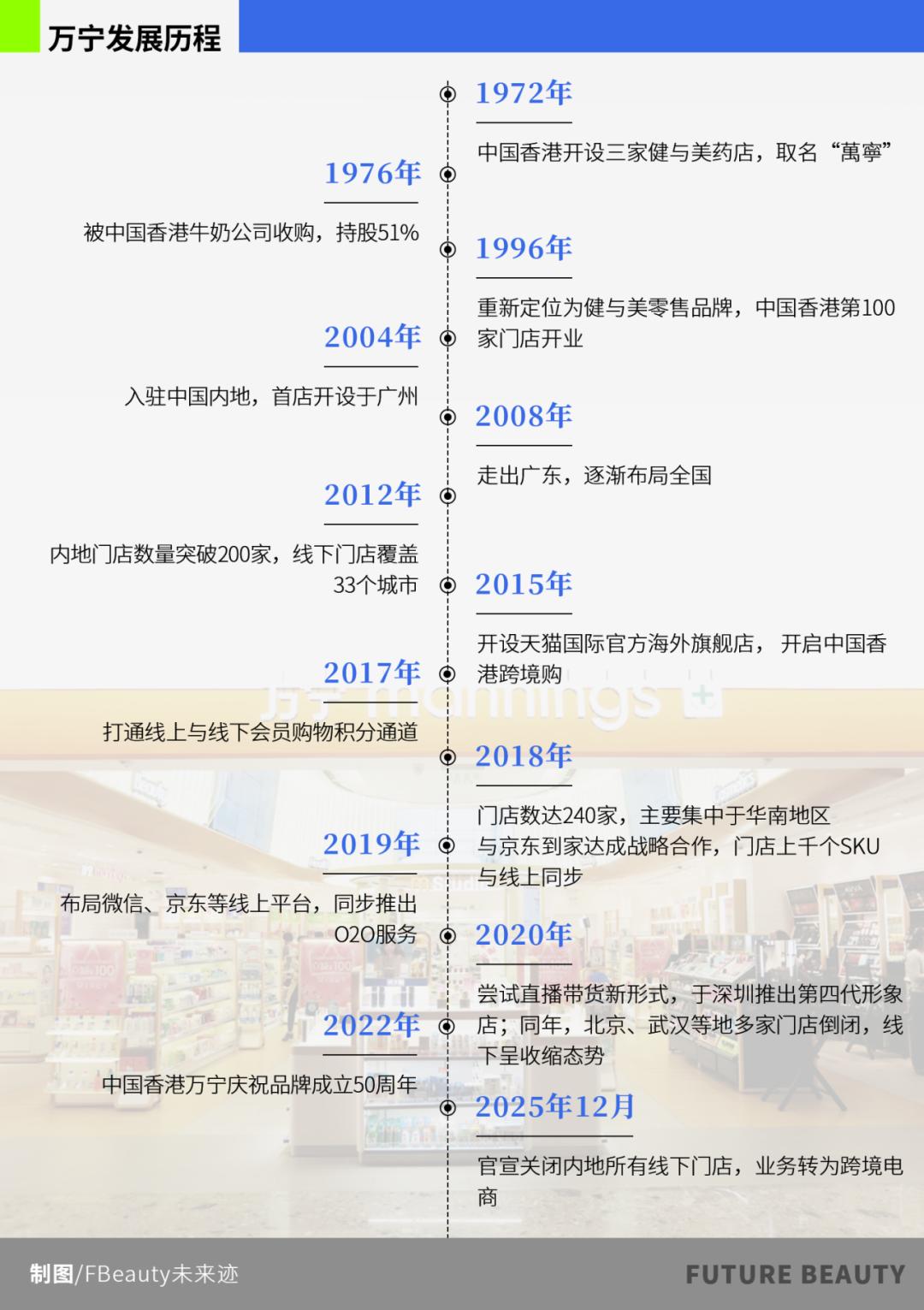
Core Insights - Mannings has officially announced its exit from the mainland China market, with all offline stores set to close by January 15, 2026, and online sales ceasing by December 26, 2025, transitioning to cross-border e-commerce thereafter [2][4][10] Company Overview - Mannings, a well-known retail brand in beauty and health, has been in the mainland market since 2004, reaching a peak of over 240 stores by 2018, primarily concentrated in Southern China [4][12] - The brand's decline is attributed to a series of strategic missteps, including frequent changes in leadership and failure to resonate with the local market [6][10] Market Context - The beauty retail sector has undergone significant restructuring, with competitors like Sephora and Watsons adapting through digital transformation and unique product offerings, while Mannings struggled to keep pace [2][15] - The overall sales in the cosmetics specialty store channel saw a total of 1,030 billion yuan in the first three quarters, with a year-on-year decline of 2.8% and 46,900 stores shutting down [3][15] Strategic Failures - Mannings faced challenges in its operational strategy, including a lack of effective execution in its membership program and slow product selection, which hindered its competitiveness [7][10] - The brand's attempt to replicate its Hong Kong success in mainland China did not materialize, leading to a loss of its core "pharmaceutical cosmetics" identity [10][12] Consumer Perception - Social media feedback indicates that consumers found Mannings' offerings to be less appealing compared to competitors, with comments highlighting a lack of unique advantages and product diversity [11][12] - The brand's failure to establish a strong emotional connection with consumers contributed to its decline, as it could not differentiate itself in a crowded market [15][20] Industry Implications - Mannings' exit serves as a cautionary tale for traditional retail models facing the pressures of e-commerce and changing consumer preferences, emphasizing the need for agility and innovation in the retail space [15][24] - The shift in consumer expectations towards personalized experiences and emotional connections highlights the evolving landscape of beauty retail, where brands must adapt to survive [20][24]

A股新概念来了!犒赏经济概念多股涨停,投资机会几何?
Zhong Guo Zheng Quan Bao· 2025-12-18 06:03
今天上午,大消费上涨,影视院线、IP经济、啤酒等板块涨幅居前。 最近《疯狂动物城2》和《阿凡达3》两部影片引发市场关注。据灯塔专业版实时数据,截至12月17日17时15分,影片《疯狂动物城2》票房突破36亿元。12 月19日,《阿凡达3》将正式上映,猫眼专业版数据显示,截至12月17日18:10,《阿凡达3》点映及预售总票房已破6500万元。 《疯狂动物城2》的银幕热潮,正席卷潮玩市场。目前已有多家品牌与《疯狂动物城2》达成联名合作,合作领域涵盖潮玩、餐饮、服饰、珠宝、日用品等多 个赛道。其中,合作企业包括泡泡玛特、名创优品、52TOYS、瑞幸、李宁、老凤祥等知名品牌。 A股新概念又来了——犒赏经济。 12月17日,《学习时报》发表文章《何为"犒赏经济"》,所谓"犒赏经济",是指消费者在面对工作生活压力或特定的心理需求时,通过购买价格在承受范围 内的非必需品或体验服务,以获取即时性愉悦感、自我确认感和心理疗愈的一种经济活动。 今天上午,犒赏经济概念上涨,广博股份、奥佳华、瑞贝卡、德艺文创等多股涨停。 大消费上涨 东兴证券表示,2025年新消费投资情绪经历了从高涨到谨慎的过程。2026年,对于新消费领域的投资将 ...

估值低位+政策“组合拳”出击,关注消费板块中长期配置价值
Mei Ri Jing Ji Xin Wen· 2025-12-18 06:01
Group 1 - The Hong Kong consumer sector experienced slight fluctuations, with the Hong Kong Consumer ETF (513230) showing a minor decline of approximately 0.5% [1] - Key stocks that performed well include Zhenjiu Lidu, Xtep International, Master Kong Holdings, Uni-President China, and China Feihe, while stocks like Xiaocaiyuan, Miniso, KANAT Optical, and Jingyuan International saw significant declines [1] - The Central Economic Work Conference highlighted the prominent contradiction of strong supply and weak demand domestically, emphasizing the expansion of domestic demand as a top priority for China's economic work in 2026 [1] Group 2 - The Ministry of Commerce, the People's Bank of China, and the National Financial Regulatory Administration issued a notice on December 14, proposing 11 policy measures to enhance collaboration between commerce and finance to boost consumption across various sectors [1] - Tianfeng Securities believes that the consumer sector's valuation has reached a relatively low level, suggesting a reduced expectation for policy changes and a need to focus on new consumption driven by domestic demand [1] - Related popular ETFs include the Tourism ETF (562510) benefiting from holiday catalysts and the Ice and Snow Economy, the Food and Beverage ETF (515170) focusing on boosting domestic demand, and the Hong Kong Consumer ETF (513230) linked to e-commerce leaders and new consumption trends [2]
狂掀涨停潮!A股新概念来了!
天天基金网· 2025-12-18 05:26
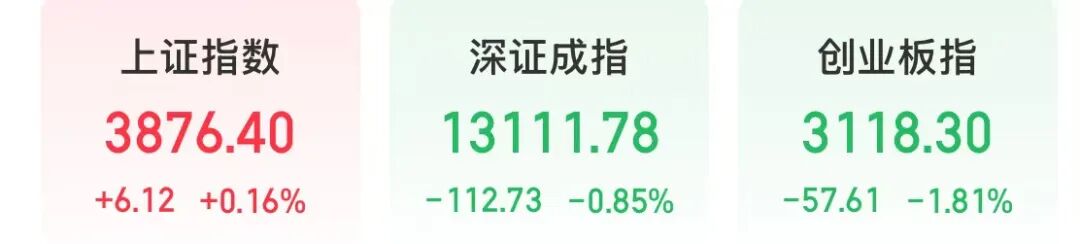
Core Viewpoint - The article introduces the concept of "Reward Economy," which refers to consumers purchasing non-essential goods or experiential services within their financial means to achieve immediate pleasure, self-affirmation, and psychological healing in response to work and life pressures [2] Group 1: Reward Economy - The concept of "Reward Economy" has led to a surge in stock prices for companies like Guangbo Co., Aojiahua, Ruibeika, and Deyi Culture, with several stocks hitting the daily limit [2] - The Shanghai Composite Index rose by 0.16%, while the Shenzhen Component Index and the ChiNext Index fell by 0.85% and 1.81%, respectively, indicating mixed market reactions [2] Group 2: Consumer Sector Performance - The consumer sector saw significant gains, particularly in film and television, IP economy, and beer industries, with these sectors leading in percentage increases [4] - Specific stocks such as Deyi Culture and Guangbo Co. experienced notable price increases of 20.05% and 10.04%, respectively, reflecting strong investor interest [5] Group 3: Film Industry Impact - The release of "Zootopia 2" has generated considerable market attention, with its box office surpassing 3.6 billion yuan, while "Avatar 3" is set to release soon, with pre-sales already exceeding 65 million yuan [6] - Collaborations between various brands and "Zootopia 2" span multiple sectors, including toys, dining, apparel, and jewelry, indicating a broad impact on consumer spending [6] Group 4: Pharmaceutical Sector Activity - The pharmaceutical sector showed active performance, with significant gains in medical commerce, family doctor services, and dental care, highlighted by stocks like Huaren Health and Shuyupingmin [8] - Huaren Health's stock surged by 20% to 21.84 yuan, while Shuyupingmin increased by 11.18% to 16.71 yuan, showcasing strong investor confidence in the sector [9] Group 5: Innovations in Healthcare - Ant Group announced an upgrade to its AI health application, now named "Ant Aifu," focusing on comprehensive health management services [10] - Baidu's "Wenxin Health Steward" was also upgraded, positioning itself as a 24-hour family doctor service, indicating a trend towards AI-driven healthcare solutions [10] Group 6: Trends in Pharmaceutical Industry - The Chinese pharmaceutical industry is experiencing strong innovation and international collaboration, with significant partnerships like the one between Yaoyou Pharmaceutical and Pfizer, valued at over 2 billion USD [11] - Recommendations for investment focus on companies involved in major business development transactions and those with robust R&D pipelines, indicating a shift towards high-quality growth in the sector [11]

多股涨停!A股新概念来了
Zhong Guo Zheng Quan Bao· 2025-12-18 04:36
Group 1: Reward Economy - The concept of "Reward Economy" refers to consumers purchasing non-essential goods or experiential services within their financial means to gain immediate pleasure, self-affirmation, and psychological healing in response to work and life pressures [1] - Stocks related to the Reward Economy, such as Guangbo Co., Aojiahua, Ruibeka, and Deyi Culture, saw significant price increases, with some reaching the daily limit [1] Group 2: Consumer Sector Performance - The consumer sector showed strong performance, particularly in areas like film exhibition, IP economy, and beer, with notable gains [2] - The film "Zootopia 2" has surpassed 3.6 billion yuan in box office revenue, while "Avatar 3" has already generated over 65 million yuan in pre-sales and screenings [3] Group 3: Collaboration and Market Trends - The success of "Zootopia 2" has led to collaborations across various sectors, including toys, dining, apparel, jewelry, and daily necessities, involving brands like Pop Mart and Luckin Coffee [4] - The new consumption investment sentiment is expected to shift from short-term narratives to sustainable business models and profitability, with a focus on health, new practicality, and emotional consumption [4] Group 4: Pharmaceutical Sector Activity - The pharmaceutical sector is experiencing active performance, with significant gains in medical commerce, family doctor services, and dental care [5] - Notable stocks include Shangyu Pimin and Yingte Group, both achieving substantial price increases [6] Group 5: Innovations in Healthcare - Ant Group has upgraded its AI health application to "Ant Aifu," focusing on comprehensive health management for users [7] - Baidu has launched the "Wenxin Health Steward," an AI-driven family health service, enhancing its healthcare offerings [7] Group 6: International Collaboration in Pharmaceuticals - The Chinese pharmaceutical industry is witnessing strong innovation and international collaboration, highlighted by a strategic partnership between Yaoyou Pharmaceutical and Pfizer worth over 2 billion USD [8] - The industry is moving towards internationalization and technological upgrades, with a focus on major business development transactions and companies with robust R&D pipelines [8]
午评:港股恒指跌0.44% 科指跌1.26% 科网股普跌 锂电池板块走弱 航空股逆势走强
Xin Lang Cai Jing· 2025-12-18 04:01
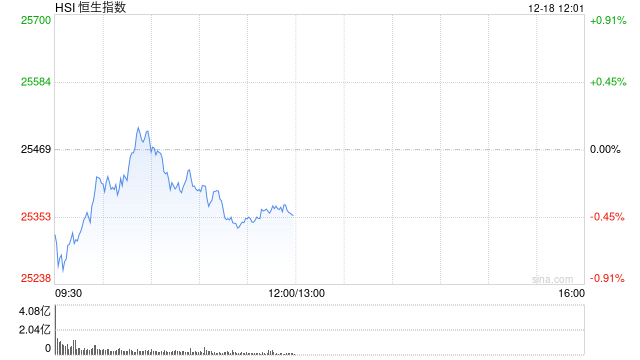
Market Overview - The Hong Kong stock market indices experienced a collective decline, with the Hang Seng Index falling by 0.44% to 25,357.69 points, the Hang Seng Tech Index dropping by 1.26%, and the State-Owned Enterprises Index decreasing by 0.6% [1][8]. Sector Performance Technology Sector - Technology stocks saw widespread declines, with Xiaomi dropping over 3%, Lenovo down more than 2%, and both Baidu and Alibaba falling over 1% [1][9]. Aviation Sector - Aviation stocks continued their upward trend, highlighted by Beijing Capital International Airport's shares rising over 7%. The new round of duty-free tenders at major airports, including Shanghai Pudong and Hongqiao, as well as Beijing Capital, will introduce foreign participants [2][11]. Lithium Battery Sector - Lithium battery stocks faced significant declines, with CATL (Contemporary Amperex Technology Co., Limited) falling over 3%. Morgan Stanley has raised its global lithium demand forecast for 2030 to 3.5 million tons, indicating a potential supply-demand gap of 4-7% in the medium term, which could push lithium carbonate prices to $18,000 by the end of next year, a 33% increase from current spot prices [3][12]. New Consumption Sector - New consumption concept stocks weakened, with Pop Mart dropping over 2%. The Ministry of Commerce and other departments issued a notice to strengthen the collaboration between commerce and finance to boost consumption, emphasizing the cultivation of new consumption models [5][13].



闭店潮刷屏时,这些品牌却在商场开大店
Sou Hu Cai Jing· 2025-12-18 03:15
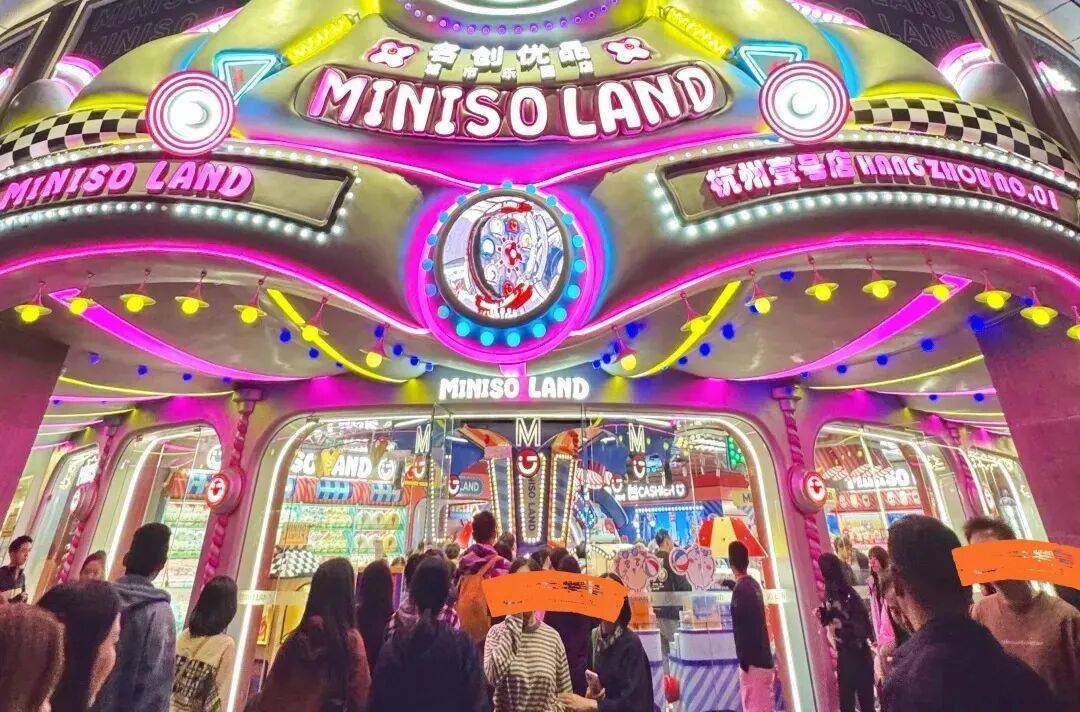
Core Insights - The essence of business is to create value that meets social needs while earning profits through reasonable transactions and operations. This principle applies to the expansion of brand stores in shopping malls, where brands are cautiously expanding despite a prevailing trend of store closures and market exits [2] - Recent observations indicate that several brands are opening large stores in shopping malls, defying the trend. Notable examples include Pop Mart and Huawei, which are expanding their presence in key locations [2][3] Group 1: Trend in Retail Expansion - The Chinese潮玩 (trendy toy) industry is rapidly growing, with a projected market size of 850-877 billion yuan by 2025, where blind boxes account for 28% and figurines for 16% of the market [4] - Pop Mart opened a flagship store in Shanghai on November 29, covering nearly 800 square meters, making it the largest Pop Mart store in Shanghai [5][6] - The new Pop Mart store features an immersive experience with themed areas, attracting consumer attention and enhancing the shopping experience [7][9] Group 2: Brand Strategies - Miniso is implementing a dual strategy of "large store strategy + global IP" to expand its footprint, with new store formats like MINISO SPACE and MINISO LAND transforming traditional retail into immersive experience spaces [10][12] - Miniso opened its first MINISO LAND store in Hangzhou on November 7, featuring a theme park concept that integrates various IP products, making it a popular destination [12][13] - The rise of潮玩 brands is driven by consumer demand for emotional resonance and social attributes, supported by a mature supply chain and policy backing [15] Group 3: Consumer Electronics Growth - The consumer electronics sector is experiencing rapid growth in offline retail, with the share of electronic products in Shanghai's retail market increasing from 21% in 2023 to 36% by Q3 2025 [17] - Huawei opened over 1,400 stores in August and October 2025, including a 2,800 square meter smart living store in Hangzhou, showcasing a blend of technology and lifestyle [18][21] - Xiaomi's sales of electric vehicles reached 40,000 units in November, with a significant increase in the number of Xiaomi stores, indicating a strong retail expansion strategy [26][28] Group 4: Market Dynamics - The expansion of consumer electronics brands into shopping malls is a strategic move to enhance brand visibility and connect with consumers through immersive experiences [31] - These brands are not only attracting tech-savvy consumers but also contributing significantly to the financial performance of shopping malls, creating a win-win situation for both parties [31]


周鸿祎回应“前高管称帮做假账几十亿”;“蚂蚁阿福”冲上苹果应用总榜第三位;全球五大PC厂商都将涨价;蜜雪冰城进军北美市场丨邦早报
创业邦· 2025-12-17 00:08
Group 1 - The article discusses allegations made by a former executive of 360 Group, claiming that the company's founder, Zhou Hongyi, was involved in financial fraud amounting to billions of yuan [1][3] - Zhou Hongyi responded with a statement asserting that the allegations are completely unfounded and that 360 Group operates in compliance with laws and regulations, maintaining transparent financial practices [1][3] - The former executive, Yu Hong, had previously worked at Gamewave, a company acquired by 360 Group, and left the company in 2015 without holding a core management position [3] Group 2 - Ant Group's AI health application "Antifufu" saw a significant increase in downloads, reaching the third position on the Apple App Store, with over 15 million monthly active users and more than 5 million daily health inquiries [5] - The article mentions that several PC manufacturers, including Acer and Asus, confirmed plans to raise product prices due to rising costs, with Dell planning a price increase of 10% to 30% starting December 17 [16] - A report from Counterpoint Research indicates that global smartphone shipments are expected to decline by 2.1% next year due to a shortage of memory chips, contrasting with a projected growth of 3.3% this year [28]

注册会员才能购买盲盒?名创优品回应:此举是为了打击黄牛,全国门店统一规定
Xin Lang Cai Jing· 2025-12-16 13:15
Core Insights - Miniso has implemented a policy requiring customers to register as members with their mobile phone numbers to purchase blind boxes, aimed at combating scalpers [1] - The company reported a 28.2% year-on-year revenue growth in Q3 2025, reaching 5.7966 billion yuan, with an adjusted net profit increase of 11.7% to 766.8 million yuan [1][3] - Miniso's gross profit for the quarter was 2.59 billion yuan, with a gross margin of 44.7% [3] Financial Performance - The adjusted net profit for the quarter was 770 million yuan, reflecting a 12% year-on-year increase, with an adjusted net profit margin of 13.2% [3] - The total number of global stores surpassed 8,000, with over 100 new stores added in the domestic market, and same-store sales achieved high single-digit growth [3] Strategic Initiatives - The founder, Ye Guofu, announced a "tenglong huan niao" strategy, planning to close and reopen approximately 6,000 stores (80% of the total) to transition the brand from traditional retail to a cultural and creative company [3] - As of December 16, Miniso's stock price was 38.68 HKD per share, with a year-to-date decline of 17.79% [3]
学18个月胖东来,永辉亏在房本上
Xin Lang Cai Jing· 2025-12-16 08:36
Core Viewpoint - The article discusses the contrasting business models of two supermarket chains, Yonghui and Pang Donglai, highlighting how Pang Donglai's ownership of properties and strong brand presence contribute to its profitability, while Yonghui struggles with a lack of real estate assets and effective brand differentiation [1][4][22]. Group 1: Business Model Comparison - Pang Donglai operates its stores in self-owned properties, allowing it to convert fixed rental income into profit-sharing arrangements with brands like DQ and Miniso [1][6]. - Yonghui, in contrast, primarily rents its properties, limiting its ability to generate rental income and forcing it to rely on external landlords [1][8]. - The financial performance of Pang Donglai is bolstered by its ability to attract customers and generate significant foot traffic, enhancing the commercial value of surrounding properties [5][12]. Group 2: Financial Performance and Challenges - Yonghui's recent financial reports indicate a decline in operating cash flow, with a record low of 3.358 billion yuan in cash reserves, marking a ten-year low [14]. - Despite closing underperforming stores, Yonghui's gross margin has not significantly improved, and its single-store revenue increased by 35% post-reform, but this is attributed to the closure of lower-revenue locations [21][19]. - The total cost of store closures from June 2024 to September 2025 reached 1.645 billion yuan, representing 47.12% of Yonghui's net assets as of September 2025 [17][18]. Group 3: Brand and Market Position - Pang Donglai's success is partly due to its strong private label offerings, which allow it to capture higher profit margins compared to traditional retail [22][26]. - Yonghui has struggled to establish its own successful products, with only one item achieving significant sales, indicating a lack of competitive edge in product offerings [23][25]. - The competition from Pang Donglai has led to challenges for Yonghui, as customers often prefer Pang Donglai's products over Yonghui's, further complicating Yonghui's market position [26][28].