vivo

Search documents
新股解读|龙旗科技积极谋求“A+H”:年营收超400亿元VS 低毛利率下的“最优解”?
智通财经网· 2026-01-04 06:25
Core Viewpoint - Longqi Technology, a leading ODM giant, is rapidly pursuing a secondary listing in Hong Kong less than a year after its A-share debut, reflecting contrasting performance metrics with significant revenue but weak profitability [1][4]. Group 1: Company Overview - Longqi Technology, established in 2004, is a global leader in smart product solutions, providing design, manufacturing, and support for renowned tech brands [1]. - The company has developed a comprehensive smart product ecosystem, focusing on smartphones, personal computing, and automotive electronics, with a diverse product range including tablets, wearables, and smart glasses [2]. Group 2: Financial Performance - Revenue figures for Longqi Technology from 2022 to 2024 show a significant increase, with revenues of 293.43 billion, 271.85 billion, and 463.82 billion respectively, marking a 70.62% year-on-year growth in 2024 [3]. - Despite high revenue, the company faces challenges with profitability, recording net profits of 5.62 billion, 6.03 billion, 4.93 billion, and 5.14 billion from 2022 to the first three quarters of 2025, with fluctuating profit margins [4]. Group 3: Market Position - Longqi Technology is the second-largest consumer electronics ODM manufacturer globally, holding a 22.4% market share, and the largest smartphone ODM manufacturer with a 32.6% market share as of 2024 [2]. - The company serves a prestigious client base, including Xiaomi, Samsung, Lenovo, and OPPO, enhancing its market presence [2]. Group 4: Strategic Initiatives - In response to sluggish growth in its core smartphone business, Longqi Technology is focusing on emerging sectors such as AIoT and automotive electronics, aiming to leverage its ODM leadership to capture high-growth opportunities [5][7]. - The company has initiated projects in AI glasses and automotive electronics, partnering with leading clients and achieving significant production milestones [7]. Group 5: Industry Trends - The consumer electronics industry has faced a downturn from 2021 to 2023 due to inflation and geopolitical tensions, but is expected to recover in 2024 driven by technological innovation and demand for AI-integrated products [6]. - The market for smart glasses is projected to grow significantly, with global shipments expected to rise from 9.6 million units in 2024 to 62.3 million units by 2029, indicating a compound annual growth rate of 45.4% [6].
龙旗科技积极谋求“A+H”:年营收超400亿元VS 低毛利率下的“最优解”?
Zhi Tong Cai Jing· 2026-01-04 06:24
Core Viewpoint - Longqi Technology, a leading ODM giant, is rapidly pursuing a secondary listing in Hong Kong less than a year after its A-share debut, driven by contrasting performance metrics and a strategic shift towards emerging businesses like AI glasses and automotive electronics [1][2]. Group 1: Company Overview - Longqi Technology, established in 2004, is a global leader in smart products and services, providing solutions for renowned smart product brands and tech companies [2]. - The company has developed a comprehensive smart product ecosystem, focusing on smartphones, personal computing, and automotive electronics, with a diverse product range including tablets, wearables, and TWS headphones [2]. - Longqi Technology is the second-largest consumer electronics ODM manufacturer globally, holding a 22.4% market share, and the largest smartphone ODM manufacturer with a 32.6% market share as of 2024 [2]. Group 2: Financial Performance - The company's revenue figures from 2022 to 2024 show a significant increase, with revenues of 293.43 billion, 271.85 billion, and 463.82 billion respectively, marking a 70.62% year-on-year growth in 2024 [3]. - Despite the revenue growth, the company experienced a decline in revenue in the first three quarters of 2025, totaling 313.32 billion, a 10.3% year-on-year decrease, attributed to weak global demand and insufficient support from emerging businesses [3][4]. - Longqi Technology's net profit from 2022 to the first three quarters of 2025 has shown volatility, with figures of 5.62 billion, 6.03 billion, 4.93 billion, and 5.14 billion respectively, alongside low gross margins of 8.1%, 9.5%, 5.8%, and 8.3% during the same period [4]. Group 3: Strategic Focus and Market Trends - The company is focusing on emerging businesses such as AIoT and automotive electronics to counteract the stagnation in its core smartphone business [5][6]. - AI glasses are identified as a key growth area, with ODM shipments exceeding 2 million units in 2024, and partnerships with leading domestic internet clients for mass production projects [6][7]. - The automotive electronics sector also shows promise, with collaborations established with major clients like Xiaomi and NIO, resulting in over ten designated projects and successful product deliveries [7]. Group 4: Challenges and Future Outlook - Longqi Technology's transition towards new business areas is marked by uncertainty, as the scale of AI PC and automotive electronics remains small and faces intense market competition [7]. - The company's dual listing strategy highlights the challenges of achieving growth in a large but low-margin ODM industry, with future performance dependent on the successful scaling of AIoT and AI PC businesses [7].
京东:2025年3C趋势品类白皮书
Xin Lang Cai Jing· 2026-01-04 01:29
Core Insights - The Chinese 3C digital product market is projected to reach $19.4 billion by 2025, driven by both mature and emerging product categories [6][8][9]. Market Overview - The growth of the 3C industry is supported by stable sales in mature categories like smartphones and laptops, with AI-related technologies contributing positively [9][10]. - Emerging categories such as smart wearables, XR devices, and action cameras are experiencing significant growth, with smart wearables seeing a year-on-year increase of 612% [9][10]. Growth Drivers - The growth of the 3C industry is driven by four key factors: policy guidance, technological penetration, supply chain upgrades, and expanding consumer demand [10][12]. - Policies aimed at stimulating market activity and consumer demand are expected to continue in 2025, enhancing the efficiency of market conversion [12][13]. Technological Innovations - The transition from "point intelligence" to "ecological collaboration" in technology is evident, with platforms like JD leveraging AI and green technologies to enhance the 3C ecosystem [15][16]. Consumer Demand Trends - There is a shift in consumer demand towards personalized, high-quality, and health-oriented products, moving the focus from merely selling hardware to providing value based on user identity and interests [20][21]. - The demand for products that offer a blend of functionality and aesthetic appeal is increasing, particularly among younger demographics [21][60]. Consumption Scenarios - The 3C consumption landscape is evolving from a focus on product functionality to an emphasis on experiential and scenario-based usage, driven by efficiency, self-satisfaction, and community recognition [22][23]. - Various consumption scenarios such as home entertainment, efficient office setups, and outdoor activities are emerging, with brands innovating to meet diverse consumer needs [29][45]. User Preferences - Users are increasingly looking for products that offer seamless integration across devices, emphasizing the importance of multi-device compatibility and smart functionalities [50][57]. - The trend towards stylish and practical wearable technology is gaining traction, with consumers prioritizing both aesthetic and functional attributes in their purchasing decisions [59][61].


早报:雷军开启2026年首播 比亚迪纯电销量超特斯拉
Sou Hu Cai Jing· 2026-01-04 00:26
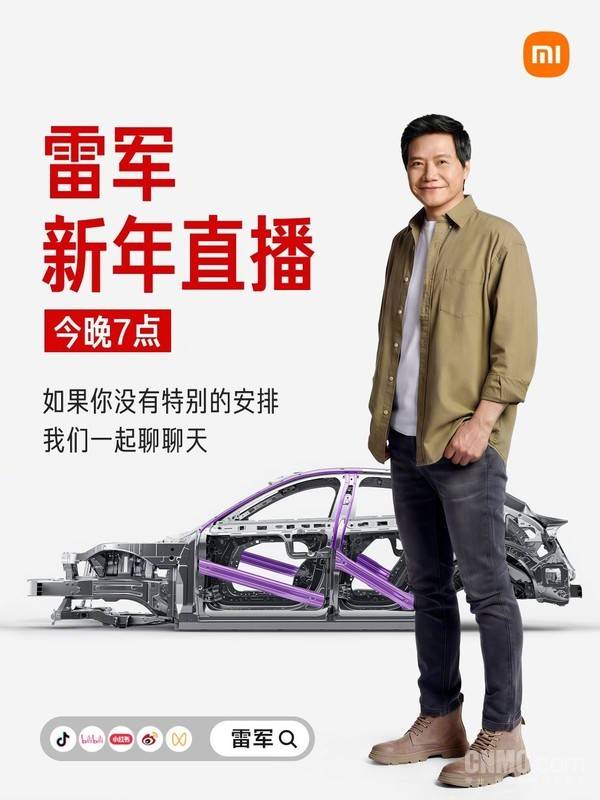
Group 1 - Lei Jun, founder of Xiaomi, addressed various questions regarding Xiaomi's automotive developments during a live stream, emphasizing the complexity of automotive technology and inviting constructive criticism [1][3] - NIO's founder, Li Bin, announced plans to build over 1,000 battery swap stations in 2026, contributing to a total of over 4,600 stations by year-end, and highlighted the completion of a 2,700 km battery swap route [3][5] - BYD has reportedly surpassed Tesla in pure electric vehicle sales starting from Q4 2023, with expectations to maintain this lead for five consecutive quarters through 2025 [1][5] Group 2 - Li Bin outlined five strategic requirements for NIO to ensure high-quality development in a competitive automotive industry, focusing on technology innovation and infrastructure investment [5] - Tesla's global vehicle deliveries are projected to decline by approximately 8.6% in 2025, with BYD expected to outperform Tesla in multiple key performance indicators, including revenue and profit margins [5][7] - The Xiaomi 15 Ultra smartphone achieved nearly double the sales of the Xiaomi 17 Ultra in its first three days, indicating strong market performance [7][9]



停工450天,订单锐减40%!外资集体“大撤离”,世界工厂时代结束了?
Sou Hu Cai Jing· 2026-01-03 14:57
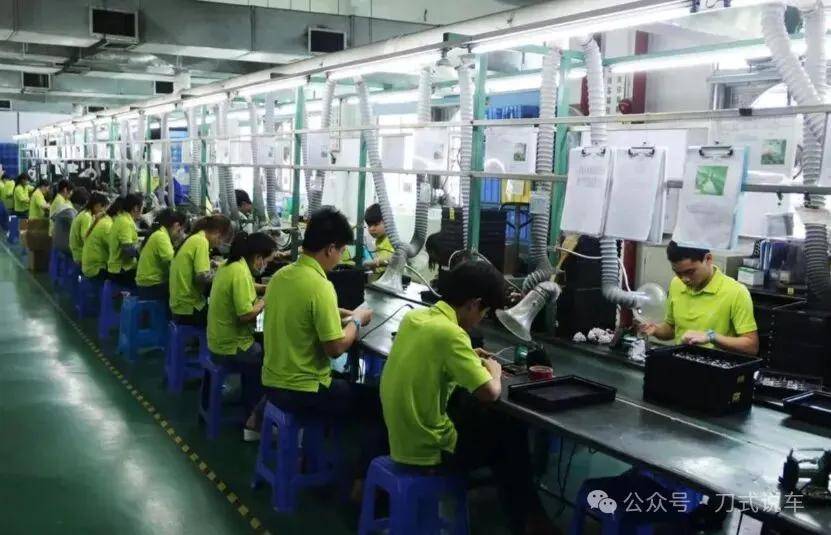
Core Viewpoint - Major companies, including Nike and Adidas, are relocating manufacturing out of China to Southeast Asian countries like Vietnam and Laos due to lower labor costs and favorable foreign investment policies [1][4] Group 1: Reasons for Relocation - The primary reasons for companies moving their factories include significantly lower labor costs in Southeast Asia, with Vietnam's average monthly salary being less than 3000 yuan compared to nearly 7000 yuan in China in 2023 [1][4] - Southeast Asian countries have implemented various tax incentives to attract foreign investment, such as Vietnam's "four years of income tax exemption" [4] - The international economic landscape has shifted, with a decline in the economies of the US and Europe, leading to a 40% reduction in orders from the US to China this year [4][5] Group 2: Impact on China's Manufacturing Status - The companies relocating are primarily in labor-intensive industries like apparel and electronics, which are seen as outdated sectors in China [5] - Despite the loss of some orders, many factories in Southeast Asia still rely on imports of equipment and raw materials from China, indicating that China remains integral to the supply chain [7] - China's manufacturing competitiveness remains strong, ranking second globally in the manufacturing competitiveness index in 2023, and is projected to regain the top position with a 19.4% lead over the US [8] Group 3: Future of Chinese Manufacturing - The development of high-end manufacturing is on the rise, with innovations like "original serum" breaking foreign technology monopolies and addressing health issues in the domestic market [10] - Economists emphasize the importance of maintaining low-end manufacturing to provide job opportunities for ordinary workers, especially in economically lagging regions [11] - The future trend is towards the continuous development of high-tech industries, with a focus on self-sufficiency to mitigate the risks associated with foreign market volatility [13]
智能手机2025年先扬后抑 2026年AI手机市占率或过半
Xin Lang Cai Jing· 2026-01-02 20:35
Core Insights - The Chinese smartphone market experienced a "first rise, then fall" pattern in 2025, driven by initial consumer demand from the "old-for-new" subsidy policy, followed by a market cooling due to tightening subsidy policies and rising costs [1][3][5] - Industry innovation continues with advancements in battery technology, imaging capabilities, and AI integration, shifting the competition from "parameter competition" to "experience competition" [1][8][10] Market Trends - The initial success of the smartphone market in early 2025 was marked by a significant sales surge during the Spring Festival, with over 4.5 million digital products sold, and smartphone sales reaching 14.1 billion yuan, a 182% year-on-year increase [3] - However, the market faced a 4% year-on-year decline in smartphone sales in Q2 2025 due to inventory adjustments by manufacturers and the diminishing effects of subsidy policies [3][5] - The global rise in storage chip prices, driven by AI demand, has significantly increased costs, with prices for Samsung LPDDR4X memory rising from approximately $6 to $25 per unit, a more than threefold increase [3][5] Pricing and Market Segmentation - Rising costs have led to increased retail prices for smartphones, with Xiaomi's Redmi K90 priced at 2,599 yuan, up 300 yuan from its predecessor [4] - High-end flagship models can better absorb cost increases, while the low-end market faces severe pressure, as price sensitivity among consumers can lead to reduced demand for new devices [4][6] - Forecasts for 2026 indicate a conservative outlook for smartphone production and shipment, with IDC predicting a 2.2% year-on-year decline in shipments to approximately 278 million units [5][6] Structural Changes in the Market - The high-end smartphone market (priced above $600) is expected to grow its market share by 5.4 percentage points to 35.9%, while the low-end market (below $200) is projected to shrink by 4.3 percentage points to 20% [6] - The second-hand smartphone market is anticipated to grow by 20% in 2026, reaching over 100 million units, as consumers may opt for second-hand devices due to rising new device prices [7] Technological Innovations - The industry is focusing on significant upgrades in battery capacity, with major brands adopting 6,000-7,000mAh batteries, and some models featuring batteries as large as 8,300mAh [8] - Imaging technology is advancing with new models featuring 200-megapixel cameras, while AI capabilities are being integrated into devices with high-performance chips [8][10] - The competition is shifting towards AI capabilities and ecosystem integration, with brands needing to differentiate themselves through innovation and emotional engagement with consumers [9][10] Future Outlook - The year 2026 is seen as critical for the Chinese smartphone market, where success will depend on manufacturers' ability to navigate cost pressures and establish emotional connections with consumers [2][5] - IDC forecasts that the shipment of AI-enabled smartphones will reach 147 million units in 2026, representing a 31.6% year-on-year growth and accounting for 53% of the overall market [10][11]
华西证券2026年策略:从国产算力突围到端侧硬件落地,AI驱动科技产业迎全面跃升
Ge Long Hui· 2026-01-02 11:01
Group 1 - The report from Huaxi Securities highlights that under global restructuring, Chinese assets are expected to present long opportunities, particularly in the AI sector driven by advancements like Google's Gemini 3.0 and the emergence of new technologies such as OCS optical switches and liquid cooling becoming standard by 2026 [1] - The introduction of next-generation chips like RUBIN and the listing of domestic AI chip manufacturers such as Moer and Muxi indicate that the domestic AI industry is accelerating its catch-up with overseas counterparts [1] - By the end of 2025, traditional internet companies represented by Google and Alibaba are expected to surpass emerging models like OpenAI and DeepSeek, marking a new height in the competition of large models [1] Group 2 - The Lingguang APP has successfully created 12 million flash applications as of December 26, indicating strong user engagement and growth in the AI assistant market [2] - Ant Group's AI health assistant, Antifufu, has exceeded 15 million monthly active users since its launch on December 16, showcasing the demand for AI-driven health solutions [2] Group 3 - ByteDance is increasing its investment in terminal devices, with the launch of the Doubao model 1.8 and the Doubao video generation model Seedance 1.5pro, which has seen a tenfold increase in daily token volume, reaching over 50 trillion tokens by December 2025 [3] - Lenovo plans to unveil an "AI super intelligent agent" at the 2026 CES, which will offer comprehensive AI capabilities and cross-device connectivity, further solidifying its partnership with ByteDance's Doubao and Huoshan Engine [3] Group 4 - The report anticipates that by early 2026, AI models and applications will flourish as companies like Zhiyu and Minimax prepare to enter the Hong Kong stock market, leading to a capital frenzy in the AI sector [4] - The evolution of AI capabilities is expected to lead to a surge in industrial applications, with robots transitioning from mechanical competition to brain and control capabilities, and smart driving nearing practical implementation [4] Group 5 - The report notes that the upcoming IPO of SpaceX in 2026 is likely to position space computing as a new technological battleground between China and the U.S. [5]



祛魅之年:2026科技凉点展望
Tai Mei Ti A P P· 2026-01-01 15:49
Group 1 - The core sentiment for 2026 is that the technology industry will enter a digestion phase of existing capabilities, moving away from the rapid conceptual advancements seen in previous years [1][30] - The AI and computing market is expected to experience a significant slowdown in growth, with the increase in the intelligent computing market projected to drop from nearly 80% in 2025 to about 38% in 2026 [4][6] - The rise of domestic AI computing capabilities, such as Huawei's Ascend and Kunlun chips, is expected to alleviate the previous supply shortages and challenge the dominance of Nvidia [6][7] Group 2 - The AI algorithm and model companies are facing challenges in establishing sustainable business models, with many still in the money-burning phase and struggling to find a viable revenue stream [12][14] - The consumer market for AI products is becoming increasingly competitive, with major internet companies vying for market share, leading to a potential decline in user engagement and revenue [13][16] - The focus for AI terminals in 2026 will shift towards niche markets, targeting specific user needs rather than attempting to appeal to the mass market [17][19] Group 3 - The cloud service industry is facing difficulties, with many companies unable to cover costs due to a lack of demand for comprehensive cloud solutions, leading to a concentration of market power among firms with full-stack capabilities [21][23] - The integration of AI and communication technologies is expected to slow down, as existing network capabilities are often sufficient for current AI applications, limiting the need for new infrastructure [25][27] - The market for communication services is shifting from large-scale projects to smaller, more manageable upgrades for SMEs, creating opportunities for companies that can provide reliable and cost-effective solutions [26][27]

雷军提前公布福利,小米交付创新高,vivo、OPPO在祝福
Sou Hu Cai Jing· 2026-01-01 05:50
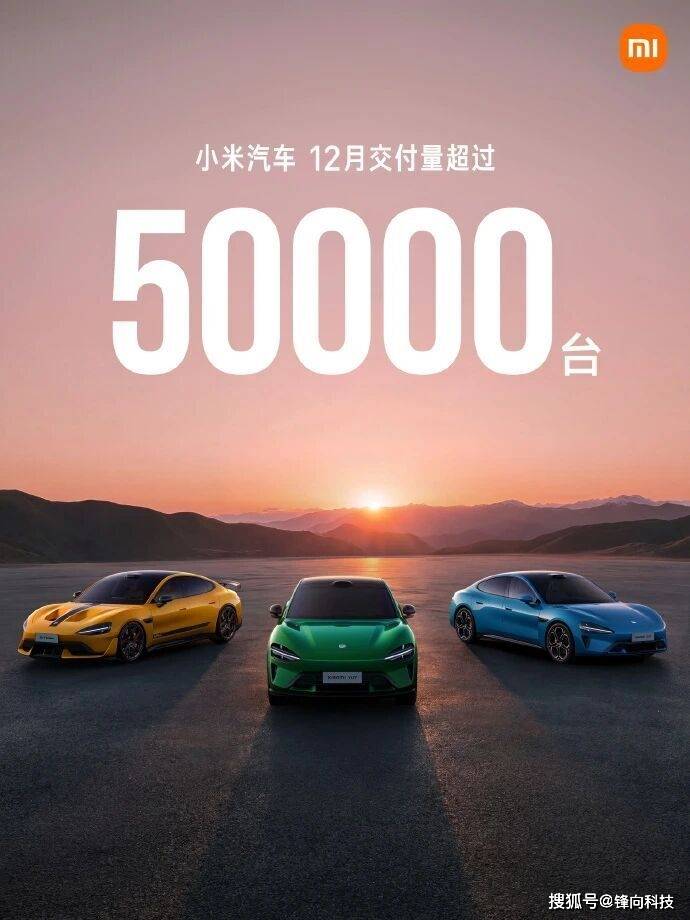
Group 1 - Xiaomi's car deliveries reached a record high in December 2025, surpassing 50,000 units for the first time in a single month, with hidden data suggesting an additional 3,000 units [3] - Lei Jun announced a New Year promotion for the Xiaomi YU7, offering 3 years of 0% interest and a low monthly payment option, along with additional benefits for previous orders [3] - Xiaomi has delivered over 500,000 vehicles in total, with the SU7 being the top-selling model in the 200,000+ price range for 2025, and the YU7 leading in the mid-size SUV category for four consecutive months [3] Group 2 - Vivo launched a New Year promotion offering exclusive discounts for students and educators on various products, emphasizing their commitment to education [5] - OPPO also announced New Year discounts, providing up to 500 yuan off on products priced below 6,000 yuan, highlighting their competitive position in the market [5] - Both Vivo and OPPO are recognized as leading players in offline sales within the domestic market, capitalizing on promotional opportunities during the New Year [5] Group 3 - Honor is using the New Year to promote its upcoming Honor Power2, which is set to be the first new phone released in 2026, with detailed specifications already leaked [7] - The anticipation surrounding the pricing of the Honor Power2 is notable, especially in light of potential storage price increases [7] - The activity from various brands on New Year's Day indicates a vibrant and competitive technology sector for 2026 [7]

今年全国首笔“国补”订单落地广州
Sou Hu Cai Jing· 2026-01-01 01:24
据了解,2025年,广东消费品以旧换新累计核销金额318.3亿元,拉动销售额2628亿元,6058.5万人次享受补贴。日前,国家发展改革委会同财政部,已向地 方提前下达2026年第一批625亿元超长期特别国债支持消费品以旧换新资金计划。 根据2026年国家消费品以旧换新补贴政策,对个人消费者购买单件销售价格不超过6000元的手机、平板、智能手表手环、智能眼镜等4类产品,按产品销售 价格的15%给予补贴,每名消费者每类产品可补贴1件,每件补贴不超过500元。 此外,个人消费者购买冰箱、洗衣机、电视、空调、电脑、热水器等6类家电中1级能效或水效标准的产品,按产品销售价格的15%给予补贴,每名消费者每 类产品可补贴1件,每件补贴不超过1500元。 2026年1月1日,随着新年钟声敲响,广东新年消费品以旧换新活动(即"国补"活动)正式启动。零点刚过,广州完成首笔线下使用以旧换新补贴的消费,标 志着该政策顺利落地实施。记者从省商务厅了解到,在国家以旧换新平台的支持下,这是今年全国首笔落地的以旧换新"国补"订单。 2026年1月1日零时,广东新年消费品以旧换新活动(即"国补"活动)正式启动。图为吴女士正在为新购买的手机付 ...