
奇瑞汽车

Search documents
奇瑞汽车销量迅速跻身哥伦比亚前15
Shang Wu Bu Wang Zhan· 2025-12-27 16:51
Group 1 - The Colombian automotive market is experiencing a recovery, with new brands entering rapidly, particularly Chinese brands showing strong performance [1] - Chery Automobile has seen a significant increase in sales, ranking among the top 15 automotive brands in Colombia [1] - In November 2025, Chery's sales in Colombia grew by 401% year-on-year, increasing from 70 units to 351 units, and its ranking rose to 12th in the country [1] Group 2 - In October 2025, Chery achieved a year-on-year sales increase of 321%, marking the highest growth rate for that month [1] - Since entering the local market in August 2024, Chery has sold over 2,000 vehicles, with expectations to surpass 3,000 units by the first quarter of 2026 [1] - Chery is currently among the leading brands in overall sales and has become one of the top-selling electric vehicle brands in the region [1]

全球第一,清华高考状元要IPO
Sou Hu Cai Jing· 2025-12-27 12:57
Core Viewpoint - The emergence of Xihua Technology, a leading player in the ASIC scaler segment, is set to make a significant impact on the capital market as it prepares for an IPO on the Hong Kong Stock Exchange, potentially becoming the first ASIC scaler stock globally [1][2]. Company Overview - Xihua Technology, founded by Chen Xi, has rapidly grown to dominate the ASIC scaler market, achieving a global market share of 55% with an annual shipment of 37 million units in 2024 [2][10]. - The company has successfully completed over six rounds of financing, attracting notable venture capital and private equity firms, which has bolstered its growth trajectory [2][8]. - Xihua Technology's revenue increased from 86.68 million yuan in 2022 to 244 million yuan in 2024, reflecting a compound annual growth rate of nearly 68% [10]. Market Position and Strategy - The company has positioned itself in the high-demand automotive sector, particularly in electric vehicles, where the need for efficient image processing chips is growing [7][10]. - Xihua Technology's ASIC scaler chips offer significant advantages over traditional FPGA solutions, including a 40% reduction in power consumption and a 30% increase in processing efficiency [8]. - The global market for smart cockpit SoC chips is projected to reach $79.77 billion by 2025 and $148.41 billion by 2030, indicating a robust growth opportunity for Xihua Technology [8]. Investment and Growth Potential - The capital market is increasingly favoring hard technology and semiconductor companies, with the Hong Kong Stock Exchange's "Science and Technology Enterprise Special Line" initiative facilitating IPOs for companies like Xihua Technology [9][10]. - Despite current losses, the company is optimistic about its future, as the market for domestic semiconductor products is expected to continue expanding, particularly in light of the rise of AI and electric vehicles [11]. Leadership and Ownership - Chen Xi and his wife Wang Hong collectively hold over 65% of Xihua Technology's shares, ensuring significant control over the company's direction [11].
350亿,又一家新势力宣布破产
凤凰网财经· 2025-12-27 11:46
Core Viewpoint - The demise of Qoros Auto serves as a warning for the Chinese automotive industry, highlighting the challenges of transitioning from product development to market success in the rapidly evolving landscape of new energy vehicles [3][4]. Group 1: Qoros Auto's Exit - Qoros Auto has officially entered bankruptcy proceedings, marking the end of a brand once seen as a benchmark for high-end domestic vehicles in China [4]. - The bankruptcy was initiated by a supplier due to Qoros's long-standing debt issues, with over 1,000 enforcement actions and a total frozen equity amount exceeding 35 billion yuan [4][5]. - The company's failure reflects the harsh realities faced by traditional fuel vehicle manufacturers in the wake of the new energy and intelligent transformation wave [4][11]. Group 2: Strategic Missteps - Qoros Auto's challenges stemmed from both inherent weaknesses and strategic miscalculations, including high R&D costs and an overly ambitious product positioning that led to prices comparable to established brands without a solid consumer trust base [5][6]. - Despite initial success with its first model, Qoros 3, the company struggled with sales, averaging around 10,000 units annually from 2014 to 2016, resulting in cumulative losses exceeding 6 billion yuan [5][6]. - The acquisition by Baoneng Group in 2017, which promised significant investment, ultimately failed to revitalize the brand as Baoneng faced its own liquidity crisis, leading to operational disruptions at Qoros [6][7]. Group 3: Industry Implications - The bankruptcy of Qoros Auto is emblematic of broader systemic issues within the automotive industry, including brand building, market positioning, and technological pathways [8][11]. - The case illustrates the importance of establishing consumer trust and brand recognition over time, as Qoros's high-end positioning did not resonate with consumers unfamiliar with the brand [8][9]. - The need for strategic agility and market responsiveness is underscored, as Qoros failed to adapt to the rapid shift towards electric and intelligent vehicles, leading to its marginalization [9][10]. Group 4: Future of the Industry - The new energy vehicle sector is entering a critical phase where the focus will shift from merely having vehicles to ensuring they are user-friendly and worth long-term investment [12][17]. - Companies must evolve from being "car manufacturers" to "smart mobility technology enterprises," necessitating a comprehensive upgrade in organizational capabilities and business models [12][13]. - The competitive landscape will increasingly depend on understanding real-life scenarios and providing tailored solutions, moving away from mere technical specifications [13][14]. - The transition to software-defined vehicles will become crucial, with a focus on delivering value through software services and user engagement throughout the vehicle lifecycle [14][15]. - Global expansion will be essential for new players, as domestic markets become saturated, with emerging markets presenting new opportunities for growth [15][16]. - Sustainable development will shift from being a moral choice to a business necessity, as regulatory pressures increase and companies must build low-carbon systems across the entire supply chain [16][17].

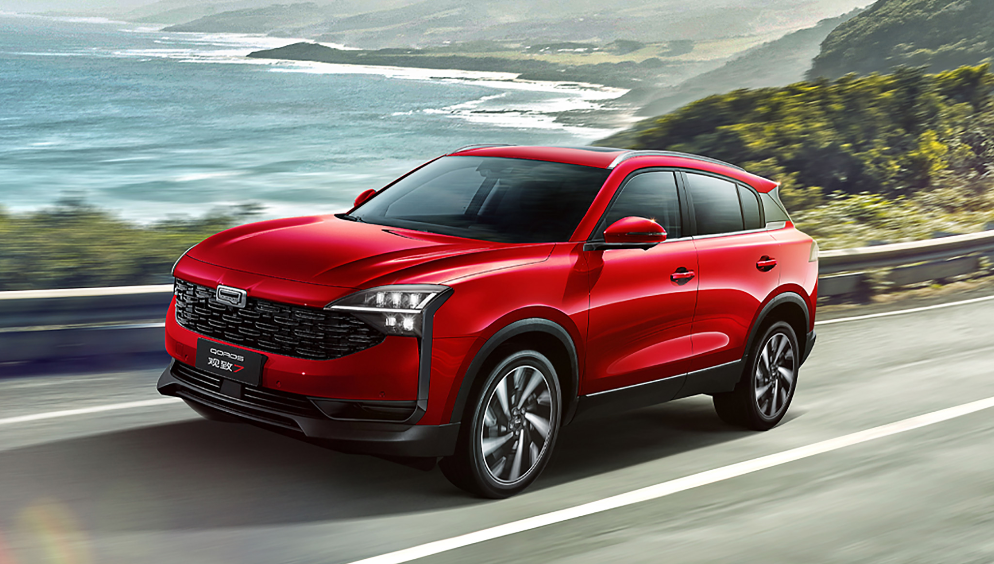
观致汽车破产审查申请获苏州中院受理,曾为中国高端自主品牌标杆
Ju Chao Zi Xun· 2025-12-27 05:41
Core Viewpoint - The recent acceptance of a bankruptcy review application for Qoros Auto Co., Ltd. by the Suzhou Intermediate People's Court signifies a critical juncture for the company, once regarded as a benchmark for high-end domestic brands in China [2] Company Overview - Qoros Auto was established in 2007 through a joint investment by Chery Automobile and an Israeli group, officially launching its brand in 2011, targeting the high-end automotive market as a pioneer in China's domestic brand premiumization [2] - The company assembled an international core team and established design centers in Shanghai, China, and Munich, Germany, with a world-class production base in Changshu, Jiangsu, initially capable of producing 150,000 vehicles, with a maximum capacity of 300,000 [2] Product Development - Qoros has launched eight mass-produced models across various segments, including sedans and SUVs, with core strengths in international quality craftsmanship, original design language, and smart connectivity technology [2] - The first mass-produced model, the Qoros 3 sedan, was launched in 2013, achieving a five-star rating from Euro NCAP and the highest overall score for the year, becoming the first Chinese brand to receive such recognition; the Qoros 3 five-door version also won the "Red Dot Design Award" [2] Financial and Operational Challenges - Throughout its development, Qoros has experienced multiple changes in ownership, with a strategic investment from Baoneng Group in 2017; however, following Baoneng's debt crisis, Qoros has faced ongoing issues since 2023, including unpaid wages, production halts, and equipment auctions, ultimately leading to its bankruptcy review [2]
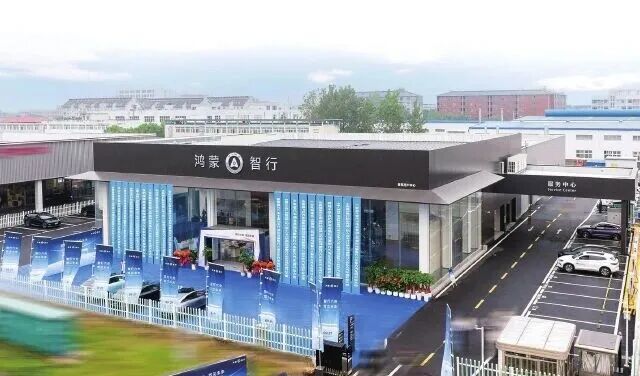
鸿蒙智行大酒店 勇闯汽车零售创新之路
Xin Lang Cai Jing· 2025-12-26 12:21
Core Viewpoint - The automotive industry is witnessing a significant transformation with the emergence of the "Hongmeng Intelligent Hotel," which offers a luxurious customer experience that surpasses traditional 4S stores of brands like Mercedes-Benz, BMW, and Audi. This initiative has led to a monthly delivery of over 80,000 new vehicles within the Hongmeng Intelligent system, indicating a strong market presence and customer engagement [2][15]. Group 1: Strategic Developments - The recent gathering of the five brands under Hongmeng Intelligent in Shanghai marks a deepening of strategic cooperation, focusing on enhancing collaboration in research, manufacturing, charging, and marketing [2][15]. - The establishment of a standardized service system aims to create the first cross-brand shared after-sales service network in the industry, ensuring high-quality service across the entire process from pre-sale to after-sale [2][15]. Group 2: Customer Experience and Challenges - The "Hongmeng Intelligent Hotel" has gained popularity for its unique offerings, such as diverse regional menus and a welcoming atmosphere, which have been well-received by customers [4][17]. - However, there are concerns regarding the sustainability of free services due to rising operational costs, leading to changes in several complimentary policies [3][16][24]. Group 3: Industry Comparisons and Innovations - The concept of shared after-sales service networks is not entirely new, as other companies like SAIC and Toyota have implemented similar strategies to enhance service efficiency and customer satisfaction [21][22]. - Analysts suggest that the shift from direct sales to a dealer model may help reduce costs and accelerate market coverage, indicating a strategic pivot in the operational approach of Hongmeng Intelligent [19][23]. Group 4: Future Directions - The company is currently focused on enhancing user experience as part of a three-step development strategy, with future expansions likely to prioritize efficiency and scale over lavish customer services [25].
航天智造(300446) - 投资者关系活动记录表
2025-12-26 12:15
Group 1: Automotive Parts Business Performance - The company's automotive parts business achieved a revenue growth of 25% year-on-year, surpassing the passenger car sales growth rate of 13.7% [3] - Key advantages driving this growth include strong customer resources and brand partnerships with major manufacturers like Geely, Changan, and BYD [3] - The company has established a comprehensive industrial layout with over 20 production bases, ensuring rapid response to customer demands [3] Group 2: Research and Development Collaboration - The company collaborates closely with vehicle manufacturers, where the manufacturers lead the vehicle definition and design, while the company focuses on high-quality component production [4] - The company possesses a national recognized laboratory and four provincial technology centers, with a total of 587 patents, including 67 invention patents [3][4] Group 3: Weather-Resistant Materials - The company’s weather-resistant materials, including light stabilizers and antioxidants, are primarily exported to Europe, America, and the Middle East, with a sales revenue of 39.52 million yuan in the first half of 2025 [6] - These materials are used in various applications, including agricultural films and modified products, targeting mid-to-high-end markets [6] Group 4: Market and Value Management - The company aims to enhance its core competitiveness and long-term investment value through focused market development and technological innovation [6] - Plans for capital management include increasing cash dividends and improving investor relations to enhance market recognition [6] Group 5: Future Development Strategy - The company has proposed a "1334" development strategy aimed at becoming a world-class aerospace intelligent equipment manufacturer [7] - It will leverage capital operations and industrial development to achieve growth and optimization [8]

奇瑞销售称本田雅阁为“移动棺材”,门店致歉后又下架,奇瑞官方暂无回应
Xin Lang Cai Jing· 2025-12-26 11:13
Core Viewpoint - A sales representative from Chery Automobile's Huizhou Penghao 4S store made an inappropriate comment to a consumer who had expressed no interest in purchasing a vehicle, leading to public backlash and an official apology from the store [1][2]. Group 1: Incident Details - The incident began when a consumer, after stating they had already ordered a Honda Accord, received a derogatory response from a sales consultant suggesting they "drive a mobile coffin" [1][2]. - The sales consultant had previously added the consumer as a friend and repeatedly inquired about trade-in options and promotional offers, despite the consumer's clear refusals [1][2]. Group 2: Company Response - Following the incident, the Chery dealership issued an apology via social media, acknowledging that the employee's behavior violated the company's customer-centric service philosophy and caused emotional distress to the consumer [1][2]. - The apology included a commitment to investigate the employee's conduct, address management issues at the store, and implement comprehensive service etiquette training for all staff [1][2]. - The apology letter has since been removed from social media platforms [1][2].
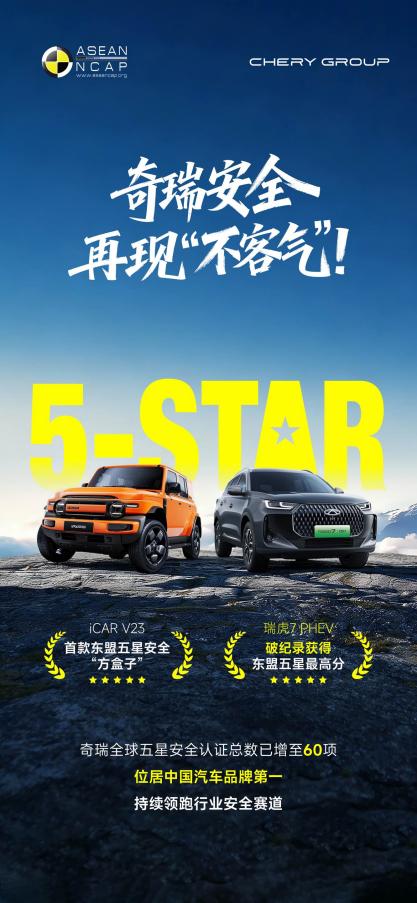
奇瑞安全再现“不客气”!瑞虎7创造东盟五星评价最高分
Jin Rong Jie· 2025-12-26 11:06
"安全奇瑞"在全球顶级安全评测中再获突破:在东盟新车安全评鉴(ASEAN NCAP)评级中,瑞虎7 PHEV不仅拿下五星安全,更以94.68 的综合得分,打破了该机构自2011年成立以来的最高分纪录;iCAR V23(海外名称iCAUR V23)成为获得ASEAN NCAP认证的首款"五星 方盒子"车型。 东盟新车安全评鉴协会(ASEAN NCAP)是东盟地区最权威的安全评测机构,覆盖东盟十国,其测试标准严格,涵盖车辆在正面碰撞、侧 面碰撞、乘员保护、行人保护、安全辅助及具有"东盟特色"的摩托车安全等多个维度的全面评估。 截至目前,奇瑞全球五星安全认证车型总数已增至60项,本年度已新增20项,两项数据均位居中国汽车品牌第一,持续领跑行业安全赛道。 图为瑞虎7 PHEV获得东盟五星安全认证(ASEAN NCAP) 图为iCAR V23获得东盟五星安全认证(ASEAN NCAP) 此次测试中,瑞虎7成绩领先在东盟的丰田、本田等一众国际品牌,是乘员保护、安全辅助两大模块唯一"双满分"插混车型,成为唯一集齐 中、澳、欧、东盟五星安全认证"大满贯"的中国品牌车型。iCAR V23综合成绩高达91.02分,成为第一款获得 ...
【深度分析】2025年11月份全国新能源市场深度分析报告
乘联分会· 2025-12-26 08:36
Overall Market - The total market for passenger vehicles in China includes both traditional internal combustion engine (ICE) vehicles and new energy vehicles (NEV), which comprise battery electric vehicles (BEV) and plug-in hybrid electric vehicles (PHEV) [4][5] - In November 2025, the total production of NEVs reached 1,756,587 units, while ICE vehicles produced were 1,349,384 units, leading to a total market production of 3,105,971 units [6][7] - Year-to-date (YTD) data for January to November 2025 shows NEV production increased by 6.3%, while ICE vehicle production decreased by 4.0% compared to the same period in 2024 [6][8] Market Segmentation - The market is segmented into various categories including sedans, MPVs, and SUVs, with NEVs showing a significant growth trend in all segments [25][26] - In November 2025, NEV sales in the sedan category were 593,948 units, while ICE sedans sold were 413,429 units, indicating a strong preference for NEVs in the sedan market [26] Export Market - The export of NEVs has shown substantial growth, with a total of 2,149,769 units exported in November 2025, reflecting a 243.3% increase compared to the previous year [16][21] - The NEV export penetration rate reached 41.7% in the first eleven months of 2025, up from 27.1% in 2024, indicating a growing international demand for Chinese NEVs [18][20] Manufacturer Performance - BYD remains the leading manufacturer in the NEV market, with a wholesale volume of 474,921 units in November 2025, despite a year-on-year decline of 5.8% [22][23] - Other notable manufacturers include Geely and Chery, with Geely achieving a 53.4% increase in wholesale volume, indicating strong competitive performance in the NEV segment [22][23] Price Positioning - The market is categorized into price segments, with vehicles priced below 100,000 yuan showing a significant share in the NEV market, reflecting consumer preferences for affordable electric options [4][5] - The price segmentation also indicates a growing trend towards higher-priced NEVs, as consumers are increasingly willing to invest in premium electric vehicles [4][5]



350亿,又一家新势力宣布破产
3 6 Ke· 2025-12-26 07:11
Core Insights - The demise of Qoros Auto serves as a warning for the Chinese automotive industry, highlighting the challenges of transitioning from product development to market success [1][5] - The industry is entering a critical phase where competition will focus on value and user experience rather than just product availability [10][12] Company Overview - Qoros Auto, once seen as a benchmark for high-end domestic brands, has officially entered bankruptcy proceedings due to long-standing debt issues and inability to repay creditors [2][3] - The company has accumulated over 1,000 enforcement records and has a total equity freeze amounting to over 35 billion yuan, reflecting severe financial distress [2] Historical Context - Founded in 2007 as a joint venture between Chery Automobile and Israel's Quantum Group, Qoros aimed to create a truly international high-end brand [3] - The first model, Qoros 3, launched in 2013, received high praise for its design and safety but was priced too high compared to established competitors, leading to poor sales [3][6] Strategic Missteps - Qoros's strategy under Baoneng Group, which acquired a 51% stake in 2017, was marked by short-sightedness and operational disconnect, leading to a temporary spike in sales that did not translate to sustainable growth [4][6] - The company failed to adapt to the rapid shift towards electric vehicles and smart technology, resulting in a significant decline in sales, dropping to fewer than 100 units in 2023 [4][7] Industry Implications - The bankruptcy of Qoros highlights systemic issues within the automotive industry, including the need for effective brand building, market positioning, and technological pathways [5][9] - The case illustrates the importance of strategic consistency and market timing, as Qoros struggled to keep pace with competitors who embraced electric and smart vehicle trends [7][8] Future Outlook - The automotive industry is moving towards a "value realization period," where companies must focus on user experience and long-term ownership value rather than just product features [10][11] - Successful companies will need to evolve from being mere car manufacturers to becoming intelligent mobility technology enterprises, emphasizing user engagement and ecosystem integration [10][12]