
数据港

Search documents
开展估值提升行动,加速构建创新生态,上海国资国企多举措加强市值管理
Di Yi Cai Jing· 2025-05-10 02:48
Group 1: Core Insights - The Shanghai Municipal State-owned Assets Supervision and Administration Commission and the Shanghai Stock Exchange held a performance briefing to enhance the quality of state-owned listed companies and strengthen investor relations [1][2] - The total market value of 94 state-owned listed companies in Shanghai reached 2.78 trillion yuan, an increase of 617.77 billion yuan or 28.52% from the beginning of the year [1] Group 2: Company Highlights - Shanghai Port Group achieved a container throughput of 51.51 million TEUs, a year-on-year increase of 4.8%, maintaining its position as the world's largest port for 15 consecutive years [3] - Shanghai Port Group's net profit attributable to shareholders reached 14.95 billion yuan, a 13.3% increase year-on-year [3] - Huayi Group reported a revenue of 44.6 billion yuan, a 9.3% increase, and a net profit of 910 million yuan, up 5.8% [5][6] - Shanghai Pharmaceutical achieved a revenue of 275.25 billion yuan, a 5.75% increase, and a net profit of 4.55 billion yuan, a 20.82% increase [8][9] - Pudong Development Bank's net profit reached 45.3 billion yuan, a 23.31% increase, marking the highest growth in nearly 12 years [10][11] - China Pacific Insurance Group reported a revenue of 404.09 billion yuan, a 24.7% increase, and a net profit of 44.96 billion yuan, a 64.9% increase [13][14] - DataPort achieved a revenue of approximately 1.72 billion yuan, an 11.57% increase, and a net profit of approximately 132 million yuan, a 7.49% increase [15][16] Group 3: Strategic Initiatives - Shanghai Port Group is focusing on digital, intelligent, and green transformation to enhance its core business and sustainable development capabilities [3][4] - Huayi Group is advancing major technological projects and has filed 151 patents, with 134 granted [6][7] - Shanghai Pharmaceutical is optimizing its R&D system and has established a new innovation center to accelerate the development of a collaborative ecosystem [8][9] - Pudong Development Bank is implementing a digital finance strategy and enhancing its service efficiency through various digital platforms [10][11] - China Pacific Insurance is expanding its green insurance offerings and enhancing its technology-driven services [13][14] - DataPort is deepening its IDC service capabilities and has been recognized as a top service provider in the industry [15][16]






直击上海国有控股上市公司集体业绩说明会:开展估值提升行动 加快推进国资布局结构优化
Zheng Quan Shi Bao Wang· 2025-05-09 15:57
上海市国资委以提高上市公司发展质量为抓手,全力培育和打造一批经营业绩佳、创新能力强、治理体系优、市场认可度高的一流上市公司。其中,上港集 团母港集装箱吞吐量连续15年保持世界首位,上海港成为全球首个年集装箱吞吐量超过5000万标准箱的世界大港。2024年,上港集团港口能力建设扎实推 进,罗泾港区改造一期工程实现开港运营,罗泾港区改造二期工程获得核准批复,小洋山北侧工程建设按节点目标扎实推进。 5月9日,上海市国资委联合上海证券交易所举办上海国有控股上市公司2024年度集体业绩说明会,旨在推动上海国有控股上市公司进一步强化投资者关系管 理、增进市场认同,提升内在价值。上港集团(600018)、华谊集团(600623)、上海医药(601607)、浦发银行、中国太保(601601)、数据港 (603881)等6家在上交所挂牌的上海国有控股上市公司参加本次业绩说明会。 上港集团副总裁、董事会秘书、总法律顾问丁向明表示:"进入4月份,尽管公司在美国的航线业务量出现了一定波动,但从4月份集装箱吞吐量来看,同比 仍有所增长。"他同时透露,公司将加强动态数据趋势监控,积极推进业务模式创新,深化在长三角港口群的协同效应,通过创 ...

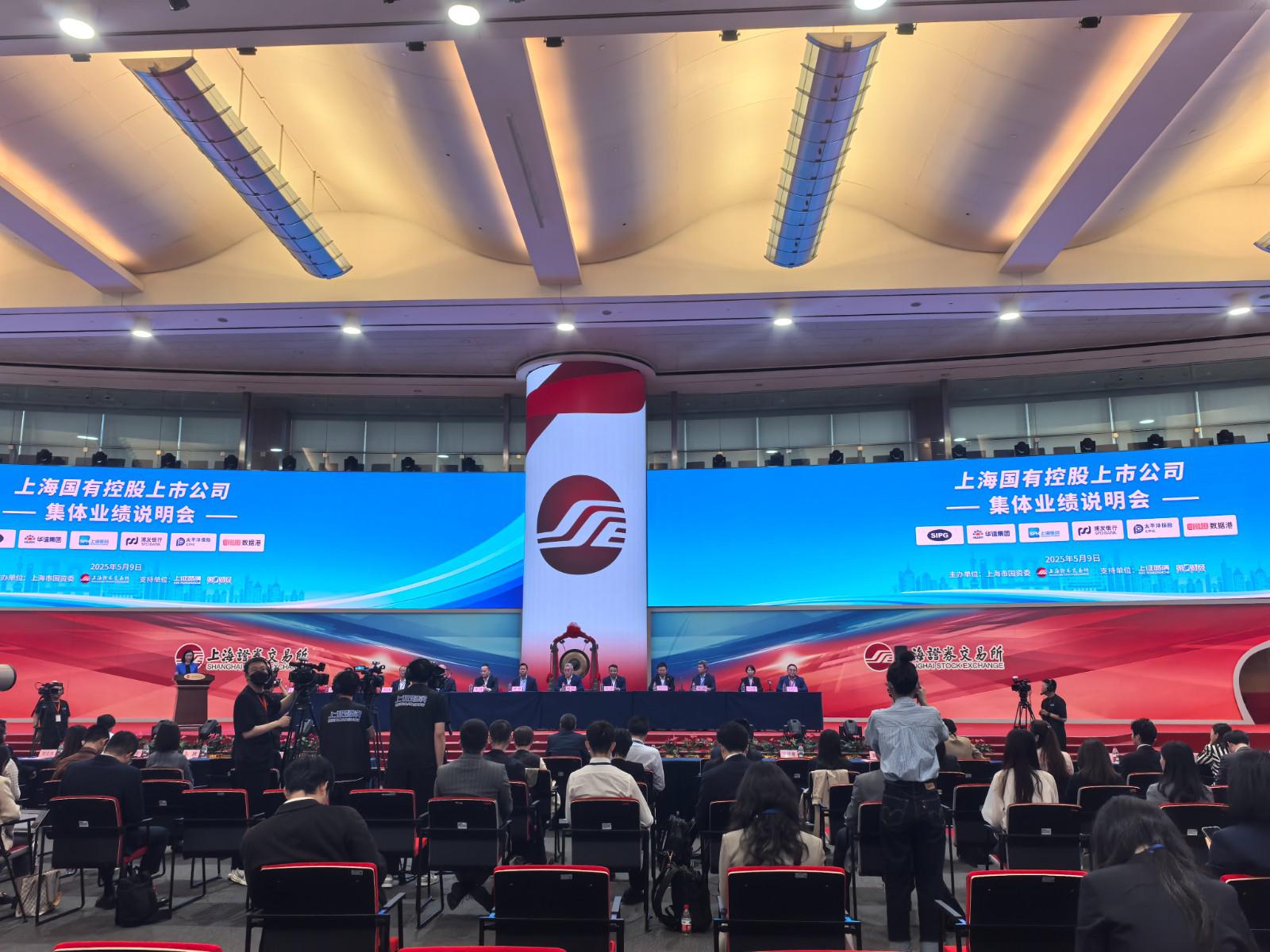
上海国有控股上市公司2024年度集体业绩说明会举行
Sou Hu Cai Jing· 2025-05-09 10:34
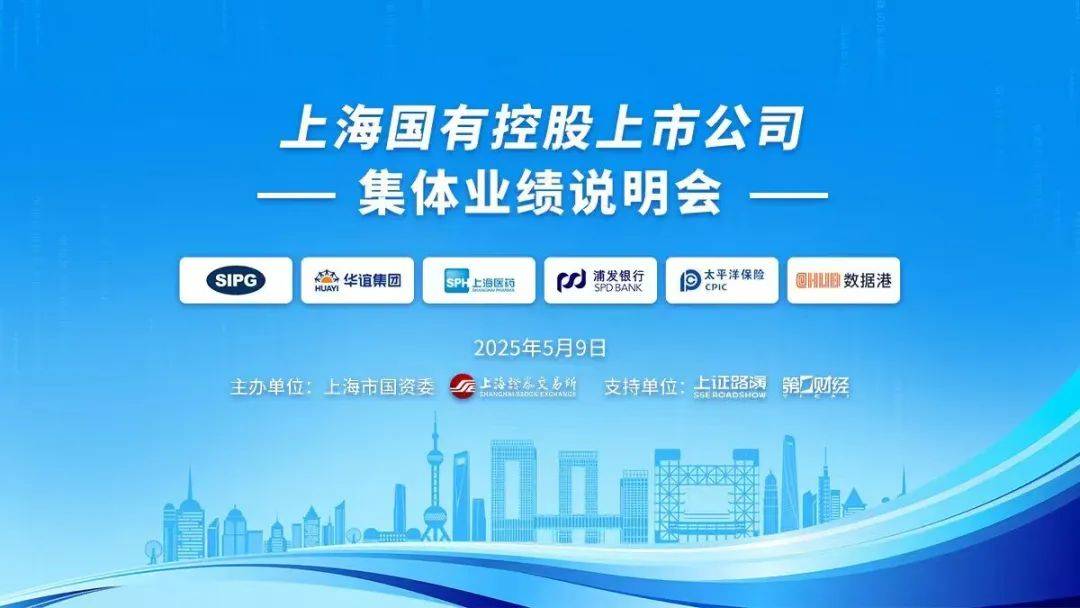
为贯彻落实中国证监会《上市公司监管指引第10号——市值管理》、上海市国资委《关于加强我市国有控股上市公司市值管理工作的若干意见》等文件精 神,推动我市国有控股上市公司在做强做优做大、提升内在价值的同时,进一步强化投资者关系管理、提高信息透明度、增进市场认同,上海市国资委联 合上海证券交易所,于2025年5月9日下午共同举办上海国有控股上市公司2024年度集体业绩说明会。上海市国资委副主任林益彬出席活动。 上港集团、华谊集团、上海医药、浦发银行、中国太保、数据港等6家在上交所挂牌的上海国有控股上市公司参加本次业绩说明会,同时邀请部分投资 者、分析师、媒体现场参会。6家上市公司的董事长、财务负责人、董事会秘书、独立董事等通过"现场交流+线上互动"方式,解析公司业绩,全方位展示 6家上市公司在经营发展、产业布局、技术创新、ESG建设、投资者回报等方面的成效与未来规划,并与投资者、分析师、媒体等展开深入交流,回答投 资者提问,倾听投资者建议。 上海市国资委始终聚焦服务上海"五个中心"建设重要使命,以提高上市公司发展质量为抓手,全力培育和打造一批经营业绩佳、创新能力强、治理体系 优、市场认可度高的一流上市公司。根据6家 ...
降准降息降公积金贷款利率!A股三大指数上涨,地产板块走强
Nan Fang Du Shi Bao· 2025-05-07 05:16
Market Overview - On May 7, A-shares saw a collective rise in the three major indices, with the Shanghai Composite Index up by 0.64% to 3337.23 points, the Shenzhen Component Index up by 0.19% to 10101.18 points, and the ChiNext Index up by 0.40% to 1994.38 points [1] - The total market saw 3481 stocks rise and 1712 stocks fall, with 99 stocks hitting the daily limit up [1] - The total trading volume for the two markets reached 965.8 billion [1] Policy Impact - The People's Bank of China announced a reduction in the reserve requirement ratio by 0.5 percentage points, expected to provide approximately 1 trillion in long-term liquidity to the market [2] - A policy interest rate cut of 0.1 percentage points was also announced, lowering the 7-day reverse repurchase rate from 1.5% to 1.4%, which is anticipated to lead to a similar decrease in the Loan Prime Rate (LPR) [2] Real Estate Sector - Following the policy announcements, the real estate sector showed initial strength, with stocks like Sanxiang Impression and Tianbao Infrastructure hitting the daily limit up [3] - A report from Huatai Securities indicated that the real estate industry is entering a phase of incremental policy support, with a focus on core cities, particularly first-tier cities, for recovery [3] Military and Transportation Sectors - The military sector experienced significant gains, with stocks such as Tongyi Aerospace and Chenxi Aviation hitting the daily limit up [3] - The intelligent transportation and ride-hailing sectors also performed actively, with stocks like Dazhong Transportation and Jinjiang Online reaching the daily limit up [4] Underperforming Sectors - The film and cinema sector lagged, with Shanghai Film dropping over 5%, and other stocks like Happiness Blue Sea and Ao Fei Entertainment also declining [5] - AI applications and semiconductor stocks saw declines, with companies like Runze Technology and Data Port experiencing varying degrees of downturn [5] Market Sentiment - Analysts noted that the market's reaction to the central bank's policies was largely in line with expectations, indicating that the anticipated monetary easing had already been priced in [5] - The continuation and strengthening of policies are expected to alleviate concerns regarding economic weakness and stabilize the capital market [5]
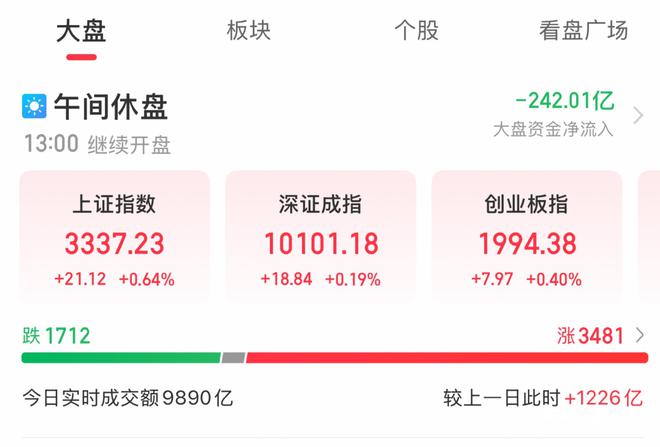
A股午评:沪指半日涨0.64%,军工板块全线爆发
news flash· 2025-05-07 03:31
A股三大指数早盘集体上涨,截至午盘,沪指涨0.64%,深成指涨0.19%,创业板指涨0.4%,北证50指数 涨0.67%。全市场半日成交额9890亿元,较上日放量1226亿元。全市场超3400只个股上涨。板块题材 上,军工、脑机接口、大飞机、房地产、纺织制造、化学化工板块涨幅居前;影视院线、游戏、AI应 用、半导体板块跌幅居前。盘面上,受利好消息影响,房地产板块盘初一度走强,三湘印象 (000863)、天保基建(000965)涨停,渝开发(000514)、世联行(002285)、特发服务(300917) 多股上涨。军工板块早盘持续拉升,通易航天30cm涨停,晨曦航空(300581)、华伍股份 (300095)、金明精机(300281)20cm涨停,航天长峰(600855)、恒天海龙(000677)等超20股涨 停。智能交通、网约车板块盘中亦表现活跃,大众交通(600611)、锦江在线(600650)、龙洲股份 (002682)涨停。影视院线板块早盘表现落后,上海电影(601595)跌超5%,幸福蓝海(300528)、 奥飞娱乐(002292)、横店影视(603103)纷纷下挫。此外,AI应用、半导体概念股亦有 ...
专家访谈汇总:中国稀土出口管制引发全球市场“地震”
阿尔法工场研究院· 2025-05-06 11:13
Group 1: Rare Earth Export Control - China has implemented export controls on seven types of medium and heavy rare earths, enhancing resource sovereignty and pricing power while combating low-price exports to safeguard strategic needs in new energy and military sectors [1] - The price of terbium surged 210% within a month to $3,000 per kilogram, while dysprosium doubled to $850 per kilogram, leading to a rapid reassessment of the strategic value of rare earths in the global market [1] - The supply chains of key products such as the US F-35 fighter jet and Tesla electric vehicles are disrupted, resulting in cost surges and challenges in the military and new energy industries [1] - Northern Rare Earth's profits skyrocketed by 727% in the first quarter, and deep processing companies like Ningbo Yunsheng saw a significant increase in export orders, enhancing profit margins in the magnetic materials sector [1] - The US plans to impose tariffs on Chinese magnets, while China controls 40% of global dysprosium and terbium supply through overseas investments, making rare earths a new focal point in US-China competition [1] - The rapid expansion of global electric vehicles, wind power, and robotics is driving a 30% annual increase in rare earth demand, with prices expected to rise by 50% over the next 2-3 years [1] Group 2: Huawei HarmonyOS Ecosystem - Huawei's HarmonyOS employs a distributed microkernel architecture, enabling cross-device collaboration among smartphones, tablets, and automotive systems, with HarmonyOS NEXT further advancing the native ecosystem [4] - Companies like Seres, BAIC Blue Valley, and Changan Automobile are adopting HarmonyOS for their smart cockpit systems, while firms like Jilun Technology and Ruiming Technology are developing Harmony-compatible smart home and automotive devices [4] - Core applications such as Meituan, DingTalk, and Weibo have initiated the development of native Harmony versions, with Huawei promoting deep integration of hardware ecosystems through a "gold supplier" mechanism [4] Group 3: Optical Chip Shortage - The global optical chip market is dominated by Lumentum, II-VI, and Broadcom, with production lines concentrated and equipment delivery times exceeding 22 months, leading to an expansion cycle of 2-3 years [5] - The explosion of AI computing power is driving a surge in demand for 1.6T optical modules, CPOs, and data centers, with corresponding demand growth rates of 150% and 40% expected by 2025, making it difficult to alleviate shortages before 2026 [5] - The current optical chip market is experiencing a triple resonance of supply-demand mismatch, domestic substitution benefits, and technological leaps, suggesting a focus on domestic manufacturers with core technological breakthroughs and mature production capabilities for mid-term investment opportunities [5] Group 4: IDC Market Outlook - Despite a recent 20%-40% pullback in the A-share and US stock IDC sectors due to events like Tencent's earnings report, the short-term risks have been sufficiently released as overseas capital expenditure expectations recover and domestic projects are set to materialize in the second half of the year [6] - Major overseas cloud giants like Meta have raised their AI-related capital expenditure guidance, and Microsoft clarified that adjustments in data center leasing are seasonal fluctuations, indicating that global IDC demand remains strong [6] - Domestic restrictions on H20 chip procurement are being absorbed by the market, while breakthroughs in supernode performance by companies like Huawei are accelerating the adoption of domestic computing power chips, benefiting domestic IDC firms [6] - Valuations for leading companies like Data Port and Guanghui New Network have fallen below 20 times EV/EBITDA, returning to the bottom of past boom cycles, indicating strong potential for valuation recovery [6] - The IDC sector is currently in a strategic layout window, with a focus on companies that possess quality clients, capacity reserves, and stable delivery capabilities [6]
尚航科技冲击IPO,做数据中心年入4亿,2022年营收同比下滑
Ge Long Hui· 2025-05-06 09:59
Core Viewpoint - The company, Guangzhou Shanghang Information Technology Co., Ltd. (Shanghang Technology), is preparing for an IPO on the Beijing Stock Exchange after previously withdrawing its application from the Shenzhen Stock Exchange. The company operates in the Internet Data Center (IDC) sector, providing comprehensive IDC services, cloud services, and other related services [1][2]. Company Overview - Shanghang Technology was established in August 2010 and completed its share reform in September 2015, headquartered in Guangzhou, Guangdong Province [4]. - The company is a one-stop service provider in the IDC field, with its main business including IDC comprehensive services, cloud services, and other services [5][6]. Financial Performance - The company's revenue for 2021, 2022, 2023, and the first half of 2024 was 464 million, 457 million, 489 million, and 256 million yuan respectively, with net profits of approximately 72.95 million, 66.35 million, 70.58 million, and 41.42 million yuan [12]. - In 2022, the company experienced a revenue decline primarily due to a slight drop in income from cloud services and other services [11]. Revenue Model - Shanghang Technology's IDC comprehensive services revenue accounted for over 90% of its main business income in the first half of 2024 [7]. - The company has shifted its revenue model from a leasing model to a self-built model, with the revenue share from leasing decreasing from 69.99% in 2022 to 33.68% in 2024, while the self-built model increased from 2.5% to 20.79% during the same period [9][10]. Market Position - The IDC industry in China is highly competitive, with Shanghang Technology holding a market share of approximately 0.61% in the IDC comprehensive services sector, with a revenue of 462 million yuan in 2023 [26]. - The overall IDC market in China reached 507.83 billion yuan in 2023, with traditional IDC services accounting for 145.64 billion yuan [25][26]. Customer and Supplier Dynamics - The company has a high concentration of suppliers, with the top five suppliers accounting for approximately 79.71% to 80.85% of its main business costs over the reporting period [17]. - Major clients include large internet companies and telecom operators, with the top five customers contributing 61.40% to 78.95% of the main business income [17][19]. Industry Outlook - The IDC industry is expected to continue growing due to the increasing demand for data storage and processing driven by advancements in technologies such as 5G, AI, and big data [25]. - The competitive landscape is anticipated to intensify as regulatory restrictions on IDC service operations are relaxed, allowing more companies to enter the market [26].
重磅发布!资金重回超级赛道
格隆汇APP· 2025-05-06 09:35
Core Viewpoint - The A-share market has shown a strong rebound, particularly in technology stocks, with over 4,800 stocks rising, driven by multiple favorable factors and the release of earnings reports, especially in the AI sector [1][2][3]. Market Performance - As of the market close, the Shanghai Composite Index rose by 1.13%, the ChiNext Index increased by 1.97%, and the STAR 50 Index gained 1.39% [2]. - The AI technology stocks have rebounded significantly, with the ChiNext AI Index rising over 17.2% since its low on April 9, outperforming the ChiNext Index (+7.9%) and the CSI AI Theme Index (+14.1%) [3]. Sector Performance - Various sectors performed strongly, including office supplies (+4.66%), internet (+4.17%), education (+3.72%), and communication equipment (+3.58%), while sectors like soft drinks and oil & gas saw declines [5][6]. - Active concepts in the technology sector included controllable nuclear fusion, Huawei's HarmonyOS, and optical modules [5]. AI Sector Dynamics - The primary driving force behind the market rally is AI computing power, with recent news and earnings acting as catalysts for the sector [7]. - The launch of new AI models and upgrades in chip architecture, such as Huawei's Ascend 910C, have sparked interest in the tech community [9][10]. Earnings Reports - Major cloud service providers reported significant capital expenditures, with a total of $76.54 billion in Q1, a 64% year-on-year increase, indicating continued investment in AI despite economic uncertainties [13]. - Domestic companies in the computing power supply chain also reported strong earnings, alleviating concerns about a slowdown in AI spending [15][16]. Investment Strategy - The article emphasizes the importance of a long-term investment strategy in the AI sector, suggesting that investors should focus on industry development and market trading rhythms, employing a high sell-low buy approach [24][25]. - The AI sector is recognized as a key area for investment, with specific ETFs like the ChiNext AI ETF (159363) gaining significant traction, attracting 869 million yuan in investments this year [27][30]. Future Outlook - Despite recent challenges, the AI sector has shown resilience and is expected to continue its growth trajectory, similar to the historical development of the internet [33][34]. - Investors are encouraged to identify high-quality companies and investment tools, particularly during market corrections, to capitalize on the long-term potential of the AI industry [36].
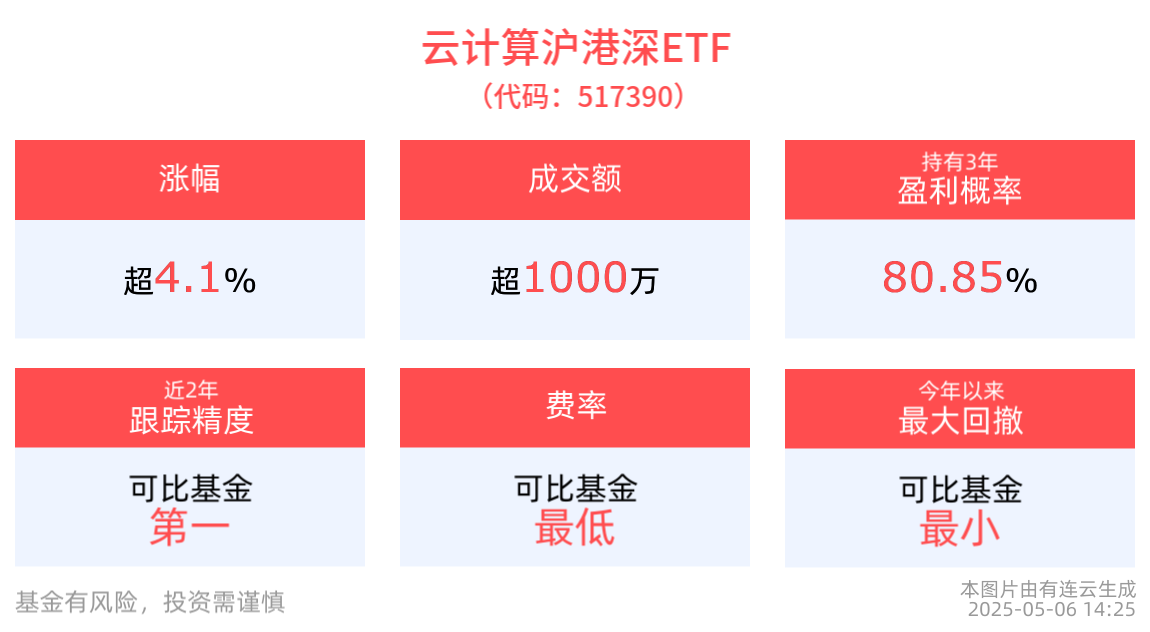
云计算沪港深ETF(517390)大涨超4%,位居ETF涨幅榜前三
Xin Lang Cai Jing· 2025-05-06 06:47
Group 1: Cloud Computing Industry Performance - The CSI Hong Kong-Shanghai Cloud Computing Industry Index (931470) rose by 2.74% as of May 6, 2025, with notable increases in constituent stocks such as Tianyuan Dike (300047) up 20.00%, Huasheng Tiancai (600410) up 10.01%, and Runhe Software (300339) up 9.01% [3] - The Hong Kong-Shanghai Cloud Computing ETF (517390) increased by 4.16%, ranking among the top three ETFs in terms of growth, with a latest price of 1.13 yuan [3] - Over the past three years, the Hong Kong-Shanghai Cloud Computing ETF has seen a net value increase of 56.99%, ranking 12th out of 1742 index stock funds, placing it in the top 0.69% [4] Group 2: ETF Performance Metrics - The Hong Kong-Shanghai Cloud Computing ETF has a maximum monthly return of 33.39% since inception, with the longest consecutive monthly gain of 6 months and a total increase of 66.14% [4] - The ETF's average monthly return during rising months is 9.82%, with an annual profit percentage of 66.67% and an 80.85% probability of profit over a three-year holding period [4] - As of April 30, 2025, the ETF's Sharpe ratio for the past year is 1.16, ranking it first among comparable funds, indicating the highest return for the same level of risk [4] Group 3: Valuation and Tracking Accuracy - The latest price-to-earnings ratio (PE-TTM) for the index tracked by the Hong Kong-Shanghai Cloud Computing ETF is 22.95, which is below 86.62% of the time over the past year, indicating a historical low valuation [5] - The ETF has a tracking error of only 0.051% over the past two years, the highest tracking accuracy among comparable funds [4] Group 4: Computer Industry Performance - The CSI Computer Theme Index (930651) rose by 3.02% as of May 6, 2025, with significant gains in stocks like Runhe Software (300339) up 8.91% and 360 (601360) up 5.96% [8] - The Computer ETF (159998) increased by 2.85%, achieving a one-year cumulative increase of 20.83% [8] - The Computer ETF's latest scale reached 2.955 billion yuan, marking a recent high and ranking it first among comparable funds [8] Group 5: AI Model Developments - Recent developments in domestic AI models include the launch of Alibaba's Qwen3 series and Xiaomi's 7B parameter inference model, showcasing rapid advancements in capabilities [9] - Analysts suggest that the proliferation of domestic models may lead to increased competition and a shift towards customized solutions tailored to specific user needs, potentially reshaping the industry landscape [9]
科技巨头财报集体披露,算力依然是最高景气方向之一
Xuan Gu Bao· 2025-05-05 23:45
Group 1 - The strong performance of Microsoft's Azure cloud computing business has led to a revenue forecast that exceeds expectations, resulting in a stock price increase of over 10% in the last three trading days [1] - The demand for AI servers has significantly boosted Hon Hai's revenue, which grew by 25.5% year-on-year to NT$641.37 billion in April, marking the highest for the same period in history [1] - The first quarter reports indicate that the thriving sectors in the A-share market are concentrated in consumption, pharmaceuticals, and AI computing [1][2] Group 2 - The consumer sector's growth is primarily driven by durable goods, benefiting from trade-in programs for home appliances, small appliances, and two-wheeled vehicles, along with some new consumption areas like cosmetics and paper products [2] - The pharmaceutical sector shows strong performance in areas such as CXO, innovative drugs, and blood products [2] - The demand for high-performance computing cards is robust, with many manufacturers opting for a "rent instead of buy" model, which is promoting the growth of the computing rental industry [1][2] Group 3 - Major players in the computing rental industry include Hongjing Technology, Xiechuang Data, Runjian Co., Hainan Huatie, Litong Electronics, Jinjiji Co., Langke Technology, and Jingyuan Environmental Protection [3] - State-owned enterprises involved in this sector include Yunsai Zhiliang, Tongniu Information, Shensanda A, and China Unicom [4] - Domestic computing companies include Cambrian, Haiguang Information, Digital China, and Zhongke Shuguang [4]