卫龙

Search documents
每经热评︱当“严选”变成“全选”,山姆的差异化优势又从何谈起?
Mei Ri Jing Ji Xin Wen· 2025-07-16 09:39
Core Viewpoint - The controversy surrounding the introduction of the brand Haoliyou at Sam's Club highlights a fundamental conflict in the warehouse membership store model, where a misalignment between brand promises and user expectations can undermine the foundation of the paid membership system [1][2][3] Group 1: Membership and Consumer Trust - Sam's Club has built a unique value proposition by offering a "quality filter" through its membership model, which allows consumers to trust that the products on its shelves are carefully selected for quality and value [1][2] - The introduction of controversial brands like Haoliyou has raised questions about the trust consumers place in Sam's Club, as it appears to compromise its commitment to quality [2][3] - The core of the membership retail model is not merely selling products but selling trust, where consumers pay for the assurance that the brand will consistently deliver on its promises [3] Group 2: Impact of Product Selection Changes - The shift in product selection, with the addition of widely available brands and the removal of previously popular items, challenges the perception of Sam's Club as a premium retailer [2] - Complaints regarding product quality, such as issues with food safety, have increased, leading to a decline in the perceived quality associated with the Sam's brand [2] - The tension between rapid expansion and maintaining quality control is evident, as Sam's Club plans to open eight new stores by 2025, which may strain its supply chain and product selection standards [2][3] Group 3: Strategic Recommendations - It is crucial for Sam's Club to realign its brand promises with user expectations to restore consumer trust and maintain the integrity of its membership model [3] - Balancing global sourcing with local adaptation while ensuring quality standards is essential for sustaining the "Sam's Selection" brand image [3] - Failure to address these issues may lead to a perception that Sam's Club is no different from regular supermarkets, undermining its competitive advantage [3]
山姆十万火急,得抓紧研究P图
Hu Xiu· 2025-07-16 09:01
Core Viewpoint - The article discusses the negative feedback faced by Sam's Club due to the introduction of numerous non-Sam's branded products, leading to dissatisfaction among members who feel their membership fees are not justified [2][4]. Group 1: Customer Sentiment - Customers are frustrated with the presence of widely available brands like Wei Long and Xu Fu Ji in Sam's Club, feeling it undermines the exclusivity they expect from their membership [2][3]. - The emotional value associated with shopping at Sam's Club is diminished, as members seek unique products that cannot be found elsewhere [4]. Group 2: Suggested Strategy - A proposed solution for Sam's Club is to enhance product packaging by prominently featuring the Sam's logo and branding, which could improve customer perception and satisfaction [6][7]. - The emphasis should be on making the Sam's branding exceptionally visible on products, as this could quickly address customer concerns [8][10]. Group 3: Brand Identity - The article argues that the core competitive advantage of Sam's Club lies in offering unique products, and it is essential to highlight this uniqueness through branding [17][22]. - The perception of quality and value can be significantly influenced by the visibility of the Sam's logo, which serves as a key differentiator in the market [30][31].
山姆卖好丽友,会员的天塌了
3 6 Ke· 2025-07-16 08:36
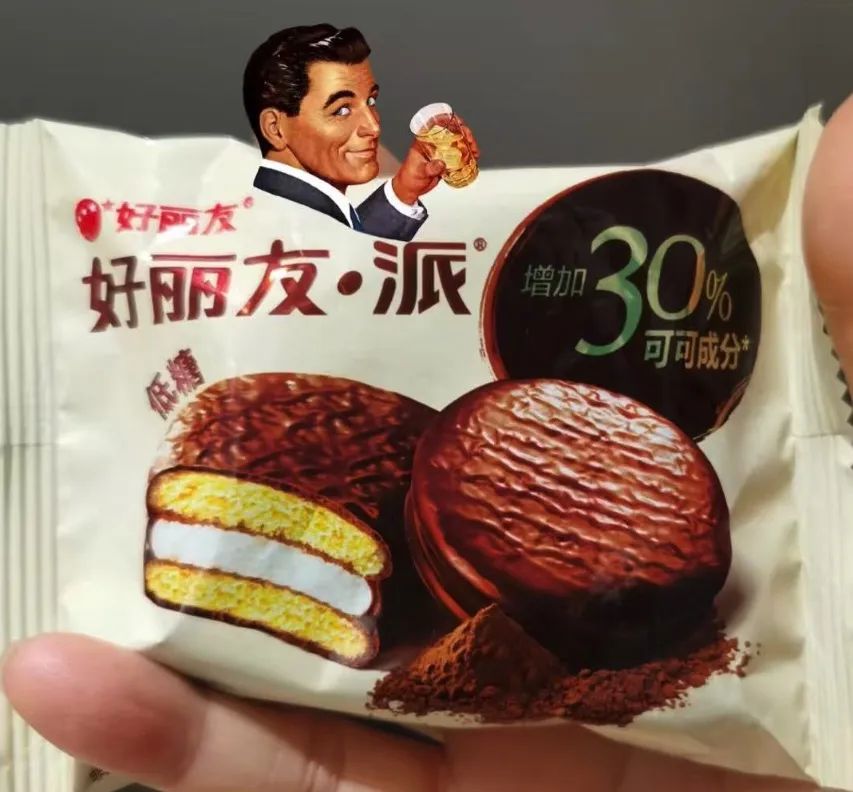
Core Viewpoint - The recent introduction of low-quality products, such as the low-sugar Haoliyou cake, at Sam's Club has led to significant dissatisfaction among its members, who expect high-quality, unique offerings in exchange for their membership fees [1][3][4]. Group 1: Member Expectations and Reactions - Sam's Club members feel betrayed by the introduction of common products like Haoliyou, which they can easily find in regular supermarkets, undermining the perceived value of their membership [1][3]. - Many members have expressed their frustration online, with some even writing to the headquarters to complain about the declining quality of product selections [1][3]. - The expectation among members is for "scarcity privileges," meaning they desire products that are not available in regular stores, which is not being met with the current offerings [3][4]. Group 2: Strategic Shifts and Market Positioning - The decision to introduce more mainstream products is seen as a shift in Sam's Club's strategy, possibly influenced by changes in management and a focus on cost-cutting to increase profitability [4][5][8]. - Analysts suggest that this shift may be an attempt to capture the lower-tier market, where consumers prefer more affordable and familiar products, such as snacks and sweets [4][5]. - The management changes, including the appointment of new executives, indicate a potential shift in the company's operational focus and strategy [7][8]. Group 3: Future Challenges and Considerations - Sam's Club faces critical questions regarding its market strategy: whether to focus on expanding its core middle-class customer base or to cater to the lower-tier market [8][10]. - There is a pressing need for Sam's Club to restore its "Sam's Standard" of quality to regain member trust and loyalty [8][10]. - Suggestions have been made for Sam's Club to explore additional services, such as healthcare and travel, to enhance member value beyond just product offerings [9][10].

6月社零增速环比放缓,内需消费仍待提振
KAIYUAN SECURITIES· 2025-07-16 06:16
Investment Rating - The industry investment rating is "Overweight" [1] Core Viewpoints - The report highlights that the food and beverage sector is expected to benefit from potential domestic policy adjustments and a recovery in consumer demand in the second half of the year [3][4] - The report suggests strategic positioning in leading liquor companies due to their low valuation and favorable market conditions [3][6] - The snack food segment shows strong growth potential, driven by product innovation and emerging sales channels [6] Summary by Sections Industry Overview - The food and beverage sector is currently experiencing a slowdown in retail sales growth, with June 2025 retail sales increasing by 4.8% year-on-year, a decrease of 1.6 percentage points from May [4][8] - The report notes that the decline in consumer spending on dining and discretionary items has impacted overall sales performance [4][5] Liquor Sector - The liquor industry is in a bottoming phase, with consumption scenarios limited by recent policy changes and promotional activities affecting pricing [6] - The report recommends focusing on top liquor brands such as Kweichow Moutai, Luzhou Laojiao, and Shanxi Fenjiu for potential investment opportunities [3][6] Snack Food Sector - The snack food segment, particularly products like konjac, is experiencing robust growth due to health trends and diverse flavor offerings [6] - The report emphasizes the importance of identifying quality companies in the snack food sector that align with industry development trends for long-term investment [3][6]



山姆上新好丽友引发退卡潮?“背叛感”来自中产的身份焦虑
Nan Fang Du Shi Bao· 2025-07-16 05:42
Core Viewpoint - The controversy surrounding Sam's Club's introduction of popular snack brands has led to significant backlash from its members, who feel that the exclusivity and premium nature of the membership have been compromised [2][3][5]. Group 1: Consumer Sentiment - Members expressed dissatisfaction with the introduction of common brands like Haoliyou and Weilong, leading to a surge in negative reviews and calls for membership cancellations [2] - The core issue is not the quality of the products, as they meet Sam's "strict selection" standards, but rather the perceived dilution of brand exclusivity and identity among middle-class consumers [2][3] - The introduction of these brands has triggered feelings of relative deprivation among members, who feel that their premium membership no longer offers unique products [2][3] Group 2: Market Strategy - Sam's Club's strategy to introduce local brands is part of a broader plan to reduce reliance on imports and cut logistics costs, rather than a personal decision by management [3][4] - The company's business model relies on a membership system that emphasizes strict selection, large packaging, low margins, and high turnover, differentiating it from traditional supermarkets [4] - The current crisis highlights the need for Sam's Club to balance large-scale procurement with maintaining a sense of exclusivity and to enhance transparency in its supply chain [5] Group 3: Brand Perception and Identity - The backlash against the introduction of common brands reflects a deeper concern about the erosion of social status and identity among consumers, as they associate product scarcity with their social standing [3] - The incident has sparked conspiracy theories regarding management changes and strategic shifts, indicating a strong emotional investment from members in the brand's identity [3] - The need for Sam's Club to communicate effectively with Chinese consumers about trust and quality is emphasized, as the market is sensitive to issues of food safety and brand integrity [5]
被骂上热搜,山姆紧急下架
Xin Jing Bao· 2025-07-16 04:55
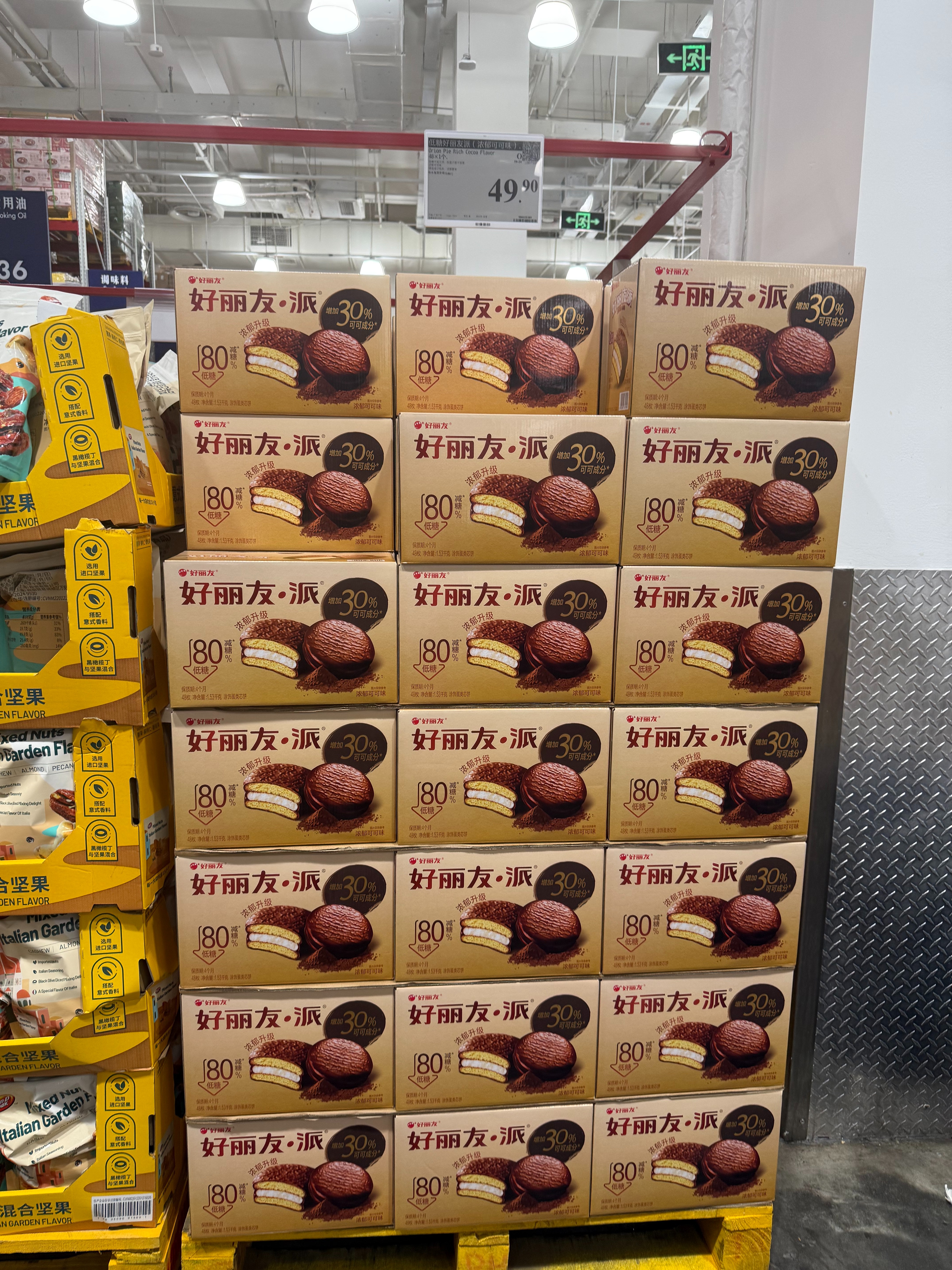
Core Viewpoint - Sam's Club has faced strong dissatisfaction from members due to the removal of popular products and the introduction of new items like the low-sugar cake from Haoliyou, leading to significant discussions on social media [1][3]. Group 1: Product Changes - In recent months, Sam's Club has made intensive adjustments to its product offerings, including the introduction of Haoliyou's low-sugar cake priced at 49.9 yuan for 48 pieces, which is exclusive to Sam's channels [3]. - Other new products from leading brands such as Kang Shifu, Heytea, and Xu Fu Ji have been launched, while previously popular items like 100% fruit juice are no longer available [5][10]. Group 2: Membership and Revenue - The annual fee for a regular membership at Sam's Club in China is 260 yuan, while the premium membership costs 680 yuan [8]. - Walmart's latest fiscal quarter reported net sales of 6.7 billion USD (approximately 48.02 billion yuan) in China, with a year-on-year growth of 22.5%, and comparable sales growth of 16.8% [8]. Group 3: Consumer Sentiment - Consumers have expressed their dissatisfaction on social media, with some stating they would not renew their memberships due to the recent product changes [5][10]. - Experts highlight that differentiation is crucial for membership warehouse stores, as members expect unique products that set them apart from non-members [10].


山姆已经搜不到好丽友派,消费者多大程度影响供应链?
Hu Xiu· 2025-07-16 03:40
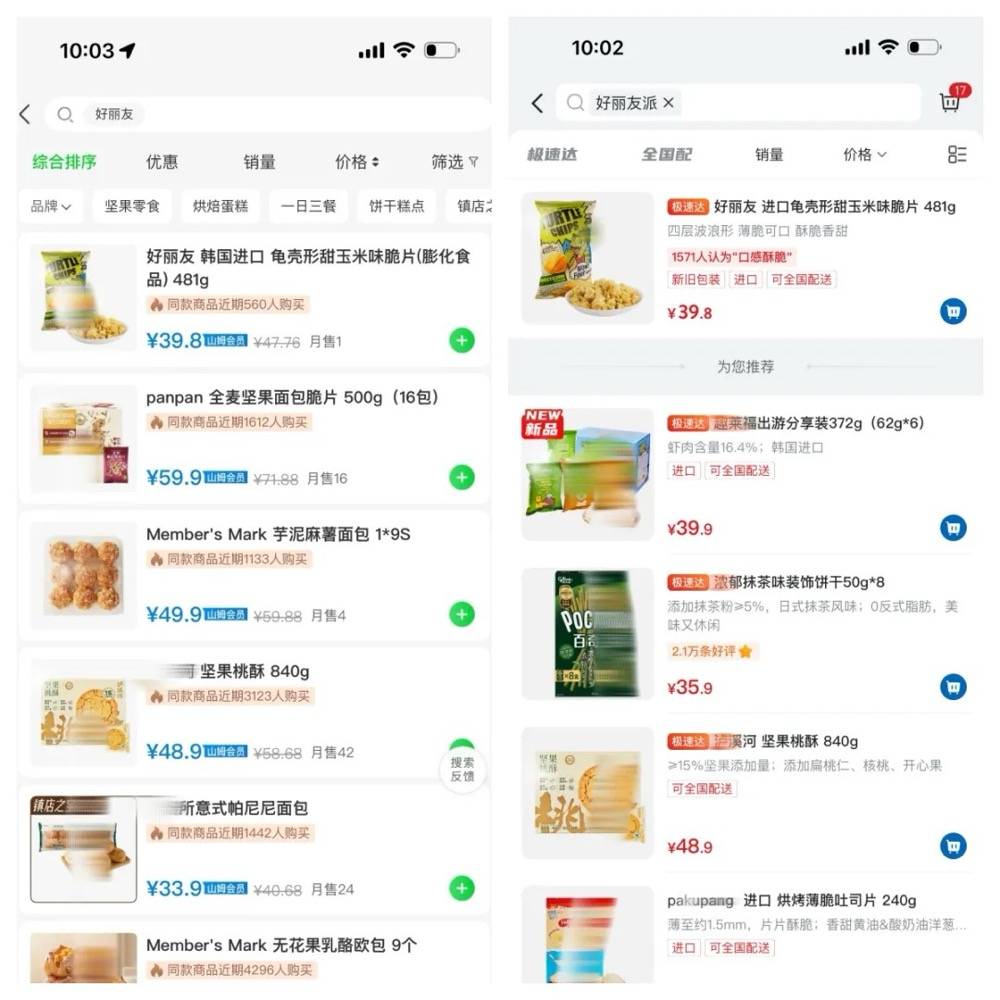
Core Viewpoint - Sam's Club faced backlash from loyal customers after introducing products from brands like Orion and Wei Long, leading to complaints and threats of non-renewal of memberships. The company has since taken action in response to the controversy [1][3]. Group 1: Consumer Sentiment - The introduction of Orion's products, which contain unhealthy ingredients, has raised concerns among consumers, particularly parents who are cautious about their children's diets [2]. - The dissatisfaction is not limited to one product; customers have also expressed frustration over the removal of other favored items and changes in brand names [6]. - Consumers expect Sam's Club to provide high-quality products, and the presence of easily accessible items has led to disappointment [7]. Group 2: Corporate Communication - The management structure of foreign companies often limits the ability of regional leaders to communicate effectively with consumers, which can lead to a disconnect between internal decisions and external perceptions [9][10]. - Unlike local CEOs who frequently engage with consumers on social media, Sam's Club primarily relies on customer service for communication, which may not adequately address consumer concerns [10]. Group 3: Impact on Supply Chain - The incident highlights the influence of consumer feedback on supply chain decisions, indicating that consumer voices can affect supplier relationships, albeit to a limited extent [11][14]. - Suppliers must not only satisfy procurement managers but also appeal to consumers to succeed in retail environments [15]. - The traditional B2B purchasing model is evolving, with end-users increasingly impacting procurement decisions, particularly in sectors like productivity tools [18].
被消费者骂上热搜!山姆火速下架好丽友派,又曝超市内女子脚踩取冰机内取冰
Qi Lu Wan Bao· 2025-07-16 03:11
Group 1 - The core issue revolves around Sam's Club's product selection strategy, which has faced criticism from members after the introduction of a low-sugar version of the popular Holi-Ryu cake, reducing sugar content by 80% and increasing cocoa content by 30% [1] - There is a noticeable trend of popular products like egg yolk pastries and caramel layered cookies being removed from shelves, leading to perceptions that Sam's Club is becoming more homogenized compared to regular supermarkets [6] - Sam's Club's customer service confirmed that the controversial Holi-Ryu cake has been removed from online listings, although the reasons for this decision remain unclear [6][8] Group 2 - Reports emerged of hygiene issues related to ice machines at Sam's Club, with a customer being filmed inside the machine, raising concerns about cleanliness and safety [6][8] - The ice produced by Sam's Club is non-consumable and is intended for keeping meat at low temperatures, but customers have reported difficulties in accessing the ice due to design flaws in the machine [8]
港股新消费概念股震荡回调,泡泡玛特(09992.HK)跌超5%,古茗(01364.HK)跌近3%,卫龙(09985.HK)跌超2%,毛戈平(01318.HK)、名创优品(09896.HK)均跌超1.5%。
news flash· 2025-07-16 02:58
Group 1 - The new consumption concept stocks in the Hong Kong market are experiencing a volatile pullback [1] - Pop Mart (09992.HK) has seen a decline of over 5% [1] - Gu Ming (01364.HK) has dropped nearly 3% [1] Group 2 - Wei Long (09985.HK) has decreased by more than 2% [1] - Mao Ge Ping (01318.HK) and Miniso (09896.HK) both fell by over 1.5% [1]

山姆下架多款口碑商品上新好丽友,选品策略突变动摇会员信任根基
Sou Hu Cai Jing· 2025-07-16 02:22
Core Viewpoint - Sam's Club is facing a significant backlash from consumers due to a major shift in its product selection strategy, which has undermined the trust in its membership value system [1][3][11] Group 1: Membership Value Crisis - The removal of popular products such as sun cakes and low-sugar egg yolk pastries has led to a trust crisis among members, as these items were key drivers of consumer loyalty [1] - New products introduced, like low-sugar snacks from mainstream brands, have been criticized for lacking differentiation and quality compared to previous offerings [2] - Members are questioning the justification of the annual membership fee of 260 yuan (or 680 yuan for premium cards), feeling that they are no longer receiving unique or high-quality products [3][4] Group 2: Strategic Shift and Trust Erosion - A change in management has led to a focus on short-term profits, with a shift towards lower-cost products at the expense of previously popular, high-quality items [5][6] - The rapid expansion of Sam's Club in China, with 48 stores and over 5 million members, has resulted in quality control issues, including over 10,000 complaints about product quality in 2024 alone [7] - The core competitive advantage of Sam's Club, which relied on exclusive supply chains and health labels, is diminishing as the introduction of controversial brands raises concerns [8] Group 3: Consumer Reactions and Company Response - Many members are expressing their dissatisfaction on social media, with some opting to switch to competitors like Costco or Hema, and group cancellations of memberships are occurring in cities like Hangzhou and Chongqing [10] - The company's official response has been vague, attributing product removals to packaging issues without addressing the underlying selection logic, and denying reports of membership cancellations [10] Group 4: Industry Implications - The struggle of Sam's Club highlights the critical balance between targeting different consumer segments, as the attempt to cater to both middle-class elites and price-sensitive customers has led to a loss of core clientele [11] - Competitors like Costco maintain their reputation through unique offerings and customer engagement, while Hema captures market share with competitive pricing on fresh produce [12] - The crisis at Sam's Club underscores the need to rebuild a value proposition centered on exclusive products, quality, and stable supply to restore member trust and justify membership fees [13]