
泸州老窖

Search documents
月聚焦:如何布局零食“春季躁动”?
GF SECURITIES· 2026-01-20 01:07
Group 1 - The core view of the report emphasizes the high relative success rate of the food and beverage sector during the pre-Spring Festival period, with a historical success rate of 70% in the last ten years [7][16] - The report identifies structural opportunities within the food and beverage sector despite a long-term adjustment phase since 2021, highlighting the importance of seasonal demand and planned channel stocking [7][16] - The report suggests three strategic approaches for investment in the snack sector during the "spring excitement" period, focusing on companies with clean chips, strong growth themes, and clear growth drivers [7][49] Group 2 - In December, the food and beverage sector underperformed the market, with a decline of 5.2%, lagging behind the CSI 300 index by 7.5 percentage points, ranking last among 31 primary industries [7][61] - The report notes a divergence in performance among sub-sectors, with snacks and soft drinks showing gains while liquor and beer sectors faced declines [7][61] - The report highlights that the absolute and relative valuations of the food and beverage sector are at their lowest levels since 2010, indicating potential investment opportunities [7][61][64] Group 3 - The report tracks the recovery of consumer confidence, with a December retail sales growth of 0.9%, showing improvement from the previous month [7][63] - It notes that the liquor sector is experiencing weak demand and price adjustments, particularly for high-end products like Moutai, which is nearing historical price levels [7][63] - The report indicates that the cost structure is showing divergence, with some packaging materials and agricultural products experiencing price increases [7][63][64] Group 4 - Investment recommendations include a focus on liquor stocks that have undergone a four-year adjustment period, with potential for valuation and performance recovery [7][64] - For consumer goods, the report anticipates a moderate increase in industry prices in 2026, highlighting opportunities in new products and channels [7][64] - Specific stock recommendations include Luzhou Laojiao, Shanxi Fenjiu, and various consumer goods companies such as Anjuke Foods and Dongpeng Beverage [7][64]





打造蓉酒品牌,成都如何破局?
Xin Lang Cai Jing· 2026-01-19 18:12
Core Viewpoint - The article discusses the efforts of Chengdu to enhance its liquor industry by promoting the "Rongjiu" brand through policy measures aimed at upgrading brand strength, industry ecology, and consumer scenarios in response to the evolving market dynamics [3][4]. Group 1: Brand Development - Chengdu is actively seeking to build the "Rongjiu" brand and support the development of regional brands, as outlined in the recent policy drafts [4][6]. - The revenue rankings of leading liquor companies indicate that while Guizhou Moutai leads with 170.61 billion yuan, Chengdu's Shui Jing Fang has a revenue of only 5.217 billion yuan, highlighting significant growth potential [3][4]. Group 2: Industry Structure and Challenges - Chengdu's liquor industry is facing challenges such as insufficient brand concentration, weak transformation among small and medium enterprises, and a lack of innovation in research and development [6]. - The policy draft proposes the establishment of a liquor fund led by Chengdu Industrial Group and aims to include liquor companies in the "Huirong Loan" whitelist to alleviate financing difficulties [6]. Group 3: Consumer Engagement and Market Trends - The article emphasizes the shift in consumer behavior from traditional purchasing to experiential engagement, with venues like 1919 Liquor Life Hall transforming into social spaces [7]. - Chengdu's policy encourages innovation in liquor consumption scenarios, moving beyond traditional sales to enhance consumer experiences through various integrations such as food and beverage pairings [7].

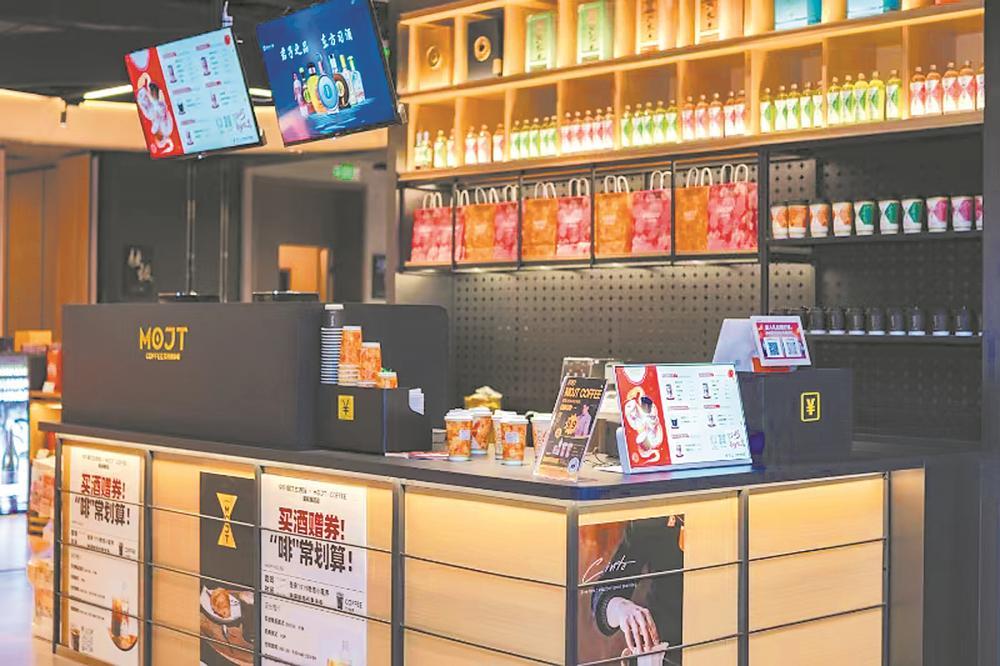
打造蓉酒品牌 成都如何发力?
Sou Hu Cai Jing· 2026-01-19 12:43
Core Viewpoint - The adjustment in pricing strategies by leading liquor companies, such as Guizhou Moutai, reflects the transformation anxiety and desire for breakthroughs in the Chinese liquor industry, which is currently undergoing a deep adjustment phase due to intense competition and market saturation [1] Group 1: Industry Trends - The liquor industry in China is transitioning from "scale competition" to "value competition," making brand strength a key factor for regional differentiation and success [3] - The revenue rankings of major liquor companies indicate that Guizhou Moutai leads with 170.61 billion yuan, followed by Wuliangye at nearly 90 billion yuan and Luzhou Laojiao at approximately 34 billion yuan, while Chengdu's Shui Jing Fang has a revenue of only 5.217 billion yuan, highlighting significant room for growth [3] - Chengdu is actively seeking to enhance its liquor brand through policy measures aimed at supporting the development of the "Rong Jiu" brand and promoting flagship products [5] Group 2: Policy Initiatives - The "Measures for Promoting High-Quality Development of the Liquor Industry in Chengdu" draft emphasizes the need for brand protection and support for liquor companies in intellectual property rights and market order maintenance [5] - Chengdu's government plans to explore the establishment of a liquor fund and include liquor companies in the "Huirong Loan" whitelist to alleviate financing difficulties, providing a sustainable financial support system for high-quality industry development [9] Group 3: Market Dynamics - The shift in consumer behavior from business banquets to social and self-consumption is prompting a focus on innovative consumption scenarios, with policies encouraging the integration of liquor with tourism and experiential consumption [12] - Chengdu's liquor industry is developing a unique liquor tourism route that combines historical culture, brewing techniques, and tourism experiences, aiming to attract both domestic and international visitors [13]

2026年食品饮料行业投资策略报告:筑底修复为主线,结构分化藏良机-20260119
Wanlian Securities· 2026-01-19 11:02
Group 1 - The core viewpoint of the report indicates that the food and beverage industry experienced a downturn in performance and stock prices in 2025, with revenue growth slowing and net profit declining for the first time [2][16][23] - The food and beverage sector's revenue for the first three quarters of 2025 was 831.395 billion yuan, a year-on-year increase of only 0.14%, while net profit decreased by 4.57%, ranking 20th and 21st among 31 industries respectively [16][20] - The stock prices of the food and beverage sector fell by 4.72% from January to November 2025, placing it at the bottom of the performance rankings among the 31 industries [23][27] Group 2 - In the liquor industry, the report notes that channel destocking and low valuations combined with high dividend yields provide support for stock prices, despite a challenging environment due to policy impacts [3][36] - The report predicts that the white liquor industry will enter a "volume-price double kill" phase, characterized by intensified competition and market consolidation [3][36] - The report highlights that the beer sector is expected to see marginal improvements in 2026 due to cost advantages and a recovery in on-premise consumption [4][36] Group 3 - The dairy sector is experiencing a recovery in demand, with low-temperature and deep-processed dairy products showing positive growth, while the overall profitability of dairy companies varies significantly [4][9] - The condiment industry is evolving towards customization driven by the rise of chain restaurants and strong retail channels, with a focus on companies that can meet tailored demands [4][9] - The frozen food sector is expected to return to positive growth as price wars ease, with companies like Anji actively exploring new sales channels [4][9] Group 4 - The soft drink market is primarily driven by functional beverages, which are seen as a high-growth segment, while the overall market growth is expected to rely on structural upgrades [4][9] - The snack industry is facing challenges with "revenue without profit," and companies with health-oriented products and strong channel advantages are recommended for attention [4][9]


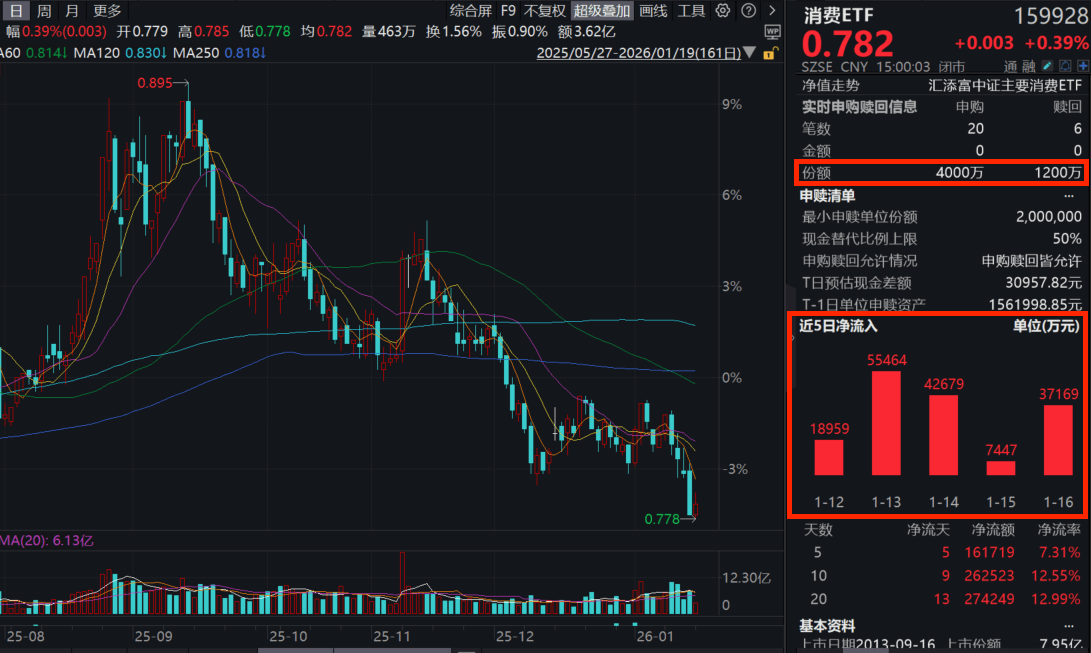
2025年社零同比增长3.7%!消费ETF(159928)收涨0.39%结束四连阴,近5日净流入超16亿元!政策加码下消费动能将持续释放!
Sou Hu Cai Jing· 2026-01-19 09:33
Group 1: Market Performance - A-shares experienced a slight increase with the consumer sector performing well, as evidenced by the leading consumer ETF (159928) rising by 0.39% and achieving a trading volume exceeding 360 million yuan [1] - The consumer ETF has seen a net subscription of 28 million units today, accumulating over 1.6 billion yuan in the past five days [1] Group 2: Economic Data - The National Bureau of Statistics reported that China's GDP for the year reached 14,018.79 billion yuan, reflecting a 5% growth year-on-year at constant prices [3] - In December 2025, the retail sales of consumer goods grew by 0.9% year-on-year, a decrease of 0.4 percentage points compared to November [3] - The per capita disposable income for residents in 2025 was 43,377 yuan, marking a nominal increase of 5% year-on-year, with a real growth of 5% after adjusting for price factors [3] Group 3: Consumer Trends and Policies - The focus on enhancing service consumption is evident, with a CAGR of approximately 9.6% in per capita service consumption from 2020 to 2024, expected to reach 46.1% of total consumption by 2024 [7] - The government aims to boost domestic demand and has outlined key tasks for 2026, emphasizing the importance of "domestic demand as the main driver" [3][7] - Policies are expected to support sectors such as elderly care, cultural tourism, and sports, with a focus on new consumption scenarios and enhancing service quality [4][8] Group 4: Investment Opportunities - The consumer ETF (159928) is noted for its resilience across economic cycles, with a TTM price-to-earnings ratio of 18.91, which is lower than 99% of the historical data over the past decade [4][9] - The top ten holdings in the consumer ETF account for over 68.55% of its weight, with significant representation from leading liquor brands and agricultural companies [9][10] - The Hong Kong Stock Connect Consumer 50 ETF (159268) is highlighted as an efficient investment vehicle for the consumer sector, particularly appealing to the younger generation [10]


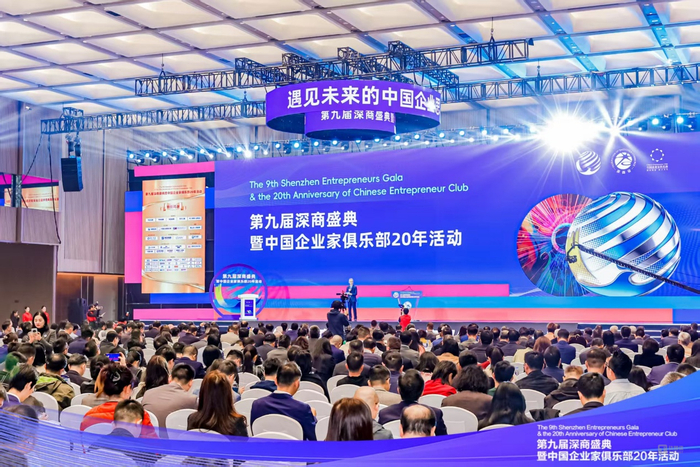
二十而励,向新而行:深商盛典勾勒中国企业未来突围路径
Tai Mei Ti A P P· 2026-01-19 09:03
Group 1 - The event highlighted the transformation of Chinese enterprises over the past two decades, evolving from followers in the global supply chain to pioneers in emerging strategic industries [2] - The "going global" strategy of Chinese companies has shifted from mere product exports to a systematic approach involving business models, industrial capabilities, and supply chains [2] - Emphasis was placed on leveraging technological innovation as a driving force for high-quality development and global expansion [2] Group 2 - The era of general artificial intelligence is accelerating, fundamentally reshaping industry forms and business logic, with a projected 1000-fold increase in per capita token consumption in China by the end of 2025 [3] - The Chinese automotive industry is transitioning from electrification to intelligent competition, with breakthroughs in core technologies like autonomous driving being crucial for global leadership [3] - The integration of traditional industries with technological innovation showcases diverse paths for innovation among Chinese enterprises [3] Group 3 - The core value of Luzhou Laojiao lies in its 450-year-old microbial community, which is being enhanced through modern technology, including AI for process innovations [4] - The wealth management market in China is expected to grow significantly, with household assets projected to reach 440 trillion yuan by 2030, indicating a shift in investment strategies [4] - The future development path for Chinese enterprises is clear: leveraging technological breakthroughs for industrial upgrades, focusing on user value and quality management, and fostering a symbiotic relationship between cultural heritage and technological empowerment [4]
白酒板块1月19日跌0.51%,*ST岩石领跌,主力资金净流出8.5亿元
Zheng Xing Xing Ye Ri Bao· 2026-01-19 08:52
Core Viewpoint - The liquor sector experienced a decline of 0.51% on January 19, with *ST Rock leading the drop, while the Shanghai Composite Index rose by 0.29% and the Shenzhen Component Index increased by 0.09% [1]. Group 1: Market Performance - The liquor sector's main stocks showed mixed performance, with notable declines in major brands such as *ST Rock, Shanxi Fenjiu, and Gujing Gongjiu [2]. - The trading volume for the liquor sector was significant, with major stocks like Wuliangye and Kweichow Moutai recording high transaction amounts of 19.08 billion and 58.34 billion yuan respectively [2]. Group 2: Capital Flow - The liquor sector saw a net outflow of 850 million yuan from institutional investors, while retail investors contributed a net inflow of 221 million yuan [2]. - Individual stocks like Yingjia Gongjiu and Jianshe Liquor experienced varying levels of net inflow and outflow from different investor categories, indicating diverse investor sentiment [3].
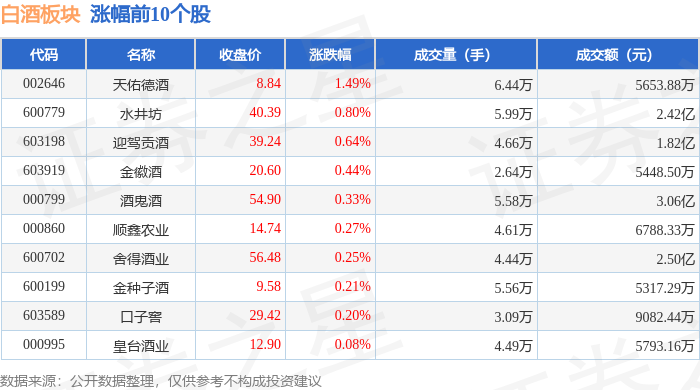
10只白酒股上涨 贵州茅台1376元/股收盘
Bei Jing Shang Bao· 2026-01-19 07:57
Core Viewpoint - The white liquor sector is showing signs of stabilization, with the current market conditions indicating that the industry fundamentals are nearing a bottom, despite recent price declines [1] Industry Summary - The Shanghai Composite Index closed at 4114.00 points, up 0.29%, while the white liquor sector index closed at 2214.03 points, up 0.74% [1] - Ten white liquor stocks experienced gains, but major players like Kweichow Moutai, Wuliangye, Shanxi Fenjiu, Luzhou Laojiao, and Yanghe all saw declines in their stock prices [1] - Kweichow Moutai closed at 1376.00 CNY per share, down 0.43%; Wuliangye at 104.55 CNY, down 0.58%; Shanxi Fenjiu at 169.36 CNY, down 1.75%; Luzhou Laojiao at 113.59 CNY, down 0.60%; and Yanghe at 61.99 CNY, down 0.02% [1] Company Insights - According to a report from Kaiyuan Securities, the white liquor industry is expected to see a recovery in sales during the 2026 Spring Festival, despite the current downward trend in prices [1] - The report emphasizes the importance of monitoring economic recovery, consumer confidence restoration, and the flexibility of brand policy adjustments in the medium to long term [1] - The current valuation of the white liquor sector is at a low point compared to recent years, with low market expectations and a favorable chip structure, indicating that the fundamentals are close to a bottom [1]
大变革时代的白酒行业如何发展?
Sou Hu Cai Jing· 2026-01-19 07:47
Core Insights - The Chinese liquor industry is facing both challenges and opportunities in the current transformative era, necessitating a reevaluation of its development strategies [1] Group 1: Consumer Trends - Consumers are increasingly prioritizing health, leading to a decline in the market share of high-alcohol, strong-flavored liquors. The market growth rate for low-alcohol and health-oriented liquors is rising annually [3] - Companies are encouraged to develop lower-alcohol and healthier liquor products to align with consumer preferences, as exemplified by Jiangxiaobai's introduction of a lower-alcohol product targeting younger consumers [3] Group 2: Marketing Strategies - Traditional marketing methods are becoming less effective; online shopping has emerged as a significant channel for liquor purchases. Companies should enhance their online marketing efforts through e-commerce platforms and social media [5] - Notable brands like Moutai and Wuliangye have established official flagship stores on e-commerce platforms and utilized live streaming and online promotions to attract consumers [5] Group 3: Cultural Integration - The liquor industry must balance the preservation of traditional culture with innovative integration. Companies can leverage historical stories and cultural references in product packaging and branding [7] - Collaborations with other cultural sectors, such as film, music, and art, can create unique liquor brands that resonate with modern consumers, as seen with Luzhou Laojiao's partnership with a fashion brand [7] Group 4: Industry Outlook - The liquor industry must adapt to changing consumer demands for health and youthfulness by developing new products, embracing online marketing, and merging traditional culture with contemporary elements [7] - Continuous adaptation to market changes is essential for the liquor industry to remain competitive and thrive in the future [7]
消费论坛交流反馈——食品饮料行业周报(20260112-20260118):传统消费龙头探寻新路,成效初显
Huachuang Securities· 2026-01-19 07:25
Investment Rating - The report maintains a "Recommendation" rating for the food and beverage industry, indicating an expected increase in the industry index exceeding the benchmark index by more than 5% in the next 3-6 months [26]. Core Insights - The traditional consumer leaders in the food and beverage sector are exploring new paths, with initial positive results observed. The report highlights the acceleration of white liquor clearance and the catalyzing effect of the peak season for mass-market products [1][13]. - The liquor industry is currently at the bottom of its cycle, with expectations for sales to stabilize over the next three years. The report notes a significant price drop in high-end whiskey (approximately 50%) and a smaller decline in brandy (10-20%) due to decreased demand and a return to reasonable pricing [10]. - In the mass-market segment, companies are actively adjusting strategies, leading to improved performance. Notable companies include Xianle Health, which is leveraging overseas expansion and AI to drive growth, and West Wheat, which is enhancing its competitive advantage through channel expansion [11][12]. Summary by Sections 1. Meeting Feedback: Liquor at Cycle Bottom, Mass-Market Highlights - Liquor is at a cyclical low, with future sales expected to stabilize. The domestic brandy market remains stable, dominated by three major brands [10]. - The mass-market segment shows a divergence in demand, with companies like Xianle and West Wheat continuing to grow, while traditional companies are adjusting to improve performance [11]. 2. Investment Recommendations: Strengthening White Liquor Bottom, Catalyzing Mass-Market Peak Season - The report recommends Moutai and emphasizes the importance of Gujing, anticipating a recovery in demand as the Spring Festival approaches. The report suggests that companies are transitioning from passive responses to proactive adjustments [13]. - In the mass-market segment, the report highlights Anqi as a key recommendation, along with opportunities in restaurant supply chains and snack sectors as the Spring Festival approaches [13].