
LG

Search documents
天山电子(301379) - 2025年03月17日投资者关系活动记录表
2025-03-17 10:28
Group 1: Company Overview and Strategic Direction - The company, Tianshan Electronics, is focused on the development of display products in the automotive electronics sector, including VA modules, TFT modules, and VA+TFT combination screens, which have superior viewing angles and response times compared to traditional displays [2][3]. - The "Lingshan Base" is a strategic upgrade project covering approximately 132,000 square meters, aimed at accelerating the construction of integrated optical touch modules to meet the growing market demand in smart home, financial data terminals, communication devices, and automotive electronics [4]. - The company has established a dual mechanism of "incentives + repurchase" to enhance long-term motivation and value management, with a 2024 restricted stock incentive plan involving the issuance of 1.498 million shares at a price of 9.56 CNY per share [5]. Group 2: Industry Trends and Positioning - The liquid crystal display industry is evolving towards high resolution, low power consumption, and ultra-narrow bezels, driven by advancements in 5G communication, IoT, and smart wearable technologies [6][7]. - Tianshan Electronics aims to provide customized LCD screens and modules, leveraging strategic partnerships with companies like BOE and long-term collaborations with major firms across various sectors, including smart home and industrial control [8]. - The company reported a revenue of 1.476 billion CNY for 2024, reflecting a year-on-year growth of 16.54%, and a net profit of 150 million CNY, up 39.97%, indicating a strong growth momentum [8]. Group 3: Investment and Collaboration - The company has established an industrial fund in collaboration with professional institutions to strategically invest in the semiconductor and electronic information sectors, enhancing technological upgrades and resource synergy within the electronic information industry ecosystem [9].
中金公司 复合集流体量-产业进度复盘与观点更新
中金· 2025-03-16 15:50
Investment Rating - The report indicates a positive outlook for the composite copper foil industry, highlighting significant growth potential and market opportunities. Core Insights - The composite copper foil industry has recently overcome key production challenges, particularly the laser welding yield issue, which has been resolved since December 2024, enabling mass production and cost reduction [2]. - Major battery manufacturers are expected to complete order processes for approximately 16GW of production capacity by Q2 2025, indicating initial market demand release [2]. - The price of lithium battery copper foil has been on the rise since 2020, with costs now approaching 20% of lithium iron phosphate battery production, prompting a shift towards composite copper foil to mitigate cost pressures [2][4]. - The initial pricing for composite conductive fluid is set at 4.5 yuan per square meter, offering a 16% cost advantage over traditional copper foil, with expectations for further price reductions in the coming years [2][6]. - The composite conductive fluid market is projected to reach a space of approximately 48 billion square meters by 2030, with potential profits estimated between 14.4 billion to 24 billion yuan [12]. Summary by Sections Recent Industry Changes - The composite copper foil industry has received around 2GW of mass production orders since January 2025, with major battery manufacturers confirming procurement plans [2][3]. - Sodium green materials have secured 1 billion yuan in financing for expansion, reinforcing their position as a core supplier [2][3]. Market Dynamics - The copper foil cost in lithium batteries has increased significantly, with prices rising from 40,000 yuan per ton in 2020 to over 80,000 yuan currently, leading to a shift towards more cost-effective materials [4]. - The annual procurement volume for copper foil in global power batteries is estimated to be between 120 billion to 130 billion yuan, expected to exceed 250 billion yuan by 2030 [4]. Production and Technology - The composite conductive fluid has transitioned from P&T to PTC testing, with all yield issues resolved by 2024, entering a phase of large-scale production [7]. - The multi-porous structure of composite copper foil addresses technical challenges in fast charging and solid-state battery applications, indicating its broad applicability [2][8]. Future Projections - Global lithium battery shipments are expected to reach 1,900-2,000GWh in 2024 and grow to 4,000GWh by 2030, driving demand for composite conductive fluid [12]. - The equipment investment required for this transition is estimated to be between 120 billion to 160 billion yuan, with a need for over 100 billion yuan in capital expenditure in the next five years [12].

46大圆柱电池产业化“兵临城下”
高工锂电· 2025-03-12 11:23
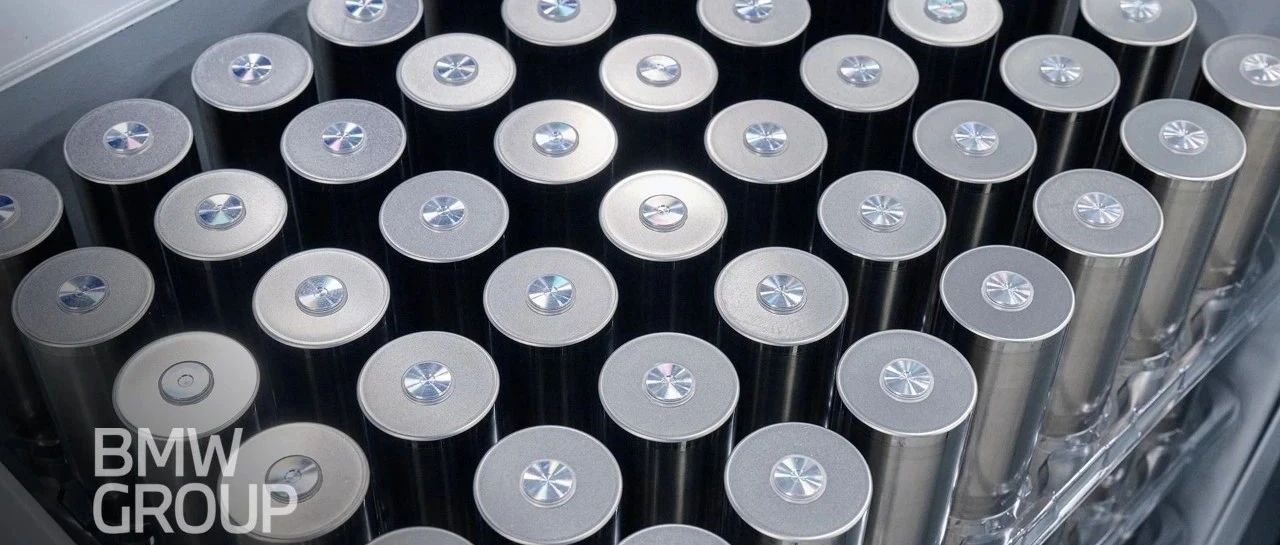
Core Viewpoint - The large cylindrical battery industry is entering a new phase of rapid industrialization, driven by technological advancements, increased production capacity, and diverse market demands [2][4][7]. Group 1: Market Demand and Production Capacity - Tesla announced that its 4680 battery capacity has reached 17 GWh, while Yunshan Power has launched a 1.5 GWh mass production demonstration line for large cylindrical batteries [3]. - BMW confirmed that its next-generation large cylindrical battery will be installed in the sixth-generation eDrive system models, with mass production expected at its Shenyang plant by 2026 [3][4]. - Companies like CATL, EVE Energy, and others have reported progress in production capacity and technology upgrades, indicating a strong signal for the application of large cylindrical batteries in vehicles [4][11]. Group 2: Emerging Applications - Large cylindrical batteries are ideal for various emerging applications due to their high energy density, safety, and longevity, including eVTOL, humanoid robots, and AI data centers [5][6]. - The demand for lithium batteries in humanoid robots is projected to reach 50-80 GWh by 2030, highlighting a significant growth opportunity for large cylindrical batteries [7]. - NVIDIA's plan to include Battery Backup Units (BBUs) in its new generation servers indicates a shift in data center power systems, creating new application spaces for large cylindrical batteries [7]. Group 3: Technological Advancements - The combination of "semi-solid + large cylindrical" batteries is being gradually applied in the eVTOL market, showcasing the technological versatility of large cylindrical batteries [6]. - Companies are focusing on improving production processes and yield rates, with a goal to reduce manufacturing costs while enhancing standardization and overall performance [13]. Group 4: Competitive Landscape - Chinese companies have established a comprehensive supply chain for large cylindrical batteries, demonstrating strong competitive capabilities, particularly in collaboration with global automakers like BMW [8][9]. - The production techniques of Chinese companies differ from Tesla's, with a focus on traditional wet processes that allow for better cost control and improved production yields [9][10]. - The collaboration with major suppliers has positioned Chinese large cylindrical batteries for international expansion, supported by technological breakthroughs and capacity scaling [10][11].



锁定140亿超级大订单!当升科技开启新一轮高增长周期
鑫椤锂电· 2025-03-11 01:23
Core Viewpoint - The partnership between Dangsheng Technology and LG signifies a strategic collaboration that enhances both companies' positions in the lithium battery market, with a focus on high-nickel cathode materials and solid-state battery development [1][3]. Group 1: Supply Agreement and Financial Impact - Dangsheng Technology signed a supply agreement with LG to deliver approximately 110,000 tons of various cathode materials from 2025 to 2027, with a total contract value of around 14 billion RMB [1]. - This long-term supply contract is expected to solidify Dangsheng's competitive advantage in the international lithium battery market and support sustained rapid growth in its future performance [1]. Group 2: Product Development and Market Position - Dangsheng has established a comprehensive product portfolio in high-nickel, ultra-high-nickel, and medium-nickel high-voltage materials, as well as lithium iron phosphate and next-generation battery materials [2]. - The company has overcome several performance limitations in energy density, lifespan, safety, and storage, positioning its products at the industry-leading level [2]. - In the solid-state battery materials sector, Dangsheng is among the earliest companies to develop and industrialize solid-state lithium battery cathode materials, collaborating closely with major battery manufacturers and automotive companies [2]. Group 3: Strategic Importance of LG - LG, as the world's third-largest electric vehicle battery manufacturer, plays a crucial role in the global lithium battery supply chain and aims to diversify its business, particularly in energy storage, with plans to double its revenue in the next five years [3]. - The partnership with Dangsheng is expected to elevate their strategic collaboration, leveraging Dangsheng's advanced cathode material technology to support LG's global strategy [3].

华为一体机调研:项目落地节奏,接入模型-DeepSeek,订单量估计,核心上游供应链公司等
2025-03-09 13:40
Summary of Conference Call Notes Company and Industry Overview - The conference call primarily discusses **卓翼科技 (Zhuoyue Technology)** and its operations in the **integrated machine (一体机)** sector, particularly in collaboration with **华为 (Huawei)** [1][5]. Key Points and Arguments 1. **Current Business Situation in Integrated Machines**: - 卓翼科技's business volume in the integrated machine sector is currently low, focusing mainly on communication devices like optical modems and routers. The collaboration with Huawei is primarily around these devices, with no large-scale cooperation in integrated machines yet, although 卓翼 has entered Huawei's supplier database [1]. 2. **R&D Team Size**: - The current R&D team consists of approximately 20 to 30 members, a reduction from over 100 previously. This reduction has created some shortcomings in front-end R&D, but卓翼's robust back-end manufacturing system remains a significant competitive advantage [2]. 3. **Profitability of OEM/ODM Business**: - The gross margin and net profit margin of 卓翼's OEM/ODM business align with the general conditions of the manufacturing industry. The company focuses on efficiency improvements and team collaboration to maintain competitiveness, achieving a capacity utilization and delivery capability of 90 out of 100 [3]. 4. **Assembly Costs and Market Expectations**: - The assembly cost for an integrated machine ranges from 150 to 300 yuan, with expectations that integrated machines will be a future trend [4]. 5. **Market Share and Competitive Advantages**: - 卓翼科技 anticipates capturing 50% of Huawei's integrated machine supply chain. Competitive advantages include a long-standing partnership with Huawei, a supply chain built to Huawei's standards, and recognized production capabilities [5]. 6. **Challenges in Production Standards**: - Huawei's integrated machine design emphasizes automation and semi-automation, requiring significant investment in equipment upgrades. This high standard poses challenges for suppliers in terms of capital investment and technological upgrades [7]. 7. **Order Timeline and Current Progress**: - Orders are expected to materialize in early Q2, with ongoing preparations. Initial order targets are between 10,000 to 15,000 units, starting with a gradual increase in delivery scale [8]. 8. **Rationale for New Project Introduction Amid Losses**: - Despite overall losses, particularly in the digital division, the Huawei division remains profitable. The decision to introduce the integrated machine project was based on a detailed assessment of labor costs and equipment return on investment [9]. 9. **Production Process and Key Technologies**: - The integrated machine utilizes the DeepSeek model, with production processes similar to optical modems. Key technology focuses on testing and aging systems, with an emphasis on automation throughout the production process [10]. 10. **Investment and Risk Assessment for Automation**: - Establishing an automated production line requires an investment of approximately 20 million yuan. However, if the standards are not met, the investment return could be uncertain [11]. Additional Important Information - The call highlights the importance of maintaining high standards and efficiency in production to meet Huawei's stringent requirements, which could significantly impact 卓翼科技's future growth and profitability in the integrated machine market [6].

在欧洲,没人提DeepSeek
36氪· 2025-03-06 10:31
Core Viewpoint - The Mobile World Congress (MWC) 2025 is evolving to focus more on AI technologies rather than traditional communication, resembling the Consumer Electronics Show (CES) [6][4]. Group 1: Event Overview - MWC 2025 officially opened on March 3 in Barcelona, showcasing major tech companies like Lenovo, Huawei, Xiaomi, Google, Samsung, and LG [3]. - The event is increasingly showcasing what technologies can do for users rather than just the technologies themselves [6]. Group 2: Company Highlights - Xiaomi made a significant impact at MWC with its SU7 Ultra, which garnered over 19,000 orders shortly after its release, overshadowing other products like the Xiaomi 15 Ultra [8]. - Google had a prominent presence with its Android, Google Cloud, and Google Pixel exhibits, utilizing its Gemini model to attract attendees [10]. - Notably absent from the event was DeepSeek, a major language model that has gained attention in China, indicating a potential gap in AI solution showcases [11]. Group 3: Technological Innovations - Lenovo showcased a new foldable laptop with an external screen, continuing its trend of innovative display technologies [17]. - The "Magic Bay" technology from Lenovo allows for multiple screen configurations, enhancing user experience by providing additional display options [18]. - Lenovo's Tiko device, which serves as an AI assistant with interactive capabilities, represents a shift towards more personalized computing experiences [20][21]. Group 4: Industry Trends - The shift in focus at MWC reflects a broader trend in the tech industry where AI is becoming a central theme, influencing hardware and software development [4][22]. - The evolution of personal computing devices is being driven by AI advancements, suggesting a significant transformation in how these devices will function in the future [22].

从 1 到 10 的跨越:固态电池赛道激战正酣,现状与挑战全解析
Wind万得· 2025-03-04 22:40
Core Viewpoint - Solid-state batteries are positioned as a key technology in the transition to renewable energy and are expected to see significant market growth, particularly in the automotive sector, with mass production anticipated between 2026 and 2030 [1][2]. Group 1: Characteristics of Solid-State Batteries - Solid-state batteries utilize solid electrolytes, offering higher safety, energy density, and longevity compared to traditional lithium-ion batteries [2][4]. - The energy density of solid-state batteries is projected to exceed 500Wh/kg, with a cycle life of over 10,000 cycles, significantly outperforming current lithium battery technologies [2][4]. Group 2: Market Dynamics - The global solid-state battery shipment is expected to reach 614.1GWh by 2030, with the Chinese market potentially growing to 20 billion yuan [1][14]. - The rapid expansion of the electric vehicle (EV) market and the increasing demand for energy storage solutions are driving the growth of solid-state batteries [13][14]. Group 3: Technology Routes - Three main technology routes for solid-state batteries are identified: polymer, oxide, and sulfide, each with distinct advantages and challenges [6][7][8]. - Polymer electrolytes are flexible and compatible with existing production processes but have lower ionic conductivity at room temperature [6]. - Oxide electrolytes offer excellent thermal stability but suffer from low ionic conductivity and interface issues [7]. - Sulfide electrolytes exhibit high ionic conductivity and energy density but face challenges related to chemical stability and production costs [8]. Group 4: Industry Chain Characteristics - The solid-state battery industry chain includes raw material supply, battery manufacturing, and end-user applications, with a strong emphasis on technological innovation and collaboration across the supply chain [11]. - The upstream supply of materials like lithium, cobalt, and nickel is critical, with a focus on sustainability and cost stability [11]. Group 5: Investment Trends - The solid-state battery sector has seen significant investment activity, with over 24 financing rounds totaling more than 984 million yuan in 2024 alone [16][18]. - Notable companies in the sector are actively securing funding to advance their technologies and production capabilities [16][18]. Group 6: Challenges Ahead - Solid-state batteries face several challenges, including technological bottlenecks related to electrolyte materials and interface stability, high production costs, and the need for a more integrated supply chain [19][21]. - The current cost of solid-state batteries is more than double that of traditional lithium batteries, which may hinder widespread adoption in the short term [21].
速递|AI搜索独角兽Perplexity推出AI手机售价数百美金,与德国电信运营商合作
Z Potentials· 2025-03-04 05:33
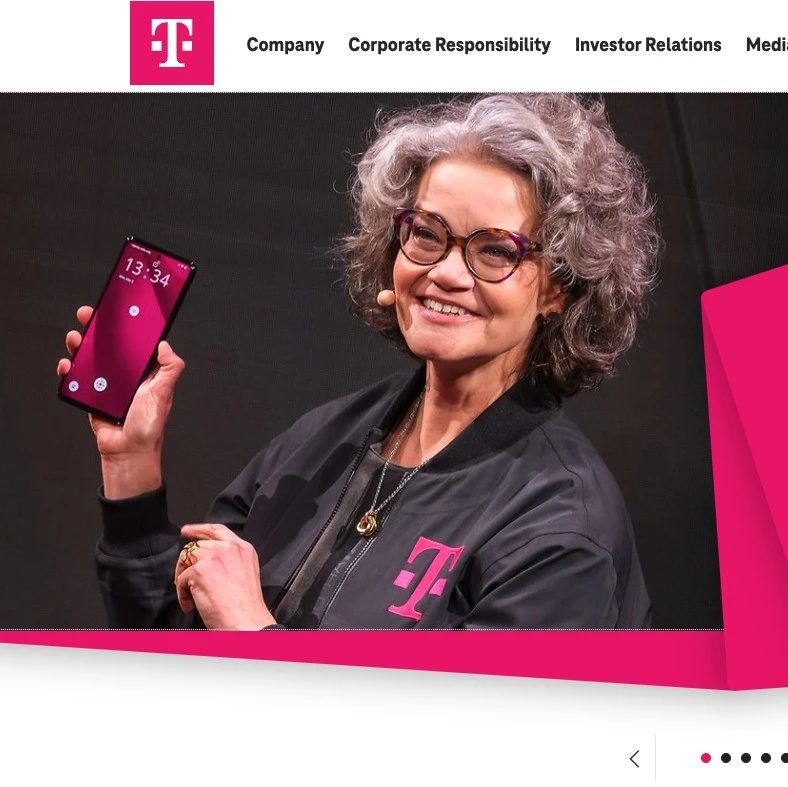
Core Viewpoint - Deutsche Telekom is developing an "AI Phone" in collaboration with companies like Perplexity and Picsart, aiming to integrate AI capabilities into a low-cost smartphone targeted at the European market, with a launch planned for the second half of this year and a price under $1000 by 2026 [1][2][4]. Group 1: Product Development - The AI Phone will feature a new AI assistant application called "Magenta AI," which will be available for existing Deutsche Telekom customers on Android and iOS devices [6]. - Perplexity, valued at approximately $9 billion, plays a crucial role in the phone's development, transitioning from a passive answering machine to an active assistant capable of performing tasks like booking flights and sending messages [2][3][7]. - The phone is expected to incorporate AI services from Google Cloud, ElevenLabs, and Picsart, enhancing user experience through proactive assistance [4][6]. Group 2: Market Context - The initiative reflects a broader trend among telecom operators to compete more effectively with tech giants like Apple and Google, who have historically dominated the smartphone market and limited telecom companies' roles [3][4]. - Deutsche Telekom's move into AI-driven hardware represents a strategic effort to strengthen its consumer presence in a highly competitive market, where traditional companies are increasingly viewing AI as a potential solution to regain market relevance [6][7]. - The collaboration with Perplexity marks a significant step for both companies, as they seek to differentiate themselves in a crowded market where even established players like LG have exited [7].
115亿!TCL科技拟收购深圳华星半导体21.5311%股权
WitsView睿智显示· 2025-03-04 03:25
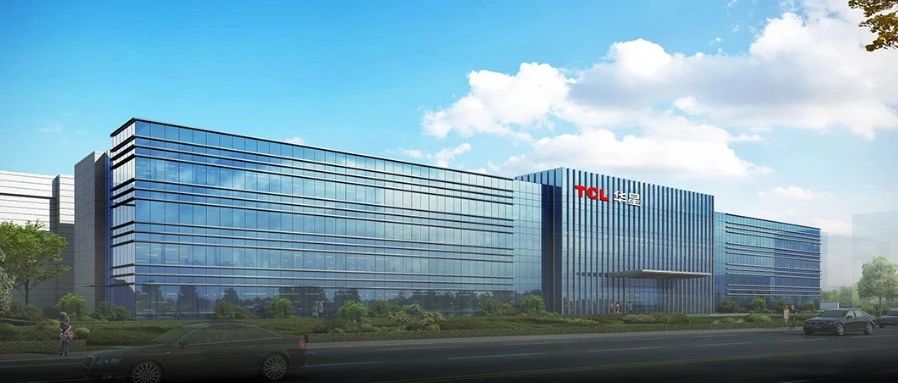
Core Viewpoint - TCL Technology plans to acquire a 21.5311% stake in Shenzhen Huaxing Semiconductor Display Technology Co., Ltd. for a transaction price of 11.562 billion yuan, enhancing its position in the semiconductor display sector [1][2]. Group 1: Transaction Details - The acquisition will be financed through the issuance of shares and cash payments, with TCL also raising up to 4.359 billion yuan from no more than 35 specific investors [2]. - Shenzhen Huaxing Semiconductor focuses on semiconductor display business, primarily producing large-size TFT-LCD display devices, with major clients including TCL Electronics, Samsung, Xiaomi, and LG [2][3]. Group 2: Financial Performance - For the period from January to October 2024, Shenzhen Huaxing Semiconductor reported revenues of 1,982.14 million yuan and a net profit of 214.87 million yuan, with semiconductor display device revenue accounting for 98.72% of total revenue [3]. - Post-transaction, TCL's equity attributable to shareholders will increase by 4.35%, and net profit is expected to grow by 26.10% [5]. Group 3: Shareholding Structure - After the transaction, the shareholding structure will change, with the Major Industry Fund becoming the second-largest shareholder with a 4.99% stake [5]. - TCL Huaxing will hold a 35.4067% stake, while the Major Industry Fund and Samsung Display will hold 32.2967% and 5.0239% respectively [5]. Group 4: Strategic Implications - The transaction is expected to strengthen TCL's leading position in the semiconductor display field, enhancing its core competitiveness and profitability [6]. - Shenzhen Huaxing Semiconductor will continue to leverage its technological advantages in large-size and ultra-high-definition display products to contribute to TCL's growth [6].

诺达智慧 总经理 江国龙:半固态圆柱电池技术发展
起点锂电· 2025-03-03 10:35
2月28日,以"聚集新技术 探索新工艺"为主题的行业首届圆柱电池技术——2025起点锂电圆柱电池技术论坛暨圆柱电池20强排行榜发布会,在 深圳宝安登喜路国际酒店正式举办,现场超200+圆柱电芯及应用、300+电池材料设备配套企业齐聚盛会,携手共探新发展,共创新机遇。 在圆柱电池工艺及智能制造专场环节, 诺达智慧 总经理 江国龙 发表了《半固态圆柱电池技术发展》主题演讲。 图:诺达智慧 总经理 江国龙 以下是速记整理内容: 各位领导,各位行业专家,大家下午好! 固态电池和半固态电池,大家以前看的都是用在软包电池、方形电池,但是圆柱上很少看到。 首先我先介绍一下诺达智慧,公司2016年建厂,2019年在广西有自己的工厂,2022年开始在广东惠州建立了自己的工业园,主要量产产品 18650-3500mAh和21700-5000mAh圆柱型电池。 我今天想和大家分享的固态电池有两个点: 1.圆柱的固态和半固态。 2.圆柱的全极耳。 为什么大部分公司很少去做固态的圆柱电池呢?电解液在电池的安全性里只占了10-20%的性能,没有液态电解液,其实也不能算是完全安 全,最重要的是在失效时让整体温度不超过正负极主材料的热失控温 ...