
零跑汽车

Search documents
零跑朱江明回应车企价格战:绝对不能亏本卖车
Jin Rong Jie· 2026-01-09 04:30
Group 1 - The core viewpoint of the articles highlights the importance of maintaining profitability in the electric vehicle (EV) sector, with a strong emphasis on not selling vehicles at a loss [1] - The founder of Leap Motor predicts that the market share of new energy vehicles in China will expand to 80% to 90% within the next 3 to 5 years, indicating a significant growth potential for the industry [1] - Leap Motor aims to achieve a cumulative delivery of 596,555 vehicles in 2025, representing a year-on-year growth of 103%, and is targeting an annual sales goal of 1 million vehicles by 2026 [4] Group 2 - In the first half of 2025, Leap Motor achieved its first positive net profit for a half-year period, becoming the second new force in car manufacturing in China to reach this milestone [4] - The company reported a net profit of 150 million yuan in the third quarter of 2025, marking a continuous quarterly profit [4] - The automotive industry is experiencing a price war, with 177 models seeing price reductions in 2025, including 73 pure electric vehicle models [5] Group 3 - In 2026, changes in policies regarding vehicle purchase tax and scrapping subsidies are expected to impact the new energy vehicle market [5] - The market regulatory authority has issued guidelines to prohibit high-risk pricing behaviors, which is expected to lead to a more orderly competition in the automotive industry [5]

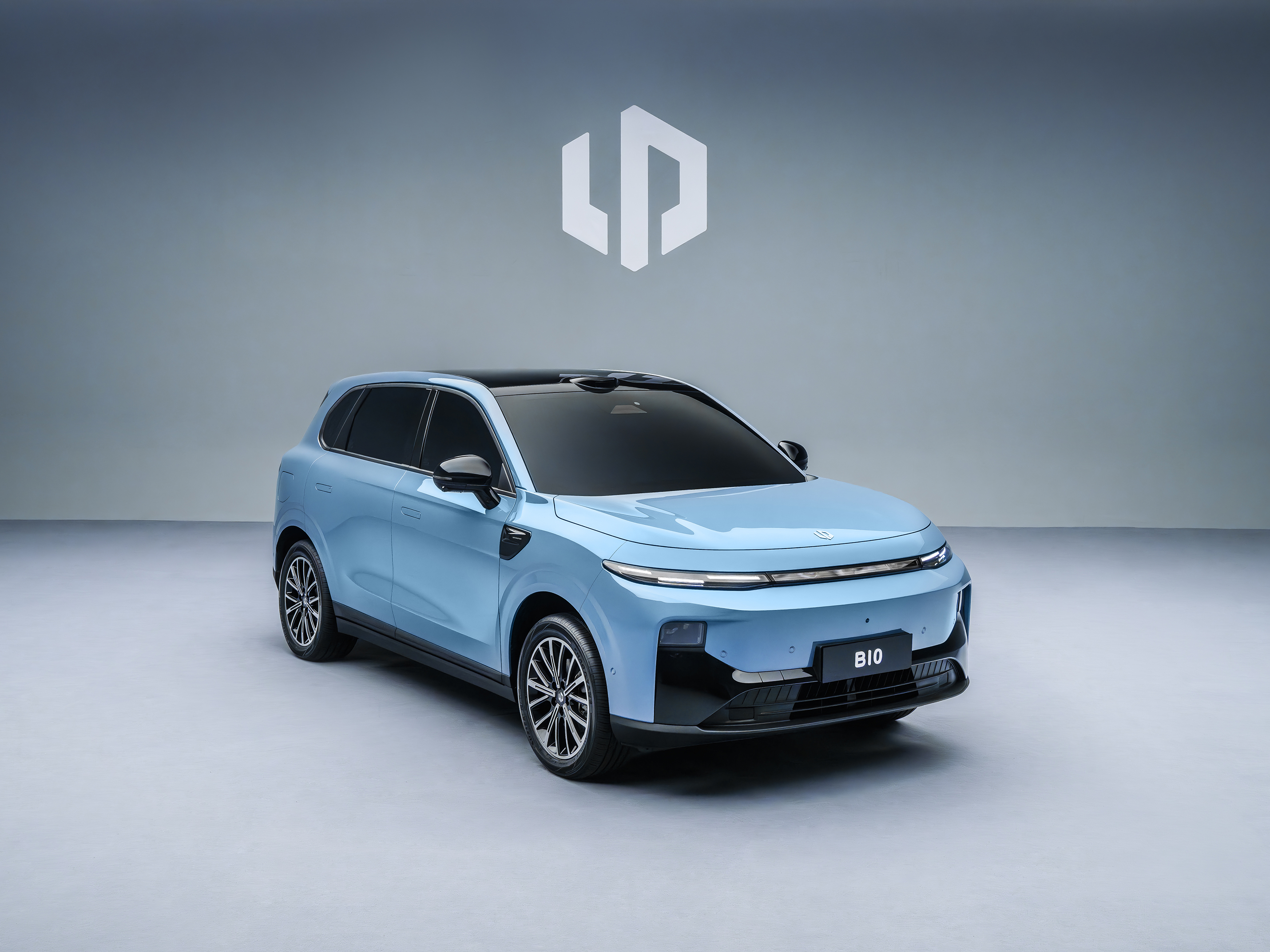
浙江零跑汽车销售服务公司增资至8.5亿
Sou Hu Cai Jing· 2026-01-09 04:27
Core Insights - Zhejiang Leap Motor Sales Service Co., Ltd. has increased its registered capital from 200 million RMB to 850 million RMB, representing a 325% increase [1] Company Overview - The company was established in August 2018 and is wholly owned by Zhejiang Leap Technology Co., Ltd. [1] - The legal representative of the company is Xu Jun [1] Business Scope - The company's business activities include retail and wholesale of auto parts, sales of automotive decorative products, sales of new energy vehicles and their electrical accessories, sales of mechanical and electrical equipment, and internet data services [1]

跨国车企的「廉价」小车反攻
Di Yi Cai Jing· 2026-01-09 03:30
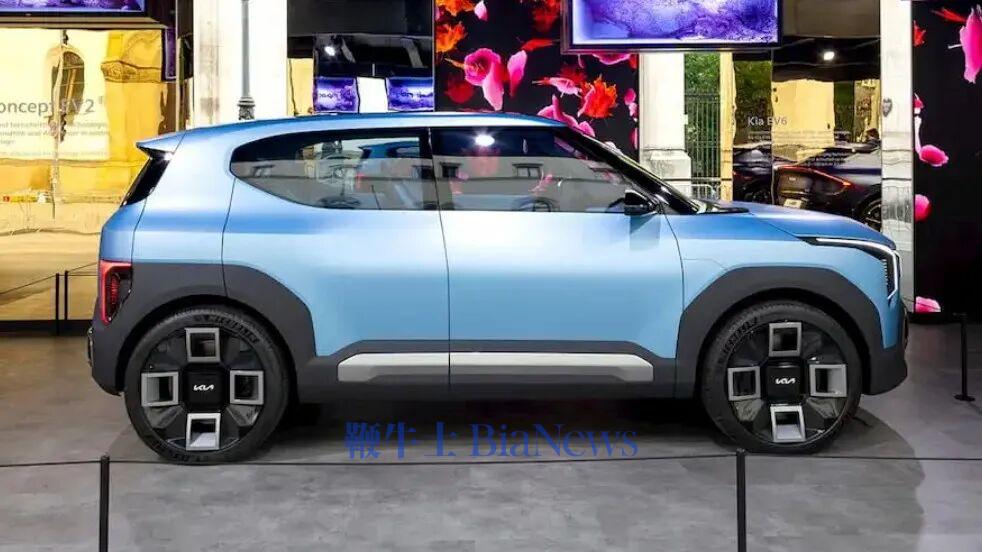
Group 1 - The core viewpoint is that multinational automakers are planning to launch more affordable electric vehicles in response to the growing presence of Chinese electric vehicle brands in the European market [2][5][8] Group 2 - Kia's new entry-level model, the EV2, will debut on January 9, 2026, at the Brussels Motor Show, positioned as the smallest and cheapest electric vehicle from Kia, with an expected price around €30,000 [3] - Volkswagen's classic small car, Polo, will return as an electric model named ID. Polo, built on the new MEB+ platform, with a planned launch in spring 2026 at a starting price of €25,000 [4] - Other automakers like Renault, Nissan, Hyundai, and Ford are also set to introduce more economical electric vehicle models in 2026 [6] Group 3 - Renault plans to launch a new electric Twingo in early 2026, incorporating elements from the classic 1990s model, with a price below €20,000, relying on Chinese market components for about 40% of its parts [7] Group 4 - Despite potential tariff increases, Chinese brands are expected to continue their strong performance in the European market, with total registrations in the broad European market reaching 12.099 million units from January to November 2025, a 1.9% increase year-on-year [8] - Electric vehicles are a major growth driver, with pure electric vehicle sales reaching 2.276 million units, a 27.4% year-on-year increase, and plug-in hybrid sales at 1.149 million units, up 33.1% [8] - Volkswagen Group remains the market leader with a 27% share, but two Chinese companies, SAIC (mainly MG) and BYD, have entered the top ten in sales, with SAIC selling 274,000 units (up 26.1%) and BYD selling 160,000 units (up 276%) [8][9] Group 5 - Smaller Chinese automakers have shown even more remarkable growth, with Leap Motor's electric vehicle sales in Europe surging over 4000% year-on-year, and Chery's Omoda brand experiencing an 1100% increase [10]

广发证券:“定比例”补贴对乘用车行业利润拉动几何?
Zhi Tong Cai Jing· 2026-01-09 03:29
Core Viewpoint - The adjustment of the vehicle trade-in policy to a "proportional subsidy" will significantly benefit mid-to-high-end vehicles, with an expected profit increase of 15.9 billion yuan for the passenger car industry in 2026 [1][2][3]. Group 1: Policy Changes and Impacts - The new policy, effective from December 30, 2025, includes a scrapping subsidy of 12% for new energy vehicles and 10% for fuel vehicles, with maximum subsidies of 20,000 yuan and 15,000 yuan respectively [1]. - The trade-in subsidy will provide 8% for new energy vehicles and 6% for fuel vehicles, with maximum subsidies of 15,000 yuan and 13,000 yuan respectively [1]. Group 2: Profit Projections - Based on data from Chongqing, the proportional subsidy is expected to increase the profit of the passenger car industry by 15.9 billion yuan in 2026, with profit growth in different price segments projected as follows: 0 yuan for under 100,000 yuan, 300 million yuan for 100,000-150,000 yuan, 2.9 billion yuan for 150,000-200,000 yuan, and 12.8 billion yuan for above 200,000 yuan [2][3]. - The total amount of trade-in subsidies is projected to decline by approximately 30 billion yuan in 2026, but the subsidy amount for vehicles priced above 150,000 yuan is expected to increase by about 14 billion yuan [3]. Group 3: Investment Recommendations - The report suggests focusing on various companies within the passenger vehicle supply chain, including Geely, BYD, Chery, and others as potential investment opportunities [4]. - Companies positioned for growth include SAIC Motor, while others like Great Wall Motors and Changan Automobile are identified as left-side targets [4].

跨国车企的“廉价”小车反攻
第一财经· 2026-01-09 03:24
Core Viewpoint - The article discusses the increasing competition in the European electric vehicle (EV) market, highlighting the strategies of multinational car manufacturers to counter the growing presence of Chinese brands like BYD and MG by launching more affordable electric models [3][5]. Group 1: New Electric Vehicle Launches - Kia has confirmed the launch of its new entry-level model, the EV2, which will debut at the Brussels Motor Show on January 9, 2026. This compact electric SUV is set to be the smallest and cheapest electric vehicle from Kia, targeting a price point around €30,000 [3]. - Volkswagen plans to reintroduce its classic Polo as an electric model named ID. Polo, which will be based on the new MEB+ platform and is expected to start at €25,000, with a launch planned for spring 2026 [3]. - Renault, Nissan, Hyundai, and Ford are also set to introduce more economical electric models in 2026, with Renault's new electric Twingo expected to be priced below €20,000, relying on Chinese components for about 40% of its parts [4]. Group 2: Market Dynamics and Competition - Despite facing increased tariffs, Chinese brands are making significant inroads into the European market. In the first 11 months of 2025, the total registration in the broad European market reached 12.099 million vehicles, a 1.9% increase year-on-year, with electric vehicles driving this growth [5]. - The sales of pure electric vehicles reached 2.276 million units, marking a 27.4% year-on-year increase, while plug-in hybrid vehicles saw a 33.1% increase with 1.149 million units sold [5]. - Among the top ten car manufacturers in Europe, SAIC (mainly MG) ranked eighth with sales of 274,000 units, a 26.1% increase, while BYD ranked tenth with 160,000 units sold, experiencing a substantial growth of 276% [5][6]. Group 3: Emerging Chinese Brands - Chinese brands like Leap Motor and Chery's Omoda have shown remarkable growth in the European market, with Leap Motor's electric vehicle sales surging over 4000% year-on-year, and Omoda's sales increasing by 1100% during the same period [6].

大行评级|高盛:予比亚迪及小鹏汽车“买入”评级 受惠于海外市场销售扩张
Ge Long Hui· 2026-01-09 03:05
高盛预计中国2026年新能源车零售销量增长约10%。在不同价格区间方面,多数企业认为17万至18万元 以上车型的补贴力度基本不变,但低价车型在新政下的补贴下降幅度显著。该行给予比亚迪及小鹏汽 车"买入"评级,因具备相对优势,受惠于更高的海外市场销售扩张。 高盛发表报告指,近日举办中国汽车2026年管理层展望系列会议,举行了10场在线会议,涵盖六家整车 制造商(OEM)、两家零件供应商及一家经销商,参与公司包括上汽集团、广汽、小米、零跑汽车、长城 汽车、赛力斯等。该行对中国汽车行业观察到四大核心主题:(1)公司管理层普遍对行业总量持保守态 度;几乎所有OEM预期企业自身将实现双位数销量增长,并加大海外拓展力度,(3)新车型推出节奏积 极,尤其高端市场竞争显著加剧;(4)汽车产业链各环节或面临潜在价格及利润率压力。 ...

练好内功,才能把潜力激发出来(与企业家谈“新”)
Zheng Quan Shi Bao Wang· 2026-01-09 02:53
Core Viewpoint - The rapid development of China's new energy vehicle (NEV) industry has positioned it as a global leader in production and sales for ten consecutive years, with Leap Motor emerging as a significant player in this sector [1]. Group 1: Industry Challenges and Strategies - Entering the automotive industry posed significant challenges due to intense market competition, high capital requirements, and the need for advanced technology integration [2]. - The company faced a downturn in the NEV market in 2019, leading to lower-than-expected sales for its first vehicle, prompting a reassessment of its strategies [3]. - To thrive in a competitive "red ocean" market, companies must focus on internal capabilities, product quality, and pricing strategies [4]. Group 2: Pricing and Profitability - The company emphasizes that selling vehicles at a loss is not sustainable, advocating for maintaining profit margins while enhancing product quality and reducing costs through market competition [5]. Group 3: Technology and Innovation - The company prioritizes in-house research and development to master core technologies, which is essential for maintaining competitive advantages in the NEV sector [7][8]. - The focus on technology is seen as a long-term investment, with expectations for continuous innovation and improvement in product offerings over the next decade [10]. Group 4: Market Outlook - The company predicts that the market share of NEVs in China will increase to 80% to 90% within the next 3 to 5 years, driven by economic benefits and technological advancements [11]. - The transition from policy-driven growth to market-driven dynamics is expected to accelerate the adoption of NEVs globally [11]. Group 5: Safety and Quality Assurance - The company acknowledges the growing public concern regarding the safety of NEVs and asserts that recent advancements have brought battery safety levels close to those of traditional fuel vehicles [12]. Group 6: Talent and Team Dynamics - The company maintains a high proportion of engineers (over 80%) and emphasizes the importance of team stability and efficiency in research and development [13]. - A management approach that fosters end-to-end project ownership is employed to enhance productivity and employee engagement [15]. Group 7: Global Expansion Strategy - The company adopts a collaborative approach with multinational automotive manufacturers to establish a presence in overseas markets, leveraging their distribution channels for efficient market entry [17]. - The strategy includes a gradual build-up of brand recognition and trust among international consumers, with a target of exporting approximately 60,000 vehicles by 2025 [18].
高盛:料内地车企今年本土业务利润承压 加速海外扩张 比亚迪股份及小鹏汽车-W具优势
Zhi Tong Cai Jing· 2026-01-09 02:40
Core Insights - Goldman Sachs held a series of management outlook meetings for the Chinese automotive industry, observing a generally conservative outlook on overall industry volume, with expectations of double-digit sales growth for individual companies and increased overseas expansion [1][2] - The anticipated retail sales growth for new energy vehicles in China for 2026 is approximately 10%, with significant variations in subsidy impacts across different price segments [2] - The competitive landscape in the high-end market is intensifying, with a projected launch of 119 new models in 2026, indicating a crowded high-end segment and a shift in competitive focus [3] Group 1 - The management teams of the participating companies expressed a cautious outlook for the overall industry, predicting a year-on-year retail sales growth for domestic passenger vehicles in 2026 to range from a decline of 5% to an increase of 1% [1] - The total subsidy amount for consumer goods in 2026 is estimated to be around 250 billion RMB, slightly lower than previous years, despite the continuation of the "trade-in" subsidy policy [1] - Six OEMs expect their sales growth in 2026 to range from 11% to 68%, while overseas sales growth is anticipated to be between 19% and 108% [2] Group 2 - Companies are planning to accelerate their overseas expansion in 2026, with a focus on launching more overseas versions of new models and establishing local sales and service channels [3] - The new model pipeline for this year is described as ambitious, with a significant increase in high-end models expected, particularly in the 250,000 to 300,000 RMB price range [3] - Goldman Sachs predicts a contraction in the domestic profit pool for the Chinese automotive industry in 2026, while the overseas market is expected to see accelerated adoption of new energy vehicles [3]
高盛:料内地车企今年本土业务利润承压 加速海外扩张 比亚迪股份(01211)及小鹏汽车-W(09868)具优势
智通财经网· 2026-01-09 02:33
Group 1 - The core observation from Goldman Sachs indicates a cautious outlook on the overall Chinese automotive market, with management expecting retail sales of passenger vehicles in 2026 to decline by 5% to grow by 1% year-on-year, despite the continuation of the "old-for-new" subsidy policy [1] - The report highlights that all six OEMs anticipate their sales growth in 2026 to range from 11% to 68%, while overseas sales are expected to increase between 19% and 108%, indicating a significant expansion despite a stable domestic market [2] - The management teams emphasize an accelerated overseas expansion strategy for 2026, with plans to launch more overseas versions of new models and establish local sales and service channels [3] Group 2 - The introduction of new models is expected to be aggressive, with a total of 119 new models projected for 2026, categorized by price range: 46 in the mass market (below 200,000 RMB), 37 in the mid-to-high-end market (200,000 to 300,000 RMB), and 36 in the high-end/luxury market (above 300,000 RMB) [3] - The competitive landscape in the high-end market is anticipated to become more crowded, particularly in the 250,000 to 300,000 RMB price range, which is expected to be the most competitive segment [3] - Goldman Sachs predicts a contraction in the domestic profit pool for the Chinese automotive industry in 2026, while the overseas market is expected to see accelerated adoption of new energy vehicles [3]

跨国车企的“廉价”小车反攻
Di Yi Cai Jing· 2026-01-09 02:24
Group 1 - The core viewpoint of the articles highlights the increasing competition in the European electric vehicle (EV) market, driven by the entry of Chinese brands and the response from multinational automakers who are planning to launch more affordable electric models [1][2][3] Group 2 - Kia has confirmed the launch of its new entry-level model, the EV2, which is a pure electric small SUV set to debut at the Brussels Motor Show on January 9, 2026, with an expected price around €30,000 [1] - Volkswagen is reintroducing its classic Polo as a pure electric vehicle named ID. Polo, which will be based on the new MEB+ platform and is expected to start at €25,000 in spring 2026 [1] - Renault plans to launch a new pure electric Twingo in early 2026, with a price below €20,000, relying on Chinese market components for about 40% of its parts [2] - The European market for electric vehicles is experiencing significant growth, with pure electric vehicle sales increasing by 27.4% year-on-year, and plug-in hybrid sales up by 33.1% [2] - Despite facing tariff increases, Chinese brands are gaining traction in the European market, with SAIC (MG) and BYD ranking eighth and tenth in sales, respectively, with significant year-on-year growth [2][3] - Smaller Chinese EV manufacturers are also seeing remarkable growth, with Leap Motor's sales increasing by over 4000% and Chery's Omoda brand growing by 1100% in the European market [3]