OPPO

Search documents
ETF盘中资讯 | 超150亿主力资金狂涌!美股巨头飙升加持,存储芯片+PCB携手走强!电子ETF(515260)盘中上探2.37%
Jin Rong Jie· 2025-12-22 08:11
Core Viewpoint - The electronic sector is experiencing significant capital inflow, with a net inflow of 15.577 billion yuan, leading among 31 primary industries in the Shenwan classification [1] Group 1: Market Performance - The electronic ETF (515260) saw an intraday increase of 2.37%, currently up by 2.05%, recovering above the 10-day moving average [1] - In the semiconductor equipment sector, leading companies such as Tuojing Technology and Shengmei Shanghai saw stock increases of over 6% and 5% respectively [2] - In the PCB (Printed Circuit Board) sector, Dongshan Precision and Shenzhen South Circuit both increased by over 6% and 5% respectively, with several other companies also showing strong performance [2] Group 2: Key Stocks and Indices - The top-performing stocks in the electronic ETF index include: - Tuojing Technology: 6.20% increase, total market value of 97.8 billion yuan [3] - Dongshan Precision: 6.18% increase, total market value of 147.1 billion yuan [3] - Huagong Technology: 5.44% increase, total market value of 79.5 billion yuan [3] - Other notable stocks include Aolanmi, Shenzhen South Circuit, and Shengyi Technology, all showing significant gains [3] Group 3: Industry Trends - Micron Technology's stock rose nearly 7% in the US market, boosting confidence in the global memory chip market, with expectations of increased prices for tablet products from brands like Honor and OPPO [4] - The memory chip price increase is expected to lead to a 7%-10% rise in flagship smartphone prices in 2026 [4] - Strong demand for AI is anticipated to drive significant growth in ASIC numbers from major companies like Google and Amazon between 2026 and 2027, positively impacting PCB prices and production [4] Group 4: Investment Tools and Opportunities - The electronic ETF (515260) and its linked funds are designed to passively track the electronic 50 index, focusing on semiconductor and consumer electronics sectors, and are seen as efficient tools for investing in core electronic assets [4] - The external environment is pushing China towards achieving self-sufficiency in the semiconductor industry, with strong policy support expected to benefit the electronic sector [4]

超150亿主力资金狂涌!美股巨头飙升加持,存储芯片+PCB携手走强!电子ETF(515260)盘中上探2.37%
Xin Lang Cai Jing· 2025-12-22 02:58
今日(12月22日)早盘,截至发稿,电子板块获主力资金净流入155.77亿元,板块吸金额高居31个申万 一级行业首位!热门ETF方面,荟聚电子板块核心龙头的电子ETF(515260)场内涨幅一度上探 2.37%,现涨2.05%,盘中收复10日均线。 细分方向来看,半导体设备龙头方面,拓荆科技涨超6%,盛美上海涨逾5%;PCB(印制电路板)龙头 方面,东山精密涨超6%,深南电路涨逾5%,生益科技、鹏鼎控股、沪电股份携手涨超4%。 图:电子ETF标的指数涨幅前10大成份股 | 序号 | 名称 | 涨跌幅 ▼ | 两日图 | 申万 -- 级行业 | 申万二级行业 | 申万三级行业 | 总市值 | 成交額 | | --- | --- | --- | --- | --- | --- | --- | --- | --- | | 1 | 拓荆科技 | 6.20% Vann | | 电子 | 半导体 | 非导体设备 | 978亿 | 12.25亿 | | 2 | 东山精密 | 6.18% mm | | 电子 | 元件 | 印制电路板 | 14711Z | 22.14亿 | | 3 | 华工科技 | 5.44% mm | | ...
三星明年或推“阔折叠”手机,与iPhone Fold正面交锋
Xin Lang Cai Jing· 2025-12-22 01:58
Core Viewpoint - Samsung plans to launch a "wide foldable" phone in the fall of 2026 to compete directly with Apple's first foldable phone, the iPhone Fold [1][8] Group 1: Samsung's "Wide Foldable" Phone - The "wide foldable" phone will feature a 7.6-inch inner screen and a 5.4-inch outer screen, both made of OLED material, with a 4:3 aspect ratio [1][8] - This phone is expected to support 25W wireless charging, making it one of Samsung's fastest wireless charging devices [1][8] - The aspect ratio of the inner screen is closer to that of a tablet display, providing a wider horizontal view and more efficient split-screen operation, suitable for browsing and photo viewing [1][8] Group 2: Apple's iPhone Fold - Apple is expected to release its iPhone Fold in the second half of 2026, with an inner screen size of 7.76 inches and an outer screen of 5.49 inches [1][8] - Due to development delays, the iPhone Fold may face supply shortages before the end of 2026 [1][8] - Apple considers foldable screens as a core evolution direction for the smartphone industry, designating the iPhone Fold as a "must-launch product" for next year [2][8] Group 3: Market Trends and Competitors - Other brands like OPPO, vivo, Xiaomi, and Honor are also planning to launch "wide foldable" phones next year [10] - Omdia reports that global shipments of foldable phones are expected to remain around 6.6 million units in the first half of 2025, with a 32.8% year-on-year growth in the Chinese market driven by Huawei's Mate and Pura X series [10][12] - The foldable phone market is projected to see a 51% year-on-year increase in shipments in 2026, continuing to drive market momentum into 2027 [10][12] Group 4: Market Position and Strategy - Foldable phones currently represent a small niche in the overall smartphone market, with a low single-digit percentage share [12] - For most manufacturers, the primary goal of foldable phones is to showcase technological leadership and R&D capabilities, rather than achieving high direct sales or profit targets [12] - Samsung holds a 19% market share, maintaining the top position for three consecutive quarters, while Apple follows closely with an 18% share [12]


1.1亿年轻人正在刷卡:印尼中产消费增速碾压东南亚
吴晓波频道· 2025-12-22 00:29
Core Insights - The article highlights the significant presence of Chinese brands in Indonesia, showcasing their integration into the local market and consumer culture [2] - Indonesia has become a crucial market for Chinese companies due to its large population, youthful demographic, and rapid economic growth, leading to increased consumer spending [3] - The article discusses successful business models of Chinese companies in Indonesia, emphasizing the importance of localization and leveraging domestic supply chains [6][11][14] Group 1: Market Overview - Indonesia is the fourth most populous country in the world with over 280 million people, and about half of its population is under 30 years old, indicating a strong consumer base [3] - The bilateral trade volume between China and Indonesia is projected to reach $147.8 billion in 2024, marking a 6.1% year-on-year increase [2] - The e-commerce market in Indonesia is expected to grow at a compound annual growth rate (CAGR) of 28% from 2019 to 2024, reaching 3.4 times its size in 2019 [3] Group 2: B2C Market Segmentation - The projected Gross Merchandise Value (GMV) for various B2C categories in Indonesia by 2029 includes: - Fashion and Apparel: $273.6 billion with a CAGR of 14.6% [4] - Consumer Electronics: $213.9 billion with a CAGR of 15.1% [4] - Food and Beverage: $164.3 billion with a CAGR of 17.2% [4] - Beauty and Personal Care: $144.9 billion with a CAGR of 20.6% [4] - Furniture and Home: $70.6 billion with a CAGR of 19.3% [4] Group 3: Successful Business Models - Cool-vita, a health supplement brand, achieved over 10 million sales in its first year and a GMV CAGR of over 200% over six years, becoming the top online health brand in Indonesia [9] - The company adopted localized marketing strategies, such as selling single units of products to cater to local purchasing power [11][13] - Xiaomi established a production facility in Indonesia in 2017, achieving 100% local production and becoming the second-largest smartphone brand in the country by 2018 [18][19] Group 4: Strategic Insights for Market Entry - Companies are encouraged to develop localized marketing strategies that resonate with the Indonesian consumer base [11] - Utilizing domestic supply chain advantages can enhance operational efficiency and market responsiveness [14][15] - Management teams should include local talent to ensure effective execution of strategies and cultural integration [16][17] Group 5: Future Opportunities - The article outlines plans for a private board focused on helping businesses capture opportunities in Indonesia's consumer market, emphasizing the importance of local insights and strategic partnerships [29][31]


“一线品牌”发力,游戏手机未来会越来越难做
3 6 Ke· 2025-12-22 00:08
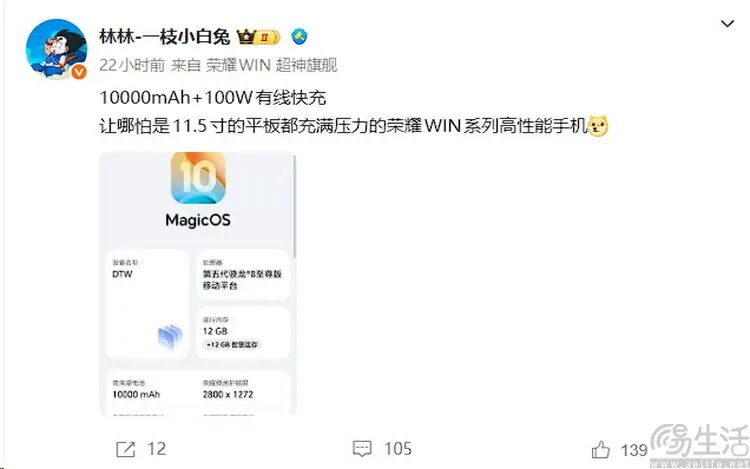
Core Viewpoint - Honor's new WIN series gaming smartphones are set to include advanced features such as a Snapdragon 8 Gen 2 processor, a 10,000mAh battery, and 100W fast charging, positioning them competitively in the gaming smartphone market [1][3]. Product Features - The WIN series will consist of two models: WIN and WIN RT, both featuring a built-in active cooling fan, indicating a clear focus on gaming performance [1]. - The devices are expected to be priced significantly lower than current high-end gaming smartphones, making them more accessible to a broader audience [3]. Market Dynamics - The introduction of gaming-oriented smartphones by major manufacturers like Honor may challenge the existing market for hardcore gaming phones, which have unique advantages that are not easily replicated [5][11]. - The gaming smartphone segment is becoming increasingly important as mobile gaming gains popularity, prompting major brands to incorporate gaming features into their devices [17]. Competitive Landscape - Major manufacturers may leverage their larger product lines and supply chain advantages to offer competitive gaming smartphones at lower prices compared to niche gaming brands [19]. - Innovations in cooling technology, such as the development of compact, blade-less cooling systems, could enable mainstream brands to enhance their gaming smartphone offerings in the near future [15].
年终报道∣智能手机的下一次变革,已被AI启动?
Zhong Guo Ji Jin Bao· 2025-12-21 08:05
Core Insights - The smartphone industry in 2025 is significantly influenced by AI, marking a shift from hardware-centric innovations to AI-driven functionalities [2][3] - AI is transitioning from a mere tool to a core operational component in smartphones, with companies like Honor and Apple leading this change [4][5] - The introduction of AI phones, such as the Doubao AI phone, has sparked discussions about the potential for AI to replace human operations in mobile tasks [6][7] Group 1: Industry Trends - AI has become the central theme in smartphone launches, with major brands emphasizing AI capabilities in their new models [3][4] - The average smartphone replacement cycle has extended to approximately 51 months, indicating a shift from smartphones being seen as fast-moving consumer goods to durable goods [3] - The introduction of AI at the system level is seen as a foundational change, with expectations that by 2026, edge AI models will become standard in the industry [5] Group 2: Market Dynamics - The Doubao AI phone has generated significant market interest, with its price skyrocketing in the second-hand market, indicating a strong consumer demand for AI-driven experiences [6][7] - However, the current AI applications in smartphones have not yet reached a "killer app" status, as they lack comprehensive user understanding and personalization [6] - The competition is shifting from hardware specifications to AI system capabilities and ecosystem integration, with companies needing to focus on long-term user value [11][12] Group 3: Regulatory and Ecosystem Challenges - The rise of AI phones has led to restrictions from various applications, limiting their functionality on devices like the Doubao AI phone [8][9] - There is a potential conflict between AI-driven operations and existing app ecosystems, which may lead to a reevaluation of app monetization and user engagement strategies [10] - The industry is facing a need for clearer regulations and communication between AI phone manufacturers and app developers to ensure a balanced ecosystem [9][10]

年终报道∣智能手机的下一次变革,已被AI启动?
中国基金报· 2025-12-21 07:59
Core Viewpoint - The smartphone industry is undergoing a significant transformation driven by AI, shifting from hardware-centric innovations to AI as a core operational component [3][5][15]. Group 1: AI's Role in Smartphones - AI has transitioned from being a marketing buzzword to a fundamental aspect of smartphone operation, with manufacturers emphasizing AI's integration into the user experience [3][5]. - Major brands like Apple, Vivo, and Honor are focusing on developing AI capabilities that operate at the system level, indicating a shift towards AI as essential infrastructure for future smartphones [6][10]. - The introduction of the Doubao AI phone exemplifies this shift, showcasing AI's potential to perform tasks autonomously, thus redefining user interaction with smartphones [9][10]. Group 2: Market Dynamics and Consumer Behavior - The global smartphone replacement cycle is lengthening, with the average annual replacement rate dropping to 23.7% by 2024, indicating a shift from smartphones as fast-moving consumer goods to durable goods [5]. - The Doubao AI phone has generated significant market interest, with its price skyrocketing in the second-hand market, reflecting consumer demand for innovative experiences rather than just hardware specifications [9][12]. - The competition is evolving from hardware specifications to AI system capabilities and ecosystem integration, as companies seek to meet consumer demands for streamlined interactions [15][16]. Group 3: Challenges and Ecosystem Impact - Despite the excitement around AI, there are concerns about the lack of "killer applications" that fully leverage AI's capabilities in smartphones, limiting its current effectiveness [8][12]. - The introduction of AI-driven smartphones has led to disruptions in existing app ecosystems, with some applications restricting access to AI operations, highlighting the tension between innovation and established app functionalities [12][13]. - The shift towards AI as an operational entity may necessitate a reevaluation of app monetization strategies and user engagement models, as AI could change how users interact with applications [13][16].

智能眼镜成“无感偷拍”工具,清洗AI标识黑灰产隐现
Nan Fang Du Shi Bao· 2025-12-21 06:32
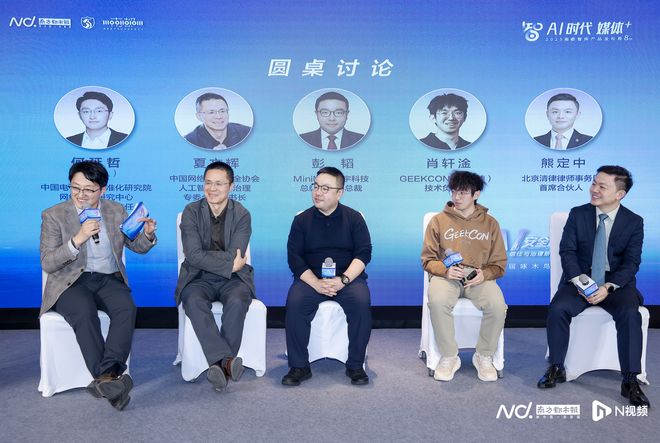
Core Viewpoint - The importance of safety in AI products is emphasized, as any lapse could lead to significant consequences for the industry and public trust [1][3]. Group 1: AI Safety Concerns - The security testing results for AI hardware products are concerning, with vulnerabilities that could allow for malicious activities, such as using AI glasses for covert surveillance [3][5]. - The current state of security for embodied intelligent robots is described as "full of holes," indicating multiple vulnerabilities that could lead to harmful actions [3][5]. - There is a significant gap in understanding the value of security among many emerging AI startups, with some companies neglecting to establish dedicated security teams until late in their development [5]. Group 2: AI Mobile Assistants - The launch of the AI mobile assistant "Doubao" has sparked controversy regarding its system-level permissions and potential risks to user privacy [6][7]. - The regulatory landscape for AI assistants is evolving, with calls for balanced oversight that prevents both excessive regulation and unchecked growth [7][8]. Group 3: AI Content Regulation - New regulations require AI-generated content to have visible and hidden identifiers to ensure accountability and traceability [9][10]. - There are emerging black market activities focused on removing AI identifiers, posing challenges for content regulation [10][12]. Group 4: AI and Youth Protection - The rise of AI companionship products has raised ethical concerns, particularly regarding their impact on youth, with incidents of self-harm linked to AI interactions [13][14]. - Companies are implementing measures to protect minors, such as usage restrictions and behavior analysis to identify underage users [14]. Group 5: AI Copyright Issues - Ongoing disputes regarding AI copyright focus on the legality of using copyrighted material for training data and the responsibilities of AI platforms [15][17]. - Recent statistics indicate a significant number of copyright infringement cases related to AI in the U.S., highlighting the urgency of resolving these issues [17]. - Collaborative agreements between AI companies and copyright holders, such as the partnership between Disney and OpenAI, are seen as potential pathways to resolve disputes and foster innovation [19].
大疆的“印钞机”,被手机厂商盯上了
虎嗅APP· 2025-12-21 03:05
Core Viewpoint - DJI stands out in the consumer electronics market by maintaining high profit margins while achieving significant market share in niche categories like drones and action cameras, unlike most competitors who are engaged in price wars and low margins [5][9]. Group 1: Market Position and Performance - DJI has consistently held over 70% market share in the consumer drone sector for the past decade, and it is projected to capture 66% of the action camera market by Q3 2025, a significant shift from GoPro's 84% in 2022 [5][9]. - The newly launched Osmo360 panoramic camera achieved a 49% market share in China and 43% globally within three months, significantly impacting the previous market leader [8]. - The Pocket series, particularly Pocket 3, is expected to sell over 5 million units in 2024, generating approximately 175 billion yuan in revenue, which is 3.5 times the total revenue of the previous market leader [19]. Group 2: Competitive Landscape - Major smartphone manufacturers like Vivo and OPPO are entering the handheld imaging market, with significant resources allocated to develop competing products, indicating a strategic shift in focus towards this segment [12][13]. - Xiaomi is also planning to launch a competitive product, aiming for a million units in sales, leveraging partnerships to enhance its market position [14]. Group 3: Unique Business Model - The success of Pocket 3 represents a departure from the typical low-margin, high-volume model prevalent in consumer electronics, achieving high pricing power and low competition [18]. - Pocket 3 has maintained a strong resale value, with second-hand prices remaining close to the original price, contrasting sharply with the typical depreciation seen in smartphones [19]. Group 4: Core Competencies and Barriers - DJI's competitive advantage lies in its advanced mechanical stabilization technology, which has been miniaturized for consumer use, making it difficult for competitors to replicate [24]. - The company has integrated its supply chain effectively, with most components being self-developed or customized, creating a barrier for new entrants [24]. Group 5: Strategic Adjustments - DJI has recently reduced the price of Pocket 3 to 2599 yuan, targeting younger consumers and Vloggers, while maintaining a profit margin that competitors find hard to match [27]. - The company is also expanding its distribution channels to reach a broader audience, indicating a shift towards making its products more accessible [27].

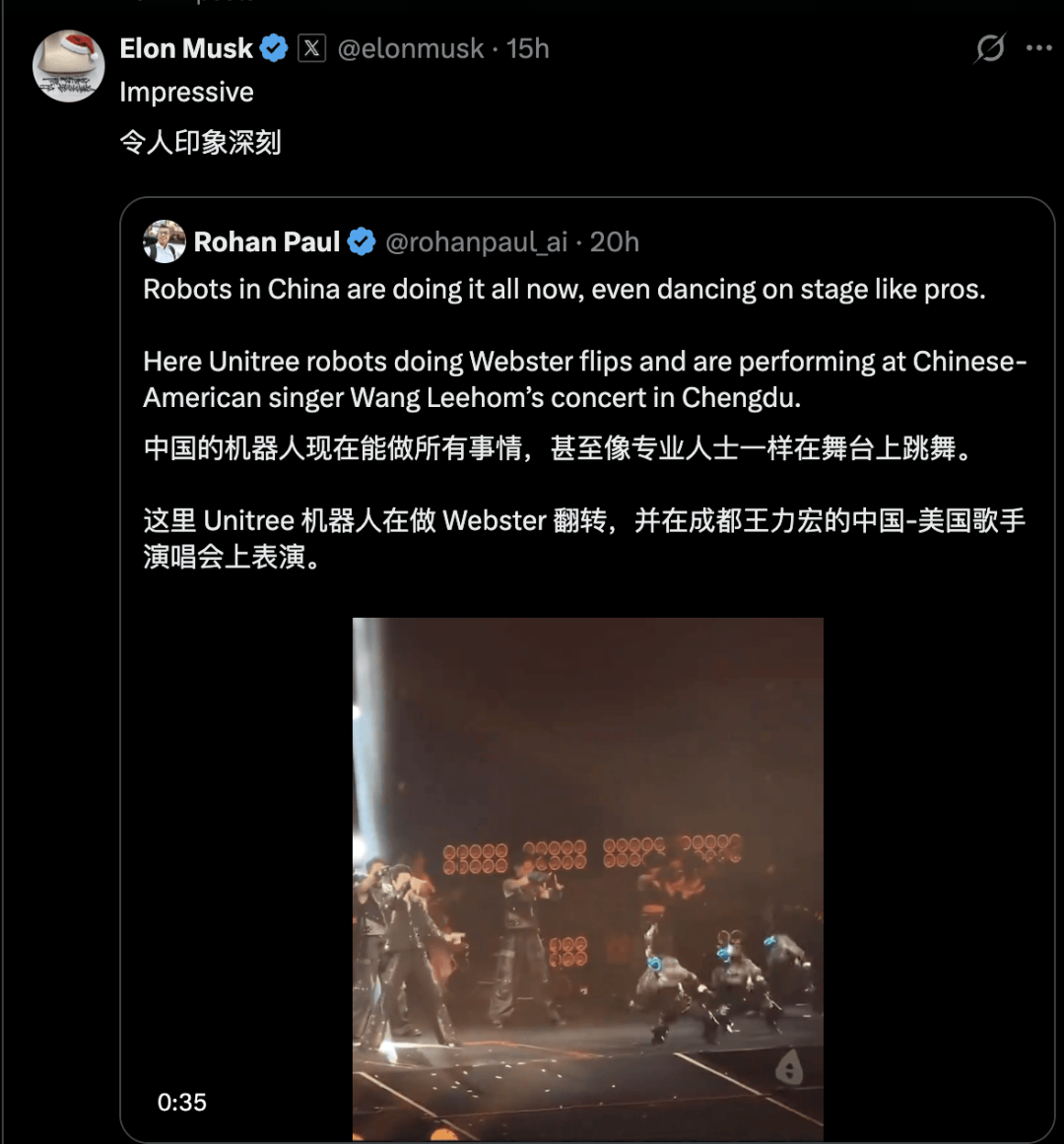
马斯克转发宇树机器人伴舞王力宏视频;内存涨价将致明年PC涨价15-20%;美法院将重审App Store垄断指控 | 极客早知道
Sou Hu Cai Jing· 2025-12-21 01:47
Group 1 - The Delaware Supreme Court ruled that Elon Musk's original $56 billion compensation plan must be reinstated, overturning a lower court's decision [1][2] - The compensation plan, approved by Tesla's board and shareholders in 2018, includes 12 performance goals that Musk can achieve to earn stock options [2] - The value of Musk's compensation plan has increased from $56 billion to approximately $140 billion, and if fully exercised, his stake in Tesla could rise to 18.1% [2] Group 2 - The U.S. Federal Trade Commission (FTC) has approved NVIDIA's $5 billion investment in Intel, aimed at collaboration in AI infrastructure and personal computing products [3] - Intel will customize x86 CPUs for NVIDIA's AI infrastructure, while NVIDIA will integrate its RTX GPU chips into Intel's x86 system-on-chip products [3] Group 3 - Sony has submitted a patent for AI real-time content review in games, allowing content to adapt for players of all ages without altering core game design [4] - The patent includes a second processor dedicated to content review, reducing the main processor's workload and enabling quick AI responses [4] Group 4 - The U.S. Ninth Circuit Court of Appeals will re-examine the 2011 antitrust lawsuit against Apple regarding the App Store, focusing on the validity of the collective lawsuit status [5] - The outcome of the collective lawsuit status is crucial, as maintaining it could lead to billions in damages for Apple, while individual lawsuits would result in minimal compensation [5] Group 5 - Merge Labs, a brain-machine interface company, is pursuing a different approach than Neuralink by using ultrasound technology to interpret brain signals [6][7] - This technology could potentially allow for "whole-brain access" and enhance personalized neurotherapy and augmentation [7] Group 6 - IDC predicts a 15%-20% increase in PC prices next year due to a memory supercycle, impacting consumers looking to purchase new computers [8][9] - The memory shortage coincides with a surge in demand for AI computers and a shift in consumer behavior following the end of support for Windows 10 [8] Group 7 - Google has launched FunctionGemma, a specialized model designed to bring advanced function calling capabilities to mobile devices without relying on cloud computing [10] - FunctionGemma is optimized for edge devices, allowing for efficient processing of user commands and structured function calls [10]