
富临精工

Search documents
动力电池板块大涨9%,产业链哪一环节最值得优先投资?
2 1 Shi Ji Jing Ji Bao Dao· 2025-09-05 10:52
Group 1 - The lithium battery sector has become a new choice for short-term capital, with significant stock price increases observed on September 5, where the power battery index rose by 9.64% [1] - The performance of sub-sectors such as anode materials and electrolytes showed notable differences, with the electrolyte sector achieving an average net profit growth of 35.4% in the first half of the year, while the positive electrode materials and lithium battery separators experienced declines [1][2] Group 2 - The electrolyte industry demonstrated the most significant performance improvement among the four main lithium battery materials, with 10 out of 11 sample companies reporting revenue growth and 9 companies showing an increase in net profit [2] - Key performance indicators for the electrolyte sector, including average revenue growth of 20.77%, net profit growth of 35.4%, and cash flow growth of 43.36%, indicate strong operational performance [2] Group 3 - The improvement in operating performance is more closely related to production and sales volume rather than electrolyte prices [3] - The domestic production of electrolytes is projected to reach 941,000 tons in the first half of 2025, reflecting a year-on-year growth of 54.57% [4] Group 4 - Leading companies such as Tianqi Materials and Xinzhou Bang reported significant increases in electrolyte sales, despite facing challenges from weak overseas demand and intense domestic competition [5][6] - Tianqi Materials achieved a revenue of 6.302 billion yuan from its lithium-ion battery materials business, marking a 33.18% increase compared to the previous year [6] Group 5 - The anode materials sector also saw growth, with six companies reporting revenue and net profit growth rates of 25.62% and 119.19%, respectively [9] - However, some companies like Xiangfenghua experienced declines in both revenue and profit due to increased competition and price drops in the graphite anode materials market [10] Group 6 - The performance of the lithium battery separator and positive electrode materials sectors was weaker, with average net profit declines of 1.3% and 54.38%, respectively [12] - Companies in these sectors, such as Xingyuan Material, faced significant drops in profit margins, with some reporting the lowest net profits in five years [12] Group 7 - The mixed operations of lithium battery companies, which often produce multiple materials, complicate the reflection of industry conditions in their performance [13]
韩企再拿7.2GWh磷酸铁锂电池订单
高工锂电· 2025-09-05 08:55
Core Viewpoint - The article highlights the shift of overseas integrators towards non-Chinese supply chains for lithium iron phosphate (LFP) batteries, driven by policy incentives, with South Korean companies securing significant orders in North America [4][6]. Group 1: Market Dynamics - SK On has signed a 7.2GWh LFP battery order with Flatiron Energy Development, following LG Energy's $4.3 billion order with Tesla, indicating a strategic move by Korean firms in the booming global energy storage market [4][5]. - LFP batteries have captured nearly 90% of the energy storage market due to their cost control and stability advantages, with North America emerging as the second-largest energy storage market [5][6]. Group 2: Competitive Landscape - Chinese battery companies have established a presence in North America, with firms like Ruipu Lanjun and Envision Energy accelerating partnerships with overseas integrators to secure long-term supply contracts [5][6]. - The U.S. regulatory environment, including tariffs and the Inflation Reduction Act, has made it challenging for Chinese battery projects to qualify for tax incentives, prompting a shift in procurement strategies among North American integrators [6][9]. Group 3: Technological Advancements - Korean companies are rapidly adapting their production lines to focus on energy storage, while also planning to expand into the power battery sector [6][9]. - Chinese battery manufacturers are not resting on their laurels; they are investing in next-generation technologies to maintain their competitive edge, with a significant milestone expected in 2025 when high-pressure LFP materials enter industrialization [8][9]. Group 4: Strategic Partnerships - LG Energy has made substantial commitments, including a record 100 billion yuan order for LFP cathode materials and joint ventures for LFP production facilities, underscoring the reliance on Chinese supply chains [7][9]. - The Chinese battery industry has established a stronghold in the LFP supply chain, making it difficult for other countries to replicate this advantage in the short term [7][9].


12.5亿磷酸铁锂项目“折戟”背后
高工锂电· 2025-09-04 11:05
Core Viewpoint - The article highlights the contrasting situations in the lithium iron phosphate (LFP) industry, where leading companies are actively expanding production, while many small and medium-sized enterprises are struggling due to their products not meeting mainstream battery manufacturers' requirements, resulting in long-term idle capacity [3][11]. Group 1: Project Terminations - Fengyuan Co. recently announced the termination of its 50,000 tons per year lithium iron phosphate project in Yunnan, which had a total investment of 1.25 billion yuan [4]. - The project aimed to leverage local lithium resources to stabilize raw material supply and reduce production costs, but it faced significant delays and ultimately was terminated due to changes in the policy environment and lack of progress in approval procedures [5][6]. - Other companies, such as Chuanjinno and Zhonghe Titanium White, have also adjusted or terminated their LFP-related projects this year, citing market changes and demand slowdown as key reasons [7][8]. Group 2: Market Dynamics - The LFP industry is experiencing a structural contradiction characterized by "low-end capacity surplus and high-end capacity shortage," which explains the challenges faced by companies like Fengyuan Co. and indicates an impending industry reshuffle [11]. - The continuous decline in lithium battery product prices and intense market competition have forced companies to adjust their production capacity to avoid cost overruns and inventory buildup [8]. - The ongoing technological advancements in lithium battery materials have left some companies struggling, as their planned expansions are now considered outdated due to insufficient R&D investment [8][9]. Group 3: Industry Trends - The LFP materials have evolved to the fourth generation, with powder compaction density increasing from 2.40 g/cm³ to approximately 2.60 g/cm³, reflecting the industry's shift towards higher density products [9]. - The market demand for LFP materials is projected to grow significantly, with an expected shipment volume of 1.61 million tons in the first half of 2025, a year-on-year increase of 68% [10]. - Leading companies like Hunan Youneng and Fulin Precision have achieved over 90% capacity utilization, necessitating expansion to meet increasing demand for high-performance products [10].


鹏华新能源汽车混合A:2025年上半年末换手率为43.73%
Sou Hu Cai Jing· 2025-09-04 03:14
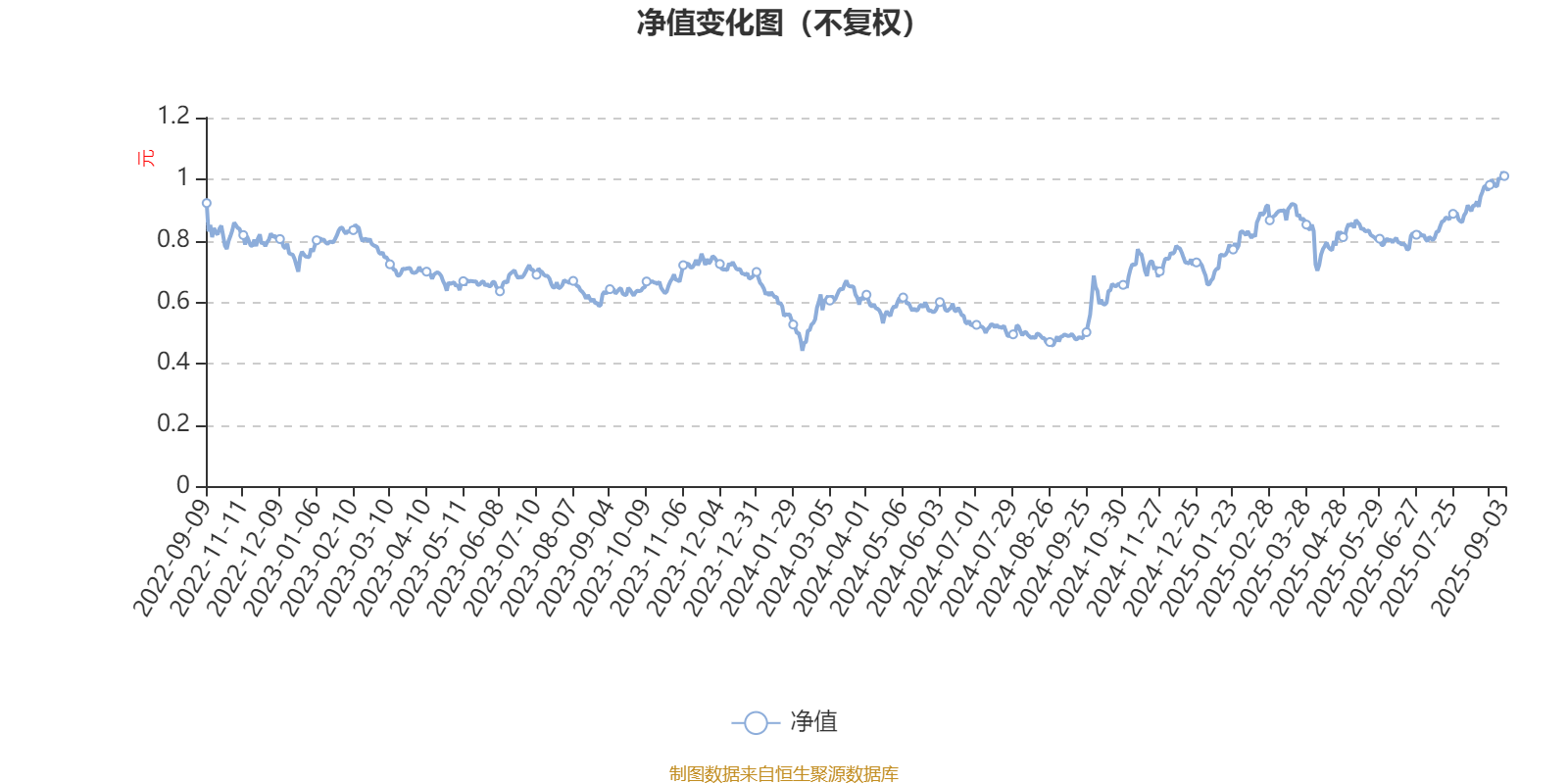
Core Viewpoint - The AI Fund Penghua New Energy Vehicle Mixed A (016067) reported a profit of 238 million yuan for the first half of 2025, with a weighted average profit per fund share of 0.1299 yuan, and a net asset value growth rate of 17.9% [2] Group 1: Fund Performance - As of September 3, the fund's unit net value was 1.01 yuan, with a fund size of 1.45 billion yuan [2][31] - The fund's one-year net value growth rate was 107.56%, ranking 6th out of 169 comparable funds [4] - The fund's three-month net value growth rate was 28.49%, ranking 36th out of 171 comparable funds [4] Group 2: Investment Strategy and Outlook - The fund manager expressed optimism about long-term economic recovery, technological upgrades, and overseas interest rate cuts, which are expected to lead to a slow bull market [2] - Key investment areas include new energy vehicles, humanoid robots, low-altitude economy, autonomous driving, solid-state batteries, and nuclear fusion, with potential market space reaching trillions [2] Group 3: Valuation Metrics - As of June 30, 2025, the fund's weighted average price-to-earnings ratio (TTM) was approximately 58.08, compared to the industry average of 36.17 [10] - The weighted average price-to-book ratio (LF) was about 2.92, slightly below the industry average of 2.99 [10] - The weighted average price-to-sales ratio (TTM) was around 2.3, compared to the industry average of 2.5 [10] Group 4: Growth Metrics - For the first half of 2025, the weighted revenue growth rate (TTM) of the fund's stock holdings was 0.06%, while the weighted net profit growth rate (TTM) was -0.22% [17] - The weighted annualized return on equity was 0.05% [17] Group 5: Fund Composition and Shareholder Structure - As of June 30, 2025, the fund had 21,900 holders, with a total of 1.754 billion shares held [34] - Individual investors accounted for 99.67% of the holdings, while management and institutional investors held 0.15% and 0.33%, respectively [34] - The fund's top ten holdings included companies like Top Group, Fulin Precision, and Ningbo Huaxiang [39]
人形机器人再现亿元级订单
财联社· 2025-09-04 02:09
Core Viewpoint - The domestic humanoid robot industry is experiencing significant growth, with multiple companies securing large orders, indicating a shift towards commercialization and increased demand for humanoid robots [1][3][4]. Group 1: Company Developments - UBTECH Robotics announced a procurement contract worth 250 million yuan for its humanoid robot Walker S2, which features an autonomous hot-swappable battery system, with delivery expected to start this year [1]. - Excluding the Tian Gong Walker, UBTECH's Walker series has secured nearly 400 million yuan in contracts [1]. - UBTECH expects to deliver over 500 industrial humanoid robots this year, with an annual production capacity reaching 1,000 units [2]. Group 2: Industry Trends - The humanoid robot sector is entering a phase of large-scale commercialization, with companies like Tiantai Robotics and Zhiyuan Robotics announcing substantial orders, including a global first order for 10,000 humanoid robots [3]. - As of August 4, 2023, Zhiyuan Robotics has won nine projects, Yushu Technology has won 68 projects, and UBTECH has won 16 projects, indicating a strong order intake compared to last year [4]. - The commercialization of humanoid robots is expected to lead to a non-linear decrease in hardware costs, driven by innovations in AI and large model development [4]. Group 3: Investment Insights - The application of humanoid robots is expanding from education and research to industrial manufacturing, commercial operations, and government services, suggesting a broader range of deployment scenarios [5]. - Investment firms recommend focusing on new technology iterations and component market trends, anticipating a restart of the supply chain with various components like tactile sensors and high-power density motors becoming available in the second half of the year [5].

磷酸铁锂企业H1盈利修复 第四代LFP加速放量
高工锂电· 2025-09-03 09:19
Core Viewpoint - Profit recovery and capacity structure adjustment are becoming the main themes for lithium iron phosphate (LFP) companies throughout the year [1][20]. Group 1: Industry Overview - Major LFP companies have seen a turning point in profit recovery in the first half of the year, with reduced losses reported by Wanrun New Energy, Defang Nano, Longpan Technology, and Anda Technology [2]. - Leading LFP companies are expanding their scale and improving capacity utilization by locking in long-term contracts, which has led to improved gross margins [3]. - The industry is shifting towards the fourth generation of lithium iron phosphate, with the shipment proportion of high-pressure dense lithium iron phosphate expected to reach 15% by the end of the year, doubling from 2024 [3]. Group 2: Company Performance - **Hunan Yuno**: Achieved revenue of 14.358 billion yuan, a year-on-year increase of 33.17%, with a net profit of 305 million yuan, down 21.59% [5][7]. - **Wanrun New Energy**: Revenue reached 4.436 billion yuan, up 50.49%, with a net loss of 266 million yuan, but the loss narrowed compared to the previous quarter [8]. - **Defang Nano**: Reported revenue of 3.882 billion yuan, a decrease of 10.58%, with a net loss of 391 million yuan, although the loss margin improved [10]. - **Longpan Technology**: Revenue of 3.622 billion yuan, up 1.49%, with a net loss of 85 million yuan, a reduction of 61.70% in losses [12]. - **Fulin Precision**: Revenue increased to 5.813 billion yuan, a growth of 61.70%, with a net profit of 174 million yuan, up 32.41% [15]. - **Anda Technology**: Revenue of 1.536 billion yuan, a significant increase of 126.80%, with a reduced net loss of 168 million yuan [18]. Group 3: Challenges and Adjustments - Companies face common issues such as rising accounts receivable and increased debt ratios due to new project investments [3]. - Hunan Yuno's accounts receivable rose to 6.302 billion yuan, accounting for 18.86% of total assets, indicating high customer concentration risks [7]. - Anda Technology's aggressive capacity expansion has led to a debt ratio of 62.88%, raising concerns about the ability to absorb new capacity if market demand changes unfavorably [18]. Group 4: Future Outlook - The industry is expected to shift from "scale expansion" to "quality improvement," with a focus on upgrading products to the third and fourth generations of lithium iron phosphate [20][21]. - Companies are also exploring integrated layouts to mitigate raw material price fluctuations and enhance profit margins [22].
大规模设备更新带来什么 今年超长期特别国债支持设备更新的投资补助资金带动总投资超一万亿元
Sou Hu Cai Jing· 2025-09-03 07:29
Core Viewpoint - The implementation of a new round of large-scale equipment updates is a crucial measure to promote high-quality development, expand effective investment, facilitate industrial upgrades, promote green development, and improve people's lives [8]. Policy Support and Financial Mechanisms - The equipment update policy provides support of up to 15% of total investment in key industrial sectors, with energy-using equipment receiving up to 20% [10]. - The central government provides interest subsidies of 1.5 percentage points on bank loans for eligible entities, while local and central finances share the costs for scrapping and updating old vehicles and agricultural machinery [10]. - The People's Bank of China has established a re-lending program for technological innovation and equipment upgrades, with a total quota of 800 billion yuan [10]. Implementation and Accessibility - The application process for subsidies is streamlined, with companies reporting quick approval times for funding, often within 20 days [13]. - Local governments have tailored initiatives, such as Jiangsu's "Transport Loan" program, which has seen significant uptake and financial benefits for companies [12]. Impact on Investment and Growth - The equipment update policy has led to a notable increase in investment, with over 20 million units of equipment expected to be updated by 2024, and a 15.2% year-on-year increase in equipment investment from January to July [15]. - The policy has significantly accelerated the pace of industrial transformation and upgrading, with companies reporting improved production efficiency and cost savings [16][17]. Environmental and Social Benefits - The policy also emphasizes green initiatives, with significant updates to energy-efficient equipment and the scrapping of older, less efficient vehicles [18][20]. - The equipment update initiative includes public infrastructure improvements, such as the replacement of aging elevators and water supply systems, benefiting millions of residents [20][21]. Circular Economy and Standards Enhancement - The promotion of large-scale equipment updates is linked to the development of a circular economy, with a focus on recycling and re-manufacturing, contributing to a growing industry valued at nearly 200 billion yuan [24]. - The enhancement of standards is crucial for guiding equipment updates towards higher efficiency and sustainability, with numerous national standards being revised to support this initiative [25].
深度观察丨大规模设备更新带来什么
Ren Min Ri Bao· 2025-09-03 05:49
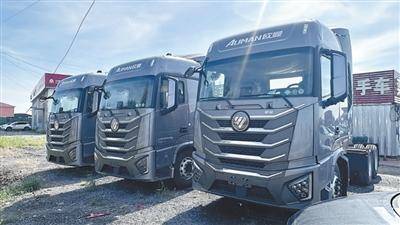
Core Insights - The implementation of a new round of large-scale equipment updates is a significant measure to promote high-quality development, expand effective investment, facilitate industrial upgrading, promote green development, and improve people's lives [1] Policy Impact - The large-scale equipment update policy has led to substantial outcomes, with the National Development and Reform Commission stating that by 2025, special long-term bonds will support approximately 8,400 projects, driving total investment exceeding 1 trillion yuan [1][3] - The support for equipment updates in key industrial sectors can reach up to 15% of total investment, with energy-using equipment support potentially reaching 20% [4][9] Financial Support - Central fiscal policies provide interest subsidies of 1.5 percentage points on bank loans for eligible entities undertaking equipment updates, with local and central governments sharing the funding burden [4] - The People's Bank of China has established a re-lending program for technological innovation and equipment upgrades, with a total quota of 800 billion yuan [4] Local Initiatives - Local governments have creatively implemented policies, such as Jiangsu's "Transportation Loan" fiscal interest subsidy, benefiting various transportation projects with significant financial support [5] Application Process - The application process for subsidies is streamlined, with companies reporting quick approval times for funding, enhancing participation in the equipment update program [6][7] Industry Transformation - The equipment update policy has accelerated industrial transformation, with significant increases in automation and efficiency reported across various sectors, such as automotive and manufacturing [10] - The digital transformation of industrial enterprises has also seen a notable rise, with the penetration rate of digital design tools reaching 85.4% [10] Environmental Focus - The equipment updates are aligned with green initiatives, including the replacement of old transformers and the promotion of energy-efficient vehicles, contributing to sustainability goals [11][12] Public Benefits - The policy extends to public infrastructure, with significant funding allocated for the replacement of aging elevators and improvements in water supply systems, enhancing community welfare [14][15] Recycling and Standards - The initiative includes a focus on recycling and the enhancement of standards, with the re-manufacturing industry seeing substantial growth and the establishment of new standards to guide equipment updates [16][18] Future Directions - The National Development and Reform Commission plans to continue coordinating efforts to ensure effective project implementation and fund management, aiming to maximize the impact of the equipment update policies [19]
大规模设备更新带来什么,产生了哪些成效?
Guo Ji Jin Rong Bao· 2025-09-03 05:36
Core Insights - The implementation of a large-scale equipment update is a significant measure to promote high-quality development, expand effective investment, facilitate industrial upgrading, and enhance green development [10] - The special bonds issued to support equipment updates have led to a total investment exceeding 1 trillion yuan, with approximately 8,400 projects supported [10] Policy Impact - The equipment update policy provides substantial support, with funding covering up to 15% of total investment in key industrial sectors [12] - The policy has resulted in significant financial benefits for companies, such as a transportation company saving nearly 100,000 yuan when updating old trucks [12][16] - Financial support includes interest subsidies on bank loans, with the central government covering a significant portion of costs for old vehicle scrapping and new energy vehicle purchases [13] Implementation and Accessibility - The application process for subsidies has been streamlined, allowing companies to receive funding quickly, often within 20 days [16] - Local governments have creatively adapted policies to suit regional needs, such as Jiangsu's "transport loan" program, which has significantly reduced financing costs for transportation companies [15] Economic Growth and Investment - The equipment update policy has contributed to stabilizing investment and growth, with a reported 15.2% year-on-year increase in equipment investment from January to July 2024 [18] - The total number of equipment updates in key sectors is expected to exceed 20 million units in 2024, indicating a robust response to the policy [18] Technological Advancement - Companies are increasingly adopting automation and intelligent equipment, leading to improved production efficiency and cost savings [19] - The policy has facilitated the digital transformation of industrial enterprises, with a significant increase in the adoption of digital design tools and CNC technology [20] Environmental Focus - The equipment update initiative emphasizes green technology, with significant progress in replacing outdated energy-consuming equipment [21] - The National Grid has completed energy efficiency upgrades for over 240,000 transformers, enhancing energy conservation efforts [22] Community Benefits - The policy extends to public infrastructure, with substantial funding allocated for updating residential elevators and improving public utilities, benefiting millions of households [23] - The initiative aims to enhance the quality of life for citizens by addressing aging infrastructure in essential services [24] Circular Economy and Standards - The promotion of recycling and circular economy practices is integral to the equipment update strategy, with significant advancements in the re-manufacturing industry [25][26] - The establishment of new standards for equipment efficiency and performance is underway, supporting the transition to high-quality development [28]
大规模设备更新带来什么(深度观察)
Zheng Quan Shi Bao Wang· 2025-09-03 04:44
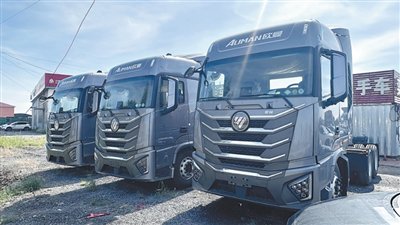
Core Insights - The implementation of a new round of large-scale equipment updates is a crucial measure for promoting high-quality development, expanding effective investment, facilitating industrial upgrades, promoting green development, and improving people's lives [10][18]. Investment and Financial Support - The investment subsidy funds supported by ultra-long-term special government bonds have backed approximately 8,400 projects, leading to a total investment exceeding 1 trillion yuan [10]. - The support for equipment updates in key industrial sectors can reach up to 15% of the total investment, with energy-using equipment support potentially reaching 20% [12][13]. - The central government provides interest subsidies of 1.5 percentage points on bank loans for eligible entities, with local and central finances sharing the burden for the scrapping and updating of old vehicles and agricultural machinery [13]. Policy Implementation and Accessibility - The application process for subsidies has been streamlined, allowing companies to receive funds quickly; for instance, one company received 1.8 billion yuan in subsidies within two months of application [16][17]. - Local governments have creatively adapted policies to suit regional needs, such as Jiangsu's "transport loan" fiscal interest subsidy, which has significantly reduced financing costs for transportation companies [15]. Industry Transformation and Upgrades - The equipment update policy has led to a notable increase in investment and growth, with the total number of equipment updates in key sectors expected to exceed 20 million units in 2024 [18]. - Companies have reported significant improvements in production efficiency and cost savings due to equipment upgrades, such as a 10% increase in production efficiency and annual cost savings of 20 million yuan [19]. Environmental and Social Impact - The equipment updates also focus on green initiatives, with significant progress in replacing old transformers and vehicles with energy-efficient models, contributing to reduced energy consumption and emissions [21][23]. - The policy has extended to public services, with funding supporting the replacement of aging infrastructure like elevators, benefiting nearly 1.7 million households [23]. Circular Economy and Standards Enhancement - The promotion of large-scale equipment updates is linked to the development of a circular economy, with the remanufacturing industry seeing an annual output value of nearly 200 billion yuan [25][26]. - The enhancement of standards is crucial for guiding equipment updates towards high-end, intelligent, and green directions, with numerous national standards being revised to support this transition [28].