
OPPO

Search documents
传音赴港,求解围城
Bei Jing Shang Bao· 2025-12-17 14:22
Core Insights - The African smartphone market is experiencing significant growth, with Omdia projecting a shipment volume of 22.8 million units by Q3 2025, a 24% increase from 18.4 million units in 2024 [1] - Transsion remains the dominant player in the African market, with a market share increase from 50% to 51% and a shipment volume growth from 9.3 million units in Q3 2024 to 11.6 million units in Q3 2025, reflecting a 25% year-on-year growth [1] - However, competition is intensifying, with Xiaomi's shipment volume increasing by 34% and Honor's by 158% in the same period, indicating a narrowing gap with Transsion [2] Market Dynamics - Transsion's revenue from its core mobile business has shown a decline across all major regions, with African revenue dropping from 10.1 billion yuan to 9.651 billion yuan, a decrease of 4.45% [4] - Overall revenue for Transsion's mobile business fell from 31.979 billion yuan to 26.093 billion yuan, a year-on-year decline of approximately 18.4% [5] - The company's market share in Africa decreased from 52% to 47% in Q1 2025, although it rebounded to 51% in Q2 2025 [5] Strategic Initiatives - Transsion is pursuing an IPO in Hong Kong to raise funds primarily for AI technology development, aiming to enhance product iteration and technical capabilities [2][6] - The company plans to leverage AI to address the competitive pressure from brands like Xiaomi and Honor, focusing on local market needs to create new competitive advantages [8] - The IPO is also intended to improve liquidity and enhance the company's international brand image, facilitating global expansion [7] Future Outlook - Despite the strategic focus on AI and IoT, Transsion faces challenges in achieving growth due to intensified competition and the need to balance market share with profitability [10] - The company's core mobile business has been under pressure, with significant revenue declines in both smartphone and feature phone segments [10] - The effectiveness of AI integration and the company's ability to adapt to market demands will be critical for future growth, as the transition from feature phones to smartphones continues in emerging markets [11][12]


FINE2026 先进电池与能源材料展,火热招展中!6月10-12日 上海
DT新材料· 2025-12-17 14:06
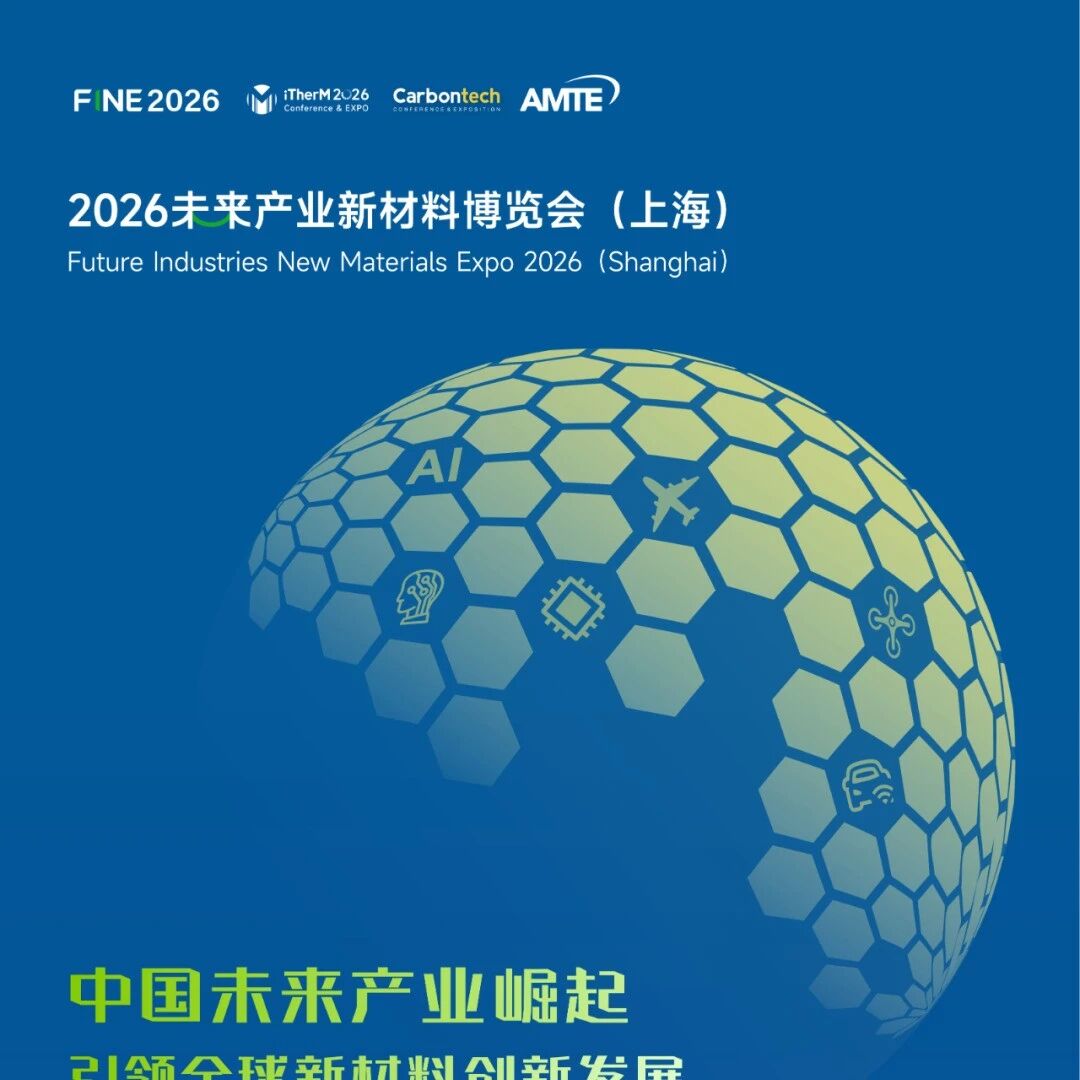
Core Viewpoint - The 2026 Future Industries New Materials Expo (FINE 2026) aims to lead global innovation in new materials, emphasizing their critical role in the transformation of high-tech industries in China and worldwide [2][3]. Group 1: Event Overview - FINE 2026 will take place from June 10-12, 2026, at the Shanghai New International Expo Center, featuring a 50,000 square meter exhibition area and over 300 strategic and cutting-edge technology reports [3][7]. - The expo will focus on five common demands in future industries: advanced semiconductors, advanced batteries, lightweight materials, low-carbon sustainability, and thermal management [6][9]. Group 2: Market Opportunities - China has established global influence in sectors such as new energy vehicles, photovoltaics, wind power, lithium batteries, and robotics, creating significant market opportunities for new materials [5]. - The government has identified key areas for breakthroughs in the 14th Five-Year Plan, including embodied intelligence, 6G, quantum technology, and hydrogen energy [5]. Group 3: Event Features - The expo will feature six specialized thematic exhibition areas, including advanced semiconductors, advanced batteries, lightweight materials, and thermal management technologies [9][12]. - FINE 2026 is expected to attract over 100,000 professional visitors and will include 30+ forums with 300+ renowned experts sharing insights on cutting-edge technology trends and investment strategies [7][22]. Group 4: Networking and Collaboration - The event will facilitate direct interactions between over 5,000 end-users and quality investment institutions, promoting face-to-face orders, collaborations, and investment discussions [6][36]. - DT New Materials has a decade of experience and a network of over 200,000 contacts, providing extensive resources for participants [6][50].
小折叠手机还有救吗?
远川研究所· 2025-12-17 13:12
Core Viewpoint - The article discusses the challenges and market dynamics surrounding the foldable smartphone segment, particularly focusing on Apple's upcoming foldable iPhone and its potential impact on the market [5][6]. Group 1: Apple's Entry into Foldable Market - Apple has been cautious about entering the foldable smartphone market, missing the rapid growth phase but now appears ready to launch its first foldable iPhone, which is expected to resemble Huawei's Pura X in design [6][9]. - The foldable iPhone has been in development for over a decade, with patents dating back to 2011, primarily focusing on addressing the issue of screen creases [10][11]. - Apple's design approach includes innovative hinge mechanisms and materials aimed at minimizing creases, but the product has faced delays due to technical challenges [14][17]. Group 2: Market Dynamics of Small Foldable Phones - Small foldable phones have struggled to gain traction in the market, with sales in China projected to be less than half of larger foldable models in 2024 [20][26]. - Key issues for small foldable phones include a lack of functional differentiation from traditional smartphones and limited profit margins for manufacturers [20][26]. - The additional components required for small foldable phones, such as hinges and flexible screens, increase production costs, making it difficult for manufacturers to maintain profitability [28][30]. Group 3: Competitive Landscape and Consumer Preferences - The competitive landscape shows that many manufacturers, including OPPO and vivo, have either exited or reduced their focus on small foldable phones due to poor sales performance [30][31]. - Consumer preferences lean heavily towards functionality and performance, with aesthetic design alone failing to justify the higher price points of small foldable devices [32][35]. - Apple's brand strength may allow it to navigate pricing challenges better than competitors, but past experiences with products like the iPhone Air suggest that design alone may not drive sales [37][38].


存储缺货,OPPO急了
半导体芯闻· 2025-12-17 10:31
Group 1 - The article highlights the increasing demand for low-power double data rate (LPDDR) memory, driven by the smartphone and AI server markets, leading companies like Samsung and SK Hynix to seek long-term agreements (LTA) for supply [1][2] - Oppo has recently proposed an LTA to Samsung and SK Hynix, requesting a guaranteed supply of LPDDR memory for at least four to six quarters, which is unusual as contracts are typically signed on a quarterly basis [1][2] - The memory shortage is affecting not only the Greater China smartphone industry but also major players like Samsung's MX division and Apple, who are struggling to fully mitigate the aggressive price increases from memory manufacturers [2][3] Group 2 - Memory manufacturers are planning to increase their share of high-value LPDDR server shipments starting in the first half of next year, as the demand for energy-efficient LPDDR rises with the AI industry's shift towards inference [2] - Samsung plans to begin shipping SOCAM2 products based on 1b (5th generation 10nm) DRAM in the first quarter of next year, while SK Hynix expects to start mass production of SOCAM2 products based on 1c (6th generation 10nm) DRAM in the second quarter [3] - The limited capacity of suppliers is expected to trigger a significant price increase for general DRAM in the first quarter of next year, as major smartphone manufacturers are actively procuring LPDDR [3]

高通荣获“全国(深圳)优秀外商投资企业-双优企业奖”
Huan Qiu Wang· 2025-12-17 03:02
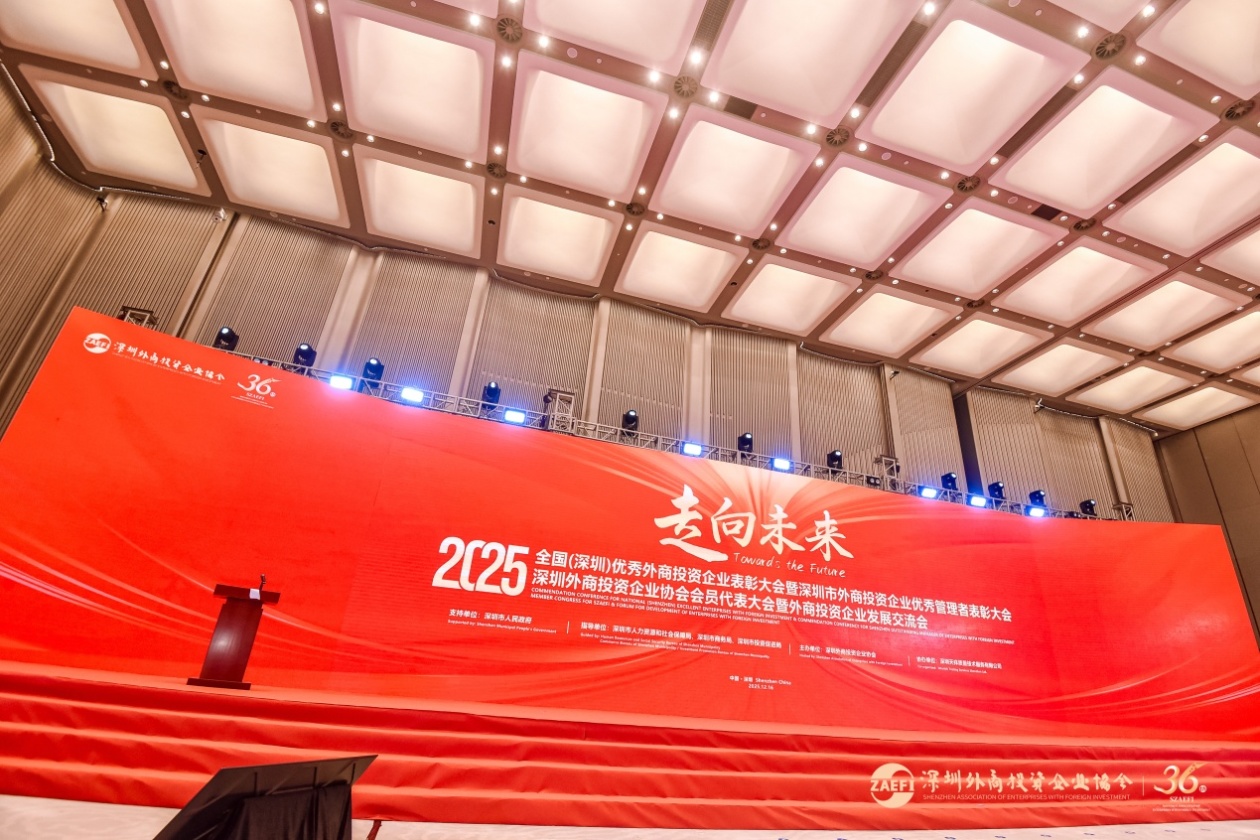
Group 1 - The event on December 16 recognized outstanding foreign-invested enterprises in Shenzhen, highlighting their contributions to the local economy and social development [1] - Qualcomm was awarded the "National (Shenzhen) Excellent Foreign Investment Enterprise - Dual Excellence Award (2024)" for the sixth consecutive year, reflecting its long-term investment and contributions to Shenzhen and China's market [1][4] - The recognition underscores Shenzhen's attractiveness as a frontier for China's opening-up and its strong development vitality, particularly in advanced technologies like 5G and AI [1][4] Group 2 - Qualcomm has been operating in Shenzhen since 2008 and established an innovation center in 2016, focusing on local industry needs and global technology experience [6] - The company has launched initiatives like the "5G Navigation Program" and "5G IoT Innovation Program" to foster collaboration with Shenzhen enterprises in smart terminals and IoT applications [6] - Qualcomm is also advancing AI capabilities, partnering with local companies to expand AI functionalities in smartphones and other devices, including a recent "AI Acceleration Program" with major Shenzhen-based firms [6] Group 3 - The "National (Shenzhen) Excellent Foreign Investment Enterprise" selection has been ongoing for 36 years, reflecting the contributions of foreign-invested enterprises to China's reform and Shenzhen's development [7] - Qualcomm aims to leverage this award as a new starting point to support Shenzhen's industry in transitioning towards intelligence and connectivity [7]

下一个五年,东莞新命题:“智创优品、和美宜居”
Nan Fang Du Shi Bao· 2025-12-16 13:21
Core Viewpoint - Dongguan is set to embark on a new five-year economic and social development plan, emphasizing "Intelligent Creation of Quality Products, Harmonious Beauty, and Livability" as its strategic goals for the upcoming period [1][14]. Group 1: Strategic Goals - "Intelligent Creation" focuses on fostering new productive forces through innovation, particularly in technology-driven industries like artificial intelligence, leveraging Dongguan's strong industrial base [6][16]. - "Quality Products" aims to enhance brand strength and product quality, addressing the long-standing challenge of the manufacturing sector in China, with local brands like OPPO and vivo exemplifying this shift [8]. - "Harmonious Beauty" emphasizes a people-centered approach to urban governance, promoting a culture of civility and community engagement to create a shared living environment for its residents [9]. - "Livability" seeks to improve urban infrastructure and services, ensuring a high quality of life for citizens while adopting a "reduction development" strategy to optimize land use [11]. Group 2: Implementation and Challenges - The integration of "Intelligent Creation" and "Quality Products" serves as a driving force for economic growth, while "Harmonious Beauty" and "Livability" provide essential support for sustainable urban development [13][21]. - Dongguan's strategic plan is aligned with Guangdong's broader mission to lead in high-quality development, positioning the city as a benchmark for other urban areas in China [14][19]. - The city faces challenges such as industrial upgrading, spatial constraints, and population integration, which are common among rapidly developing cities in the Guangdong-Hong Kong-Macau Greater Bay Area [21][24]. Group 3: Future Vision - The vision for Dongguan includes a harmonious blend of industrial growth and quality of life improvements, aiming to transform the city into a model of modern urban living that prioritizes human development [22][26]. - The strategic framework is designed to ensure that Dongguan not only maintains its status as a manufacturing powerhouse but also evolves into a leader in innovation and urban governance [16][30]. - The overarching goal is to create a vibrant city that balances economic productivity with cultural and social well-being, ultimately enhancing the quality of life for all residents [29][30].

多家厂商发布中高端手机 影像性能成为竞争焦点
Zhong Zheng Wang· 2025-12-16 11:28
Group 1 - The core focus of smartphone manufacturers such as vivo, OPPO, and Honor is on imaging performance, with optical technology upgrades becoming the competitive highlight in the mid-to-high-end smartphone market [1][2][3] - The launch of new smartphone series, including vivo S50 and Honor 500 series, showcases advanced imaging capabilities, featuring high-end sensors and optical technologies like periscope lenses and optical image stabilization (OIS) [1][2] - The demand for optical core components is expected to grow as the smartphone imaging function becomes the innovation core, driven by advancements in periscope long-focus applications and larger CMOS sensor sizes [1] Group 2 - The smartphone camera specifications are continuously evolving, with trends towards higher pixel counts, larger apertures, and multi-lens designs, indicating a shift in consumer demand for diverse imaging functionalities [2] - The penetration of periscope cameras and OIS technology is accelerating from flagship models to mid-range devices, suggesting a new growth cycle in the smartphone optical sector [3] - The introduction of advanced imaging systems in new models, such as the OPPO Reno15 series, highlights the industry's commitment to enhancing imaging capabilities through innovative technology [3]
珠三角地区企业参访,深圳、佛山企业参访
Sou Hu Cai Jing· 2025-12-16 10:16
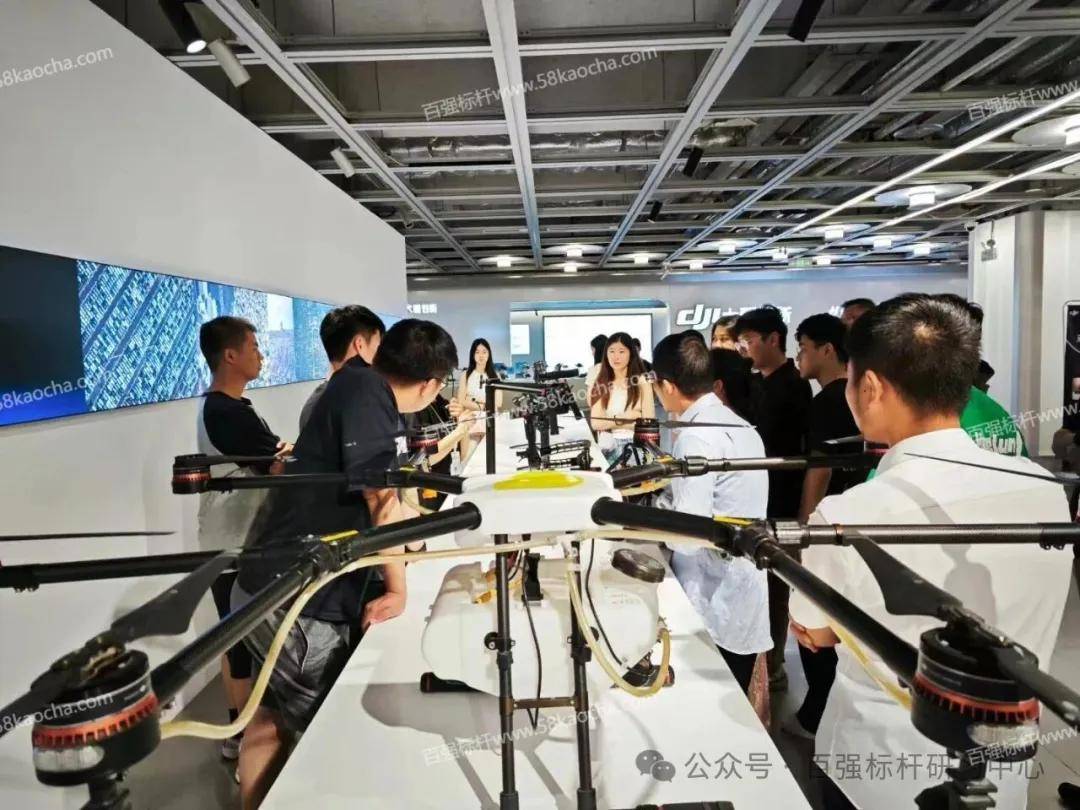
Core Insights - The Pearl River Delta (PRD) is a leading area for China's reform and opening-up, showcasing top global manufacturing, technological innovation, and industrial clusters [1] - The visit focuses on four key areas: smart manufacturing, digital economy, green energy, and cross-border e-commerce, aiming to help participants gain insights into industry trends and connect with quality resources [1] Group 1: Benchmark Enterprises - The PRD is home to several benchmark enterprises, including Huawei, Tencent, BYD, and DJI, which are among the world's top 500 companies [3] - Participants will learn about strategic layouts, technological breakthroughs, and ecosystem construction from these leading companies, including Huawei's "1+N" strategy and Tencent's industrial internet transformation [3] Group 2: Advanced Technologies - Research and development investments are significant, with Huawei's annual R&D expenditure exceeding 100 billion yuan, making it a leader in global patent numbers [5] - Key technological methodologies include BYD's innovative materials for blade batteries and the collaborative model between industry and academia exemplified by Dongguan Songshan Lake Material Laboratory [5] Group 3: Knowledge System Upgrade - The visit provides a comprehensive understanding of strategic frameworks and management methodologies from leading companies, covering areas such as strategic planning, technology development, and global expansion [6] - This approach helps avoid the limitations of fragmented learning, enabling participants to build a complete cognitive system from macro trends to micro implementations [6] Group 4: Practical Experience - The visit emphasizes actionable solutions, such as Midea's "T+3" flexible production model, which can reduce delivery cycles by 30%, and OPPO's AI visual inspection technology, which can improve yield rates by 20% [8] - Participants will receive internal training materials and tools from leading companies, facilitating the rapid transformation of benchmark experiences into productivity [8] Group 5: Brand Influence - Participating companies will receive the "Pearl River Delta Benchmark Enterprise Learning Base" certification, enhancing their brand credibility and market competitiveness [9] - The visit serves as an accelerator for corporate upgrades, helping participants seize opportunities in the PRD economic wave for leapfrog development [9] Group 6: Resource Networking - The event creates a three-dimensional resource platform connecting government, capital, and industry chains, allowing participants to engage with local investment and technology agencies [10] - Post-visit, participants can join the "Pearl River Delta Enterprise Alumni Association" to continue receiving industry updates and invitations to internal sharing sessions, fostering a long-term value network [10]


狂飙超300%!存储芯片价格罕见暴涨!
证券时报· 2025-12-16 09:56
以下文章来源于e公司 ,作者证券时报 严翠 e公司 . e公司,证券时报旗下专注上市公司新媒体产品,立志打造A股上市公司资讯第一平台。提供7x24小时上市公司标准化快讯,针对可能影响上市公司股价的 主题概念、行业事件及时采访二次解读,从投资者需求出发,直播上市公司有价值的活动、会议。 业内人士指出,与以往的涨价潮不同,此轮涨价潮由人工智能发展转向应用中"以存代算"技术兴起推动,且市场缺口在最近一两年内很难补齐。 多位消费电子企业负责人、存储行业专家对证券时报记者表示,2026年手机、电脑等主要的消费电子产品涨势已定,消费电子企业或将祭出组合拳,具体表现为结构 性涨价与降配、与产业链共担成本等多管齐下,组合拳推出的时点可能是即将到来的元旦。 "以存代算"撬动周期 "这么短的时间这么大的涨幅,让我非常震惊,也是我从业十几年来第一次遇到。"时创意董事长倪黄忠对记者表示。 "我研究存储产业大概20年,从来没看到这么疯狂的情况。"集邦咨询资深研究副总经理吴雅婷说。 "无论闪存还是内存,现在钱不是重点,而是没货。"集邦咨询资深研究副总经理郭祚荣说。 对于本轮存储芯片涨价根源,倪黄忠对记者表示:"以前存储涨价,基本都是手机 ...

拼船香港,扬帆全球:马旭飞解码中国企业“战略出海”新蓝海
2 1 Shi Ji Jing Ji Bao Dao· 2025-12-16 08:31
Core Insights - The urgency and strategic significance of Chinese companies going global is highlighted, transitioning from "open sea observation" to "strategic overseas expansion" [1] - The "GLOVIDICAL" framework emphasizes the shift from light to heavy investment models, focusing on direct investment and collaborative strategies [2] - The historical evolution of Chinese companies' overseas expansion is categorized into three phases: "open sea observation" (1980-2000), "crazy sea rush" (2001-2017), and "strategic overseas expansion" (2017-present) [3] Phase Analysis - The "open sea observation" phase was characterized by a focus on "bringing in" through OEM and processing trade, with companies primarily participating in the global value chain [3] - The "crazy sea rush" phase saw companies actively pursuing overseas markets, exemplified by Lenovo's acquisition of IBM's PC division, marking a shift to aggressive market competition [3] - The period from 2017-2018 is identified as a critical turning point, coinciding with China's 40th anniversary of reform and the emergence of a new globalization pattern driven by technology [3] Current Trends - Three core transformations in overseas expansion are identified: a shift from light to heavy investment, from product export to capacity export, and from solo efforts to collaborative industry chain strategies [4] - Recent data indicates that 70% of companies going global have achieved profitability or stability, with wholesale retail, leasing, manufacturing, finance, and mining being key sectors [4] - The top three provinces for outbound investment are Guangdong, Zhejiang, and Shandong, with overall foreign investment continuing to grow despite short-term fluctuations [4] Decision-Making Framework - The "ICE triangle model" is proposed for rational decision-making in selecting overseas destinations, focusing on intention, environment, and capability [5] - Companies must clearly define their reasons for going global, assess the target market's environment, and evaluate their own capabilities to avoid random decisions [5] Market Characteristics - Key differences in market characteristics are noted, with mature rules in Western markets and greater opportunities in "Belt and Road" regions [6] - Chinese companies demonstrate stronger adaptability in "Global South" countries compared to Western firms, influenced by diplomatic relations and policy environments [6] Investment Strategies - Two primary investment paths are identified: greenfield investment (new establishment) and brownfield investment (acquisition), with the choice depending on the company's goals and risk tolerance [7] - A "step-by-step investment" strategy is recommended to mitigate risks while gaining local market insights [7] Operational Recommendations - Companies are advised to use flexible trade terms to minimize tariff impacts and focus on enhancing product competitiveness and management capabilities [8] - The new perspective of considering both GDP and GNI in overseas strategies emphasizes the importance of contributing to local economies while enhancing the welfare of Chinese citizens [8] Role of Hong Kong - Hong Kong is positioned as a critical hub for Chinese companies' overseas expansion, with 60% of outbound direct investment routed through the region [10] - The establishment of a dedicated "outbound enterprise task force" in Hong Kong aims to provide integrated services to support companies in leveraging Hong Kong's advantages [10] Strategic Framework - The "GLOVIDICAL" strategy integrates global localization, disruptive innovation, and value innovation, enabling companies to systematically implement new global strategies [11] - Companies like Transsion have successfully utilized AI to tailor products for specific markets, but face challenges from increased competition as technologies become widespread [11] Conclusion - Chinese companies are entering a new phase of strategic overseas expansion, leveraging Hong Kong's unique advantages to enhance their global presence [12]