三博脑科

Search documents
利空也砸不下大A
虎嗅APP· 2026-01-15 00:29
Core Viewpoint - The A-share market is experiencing extreme enthusiasm, prompting regulatory measures to cool down the market, indicating a shift towards a "slow bull" market rather than a "crazy bull" market, emphasizing the need for investors to focus on fundamentals rather than emotions [5][6]. Market Sentiment and Regulatory Response - On January 14, the exchange announced an increase in the minimum margin ratio for financing from 80% to 100%, leading to an immediate market downturn [5]. - The regulatory stance is clear: the market can rise, but it should not be driven solely by emotions, and investors must return to fundamentals [6]. Investment Opportunities and Risks - The focus should be on identifying key sectors that are likely to perform well while avoiding those that may pose risks [7][8]. - The analysis will cover 13 high-interest sectors to provide insights on potential investment opportunities [9]. AI Computing Power - The rise of AI infrastructure is supported by increased investments from cloud vendors, with companies like "易中天" (New Yizhong, Zhongji Xuchuang, Tianfu Communication) showing significant stock price increases [11]. - However, the current high valuations may be unsustainable, and without new positive developments, there is a risk of a bubble burst in this sector [11]. Space Computing Industry - The space computing industry is expected to emerge as a significant market, with technologies deploying data centers in space to address ground-based limitations [13][15]. - China's advancements in space computing are supported by government initiatives, with plans for a comprehensive deployment strategy by 2025 [17][18]. Humanoid Robots - The humanoid robot sector is anticipated to see differentiation by 2026, with industrial applications being the primary focus, while household robots remain underdeveloped [20][22]. - Companies like 优必选 (UBTECH) are ramping up production, with expectations of significant output increases in the coming years [22][23]. Semiconductor Equipment - Domestic wafer fabs are planning expansions to meet AI chip demand and enhance production capacity, which will benefit semiconductor equipment suppliers [25][26]. Controlled Nuclear Fusion - The commercialization of controlled nuclear fusion is accelerating, with multiple technological pathways being explored [28][30]. - China is making significant strides in fusion energy, with projects like EAST and BEST expected to lead to practical applications by 2027 [32][33]. Commercial Aerospace - The commercial aerospace sector is experiencing a surge, driven by fears of missing out on investment opportunities, although there are concerns about the sustainability of this growth [41][42]. - China's satellite deployment is rapidly increasing, positioning the country as a major player in the global space race [44]. Photovoltaics - The photovoltaic sector is expected to reach a turning point in 2026, driven by supply-side adjustments and improved fundamentals [47][51]. - The cancellation of export tax rebates is likely to increase costs for exporters, benefiting larger firms with economies of scale [51][52]. Consumer Sector - The consumer sector is seen as a safe haven during market volatility, with specific focus areas including media, service consumption, and premium goods like liquor [66][70]. - The overall consumer demand is expected to recover gradually, but structural changes may lead to a lack of strong support for broad-based growth [67]. Banking Sector - The banking sector has shown resilience despite fundamental pressures, with attractive dividend yields drawing in long-term investors [72][73]. - However, the sector is unlikely to lead the market due to its lower growth potential compared to technology and growth stocks [74]. Insurance Sector - The insurance sector has outperformed banks, benefiting from stock market recovery and expected growth in both asset and liability sides [76]. - The aging population is likely to increase the importance of insurance companies in key areas like healthcare and retirement [76]. Brokerage Firms - Brokerage firms have seen strong earnings growth but face challenges in maintaining investor interest due to perceived volatility and lack of long-term growth [77].

江西脑机接口工厂开建 产业向规模化量产跨越
Zheng Quan Shi Bao· 2026-01-14 17:33
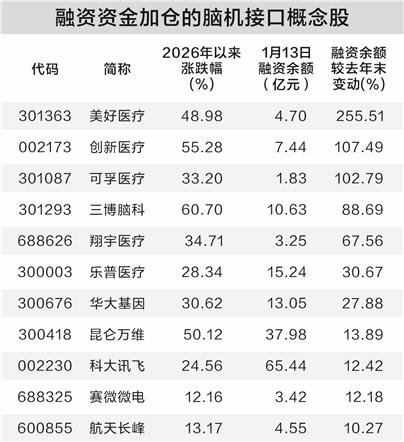
Group 1 - The core point of the article highlights the significant advancements in the brain-computer interface (BCI) industry, particularly with the construction of Brain Tiger Technology's "super factory" in Jiangxi, which marks a transition from laboratory research to large-scale production of BCI systems [3] - The factory aims to produce the first domestically developed and the world's second fully implanted, wireless, and fully functional BCI system, targeting stable supply of tens of thousands of units [3] - The BCI technology shows immense potential across various sectors, including healthcare, consumer electronics, and military aerospace, with significant developments occurring globally [3] Group 2 - The Chinese government is actively promoting the BCI industry, with a policy document issued in July 2025 outlining goals for technological breakthroughs and the establishment of a robust industry framework by 2030 [4] - The market for BCIs is projected to grow significantly, with global market size expected to reach approximately $2.62 billion in 2024 and $12.4 billion by 2034, while China's market is anticipated to grow from 3.2 billion yuan in 2024 to 5.58 billion yuan by 2027, reflecting a compound annual growth rate of about 20% [4] Group 3 - The BCI sector has attracted substantial investment, with the A-share market seeing a cumulative increase of over 20% in the BCI theme index since 2026, and several stocks experiencing gains exceeding 50% [5] - As of January 13, 2023, 19 out of 26 BCI concept stocks were eligible for margin trading, with a total financing balance of nearly 25.5 billion yuan, an increase of over 15% compared to the end of the previous year [5] - Notable companies such as Meihua Medical and Innovation Medical have seen significant increases in their financing balances, indicating strong investor interest and strategic partnerships in the BCI field [5][6]

医药生物行业周报:聚焦脑机接口与小核酸药物,JPM盛会前奏下医疗布局新浪潮-20260114
East Money Securities· 2026-01-14 10:07
Investment Rating - The report maintains a "Strong Buy" rating for the pharmaceutical and biotechnology sector, indicating a positive outlook for investment opportunities [3]. Core Insights - The pharmaceutical sector has shown a strong performance with a 7.81% increase in the index, outperforming the CSI 300 index by 5.03 percentage points, ranking 6th in industry performance [9][14]. - The report highlights significant growth in sub-sectors such as medical services and medical devices, with increases of 12.34% and 9.42% respectively [17][22]. - The report emphasizes the potential of small nucleic acid drugs, predicting a market valuation of $18.6 billion by 2029, with a CAGR of 29.5% from 2024 to 2029 [38]. - The upcoming JPMorgan Healthcare Conference is expected to showcase over 20 Chinese companies, with a focus on significant R&D advancements [39]. Summary by Sections Market Review - The pharmaceutical index increased by 7.81% this week, outperforming the CSI 300 index by 5.03 percentage points, ranking 6th in industry performance [14]. - The best-performing sub-sector this week was medical services, which rose by 12.34%, while traditional Chinese medicine had the smallest increase at 2.89% [17][22]. Individual Stock Performance - In the A-share market, 453 out of 478 pharmaceutical stocks rose, with the top five performers being Bibet (+68.89%), Innovation Medical (+61.04%), and Sanbo Brain Science (+56.15%) [25]. - In the Hong Kong market, 104 out of 116 pharmaceutical stocks increased, with the top performers including Zhaoyan New Drug (+30.76%) and Rongchang Bio (+28.51%) [29]. Industry News and Policies - The National Health Commission has outlined ten key initiatives for 2026, focusing on enhancing pediatric services and mental health care [32]. - The National Medical Products Administration has announced the establishment of two industry standards for brain-computer interface medical devices, indicating a regulatory push for this technology [32]. Weekly Insights - The report notes that the pharmaceutical sector is experiencing a "New Year Rally" driven by favorable policies for brain-computer interfaces and the launch of small nucleic acid innovative drugs [36]. - The report suggests monitoring companies involved in brain-computer interfaces, such as Chengyitong and Weisi Medical, as they are in the R&D phase [37].
AI+医疗有望加速!资金涌入医疗设备ETF、创新药ETF天弘
Sou Hu Cai Jing· 2026-01-14 06:55
Group 1 - The core viewpoint is that the integration of AI in healthcare and pharmaceuticals is gaining momentum, with significant stock price increases in related companies such as Meinian Health and Zhaoyan New Drug [1] - The Medical Equipment ETF (159873) has seen continuous capital inflow over the past four days, totaling 26.5 million yuan, reaching new highs in both scale and shares since its inception [2] - The Medical Equipment ETF has a high concentration in brain-computer interface technology, accounting for over 17%, with nearly 80% of its components from the Sci-Tech Innovation Board and the Growth Enterprise Market, indicating strong technological attributes [2] Group 2 - The Innovative Drug ETF Tianhong (517380) has experienced net inflows for six consecutive days, with a total of 254 million yuan in the last five days, reflecting strong investor interest [3] - The Innovative Drug ETF spans the Shanghai, Hong Kong, and Shenzhen markets, covering the entire industry chain from preclinical research to commercialization, which helps mitigate investment uncertainties [3] - OpenAI's launch of ChatGPTHealth marks the beginning of an AI-driven healthcare era, enhancing privacy through data isolation and involving over 260 doctors from 60 countries in model optimization [3]
强脑科技秘密闯关港交所:脑机接口第一股的资本博弈
Xin Lang Cai Jing· 2026-01-14 05:48
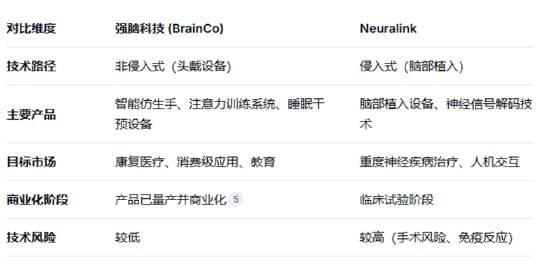
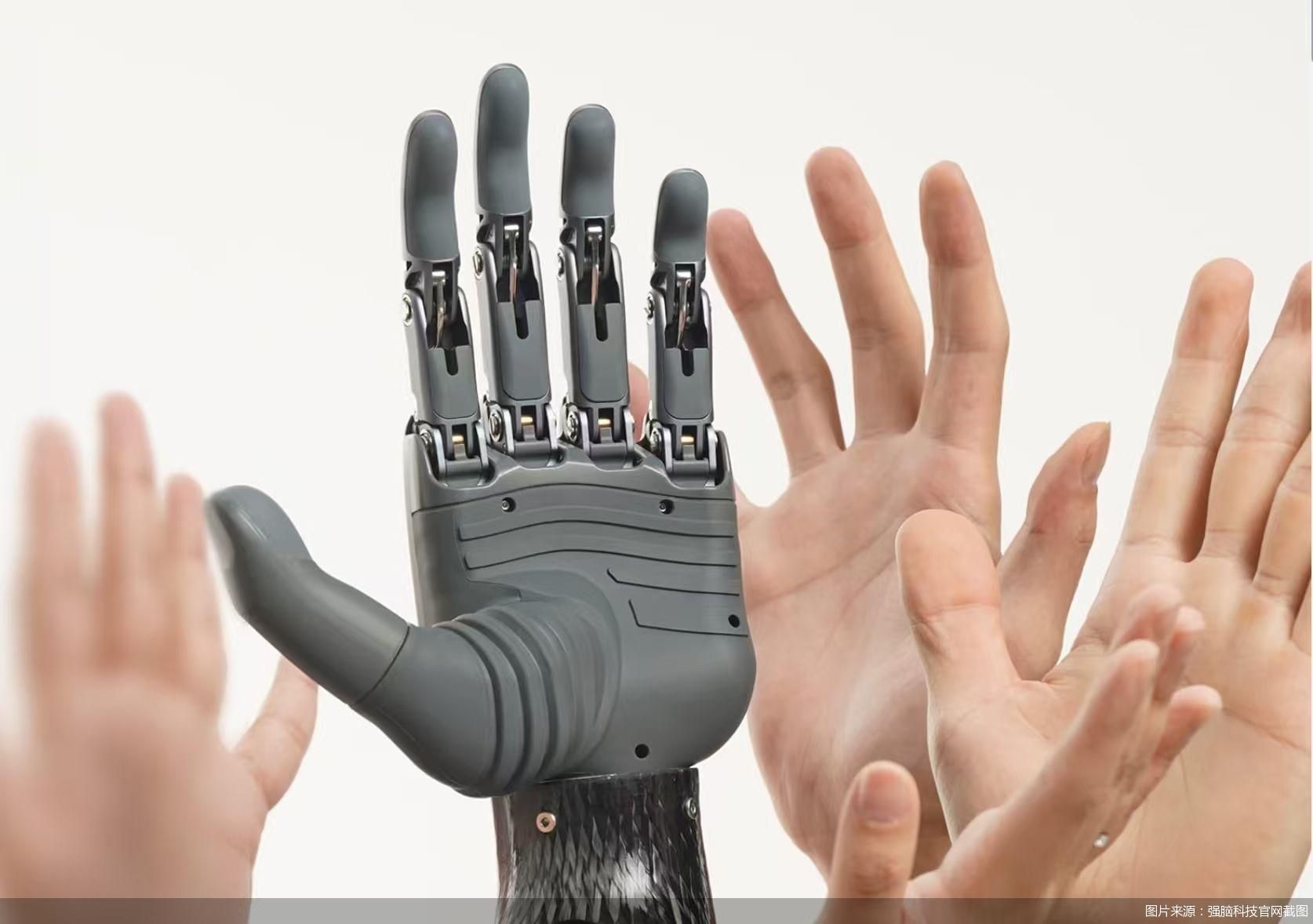
Core Viewpoint - BrainCo has secretly submitted a listing application to the Hong Kong Stock Exchange, aiming to become the first company in the global brain-computer interface (BCI) sector to enter the public capital market [1][10]. Technology Choice - Founded by Harvard dropout Han Bicheng in 2015, BrainCo chose a non-invasive BCI technology route, contrasting with Neuralink's invasive approach [2][12]. - BrainCo's technology collects brain signals through super sensors without surgical implantation, focusing on practical applications and scalability [2][12]. - The company has achieved significant milestones, including enabling amputees to control prosthetic limbs with their thoughts, addressing a market of 24 million disabled individuals in China [12][14]. Commercial Breakthrough - BrainCo's business strategy is pragmatic, starting with clear medical needs and expanding into consumer applications [4][14]. - The company has seen a substantial increase in sales, with 2024 quarterly sales projected to be four to five times that of 2023 [4][14]. - BrainCo's products include smart prosthetic hands and attention training systems, creating a dual-driven model of "medical rehabilitation + consumer applications" [4][14]. Capital Competition - The BCI industry is on the verge of explosive growth, with Morgan Stanley predicting a $400 billion market in the U.S. by 2045 [15]. - BrainCo has raised approximately 2 billion RMB, marking the second-largest financing record in the global BCI sector after Neuralink [15]. - The company’s decision to list in Hong Kong aligns with the trend of Chinese companies returning to the market and aims to enhance its global influence [15]. Industry Resonance - The news of BrainCo's listing application has triggered a positive response in the capital market, with related stocks rising significantly [16]. - BrainCo's listing is seen as a critical indicator of the BCI industry's development, contrasting with Neuralink's focus on disruptive innovation [16]. - The market reflects differing valuation perspectives, with investors weighing the commercial viability of BrainCo against the speculative nature of Neuralink's technology [16].
主力板块资金流出前10:能源金属流出13.65亿元、风电设备流出10.86亿元
Jin Rong Jie· 2026-01-14 04:03
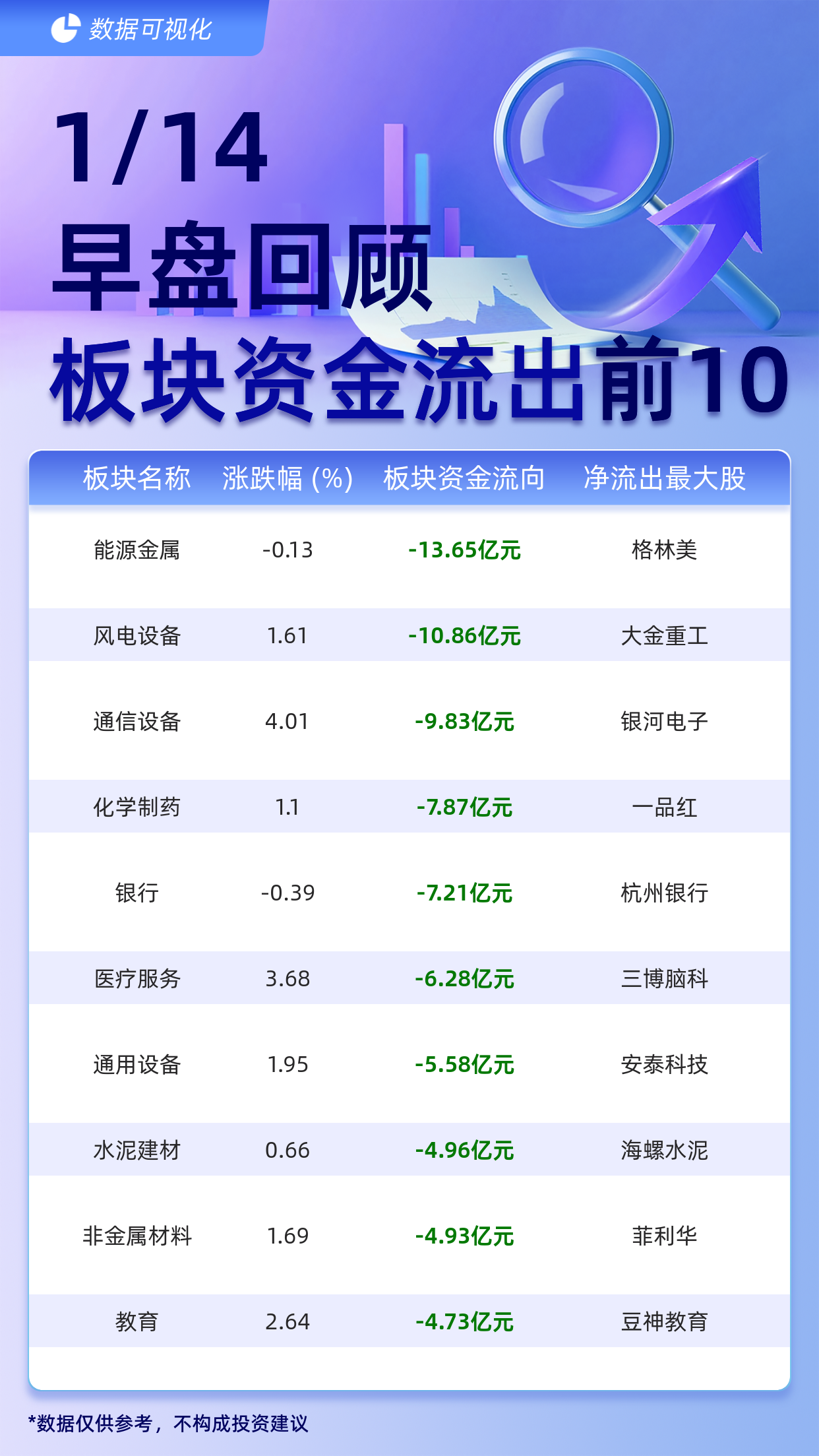
Group 1 - The main market saw a net inflow of 19.18 billion yuan as of January 14 [1] - The top ten sectors with the largest capital outflows included Energy Metals (-1.365 billion yuan), Wind Power Equipment (-1.086 billion yuan), and Communication Equipment (-0.983 billion yuan) [1] - The banking sector experienced a capital outflow of 0.721 billion yuan, while the healthcare services sector saw an outflow of 0.628 billion yuan [1] Group 2 - The Energy Metals sector had a slight decline of 0.13% with a net outflow of 1.365 billion yuan, led by the company Greenmei [2] - The Wind Power Equipment sector increased by 1.61% but still faced a net outflow of 1.086 billion yuan, with major outflow attributed to Daikin Heavy Industries [2] - The Communication Equipment sector rose by 4.01% despite a net outflow of 0.983 billion yuan, primarily driven by Galaxy Electronics [2][3]




强脑科技递表 脑机接口量产在即?
Bei Jing Shang Bao· 2026-01-13 15:45
Core Insights - Strong Brain Technology has reportedly submitted a confidential IPO application to the Hong Kong Stock Exchange, positioning itself as the first technology-based public company in China's brain-computer interface (BCI) sector [1][3] - The company recently completed approximately 2 billion yuan in Pre-IPO financing, achieving a post-investment valuation exceeding 1.3 billion USD [1][3] - The global brain-computer interface market is projected to grow from 1.2 billion USD in 2019 to nearly 2 billion USD in 2023, with a compound annual growth rate (CAGR) exceeding 13% [6] Company Developments - Strong Brain Technology aims to assist 1 million physically disabled individuals by providing neural-controlled prosthetics and improve the lives of 10 million patients suffering from brain-related disorders over the next five to ten years [3] - The company is focused on non-invasive solutions, developing super sensors to detect human neural signals, differentiating itself from competitors like Neuralink [3] - In 2025, the company plans to accelerate its technology innovation and industrialization processes, launching a new generation of bionic dexterous hands for smart manufacturing applications [4] Market Trends - The brain-computer interface sector has been included in China's "14th Five-Year Plan" as one of the six future industries, indicating its transition from laboratory research to a national strategic focus [6] - Following the announcement of BCI-related developments, several companies in the sector, such as Innovation Medical and Rock Mountain Technology, experienced significant stock price movements, highlighting market sensitivity to BCI concepts [6][7] - The capital market's reaction has been mixed, with some companies facing scrutiny from regulatory bodies regarding their BCI-related announcements [6][7]
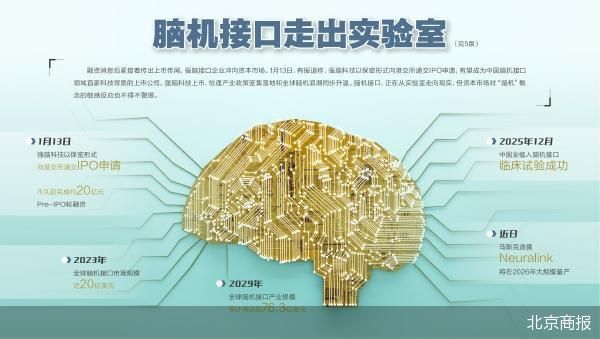
脑机接口走出实验室,强脑科技递表港交所
Bei Jing Shang Bao· 2026-01-13 12:15
Group 1 - Strong Brain Technology has submitted a confidential IPO application to the Hong Kong Stock Exchange, with expectations that its listing is only a matter of time [2] - The company recently completed approximately 2 billion yuan in Pre-IPO financing, achieving a post-investment valuation of over 1.3 billion USD [2] - The global brain-computer interface (BCI) market is experiencing significant growth, with a compound annual growth rate (CAGR) of over 13% from 2019 to 2023, and is projected to reach 7.63 billion USD by 2029 [4] Group 2 - The funds raised from the recent financing will be used to accelerate core technology research and development, extreme engineering breakthroughs, and product scaling [3] - Strong Brain Technology aims to help 1 million physically disabled individuals regain daily life through neural-controlled prosthetics and improve the conditions of 10 million patients suffering from brain-related disorders [3] - The company differentiates itself from competitors like Neuralink by focusing on non-invasive solutions and developing super sensors to detect human neural signals [4] Group 3 - The Chinese government has included brain-computer interfaces in its national strategic planning, indicating a shift from laboratory research to a national priority [4] - The stock market has reacted to the BCI concept, with companies like Innovation Medical and Rock Mountain Technology experiencing consecutive trading gains [4] - Recent inquiries from the Shanghai Stock Exchange regarding partnerships in the BCI space highlight the regulatory scrutiny and market interest surrounding this technology [5]
马斯克科技生态链系列之国内深度绑定解码
Xin Lang Cai Jing· 2026-01-13 11:54
Core Insights - Elon Musk's technological ecosystem is rapidly evolving, integrating six key industries: commercial space (SpaceX), brain-machine interfaces (Neuralink), humanoid robots (Optimus), autonomous driving (FSD), artificial intelligence (X AI), and hyperloop (The Boring Company) [1][19] - The technological advancements and mass production efforts are reshaping the global tech industry landscape and presenting certain investment opportunities for domestic companies in related sectors [1][19] Group 1: Deep Binding from Components to System Integration - The production of Tesla's Optimus robot is set to begin, with a target of 100,000 units by 2026, but the localization rate of core components is still below 30%, leaving significant market penetration opportunities for domestic high-barrier companies [21] - Top Group is a core supplier for Tesla's vehicle chassis and has entered the testing phase for Optimus's rotating joints, showcasing strong system integration capabilities [21] - Greentech Harmonic is a leading global harmonic reducer supplier, with its Y series products passing Tesla's extreme conditions test and set to deliver 10,000 units by 2025 [21] - Sanhua Intelligent Control is leveraging its experience in automotive thermal management to quickly enter the robot electromechanical actuator and thermal management systems market [21] - Mingzhi Electric is one of the few companies capable of mass-producing hollow cup motors, which are critical for achieving human-like dexterity in robotic hands [21] Group 2: L5 Autonomous Driving - Hardware and Software Integration - Tesla's Full Self-Driving (FSD) is accelerating its rollout, with deep participation from the Chinese supply chain in hardware iteration and software adaptation [22] - Desay SV is supplying the autonomous driving domain controller to Tesla's North American supply chain, with FSD-related orders expected to reach 1.2 billion yuan by 2025 [22] - Lianchuang Electronics is the main supplier of vehicle-mounted lenses for Tesla's HW4.0, holding approximately 60% market share [22] - Zhongke Chuangda, as a leading vehicle operating system provider, is continuously optimizing AI model efficiency on Tesla's platform to support smooth FSD software deployment [22] Group 3: Technical Collaboration - Patent Sharing and Capability Building - Some companies, while not supplying on a large scale, are building long-term barriers through technical cooperation [23] - Changying Precision has reached a cross-licensing agreement with Tesla regarding flexible sensors, enhancing its technological moat in robot perception [23] - Sanhua Intelligent Control is jointly developing actuator efficiency optimization solutions to enhance Optimus's operational endurance [24] - Yanshan Technology's pure vision autonomous driving solution aligns closely with FSD technology, currently supporting Tesla indirectly through international Tier 1 suppliers [24] Group 4: Potential Tracks - From Benchmarking to Entry - In commercial space, Chinese companies are gaining certification in key areas as SpaceX's Starlink accelerates deployment [25] - Tongyu Communication has developed a microwifi antenna module that has passed SpaceX interface certification, expected to supply 60% of Starlink's dedicated modules starting Q3 2025 [25] - Xinyi Communication's subsidiary is the exclusive supplier of high-frequency connectors for Starlink ground terminals, with annual revenue projected to exceed 1.5 billion yuan [25] - Blue Arrow Aerospace is the only domestic company mastering reusable liquid oxygen-methane rocket technology, establishing a significant barrier in low-cost, high-frequency launches [25] Group 5: Brain-Machine Interfaces - Complementary Paths for Cooperation - Neuralink focuses on invasive methods, while Chinese companies are exploring non-invasive and clinical translation paths [30] - Yanshan Technology's non-invasive BCI technology complements Neuralink's approach, indicating clear cooperation potential if Neuralink expands into consumer products [30] - Hanwei Technology's subsidiary has developed ultra-flexible sensors that are cost-competitive and have entered the international supply chain [30] - Sanbo Brain Science is the only private hospital in China with clinical implantation qualifications for brain-machine interfaces, performing over 30,000 surgeries annually [30] Group 6: Indirect Competition and Strategic Value - Some companies, while not directly collaborating with Musk's ecosystem, play a crucial role in national projects, fulfilling "domestic substitution" responsibilities [31] - China Satellite and China Satcom are leading the "Star Network Project," competing with Starlink in satellite manufacturing and operations [31] - Cambrian is developing AI chips that meet xAI's computational needs, presenting potential entry points if Tesla or xAI expands their supply chains [32] - Four-dimensional Map has over 60% market share in high-precision mapping, providing core positioning services for Tesla in China [33] Group 7: Selection Logic for "Invisible Champions" - Companies that meet the criteria of "technological leadership, low public recognition, high industry relevance, and sustained innovation barriers" have emerged as key players [34] - Mingzhi Electric is a global leader in hollow cup motors, essential for dexterous robotic hands [34] - Sanhua Intelligent Control is a dual leader in thermal management and actuators, validated by Tesla [34] - Top Group excels in system integration from chassis to joint assembly, showcasing deep binding [34] - Industrial Fulian is the largest server manufacturer globally, benefiting directly from xAI's computational expansion [34] - Blue Arrow Aerospace is the only player in liquid oxygen-methane reusable rockets, shaping the future of China's commercial space industry [34]

AI医疗最新利好消息汇总!国际巨头扎堆入局,AI+脑机接口等技术或行业成贯穿全年最强投资逻辑
Xin Lang Cai Jing· 2026-01-13 11:27
Group 1 - WuXi AppTec (药明康德) is a leading global pharmaceutical R&D outsourcing company with a comprehensive layout in AI healthcare, integrating AI technology throughout the drug development process [1] - The AI drug discovery platform developed by WuXi AppTec utilizes machine learning to analyze vast compound data, significantly shortening the early development cycle of small molecules and biologics [1] - The platform has been applied in new drug development projects for oncology and neurodegenerative diseases [1] Group 2 - Aier Eye Hospital (爱尔眼科) is a leading domestic eye care chain focusing on the intelligent upgrade of the entire eye diagnosis and treatment process through AI [2] - The AI fundus screening system developed by Aier can accurately identify common eye diseases with an accuracy rate exceeding 95%, implemented in over a thousand grassroots eye clinics and health check centers nationwide [2] - The company also utilizes AI technology to create personalized correction plans for myopia patients and enhance the precision and safety of surgeries [2] Group 3 - Kanglong Chemical (康龙化成) is a core player in the domestic pharmaceutical R&D outsourcing sector, leveraging AI technology to enhance R&D service efficiency [3] - The AI drug development platform integrates molecular simulation and machine learning, reducing compound screening cycles from months to weeks [3] - AI is also used to construct disease models and simulate drug metabolism processes, improving data accuracy and reducing animal usage [3] Group 4 - Tigermed (泰格医药) is a leading clinical trial CRO in China, focusing on the intelligent transformation of the entire clinical trial process through AI [4] - The AI clinical trial management system enables intelligent project initiation, patient recruitment, and data management, improving recruitment efficiency by over 30% [4] - AI algorithms are employed for real-time monitoring of clinical trial data, providing precise risk warnings and decision-making support for pharmaceutical companies [4] Group 5 - Kelaiying (凯莱英) is a global leader in the pharmaceutical CDMO sector, applying AI technology to enhance drug production and R&D [5] - AI algorithms are used to design optimal chemical synthesis pathways, reducing production costs and enhancing safety and yield [5] - The company has developed an AI drug R&D platform to predict the physicochemical properties and biological activity of compounds, aiding in the rapid selection of candidate drug molecules [5] Group 6 - Meinian Health (美年健康) is a leading health checkup company in China, with AI healthcare as a core driver for upgrading its services [6] - The AI intelligent health check system covers the entire process from appointment scheduling to health report interpretation, with AI imaging diagnosis achieving accuracy close to that of professional doctors [6] - The company integrates national health check big data to conduct chronic disease trend research, supporting public health decision-making [6] Group 7 - Zhaoyan New Drug (昭衍新药) is a leader in non-clinical safety evaluation of drugs, focusing on the intelligent upgrade of drug safety evaluation through AI [7] - The AI drug safety prediction platform integrates vast toxicology data and machine learning algorithms to predict potential toxicity of new drugs early [7] - AI technology is also used for intelligent monitoring of experimental animals, enhancing data accuracy and reliability [7] Group 8 - BGI Genomics (华大基因) is a leading global player in the field of gene sequencing, deeply integrating AI technology with gene sequencing [8] - AI algorithms are applied to analyze gene sequencing data, significantly improving the efficiency and accuracy of genetic disease diagnosis [8] - The company has developed a big data platform to support precision medicine and drug development through AI analysis of vast genetic data [8] Group 9 - Tongce Medical (通策医疗) is a leading domestic dental care chain focusing on the intelligent upgrade of dental diagnosis and treatment through AI [9] - The AI dental imaging diagnosis system can automatically analyze dental CT and panoramic images, assisting dentists in making accurate diagnoses [9] - The company also utilizes AI technology to optimize patient appointment and triage systems, enhancing patient flow and reducing wait times [9] Group 10 - Haoyuan Pharmaceutical (皓元医药) is a core player in the domestic pharmaceutical reagents and raw materials sector, focusing on intelligent upgrades in drug and reagent development through AI [10] - The AI molecular design platform significantly shortens the discovery cycle of lead compounds in drug development [10] - AI technology is also used to optimize inventory management, reducing costs and improving supply chain efficiency [10] Group 11 - Jiuzhou Pharmaceutical (九洲药业) is an important player in the domestic CDMO sector, focusing on the intelligent upgrade of drug production and R&D through AI [11] - AI algorithms are utilized to design optimal chemical synthesis pathways, enhancing yield and reducing production costs [11] - The company has developed an AI drug R&D platform to predict the biological activity and pharmacokinetic properties of compounds [11] Group 12 - KingMed Diagnostics (金域医学) is a leading third-party medical testing company in China, with AI healthcare applications throughout the testing process [12] - The AI data analysis system can automatically analyze vast testing data, quickly identifying abnormal indicators and generating reports [12] - The company also integrates national testing big data to conduct epidemiological research, supporting public health prevention efforts [12] Group 13 - Dian Diagnostics (迪安诊断) is a leading third-party medical diagnostic service provider, with AI healthcare as a core driver for enhancing diagnostic capabilities [13] - The AI diagnostic platform covers multiple fields, achieving over 90% accuracy in identifying tumor cells and infectious lesions [13] - AI technology is also used to optimize testing processes, improving laboratory throughput and efficiency [13] Group 14 - Chengdu XianDao (成都先导) is a leading new drug development company, deeply integrating AI technology with its core DNA-encoded compound library business [14] - AI algorithms are used to design DNA-encoded compound libraries, significantly improving screening efficiency and hit rates [14] - The company has developed a cloud computing platform for AI drug R&D, providing intelligent services to global pharmaceutical companies [14] Group 15 - Sanbo Brain Science (三博脑科) is a specialized medical service institution in the field of neurosurgery, with AI applications in both healthcare and brain-computer interface technology [15] - The AI neuroimaging diagnosis system can automatically analyze brain CT and MRI images, assisting in diagnosing neurological diseases [15] - The company collaborates with research institutions to conduct clinical studies on brain-computer interfaces, helping patients regain motor function [15] Group 16 - Innovation Medical (创新医疗) is a comprehensive medical service enterprise focusing on intelligent upgrades in rehabilitation and orthopedic diagnosis through AI [16] - The AI rehabilitation assessment system collects patient movement data to automatically evaluate rehabilitation effectiveness and adjust training plans [16] - AI technology is also used to analyze X-ray and CT images for orthopedic diagnosis, enhancing the precision of surgical planning [16]