
步步高

Search documents
A股免税概念股走弱
Jin Rong Jie· 2026-01-14 06:09
A股市场免税概念股走弱,其中, 广百股份跌超5%, 海南机场跌超3%, 中百集团、 海南高速、 南方 航空、 步步高、 招商蛇口、 海南发展、 中国中免、 武商集团、 海峡股份跌超2%。 ...
A股免税概念股走弱,海南机场跌超3%
Ge Long Hui· 2026-01-14 06:08
Group 1 - The A-share market's duty-free concept stocks have weakened significantly, with Guangbai Co., Ltd. dropping over 5% [1] - Hainan Airport has seen a decline of more than 3% [1] - Other companies such as Zhongbai Group, Hainan Highway, Southern Airlines, Bubugao, China Merchants Shekou, Hainan Development, China Duty Free Group, Wushang Group, and Haixia Co. have all experienced declines of over 2% [1]




十八洞村新故事
Jing Ji Ri Bao· 2026-01-13 22:23
Core Insights - The transformation of Shibadong Village is a significant example of China's poverty alleviation efforts, showcasing the successful implementation of targeted poverty alleviation strategies initiated by President Xi Jinping in 2013 [4][5][18] - The village has evolved from a deeply impoverished area to a renowned tourist destination, with a focus on sustainable development through various industries, including tourism and traditional crafts like Miao embroidery [6][9][12] Economic Development - Shibadong Village has seen a dramatic increase in per capita income, rising to 28,223 yuan in 2024, which is over 16 times the income in 2013 [5] - The village's collective economic income reached 6.227 million yuan in 2024, up from nearly zero in 2013, indicating successful economic diversification and growth [13][15] - The introduction of social capital and tourism has led to significant economic benefits, with tourism revenue reaching 21.988 million yuan in 2024 [11] Industry and Employment - The village has developed various industries, including red tourism, Miao embroidery, and honey production, contributing to local employment and economic stability [12][19] - The Miao embroidery initiative has allowed local women to earn between 1,200 to 3,000 yuan monthly, enabling them to work from home and support their families [12] - The establishment of a water factory has provided additional employment opportunities and generated substantial income for the village, with cumulative dividends reaching 4.4 million yuan by 2024 [34][35] Community and Cultural Impact - The community has embraced cultural events and traditions, fostering a sense of pride and identity among villagers, which is reflected in their expressions of gratitude towards leadership [7][22] - Education initiatives have improved significantly, with new facilities and support systems in place, enhancing the quality of education for local children [31][33] - The village's transformation has inspired a new generation of young people to return and contribute to their community, further driving local development [22][24] Infrastructure Development - Infrastructure improvements, such as road construction and the establishment of the Aizhai Bridge, have facilitated access and connectivity, crucial for economic growth [28][29] - The development of a comprehensive transportation network has significantly reduced travel time and improved the overall quality of life for residents [28] Future Prospects - The village is positioned to continue its growth trajectory through collaborative efforts with surrounding villages, aiming for regional development and sustainability [27][36] - Ongoing projects and initiatives are expected to further enhance the economic landscape, ensuring that the benefits of development are shared among all community members [36]


也该轮到游戏公司CEO受苦了
创业邦· 2026-01-12 03:27
Core Viewpoint - The article discusses the challenges faced by CEOs in the gaming industry, highlighting the high turnover of CEOs due to various pressures from owners and the complexities of managing expectations and performance in a competitive environment [6][9]. Group 1: CEO Turnover and Challenges - Many prominent CEOs in the gaming industry have recently resigned, often due to declining performance, product failures, or strategic shifts, but the underlying reason is often dissatisfaction from the owners [6][7]. - The relationship between CEOs and owners is fraught with tension, especially in a competitive landscape where trust and accountability are critical [8][10]. Group 2: CEO Management Strategies - CEOs must navigate the delicate balance of managing upward expectations from owners while aligning business goals with operational realities, often leading them to adopt more conservative strategies focused on cost reduction and efficiency [8][9]. - Successful CEOs often have to suppress their creative instincts to avoid risks that could jeopardize their positions, leading to a culture where innovation is stifled [9]. Group 3: Power Dynamics and Trust - The article suggests that the most respected CEOs are those who possess unique business capabilities that owners cannot replicate, fostering a collaborative environment [10]. - There is a generational shift in leadership styles, with younger founders being more willing to delegate power and trust their CEOs, contrasting with older generations who may exhibit more suspicion [10]. Group 4: Historical Context and Lessons - The article references successful historical examples of leadership transitions in other industries, suggesting that gaming companies could learn from these practices to improve CEO-owner relationships [10]. - The importance of establishing clear systems for delegation and accountability is emphasized, as seen in the practices of successful entrepreneurs in traditional industries [10].

也该轮到游戏公司CEO受苦了
3 6 Ke· 2026-01-12 02:17
最近和朋友聊起这两年的游戏行业,大概有两点感慨:暴死的大作太多,卸任和离职的CEO也太多。 (备注:为了方便讨论,本文语境中的CEO,泛指所有不是创始人或董事长的游戏业务一号位。) 这些曾经叱咤风云的CEO,离职的原因看似五花八门:业绩下滑、产品失败、战略偏移、不够听话、团 队太贵……但其实做到了这个位置,如果不是自愿离职,真正的原因只有一个: 制作人和老板的博弈已经如此微妙。而站在CEO的位置,除了预期管理的问题,还有很多问题要更复杂 百倍。因为CEO的工作成果,远比制作人更难证实或者证伪。 随便举两个例子:10年前,某大厂在连续痛失人才后,曾表示要给成功团队不亚于创业的回报。可做出 长青游戏之后,老板又觉得年年躺赚太简单,给团队分得太多。试问这时CEO对上对下该怎么说,怎么 做? 同样是10年前,某大厂崇尚孵化式研发,也因此诞生了无数爆款。可近年来因为标准过于宽松,难免有 一些项目、一些管理者浪费了预算,辜负了信任,砸了公司的招牌,让老板感到丢脸。那么设计和坚持 这条路线的CEO,又该怎么计算功过? 更微妙的是,站在老板的视角,很难完全信任上面两类CEO:你建议分钱,可分的还不是公司的钱?你 崇尚孵化,可 ...
宜家“瘦身”: 一场被迫又主动的战略调整
Xin Lang Cai Jing· 2026-01-09 14:28
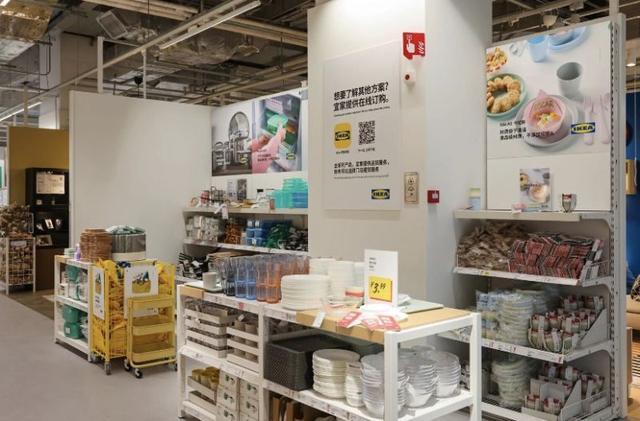
Core Insights - IKEA China will close seven stores starting February 2, 2026, as part of a strategic transformation to build a more resilient foundation for future growth and focus on local relevance [2][3] - The decision to close stores is driven by underperformance in profitability, with the company aiming to optimize costs and improve efficiency [3][4] - The retail environment for home furnishings is challenging, with a significant decline in the housing market affecting sales, particularly among younger consumers who prefer online shopping [4][7][9] Store Closures and Strategy - The seven stores being closed include locations in Shanghai, Guangzhou, Tianjin, Nantong, Xuzhou, Ningbo, and Harbin, reducing IKEA's physical presence from 41 to 34 locations [2][3] - IKEA plans to open over ten smaller stores in the next two years, focusing on urban core areas like Beijing and Shenzhen, indicating a shift from large warehouse-style stores to smaller, community-oriented formats [12][14] - The closures are part of a broader trend in the retail industry, where large store formats are being replaced by smaller, more efficient models [12][13] Market Challenges - The home furnishings sector is facing a downturn, with IKEA's sales projected to decline by 1.6% to €39 billion in the 2025 fiscal year, despite a slight increase in visitor numbers [6][11] - The Chinese furniture industry is experiencing a significant revenue drop, with a reported 9.1% decline in revenue for major enterprises from January to November 2025 [6] - Changing consumer behavior, particularly among younger generations, has shifted towards online shopping and away from traditional in-store experiences, impacting IKEA's sales [7][9][10] Future Outlook - IKEA aims to enhance its digital capabilities and improve in-store experiences to create a seamless, personalized omnichannel customer experience [5][15] - The company recognizes the need to adapt to the evolving market landscape and consumer preferences, emphasizing the importance of local relevance and competitive pricing [5][17] - Continued investment in the Chinese market is planned, with a focus on digital innovation and customer engagement strategies to capture market opportunities [16][17]

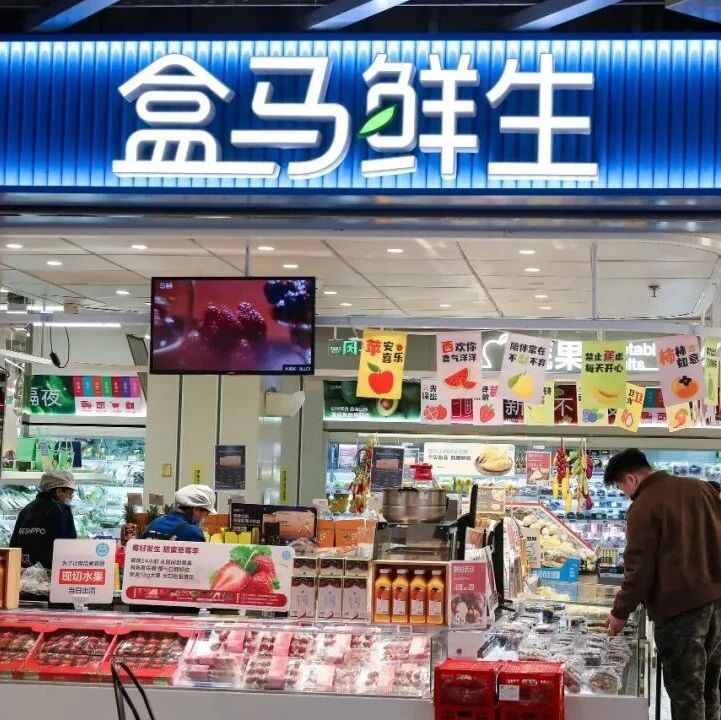
三巨头增长30%,超市又行了?
和讯· 2026-01-09 09:01
Core Viewpoint - The retail industry is experiencing significant growth driven by key players like Fat Donglai, Hema, and Sam's Club, while traditional supermarkets are undergoing substantial upgrades to compete in a challenging market environment [4][19]. Group 1: Company Performance - Fat Donglai achieved a record annual sales of 23.53 billion, a 38.71% increase from 16.96 billion in 2024, with its flagship store in Xuchang generating nearly 6 billion in sales [5][6]. - Hema's overall revenue growth exceeded 40% in 2025, with a projected GMV of over 100 billion by the end of the fiscal year [11][12]. - Sam's Club reported a sales figure surpassing 140 billion, marking a 40% increase from 100.5 billion in 2024, supported by an aggressive expansion strategy [16][18]. Group 2: Industry Trends - The overall retail sector remains under pressure, with less than 40% of chain supermarkets achieving positive sales growth in 2025, highlighting a competitive landscape [19]. - The industry is witnessing a "Matthew Effect," where leading companies are gaining market share while weaker players struggle, prompting a shift from broad growth strategies to focused innovations [20][23]. - Traditional supermarkets are enhancing their offerings by improving fresh produce and convenience services, aiming to redefine their neighborhood value [21][25]. Group 3: Strategic Shifts - Companies are increasingly focusing on supply chain capabilities rather than just expanding store numbers, with strategies like Sam's global sourcing and Hema's direct supply of fresh produce [24]. - The "Fat Reform" trend is evident as traditional retailers like Yonghui and Bubugao adopt operational strategies from Fat Donglai, resulting in significant increases in customer traffic and profitability [25][26]. - The Ministry of Commerce has encouraged innovation and quality improvement in the retail sector, emphasizing the importance of supply chain optimization and digital empowerment for industry transformation [26].

董责险走热:1700多家上市公司投保,理赔有多少?
经济观察报· 2026-01-08 12:16
Core Viewpoint - The implementation of the new Securities Law and the increase in civil liability cases have heightened the awareness and necessity of Directors and Officers Liability Insurance (D&O Insurance) among A-share listed companies, with the insurance coverage rate expected to rise from 12% in 2020 to 32% by 2025 [1][2]. Group 1: D&O Insurance Market Trends - By the end of 2025, the number of listed companies that purchased D&O Insurance reached 1,753, with a market penetration rate increasing from 28% in 2024 to 32% [2]. - In 2025, 643 A-share listed companies announced plans to purchase D&O Insurance, a year-on-year increase of 19% [5]. - The average D&O Insurance premium rate has decreased to below 0.05% by the end of 2025, indicating a "rate trough" in the market [15][16]. Group 2: Industry and Company Insights - The highest D&O Insurance penetration rates are found in the real estate and electricity sectors, exceeding 60%, reflecting a correlation between industry risk and insurance demand [6]. - Companies with assets over 50 billion yuan have a D&O Insurance purchase rate of 68%, significantly higher than the 20% rate for companies with assets below 2 billion yuan [6]. - Private enterprises account for nearly 60% of new D&O Insurance purchases in 2025, but state-owned enterprises have the highest penetration rates [7]. Group 3: Legal and Regulatory Impact - The new Securities Law and Company Law have established a legal foundation for the proliferation of D&O Insurance, with high-profile cases like the Kangmei Pharmaceutical scandal driving increased awareness and adoption [11]. - The number of companies facing administrative investigations has risen significantly since 2020, with 366 companies having received warning letters after previously purchasing D&O Insurance [11][12]. - The long-tail effect of D&O Insurance claims means that while regulatory scrutiny and potential lawsuits are increasing, large-scale payouts have not yet fully materialized [16].


7店关闭冲上热搜!宜家“瘦身”背后,零售巨头集体试水“变小”
Hua Xia Shi Bao· 2026-01-07 13:38
新年伊始,一则关店消息悄然揭开了线下零售巨头战略转向的序幕。1月7日,宜家中国宣布自2026年2 月2日起停止运营位于上海宝山、广州番禺、天津中北等地的七家线下商场。这则迅速登上微博热搜的 消息,背后传递的信号远比七家线下门店的调整更为深远:在经历了长达二十余年的规模扩张后,这个 家居零售巨头正悄然收起攻城略地的锋芒,转而走向另一条"精准深耕"的新路。 门店收缩 1月7日,宜家宣布将关闭7家线下门店的消息登上微博热搜,引发市场对其在中国市场布局的广泛关 注。 自1998年在上海开设首个商场以来,宜家在中国大陆市场共有包括41个线下顾客触点、三个自有数字化 渠道及两家电商平台旗舰店的零售网络。此次调整后,宜家在该市场将保留34个线下顾客触点,并继续 运营所有线上渠道,覆盖国内超10亿消费者。 对于此次为何选择这几家门店进行调整,宜家中国方面向《华夏时报》记者表示,"此次调整并非意味 相关门店'无法继续经营',而是宜家以优化成本、提升效率、重新配置资源为核心所做出的主动转 型。" 宜家中国方面表示,面对快速变化的零售环境,宜家持续评估并优化业务组合、渠道布局与运营结构, 在全球与中国市场按需转型、关闭或增设业务单 ...
步步高涨2.18%,成交额6.04亿元,主力资金净流出1292.33万元
Xin Lang Cai Jing· 2026-01-07 06:00
Core Viewpoint - The stock price of Bubugao has shown a mixed performance, with a recent increase but a significant decline in net profit year-on-year, indicating potential challenges in profitability despite revenue growth [2][3]. Group 1: Stock Performance - As of January 7, Bubugao's stock price increased by 2.18%, reaching 5.62 CNY per share, with a trading volume of 604 million CNY and a turnover rate of 5.11% [1]. - Year-to-date, Bubugao's stock has risen by 5.84%, with a 4.66% increase over the last five trading days and an 8.08% increase over the last 20 days, while it has decreased by 2.09% over the last 60 days [2]. Group 2: Financial Performance - For the period from January to September 2025, Bubugao reported a revenue of 3.194 billion CNY, reflecting a year-on-year growth of 26.48%. However, the net profit attributable to shareholders was 226 million CNY, which represents a significant decline of 88.83% compared to the previous year [2]. - Since its A-share listing, Bubugao has distributed a total of 1.677 billion CNY in dividends, but there have been no dividend distributions in the last three years [3]. Group 3: Shareholder and Market Information - As of September 30, 2025, Bubugao had 172,500 shareholders, an increase of 95% from the previous period, with an average of 12,476 circulating shares per shareholder, down by 27.06% [2]. - The company operates primarily in the retail sector, with its main business segments being supermarkets (64.34% of revenue), other retail (27.44%), department stores (6.01%), and logistics and advertising (2.21%) [2].