OPPO

Search documents
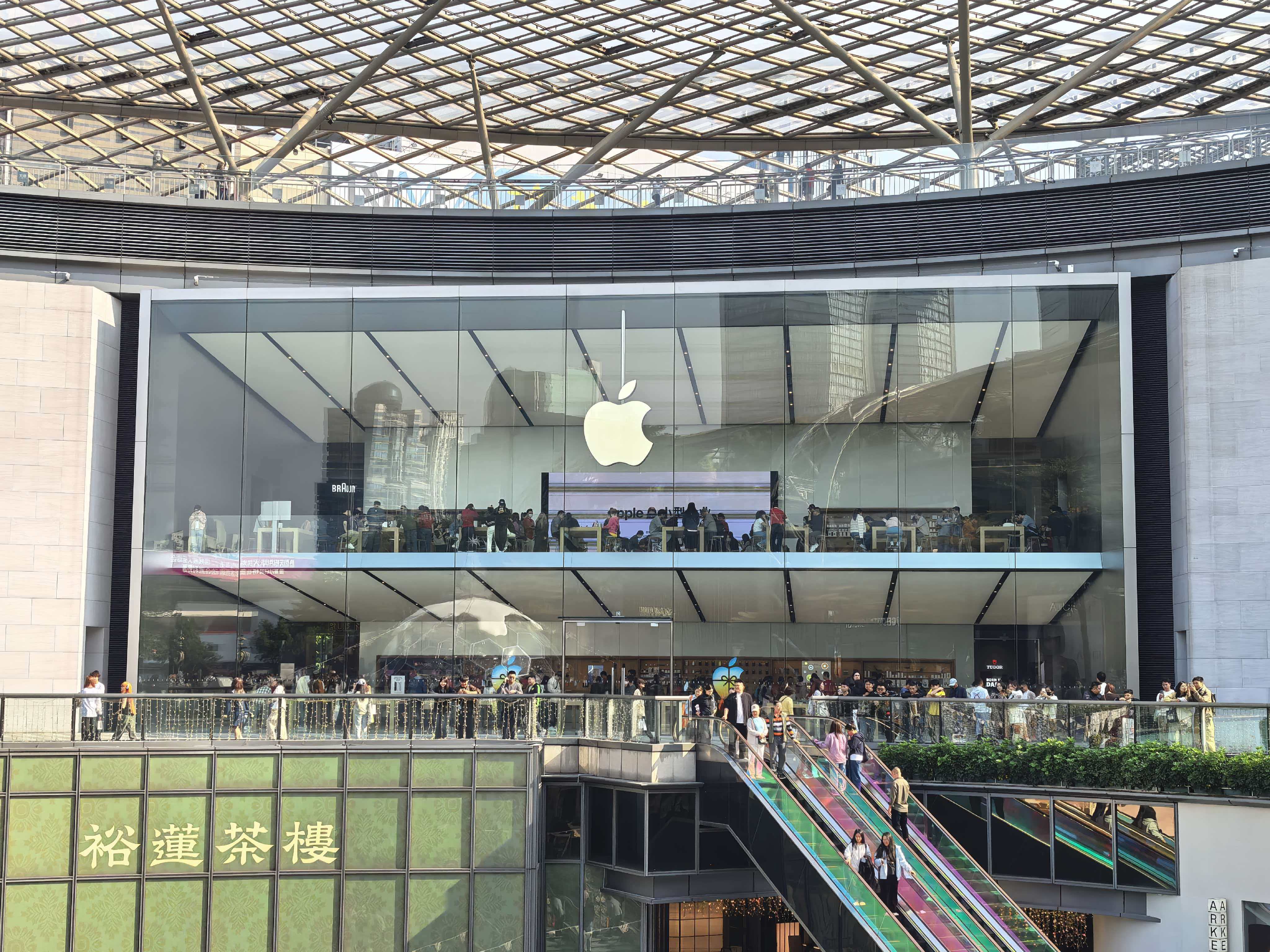
新股消息 | 龙旗科技港股IPO获中国证监会备案
智通财经网· 2025-12-10 10:36
Group 1 - The China Securities Regulatory Commission has issued a notice regarding Longqi Technology Co., Ltd.'s overseas issuance and listing, allowing the company to issue no more than 94,387,200 shares of overseas listed common stock on the Hong Kong Stock Exchange [1] - Longqi Technology is a leading global provider of smart products and services, offering comprehensive solutions including product research, design, manufacturing, and support for well-known smart product brands and leading technology companies [3] - The company's diverse product portfolio includes smartphones, AI PCs, automotive electronics, tablets, smartwatches/wristbands, and smart glasses, with key clients such as Xiaomi, Samsung Electronics, Lenovo, Honor, OPPO, and vivo [3]


龙旗科技港股IPO获中国证监会备案
Zhi Tong Cai Jing· 2025-12-10 10:31
Group 1 - The China Securities Regulatory Commission has issued a notice regarding the overseas issuance and listing of Shanghai Longqi Technology Co., Ltd. [1] - Longqi Technology plans to issue no more than 94,387,200 overseas listed ordinary shares and list them on the Hong Kong Stock Exchange [1] Group 2 - Longqi Technology is a leading global provider of smart products and services, offering comprehensive solutions for well-known smart product brands and leading technology companies [3] - The company has developed a diversified product portfolio that includes smartphones, AI PCs, automotive electronics, tablets, smartwatches/bands, and smart glasses [3] - Core customers include major brands such as Xiaomi, Samsung Electronics, Lenovo, Honor, OPPO, and vivo [3]
新股消息 | 龙旗科技(603341.SH)港股IPO获中国证监会备案
智通财经网· 2025-12-10 10:29
Group 1 - The China Securities Regulatory Commission has issued a notice regarding Longqi Technology Co., Ltd.'s overseas issuance and listing, allowing the company to issue no more than 94,387,200 shares of overseas listed common stock on the Hong Kong Stock Exchange [1] - Longqi Technology is a leading global provider of smart products and services, offering comprehensive solutions for well-known smart product brands and leading technology companies, including product research, design, manufacturing, and support [3] - The company has developed a diversified product portfolio that includes smartphones, AI PCs, automotive electronics, tablets, smartwatches/bands, and smart glasses, with core clients including Xiaomi, Samsung Electronics, Lenovo, Honor, OPPO, and vivo [3]
OPPO向奥迪许可5G专利,可用于车联网
Guan Cha Zhe Wang· 2025-12-10 10:24
Group 1 - OPPO has signed a global patent licensing agreement with Audi, allowing the use of its essential cellular communication patents, including 5G, to enhance Audi's connected vehicle user experience [1] - This agreement marks OPPO's third bilateral patent licensing deal with major automotive manufacturers, following partnerships with Volkswagen and another well-known domestic car company [1] - The collaboration reflects a shared vision between wireless technology leaders and the automotive industry to promote seamless connectivity and cross-industry cooperation [1] Group 2 - As of January 2025, OPPO ranks eighth in the global patent landscape for 5G, with a total of 11,700 patent applications and over 65,000 granted patents [2][3] - The company is increasing its investment in core technology areas such as 5G/6G, artificial intelligence, charging, imaging, and video [3]

段永平最新万字访谈:做事本分,理性长远,坚持几十年会看见价值
创业邦· 2025-12-10 10:08
Core Insights - The article presents a deep conversation with the renowned entrepreneur and investor Duan Yongping, focusing on his philosophy of "being true to oneself" and its application in business, investment, and personal development [6][7]. Investment Logic: Understanding Business is Key - Duan emphasizes that the core of investment is understanding the business, sharing insights from his experience buying stocks like NetEase and Moutai, highlighting the importance of business models and corporate culture in investment decisions [18][21][23]. Corporate Culture and Succession: Integrity, Rationality, and Long-term Vision - The success of companies like OPPO and vivo is attributed to their hiring principle of prioritizing cultural fit over mere capability, and the importance of a user-oriented culture that focuses on doing the right things over profit maximization [24][28][27]. Marketing Philosophy: Honesty and Efficient Communication - Duan advocates for a straightforward marketing approach that avoids any form of deception, emphasizing the need to communicate effectively with users [45][50]. Education Perspective: Security and Boundaries - He discusses the importance of providing unconditional love to children while establishing boundaries, arguing against physical punishment as a means of discipline [60][65][68]. Reflection on Luck, Effort, and Understanding - Duan reflects on the role of luck in success, asserting that while opportunities exist, they must be met with effort and understanding of one's field [69][71][72]. Insights on AI and the Future: Tool or Threat? - The conversation touches on the rapid development of AI, recognizing its potential to enhance efficiency while also questioning its long-term implications for society [80]. Long-term Mindset: The Essence of a Calm Heart - Duan defines a calm heart as rationality and long-term thinking, suggesting that maintaining a long-term perspective can help navigate external distractions and challenges [82].

“百万英才汇南粤”秋季招聘走进湘赣 超1.5万优质岗位诚揽英才
Nan Fang Ri Bao Wang Luo Ban· 2025-12-10 09:23
Core Viewpoint - The "Million Talents Gathering in N City" autumn recruitment event will take place from December 13 to 17, 2023, in six prestigious universities in Hunan and Jiangxi provinces, offering over 15,000 quality job positions, including 4,000 internship opportunities [1][2]. Group 1: Event Overview - The recruitment event will be held in collaboration with Zhuhai, Yangjiang City, and the Hengqin Guangdong-Macao Deep Cooperation Zone, targeting six universities: Central South University, Hunan University, Hunan Normal University, Xiangtan University, Nanchang University, and Jiangxi University of Finance and Economics [1]. - The event will feature a diverse range of employers, including state-owned enterprises, leading technology companies, and various sectors such as education, healthcare, and research institutions [1]. Group 2: Job Opportunities - A total of 310 high-quality employers will participate, with over 1,000 positions offered by 67 state-owned enterprises and more than 5,000 positions from 112 leading industry companies [2]. - Specific job offerings include 3335 positions with annual salaries ranging from 200,000 to 500,000 yuan, and 437 positions with salaries between 500,000 and 1,000,000 yuan, including 100 high-paying positions from Beijing Institute of Technology (Zhuhai) [2]. Group 3: Targeted Recruitment Strategy - The recruitment strategy involves close collaboration with university employment departments to ensure a high match rate of 80% for job positions tailored to the strengths of specific academic disciplines [2]. - Focus areas for job matching include integrated circuits, high-end equipment manufacturing, advanced materials, biomedicine, and artificial intelligence, addressing urgent talent needs in these sectors [2]. Group 4: Talent Incentives - Zhuhai has introduced a significant youth housing security policy, offering free accommodation in the first year, a 30% rent reduction in the second year, and a 50% reduction in the third year [3]. - Yangjiang provides relocation subsidies ranging from 100,000 to 5 million yuan for high-level talents in various categories [3].
深圳手机巨头冲刺港交所,年入687亿,销量全球第三
3 6 Ke· 2025-12-10 08:49
Core Viewpoint - Transsion Holdings, the world's third-largest mobile phone manufacturer, has officially submitted its IPO application to the Hong Kong Stock Exchange, aiming for a dual listing after its A-share listing in 2019. The company, known as the "King of Africa," has seen significant growth in mobile phone sales, particularly in Africa, where it sold over 100 million units last year, contributing to its position as a leading global player behind Apple and Samsung [2][3]. Group 1: Company Overview - Transsion Holdings was established in 2013 and has positioned itself as a major player in the African mobile phone market, achieving a market capitalization of approximately 76.784 billion RMB as of the latest closing [2]. - The company has reported mobile phone sales exceeding 200 million units globally in 2024, ranking third in the global market, following Apple and Samsung [16][3]. Group 2: Financial Performance - The revenue of Transsion Holdings for the years 2022, 2023, and the first half of 2024 was reported at 46.596 billion RMB, 62.295 billion RMB, and 34.558 billion RMB respectively, with net profits of 2.467 billion RMB, 5.587 billion RMB, and 1.242 billion RMB [5][9]. - The gross profit margins for the same periods were 19.9%, 23.2%, and 20.9%, indicating fluctuations primarily due to market dynamics and product pricing strategies [8][9]. Group 3: Market Position and Strategy - Transsion Holdings has a diverse product portfolio, including smartphones, feature phones, mobile internet services, and IoT products, with smartphones accounting for approximately 90% of its revenue [5][12]. - The company is focusing on AI technology development to enhance product iteration and market promotion, with plans to invest in mobile internet services and IoT products [4][30]. Group 4: Competitive Landscape - The company faces increasing competition from other manufacturers like Xiaomi and OPPO, which are also expanding into the African market, posing a threat to Transsion's market share [4][30]. - Despite the competitive pressures, Transsion has maintained a strong foothold in emerging markets, with a significant portion of its revenue derived from Africa and the emerging Asia-Pacific region [10][30]. Group 5: Leadership and Governance - The controlling shareholder of Transsion Holdings is Transsion Investment, holding 46.71% of the shares, with the actual controller being the company's chairman and CEO, Zhur Zhaojiang, who has a 20.68% stake [24][26]. - The board of directors consists of 10 members, including 6 executive directors and 4 independent non-executive directors, ensuring a balanced governance structure [28].

OPPO与奥迪签署全球专利许可协议,5G技术赋能网联汽车生态
Ju Chao Zi Xun· 2025-12-10 06:34
奥迪首席知识产权许可官Michael Fritz同样对合作给予积极评价:"我们与OPPO达成的专利许可协议表明,标准必要专利的许可谈判能够以建设性与平衡性 的方式推进。这彰显了奥迪对知识产权价值的尊重以及致力于为所有相关方创造共赢解决方案的决心,此类合作不仅丰富了奥迪的生态系统,更为奥迪客户 带来更卓越的产品与服务体验。" 值得关注的是,这是OPPO继德国大众、国内某知名车企之后,与大型汽车制造商签订的第三份双边专利许可协议,标志着其蜂窝通信标准必要专利在汽车 领域的认可度持续提升。 技术实力是合作的核心支撑。据LexisNexis®IPlytics统计数据,截至2025年1月,OPPO在5G专利综合实力排名位居全球第八,凸显其在蜂窝通信技术领域的 创新领导地位。截至2025年9月,OPPO全球专利申请量已逾11.7万件,授权专利超6.5万件。公司持续加大对5G/6G、人工智能、充电、影像及视频等核心技 术领域的投入,不断巩固其在创新与高价值知识产权领域的全球领导者地位。 12月10日,OPPO宣布与奥迪公司达成全球专利许可协议。根据协议内容,OPPO将包含5G在内的蜂窝通信标准必要专利,许可予奥迪全球产品线 ...

中国品牌出海展现新气象(人民日报)
Ren Min Ri Bao· 2025-12-10 04:59
Group 1 - The core viewpoint of the article emphasizes that Chinese companies are evolving from merely exporting products and capital to enhancing their global presence through brand output, organizational capabilities, management mechanisms, and governance systems [2] - Chinese brands are gaining recognition in international markets due to their technological innovation, cultural depth, and design inspiration, leading to increased consumer acceptance and brand influence [2][4] - The rise of innovative Chinese brands is benefiting global consumers and investors, as they adapt to local market needs and preferences [4][7] Group 2 - Chinese companies are actively promoting independent innovation, supported by a complete industrial system and a fair, open market environment, which has been acknowledged by international experts [4][5] - Significant advancements in China's manufacturing sector have been attributed to government support and long-term planning, fostering a competitive landscape that drives innovation [5] - China is increasingly recognized as a global innovator, moving beyond being the "world's factory" to becoming a source of innovation, particularly in fields like artificial intelligence, electric vehicles, and quantum computing [6][5] Group 3 - Chinese brands are contributing to the improvement of global consumer quality of life by sharing technological advancements and providing access to the latest technologies at lower costs [7][8] - The collaboration between Chinese companies and local enterprises in various countries is enhancing technological, environmental, and service model upgrades [7] - China's commitment to high-level openness and fair competition in international markets is fostering mutual benefits and experience exchange among global businesses [8]
果华米OV荣线下门店大横评:特色服务花样百出,卖不动货却不可或缺
3 6 Ke· 2025-12-10 04:49
Core Insights - The transformation of offline mobile phone stores from sales points to service-oriented centers is evident, as consumers increasingly prefer to experience products in-store before purchasing online [1][67] - The focus on customer service and experience has become a competitive battleground for brands, with Apple, OPPO, vivo, and others enhancing their service offerings to attract consumers [67][70] Group 1: Apple Store Experience - Apple Store in Guangzhou emphasizes a "freedom" experience, allowing customers to explore products independently while staff are available for assistance when needed [2][6] - The store offers a dedicated service area for product knowledge sharing and support, although some services, like charging, require prior arrangements [10][14] - Overall, Apple Store provides a structured service experience, but it may lack a personal touch compared to other brands [14] Group 2: OPPO Store Insights - OPPO's flagship store in Guangzhou showcases a modern design and offers professional product recommendations without pressuring customers to make immediate decisions [15][19] - The store has separated sales and after-sales services, requiring customers to visit nearby service centers for repairs, which may affect convenience [23] - OPPO's staff are attentive to customer needs, providing detailed information on promotions and assisting with data transfer services [19][23] Group 3: Honor Store Features - Honor's store in Tianhe City combines sales and service, with staff providing enthusiastic product demonstrations and recommendations tailored to customer needs [27][31] - The store features a spacious waiting area for customers during data transfers, although the ambiance could be improved [27][31] - Honor offers a range of after-sales services, including a unique policy of 180 days for exchanges instead of repairs [31] Group 4: Vivo Store Experience - Vivo's store, despite its smaller size, provides a comprehensive service experience, including assistance with data transfer and customer inquiries [32][36] - Staff are proactive in offering help, especially to older customers, and the store provides amenities like free charging and water [36][40] - The store's layout includes a comfortable area for customers to relax while waiting for services [40] Group 5: Huawei Store Overview - Huawei's flagship store features a large space with a mix of technology products, including cars, creating a unique shopping experience [41][46] - Staff demonstrate high professionalism in explaining product features and services, although some services, like screen protectors, are considered expensive [46][54] - The store's service area is well-equipped for customer needs, including fast charging options [46][54] Group 6: Xiaomi Store Highlights - Xiaomi's new flagship store emphasizes a comprehensive experience, integrating various product categories and services [55][63] - Staff are trained to understand customer needs before making recommendations, enhancing the overall service quality [55][59] - The store also features unique offerings, such as the ability to experience Xiaomi cars and participate in live product launches [59][63] Group 7: Industry Trends - The shift in offline stores from sales to service reflects broader industry trends, with brands focusing on enhancing customer experience to remain competitive [67][70] - Instant retail models are emerging, allowing customers to order online while utilizing offline stores for fulfillment, thus bridging the gap between online and offline shopping [70][72] - The future of offline stores will depend on brands' commitment to service quality and customer experience, which are critical for long-term success [74]