脑虎科技

Search documents
天桥脑科学研究院宣布成立尖峰智能实验室
Xin Hua Cai Jing· 2025-12-13 12:29
Core Insights - The Tianqiao Brain Science Research Institute has established the Spiking Intelligence Lab (SIL) to focus on brain-like models and spiking neural networks, aiming to explore the deep integration of artificial intelligence and human intelligence [1][5] - The concept of "Discoverative Intelligence" was introduced by Chen Tianqiao, and the Spiking Intelligence Lab serves as a key implementation platform for this idea [2] Group 1: Research and Development Focus - The lab emphasizes the development of brain-like models with neural dynamics, inspired by the human brain's efficiency, which operates at approximately 20 watts while supporting complex functions of billions of neurons [5] - The lab aims to create a "whole-brain architecture" that combines spiking communication and dynamic coding with the intricate structure of dendritic neurons, enhancing perception, memory, and cognitive abilities [5] Group 2: Institutional Transformation - The establishment of the Spiking Intelligence Lab marks a shift from an "external" donation-based model to an "in-house" research model, allowing the institute to recruit top talent and independently determine research directions [6] - This transition enables the institute to accelerate the transformation of the "Discoverative Intelligence" concept from theory to practical technological outcomes [6] Group 3: Strategic Positioning in Brain Science - As one of the largest private brain science research institutions globally, the Tianqiao Brain Science Research Institute has made significant contributions to brain science research over its nine years of operation [10] - The institute has previously collaborated with Fudan University and other institutions to establish cutting-edge laboratories focusing on brain-machine interfaces and mental health, contributing to advancements in the field [10] - The institute has hosted over 300 international and interdisciplinary academic conferences, promoting knowledge dissemination and engagement in cutting-edge technology [10]

国内首款!华山医院联合脑虎科技完成内置电池脑机接口人体植入
Di Yi Cai Jing· 2025-12-13 11:59
包括最新的全植入设备的首例植入在内,目前脑虎科技已经完成了54例脑机接口的人体植入,明年将完 成正式临床试验的注册,加速相关脑机接口产品的商业化上市进程。 12月13日,第一财经记者在中国神经科学学会脑机接口与交互分会年会上获悉,上海脑虎科技研发的一 款内置电池全植入脑机接口产品已于近期在复旦大学附属华山医院完成首例患者植入。 据记者了解,目前全球范围内掌握并验证内置电池全植入方案的公司数量极少,脑虎科技是除科技富豪 马斯克的脑机接口公司Neuralink之外,提供此类设备的首家中国公司,不仅填补了国内相关领域技术空 白,也标志着中国脑机接口技术跻身全球顶尖行列。 患者已经实现"意念操控" 复旦大学附属华山医院院长毛颖教授向第一财经记者介绍称,首例植入患者是在获得严格伦理审批的基 础上进行的。患者为一名肩部以下完全不能动的高位截瘫者。患者术后1天即转入普通病房,术后5天首 次开机便成功实现意念操控。经过系统训练,在标准测试中,其脑控解码速率达到5.2BPS,达到国际 大脑解码的顶尖水平。 陶虎还介绍称,包括最新的全植入设备的首例植入在内,目前脑虎科技已经完成了54例脑机接口的人体 植入,明年将完成正式临床试验 ...
上海脑机接口取得系列阶段性突破,将加速从实验室到产业化
Di Yi Cai Jing· 2025-12-06 10:23
Core Insights - Shanghai is positioning itself as a leader in brain-computer interface (BCI) technology, aiming to establish an innovative ecosystem by 2027 [1][8] - The "2025 Brain-Computer Interface Conference" showcased multiple new technologies and products, including the establishment of the "Yangtze River Delta BCI Industry Alliance" [1][3] Industry Developments - Shanghai has achieved significant milestones in BCI technology, with several groundbreaking results announced by the Shanghai Municipal Science and Technology Commission [2] - Seven companies launched five invasive and two non-invasive products at the conference, focusing on areas such as neural regulation, visual reconstruction, motor function recovery, and sleep intervention [3] Product Innovations - Step Medical, a company from Pudong, introduced its second-generation BCI product, increasing the number of signal channels from 64 to 256, enhancing interaction efficiency by approximately 60%, and extending the product lifespan from 5-8 years to 8-12 years [3] - Ming Vision BCI announced the completion of the world's first visual reconstruction IIT experiment involving complex patterns and multiple colors, aiming to restore vision to patients who are completely blind [3] Data and Research Initiatives - The "iBRAIN EEG Dataset" has been established to promote the sharing of public data resources, with full access granted to iBRAIN alliance members [3][4] - The collaboration with medical institutions is crucial for data collection and clinical scenarios, as brain signals remain largely unexplored compared to other non-brain data [4] Future Industry Goals - Shanghai's "Future Industry Cultivation Action Plan for Brain-Computer Interfaces (2025-2030)" aims for high-quality brain control and clinical applications of semi-invasive BCI products by 2027, with a vision to create a global innovation hub for BCI products by 2030 [8] - The city has already initiated several clinical trials for innovative BCI products, receiving international attention from journals like Nature and MIT Technology Review [8] Industrial Cluster Development - The "Brain Intelligence Land" BCI future industry cluster is the first of its kind in the country, with a planned area of 100,000 square meters and an initial investment of 1.2 billion yuan [9] - The cluster aims to foster a collaborative ecosystem within a 1.5-kilometer radius, leveraging the Greater Hongqiao hub for innovation [9] - Financial incentives are provided to BCI companies, including subsidies of up to 20 million yuan for leading enterprises and 5 million yuan for major platform construction [9]
无法短期变现的脑机接口,如何先活下去?
Sou Hu Cai Jing· 2025-12-04 12:13
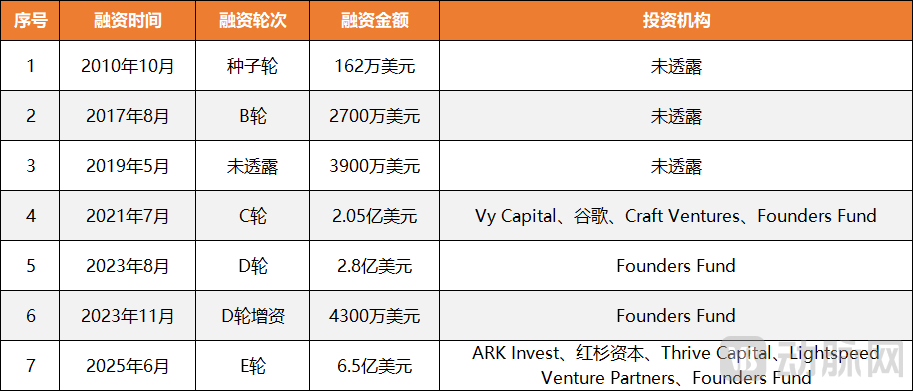
Core Insights - Neuralink has completed a $650 million Series E funding round, setting a new record in the brain-computer interface (BCI) sector, bringing its total funding to over $1.3 billion, which is significant compared to the global BCI market size of $2.6 billion in 2024 [1][2] - Despite substantial funding, Neuralink faces high operational costs, burning several hundred million dollars annually without a clear path to commercialization [2][3] - The BCI industry is experiencing a funding boom, with nearly 100 financing events in the past five years in China alone, totaling over 10 billion yuan, indicating strong investor interest [3][4] Funding Landscape - Neuralink's funding history includes multiple rounds, with significant contributions from major investors like ARK Invest and Sequoia Capital in the latest round [2] - The BCI sector has seen a 30% increase in financing events in China from January to November 2025, with notable records set by companies like JieTi Medical [5] - Government funding is becoming increasingly important, with various local and national policies supporting BCI development, including a 10 billion yuan fund in Tianjin [6][7] Market Dynamics - The BCI market is characterized by a lack of stable commercialization and profitability, leading many companies to face survival challenges [3][4] - Investors are shifting focus from upstream technology to practical clinical applications and commercialization capabilities, indicating a maturation of the investment landscape [6] - The potential applications of BCI technology, such as restoring vision or mobility, present significant market opportunities, attracting early investments [4] Product Development and Commercialization - Companies are adopting a "laying eggs along the way" strategy, focusing on both research and consumer applications to maintain cash flow [9][10] - Non-invasive BCIs are targeting consumer healthcare markets, while invasive BCIs are focusing on research applications due to the complexity of clinical scenarios [10][12] - Successful commercialization examples include products like the intelligent bionic hand from QiangNerve Technology, which has seen rapid sales growth [11] Future Outlook - 2025 is anticipated to be a pivotal year for the BCI industry in China, with significant clinical advancements expected [15] - Challenges remain in signal processing, material compatibility, and market education, which could delay widespread commercialization [16] - Companies must balance short-term survival with long-term innovation to thrive in the evolving BCI landscape [18][19]
要不要重新设计“我”:三个科技“天才”与一个人文学者的思想对抗
虎嗅APP· 2025-11-29 03:06
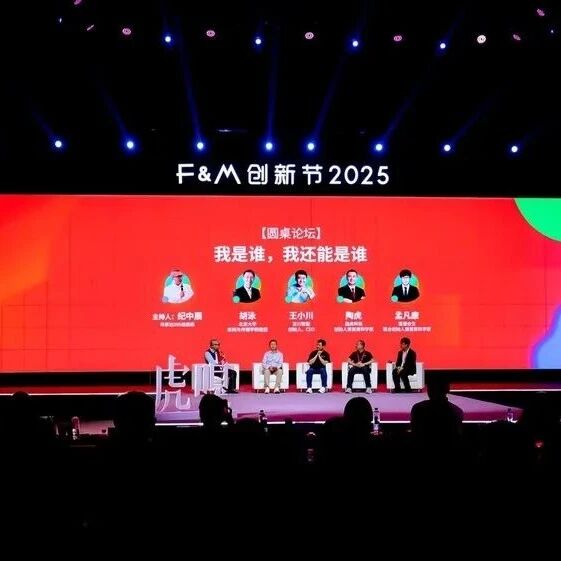
Core Viewpoints - The discussion revolves around the implications of AI and technology on human identity and existence, questioning whether humans can maintain their essence in the face of advanced AI and biotechnology [2][3][4]. Group 1: AI and Human Identity - The panelists explore how AI and technology redefine human existence, with a focus on AI in healthcare, brain-computer interfaces, and synthetic biology [4][5]. - Wang Xiaochuan views AI as an integral part of human civilization, suggesting that future human history will be co-written with AI [4][5]. - Tao Hu emphasizes the brain's central role in defining humanity, arguing that enhancing human capabilities through technology is essential for survival in an intelligent competition [4][8]. Group 2: Ethical and Philosophical Considerations - The conversation raises ethical questions about the implications of consciousness transfer and the potential loss of individuality if consciousness can be digitized [11][12]. - Meng Fankang discusses synthetic biology's potential to redefine what it means to be human, suggesting that it could lead to healthier lives but also risks altering human identity [12][13]. - Hu Yong warns that the rapid advancement of AI could lead to a loss of human control, drawing parallels to historical technological developments that had unforeseen consequences [23][24]. Group 3: The Future of Human-AI Interaction - The panelists express concerns about the increasing decision-making power of AI, with Wang Xiaochuan noting that humans may become mere executors of AI decisions [21][22]. - Tao Hu highlights the importance of improving communication between humans and AI to enhance societal progress [18][19]. - Meng Fankang presents a vision where AI aids in human evolution and adaptation, potentially expanding human capabilities [29]. Group 4: The Role of Ethics in Technological Advancement - The discussion emphasizes the need for ethical frameworks to guide the development of technologies like synthetic biology and AI, ensuring that advancements do not compromise human values [26][27]. - The panelists agree that while technology can enhance human life, it must be approached with caution to avoid ethical pitfalls [13][26]. - Hu Yong suggests that the concept of "responsible life design" is paradoxical, as once life is engineered, the notion of responsibility may become irrelevant [25].
汇民智聚共识精心规划“十五五” 龚正主持经营主体和基层代表座谈会听取意见建议
Jie Fang Ri Bao· 2025-11-29 02:40
Group 1 - The Shanghai government is focusing on the "14th Five-Year Plan" to enhance economic and social development, emphasizing strategic initiatives and major projects [1][3] - The meeting included representatives from various sectors, discussing the construction of the "Five Centers," modern industrial systems, and rural revitalization [2] - The government aims to strengthen technological innovation and modernize the industrial system, promoting collaboration among businesses and grassroots organizations [3] Group 2 - The Shanghai government is committed to building a world-class socialist modern international metropolis, with a focus on technological innovation and new productive forces [3] - The importance of grassroots foundations in driving high-quality development and improving governance was highlighted, with an emphasis on community engagement [3] - The planning process for the "14th Five-Year Plan" is described as a collective effort to gather public insights and build consensus [3]
龚正主持召开上海市“十五五”规划经营主体和基层代表座谈会 12位代表参会
Xin Lang Cai Jing· 2025-11-28 12:52
Core Viewpoint - The Shanghai government is actively planning the "14th Five-Year Plan" to enhance economic and social development, focusing on strategic initiatives and projects that align with the city's characteristics and future development goals [1] Group 1: Strategic Planning - The meeting emphasized the importance of implementing the spirit of the 20th Central Committee and the significant speech by General Secretary Xi Jinping during his visit to Shanghai [1] - The goal is to transform the grand blueprint outlined by Xi Jinping for Shanghai into actionable plans and visual representations [1] Group 2: Stakeholder Engagement - Various representatives from different sectors, including Shanghai Petrochemical, Shanghai Electric, and other local enterprises and institutions, provided suggestions on the construction of the "Five Centers," modern industrial system, and rural revitalization [1] - The discussions highlighted the need for enhancing technological innovation capabilities, building a modern industrial system, and strengthening grassroots foundations [1]
爱具体的人,做心动的事儿
虎嗅APP· 2025-11-21 06:00
Core Insights - The article emphasizes the importance of individual identity in the age of AI, suggesting that technology should enhance human experiences rather than define them [2][3][5]. Group 1: Event Overview - The 2025 Hu Xiu F&M Innovation Festival will take place on November 22-23 at Beijing 798·751 Park, focusing on the theme "I, Rebecoming Myself" [2]. - The event will feature over 100 cross-disciplinary practitioners and thinkers from various fields, including AI technology, consumer business, philosophy, and health [2][3]. Group 2: Key Sessions - On November 22, the session "AI Reshapes Everything" will include a deep dialogue between Professor Zhou Lian from Renmin University and Wang Jialiang, founder of Chubao, discussing the essence and boundaries of humanity under AI [2]. - The session "Who Am I, Who Can I Be" will explore life boundaries with insights from leaders in brain-machine interfaces, AI healthcare, and synthetic biology [3]. - A special lecture by Zhang Xiaoyu, an award-winning author, will address the relationship between intelligence and society, questioning the future direction of social evolution due to AI [3]. Group 3: Debates and Discussions - A debate titled "Will AI Enhance or Diminish Human Intelligence?" will feature prominent figures discussing the implications of AI on human cognitive abilities [5]. - The event will also include practical methodologies from industry leaders, such as the vice chairman of Haidilao, who will reimagine the essence and boundaries of service in the restaurant industry [8]. Group 4: Consumer Insights - The session "I, Meaning" will focus on how AI can transform consumer experiences, featuring discussions on emotional engagement through music and virtual personas [7]. - Data-driven insights will be shared by industry experts, revealing the true nature of consumer behavior in the market [8]. Group 5: Interactive Experiences - Attendees will have the opportunity to interact with over 60 AI products, including robots that understand emotions and creative smart toys [9]. - The event will also feature open dialogues on contemporary issues faced by young people, such as high housing prices and employment challenges [9].

马斯克放话:人类20年内或实现“数字永生”,是科技狂想还是未来已来?
Sou Hu Cai Jing· 2025-11-19 10:43
Core Insights - Elon Musk predicts that humanity may achieve "digital immortality" within 20 years through Neuralink's technology, which involves creating a "snapshot" of consciousness and uploading it to Tesla's humanoid robot, Optimus [1] - The concept of digital immortality integrates advanced technologies from Neuralink and Optimus, emphasizing that this form of immortality is not a perfect copy of the original self [1] Technical Pathway Analysis - The process of achieving digital immortality involves several key technological challenges, starting with breakthroughs in brain-computer interface (BCI) signal acquisition [3] - Current Neuralink devices can capture signals through 256 channels, but to fully simulate the human brain, this needs to increase to a million channels, necessitating revolutionary advancements in electrode materials [3] - Consciousness modeling is categorized into four progressive levels, with current digital immortality products only reaching Level 1, while true consciousness uploading requires advancements to Level 3 or 4 [5] Clinical Breakthroughs - Brain-computer interfaces have shown significant value in medical applications, exemplified by a clinical study in China that enabled a paralyzed patient to control a robotic arm using thought [6] Global BCI Competition - The race for brain-computer interface technology is primarily led by the US and China, with implications for future industry leadership [8] - In the US, Neuralink is at the forefront, planning to achieve multi-region implants by 2027 and increase signal channels to 25,000 by 2028, supported by innovations in flexible electrode materials and AI algorithms [9] - In China, government policies are driving BCI development, with significant breakthroughs from companies like Brain Tiger Technology and collaborations with academic institutions [10] Industry Ecosystem Development - The global BCI industry is projected to generate economic value between $70 billion and $200 billion over the next 10 to 20 years, prompting increased investment and strategic planning [11] - The industry is evolving with a focus on high-end medical devices, consumer applications, and supporting technologies, fostering a comprehensive technological ecosystem [21] Ethical and Philosophical Challenges - Digital immortality faces significant technical bottlenecks, including limitations in signal acquisition precision and hardware compatibility, as well as challenges in consciousness modeling [12] - Ethical dilemmas arise regarding identity, social equity, data security, and the fundamental nature of consciousness, questioning whether a digital copy can truly represent the original self [14][15] Future Outlook - Despite the challenges, BCI technology is making strides in medical rehabilitation, enhancing patient quality of life and treatment efficacy [18][19] - The diversification of technological approaches is evident, with innovations in human-machine collaboration and materials science paving the way for new applications [20] - Ethical guidelines are being established alongside technological advancements to ensure responsible development and implementation of BCI technologies [22]
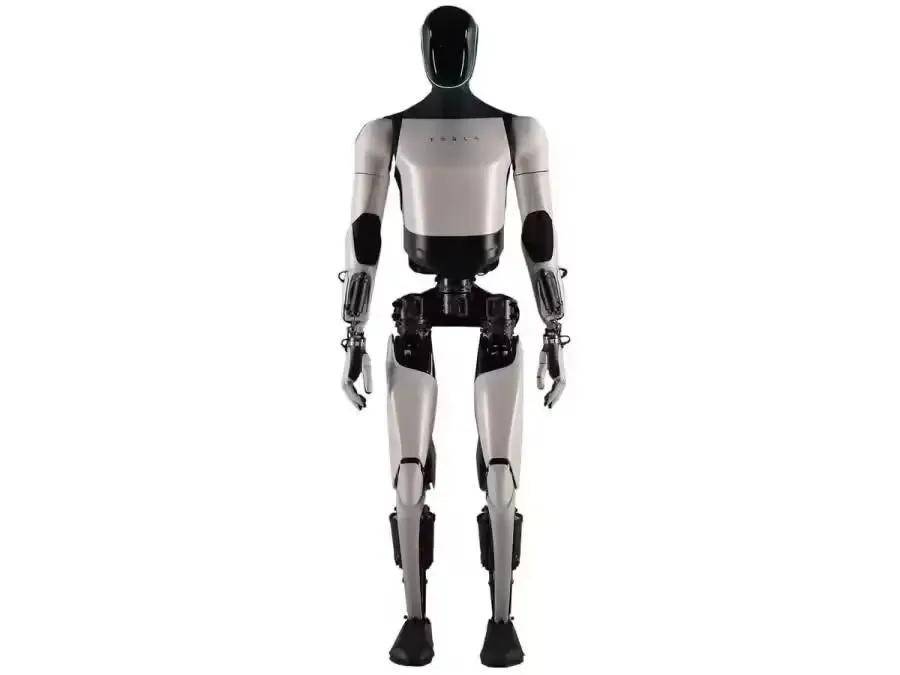
马斯克放话:人类20年内或实现“数字永生”,是科技狂想还是未来已来?
机器人大讲堂· 2025-11-19 09:06
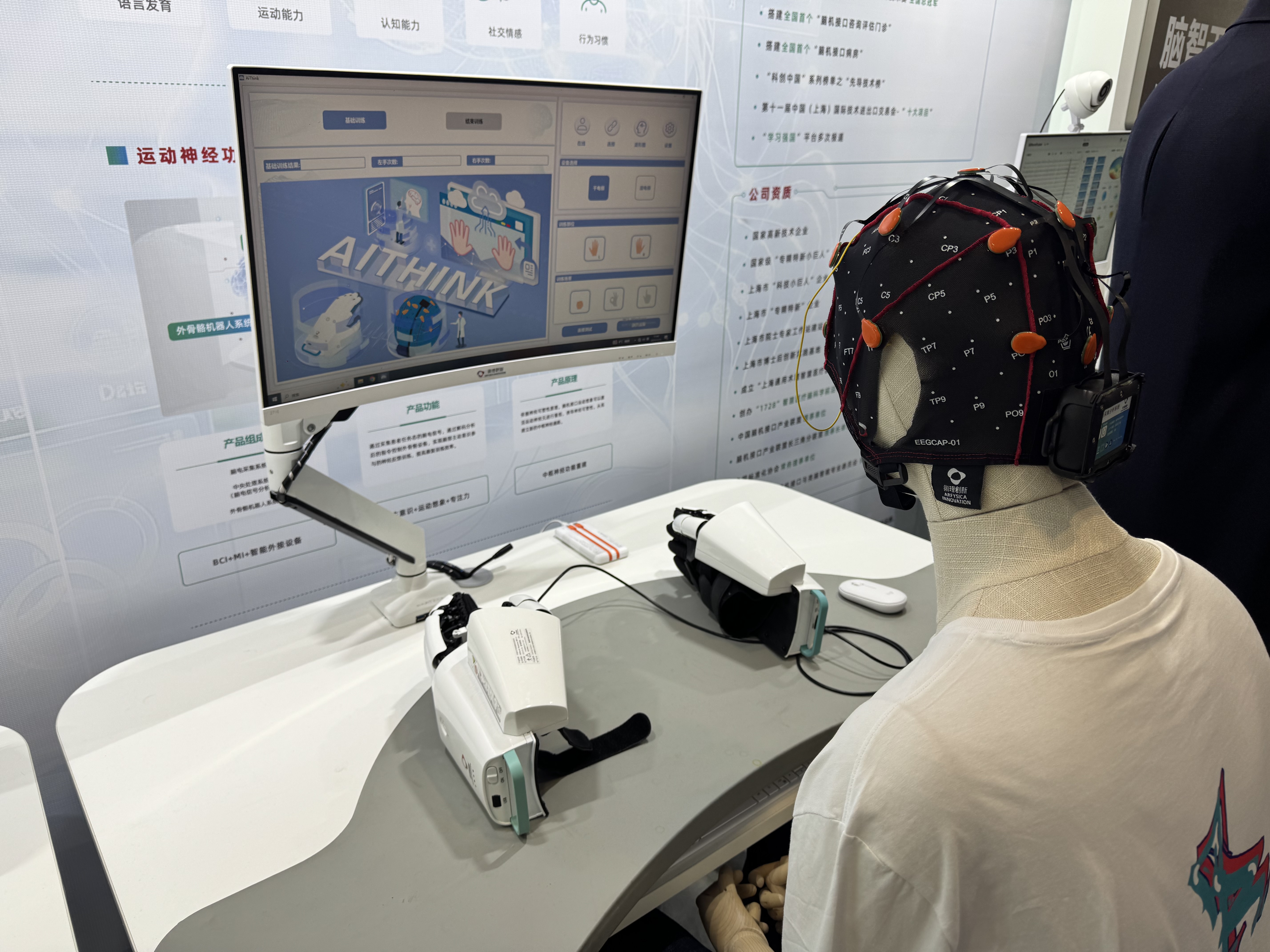
Core Viewpoint - Elon Musk predicts that humanity may achieve "digital immortality" within 20 years through the technologies of his companies Neuralink and Tesla's humanoid robot Optimus, which involves creating a "snapshot" of consciousness and uploading it to a robotic platform [1]. Technical Path Analysis - The process of achieving digital immortality involves several key stages, starting with breakthroughs in brain-computer interface (BCI) signal acquisition, which currently has a maximum of 256 channels but needs to reach millions to fully simulate the human brain [3][6]. - Consciousness modeling is categorized into four progressive levels, with current products only achieving Level 1, while true consciousness uploading requires advancements to Level 3 or 4 [6][8]. - Clinical trials have shown significant progress, such as a 72-year-old patient controlling a robotic arm through thought, laying the groundwork for more complex consciousness signal acquisition [7]. Global BCI Competition - The global race for BCI technology is primarily led by the US and China, focusing on technological leadership and future industrial dominance [9]. - In the US, Neuralink has made strides in allowing patients to control devices with their thoughts and has a roadmap to enhance its technology significantly by 2028 [10]. - China is also advancing rapidly, with government policies supporting BCI development and companies achieving breakthroughs in high-throughput flexible BCIs [11][12]. Industry Ecosystem Development - The global BCI industry is projected to generate economic value between $70 billion and $200 billion over the next 10 to 20 years, prompting increased investment and strategic planning [13]. - As technology matures, the BCI ecosystem is forming, with investments focusing on high-end medical devices, consumer applications, and supporting technologies [23]. Ethical and Technical Challenges - Significant technical challenges remain, including the precision of signal acquisition and hardware compatibility, which hinder the full simulation of brain activity [14]. - Ethical dilemmas arise regarding identity, social equity, and data security, particularly concerning the implications of consciousness uploading and potential societal divides [16][17]. Future Outlook - BCI technology is already making strides in medical rehabilitation, improving patient quality of life and treatment outcomes [20]. - The diversification of technical routes is evident, with innovations combining biological signals and AI to enhance applications in various fields [21]. - Ethical standards are being developed alongside technological advancements to ensure responsible innovation and address potential societal impacts [24].