
吉利汽车

Search documents
禁止亏本卖车,车圈反内卷新规出炉,价格战乱象大整治
3 6 Ke· 2026-02-12 11:25
Core Viewpoint - The release of the "Guidelines for Compliance with Pricing Behavior in the Automotive Industry" by the State Administration for Market Regulation aims to standardize pricing behavior in the automotive sector, ensuring fair competition and protecting consumer rights while promoting high-quality industry development [3][24]. Group 1: Pricing Guidelines for Automotive Manufacturers - Automotive manufacturers must base pricing on production costs and market demand, prohibiting loss-leading sales aimed at eliminating competitors or monopolizing the market [5][6]. - Manufacturers are not allowed to significantly raise prices without justifiable reasons, even when there is a severe supply-demand imbalance in the automotive supply chain [6]. - The guidelines require manufacturers to clearly inform consumers about the terms and costs associated with "pay-to-unlock" features, including any free trial periods [6][13]. Group 2: Pricing Guidelines for Automotive Dealers - Automotive dealers are required to display clear pricing, including vehicle name, price, unit of measurement, model, manufacturer, and key specifications [13][18]. - Dealers must publicly disclose promotional rules, activity duration, and applicable scope, ensuring transparency in discounts and promotional offers [13][18]. - Similar to manufacturers, dealers are prohibited from loss-leading sales except during inventory clearance [14][18]. Group 3: Supplier Payment Terms and Industry Practices - A survey by the China Automotive Industry Association indicates that most of the 17 key automotive companies have reduced payment terms to within 60 days, with an average of 54 days, which is a reduction of about 10 days compared to the previous year [20][21]. - 15 companies have adopted cash or bank acceptance bills for payments, with some companies allowing early payment requests for cash-strapped small and medium enterprises [20][21]. - The guidelines are part of a broader effort to ensure compliance with the revised "Regulations on Payment of Funds to Small and Medium Enterprises" by the State Council, promoting timely payments to suppliers [21][24].

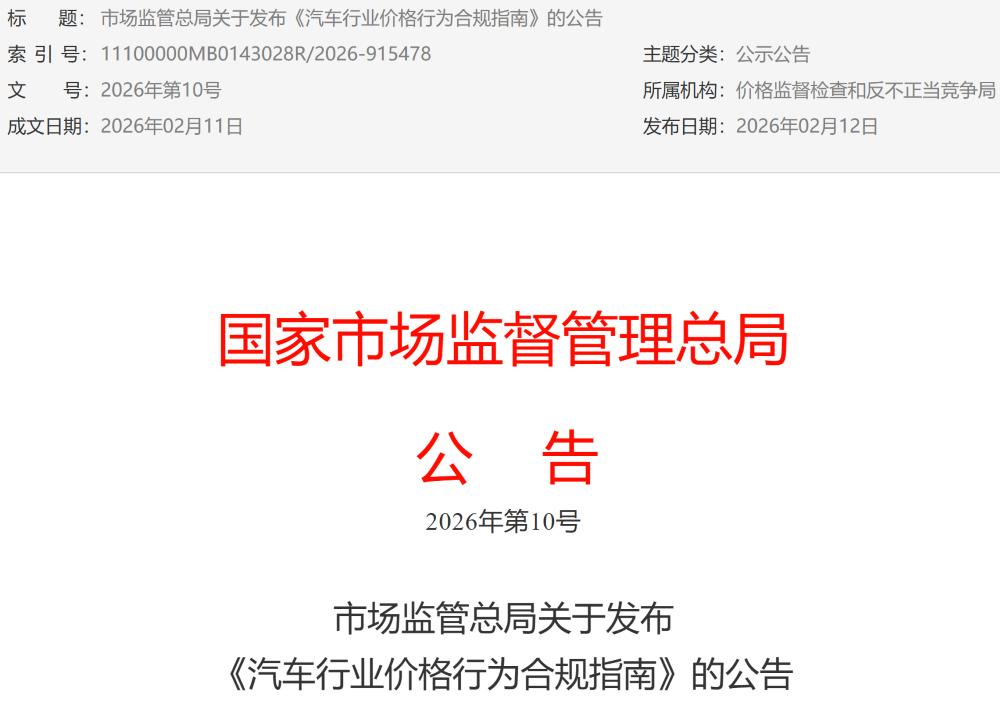
小米YU7登顶1月国内乘用车零售量排行榜
Xin Lang Cai Jing· 2026-02-12 11:17
Core Insights - Xiaomi's YU7 model achieved sales of 37,869 units in January, ranking first in the national passenger car retail sales, despite a slight month-on-month decline from December [2][9] - The YU7 is positioned as a "family smart flagship SUV" and is Xiaomi's second mass-produced vehicle, following the SU7 [5] - The overall domestic passenger car market saw significant changes in January, with nearly half of the top 20 models being new energy vehicles, while traditional brands maintained stable market shares [6] Sales Performance - The YU7's sales in January were slightly down compared to December, indicating a solidified position in the mid-to-large SUV segment [9] - In December 2025, the YU7 ranked third in retail sales with 39,089 units, trailing only the Tesla Model Y and BYD Qin PLUS [6] Market Context - January is typically a slow season for the automotive market, with many companies pushing for annual targets in December, leading to a release of pent-up demand [9] - The YU7's performance amidst a backdrop of reduced subsidies and tax adjustments reflects its strong market presence [9] Future Outlook - Xiaomi's cumulative delivery volume approached 600,000 units by early February, with a target of 550,000 units for 2026 and over 410,000 units for 2025, exceeding previous plans [9] - The company plans to launch a new generation of the SU7 in April 2024, with a starting price of 229,900 yuan, and has already opened pre-orders [9] Competitive Landscape - The YU7 competes directly with models like Tesla's Model Y and Li Auto's L series in the mid-to-large SUV market [5] - Tesla's Model Y saw a significant drop in sales in January, with only 16,845 units sold, ranking 20th [6]

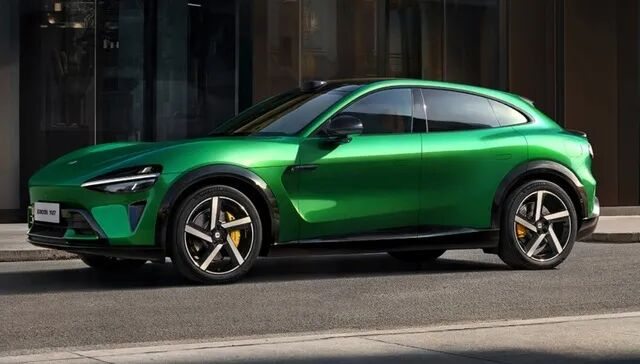
Exclusive-Seeking Mexico foothold, China's BYD and Geely bid to buy car plant
Yahoo Finance· 2026-02-12 11:07
Core Viewpoint - Chinese automakers, particularly BYD and Geely, are competing to acquire a Nissan–Mercedes-Benz plant in Mexico, indicating a significant shift in the Mexican automotive industry as they seek to establish a manufacturing presence amid U.S. tariffs impacting local factories [1][3]. Group 1: Chinese Automakers' Interest - BYD and Geely are among the finalists for the acquisition of the plant, alongside Vietnamese electric vehicle maker VinFast, emerging from a pool of nine interested companies [1][2]. - Other notable Chinese manufacturers expressing interest include Chery and Great Wall Motor, highlighting a broader trend of Chinese investment in the Mexican automotive sector [2]. Group 2: Market Dynamics - The interest from Chinese automakers marks a potential transformation in Mexico's car industry, which has historically been dominated by U.S., European, and Japanese manufacturers focused on vehicles for the U.S. market [3]. - Chinese automakers have increased their market share in Mexico from zero in 2020 to approximately 10% last year, with annual car sales in Mexico around 1.5 million [6]. Group 3: Economic Implications - The Mexican government is in a challenging position, as U.S. tariffs are negatively affecting the local auto sector, while Chinese investments could create essential jobs [4]. - However, there are concerns that increased Chinese production in Mexico could provoke tensions with the U.S. and complicate ongoing North American trade negotiations [4]. Group 4: Growth of Chinese Auto Industry - The ambitions of BYD and Geely reflect the rapid global expansion of China's auto industry, with BYD's vehicle sales increasing ten-fold since 2020 and Geely's sales doubling, both selling over 4 million vehicles last year [5]. - The collective market share of Chinese automakers in Mexico has significantly risen, indicating their growing influence in the region [6].

2026年首月汽车销量出炉:合资品牌止跌企稳,市场格局调整中走向均衡
Hua Xia Shi Bao· 2026-02-12 10:15
Group 1: Overall Market Performance - In January, the automotive production and sales reached 2.45 million and 2.346 million units, respectively, with month-on-month declines of 25.7% and 28.3%, while production saw a slight year-on-year increase of 0.01% and sales decreased by 3.2% year-on-year [2] - Passenger vehicle sales were particularly pressured, with domestic sales of new energy passenger vehicles dropping 22.9% year-on-year and 54.8% month-on-month [2][4] - The export market continued to grow, with total exports reaching 681,000 units, a year-on-year increase of 44.9%, and new energy vehicle exports doubling year-on-year [2][4] Group 2: Passenger Vehicle Market Dynamics - Passenger vehicle production and sales in January were 2.062 million and 1.988 million units, with month-on-month declines of 28.4% and 30.2%, and year-on-year declines of 4.1% and 6.8% [3] - The decline in passenger vehicle sales was attributed to three main factors: adjustments in new energy vehicle tax policies, a transitional period for local purchase subsidies, and the early release of consumer demand expected by the end of 2025 [3][6] - Domestic sales of Chinese brand passenger vehicles were 1.329 million units, down 32.1% month-on-month and 8.9% year-on-year, accounting for 66.9% of total passenger vehicle sales [3] Group 3: New Energy Vehicle Market - Domestic sales of new energy passenger vehicles were 583,000 units in January, down 22.9% year-on-year and 54.8% month-on-month [4] - The decline in new energy vehicle sales was directly linked to policy changes, including stricter requirements for tax exemptions on new energy vehicles [5] - In contrast, new energy vehicle exports reached 302,000 units, a year-on-year increase of 100%, with passenger vehicle exports at 295,000 units, reflecting strong international demand [4][5] Group 4: Commercial Vehicle Market - Commercial vehicle production and sales were 388,000 and 359,000 units, respectively, with year-on-year growth of 29.9% and 23.5% [5] - The growth in commercial vehicles is attributed to the recovery of the logistics industry and pre-holiday stockpiling for infrastructure projects [6] - Specific segments such as heavy-duty trucks saw a year-on-year sales increase of 35.2%, while light-duty trucks increased by 23.1% [5] Group 5: Industry Trends and Future Outlook - The automotive market is transitioning from a policy-driven growth model to a product-driven one, with a focus on technological advancements and product quality [6][8] - The industry is facing rising cost pressures, particularly from semiconductor prices and battery materials, which may impact pricing strategies [7] - There is a growing emphasis on fair competition and innovation within the industry, with suggestions for expanding the automotive supply chain to include new technologies [8]
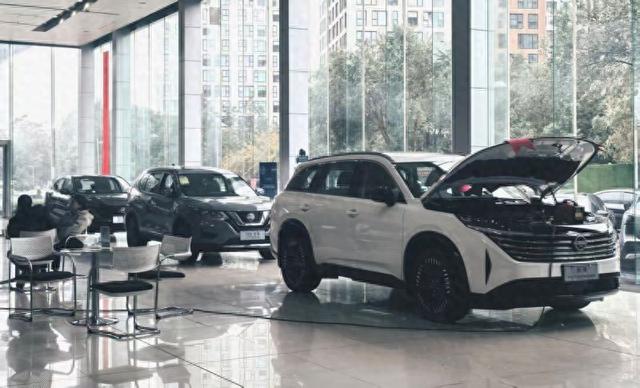
中汽协:17家车企中多数账期已低于60天,少数趁机“勒索”供应商
Jing Ji Guan Cha Wang· 2026-02-12 09:20
Core Insights - The China Automotive Industry Association (CAAM) released a report indicating that most of the 17 key automotive enterprises have reduced their payment terms to within 60 days, with an average payment term of approximately 54 days, which is a reduction of about 10 days compared to the previous year [2] - The revised "Regulations on Payment for Small and Medium-sized Enterprises" will take effect in June 2025, mandating large enterprises to pay small and medium-sized enterprises within 60 days of delivery [2] - The report highlights that the average accounts payable turnover days for domestic listed automotive companies in 2024 is 182 days, significantly higher than that of German (40.5 days) and American (60.5 days) automotive companies, causing financial strain on upstream enterprises [2] Group 1 - The CAAM's survey shows that all key automotive enterprises are prioritizing the implementation of payment term commitments, with many forming special task forces and establishing long-term mechanisms for commitment fulfillment [3] - The survey indicates that 15 out of 17 key automotive enterprises use cash or bank acceptance bills for payments, with 5 companies having a cash payment ratio exceeding 50% and 2 companies exceeding 70% [3] - 14 out of the 17 key enterprises are implementing additional preferential policies for small and medium-sized enterprises, ensuring that the payment process from delivery to payment does not exceed 60 days [3] Group 2 - There are still issues in the payment processes of some automotive enterprises, such as discrepancies in the starting point for payment terms, which can lead to extended payment periods despite nominally adhering to the 60-day term [4] - The CAAM emphasizes the need for continuous efforts to address these issues, as the management of the payment process is not sufficiently standardized [4]

对话独角兽 | 东软睿驰助力汽车产业智能化发展:聚焦软件自研,联动生态协同
Di Yi Cai Jing· 2026-02-12 09:19
Core Insights - The automotive industry's intelligent transformation is driving a surge in demand for foundational software, with automotive operating systems being crucial for connecting hardware and applications, necessitating adaptation to multiple chips and scenarios [1][4] - Despite China's leading position in global automotive production and sales, the localization progress of automotive operating systems lags, with domestic systems accounting for less than 15% of the market in 2024, primarily in the aftermarket and low-end pre-installed models [1][4] Industry Trends - The Chinese automotive export is projected to reach 7.098 million units by 2025, a year-on-year increase of 21.1%, with new energy vehicle exports expected to double to 2.615 million units [1] - The domestic automotive operating system market is characterized by a lack of unified development forces and technical standards, leading to a narrow adaptation range and an incomplete ecosystem [4][5] Company Developments - Neusoft Ruichi, a company focused on core technology R&D in new energy and intelligent connected vehicles, has developed the NeuSAR operating system, which has been installed in tens of millions of vehicles, playing a significant role in the transformation of China's smart automotive industry [3][4] - The company has established partnerships with major automakers such as Honda, BYD, and Geely, achieving large-scale production of related projects [4][6] Strategic Initiatives - Neusoft Ruichi is actively participating in the establishment of national standards for automotive operating systems, aiming to overcome industry barriers through unified standards and collaboration among automakers and third-party suppliers [5] - The company collaborates with over 150 vehicle manufacturers and parts suppliers to create an open platform for industry cooperation, enhancing the resilience of the overall automotive supply chain [5] Financial Strategy - The automotive intelligent networking sector requires significant R&D investment with long return cycles, with 18 listed automakers collectively investing 92.048 billion yuan in R&D in the first half of 2025, a 32.94% increase year-on-year [6] - Neusoft Ruichi focuses its R&D investments on core technology breakthroughs and aims to enter a value return phase by 2026, optimizing its financial structure while balancing innovation and profitability [6][7] Market Expansion - Neusoft Ruichi is expanding its international presence by leveraging domestic production experience and addressing overseas market needs, including compliance with data security regulations [9][10] - The company employs a multi-base collaborative layout strategy to enhance market responsiveness and has achieved large-scale production of L2 and L2+ level intelligent driving products with major automakers [9][10]
吉利汽车(00175.HK)2月12日耗资2792.75万港元回购165.6万股
Ge Long Hui· 2026-02-12 08:55
Group 1 - The core point of the article is that Geely Automobile announced a share buyback plan, spending HKD 27.9275 million to repurchase 1.656 million shares at a price range of HKD 16.77 to 17.04 per share [1]
吉利汽车2月12日斥资2792.75万港元回购165.6万股
Zhi Tong Cai Jing· 2026-02-12 08:46
Group 1 - The company, Geely Automobile (00175), announced a share buyback plan on February 12, 2026, involving an expenditure of HKD 27.9275 million to repurchase 1.656 million shares [1]
吉利汽车(00175)2月12日斥资2792.75万港元回购165.6万股
智通财经网· 2026-02-12 08:45
Core Viewpoint - Geely Automobile announced a share buyback plan, investing HKD 27.9275 million to repurchase 1.656 million shares on February 12, 2026 [1] Group 1 - The company will spend HKD 27.9275 million for the buyback [1] - The total number of shares to be repurchased is 1.656 million [1]
吉利汽车(00175) - 翌日披露报表
2026-02-12 08:37
FF305 翌日披露報表 (股份發行人 ── 已發行股份或庫存股份變動、股份購回及/或在場内出售庫存股份) 表格類別: 股票 狀態: 新提交 如上市發行人的已發行股份或庫存股份出現變動而須根據《香港聯合交易所有限公司(「香港聯交所」)證券上市規則》(「《主板上市規則》」)第13.25A條 / 《香港聯合交易所有限公司GEM證券 上市規則》(「《GEM上市規則》」)第17.27A條作出披露,必須填妥第一章節 。 | 第一章節 | | | | | | | | | --- | --- | --- | --- | --- | --- | --- | --- | | 1. 股份分類 | 普通股 | 股份類別 | 不適用 | | 於香港聯交所上市 | 是 | | | 證券代號 (如上市) | 00175 | 說明 | | | | | | | 多櫃檯證券代號 | 80175 | RMB 說明 | | | | | | | A. 已發行股份或庫存股份變動 | | | | | | | | | | | | 已發行股份(不包括庫存股份)變動 | | 庫存股份變動 | | | | 事件 | | 已發行股份(不包括庫存股份)數 目 | ...