宝洁公司

Search documents
广东夫妇IPO:一年收入30亿,非洲行业第一
华尔街见闻· 2025-08-22 11:08
Core Viewpoint - The article emphasizes the untapped potential of the African market for baby diapers and sanitary products, highlighting the significant growth opportunities amidst intense competition in other regions like China and Europe [1][6]. Group 1: Market Potential - Africa is the youngest continent with a median age of only 20 years and the highest birth rate globally [2]. - The penetration rates for baby diapers and sanitary pads in Africa are approximately 20% and 30%, respectively, which are only one-third of those in developed markets [4]. - The market for baby diapers, pull-ups, and sanitary pads in Africa is projected to reach $5.6 billion by 2029, representing a 47% increase from five years ago [6]. Group 2: Company Overview - Leshushit Limited, a Chinese company, is rapidly capitalizing on this market potential and has filed for listing on the Hong Kong Stock Exchange [7]. - In 2024, Leshushit is expected to generate approximately $450 million in revenue, with over 40 billion baby diapers contributing to three-quarters of its revenue [8]. - Leshushit has achieved a market share of 20.3% in the African baby diaper market, surpassing established multinational companies like Procter & Gamble [9][32]. Group 3: Competitive Advantages - Leshushit has established a strong local presence, operating in over 30 countries with more than 14 years of experience in key markets [15]. - The company has built a complex distribution network to reach consumers effectively, which serves as a competitive barrier against new entrants [18]. - Leshushit has initiated local manufacturing in eight African countries, becoming the largest local manufacturer of hygiene products in the region [23]. Group 4: Growth Strategy and Challenges - The company plans to invest over $1.8 billion in expanding production capacity across 12 countries, including new factory construction and equipment procurement [24]. - However, Leshushit is experiencing a slowdown in growth, with revenue and net profit growth rates projected at 10.5% and 46.2% for 2024, down from 28.4% and 261% in 2023 [26]. - The company has adopted a low-price strategy, pricing its products at 40%-75% of international brands, which has contributed to its market share growth [29]. Group 5: Cost and Currency Risks - The cost of raw materials, which account for over 80% of total costs, is critical for maintaining the company's pricing strategy [34]. - Leshushit has not hedged against raw material costs, and a 5% increase in these costs could lead to a pre-tax profit decline of $12.6 million [38]. - The company has faced currency exchange losses amounting to $18.3 million from 2022 to 2024, representing 10% of its total net profit during that period [44].


特朗普关税收入或超3000亿,美联储降息再生变数引关注
Sou Hu Cai Jing· 2025-08-22 04:21
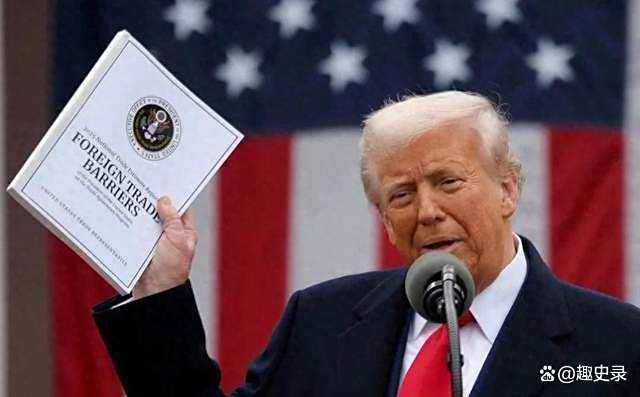
Core Points - The article discusses the implications of Trump's tariff policies, highlighting that while tariff revenues are projected to exceed $300 billion, the long-term economic impacts and risks are complex [1][2][12] - The increase in tariff revenue is seen as a temporary relief for the growing national debt, which has reached $37 trillion, but ultimately, the burden will shift to consumers and businesses, leading to higher prices [1][4][12] Tariff Revenue - The U.S. Treasury reported that the first round of tariffs initiated on April 9 generated $100 billion in revenue within 90 days, with July seeing a record monthly revenue of $28 billion, a 273% increase year-over-year [2] - Cumulative tariff revenue for the fiscal year has reached $142 billion, with expectations that it may exceed 1% of GDP by year-end [2] - Despite the revenue, Treasury Secretary Besant emphasized that debt repayment is the priority over potential tax rebates for citizens [2][12] Economic Impact - Major companies like Home Depot and Procter & Gamble have warned of price increases due to rising costs from tariffs, with about one-third of U.S. businesses planning to raise prices in the next six months [4][5] - The Congressional Budget Office predicts that the fiscal deficit will increase by $1 trillion over the next decade, exacerbated by Trump's policies [4][12] Trade Relations - The article notes ongoing trade negotiations with China, with hopes to reach an agreement before the end of November to reduce tariffs and mitigate economic impacts [12] - The tariffs imposed on various countries, including a 20% tariff on Chinese goods, are part of Trump's strategy to reshape trade dynamics and reduce trade deficits [2][5] Federal Reserve and Interest Rates - The article highlights Trump's criticism of the Federal Reserve's monetary policy, advocating for significant interest rate cuts to stimulate the economy [7][10] - Market expectations for rate cuts have increased, with traders anticipating a higher likelihood of a dovish Federal Reserve in the future [8][10] Conclusion - Overall, while tariff revenues provide short-term fiscal relief, the long-term implications for consumer prices, corporate costs, and national debt remain concerning, with the potential for increased inflation and economic instability [1][4][12]
华帝、华为、美的等企业入选首批“守护品牌”政企协作机制名单
Zheng Quan Zhi Xing· 2025-08-22 02:41
Group 1 - The "Guarding Brands" government-enterprise cooperation mechanism has been established to enhance intellectual property protection and combat infringement, with Vatti Holdings being one of the selected members [2][3] - A total of 60 leading brands from various industries, including Huawei, Moutai, and Procter & Gamble, have been included in the first batch, highlighting the recognition of Vatti's market influence in the kitchen appliance sector [2][3] - The mechanism aims to create a collaborative environment for brand protection, allowing companies like Vatti to receive more efficient support in protecting their intellectual property rights [3][4] Group 2 - The inclusion of Vatti and other companies from Guangdong in the mechanism emphasizes the region's role as a hub for intellectual property innovation and protection [3] - The new mechanism addresses previous challenges faced by companies in protecting their rights, such as difficulties in evidence collection and inter-regional enforcement coordination [3] - Vatti's participation signifies a commitment to maintaining market order and enhancing consumer trust in product quality, contributing to China's transition from a "big brand country" to a "strong brand country" [4]

年入30亿的非洲纸尿裤生意,托举起乐舒适的IPO
Hua Er Jie Jian Wen· 2025-08-22 01:49
Core Insights - The African market presents significant growth opportunities for baby diapers and sanitary products, with low penetration rates compared to developed markets [2][3] - LeShuShi Ltd, a Chinese company, is rapidly expanding its presence in Africa, achieving substantial sales and market share [3][4] Industry Overview - Africa has the youngest population globally, with a median age of 20 years and the highest birth rate [1] - The penetration rates for baby diapers and sanitary pads in Africa are approximately 20% and 30%, respectively, significantly lower than in developed markets [2] - The market for baby diapers, pull-ups, and sanitary pads in Africa is projected to reach $5.6 billion by 2029, a 47% increase from five years ago [2] Company Profile - LeShuShi Ltd, spun off from SenDa Group, is one of the earliest Chinese companies to enter the African market [5] - The company generated approximately $450 million in revenue in 2024, with over 40 billion diapers contributing to three-quarters of its revenue [3][4] - LeShuShi holds a 20.3% market share in the African baby diaper market, surpassing Procter & Gamble [3][15] Competitive Advantages - LeShuShi has established a strong distribution network across over 30 countries, with 18 sales branches and more than 2,800 customers [10] - The company has localized manufacturing capabilities, operating production facilities in eight African countries, which helps reduce supply chain costs [11] - The company’s pricing strategy, offering products at 40%-75% lower prices than international brands, has contributed to its market share growth [15] Growth Strategy - LeShuShi plans to invest over $1.8 billion in expanding production capacity across 12 countries, including new factory construction and equipment upgrades [12] - The company aims to penetrate underrepresented markets in Central Africa and rural areas, leveraging its existing strengths in East and West Africa [17] Financial Performance - In 2024, LeShuShi's revenue and net profit growth rates are expected to slow to 10.5% and 46.2%, respectively, compared to much higher rates in 2023 [14] - The company has seen a significant increase in gross margin, rising from 22.2% to 35.2% over two years, driven by declining raw material costs [15] Market Challenges - The company faces potential cost pressures as raw material prices are projected to rise by 5%-7% over the next five years [16] - Currency exchange risks are a concern, as the company’s procurement is primarily in USD and RMB, while sales are in local currencies [17]
3 Stable Dividend-Paying Stocks That Are Perfect for Retirees
The Motley Fool· 2025-08-21 22:32
Core Viewpoint - For retirees, focusing on dividend investing is about owning stocks that consistently generate cash and increase payouts, rather than chasing the highest yield. A diversified portfolio across stable industries is essential for reliable income. Group 1: Procter & Gamble - Procter & Gamble (P&G) has a strong track record of stability, with brands like Tide and Gillette being essential in households worldwide, making its business resilient even during recessions [2][7] - P&G has increased its dividend for 53 consecutive years, with a current yield of 2.7% [6] - The company has a low beta of 0.34, indicating less volatility compared to the broader market, and a payout ratio of around 63%, balancing shareholder rewards and reinvestment [6][5] Group 2: ExxonMobil - ExxonMobil is a major player in the energy sector, known for its ability to maintain and grow dividends even during economic downturns, benefiting from scale advantages and strong cash flows [8][9] - The company has paid and raised its dividend for 42 consecutive years, with a current yield of 3.7% [16] - ExxonMobil's beta is 0.50, reflecting lower volatility than many peers, and a payout ratio of around 55% provides a cushion during weaker commodity price environments [16][9] Group 3: Johnson & Johnson - Johnson & Johnson (J&J) is a leader in healthcare, with a diversified business model that ensures steady revenue growth across economic cycles [10][11] - J&J has raised its dividend for 62 consecutive years, with a current yield of around 3% [17] - The company has a beta of 0.59, providing stability while allowing for long-term growth, and a payout ratio of approximately 45%-50% balances shareholder returns with reinvestment in R&D [17][11] Group 4: Combined Strength - The combination of Procter & Gamble, ExxonMobil, and Johnson & Johnson offers retirees a diversified foundation across consumer staples, energy, and healthcare, reducing the risk of income disruption from economic downturns [12][13] - Each company features modest payout ratios and low volatility, reinforcing the safety and growth potential of their dividends, which can help combat inflation [14][15]



Prediction: Buying the Vanguard S&P 500 ETF Today Could Set You Up for Life
The Motley Fool· 2025-08-21 10:00
Core Insights - Investing in the stock market through ETFs is a safer and simpler alternative to individual stocks [1] - An S&P 500 ETF provides exposure to a diversified portfolio of large, successful companies [2][4] - The S&P 500 has a historical track record of recovering from economic downturns, making it a reliable investment [5] Performance and Returns - Research indicates that every 20-year period in the S&P 500's history has ended with positive total returns [6] - Over the past 20 years, the S&P 500 has generated returns exceeding 425%, turning a $10,000 investment into over $52,000 [7] Fund Comparison - The Vanguard S&P 500 ETF is highlighted for its low expense ratio of 0.03%, which is significantly lower than the SPDR S&P 500 ETF Trust's 0.0945% [9][10] Investment Strategy - Starting to invest early allows for greater accumulation of wealth over time, with examples showing potential portfolio values based on monthly contributions and time invested [12][13] - Consistency and time are crucial for long-term wealth generation, making the Vanguard S&P 500 ETF a suitable option for lower-risk investment strategies [14]

两百年后,中国重返全球最大贸易顺差国 |东哥笔记
Sou Hu Cai Jing· 2025-08-21 08:28
Group 1 - China's trade surplus is approaching $1 trillion, indicating a significant recovery in trade confidence despite ongoing trade and technology conflicts with the U.S. [2][5] - Exports to ASEAN, Central Asia, and Latin America have shown remarkable growth, with exports to ASEAN increasing by over 20% year-on-year in April [2][3] - The import of bulk commodities has decreased in both volume and price, with iron ore imports down by 5.5% and prices down by 22.3%, leading to reduced import costs [3] Group 2 - China is reducing its reliance on U.S. agricultural imports, sourcing more from Brazil and Argentina, resulting in a 39.9% year-on-year decline in overall agricultural imports [3][5] - The trade surplus with the U.S. has decreased significantly, contributing only 37% to China's total trade surplus in 2024, down from 92% in 2018 [5][6] - The general trade surplus has increased to 73.1% in 2024, reflecting enhanced autonomy in China's industrial chain [6] Group 3 - The export of Apple products from China to the U.S. is significant, with an estimated $43 billion in exports in 2024, accounting for 8% of total exports to the U.S. [7] - If a significant portion of Apple production shifts to India, China's trade surplus with the U.S. could decrease by approximately $34 billion [7] - The actual trade surplus may be overstated due to profit repatriation by U.S. companies, with estimates suggesting a reduction of over 40% in real surplus [7][8] Group 4 - China's manufacturing export competitiveness remains strong, allowing for continued market share expansion despite tariffs [8] - The trend of relocating some production capacity overseas may shift part of the trade surplus to other countries, as seen with Apple [8]

编制“十五五”规划,广州向黄奇帆王一鸣等权威专家求智
Nan Fang Du Shi Bao· 2025-08-21 05:48
Group 1 - Guangzhou has initiated the planning for the "14th Five-Year Plan" with a focus on broad consensus and multi-party feedback through six major actions [1][5] - The city has established a Development Planning Expert Committee for the first time, comprising national-level think tank experts and leaders from universities and well-known enterprises [2][5] - The committee will be responsible for pre-consultation, post-verification, and public interpretation of the planning process [2][5] Group 2 - City leaders are conducting on-site research in various districts to gather feedback on the "14th Five-Year Plan" and emphasize collaboration with surrounding cities and regions [3] - The public has been actively engaged in the planning process, with nearly 2,500 suggestions received during the consultation period, surpassing the number from the previous planning cycle [4][5] - The initiative aims to enhance the height, breadth, depth, and precision of the feedback collection process, ensuring a comprehensive approach to planning [5]
美国经济 - 关税成本几何,由谁承担-US Economics-What are the tariff costs and who is bearing them
2025-08-21 04:44
Summary of Key Points from the Conference Call Industry Overview - The discussion revolves around the impact of tariffs on the U.S. economy, particularly focusing on inflation, corporate strategies, and sector-specific effects. [1][2][3] Core Insights and Arguments 1. **Tariff Impact on Inflation and Margins**: Tariffs are functioning as both consumption and production taxes, leading to increased inflation risks and squeezed profit margins for companies. [1][3][6] 2. **Current Tariff Rates**: As of June 2025, the average effective tariff rate on U.S. imports is approximately 8.9%, which is significantly lower than the expected baseline of around 16%. [7][16] 3. **Sector-Specific Tariff Rates**: Consumer goods, particularly apparel (24%), autos (15.8%), and furniture (16.1%), are facing higher tariff rates compared to other sectors. [28][6] 4. **Corporate Earnings and Tariff Pass-Through**: 2Q25 corporate earnings indicate uneven pass-through of tariff costs, with companies employing various strategies to mitigate impacts, including price adjustments and supplier negotiations. [6][9] 5. **Mitigation Strategies**: Companies are using a mix of strategies such as flexing pricing power, negotiating with suppliers, and shifting supply chains to manage tariff costs. [9][51] 6. **Prolonged Inflationary Effects**: The inflationary impact of tariffs may be prolonged as firms adopt gradual price increases rather than immediate hikes, leading to a delayed effect on consumer prices. [8][11] 7. **Federal Reserve Surveys**: Surveys indicate widespread cost pressures and cautious business sentiments, with many firms delaying investments and hiring due to tariff uncertainties. [8][45] Additional Important Insights 1. **Tariff Collections**: Between January and June 2025, duties collected on imported goods totaled $94 billion, surpassing the total duties collected in 2024, which was $76 billion. [15] 2. **Consumer Behavior**: Consumers are becoming more price-sensitive, leading to shifts in purchasing patterns, such as buying ahead of anticipated price increases due to tariffs. [61][65] 3. **Sectoral Variability**: The impact of tariffs varies significantly across sectors, with manufacturing and agriculture particularly affected by increased input costs and trade uncertainties. [63][64] 4. **Future Expectations**: There is an expectation that tariff rates will increase in the coming months, leading to further economic pressures and potential cooling in labor demand. [14][20][46] This summary encapsulates the key points discussed in the conference call, highlighting the multifaceted impact of tariffs on the economy and corporate strategies.
第三届“广州国际美妆周”将于12月3日至7日举行
Guang Zhou Ri Bao· 2025-08-21 02:12
Core Viewpoint - The third "Guangzhou International Beauty Week" will be held from December 3 to 7, 2025, showcasing Guangzhou's unique charm and innovation in the beauty industry, positioning it as a global beauty hub [3][4]. Group 1: Event Overview - The event aims to gather global resources and industry forces, creating an international exchange platform for collaboration among government, industry, academia, research, and media [4]. - The theme of the event is "Tide Rising in the Beauty Bay, Glamour Shines Globally," with the slogan "Let the World Enjoy Chinese Beauty," focusing on high-quality development and deep integration of "Chinese Beauty" with "Global Fashion" [4]. Group 2: Activities and Structure - The event will feature six major segments: high-quality development conference, industry releases, cutting-edge product displays, industry study tours, brand showcases, and beauty carnival, covering the entire industry chain from R&D to end consumption [4]. - The event will enhance its content, industry linkage, international exchange, and public participation compared to previous editions, aiming to fully unleash the brand potential of Guangzhou's cosmetics industry [4]. Group 3: Economic Impact and Industry Growth - Previous editions of the Beauty Week attracted nearly 3,000 enterprises, generating over 1.9 billion yuan in investments and directly driving consumption of nearly 400 million yuan, establishing itself as a trendsetter and innovation hub in the domestic beauty industry [6]. - Guangzhou is the largest cosmetics industry cluster in China, with over 1,800 licensed cosmetics manufacturers and nearly 7,000 registered companies, achieving an annual output value exceeding 100 billion yuan for several consecutive years [6]. - The city hosts numerous major beauty brands, including Procter & Gamble, L'Oréal, and Unilever, alongside emerging local brands like Marubi, Runben, and Perfect Diary, indicating a robust and diverse market landscape [6].