红旗连锁

Search documents
红旗连锁(002697) - 第五届董事会第二十二次会议决议公告
2025-07-30 08:00
证券代码:002697 证券简称:红旗连锁 公告编号:2025-022 成都红旗连锁股份有限公司 第五届董事会第二十二次会议决议公告 本公司及董事会全体成员保证信息披露的内容真实、准确、完整,没有虚 假记载、误导性陈述或重大遗漏。 一、董事会会议召开情况 成都红旗连锁股份有限公司(以下简称"公司")第五届董事会第二十二次 会议于 2025 年 7 月 30 日上午 10:00 时以现场与通讯相结合的方式在公司会议 室召开。本次会议通知于 2025 年 7 月 28 日以邮件通知方式发出,应出席会议的 董事 9 名,实际出席会议的董事 9 名(其中董事吴乐峰先生、独立董事谭洪涛先 生、贺立龙先生、周涛先生以通讯方式参会并表决),会议由董事长袁继国先生 主持。本次会议的召集、召开及表决符合有关法律、法规及公司《章程》的规定, 会议决议合法有效。 同意公司向交通银行股份有限公司四川省分行申请授信总敞口不超过人民 币壹亿元整综合授信额度,期限 2 年,担保方式为信用,授信期限内,授信额度 可循环使用。在该授信额度下进行包括但不限于开立保函等业务。 同意公司向中信银行股份有限公司成都分行申请本金总额不超过人民币贰 亿元 ...

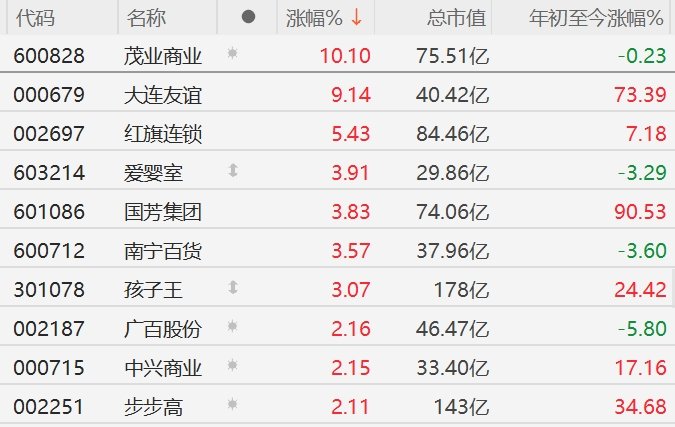
A股零售股拉升:茂业商业直线涨停,大连友谊逼近涨停
Ge Long Hui A P P· 2025-07-30 06:53
Group 1 - A-share retail stocks experienced a significant rally, with Maoye Commercial hitting the daily limit up and Dalian Friendship rising over 9% [1] - The Politburo meeting emphasized the need to effectively unleash domestic demand potential, which is likely to support retail sector growth [1] Group 2 - Notable stock performances include: - Maoye Commercial: up 10.10%, market cap of 7.551 billion [2] - Dalian Friendship: up 9.14%, market cap of 4.042 billion, with a year-to-date increase of 73.39% [2] - Hongqi Chain: up 5.43%, market cap of 8.446 billion, year-to-date increase of 7.18% [2] - Guofang Group: up 3.83%, market cap of 7.406 billion, year-to-date increase of 90.53% [2] - Other stocks such as Nanning Department Store, Guangbai Shares, and Zhongxing Commercial also showed positive movements [2] - The MACD golden cross signal formation indicates a strong upward trend for these stocks [2]


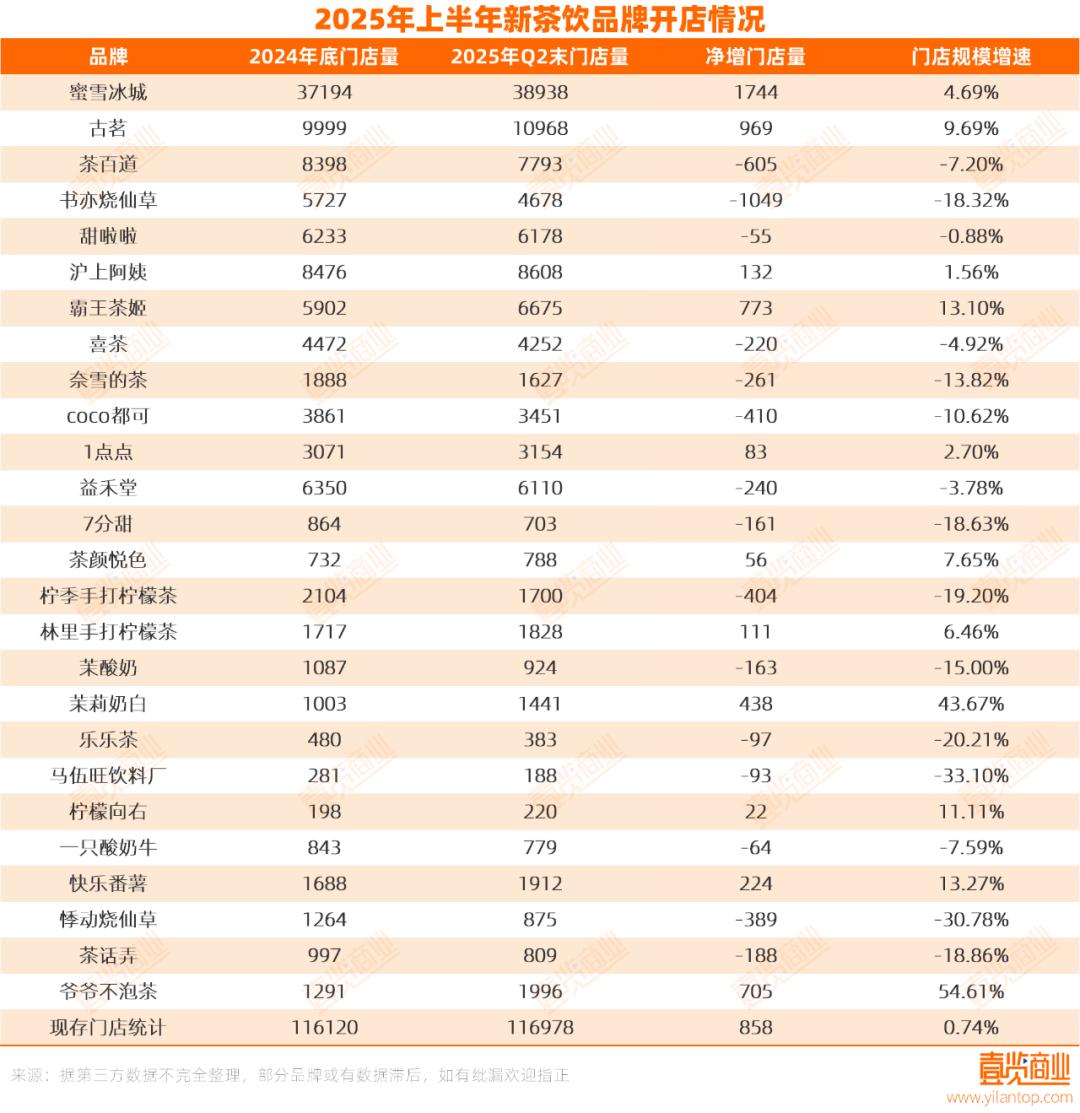
上半年新茶饮:门店增长停滞,集体看向美国
3 6 Ke· 2025-07-29 10:59
Core Insights - The new tea beverage industry is experiencing a slowdown in store opening speed, with a total of 116,978 stores as of June 2025, reflecting a growth of only 0.74% compared to the end of 2024 [1][2] - The brand landscape is undergoing significant changes, with leading brands expanding steadily while many mid-tier brands face closures, indicating an accelerated process of "survival of the fittest" [1][3] Brand Expansion and Performance - Among the 26 tracked brands, 11 showed positive growth in store numbers, with leading brands like Mixue Ice City and Gu Ming showing robust expansion rates of 4.69% and 9.69% respectively [2][3] - Notable closures were observed in mid-tier brands, with Shuyi Burned Grass experiencing the highest net loss of 1,049 stores, a decline of 18.32% [3][4] - The overall trend indicates that the industry is shifting from quantity-focused expansion to quality-driven strategies, with brands like Mixue Ice City and Gu Ming emphasizing deeper market penetration and operational efficiency [6][8] Market Dynamics and Strategy Adjustments - The number of new cities entered by brands has decreased compared to the previous year, with only 11 brands expanding their city presence while 14 brands exited certain cities [6][8] - Brands are increasingly focusing on optimizing their business models, with stricter franchise management and a shift towards enhancing product offerings and customer experiences [7][8] - The industry is moving towards a "tea + " model, integrating elements like baking, light meals, and retail into their store concepts to meet evolving consumer demands [11][12] International Expansion - The U.S. has become a primary target for international expansion, with brands adapting their business models to fit local markets rather than replicating domestic success [14][21] - Key brands like Heytea and Bawang Chaji are establishing a presence in major U.S. cities, focusing on high-end positioning and localized product offerings [18][19] - The U.S. market for ready-to-drink tea is projected to grow significantly, with a potential market size increase of 5 to 10 times by 2030, driven by favorable consumer preferences [21]
20天400万杯,比冰块、气泡更爽,半个饮品圈都在卖
3 6 Ke· 2025-07-29 01:06
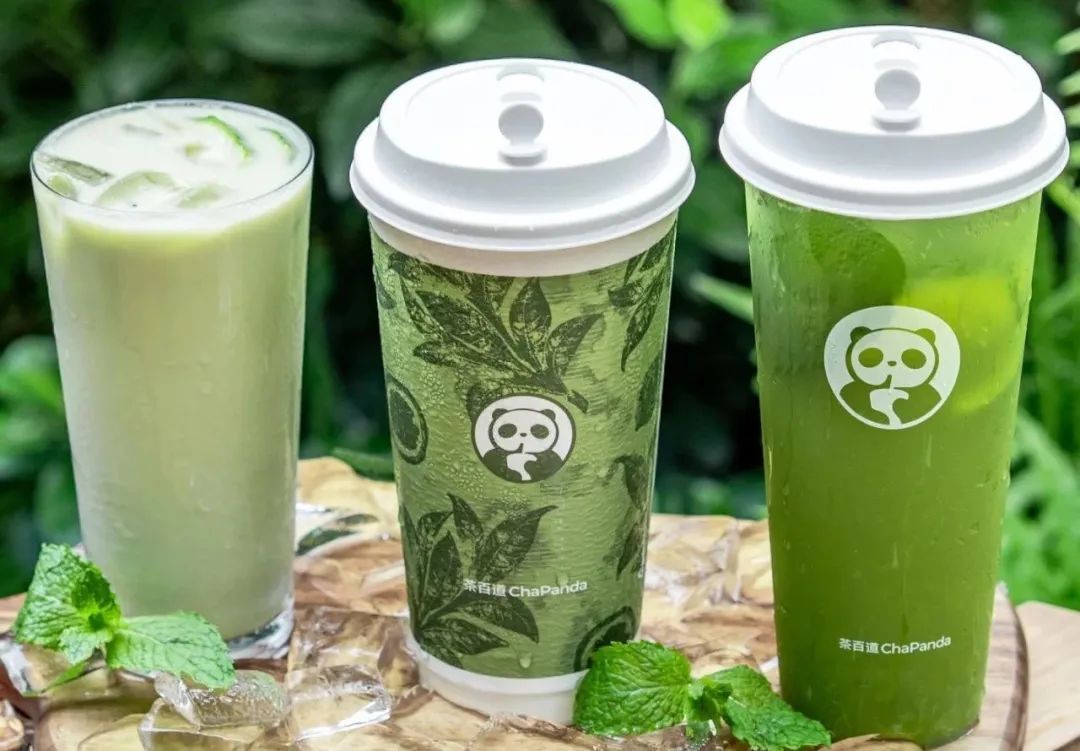
Core Insights - The article highlights the rising popularity of mint in the beverage industry, particularly during the summer heat, with brands like Mixue Ice City, Yihe Hall, and Tea Baidao launching mint-flavored products that have achieved significant sales milestones [1][2][4]. Group 1: Market Trends - Mint has become a focal point in the beverage sector, with several brands reporting sales of over 10 million cups for their mint products [1][2]. - The demand for refreshing drinks has surged due to high temperatures, making mint a unique solution for consumers seeking relief from the heat [8][11]. Group 2: Product Innovation - Brands are creatively incorporating mint into various product forms, such as milk tea, yogurt, and coffee, enhancing its appeal and versatility [12][21]. - Yihe Hall has successfully launched multiple mint products, including mint lemonade and mint milk tea, with significant sales figures reported shortly after their release [4][19]. Group 3: Consumer Engagement - The unique flavor of mint has sparked discussions on social media, with high engagement levels indicating a growing interest among younger consumers [15][17]. - The contrasting opinions on mint's flavor contribute to its popularity, as it attracts both enthusiasts and critics, driving curiosity and trial among consumers [15][17]. Group 4: Strategic Positioning - Mint is being positioned as a key flavor across various beverage categories, moving beyond its traditional associations with gum and toothpaste [6][18]. - The successful integration of mint into diverse products allows brands to differentiate themselves in a competitive market, creating a unique brand identity associated with mint [19][22]. Group 5: Future Potential - The article suggests that the potential for mint in the beverage industry is far from exhausted, with opportunities for further innovation and market expansion [6][24]. - As brands continue to explore and develop mint-based offerings, the flavor is expected to play a significant role in shaping future beverage trends [24].
互联网烧钱,餐饮老板流血丨消费参考+
2 1 Shi Ji Jing Ji Bao Dao· 2025-07-28 13:24
外卖大战正成为减肥路上的最大阻碍,2块钱喝杯饮料,甚至曾出现"0元购"。 在海量补贴推动下,外卖单量猛涨。但这也代表着,餐饮价格战进一步加剧。而主动权,并不在餐饮老 板手里。 他们正被迫卷入更残酷的价格战。 今天,我们就来聊下,餐饮老板是如何"失去"定价权的。 大家好,我是小贺,欢迎收看本期消费参考。 此刻,外卖大战持续打响中。 统计显示,近3个月,仅京东、阿里两家平台就在外卖市场投入800亿元补贴。巨额补贴下,"0元购"不 再成为梦想。互联网巨头,再一次承包起网友们的"饭碗"。 受此推动,中国外卖行业的单日总单量已经从年初的1亿单增长至约2.5亿单。 但是,疯狂的外卖大战,对餐饮老板们来说不全是好消息。他们正在被迫参与,代价是走向亏损。 本来,餐饮价格战就已经很严峻了。 今年一季度,太二、怂火锅、九毛九、肯德基、必胜客等知名餐饮品牌,客单价继续下滑。美团数据显 示,2024年,在人均价位在百元以上的餐厅中,超过80%的商户客单价下滑。 受价格战影响,呷哺呷哺亏损继续扩大。久谦中台数据显示,2024年闭店数攀升至409万家,闭店率 61.2%。 而外卖大战,则让餐饮价格战走向相对"失控"局面。 有头部茶饮品牌 ...
中餐全球化营销的底层逻辑——善用乡愁,重建连接
Sou Hu Cai Jing· 2025-07-28 09:13
Group 1 - The core viewpoint of the article highlights the globalization of Chinese cuisine as a means to evoke nostalgia and cultural connection among overseas consumers, particularly in the context of the recent opening of Quanjude in New York [2][26]. - The article notes that there are 700,000 Chinese restaurants worldwide, with an annual growth rate of 11.7%, and 78% of consumers are willing to pay a threefold premium for flavors reminiscent of their hometown [2][26]. Group 2 - The essence of Chinese cuisine globalization is described as transforming nostalgia into an emotional currency, supported by three principles of emotional economics: memory bank theory, food as identity symbols, and scene compensation mechanisms [3][15]. - Memory bank theory suggests that traditional dishes evoke strong memories, leading consumers to pay high prices for familiar tastes, such as British students paying £12-15 for Lanzhou ramen [7]. - Food serves as a cultural medium, with dishes representing regional identities and values, allowing consumers to experience different cultures through cuisine [11]. Group 3 - The article discusses the challenges faced by Chinese restaurants abroad, including cultural differences, regulatory barriers, and quality issues, which can diminish the emotional value of nostalgia [15][21]. - Specific examples include a sauerkraut fish brand in Europe facing inventory issues due to differing standards, and a Madrid hotpot restaurant's cultural misinterpretation leading to negative feedback [15][17]. - The prevalence of pre-packaged meals in overseas Chinese restaurants has reached 78%, highlighting significant taste differences compared to freshly prepared dishes [21]. Group 4 - To overcome these challenges, the article suggests focusing on cultural translation and localizing supply chains to create sustainable emotional connections [22][24]. - Cultural translation involves integrating local cultural elements into the dining experience, such as themed dining or interactive cooking experiences that resonate with local consumers [24]. - Localizing supply chains, as demonstrated by brands using local ingredients and reducing costs, allows for a more authentic representation of Chinese cuisine while maintaining quality [24]. Group 5 - The ultimate marketing goal for Chinese cuisine is not just authenticity in taste but the ability to evoke a sense of belonging and cultural connection for consumers in foreign lands [26]. - The article concludes that the experience of enjoying familiar dishes abroad transcends mere sustenance, representing a fusion of cultures and civilizations, with nostalgia serving as a universal language [27].

2024年商业特许经营TOP300发布 行业活力与展会机遇引关注
Sou Hu Cai Jing· 2025-07-28 09:05
Core Insights - The "2024 Commercial Franchise TOP 300" list was released by the China Chain Store & Franchise Association (CCFA), showcasing the annual development trends in the franchise sector [1] - The list includes 300 companies across 25 sub-sectors, with a total of 830,000 stores, reflecting a 30.73% increase from the previous year's 630,000 stores [1] - The distribution of sectors shows that the restaurant industry remains stable at 33.67%, retail slightly decreased to 40.00%, and the service industry increased to 26.33% [1] Industry Overview - The 2024 TOP 300 includes 101 restaurant companies, 120 retail companies, and 79 service companies, indicating a slight adjustment in consumer demand structure [1] - The number of franchise brands with over 10,000 stores increased from 9 in 2023 to 18 in 2024, highlighting the growing influence of leading brands in the market [1] - A total of 71 new franchise brands were added to the list, with 34 in the restaurant sector, 26 in services, and 11 in retail, demonstrating the sector's ongoing attractiveness [1] Event Insights - The 65th China Franchise Exhibition will be held from August 8-10 in Shanghai, focusing on the analysis of the TOP 300 list and featuring over 100 quality brands from various sectors [2] - The exhibition will include forums and workshops aimed at exploring growth strategies and promoting sustainable development in the franchise industry [2] - The CCFA Franchise Committee, established in 2015, has grown to include 69 member companies, advocating for the interests of various franchise sectors and promoting industry self-regulation [2]






茶饮店为何跨界卖零食
Jing Ji Ri Bao· 2025-07-26 22:27
Core Insights - The rise of snack sales in tea shops, exemplified by a bread crumb product priced at 2.5 yuan that achieved over 100 million yuan in sales within a year, highlights a significant trend in the tea beverage industry [1] Group 1: Market Dynamics - The overlap in consumer demographics, particularly among the 18 to 35 age group, drives the integration of snacks into tea shop offerings, as these consumers view tea as a premium treat and are willing to spend on snacks [2] - The trend of tea shops diversifying into snacks is a strategic move to boost sales and market share, with brands like Heytea and Mixue Ice City entering the "tea+" segment [1][2] Group 2: Brand and Consumer Engagement - The brand effect creates a sense of identity and loyalty among consumers, with local tea brands attracting dedicated followings and turning snacks into trendy items for social sharing [3] - Unique packaging, affordable pricing, and diverse options make snacks from tea brands appealing, transforming them into popular gifts among young consumers [3] Group 3: Regional Influence - Many tea brands incorporate local flavors and ingredients into their products, enhancing cultural representation and market appeal, as seen with regional specialties like sweet fermented milk in Gansu and barley egg crisp in Tibet [4] - The challenge for tea brands lies in effectively leveraging brand recognition and regional flavors to create memorable taste experiences that encourage repeat purchases in the "tea+" market [4]
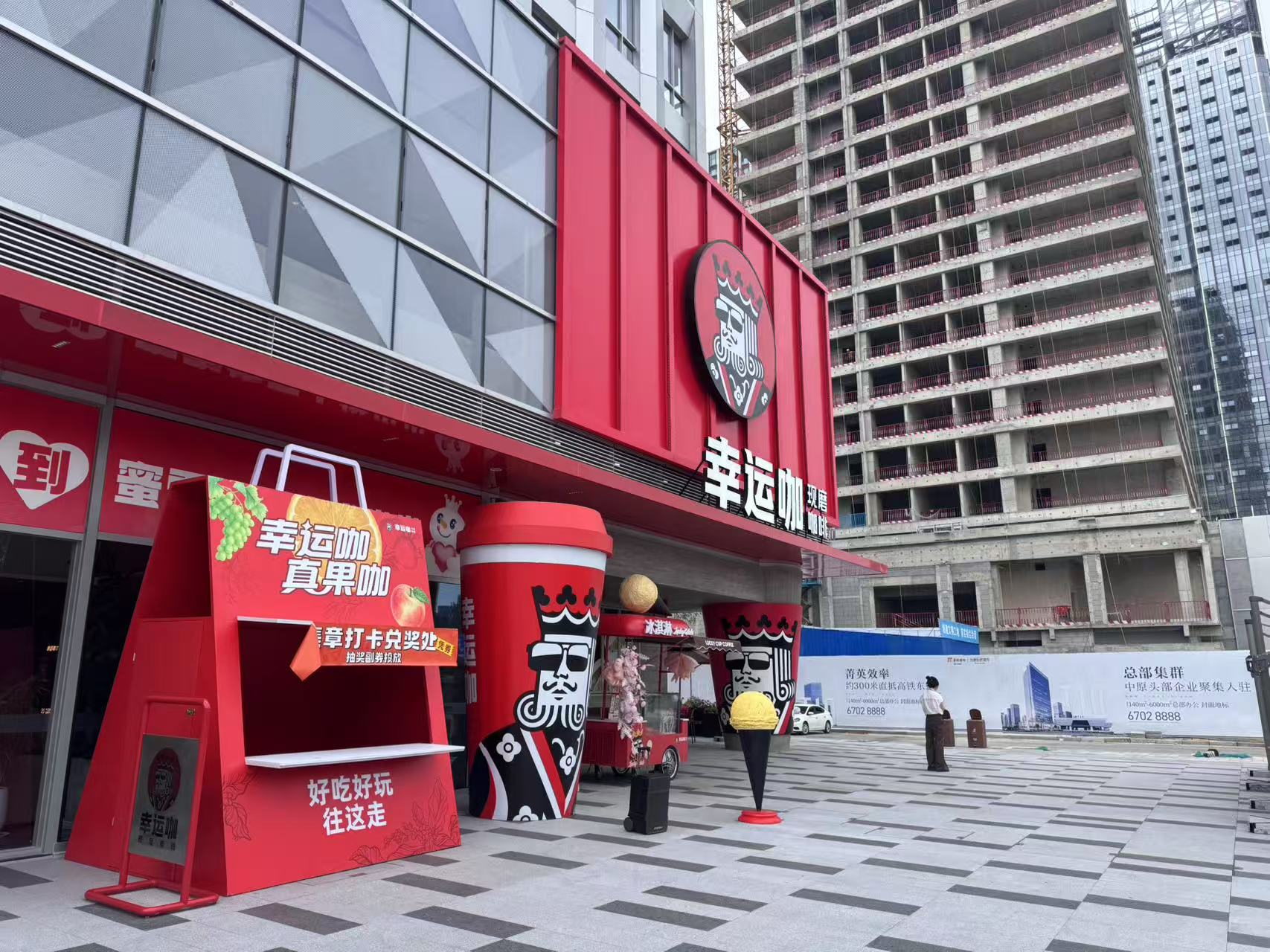
当对手都在做下沉,蜜雪冰城旗下“幸运咖”反向打入一线城市
Di Yi Cai Jing· 2025-07-26 08:03
Group 1 - The Chinese freshly brewed coffee market is experiencing rapid growth, providing significant opportunities for brands like Luckin Coffee [4] - Luckin Coffee is focusing on expanding into first and second-tier cities, aiming for a target of 10,000 stores by early 2025, with nearly 7,000 stores currently covering over 300 cities [1][3] - The brand's product pricing ranges from 6 to 8 yuan, and it has achieved profitability in first-tier cities while continuously refining its store model [1][3] Group 2 - Luckin Coffee has made substantial investments in core raw materials, directly sourcing Arabica coffee beans from regions like Brazil, Ethiopia, and Indonesia [3] - The company benefits from a strong supply chain, allowing for cost control and stable supply, particularly after signing a 4 billion yuan procurement agreement with Brazil [3] - The pricing strategy of Luckin Coffee is seen as a "thin profit, high sales" model, which may face challenges when applied to the more complex competitive landscape of first and second-tier cities [3]
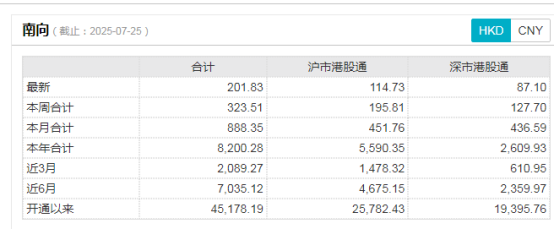
见证历史!南向资金,疯狂买入
Zheng Quan Shi Bao· 2025-07-25 12:19
Group 1 - The Hong Kong stock market is experiencing a significant capital influx led by southbound funds, with a net buying amount exceeding 200 billion HKD on July 25, 2025, and a total net buying amount of over 820 billion HKD for the year, surpassing the previous record of 807.87 billion HKD for the entire year of 2024 [1][2] - The Hang Seng Index, Hang Seng Tech Index, and Hang Seng China Enterprises Index have shown year-to-date increases of 26.56%, 27.08%, and 25.52% respectively, ranking among the top global markets [2] - Southbound funds have frequently recorded daily net inflows exceeding 10 billion HKD, with 32 days in 133 trading days this year exceeding 10 billion HKD, and 9 days exceeding 20 billion HKD, including a record high of 35.586 billion HKD on April 9 [2][3] Group 2 - The continuous influx of southbound funds is attributed to the undervaluation of Hong Kong stocks, as the Hang Seng Index has undergone a six-year adjustment since 2018, with many companies maintaining good growth despite significant declines [5] - The Hong Kong market offers unique assets such as Tencent, Meituan, and Alibaba, along with new consumer companies like Pop Mart and Mixue Ice City, providing more investment options for southbound funds [5] - The influx of southbound funds reflects a "scarcity of assets," as domestic funds seek effective allocation opportunities amid a backdrop of abundant liquidity but limited high-quality assets [6] Group 3 - The sustained inflow of southbound funds has improved liquidity in the Hong Kong market and enhanced the pricing power of domestic funds, which accounted for 34.64% of the market's trading volume in 2024 [7] - The share of foreign capital in the Hong Kong stock market has decreased from 75% in October 2020 to 61% in June 2025, indicating a shift towards greater influence from domestic funds [7][8] - Southbound funds are gaining marginal pricing power in sectors such as consumer goods and telecommunications, with holdings exceeding 50% in these areas [8][9] Group 4 - The Hong Kong stock market has shown strong performance globally, driven by AI breakthroughs and the appeal of being a "value trap," with the Hang Seng Index reaching new highs [10] - Future market performance may depend more on corporate earnings growth rather than further valuation expansion, as the expected earnings growth for the Hang Seng Index is relatively low [10][11] - A balanced investment strategy focusing on stable returns and growth returns is recommended, particularly in sectors less affected by tariff impacts and those benefiting from AI advancements [11]