新希望乳业

Search documents
关联交易“去优留劣”?多家“空壳”经销商存疑,菊乐股份8年上市路终落定?
中国基金报· 2025-10-11 15:47
Core Viewpoint - The article discusses the challenges faced by Jule Co., Ltd. in its IPO journey, highlighting concerns over related party transactions and the company's financial health amidst industry competition and potential overcapacity [2][7]. Group 1: Company Overview - Jule Co., Ltd. has transitioned to the Beijing Stock Exchange after multiple failed attempts to list on the Shenzhen Stock Exchange over seven years [2]. - The company is known for its popular products "Suanle Milk" and "Chewable Yogurt," which have a strong market presence in Sichuan [2]. Group 2: Leadership Changes - The company's actual controller and chairman, Tong Enwen, passed away on September 6, 2025, leading to his daughter, Tong Zhu, inheriting 73.35% of the shares and becoming the new actual controller [2][3]. - Tong Zhu's spouse, Gao Zhaohui, is now the chairman and general manager of Jule Co., Ltd. [3]. Group 3: Related Party Transactions - Concerns have been raised regarding potential irregularities in related party transactions, particularly the "go for the inferior, leave the superior" practice, where the company may be favoring less profitable subsidiaries [5][6]. - Jule Co., Ltd. has been involved in transactions with its major supplier, Gansu Qianjin Modern Agriculture Development Group, which is also a related party, raising questions about the legitimacy of these dealings [5][6]. Group 4: Financial Performance - Despite a general downturn in the industry, Jule Co., Ltd. reported a revenue growth of 5.1% and a net profit increase of 18.4% for 2024, contrasting with the declining performance of its peers [10]. - The company’s revenue from related parties has been significant, with procurement from related parties accounting for 10% to 16% of total purchases from 2019 to 2021 [6][10]. Group 5: Distribution Channels - Jule Co., Ltd. relies heavily on distributors, with distributor revenue accounting for 75.7% to 70% of total revenue from 2022 to 2024, and distributor gross margins exceeding direct sales [9][10]. - The company has faced scrutiny over the sustainability of its revenue growth, particularly given the unusual performance of certain small distributors that contributed significantly to revenue but had limited operational history [10][11]. Group 6: Capacity Utilization and Market Challenges - The company has experienced fluctuating capacity utilization rates, with figures of 85.29%, 78.44%, and 84.49% from 2022 to 2024, indicating potential inefficiencies [13]. - Jule Co., Ltd. faces significant competition from both regional and national dairy giants, with a heavy reliance on its flagship product "Suanle Milk," which may limit growth prospects [14][15].


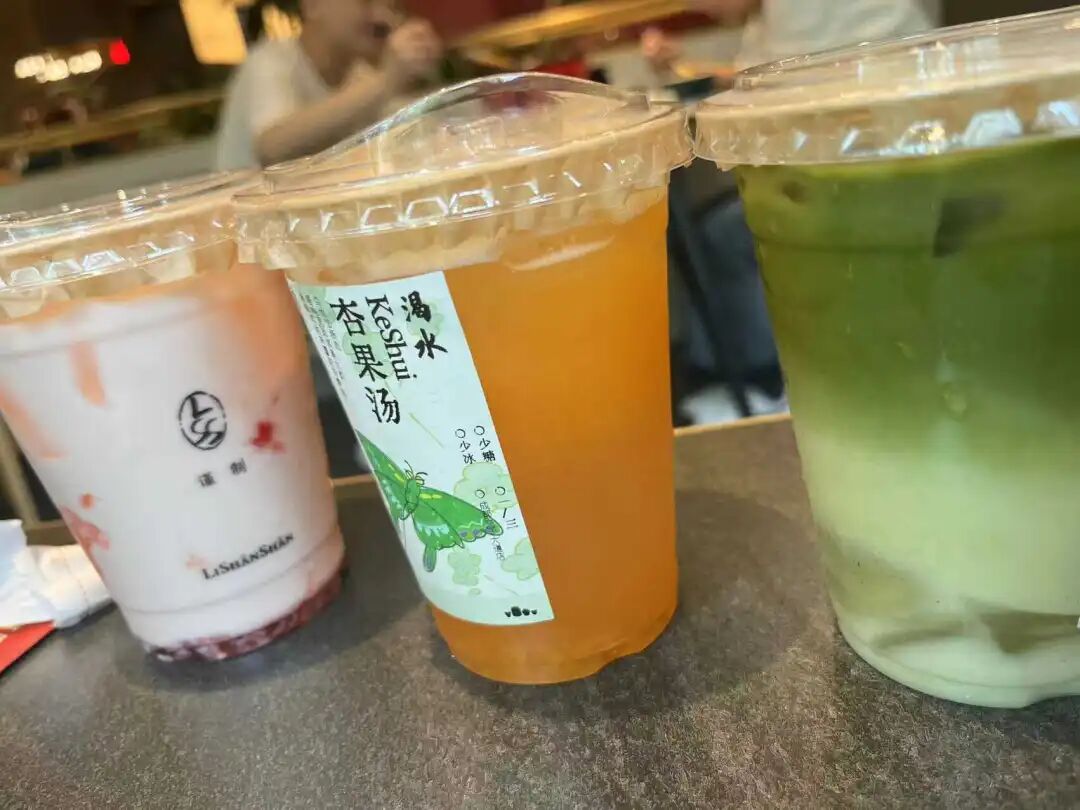
成都才是真正的奶茶之都
3 6 Ke· 2025-09-12 00:01
Core Insights - Chengdu has emerged as a significant hub for new tea beverage brands, with a competitive landscape where brands vie for dominance in the bustling Chunxi Road commercial area [3][5][6] - The city is characterized by a vibrant consumer market, with a high Engel coefficient of 32.8% for food and beverage spending, indicating a strong preference for dining and leisure activities among its residents [6][8] - Chengdu's tea culture and favorable economic conditions have fostered the growth of numerous local brands, which are now expanding nationally and internationally [11][20][24] Consumer Market Dynamics - Chengdu is one of six cities in China with a retail sales total exceeding 1 trillion yuan, alongside major first-tier cities [6] - The city has over 10,000 new-style shops, including more than 6,000 tea beverage stores, reflecting a diverse and growing market [7][8] - The local population's preference for tea-based drinks has led to a significant demand for new tea beverages, further supported by government initiatives to boost consumption [12][14] Brand Development and Competition - Major brands like ChaBaiDao, Shuyi Shaoxian Cao, and Bawang Chaji have established their headquarters in Chengdu, leveraging the city's resources for expansion [5][8][20] - The competitive landscape is marked by the rapid emergence of local brands such as Li Shanshan Tea and Chen Duoduo, which are gaining traction in the market [24][26] - The supply chain advantages in Chengdu, including lower costs and access to quality raw materials, have enabled brands to establish production bases in the city [19][21] Supply Chain and Logistics - Chengdu's geographical location provides a strategic advantage for supply chain management, facilitating lower costs and efficient distribution networks [15][18] - The city is a key player in the tea supply chain, with significant tea production and processing capabilities, supporting the needs of new tea beverage brands [15][17] - Major brands are investing heavily in local supply chain infrastructure, with ChaBaiDao planning to invest 10 billion yuan in a supply chain headquarters [19] Global Expansion and Future Prospects - Chengdu is positioned as a gateway for brands looking to expand internationally, with established logistics networks supporting global distribution [20][21] - Local brands are not only targeting domestic markets but are also exploring opportunities in international markets, with some already entering countries like South Korea and the United States [21][23] - The ongoing development of Chengdu as a "tea capital" is expected to continue, with local brands aiming to establish a global presence while promoting Chinese tea culture [23][26]
从好丽友•派下架到“洋名”争议:山姆的国产供应链为何常在“躲猫猫”?
Mei Ri Jing Ji Xin Wen· 2025-07-18 10:29
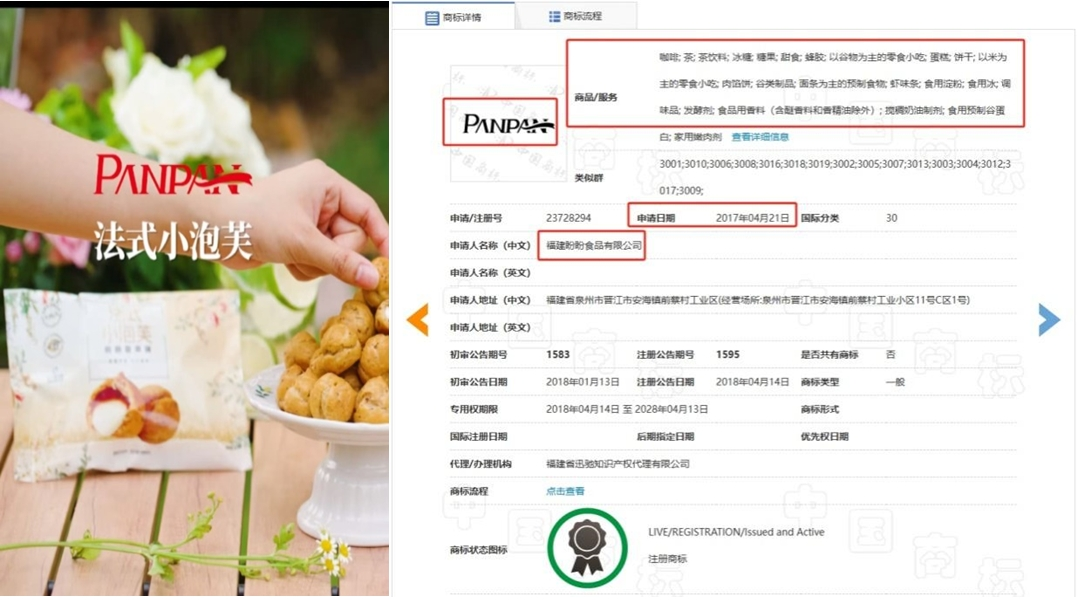
Core Viewpoint - The recent controversy surrounding Sam's Club's product selection adjustments highlights the shift from exclusive brands to more commonly found brands, raising questions about the perceived value of membership privileges [1][2]. Group 1: Product Selection and Branding - Sam's Club has faced criticism for introducing products with unfamiliar English names, such as "PANPAN" French puff, which are actually from well-known domestic brands [2][5]. - The "PANPAN" trademark was registered in 2017, indicating that it was not created specifically for Sam's Club [3][5]. - The "Sweet Hour" brand, associated with the product "益生元岩烧海苔," was registered by Guangdong Xizhilang Group in 2000, long before Sam's Club entered the Chinese market [5][6]. Group 2: Supplier Relationships and Product Quality - Sam's Club maintains high standards for its suppliers, requiring certifications for products, which limits the number of eligible suppliers [10]. - The self-branded products, such as Member's Mark, are primarily produced by well-known Chinese manufacturers, ensuring quality and local sourcing [10][11]. - The company relies heavily on local suppliers for popular items, such as frozen baked goods, which are produced by companies like Lihigh Foods [11]. Group 3: Market Positioning and Consumer Perception - The introduction of products with foreign-sounding names has led to consumer confusion regarding the origin of these products, prompting discussions about transparency in branding [15]. - Industry experts suggest that the quality of products should not be judged solely based on their branding, advocating for a better understanding of the value of domestic manufacturing [15].

庄园牧场二股东股权全部冻结,身背业绩补偿款,曾被曝行贿
Bei Ke Cai Jing· 2025-07-12 03:39
Core Viewpoint - The second largest shareholder of Lanzhou Zhuangyuan Pastoral Co., Ltd., Ma Hongfu, has had all of his shares frozen by the court, which constitutes 16.47% of the company's total equity. This situation arises from Ma's personal arbitration matters and his previous legal issues, including bribery allegations and unmet performance commitments [1][2][4]. Company Summary - Ma Hongfu's shares, totaling 32,197,400, have been completely frozen, with a related debt and execution cost of approximately 21.27 million yuan [2]. - Ma Hongfu was previously the controlling shareholder and chairman of the company until he transferred control to Gansu Agricultural Reclamation Group in 2021 due to legal issues and performance failures [1][4]. - The company has failed to meet its performance commitments from 2021 to 2023, resulting in a cash compensation obligation of 20.31 million yuan owed by Ma Hongfu, with 13.61 million yuan still overdue as of May 2023 [3]. Industry Summary - The dairy industry is facing significant challenges, including declining raw milk prices and intense competition from major players like New Hope Dairy and Bright Dairy, which are expanding their presence in the Northwest market [1][10]. - Zhuangyuan Pastoral's revenue decreased by 8.97% to 956 million yuan in 2023, with a net loss of 81.48 million yuan, and further losses are expected in 2024 [8][9]. - The company's market share outside Gansu has been declining, with revenue from key markets like Shaanxi decreasing, indicating difficulties in expanding beyond its core region [9][10].

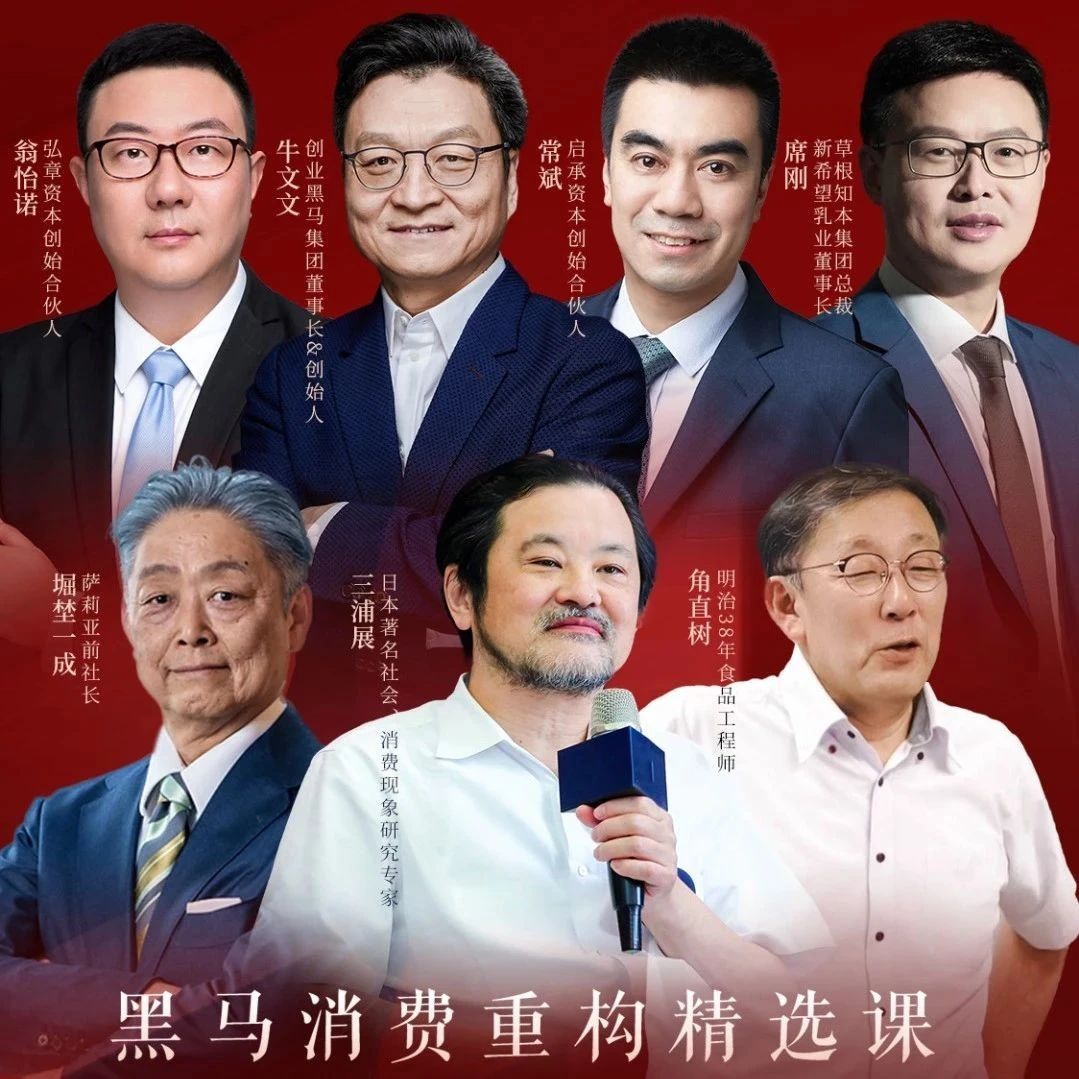
“日本消费研究第一人”三浦展、萨莉亚前社长、明治食品“爆款教父”,8月齐聚上海
创业家· 2025-07-03 09:57
Core Viewpoint - The article emphasizes the importance of learning from Japan's consumer market strategies during economic downturns, highlighting the need for innovation and efficiency in the face of challenges in the Chinese consumer market [6][7][14]. Group 1: Event Overview - The event will take place from August 7 to August 9 in Shanghai, featuring prominent figures from the consumer industry, including experts from Japan [9][11]. - The course aims to provide a deep dive into the methodologies of Japanese consumer giants, focusing on efficiency, demand reconstruction, and capital strategies [5][13]. Group 2: Key Insights from Japanese Market - Historical analysis shows that during economic downturns, brands can experience significant growth, as evidenced by Japanese companies like Salvia and Meiji Foods [14]. - Salvia increased its store count by 23% and achieved a profit growth of 105.8% during challenging times, while Meiji Foods maintained 28 years of continuous growth through innovative product strategies [14]. Group 3: Learning Objectives - Participants will learn about "efficiency revolution" from Salvia's cost management strategies, including a four-step method to reduce costs without compromising quality [14][17]. - The course will cover demand reconstruction, focusing on consumer insights and product development, particularly in the context of Japan's "lonely society" and the fifth consumption era [14][21]. Group 4: Capital Strategies - The event will also address capital strategies for businesses, including profiles of companies that can still secure funding in 2025 and case studies on regional brands expanding through capital [16][22]. - Insights will be shared on the recent resurgence of the IPO market in the consumer sector, with examples of successful IPOs like the beauty brand Maogeping [22].

“日本消费研究第一人”三浦展、萨莉亚前社长、明治食品“爆款教父”,8月齐聚上海
创业家· 2025-07-02 09:59
Core Viewpoint - The article emphasizes the importance of learning from Japan's consumer market strategies during economic downturns, highlighting the need for innovation and efficiency in the face of challenges in the Chinese consumer market [6][7][14]. Group 1: Event Overview - The event will take place from August 7 to August 9 in Shanghai, featuring prominent figures from the Japanese and Chinese consumer industries [9][11]. - The course aims to provide a deep dive into the methodologies of Japanese consumer giants, focusing on efficiency, demand reconstruction, and capital strategies [5][13]. Group 2: Key Insights from Japanese Market - Historical analysis shows that during economic downturns, brands can experience significant growth, as evidenced by Japanese companies like Salaria and Uniqlo [14]. - Specific strategies such as "reduction management" and "demand reconstruction" are crucial for navigating low-growth environments [14][18]. Group 3: Course Content - The course will cover three main areas: efficiency revolution, demand reconstruction, and capital strategies, with insights from industry leaders [14][16]. - Notable speakers include former executives from successful Japanese companies who will share their experiences and strategies for thriving in challenging markets [17][21]. Group 4: Target Audience - The event is aimed at founders and CEOs of consumer enterprises looking to break through growth ceilings and optimize cost structures [24].


“日本消费研究第一人”三浦展、萨莉亚前社长、明治食品“爆款教父”,8月齐聚上海
创业家· 2025-06-26 09:52
Core Viewpoint - The article emphasizes the importance of learning from Japan's consumer market strategies during economic downturns, highlighting the need for innovation and efficiency in the face of challenges in the Chinese consumer market [6][12][14]. Group 1: Event Overview - The event will take place from August 7 to August 9 in Shanghai, focusing on the methodologies of Japanese and Chinese consumer giants [5][11]. - It aims to provide a deep dive into the concepts of efficiency revolution, demand reconstruction, and capital breakthroughs, drawing lessons from Japan's economic experiences [12][14]. Group 2: Key Insights from Japanese Market - Japanese companies have shown resilience during economic downturns, with examples such as: - Salaria's store count increasing by 23% and profit rising by 105.8% [14]. - Meiji Foods achieving 28 years of continuous growth through a "hit product matrix" [14]. - Uniqlo and Muji expanding their market share during economic recessions [14]. - The article suggests that understanding Japan's consumer industry can provide insights into achieving resilient growth in low-growth periods [7][12]. Group 3: Learning Objectives - Participants will learn about: - Efficiency revolution techniques from Salaria's former president, focusing on cost reduction without compromising quality [14][17]. - Demand reconstruction strategies from experts like Miura Nobu, who will discuss insights into the "lonely society" and the fifth consumption era [14][21]. - Capital strategies for navigating the current market landscape, including identifying potential investment opportunities for 2024-2025 [16][22]. Group 4: Target Audience - The event is aimed at founders and CEOs of consumer enterprises looking to break through growth ceilings and optimize cost structures [23]. - It also targets supply chain and brand operators focused on building resilient product capabilities [23].

“日本消费研究第一人”三浦展、萨莉亚前社长、明治食品“爆款教父”,8月齐聚上海
创业家· 2025-06-25 10:02
Core Viewpoint - The article emphasizes the importance of learning from Japan's consumer market strategies, particularly during economic downturns, to achieve resilient growth in the Chinese market [7][12][14]. Group 1: Event Overview - The event will take place from August 7 to August 9 in Shanghai, focusing on the methodologies of Japanese and Chinese consumer giants [5][11]. - It aims to provide a deep dive into the concepts of efficiency revolution, demand reconstruction, and capital breakthroughs [12][16]. Group 2: Key Insights from Japanese Market - Japanese companies have shown resilience during economic downturns, with examples such as: - Salaria's store count increasing by 23% and profit rising by 105.8% [14]. - Meiji Foods achieving 28 years of continuous growth through a "hit product matrix" [14]. - Uniqlo and Muji expanding their market share during economic recessions [14]. - The article highlights the need for businesses to adapt to changing economic environments and consumer behaviors [6][12]. Group 3: Learning Objectives - Participants will learn about: - Efficiency strategies from Salaria, including a "three-cut method" to reduce costs without compromising quality [14][17]. - Consumer insights and product development techniques from experts like Miura Nobu [14][21]. - Capital strategies for navigating the current market landscape [16][22]. Group 4: Target Audience - The event is aimed at founders and CEOs of consumer enterprises looking to break through growth ceilings and optimize cost structures [23].

“日本消费研究第一人”三浦展、萨莉亚前社长、明治食品“爆款教父”,8月齐聚上海
创业家· 2025-06-24 09:59
Core Viewpoint - The article emphasizes the importance of learning from Japan's consumer market strategies during economic downturns, highlighting the need for innovation and efficiency in the face of challenges in the Chinese consumer market [6][12][14]. Group 1: Event Overview - The event will take place from August 7 to August 9 in Shanghai, focusing on the methodologies of Japanese and Chinese consumer giants [5][11]. - It aims to provide a deep dive into the concepts of efficiency revolution, demand reconstruction, and capital breakthroughs, drawing lessons from Japan's economic experiences [12][14]. Group 2: Key Insights from Japanese Market - Japanese companies have shown resilience during economic downturns, with examples such as: - Salaria's store count increasing by 23% and profit rising by 105.8% [14]. - Meiji Foods achieving 28 years of continuous growth through a "hit product matrix" [14]. - Uniqlo and Muji expanding their market share during economic recessions [14]. - The article suggests that understanding Japan's past and present consumer industry can provide insights for achieving resilient growth in low-growth periods [7][12]. Group 3: Learning Objectives - Participants will learn about: - Efficiency revolution techniques from Salaria's former president, focusing on cost reduction without compromising quality [14][17]. - Demand reconstruction insights from consumer behavior expert Miura Nobu, addressing the "lonely society" and the fifth consumption era [14][21]. - Capital strategies for navigating the current market landscape, including identifying potential investment opportunities for 2024-2025 [16][22]. Group 4: Target Audience - The event is aimed at founders and CEOs of consumer enterprises seeking to break through growth ceilings and optimize cost structures [23]. - It also targets supply chain and brand operators looking to enhance product resilience against market cycles [23].

“日本消费研究第一人”三浦展、萨莉亚前社长、明治食品“爆款教父”,8月齐聚上海
创业家· 2025-06-23 10:01
Core Viewpoint - The article emphasizes the importance of learning from Japanese consumer companies during economic downturns, highlighting their resilience and innovative strategies that can be applied to the current challenges faced by Chinese consumer brands [7][14]. Group 1: Event Overview - The event will take place from August 7 to August 9 in Shanghai, featuring prominent figures from the Japanese and Chinese consumer sectors [11][14]. - The course aims to provide insights into efficiency revolution, demand reconstruction, and capital breakthroughs, drawing lessons from Japan's experience [4][15]. Group 2: Current Market Challenges - The Chinese consumer market is undergoing significant adjustments, with flow costs rising by 220% compared to pre-pandemic levels, and 68% of new consumer brands facing growth bottlenecks [14]. - Financing in the consumer sector has reverted to levels seen in 2016, indicating a challenging environment for growth [14]. Group 3: Japanese Success Stories - Japanese companies have thrived during economic downturns, with examples such as Salvia increasing store numbers by 23% and achieving a profit growth of 105.8% [14]. - Meiji Foods has maintained 28 years of continuous growth through a "hit product matrix," while Uniqlo and Muji expanded their market share during economic recessions [14]. Group 4: Learning Objectives - The event will cover three main areas: efficiency revolution, demand reconstruction, and capital breakthroughs, with specific methodologies shared by industry experts [15][16]. - Participants will learn about cost-cutting strategies, consumer insights, and product development processes that have proven successful in Japan [16][17]. Group 5: Target Audience - The event is aimed at founders and CEOs of consumer enterprises looking to break through growth ceilings and optimize cost structures [20]. - Supply chain and brand operators are also encouraged to attend to enhance their product resilience against market cycles [20].