
未名拾光

Search documents
8亿!全球最大美妆巨头,重金押注生物制造!这些中国企业率先受益!
Xin Lang Cai Jing· 2026-01-21 12:42
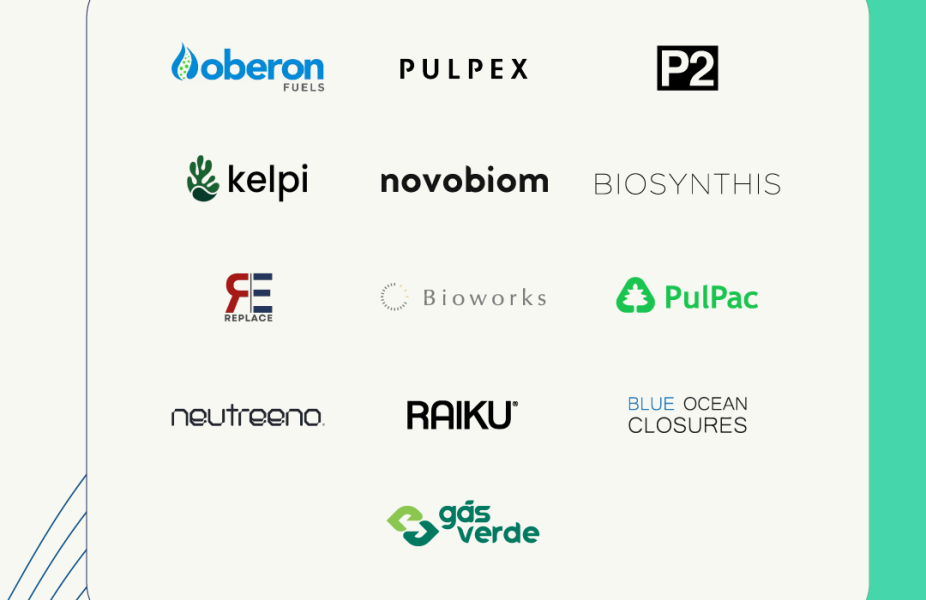
Core Insights - The beauty giant L'Oréal has selected 13 companies for its "L'AcceleratOR" accelerator program after reviewing nearly 1,000 applications from 101 countries, focusing on biomanufacturing solutions [1][14]. Group 1: L'AcceleratOR Program - The "L'AcceleratOR" program, launched in June 2025 in collaboration with the University of Cambridge's Institute for Sustainability Leadership (CISL), aims to donate €100 million (approximately 800 million RMB) over five years and provide 12 months of resource support to selected projects [3][16]. - The selected companies are expected to promote their solutions within L'Oréal's international business [3][16]. Group 2: Selected Companies - Six of the 13 selected companies are focused on bio-based materials, including: - Kelpi, which has developed a biodegradable coating made from seaweed that offers similar protective qualities to plastic [4][17]. - Bioworks, which has created a bio-based packaging material, PlaX, from sugarcane, reducing carbon emissions by 62% compared to traditional petroleum-based plastics [4][17]. - Blue Ocean Closures, which produces caps from dried plant fibers as an alternative to plastic [6][19]. - RAIKU, which can convert one cubic meter of wood into 203 units of packaging material, reducing wood usage by 90% [6][19]. - Purpex, which is developing recyclable paper bottles [20]. - Novobiom, REPLACE, and Gàs Verde, which focus on circular solutions using fungi, multi-layer plastics, and biogas production, respectively [20]. Group 3: L'Oréal's Investment Strategy - L'Oréal has been actively investing in synthetic biology, having made nine investments in related companies since 2022, with a focus on developing natural active ingredients and alternatives to traditional raw materials [10][23]. - The company's venture capital arm, BOLD, has been investing in beauty startups since its establishment in 2018, with a strong emphasis on biotechnology and green science [10][23]. Group 4: Recent Collaborations - Recent collaborations include investments in companies such as Microphyt for extracting natural ingredients from microalgae, Genomatica for developing palm oil using fermentation technology, and partnerships with various Chinese biotech firms [12][25]. - Notable Chinese companies include: - Blue Ocean Microbiology, known for its biodegradable plastic PHA, with total financing exceeding 1.9 billion RMB [13][26]. - Shanhai Innovation, which collaborates with over 100 companies, including L'Oréal [13][26]. - Weiming Shiguang, focusing on high-value bioactive materials for beauty and personal care [13][26].


这家被欧莱雅看中的中国公司,如何从资本寒冬死里逃生?
虎嗅APP· 2025-12-12 09:32
百亿市场创业窗口正在关闭 出品 | 虎嗅科技医疗组 作者 | 陈广晶 编辑 | 苗正卿 头图 | 视觉中国 让赵亚冉感慨万千的一幕发生在3年前( 2022年 ),那正是美元基金大退潮的时候。处于商业化关键阶段 的未名拾光,急需资金来建设工厂。恰逢疫情期间,赵亚冉每天收拾停当,简单吃完早饭,就坐在电脑前 等待约好的投资人做线上交流。路演的那一个月里平均每天要见三到四个投资人。一共见了六七十家机构 的投资人。"业内的投资人几乎都见了个遍。" 好不容易敲定投资,就在11月份要交割的时候,跟投机构又忽然改主意了。"一下子出现2000多万元的缺 口,当时我脑袋嗡的一下。"赵亚冉告诉虎嗅,他最担心的是跟投基金撤退,会导致领投撤资。 那时候还在疫情期间,未名拾光账上的钱仅能维持基础运营一年,如果融不到这笔钱,建厂计划泡汤,订 单无法按期交付,公司基本上会处于慢性死亡的状态。 很多企业没有未名拾光这么幸运。2022年以来,有多家合成生物知名企业破产或陷入危机,包括号称合成 生物鼻祖的Amyris。 在冷暖交替的巨变和命运的跌宕起伏中,未名拾光和它所身处的合成生物正在AI等新技术浪潮裹挟中,涌 入一个拥有无限可能又容错率极低的 ...
欧莱雅中国研发和创新中心扬帆20年:本土实验室正孵化产业公共属性的迭代引擎
Cai Jing Wang· 2025-12-05 13:37
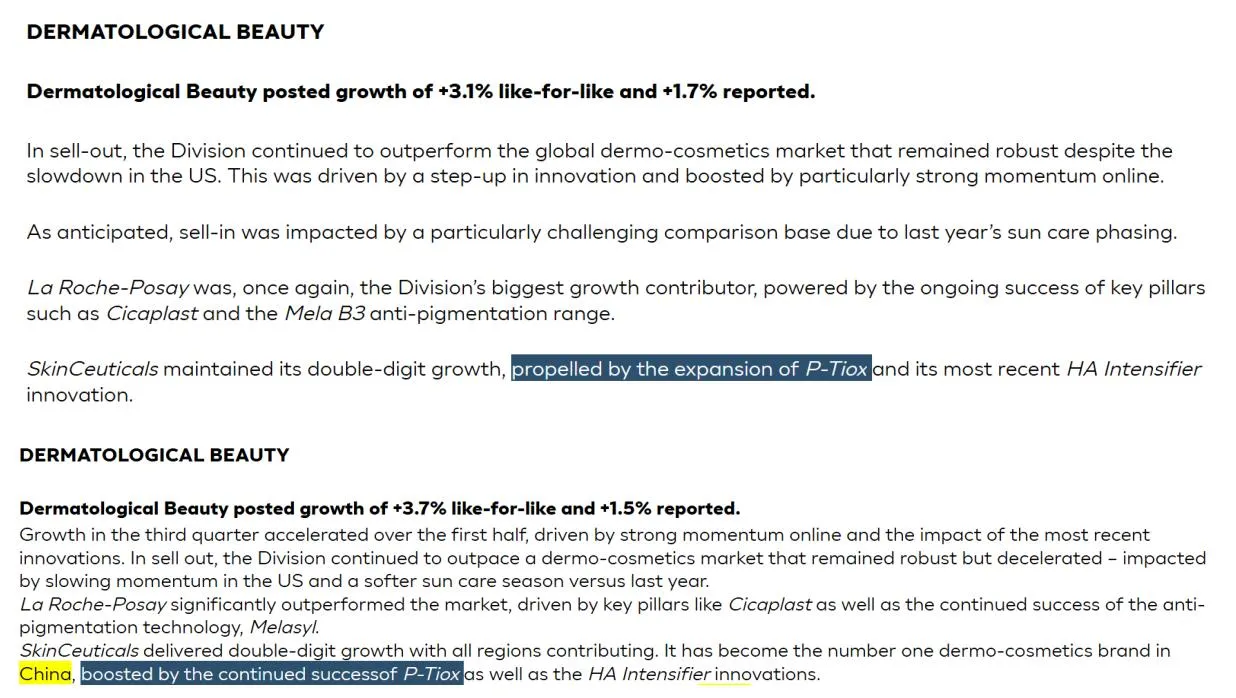
Core Insights - L'Oréal's China R&D and Innovation Center is driving global beauty giant's performance through localized product innovations tailored for Chinese consumers [1][2] - The center has evolved into a key pillar in L'Oréal's global R&D landscape, emphasizing collaboration with local scientific institutions and startups to enhance innovation capabilities [4][5] Group 1: Product Innovations - Customized products such as a jasmine-scented cream and a lip gloss inspired by local culinary flavors are examples of L'Oréal's localized approach [1] - The "P-TIOX" peptide serum, developed by the Chinese R&D team, has been highlighted as a major contributor to sustained double-digit growth for the brand [2] Group 2: R&D Achievements - Over the past 20 years, L'Oréal's China R&D has conducted approximately 35 large-scale foundational research projects, involving over 100,000 Chinese consumers annually [7] - In 2024, the center is set to publicly file 372 patents, with 81 of those being inventions from the Chinese R&D team [7] Group 3: Collaborations and Investments - L'Oréal has engaged in strategic investments in local biotech firms, such as "Unnamed Light," to co-develop innovative bioactive ingredients and promote sustainable production methods [10][11] - The establishment of the "Academician Workstation" in collaboration with Shanghai Jiao Tong University marks a significant milestone in L'Oréal's commitment to local scientific advancement [9] Group 4: Market Strategy - L'Oréal's investment strategy includes backing emerging local brands like LANlan, which aligns with the company's long-term vision of investing in the future of the Chinese market [15][16] - The company aims to leverage its R&D capabilities to support the commercialization of innovative products and enhance the overall beauty ecosystem in China [12][16]
科技巨头与初创两手抓,美妆产业步入“科技竞赛”时代
21世纪经济报道· 2025-11-14 14:19
Core Viewpoint - The article highlights L'Oréal's strategic transformation in the beauty industry through open innovation, particularly focusing on the integration of technology and sustainability in its "BIG BANG Beauty Tech Co-Creation Program" [1][5][25] Expansion of the Program - The BIG BANG program has expanded its scope, introducing "Sustainable Innovation" as an independent track alongside three other core tracks: "New Beauty Experiences," "Future Product Research," and "New Operations" [5][12] - This expansion aims to address sustainability challenges in the beauty industry, such as exploring AI-driven localized green business models [5][9] AI Integration - Over twenty innovative startups from China, Japan, South Korea, and France participated in this year's event, showcasing AI technology's integration across various aspects of consumer experience, business applications, research, and supply chain [3][7] - L'Oréal collaborates with global tech giants like IBM, Google, and NVIDIA to deeply integrate AI into the BIG BANG program, positioning AI as a key driver of beauty tech advancements [9][25] Regional Collaboration - The program has seen significant interest, with over 700 startups applying this year, indicating a growing innovation ecosystem in North Asia [15][16] - L'Oréal's efforts have led to a collaborative "beauty triangle" among China, Japan, and South Korea, enhancing growth pathways in the North Asia region [15][16] Investment and Incubation - The BIG BANG program serves as a crucial channel for L'Oréal to incubate and invest in startups, providing financial support and facilitating strategic partnerships [18][21] - As of now, the program has attracted over 2,500 startups and successfully incubated over 80 projects, applying cutting-edge technologies in commercial use [21][24] Future Outlook - L'Oréal's dual strategy of "technologization" and "globalization" aims to achieve sustainable growth in a changing beauty market, reinforcing its commitment to innovation and collaboration across the industry [25]

植物愈伤组织,为何今年突然爆火?
3 6 Ke· 2025-10-27 04:33
Core Insights - The emergence of "plant callus" as a key term in the cosmetics industry is highlighted, with multiple extracts from rare plants like snow lotus and peony being registered with the National Medical Products Administration [1][2] - The technology of plant callus cultivation allows for controlled, soil-free production of active plant ingredients, addressing issues of supply stability and sustainability [1][9] - The trend indicates a shift towards "green manufacturing," positioning callus technology as a new productive force in China's beauty industry [1][8] Industry Developments - Since 2025, plant callus has rapidly gained attention in the cosmetics sector, with six related ingredients registered, five of which were completed in 2025 [2][3] - Notable companies involved in this trend include Water Sheep Co., Huaxi Kou, and innovative upstream firms like Weiming Shiguang and Baiyue Te [1][4][6] - The registration of snow lotus callus powder by Gu Yu brand marks a significant milestone in utilizing rare plants through cell culture technology [4][6] Technological Advancements - Plant callus technology is based on the plant's self-repair mechanism, producing undifferentiated cells that secrete beneficial compounds for skincare [12][13] - The cultivation methods include solid and liquid culture techniques, with liquid culture allowing for industrial-scale production [14][16] - The ability to control environmental factors in callus cultivation enables customized production of active ingredients, enhancing research efficiency and production stability [17][21] Market Implications - The technology addresses the instability of traditional plant supply chains, providing a consistent and high-quality source of active ingredients [9][20] - Companies like Water Sheep emphasize the importance of technological solutions to overcome raw material shortages and promote high-quality standards in the cosmetics industry [9][18] - The shift towards plant callus technology represents a sustainable and scalable production model, aligning with consumer expectations for environmentally friendly products [28][29] Future Directions - The industry is exploring three main pathways: upgrading existing raw materials, providing sustainable alternatives for endangered plants, and integrating technology with AI and synthetic biology [25][27][28] - The ongoing development of plant callus technology signifies a broader transition in the beauty industry towards resource-efficient and environmentally friendly practices [29]


深度 | 植物愈伤组织,为何今年突然爆火?
FBeauty未来迹· 2025-10-24 11:17
Core Viewpoint - The article highlights the emergence of "plant callus" as a key focus in the cosmetics industry, driven by technological advancements in plant tissue culture, which allows for sustainable and controlled production of rare plant extracts [3][5][16]. Group 1: Industry Trends - Since 2025, plant callus has rapidly become a focal point in the cosmetics sector, with multiple new raw materials being registered, including extracts from high-altitude snow lotus and night-blooming cereus [5][6]. - The registration of plant callus extracts is seen as a significant innovation in raw materials, reflecting a shift towards "green manufacturing" in the beauty industry [4][14]. Group 2: Technological Advancements - Plant callus technology enables the controlled production of active plant ingredients, overcoming challenges associated with traditional extraction methods, such as batch variability and sustainability issues [4][14]. - The technology allows for the regeneration of endangered plants, providing a sustainable alternative to wild harvesting [4][27]. Group 3: Market Dynamics - Major brands like Gu Yu and Shui Yang have successfully registered plant callus extracts, indicating a growing acceptance and investment in this technology within the industry [7][9]. - Collaborations between brands and innovative companies are increasing, as seen with Huaxi Kou and Wei Ming Shi Guang, which have developed anti-aging products using plant callus extracts [9][10]. Group 4: Production and Supply Chain - The plant callus technology allows for year-round, stable production of high-quality, uncontaminated raw materials, addressing the supply chain issues faced by traditional plant sourcing [14][27]. - The ability to produce plant extracts in a controlled environment mitigates risks associated with climate and seasonal variations, ensuring a consistent supply for brands [14][29]. Group 5: Future Directions - The article suggests that the future of plant callus technology lies in its integration with AI and synthetic biology, which could optimize cultivation conditions and enhance production capabilities [32]. - The shift towards sustainable practices in the beauty industry aligns with consumer expectations for environmentally friendly products, positioning plant callus technology as a key player in this transformation [32][33].

欧莱雅连续两年参加可持续全球领导者大会 分享可持续消费创新洞见
Sou Hu Cai Jing· 2025-10-22 06:12
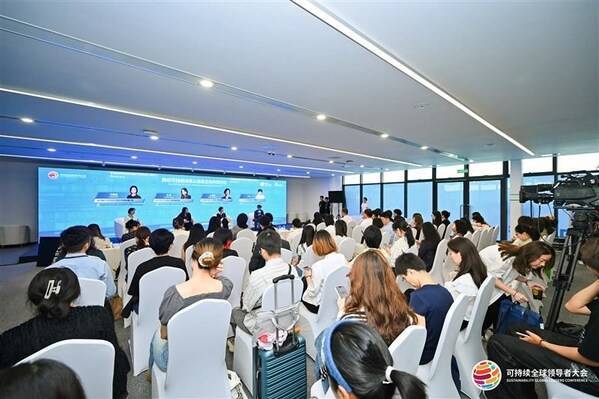
为应对这些挑战,欧莱雅多措并举:一方面基于绿色科学与初创企业共同推进生物技术研发,打造可持 续产品;并与生态圈伙伴紧密合作,基于3R原则(Replace、Reduce、Recycle)打造可持续包装体系。 此外,欧莱雅集团持续与京东、天猫等电商平台深化合作,精准开展消费者沟通与教育,积极推广替换 芯及绿色物流解决方案。 欧莱雅北亚及中国首席可持续发展官朴智鲜受邀出席主题对话 欧莱雅北亚及中国首席可持续发展官朴智鲜分享 上海2025年10月22日-- 10月16日,2025可持续全球领导者大会于上海世博园区正式开幕。以"携手应对 挑战:全球行动、创新与可持续增长"为主题,大会聚焦能源与双碳、绿色金融、可持续消费等核心领 域,汇聚全球政商学界领袖,共同探索可持续发展的现实路径。欧莱雅北亚及中国首席可持续发展官朴 智鲜受邀出席,并在17日下午的主题对话"推动可持续消费从理念迈向共同行动"中,分享了欧莱雅对可 持续消费的深刻洞察与创新实践。 欧莱雅北亚及中国首席可持续发展官朴智鲜首先指出:"可持续发展早已深度融入欧莱雅的价值观中。 早在2019年,欧莱雅中国便率先实现所有运营场所100%使用可再生能源,领先集团目标6 ...
具身智能备受青睐 首形科技完成过亿元A+轮融资|投融资周报
2 1 Shi Ji Jing Ji Bao Dao· 2025-10-14 15:23
Core Insights - The investment landscape in robotics and advanced manufacturing is thriving, with embodied intelligence gaining significant attention and highlights in the autonomous driving sector [1] Group 1: Investment Trends - Didi Autonomous Driving announced a D-round financing of 2 billion RMB, with participation from multiple investment funds and companies [1] - Chengdu Nureter Medical Technology completed nearly 800 million RMB in D-round financing, led by Shenzhen Capital Group and People's Insurance Capital [1] - Natural堂 Group secured 300 million RMB in strategic financing, with investment from Jiahua Capital and participation from L'Oréal [1] - A total of 34 financing events occurred in the domestic primary market from September 29 to October 12, with a total scale of approximately 9.645 billion RMB [1][2] Group 2: Sector-Specific Financing - The robotics sector completed 4 financing rounds, totaling approximately 340 million RMB, while the AI sector also saw 4 financing rounds with a total of about 510 million RMB [3][4] - The healthcare sector showed robust performance, with several companies like Weiming Shiguang and Yaojiasu receiving significant funding for their innovative technologies [10][11] Group 3: Regional Focus - The majority of financing events were concentrated in Zhejiang, Jiangsu, and Guangdong provinces, with 7, 6, and 4 financing events respectively [5][6] Group 4: Active Investment Institutions - Yinxinggu Capital was notably active, completing 2 financing rounds primarily in the technology and manufacturing sectors [7][8] Group 5: Notable Company Financing - Shanghai Yuliqi Intelligent Technology completed nearly 100 million RMB in angel financing to accelerate robot mass production and technology development [20] - Suzhou Linghou Robot Co., Ltd. raised over 100 million RMB in A-round financing for core component development in industrial automation [21] - Jiangsu Tianbing Aerospace Technology announced nearly 2.5 billion RMB in Pre-D and D-round financing for rocket and engine production [33]

化妆品企业为何再攻植物成分
经济观察报· 2025-10-11 08:21
Core Viewpoint - The domestic cosmetics industry is experiencing a significant transformation, focusing on the innovation of plant-based ingredients and the development of proprietary technologies for extracting and utilizing these ingredients effectively [1][4][14]. Group 1: Technological Advancements - Since 2022, the domestic cosmetics industry has gradually mastered the full-process technology of "active substance labeling, impurity separation, and purity control" [10]. - Companies like Yunnan's Betaini have successfully extracted beneficial components from plants, such as the Qingci fruit, which has shown efficacy in skin barrier repair and anti-aging [2][11]. - The use of AI technology has accelerated the identification and extraction of effective plant components, allowing for higher purity and better efficacy in products [12]. Group 2: Market Trends - There is a growing trend among domestic cosmetics companies to utilize plant-based ingredients as a key differentiator in product offerings, with many brands showcasing their latest research and development at industry conferences [3][6]. - The number of new plant-based raw materials registered has increased significantly, from 3 in 2022 to 42 in 2024, indicating a shift towards plant-based ingredients dominating the market [7]. - The market for domestic cosmetics is expanding, with local brands capturing over 55.2% of the market share, surpassing foreign brands [15]. Group 3: Investment and Capital Market - Several companies focusing on plant-based ingredients have initiated IPO processes, reflecting increased investor interest in the sector [14]. - Notable investments have been made in companies with capabilities in plant raw material research, indicating a strong market confidence in the potential of domestic plant-based cosmetics [14]. Group 4: Future Outlook - The domestic cosmetics industry is expected to continue its shift towards using local plant resources, with predictions that domestic raw materials will account for over 80% of the market share in the future [15]. - As the industry matures, the purity, stability, and efficacy of domestic raw materials are approaching or even surpassing international standards, enhancing brand confidence in local sourcing [15].

化妆品企业为何再攻植物成分
Jing Ji Guan Cha Wang· 2025-10-11 07:08
Core Insights - The Chinese cosmetics industry is increasingly focusing on plant-based ingredients as a key differentiator and competitive advantage in product development [2][3][9] - The number of new plant-based raw materials registered has surged, indicating a significant shift towards natural ingredients in the cosmetics sector [4][5][11] Group 1: Industry Trends - The trend of utilizing local plant ingredients is becoming a common strategy among domestic cosmetics companies, with many brands showcasing their innovative plant-based products at industry events [2][3] - The number of plant-based raw materials registered with the National Medical Products Administration has increased from 3 in 2022 to 42 in 2024, surpassing chemical raw materials [4] - The market for domestic cosmetics is growing, with local brands capturing over 55.2% of the market share, indicating a shift in consumer preference towards homegrown products [11] Group 2: Technological Advancements - Advances in technology have enabled the extraction and identification of active components from plants, allowing for more targeted and effective product formulations [6][7] - Companies like谷雨 have successfully utilized AI technology to enhance the purity and efficacy of their plant-based ingredients, leading to breakthroughs in product development [8] - The development of proprietary extraction techniques has allowed companies to produce high-purity plant extracts at scale, significantly reducing costs and increasing market competitiveness [7][10] Group 3: Market Dynamics - The increasing interest in plant-based ingredients has led to a rise in IPO applications from companies specializing in these materials, reflecting investor confidence in the sector [10] - The push for domestic raw material sourcing is reshaping the supply chain dynamics, with companies advocating for the use of local ingredients to reduce reliance on imports [10][11] - The cosmetics industry is at a critical turning point, with local plant resources becoming a vital demand for future product development [2][4]